Blog

  • How Yoga Can Improve Posture : Yoga Practices for Better Posture

    How Yoga Can Improve Posture : Yoga Practices for Better Posture

    How Yoga Can Improve Bad Posture: Yoga Practices for Better Posture

    Table of Contents

    Introduction of Poor or Bad Posture

    Why we need to improve Posture ? Poor posture is a common problem that affects many people, often without them knowing how much it impacts their health and quality of life. The way we sit, stand, and move can greatly affect our physical well-being, and bad posture can cause multiple issues beyond just discomfort.

    When we talk about poor posture, we mean that parts of your body are not in their natural positions. This can show up in different ways, like slumped shoulders, a head that leans forward, or an overly curved lower back. These misalignments can upset your body’s natural balance, leading to strain on your muscles, ligaments, and joints.

    Role of Spine in Posture

    One of the most significant issues associated with poor posture is its effect on the spine. The spine is designed to support and distribute the weight of the body, but when it is not properly aligned, it can lead to chronic pain and discomfort. Over time, this misalignment can contribute to more serious conditions such as herniated discs, sciatica, and even spinal degeneration.

    Additionally, poor posture can cause your muscles to be out of balance. For example, if your shoulders are always rounded forward, your chest muscles can become tight and short, while your upper back muscles can get weak and stretched out. This imbalance can lead to headaches, neck pain, and feeling tired. Likewise, if your pelvis tilts forward, it can cause lower back pain and affect your hip joints.

    Besides physical pain, poor posture can also harm your mental well-being. Studies have shown that slouching or hunching can affect your mood and energy levels, making you feel depressed or lowering your self-esteem. On the other hand, good posture can make you feel more confident and positive, as it promotes an open and upright body language.

    Recognizing poor posture early and taking steps to correct it is crucial for maintaining overall health. Simple adjustments in daily habits, such as being mindful of how you sit at your desk, standing with your weight evenly distributed, and engaging in exercises that promote proper alignment, can make a significant difference. By addressing poor posture proactively, you can alleviate discomfort, prevent more serious health issues, and improve your overall quality of life.

    Understanding and Improving Your Posture: How Bad Posture affect you

    Poor posture is a common issue many people face, often without realizing its impact on their overall health. Recognizing and correcting bad posture is crucial for maintaining well-being and preventing discomfort.

    Identifying Poor Posture

    One of the most noticeable signs of poor posture is the alignment of your shoulders and neck. Typically, when you have poor posture, your shoulders tend to slump forward, and your head juts out, creating a noticeable curve in your neck and upper back. In contrast, good posture aligns your ears, shoulders, and hips in a straight line, reducing strain on your muscles and spine.

    The Effects of Poor Posture

    • Headaches: Tension in the neck muscles from poor alignment can contribute to headaches.
    • Back Pain: Misalignment puts extra stress on your back, often leading to chronic pain and discomfort.
    • Spinal Issues: Over time, poor posture can lead to conditions like herniated discs and hunchback, affecting your spine’s natural curvature.
    • Reduced Height: Slouching can make you appear shorter, as your spine may not fully extend when you are hunched over.

    Common Posture Problems

    Modern lifestyles, such as prolonged sitting at desks or looking down at screens, often exacerbate poor posture. Over time, these habits cause the muscles to adapt to incorrect positions, making it harder to correct posture without conscious effort.

    How to test a bad or good Posture

    To assess your posture, stand naturally in front of a mirror:

    • Align your shoulders and ears so they are level.
    • Let your arms hang naturally by your sides and see where your thumbs point.
    • If your posture is correct, your thumbs should point forward. If not, your thumbs might point outward or to the side, indicating poor posture.

    How to Improve Your Posture

    Correcting poor posture involves consistent practice and exercises:

    • Regular Stretching: Incorporate stretches that open the chest and strengthen the back.
    • Strength Training: Focus on exercises that build core strength to support the spine.
    • Mindful Awareness: Pay attention to your posture throughout the day, especially when sitting or standing for long periods.

    By following these simple steps and incorporating daily exercises, you can see significant improvements in your posture within just a few weeks. Stay tuned for detailed exercises and tips on how to enhance your posture effectively.

    10 Yoga Poses for Better Posture : Yoga for Beginners

    For beginners, it’s important to start with yoga postures that are simple, gentle, and effective for building a strong foundation. Here are some beginner-friendly postures that are easy to learn and perform while still providing great benefits:

    1. Mountain Pose (Tadasana)

      Category: Standing

      Benefits in Posture: Improves alignment, strengthens legs, and enhances balance.

      How to do it:

      • Stand with feet together, arms at your sides.
      • Distribute your weight evenly across both feet.
      • Engage your thighs, lift your chest, and relax your shoulders.
      • Hold for 5-10 breaths.

      Inhale deeply as you lengthen your spine and exhale as you ground yourself into the pose.

    2. Child’s Pose (Balasana)

      Category: Sitting

      Benefits in Posture: Stretches the back, hips, and thighs; promotes relaxation.

      How to do it:

      • Kneel on the floor, touch your big toes together, and sit on your heels.
      • Lower your torso between your thighs and extend your arms forward or rest them alongside your body.
      • Hold for 5-10 breaths.

      How to breathe: Inhale deeply into your back and exhale to release tension and deepen the stretch.

    3. Cat-Cow Pose (Marjaryasana-Bitilasana)

      Category: Prone

      Benefits in Posture: Increases spine flexibility, warms up the body, and helps with alignment.

      How to do it:

      • Start on your hands and knees, wrists under shoulders, knees under hips.
      • Inhale, arch your back, and lift your head and tailbone (Cow Pose).
      • Exhale, round your back, and tuck your chin (Cat Pose).
      • Repeat for 5-10 breaths.

      Breathing: Inhale as you arch your back, exhale as you round it.

    4. Downward-Facing Dog (Adho Mukha Svanasana)

      Category: Inverted

      Benefits in Posture: Stretches the entire body, strengthens the shoulders and back.

      How to do it:

      • Start on hands and knees, tuck your toes, and lift your hips towards the ceiling.
      • Straighten your legs, and push your heels towards the floor.
      • Hold for 5-10 breaths.

      How to breathe: Inhale deeply as you lengthen your spine, exhale as you press your heels down.

    5. Bridge Pose (Setu Bandhasana)

      Category: Supine

      Benefits in Posture: Strengthens the back, opens the chest, and improves spinal alignment.

      How to do it:

      • Lie on your back with knees bent, feet hip-width apart.
      • Lift your hips towards the ceiling, and clasp your hands under your back.
      • Hold for 5-10 breaths.

      Inhale as you lift your hips, exhale as you lower them.

    6. Cobra Pose (Bhujangasana)

      Category: Prone

      Benefits in Posture: Opens the chest, strengthens the back, and reduces stiffness.

      How to do it:

      • Lie on your stomach, place your hands under your shoulders.
      • Inhale and lift your chest off the ground, keeping elbows close to your body.
      • Hold for 5-10 breaths.

      Focus on Breathing: Inhale as you lift, exhale as you lower.

    7. Forward Fold (Uttanasana)

      Category: Standing

      Benefits in Posture: Stretches the hamstrings, relieves tension, and improves flexibility.

      How to do it:

      • Stand with feet hip-width apart.
      • Hinge at your hips and fold forward, letting your head and arms hang down.
      • Hold for 5-10 breaths.

      How to breathe: Inhale as you lengthen your spine, exhale as you deepen the fold.

    8. Spinal Twist (Ardha Matsyendrasana)

      Category: Seated

      Benefits in Posture: Enhances spinal flexibility, reduces tension in the back and shoulders.

      How to do it:

      • Sit with legs extended, bend one knee and place the foot outside the opposite thigh.
      • Twist your torso towards the bent knee, using your opposite elbow for support.
      • Hold for 5-10 breaths.

      Breathing tips: Inhale as you lengthen your spine, exhale as you deepen the twist.

    9. Chair Pose (Utkatasana)

      Category: Standing

      Benefits in Posture: Strengthens the legs, core, and improves balance.

      How to do it:

      • Stand with feet together, bend your knees as if sitting in a chair.
      • Extend your arms overhead, keeping your chest lifted.
      • Hold for 5-10 breaths.

      How to breathe: Inhale as you lift, exhale as you hold the position.

    10. Seated Forward Bend (Paschimottanasana)

      Category: Seated

      Benefits in Posture: Stretches the back and hamstrings, calms the mind.

      How to do it:

      • Sit with legs extended, hinge at your hips, and reach for your feet.
      • Hold for 5-10 breaths.

      Breath: Inhale as you lengthen, exhale as you reach forward.

    11. Locust Pose (Salabhasana)

      Category: Prone

      Benefits in Posture: Strengthens the back muscles, improves posture.

      How to do it:

      • Lie on your stomach, lift your chest, arms, and legs off the floor.
      • Hold for 5-10 breaths.

      How to breathe: Inhale as you lift, exhale as you lower.

  • How to Become a Yoga Instructor : Yoga Teacher Training Overview

    How to Become a Yoga Instructor : Yoga Teacher Training Overview

    How to Become a Yoga Instructor : Yoga Teacher Training Overview

    How to Become a Yoga Instructor : Yoga Teacher Training Overview

    How to Become a Yoga Instructor

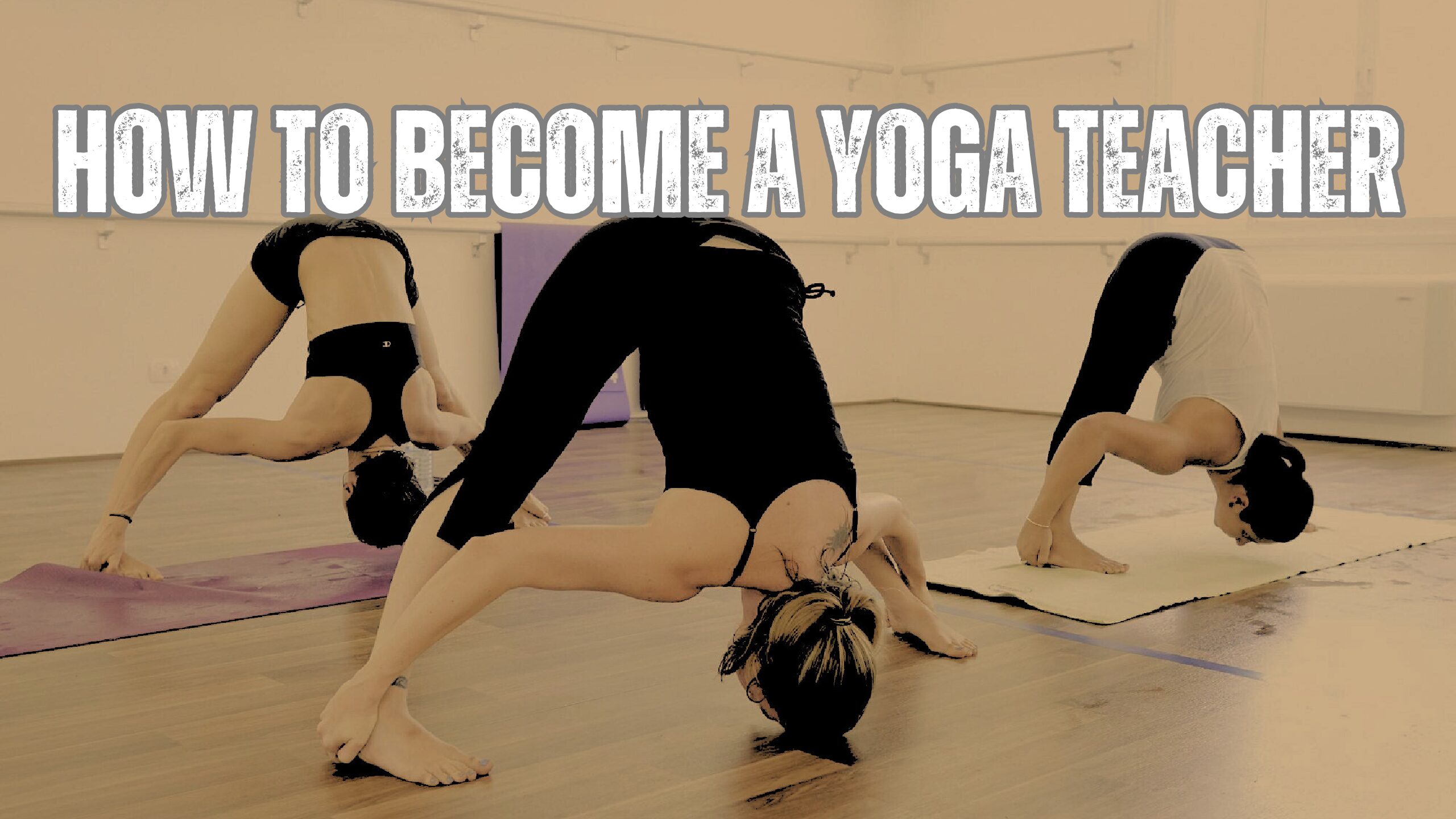
    Becoming a yoga instructor is an exciting and rewarding journey. Whether you love practicing yoga or want to share its benefits with others, learning how to become a yoga instructor can lead to a fulfilling career. In this simple guide, we’ll explain the steps you need to take, from choosing the right yoga teacher training to getting certified and starting your teaching career. Follow these easy steps, and you’ll be on your way to becoming a yoga instructor.

    What is Yoga Teacher Training?

    Yoga teacher training, commonly known as YTT, is a specialized program designed to equip individuals with the necessary skills and knowledge to teach yoga effectively. Whether you aspire to teach in a studio, lead online classes, or bring yoga into corporate settings, a YTT program provides you with the foundational understanding of yoga philosophy, anatomy, teaching methodology, and practical experience.

    Yoga Teacher Training

    Why Should You Consider Yoga Teacher Training?

    Enrolling in a YTT program goes beyond just learning yoga poses. It deepens your understanding of yoga as a holistic practice that encompasses physical postures (asanas), breathing techniques (pranayama), meditation, and more. Here are some key reasons why YTT might be right for you:

    • Personal Growth: YTT is not just about becoming a teacher but also about personal transformation. It allows you to deepen your practice, explore yoga philosophy, and cultivate mindfulness.
    • Career Opportunities: With yoga’s growing popularity, certified yoga instructors are in demand worldwide. Whether you aim to teach locally or travel as a yoga instructor, YTT opens doors to various career opportunities.
    • Community and Connection: YTT programs foster a sense of community among like-minded individuals. You’ll build lifelong connections with fellow yogis and mentors who share your passion for yoga.
    Why Yoga Teacher Training

    Types of Yoga Teacher Training Programs

    YTT programs vary in duration, focus, and intensity. The most common certifications are:

    • 200-Hour Yoga Teacher Training: This foundational program covers the basics of yoga philosophy, anatomy, teaching methodology, and includes practical teaching experience. It’s the minimum requirement for teaching yoga in most studios.
    • 300-Hour Yoga Teacher Training: Building upon the 200-hour program, the 300-hour training dives deeper into advanced yoga techniques, sequencing, and therapeutic applications.
    • 500-Hour Yoga Teacher Training: Combining the 200-hour and 300-hour programs, the 500-hour certification is the most comprehensive, offering in-depth knowledge and skills to become a highly qualified yoga instructor.
    Types of Yoga Teacher Training

    Benefits of Yoga Alliance Certification

    Yoga Alliance is the largest international registry of yoga teachers and schools. While certification with Yoga Alliance is not mandatory, it adds credibility to your training and may enhance your employability as a yoga instructor. Benefits of being Yoga Alliance certified include:

    • Credibility: Yoga Alliance sets standards for yoga teacher training programs, ensuring they meet certain criteria in terms of curriculum, teaching hours, and faculty qualifications.
    • Networking Opportunities: Being part of Yoga Alliance connects you with a global community of yoga professionals, offering opportunities for networking, mentorship, and continuing education.
    • Career Advancement: Many yoga studios and fitness centers prefer hiring instructors who are registered with Yoga Alliance, especially for their 200-hour and 500-hour certifications.
    Yoga Alliance Certification

    Online vs. In-Person Yoga Teacher Training

    Advancements in technology have made online YTT programs increasingly popular and accessible. Here’s a comparison of online vs. in-person YTT programs:

    • Online Yoga Teacher Training: Provides flexibility for students to study at their own pace, access recorded lectures and materials, and complete assignments remotely. Ideal for individuals with busy schedules or those living in remote areas.
    • In-Person Yoga Teacher Training: Offers direct interaction with instructors and classmates, hands-on learning experiences, and real-time feedback. Suitable for students who thrive in a structured, immersive environment.
    Online vs. In-Person Yoga Teacher Training

    Key Considerations When Choosing a YTT Program

    Selecting the right YTT program is crucial for your learning experience and future career as a yoga instructor. Here are key factors to consider:

    • Accreditation and Curriculum: Ensure the program is accredited by a reputable organization like Yoga Alliance. Review the curriculum to ensure it covers essential topics such as yoga philosophy, anatomy, teaching methodology, and practical teaching experience.
    • Faculty Qualifications: Research the qualifications and experience of the program’s faculty members. Experienced instructors with diverse teaching styles and backgrounds can enrich your learning experience.
    • Student Reviews and Testimonials: Read reviews and testimonials from past students to gauge their satisfaction with the program, teaching quality, and overall experience.
    • Cost and Value: Compare tuition fees, payment options, and additional costs such as study materials and certification fees. Consider the program’s value in terms of what you’ll learn and the career opportunities it may open up.
    Choosing a YTT Program

    Certification and Continuing Education

    Upon completing a YTT program, you’ll receive a certification that typically does not expire. However, continuing education is encouraged to stay updated with new developments in yoga practices, teaching techniques, and safety guidelines.

    Certification and Continuing Education

    Insurance for Yoga Instructors

    Insurance is essential for yoga instructors to protect themselves from liabilities and unforeseen circumstances. Whether you teach in a studio, gym, or private setting, having liability insurance provides peace of mind and may be required by studios or venues where you teach.

    Insurance for Yoga Instructors

    Starting your journey to become a yoga instructor is an amazing experience that deepens your practice and prepares you for a rewarding career. By understanding the different types of YTT programs, certification processes, and job opportunities, you’ll be ready to choose the right path for your goals in the world of yoga.

  • Which Indian Text Defines Karma Yoga and Karma Yoga Practices?

    Which Indian Text Defines Karma Yoga and Karma Yoga Practices?

    Which Indian Text Defines Karma Yoga and Karma Yoga Practices
    Which Indian Text Defines Karma Yoga and Karma Yoga Practices? 16

    Introduction : What is Karma Yoga

    Karma Yoga, one of the four classical paths of yoga, is grounded in the teachings of the Bhagavad Gita, a sacred Hindu scripture. This path emphasizes selfless action performed without attachment to the results. It encourages practitioners to dedicate their actions to a higher purpose, fostering inner peace and spiritual growth. By focusing on duty and service, Karma Yoga helps individuals transcend the ego and cultivate a sense of unity with the world around them.

    Understanding Karma Yoga: A Brief Overview

    Karma Yoga is known as the “Yoga of Action” and is one of the primary paths to spiritual enlightenment in Hindu philosophy. Unlike other yoga paths that may focus more on meditation or physical postures, Karma Yoga is all about action performed selflessly, without any desire for personal gain or recognition.

    Bhagavad Gita: The Source of Karma Yoga

    The teachings of Karma Yoga are primarily found in the Bhagavad Gita, a 700-verse Hindu scripture that is part of the Mahabharata. In the Gita, Lord Krishna advises Prince Arjuna on the importance of performing his duties without attachment to the results, laying the foundation for the principles of Karma Yoga.

    यत्करोषियदश्नासियज्जुहोषिददासियत् |यत्तपस्यसिकौन्तेयतत्कुरुष्वमदर्पणम् ||
    (Bhagavad Gita 9.27)

    “Whatever you do, whatever you eat, whatever you offer or give away, and whatever austerities you perform—do that, O son of Kunti, as an offering to Me.”

    What are The Core Principles of Karma Yoga         

    The core principles of Karma Yoga in the Bhagavad Gita center on selfless service, detachment from the results of actions, and fulfilling one’s duties with pure intention. Practitioners are encouraged to act without attachment to the outcomes, focusing instead on the righteousness of their actions and dedicating their efforts to a higher purpose or divine will. This approach fosters a sense of inner peace and spiritual fulfillment, as individuals transcend ego-driven desires and align their actions with the greater good. By following these principles, we can find a balanced and purposeful life, contributing positively to society while advancing on their spiritual journey.

    Selfless Action: The Heart of Karma Yoga (Nishkam Karma)

    At the heart of Karma Yoga is the concept of selfless action, known as Nishkama Karma. This principle encourages practitioners to perform their duties and actions without any attachment to the outcomes or personal gain. Here’s a deeper explanation of this concept and its significance:

    Nishkama Karma:

    • Definition: Nishkama Karma means performing actions without any expectation of rewards or results. The focus is on the action itself, not on the fruits it may bear.
    • Significance: By removing the desire for personal gain, individuals can act more ethically and with greater integrity. This approach leads to purer, more genuine efforts.
    1. Dedication to the Greater Good:
      • Service to Others: Actions are performed with the intention of benefiting others rather than oneself. This could include helping those in need, contributing to the community, or working towards the betterment of society.
      • Divine Service: In the spiritual context, actions are often dedicated to a higher power or the divine. This surrendering of personal motives transforms everyday activities into acts of worship.

    Purification of the Mind and Heart

    1. Reducing Ego and Attachment:
      • Ego Dissolution: Selfless action helps in reducing the ego, as the focus shifts from “I” and “mine” to the well-being of others.
      • Detachment: By not clinging to the results, one develops a sense of detachment. This detachment does not mean indifference, but rather a balanced perspective that accepts success and failure equally.
    2. Mental and Emotional Purification:
      • Inner Peace: Acting without selfish desires reduces stress and anxiety, leading to greater inner peace. The practitioner is not constantly worried about the outcomes.
      • Compassion and Empathy: Selfless actions cultivate compassion and empathy, as the focus is on helping and understanding others.

    How to apply Karma Yoga in Daily Life

    1. Everyday Actions:
      • Work and Responsibilities: Whether in professional or personal life, performing one’s duties with dedication and without selfish motives exemplifies Karma Yoga.
      • Acts of Kindness: Small, everyday acts of kindness, such as helping a neighbor or volunteering, are practical expressions of selfless action.
    2. Spiritual Practice:
      • Meditative Actions: Integrating selfless action into spiritual practices, such as meditation or prayer, enhances the spiritual journey by aligning actions with spiritual goals.
      • Devotion: Actions performed as offerings to a higher power or for the welfare of others deepen spiritual practice and understanding.

    Key Takeaways

    • Selflessness: The essence of Karma Yoga is selflessness. Actions are performed without seeking personal benefits, thus purifying the mind and heart.
    • Focus on Duty: Emphasis is on fulfilling one’s responsibilities and duties with sincerity and dedication, irrespective of the outcome.
    • Inner Growth: This practice leads to mental and emotional purification, fostering qualities like humility, compassion, and inner peace.

    Detachment from Outcomes: A Key Teaching (Vairagya)

    Detachment from the outcomes of one’s actions is a crucial teaching in Karma Yoga. By focusing on the process rather than the result, individuals can perform their duties without stress, anxiety, or fear of failure, leading to a more peaceful and contented state of mind.

    कर्मण्येवाधिकारस्तेमाफलेषुकदाचन |माकर्मफलहेतुर्भूर्मातेसङ्गोऽस्त्वकर्मणि ||
    (Bhagavad Gita 2.47)

    “You have a right to perform your prescribed duties, but you are not entitled to the fruits of your actions. Never consider yourself to be the cause of the results of your activities, nor be attached to inaction.”

    Duty and Dharma in Karma Yoga (Svadharma)

    In Karma Yoga, duty, often referred to as dharma, holds profound significance. It encompasses the idea that every individual has a unique role and responsibilities in life, and fulfilling these duties with dedication, integrity, and without selfish motives is essential for spiritual growth and harmony. Here’s a detailed explanation of duty and dharma in Karma Yoga:

    1. Definition of Dharma:
      • Personal Responsibility: Dharma refers to one’s inherent duty, role, or responsibility based on their position in society, family, and life circumstances.
      • Ethical Code: It also encompasses ethical principles and righteous conduct that guide individuals in their actions.
    2. Svadharma (Personal Duty):
      • Unique Role: Each person has a unique set of duties based on their talents, abilities, and station in life (varna and ashrama).
      • Fulfillment with Integrity: Svadharma emphasizes fulfilling these responsibilities with integrity and dedication, irrespective of personal preferences or outcomes.

    What is Role of Duty in Karma Yoga

    1. Integral to Spiritual Growth:
      • Purification of Intentions: Performing duties selflessly purifies the mind and heart, reducing selfish desires and ego.
      • Alignment with Universal Order: Fulfilling one’s dharma aligns individuals with the cosmic order (rita) and contributes to the harmony of society.
    2. Importance of Dedication:
      • Karma Yoga Practice: Practitioners of Karma Yoga integrate their actions into spiritual practice by performing their duties as offerings to a higher ideal or as service to others.
      • Inner Transformation: By embracing one’s duties wholeheartedly, individuals cultivate virtues such as patience, compassion, and resilience.

    Practical Application of Duty (Dharma)

    1. Examples of Svadharma:
      • Professions and Occupations: Embracing roles at work or in business with integrity and ethical conduct.
      • Family Responsibilities: Fulfilling responsibilities towards family members, such as caring for parents or nurturing children.
      • Community Service: Engaging in voluntary activities or social service that benefit the community.
    2. Ethical Guidance:
      • Righteous Conduct: Upholding moral principles and ethical standards in all actions.
      • Social Harmony: Contributing positively to society through responsible behavior and service-oriented actions.

    Spiritual and Ethical Development

    1. Integration with Yoga Practice:
      • Yogic Discipline: Practicing Karma Yoga helps individuals to refine their character and align their actions with spiritual principles.
      • Devotional Aspect: Actions performed as offerings to a higher power or for the welfare of others deepen spiritual devotion and understanding.
    2. Outcome Independence:
      • Detachment from Results: Karma Yoga teaches detachment from the outcomes of actions, focusing instead on the purity of intention and dedication to duty.
      • Inner Equanimity: This approach fosters inner peace and resilience, regardless of success or failure in external outcomes.

    Equanimity (Samatva)

    Equanimity, or Samatva, is a fundamental principle in Karma Yoga that advocates maintaining a balanced and steady mind amidst life’s ups and downs. This state of inner balance is crucial for practitioners as they engage in selfless action and navigate the consequences of their deeds. Here’s a detailed exploration of equanimity in the context of Karma Yoga:

    What is Equanimity (Samatva)

    1. Definition:
      • Balance and Stability: Samatva refers to mental and emotional equilibrium, where one remains poised and unaffected by external circumstances.
      • Staying Centered: It involves staying centered and unaffected by both favorable and unfavorable outcomes, pleasure and pain, success and failure.
    2. Core Principles:
      • Non-Attachment: Equanimity involves practicing non-attachment to the results of actions. This means performing actions with dedication but without being overly affected by their outcomes.
      • Inner Stability: It fosters a stable inner state, free from excessive emotional reactions such as elation or disappointment based on external events.

    Importance of Equanimity in Karma Yoga

    1. Integral to Spiritual Growth:
      • Spiritual Discipline: Practicing equanimity enhances spiritual discipline by reducing the fluctuations of the mind and promoting focus on selfless actions.
      • Inner Peace: It leads to inner peace and tranquility, which are essential for deepening meditative practices and spiritual contemplation.
    2. Practical Application:
      • Daily Life: In everyday situations, maintaining equanimity allows individuals to respond to challenges and achievements with calmness and clarity.
      • Social Interactions: It promotes harmonious relationships by preventing emotional reactivity and fostering empathy and understanding towards others.

    How to Practice Equanimity in Daily Life

    1. Mindfulness Practices:
      • Awareness of Thoughts and Emotions: Mindfulness meditation helps in observing thoughts and emotions without getting entangled in them, thus promoting equanimity.
      • Breath Awareness: Focusing on the breath helps in calming the mind and developing resilience against emotional disturbances.
    2. Perspective Shift:
      • Detached Observation: Viewing situations from a broader perspective helps in seeing the impermanence of circumstances and reducing attachment to specific outcomes.
      • Acceptance: Cultivating acceptance of the present moment and its inherent uncertainties supports the development of equanimity.

    Benefits of Equanimity

    1. Emotional Stability:
      • Stress Reduction: Equanimity reduces stress by preventing excessive worry and anxiety about future events.
      • Enhanced Decision-Making: It facilitates clearer and more objective decision-making, unaffected by emotional biases.
    2. Spiritual Evolution:
      • Self-Realization: Deepening equanimity leads to a deeper understanding of the self and the interconnectedness of all beings.
      • Transcendence of Ego: By transcending personal desires and attachments, practitioners move closer to spiritual liberation (moksha).

    Surrender to God (Ishvara Pranidhana)

    Dedicating all actions to God and seeing oneself as an instrument of the divine will. This principle involves surrendering the ego and personal desires, and performing actions as an offering to the higher power.

    Purity of Intent, known as Sattvic Action, is a crucial principle in Karma Yoga that emphasizes the quality of intentions behind every action. It goes beyond the mere performance of duties or actions and focuses on the ethical and moral purity of one’s motives. Here’s a detailed exploration of Sattvic Action and its significance:

    Understanding Sattvic Action

    1. Definition:
      • Pure Intentions: Sattvic Action involves performing actions with a sincere and selfless intention, aiming solely for the welfare and benefit of others.
      • Absence of Harm: It ensures that actions do not cause harm or suffering to any living being, embodying compassion and non-violence (ahimsa).
    2. Core Principles:
      • Selflessness: Actions are undertaken without selfish desires or personal gain, focusing instead on serving others and contributing positively to their well-being.
      • Ethical Conduct: Sattvic Action aligns with moral principles and values, promoting integrity, honesty, and fairness in all endeavors.

    Importance of Sattvic Action in Karma Yoga

    1. Spiritual Evolution:
      • Purification of Mind: Practicing Sattvic Action purifies the mind and cultivates virtues such as humility, kindness, and empathy.
      • Karmic Balance: It ensures that actions generate positive karma (good consequences) by fostering harmony and benefiting the collective welfare.
    2. Ethical Guidelines:
      • Righteousness: Upholding principles of righteousness (dharma) ensures that actions are in accordance with universal laws and contribute to social and cosmic order.
      • Conscious Living: Practicing Sattvic Action encourages conscious living, where individuals are mindful of the impact of their actions on others and the environment.

    Practical Application of Sattvic Action

    1. Intentions and Motives:
      • Clarity of Purpose: Before undertaking any action, practitioners of Karma Yoga reflect on their intentions, ensuring they are aligned with values of compassion and service.
      • Decision-Making: Sattvic Action guides ethical decision-making, considering the long-term consequences and ethical implications of choices.
    2. Service and Compassion:
      • Service Orientation: Actions are performed as acts of service to humanity, animals, and the environment, promoting well-being and harmony.
      • Non-Violence: Ahimsa (non-violence) is central to Sattvic Action, ensuring that actions do not cause physical, mental, or emotional harm to others.

    Benefits of Cultivating Sattvic Action

    1. Inner Peace and Contentment:
      • Harmonious Living: Sattvic Action fosters inner peace and contentment by aligning one’s actions with higher moral values and spiritual ideals.
      • Relationship Building: It enhances relationships based on trust, respect, and mutual understanding, promoting social harmony and cooperation.
    2. Spiritual Fulfillment:
      • Self-Transformation: Practicing Sattvic Action facilitates personal growth and spiritual evolution, leading to a deeper sense of fulfillment and purpose in life.
      • Alignment with Higher Consciousness: By acting selflessly and with pure intentions, individuals align themselves with higher consciousness and spiritual truths.

    The Role of Intention in Karma Yoga Practice

    In Karma Yoga, intention plays a pivotal role, shaping the quality and spiritual significance of actions. Here’s a comprehensive exploration of the role of intention in Karma Yoga practice:

    Importance of Intention in Karma Yoga

    1. Foundation of Actions:
      • Pure Intentions: Intention forms the foundation of Karma Yoga practice. It’s not solely about the outward action but the inward motive behind it.
      • Selflessness: Actions performed with selfless intentions, devoid of personal desires or attachments, contribute positively to spiritual evolution.
    2. Inner Transformation:
      • Overcoming the Ego: Intention shapes how actions impact the practitioner’s spiritual journey. By acting with pure intentions, individuals can transcend ego-driven desires and attachments.
      • Cultivating Virtues: Intentional actions cultivate virtues such as humility, compassion, and empathy, fostering inner growth and spiritual maturity.

    Characteristics of Intention in Karma Yoga

    1. Selfless Service (Nishkama Karma):
      • Benefiting Others: Intentions in Karma Yoga are oriented towards benefiting others and serving the greater good, without expecting personal gain or recognition.
      • Surrender to Higher Purpose: Intention involves surrendering actions to a higher purpose or divine will, acknowledging one’s role as an instrument of universal harmony.
    2. Alignment with Dharma:
      • Ethical Integrity: Intention ensures that actions align with moral and ethical principles (dharma), promoting righteousness and contributing to the collective welfare.
      • Conscious Decision-Making: Practitioners reflect on their intentions before acting, ensuring they uphold values of honesty, integrity, and non-violence (ahimsa).

    Practical Application in Karma Yoga Practice

    1. Mindfulness and Awareness:
      • Awareness of Motives: Practitioners cultivate mindfulness to become aware of their motives and intentions before undertaking any action.
      • Course Correction: By aligning actions with pure intentions, individuals can course-correct if they notice any deviation from selflessness or ethical conduct.
    2. Devotional Aspect:
      • Offering to the Divine: Intentions are often dedicated as offerings to a higher power or as acts of devotion, deepening spiritual connection and devotion (bhakti) in Karma Yoga.
      • Spiritual Alignment: Intentional actions align practitioners with their spiritual aspirations, fostering a sense of purpose and meaning in their lives.

    Benefits of Cultivating Pure Intentions

    1. Spiritual Growth and Fulfillment:
      • Inner Peace and Contentment: Acting with pure intentions promotes inner peace and contentment, reducing inner conflict and turmoil.
      • Karmic Consequences: Pure intentions lead to positive karmic consequences, supporting the practitioner’s spiritual progress and evolution.
    2. Harmonious Relationships:
      • Building Trust and Respect: Intentional actions build trust and respect in relationships, enhancing mutual understanding and fostering harmonious interactions.
      • Community Contribution: Contributing positively to society through intentional actions strengthens the fabric of community and social harmony.

    Karma Yoga in Daily Life: Practical Applications

    Karma Yoga, often described as the yoga of selfless action, offers a profound path to spiritual growth and fulfillment through everyday actions. Here are practical ways to integrate Karma Yoga into daily life:

    1. Acts of Kindness and Service

    • Random Acts of Kindness: Engage in small gestures of kindness throughout your day, such as helping someone carry groceries, holding the door open, or offering a smile.
    • Volunteering: Dedicate your time and skills to causes that resonate with you, whether it’s helping at a local shelter, tutoring children, or participating in environmental cleanup efforts.

    2. Performing Work with Dedication and Integrity

    • Work Ethic: Approach your professional responsibilities with dedication, honesty, and a sense of service to your colleagues, clients, or customers.
    • Ethical Conduct: Uphold ethical standards in your work, ensuring fairness, transparency, and respect in all interactions and decisions.

    3. Mindful and Compassionate Communication

    • Listening with Empathy: Practice active listening and empathetic communication, seeking to understand others’ perspectives without judgment or bias.
    • Speaking Kindly: Use words that uplift and inspire others, avoiding gossip, criticism, or harsh language that may cause harm.

    4. Daily Rituals and Spiritual Practices

    • Morning Intentions: Set positive intentions for your day, focusing on how you can contribute to the well-being of others and act selflessly in various situations.
    • Mindfulness Meditation: Cultivate mindfulness through meditation practices, enhancing awareness of your thoughts, emotions, and actions throughout the day.

    5. Cultivating Gratitude and Humility

    • Gratitude Practice: Reflect on and express gratitude for the blessings in your life, recognizing the interconnectedness of all beings and the opportunities to serve others.
    • Humility: Approach interactions with humility, acknowledging that each person has their own journey and challenges, and treating everyone with respect and dignity.

    6. Aligning Actions with Higher Principles

    • Reflective Practice: Regularly reflect on your actions and their impact on others, striving to align your behavior with universal values such as compassion, honesty, and non-violence (ahimsa).
    • Offering to the Divine: Dedicate your actions as offerings to a higher power or as acts of devotion, recognizing the sacredness and interconnectedness of all life.

    The Benefits of Practicing Karma Yoga

    Practicing Karma Yoga offers numerous benefits, including mental clarity, emotional stability, reduced stress, and a sense of fulfillment. It helps individuals cultivate virtues like compassion, humility, and detachment.

    • Inner Peace: Acting selflessly and with compassion brings a sense of inner peace and contentment, reducing stress and fostering emotional well-being.
    • Positive Impact: By making every action a conscious offering, you contribute positively to your community and society, promoting harmony and collective well-being.
    • Spiritual Growth: Practicing Karma Yoga cultivates virtues such as selflessness, empathy, and humility, supporting your journey towards spiritual growth and self-realization.

    In essence, Karma Yoga is not confined to formal practices or rituals but extends into every aspect of daily life. By approaching each moment with mindfulness, compassion, and a genuine desire to serve others, you embody the essence of Karma Yoga and contribute to creating a more compassionate and harmonious world.

    Karma Yoga and Spiritual Growth  

    Karma Yoga is a powerful tool for spiritual growth. By performing selfless actions, individuals purify their hearts and minds, making them more receptive to higher spiritual truths and experiences.

    Benefits of Spiritual Growth through Karma Yoga

    • Service Orientation: Engaging in selfless service enhances empathy and compassion towards others, fostering a deeper sense of interconnectedness and unity.
    • Understanding Others: By actively helping and supporting others, practitioners develop a broader perspective on life’s challenges and struggles.

    Devotion and Surrender (Bhakti):

    • Offering to the Divine: Karma Yoga encourages actions as offerings to a higher power or as acts of devotion, deepening spiritual connection and surrendering personal will to divine guidance.
    • Spiritual Devotion: This practice nurtures devotion (bhakti) and strengthens the bond with the spiritual essence within and beyond oneself.
    1. Inner Fulfillment and Contentment:
      • Self-Realization: As individuals purify their hearts and minds through selfless actions, they experience a deeper sense of inner fulfillment and contentment.
      • Spiritual Progress: Progressively, Karma Yogis advance towards self-realization and unity with the divine, transcending individual ego and identifying with the universal consciousness.
    2. Harmony and Unity:
      • Community Impact: By embodying principles of Karma Yoga, practitioners contribute to creating a harmonious and compassionate community, promoting peace and mutual respect.
      • Global Consciousness: Collectively, the practice of Karma Yoga fosters a global consciousness of interconnectedness and shared responsibility for the welfare of all beings.

    Inspiring Examples of Karma Yogis

    History and mythology are replete with inspiring examples of Karma Yogis who lived lives of selfless service. Indeed offer us numerous inspiring examples of Karma Yogis—individuals who dedicated their lives to selfless service and spiritual upliftment. Here are some notable examples across different cultures and time periods:

    • Known For: Mahatma Gandhi, the leader of India’s independence movement against British rule, exemplified Karma Yoga through his principle of Satyagraha (truth-force) and Ahimsa (non-violence).
    • Selfless Actions: He led numerous non-violent protests and movements, advocating for social justice, equality, and the upliftment of the marginalized.
    • Spiritual Influence: Gandhi’s life was deeply rooted in spiritual principles, integrating Karma Yoga into his daily life and inspiring millions worldwide with his dedication to service.

    • Known For: Mother Teresa, a Catholic nun and missionary, dedicated her life to serving the people with low living in Kolkata (Calcutta), India.
    • Selfless Service: She founded the Missionaries of Charity, a religious congregation that operates hospices, orphanages, and centers for people with disabilities.
    • Compassionate Actions: Mother Teresa’s compassionate care for the destitute and dying exemplified Karma Yoga, emphasizing love, empathy, and humanitarian service.

    • Known For: Swami Vivekananda was a key figure in the introduction of Indian philosophies of Vedanta and Yoga to the Western world.
    • Advocate of Service: He emphasized the practice of Karma Yoga as a means to spiritual realization, stressing the importance of selfless action and work as worship (Karma Yoga).
    • Intellectual Influence: Vivekananda’s teachings on Karma Yoga continue to inspire seekers worldwide, encouraging them to work for the welfare of others without attachment to results.

    • Known For: Florence Nightingale, a pioneer of modern nursing, exemplified Karma Yoga through her compassionate care for wounded soldiers during the Crimean War.
    • Nursing and Humanity: She established nursing as a respected profession, advocating for sanitary conditions and healthcare reforms that saved countless lives.
    • Service to Humanity: Nightingale’s commitment to alleviating suffering and promoting health epitomized Karma Yoga’s principles of selfless service and compassion.
      5. Harriet Tubman
    • Known For: Harriet Tubman was an Afro American abolitionist, humanitarian, and Union spy during the American Civil War.
    • Freedom Fighter: She helped liberate enslaved Afro Americans through the Underground Railroad, guiding them to freedom despite personal risks.
    • Courageous Actions: Tubman’s dedication to justice and freedom for others exemplifies Karma Yoga’s principles of courage, sacrifice, and service to humanity.

    Integrating Karma Yoga with other paths of yoga—Bhakti Yoga, Jnana Yoga, and Raja Yoga—creates a holistic framework for spiritual growth and enlightenment. Here’s how each path can complement and enhance the practice of Karma Yoga:

    1. Bhakti Yoga (Path of Devotion)

    • Focus on Love and Devotion: Bhakti Yoga emphasizes love, devotion, and surrender to a higher power or divine principle.
    • Integration with Karma Yoga: Practitioners of Karma Yoga can infuse their actions with devotion and see their service as an offering to the divine or as an expression of gratitude and love.
    • Example: Performing selfless actions with love and devotion, such as volunteering or helping others, becomes a way to deepen one’s connection with the divine and serve others as an act of devotion.

    2. Jnana Yoga (Path of Knowledge)

    • Quest for Self-Realization: Jnana Yoga focuses on self-inquiry, knowledge of the self, and understanding the nature of reality.
    • Integration with Karma Yoga: Practitioners can combine Jnana Yoga with Karma Yoga by reflecting on the deeper meaning of their actions. This includes understanding karma, embracing selfless service, and recognizing the interconnectedness of all beings.
    • Example: Reflect on the motives and consequences of your actions. Cultivate discernment (viveka) and wisdom (jnana) to act in ways that align with higher truths and principles.

    3. Raja Yoga (Path of Meditation)

    • Inner Exploration and Meditation: Raja Yoga focuses on meditation, concentration (dharana), and deep contemplation to reach spiritual union (samadhi).
    • Integration with Karma Yoga: Karma Yoga aids Raja Yoga by purifying the ego and reducing mental distractions through selfless actions, preparing the mind for deeper meditation.
    • Example: Practicing meditation to cultivate inner peace and clarity. It enhance the ability to perform selfless actions with focused attention and mindfulness.

    Synergies and Benefits

    • Holistic Development: Combining Karma Yoga with Bhakti, Jnana, and Raja Yoga creates a balanced spiritual path. This approach engages the heart (Bhakti), intellect (Jnana), and mind (Raja).
    • Comprehensive Spiritual Path: These paths together offer a complete framework for personal growth. They help purify intentions (Karma Yoga), deepen devotion (Bhakti Yoga), gain wisdom (Jnana Yoga), and find inner stillness (Raja Yoga).
    • Unity of Purpose: Integrating these paths unifies purpose. It aligns actions, thoughts, emotions, and spiritual goals towards self-realization and union with the divine.

    Practical Application

    • Daily Practice: Start the day with selfless actions (Karma Yoga). Then, engage in devotional practices (Bhakti Yoga). Study scriptures or philosophical texts (Jnana Yoga), and end with meditation (Raja Yoga).
    • Integration in Service: Serve others with love and wisdom. Recognize the interconnectedness of all beings. Treat every action as a chance for spiritual growth.
    • Lifelong Journey: Integrating these paths is a lifelong journey. It deepens as individuals gain more understanding and experience in spiritual practices.

    Integrating Karma Yoga with Bhakti, Jnana, and Raja Yoga creates a well-rounded spiritual path. This approach helps practitioners develop self-awareness, compassion, and a deeper understanding of higher truths.

  • Where Does Yoga Come From?

    Where Does Yoga Come From?

    Where Does Yoga Come From
    Where Does Yoga Come From? 19

    Yoga, an ancient practice, originates from the rich cultural and spiritual heritage of India. Dating back over 5,000 years, yoga is first mentioned in the sacred texts known as the Vedas. It was developed by sages and yogis who sought to understand the connection between the mind, body, and spirit. The word “yoga” comes from the Sanskrit word “yuj,” which means to unite or join. This holistic practice encompasses physical postures (asanas), breath control (pranayama), and meditation, aiming to promote overall well-being. Understanding the roots of yoga helps us appreciate its profound depth and the timeless wisdom it offers. Certainly! Here’s a more expanded explanation Where in the Origin of Yoga for each headline, incorporating additional details and context:

    1. The Origin of Yoga: Ancient Indian Roots and Vedic Tradition

      The origin of yoga traces back to ancient India. It emerged from the spiritual insights and practices recorded in the Vedic texts. These texts include the Rigveda and Upanishads, dating back over 5,000 years. They mention yoga as a means to attain spiritual insight and self-realization.

    Specifically, yoga involves a disciplined practice integrating physical postures (asanas), controlled breathing (pranayama), and meditation. Additionally, the Vedic tradition laid the foundational principles of yoga. It emphasizes the union of mind, body, and spirit. This concept is encapsulated in the Sanskrit word “yoga,” which means union or connection.

    2. The History of Yoga: From Origin of Yoga in Ancient Texts to Modern Practice

       Yoga’s history is a journey through centuries of philosophical, cultural, and practical evolution. It began as a spiritual discipline in ancient India, practiced by sages and ascetics seeking enlightenment and self-mastery. Over time, yoga’s teachings spread and diversified, influenced by various philosophical schools, such as Vedanta, Samkhya, and Tantra. In the late 19th and early 20th centuries, pioneers like Swami Vivekananda and Paramahansa Yogananda introduced yoga to the West, sparking global interest and adaptation. Today, yoga encompasses a wide range of styles and approaches, from traditional Hatha and Ashtanga to modern variations like power yoga and hot yoga, each offering unique benefits while remaining rooted in yoga’s foundational principles.

    3. How Yoga Began: Tracing the Origin of Yoga in Ancient India   

    Yoga’s origins can be traced to the ancient Indus-Sarasvati civilization around 2700 BCE, with seals depicting figures in yogic postures found in archaeological sites like Mohenjo-Daro and Harappa. The practice evolved significantly during the Vedic period (1500–500 BCE), where it was codified in texts like the Rigveda and later refined in the Upanishads. These scriptures introduced concepts such as karma, dharma, and the path to liberation (moksha) through disciplined practice (sadhana), which became central tenets of yoga philosophy. Ancient yogis explored the interplay of body and mind, developing techniques to purify the body, control the breath, and calm the mind—practices that laid the groundwork for modern yoga as we know it today.

    4. Yoga’s Ancient Origins: Insights from the Vedas

       The Vedas, ancient Indian scriptures dating back to 1500–500 BCE, provide early insights into the origins and philosophical underpinnings of yoga. They mention practices aimed at spiritual realization and self-mastery through rituals, meditation, and asceticism. The Upanishads, composed around 800–200 BCE, delve deeper into the nature of existence and the role of yoga in attaining liberation (moksha) from the cycle of birth and death (samsara). These texts offer profound wisdom on the union of individual consciousness (atman) with the universal consciousness (Brahman), a concept central to yoga’s spiritual goals.

    5. The Journey of Yoga: From Ancient Indian Sages to Today

       Yoga’s journey spans millennia, beginning with its origins in the Vedic period and evolving through the teachings of ancient Indian sages and philosophers. During the classical period (200 BCE–500 CE), influential texts such as Patanjali’s Yoga Sutras systematically codified the practice of yoga, outlining its eight limbs (Ashtanga Yoga) as a path to spiritual enlightenment. Over centuries, yoga continued to evolve, adapting to different cultural and religious contexts while preserving its core principles of self-discipline, ethical conduct, and spiritual growth. In the 20th century, yoga gained global popularity as teachers like B.K.S. Iyengar, Krishnamacharya, and Swami Sivananda introduced accessible and systematic approaches to yoga practice, paving the way for its widespread adoption as a holistic wellness practice in the modern world.

    6. Understanding Yoga’s Roots: The Significance of the Vedic Tradition

       Yoga’s roots in the Vedic tradition highlight its holistic approach to well-being, integrating physical exercises (asanas), breath control (pranayama), and ethical principles (yamas and niyamas) to cultivate a balanced and harmonious life. The Vedas and Upanishads emphasize the unity of body, mind, and spirit, guiding practitioners toward self-realization and spiritual liberation. Yoga’s teachings encourage individuals to live in harmony with themselves and their environment, fostering inner peace, resilience, and compassion—a philosophy that continues to resonate across cultures and generations.

    7. The Rich History of Yoga: A Practice Rooted in Indian Culture   

    Embedded in the cultural fabric of India, yoga has evolved as a comprehensive system of self-development aimed at promoting physical health, mental clarity, and spiritual growth. From ancient times to the present day, yoga has been practiced in diverse forms—from the austere disciplines of ascetics. And yogis to the accessible and inclusive practices embraced by people worldwide. Indian classical texts such as the Bhagavad Gita and Yoga Vasistha expound on yoga’s transformative power. Offering timeless wisdom on the pursuit of happiness, inner peace, and fulfillment through disciplined practice and self-awareness.

    8. Yoga’s Ancient Beginnings: How the Practice Evolved Over Millennia

       Yoga’s ancient beginnings reflect its transformation from early spiritual practices to a diverse range of contemporary forms. That cater to different needs and lifestyles. In ancient India, yogis explored techniques to purify the body, control the breath, and quiet the mind—practices. That laid the foundation for Hatha Yoga, known for its emphasis on physical postures (asanas) and breathwork (pranayama). Over millennia, yoga diversified into various paths, including Bhakti Yoga (devotional practice), Karma Yoga (selfless action), and Jnana Yoga (path of wisdom). Each offering unique approaches to spiritual growth and personal transformation. Today, yoga continues to evolve as practitioners worldwide embrace its holistic benefits, adapting ancient wisdom to modern lifestyles and needs.

    9. Knowing the Origins of Yoga: The Intersection of Mind, Body, and Spirit

    Exploring the origin of yoga reveals its deep philosophy of integrating mind, body, and spirit. This integration is achieved through practices that promote physical health, mental clarity, and spiritual awakening. Ancient Indian sages developed yoga to attain inner peace and self-realization. They emphasized the interconnectedness of all aspects of existence.

    In addition, yoga encourages disciplined practice and ethical living. By doing so, it fosters qualities such as awareness, compassion, and resilience. This journey transcends cultural boundaries and resonates universally. Ultimately, yoga addresses the quest for meaning and fulfillment in life.

    10. Yoga Through the Ages: From Ancient Asanas to Modern Wellness

     Yoga has evolved over centuries, adapting ancient practices of physical postures (asanas), breathing techniques (pranayama). As well as meditation to meet the evolving needs of practitioners in the modern world. Ancient texts such as the Yoga Sutras of Patanjali and the Hatha Yoga Pradipika provide foundational principles for yoga practice. Which Help in integration of body and mind to achieve balance, strength, and inner peace. In recent decades, yoga has gained popularity as a holistic wellness practic. With diverse styles and approaches catering to individuals of all ages and fitness levels. From traditional Hatha and Vinyasa to contemporary forms like hot yoga and aerial yoga. Yoga continues to inspire and empower millions worldwide, offering pathways to physical health, mental well-being, and spiritual growth.

    11. The Meaning of Yoga: Uniting Mind, Body, and Spirit Since Ancient Times

    Yoga is fundamentally a practice that aims to harmonize the mind, body, and spirit. It achieves this through a combination of physical postures (asanas), breath regulation (pranayama), and meditation. Originating in ancient India, yoga emphasizes the interconnectedness of physical, mental, and spiritual dimensions of life.

    Furthermore, the Yoga Sutras of Patanjali, composed around 400 CE, describe yoga as an eight-fold path (Ashtanga Yoga). This path is designed to guide practitioners toward self-realization and inner peace. It advocates disciplined practice and ethical conduct. Consequently, it fosters qualities such as self-awareness, compassion, and resilience.

    Moreover, these principles transcend cultural boundaries. As a result, they resonate universally, offering individuals a way to seek deeper meaning and fulfillment through yoga.

    12. The Evolution of Yoga: From Pranayama and Meditation in Ancient India to Today

     Yoga’s evolution spans millennia. From the Origin of Yoga in ancient India to its global prominence as a holistic wellness practice. Ancient yogis developed techniques such as pranayama (breath control) and meditation to purify the body and calm the mind, practices that remain integral to yoga’s transformative power. In the classical period, Patanjali’s Yoga Sutras codified yoga as an eight-limbed path (Ashtanga Yoga). Outlining ethical principles, physical postures (asanas), breathwork (pranayama), and meditation techniques to achieve spiritual enlightenment. Over centuries, yoga diversified into various styles and approaches, from traditional Hatha and Kundalini. To modern adaptations like power yoga and Yin yoga, each offering unique benefits for physical health, mental well-being, and spiritual growth.

  • Yoga Asana for Self Healing : Benefits of Yoga for Practitioners

    Yoga Asana for Self Healing : Benefits of Yoga for Practitioners

    Yoga Asana for Self-Healing: The Benefits of Yoga for Practitioners

       Yoga is a holistic practice renowned for its ability to promote both physical and mental well-being. Beyond its reputation for relaxation and flexibility, yoga offers a profound potential for healing various ailments. Through specific yoga poses known as asanas, practitioners can target and alleviate specific health issues. Whether you’re seeking relief from chronic back pain, aiming to improve digestive function, or hoping to enhance mental clarity and focus, there are tailored yoga asanas designed to support your journey to optimal health.

    In this Yoga Asana Blog, we will read a selection of yoga poses renowned for their therapeutic benefits. These asanas not only address physical discomfort but also nurture overall vitality and self-healing. By integrating these practices into your routine, you can harness the transformative power of yoga to enhance your quality of life and promote longevity.

    1. Downward-Facing Dog (Adho Mukha Svanasana)

    How to Do:

    1. Start on your hands and knees, with your wrists aligned under your shoulders and knees under your hips.
    2. Spread your fingers wide and press firmly into the mat.
    3. Tuck your toes under, exhale, and lift your knees off the floor, sending your hips up and back.
    4. Straighten your legs as much as your flexibility allows, while keeping your heels grounded or lifting slightly.
    5. Lengthen your spine by reaching your tailbone toward the ceiling and pressing your chest towards your thighs.
    6. Hold for 30 seconds to 1 minute, breathing deeply.
    7. To release, exhale and gently lower your knees back to the mat.

    Benefits: Strengthens the arms and legs, stretches the spine, and improves circulation.

    Conditions it helps: Back pain, fatigue, and stress relief.

    2. Cobra Pose (Bhujangasana)

    How to Do:

    1. Lie face-down on your mat with your legs extended, tops of the feet resting on the floor.
    2. Place your hands under your shoulders, elbows close to your body.
    3. Inhale, press into your hands, and lift your chest off the floor, keeping your lower ribs on the ground.
    4. Roll your shoulders back and down, lengthening through the crown of your head.
    5. Hold for 15-30 seconds, breathing deeply.
    6. Exhale and slowly release back to the mat.

    Benefits: Opens the chest, stretches the shoulders, and strengthens the spine.

    Conditions it helps: Asthma, respiratory issues, and menstrual discomfort.

    3. Child’s Pose (Balasana)

    How to Do:

    1. Kneel on your mat, big toes touching, and sit back on your heels.
    2. Separate your knees about hip-width apart or wider.
    3. Exhale and lower your torso between your thighs, extending your arms in front or resting them alongside your body.
    4. Rest your forehead on the mat and relax your neck.
    5. Hold for 1-3 minutes, breathing deeply into your back and sides.
    6. To release, walk your hands back towards your body as you lift your torso upright.

    Benefits: Stretches the hips, thighs, and ankles, and relaxes the mind.

    Conditions it helps: Anxiety, insomnia, and digestion issues.

    Feeling achy or stressed? Explore Yoga Asana for Self Healing, inner peace and Physical Fitness ! These poses can help alleviate discomfort, improve flexibility, and bring a sense of calm – all without needing any special equipment.

    4. Bridge Pose (Setu Bandhasana)

    How to Do:

    1. Lie on your back with your knees bent and feet hip-width apart, flat on the floor.
    2. Rest your arms alongside your body, palms down.
    3. Press into your feet, inhale, and lift your hips toward the ceiling.
    4. Roll your shoulders under and interlace your fingers, pressing your arms into the mat.
    5. Hold for 30 seconds to 1 minute, breathing deeply.
    6. Exhale and slowly release your hands and lower your spine back to the mat.

    Benefits: Strengthens the back, buttocks, and hamstrings, and improves flexibility.

    Conditions it helps: Thyroid imbalance, menopause symptoms, and backaches.

    5. Seated Forward Bend (Paschimottanasana)

    How to Do:

    1. Sit on the mat with your legs extended in front of you, feet flexed.
    2. Inhale and lengthen your spine.
    3. Exhale, hinge at your hips, and reach forward with a straight back.
    4. Hold onto your legs, ankles, or feet—wherever your reach comfortably allows.
    5. Keep your neck relaxed and gaze forward or down.
    6. Hold for 30 seconds to 1 minute, breathing deeply.
    7. Inhale and slowly release back to an upright position.

    Benefits: Stretches the spine, shoulders, and hamstrings, and calms the mind.

    Conditions it helps: High blood pressure, diabetes, and insomnia.

    6. Legs-Up-the-Wall Pose (Viparita Karani)

    How to Do:

    1. Sit sideways with one hip touching the wall.
    2. Swing your legs up onto the wall as you lie back, bringing your buttocks close to the wall.
    3. Rest your arms by your sides, palms facing up.
    4. Adjust your position so that your legs are straight up the wall.
    5. Close your eyes and breathe deeply, relaxing into the pose.
    6. Hold for 5-15 minutes, focusing on your breath.

    Benefits: Relieves tired legs and feet, improves circulation, and relaxes the nervous system.

    Conditions it helps: Varicose veins, anxiety, and menstrual cramps.

    7. Corpse Pose (Savasana)

    How to Do:

    1. Lie on your back with your legs extended and feet relaxed.
    2. Allow your arms to rest alongside your body, palms facing up.
    3. Close your eyes and bring awareness to your breath.
    4. Relax your entire body, releasing tension from head to toe.
    5. Remain in this pose for 5-10 minutes, or longer if desired.
    6. To exit, deepen your breath and gently awaken your body with small movements.

    Benefits: Promotes deep relaxation, reduces stress, and rejuvenates the body.

    Conditions it helps: Anxiety disorders, hypertension, and insomnia.

    Know our body’s natural healing capability with 10 Benefits of Yoga Asana for Self Healing . This practice combines gentle postures and mindful breathing to promote relaxation, reduce pain, and boost overall well-being.

    8. Cat-Cow Pose (Marjaryasana-Bitilasana)

    How to Do:

    1. Start on your hands and knees, with your wrists aligned under your shoulders and knees under your hips.
    2. Inhale, arch your back, and lift your tailbone and chest towards the ceiling (Cow Pose).
    3. Exhale, round your spine, tuck your chin to your chest, and tuck your tailbone under (Cat Pose).
    4. Continue flowing between Cat and Cow Poses for 1-3 minutes, coordinating movement with your breath.

    Benefits: Improves flexibility of the spine, massages the organs in the belly, and relieves stress.

    Conditions it helps: Digestive issues, menstrual discomfort, and back pain.

    9. Warrior II Pose (Virabhadrasana II)

    How to Do:

    1. Start standing at the top of your mat, feet hip-width apart.
    2. Step your left foot back about 3-4 feet, turning your left foot out at a 90-degree angle.
    3. Bend your right knee, aligning it over your right ankle.
    4. Extend your arms parallel to the floor, palms down, with your gaze over your right fingertips.
    5. Hold for 30 seconds to 1 minute, breathing deeply.
    6. Repeat on the opposite side.

    Benefits: Strengthens the legs, opens the hips and chest, and improves stamina.

    Conditions it helps: Sciatica, frozen shoulder, and strengthening lower body muscles.

    10. Tree Pose (Vrikshasana)

    How to Do:

    1. Stand tall with your feet hip-width apart and arms at your sides.
    2. Shift your weight onto your left foot, bend your right knee, and place your right foot on the inner left thigh or calf.
    3. Press your foot into your thigh and your thigh into your foot, finding balance.
    4. Bring your palms together in front of your chest or extend them overhead.
    5. Hold for 30 seconds to 1 minute, breathing deeply.
    6. Repeat on the opposite side.

    Benefits: Improves balance and concentration, strengthens the legs and core muscles.

    Conditions it helps: Improves posture, relieves sciatica pain, and reduces anxiety.

    11. Boat Pose (Navasana)

    How to Do:

    1. Sit on the mat with your knees bent and feet flat on the floor.
    2. Lean back slightly and lift your feet off the floor, balancing on your sit bones.
    3. Extend your legs at a 45-degree angle from the floor, keeping your spine straight.
    4. Reach your arms forward, parallel to the floor, palms facing each other.
    5. Hold for 10-30 seconds, breathing deeply.
    6. Exhale and lower your legs and torso back to the mat.

    Benefits: Strengthens the abdominal muscles, improves digestion, and stimulates the kidneys.

    Conditions it helps: Digestive disorders, stress reduction, and toning abdominal organs.

    12. Eagle Pose (Garudasana)

    How to Do:

    1. Stand tall with your feet hip-width apart and arms at your sides.
    2. Bend your knees slightly, lift your left foot, and cross it over your right thigh.
    3. Hook your left foot behind your right calf if possible.
    4. Cross your right arm over your left at the elbows, and then twist your forearms, bringing your palms together.
    5. Hold for 15-30 seconds, breathing deeply.
    6. Repeat on the opposite side.

    Benefits: Improves balance and focus, stretches the shoulders and upper back, and strengthens the calves and ankles.

    Conditions it helps: Improves circulation in the legs, reduces arthritis symptoms, and enhances concentration.

    13. Dolphin Pose (Ardha Pincha Mayurasana)

    How to Do:

    1. Start on your hands and knees, with your wrists aligned under your shoulders and knees under your hips.
    2. Lower your forearms to the mat, elbows directly under your shoulders, and interlace your fingers.
    3. Tuck your toes under, exhale, and lift your knees off the floor, straightening your legs.
    4. Press your heels toward the floor and lift your sitting bones toward the ceiling.
    5. Hold for 30 seconds to 1 minute, breathing deeply.
    6. Exhale and gently lower your knees back to the mat.

    Benefits: Strengthens the arms and shoulders, stretches the hamstrings, and improves posture.

    Conditions it helps: Relieves headaches, reduces back pain, and improves digestion.

    Conclusion:

    Incorporating these yoga asanas into your daily routine offers not just physical benefits but also supports self-healing and holistic well-being. Each pose, from the grounding Child’s Pose to the energizing Downward-Facing Dog, serves as a powerful tool for self-healing. Whether you seek relief from physical ailments like back pain and insomnia or aim to cultivate inner peace and resilience, these practices can guide you towards a healthier, more balanced life. Explore the transformative potential of yoga asana for self-healing and discover the profound effects it can have on your body and mind. Start your journey today and experience the healing power of yoga firsthand.

    Yoga offers a natural and holistic approach to improving health and well-being. By incorporating these asanas into your daily routine, you can effectively manage and even alleviate various health issues. Remember to listen to your body, practice with mindfulness, and enjoy the journey to a healthier you through the power of yoga.

    Ready to ditch the pain and rediscover your inner peace? Join our 200 Hour Yoga Teacher Training to learn the Yoga Asana for Self Healing programs and see how amazing you can feel! Enroll today

  • How the Benefits of Yoga Teacher Training are Good for You

    How the Benefits of Yoga Teacher Training are Good for You

    How the Benefits of Yoga Teacher Training are Good for You

    Explore Yoga Teacher Training

    Are you seeking to enhance your physical and mental well-being? Starting a yoga teacher training program could be the most awaited experience you’ve been seeking.. Rooted in ancient Indian tradition, yoga has captivated millions worldwide—offering good benefits beyond the the physical experience.

    Yoga teacher training transcends mere pose instruction. It involve deep into yoga’s philosophy, spirituality, and scientific foundations. By engaging yourself in this yoga experience, you’ll not only refine your practice but also grasp the meaningful connection between mind and body.

    The advantages of yoga teacher training extend far beyond the mat. It promotes self-awareness, increases confidence, and supports personal development. Moreover, you’ll forge connections with supportive, like-minded individuals, forming enduring bonds. Becoming a certified yoga teacher opens doors to varied career opportunities in the wellness sector—enabling you to share your passion and aid others in their journeys.

    Start your journey in yoga teacher training. Find your strengths, take care of yourself, and discover your purpose. It’s more than just training—it changes your life.

    Table of Contents

    Understanding the Basics of Yoga Teacher Training

    Yoga teacher training is a comprehensive program that delves into the history, philosophy, and practice of yoga. It extends beyond mastering asanas (yoga poses) to explore the deeper facets of this ancient discipline. The primary objective of yoga teacher training is to equip you with the skills and confidence to become a certified yoga instructor. Throughout the program, you’ll immerse yourself in various yoga styles such as Hatha, Vinyasa, Iyengar, and Ashtanga. Additionally, you’ll learn the proper execution of yoga poses, sequencing techniques, and safe teaching practices. The curriculum also delves into yoga’s philosophical and spiritual dimensions—examining texts like the Yoga Sutras, and exploring concepts such as the eight limbs of yoga, the five yamas (ethical principles), and the five niyamas (personal observances).

    Benefits of Doing a Yoga Teacher Training

    Yoga teacher training is great for many reasons offers multifaceted benefits. Yoga teacher training helps you learn more about yourself and connect with your inner voice. Moreover, yoga teacher training yields physical benefits—enhancing flexibility, strength, and balance through intensive asana practice. This not only enriches your personal yoga practice but also enables you to guide others towards better physical health. Furthermore, yoga teacher training emphasizes mindfulness and meditation techniques—providing tools to quiet the mind, manage stress effectively, and cultivate inner peace. These practices contribute to improved mental and emotional well-being, empowering you to navigate life’s challenges with resilience.

    The Different Types of Yoga Teacher Training Programs

    Yoga teacher training programs are diverse, varying in duration from weekend workshops to several-month intensives. Among the most common programs is the 200-hour Yoga Teacher Training, which serves as the foundational certification recognized by Yoga Alliance. Typically spanning 3 to 6 weeks, these programs encompass comprehensive instruction in yoga’s history, philosophy, anatomy, teaching methodologies, and practical application. For those seeking advanced training, 300-hour and 500-hour programs delve deeper into yoga—encompassing advanced asanas and teaching techniques. These extended programs cater particularly to seasoned practitioners seeking to deepen their knowledge. Moreover, specialized tracks in Yin yoga, restorative yoga, prenatal yoga, or children’s yoga allow participants to focus on their specific interests and aspirations.

    Choosing the Right Yoga Teacher Training Program for You

    Choosing the ideal yoga teacher training program requires thoughtful consideration of your goals and preferences. Begin by identifying your preferred yoga style—whether it’s Vinyasa, Iyengar, Yin yoga, or another discipline. Select a program that aligns with your style preference to ensure an enriching experience. Additionally, evaluate the reputation and accreditation of prospective yoga schools. Opt for programs accredited by Yoga Alliance and scrutinize the qualifications and expertise of instructors, as they significantly influence training quality. Consider practical factors such as program location, schedule flexibility, and cost. Online or hybrid programs provide flexibility, while residential retreat-style trainings offer immersive experiences that deepen your practice.

    The Curriculum and Requirements of a Yoga Teacher Training Program

    Yoga teacher training programs provide a comprehensive education encompassing various facets of yoga. While specific curricula may vary, core components typically include:

    • Study of yoga’s history, philosophy, and principles, incorporating texts like the Yoga Sutras and Bhagavad Gita.
    • Exploration of the eight limbs of yoga, ethical guidelines, self-discipline, physical postures, breath control, and meditation techniques.
    • Hands-on practice to master asanas (yoga poses), focusing on proper alignment, modifications, variations, sequencing, and cueing.
    • Study of anatomy and physiology to comprehend bodily mechanics and movement principles relevant to yoga.
    • Development of teaching skills encompassing effective communication, lesson planning, and adaptation to students’ needs.
    • Examination of ethical responsibilities and professional conduct expected of yoga instructors.
    • Elective offerings in specialized areas such as prenatal yoga, restorative yoga, meditation, or yoga therapy to facilitate specialization.

    The Physical and Mental Challenges of Yoga Teacher Training

    Yoga teacher training constitutes a transformative journey that presents both physical and mental challenges. Physically, the rigorous asana practice demands endurance and may lead to muscle soreness and fatigue. It’s imperative to heed your body’s signals and prioritize self-care to sustain optimal well-being throughout training. Mentally and emotionally, yoga teacher training fosters profound introspection, unearthing complex emotions and thought patterns. This introspective process—though enlightening—can prove arduous as you confront ingrained biases and fears. The intensive schedule may evoke feelings of overwhelm and stress, underscoring the importance of effective time management and self-nurturance in navigating these challenges. Ultimately, overcoming these obstacles cultivates heightened self-awareness, resilience, and a profound appreciation for yoga’s transformative power.

    Personal Growth and Self-Discovery Through Yoga Teacher Training

    Embarking on yoga teacher training fosters unparalleled personal growth and self-discovery. This transformative journey empowers you to deepen your understanding of your physical, mental, and emotional dimensions. Central to yoga teacher training is the cultivation of self-awareness—enabling you to discern thoughts, emotions, and behaviors with clarity, thereby facilitating deliberate choices that propel personal growth. The practice of yoga—centered on breath awareness and mindfulness—facilitates profound introspection, unveiling insights and breakthroughs that enrich your journey. Equally pivotal is the community aspect of training, fostering a supportive environment wherein shared experiences with fellow trainees inspire growth and mutual encouragement. Through yoga teacher training, you may uncover your purpose, core values, and authentic self. This process of self-inquiry—while challenging—affords liberation and empowerment, enabling alignment with your true essence and fostering holistic well-being.

    Career Opportunities and Earning Potential as a Certified Yoga Teacher

    Completion of a yoga teacher training program opens diverse career pathways. Certified yoga instructors can lead group classes in studios, gyms, or community centers, imparting various yoga styles to students. Beyond conventional settings, yoga teachers find roles in corporate wellness programs, educational institutions, healthcare facilities, and luxury resorts—designing tailored yoga programs to enhance well-being and alleviate stress. Entrepreneurially inclined individuals may establish independent yoga enterprises—such as yoga studios, retreat leadership, online instruction, or retailing yoga-related products. Entrepreneurship affords flexibility and income potential, catering to diverse client needs and preferences. Earnings for yoga instructors vary, with average hourly rates ranging from $30 to $75 per class in the United States. Experienced instructors in high-demand locales may command higher compensation, while diversifying income streams through workshops, retreats, or digital offerings enhances earning capacity.

    Conclusion: It’s Time to Start Your Yoga Teaching Journey Today

    Starting a yoga teacher training program brings a journey of change with many personal rewards. It doesn’t matter if you’re experienced or new to yoga—the benefits are uncountable.

    Love yoga and want to teach it? Yoga teacher training is for you!

    You’ll learn more than just poses. You’ll explore yoga’s amazing history and ideas, gaining a deeper understanding of this ancient practice. As you practice poses (asanas), breathing (pranayama), and meditation, you’ll discover a whole new side of yourself. This inward journey will help you grow as a person and connect with yourself on a deeper level. Any challenges you face will make you stronger and more confident. By the end, you won’t just be a yoga teacher, you’ll be a more powerful and complete person, ready to share the magic of yoga with others!

    Become a certified yoga teacher and share the power of yoga! You’ll help others find peace, improve their health, and make a positive impact in your community..

    Love yoga and want to spread the joy? Yoga teacher training is for you! Learn more about yoga, have fun, and help others experience its benefits. It’s a great way to grow and meet new people.

  • Yoga for Mind-Body Harmony: Essential Poses and Practice Tips

    Yoga for Mind-Body Harmony: Essential Poses and Practice Tips

    How Yoga can Help You Achieve Inner Peace and Balance?

    How Yoga Can Help You Achieve Inner Peace and Physical Fitness and Mental Balance?

    What is Yoga?

    Yoga for Inner Peace and Physical Fitness is a mind-body practice that started in ancient India. The word “yoga” comes from the Sanskrit word “yuj,” meaning to unite or join. Yoga aims to connect the mind, body, and spirit, making it a practice that promotes both physical and mental wellness. It’s accessible to all ages and fitness levels, making it a universal practice.

    What are Benefits of Yoga for Inner Peace and Physical Fitness

    • Improved Flexibility and Strength: Yoga poses (asanas) target various muscle groups, enhancing flexibility and strength.
    • Enhanced Mental Focus and Reduced Stress: Yoga encourages mindfulness and self-awareness, helping to reduce stress and improve mental clarity.
    • Mind-Body Connection: Yoga promotes a sense of tranquility and balance, allowing you to connect with your inner self.Learn more about Yoga & Meditation

    Who Can Practice Yoga?

    One of the greatest aspects of yoga is its inclusivity. Whether you’re a beginner or experienced, young or old, fit or just starting out, yoga can be adapted to suit your needs. Yoga poses can be modified to accommodate individual capabilities, making it a safe and effective exercise for everyone.

    Here are some common yoga poses to get you started:

    Starting your yoga journey can be both exciting and a bit overwhelming. Here are 10 simple yoga poses perfect for beginners. These Yoga Poses are easy to learn and provide a great foundation for your practice.

    Yoga for Physical Fitness

    1. Mountain Pose (Tadasana)

    How to do it:

    • Stand tall with your feet together.
    • Arms by your sides, shoulders relaxed.
    • Distribute your weight evenly across both feet.
    • Take deep breaths and focus on your posture.

    Benefits:

    • Improves posture.
    • Increases awareness and balance.

    2. Downward-Facing Dog (Adho Mukha Svanasana)

    How to do it:

    • Start on your hands and knees.
    • Lift your hips up towards the ceiling, forming an inverted V-shape.
    • Keep your hands shoulder-width apart and feet hip-width apart.
    • Relax your head and neck.

    Benefits:

    • Stretches the entire body.
    • Strengthens arms and legs.

    3. Child’s Pose (Balasana)

    How to do it:

    • Kneel on the floor, sit back on your heels.
    • Lower your chest to your thighs and stretch your arms forward.
    • Rest your forehead on the ground.

    Benefits:

    • Relieves stress and tension.
    • Gently stretches the back and hips.

    4. Cat-Cow Pose (Marjaryasana-Bitilasana)

    How to do it:

    • Start on your hands and knees.
    • Inhale, arch your back (Cow Pose), lifting your head and tailbone.
    • Exhale, round your back (Cat Pose), tucking your chin and tailbone.

    Benefits:

    • Increases flexibility in the spine.
    • Improves circulation.

    5. Cobra Pose (Bhujangasana)

    How to do it:

    • Lie on your stomach, hands under your shoulders.
    • Inhale, lift your chest off the ground, keeping elbows close to your body.
    • Press your legs and pelvis into the floor.

    Benefits:

    • Strengthens the spine.
    • Opens the chest and lungs.

    6. Tree Pose (Vrikshasana)

    How to do it:

    • Stand tall, shift your weight onto one foot.
    • Place the sole of your other foot on your inner thigh or calf (avoid the knee).
    • Bring your hands together at your chest or raise them overhead.

    Benefits:

    • Improves balance.
    • Strengthens legs and core.

    7. Seated Forward Bend (Paschimottanasana)

    How to do it:

    • Sit with your legs extended in front of you.
    • Inhale, lengthen your spine.
    • Exhale, bend forward from your hips, reaching for your feet or shins.

    Benefits:

    • Stretches the spine and hamstrings.
    • Calms the mind.

    8. Bridge Pose (Setu Bandhasana)

    How to do it:

    • Lie on your back, knees bent, feet flat on the floor.
    • Place your arms by your sides.
    • Inhale, lift your hips towards the ceiling, keeping your feet and shoulders grounded.

    Benefits:

    • Strengthens the back and glutes.
    • Opens the chest and hips.

    9. Butterfly Pose (Baddha Konasana)

    How to do it:

    • Sit with your feet together and knees bent, allowing your knees to fall to the sides.
    • Hold your feet with your hands.
    • Sit tall and gently press your knees towards the ground.

    Benefits:

    • Stretches the inner thighs and hips.
    • Improves flexibility.

    10. Corpse Pose (Savasana)

    How to do it:

    • Lie flat on your back, arms by your sides, palms facing up.
    • Close your eyes and relax your entire body.
    • Focus on your breath.

    Benefits:

    • Promotes relaxation.
    • Reduces stress and anxiety.

    Consistency is Key

    The secret to getting the most out of yoga is doing it regularly, even for a little bit each day. Think of it like watering a plant – a little sprinkle every day keeps it healthy, but if you forget for a long time, it might wilt. Aim for 20-30 minutes of yoga most days, but even if you only have 10 minutes, that’s still great! The important thing is to find a routine that fits your life. You can practice at a yoga studio with a teacher, join a free yoga class in your community park, or follow yoga workouts online. There are tons of options to find what works best for you

    Enhancing Your Yoga Practice

    Incorporating breathing exercises (pranayama) and meditation can deepen your yoga practice. Yoga gets even better with breathing exercises and meditation!They help you focus on your breath and quiet your mind, making you feel even calmer and more peaceful inside. It’s like adding superpowers to your yoga practice!

    Conclusion

    If You Want to feel better and more balanced? Yoga is for you! It’s a good way to move your body, relax your mind, and feel great all over. Yoga helps you connect your body and mind, and it can make you feel calmer and stronger. Practicing yoga for inner peace and physical fitness can help in improving your daily routine, bringing tranquility and strength to your life.So why not give it a try? Roll out a mat, join a class, and see how yoga can make you feel awesome!

  • Hatha Yoga , Power Yoga The Complete Guide

    Hatha Yoga , Power Yoga The Complete Guide

    What is the Difference Between Hatha Yoga vs Power Yoga

    Hatha yoga power yoga is a common comparison for students who want to understand which style fits their goals, fitness level, and preferred pace of practice. Hatha Yoga is generally slower and gives more time for posture, breathing, alignment, and controlled movement, while Power Yoga is faster, stronger, and more physically demanding.

    In this blog, we compare Hatha Yoga vs Power Yoga in terms of intensity, benefits, beginner suitability, weight management, safety, and how both styles can fit into the same routine. We also explain the difference between traditional Hatha Yoga and the slower Hatha classes commonly taught in modern yoga studios.

    Yoga began in ancient India and is a practice that helps your body, mind, and spirit. It includes poses (asanas), breathing exercises (pranayama), meditation, and good living habits. There are many styles of yoga, each with its own focus, which can make it hard to choose the right one for you. In this article, we will look at Hatha Yoga vs Power Yoga, two popular approaches. Hatha Yoga, often seen today as a modern style, is actually a traditional practice described in the ancient text, the Hatha Yoga Pradipika. It focuses on balance and preparing the mind and body for meditation. In contrast, Power Yoga provides a strong workout to boost fitness.

    Hatha Yoga is slow-paced and focuses on holding poses, while Vinyasa Yoga is fast-paced and involves flowing movements synchronized with breathing. Power Yoga combines strength exercises with continuous movement for a vigorous workout. Each yoga style offers unique benefits for different fitness levels and goals. Whether you prefer the calm and balance of Hatha Yoga vs Power Yoga or the energetic flow of Vinyasa Yoga, there is a yoga type that suits your needs best.
    Today we know about the Hatha yoga vs Power Yoga. We will discuss the benefits, and key differences to help you decide which approach is best for you.

    Hatha Yoga vs Power Yoga The Complete Guide

    What is Hatha Yoga according to Modern Teachers & How Hatha Yoga Is Understood Today ?

    The term Hatha Yoga can have different meanings depending on the context.

    In traditional yoga texts, Hatha Yoga refers to a broader system of practice that includes asana, pranayama, mudra, bandha, purification practices, and meditation. Its purpose goes beyond physical exercise and is closely connected with preparing the body and mind for deeper yogic practice.

    In many modern yoga studios, however, the term “Hatha Yoga” is commonly used for a slower-paced class where postures are held for several breaths and greater attention is given to alignment, breathing, and controlled movement.

    Modern systems such as Iyengar Yoga, Ashtanga Vinyasa Yoga, and Bikram Yoga developed as distinct methods of physical yoga practice. They share some postural roots with the wider Hatha Yoga tradition, but they should not simply be described as types of traditional Hatha Yoga.

    For this article, when we compare Hatha Yoga vs Power Yoga, “Hatha Yoga” mainly refers to the slower, alignment-focused style commonly taught in modern yoga classes.

    What Is Traditional Hatha Yoga?

    Traditional Hatha Yoga is much broader than simply practising physical postures. Classical Hatha texts describe methods such as asana, pranayama, mudra, bandha, purification practices, and meditation as part of a disciplined yogic system.

    One of the aims of these practices is to develop steadiness in the body and breath so that the mind becomes more suitable for meditation.

    Traditional teachings also describe the subtle energy channels known as nadis. Ida and Pingala are commonly described as two important channels, while Sushumna is regarded as the central channel in yogic anatomy. These ideas belong to the traditional subtle-body model of yoga and should be understood within that philosophical system rather than as modern anatomical or physical-science concepts.

    The Hatha Yoga Pradipika is one of the important classical texts associated with this tradition and describes practices involving asana, pranayama, mudra, bandha, and meditative absorption.

    Today we talk about the Modern aspect of Hatha Yoga.

    What are Types and Benefits of Hatha Yoga (Modern Styles)

    Types of Hatha Yoga Practices
    1. Iyengar Yoga: Focuses on precision and alignment, often using props like blocks and straps.
    2. Ashtanga Yoga: A more rigorous form involving a series of postures linked by breath.
    3. Bikram Yoga: Performed in a heated room with a fixed sequence of 26 postures.

    What are Physical Benefits of Hatha Yoga

    • Flexibility: Regular practice enhances muscle elasticity and joint mobility.
    • Strength: Builds muscle strength through holding various postures.
    • Balance: Improves overall body balance and coordination.

    What are Mental and Emotional Benefits

    • Stress Reduction: The combination of physical postures and breath control helps reduce stress levels.
    • Mental Clarity: Promotes focus and mental sharpness.
    • Emotional Stability: Encourages emotional well-being and mindfulness.

    What is Power Yoga?

    Power Yoga, a more modern and dynamic form of yoga, was developed in the late 20th century. It draws inspiration from Ashtanga Yoga but is less rigid in structure, allowing for more creativity and variation in practice.

    Power Yoga is based on the idea of building internal heat and increasing stamina, strength, and flexibility. It emphasizes continuous movement, linking breath with movement vigorously and athletically. Unlike traditional Hatha Yoga, Power Yoga does not follow a set sequence, making each class unique.

    What are the Types and Benefits of Power Yoga

    Types of Power Yoga Practices
    1. Vinyasa Flow: Focuses on flowing from one pose to another with synchronized breath.
    2. Rocket Yoga: A derivative of Ashtanga, designed to be accessible and dynamic.
    3. Core Power Yoga: Combines yoga with core-strengthening exercises.
    Physical Benefits of Power Yoga
    • Cardiovascular Health: The continuous, intense nature of Power Yoga provides a great cardio workout.
    • Muscle Tone: Builds and tones muscles through a variety of challenging postures.
    • Weight Loss: Burns calories effectively, aiding in weight management.
    Mental and Emotional Benefits of Power Yoga
    • Enhanced Focus: The intensity of the practice demands concentration and presence.
    • Stress Relief: Physical exertion releases endorphins, reducing stress and promoting happiness.
    • Increased Energy: The dynamic flow boosts overall energy levels.

    What are The Difference Between Hatha Yoga vs Power Yoga

    NameHatha YogaPower Yoga
    Intensity and PaceTypically slower-paced, focusing on holding poses for longer durations with an emphasis on alignment and breath.Faster-paced and more vigorous, with a focus on continuous movement and flow, often incorporating challenging sequences.
    Structure of ClassesClasses follow a structured sequence with an emphasis on foundational poses and proper alignment.Classes offer more flexibility and variation, with sequences that may vary from one session to another, often focusing on dynamic movements.
    Target AudienceGenerally suitable for beginners and those seeking a gentler, more meditative practice.Attracts individuals who are already physically fit and looking for a challenging workout to enhance strength and flexibility.
    Focus and EmphasisEmphasizes balance, relaxation, and preparation for meditation, aiming to cultivate overall well-being.Focuses on building strength, improving endurance, and increasing cardiovascular fitness through dynamic and intense movements.
    Breath ControlPlaces significant Emphasis on controlled breathing techniques (pranayama) to enhance relaxation and concentration.It integrates breath with movement, but the focus is more on the physical aspects of the practice rather than breath control.
    Goal and OutcomeAims to create harmony between the body and mind, promoting inner peace, flexibility, and mental clarity.Focuses on physical fitness goals such as muscle toning, weight loss, and increased stamina, often resulting in improved overall fitness levels.
    Intensity of PosesPoses are generally held for a longer duration, allowing for deeper stretching and relaxation.Poses are often performed more quickly and may include challenging sequences aimed at building strength and endurance.
    Philosophical ApproachRooted in traditional yogic philosophy, emphasizing the union of mind, body, and spirit through physical practice and self-awareness.

    While it may incorporate elements of traditional yoga philosophy, its primary focus is on physical fitness and strength building rather than spiritual development.


    Choosing Between Hatha Yoga and Power Yoga

    Conclusion

    Both Hatha Yoga and Power Yoga offer unique benefits and can be very fulfilling, depending on your goals and preferences. If you’re new to yoga or seeking a practice that harmonizes your body and mind, Hatha Yoga might be the perfect choice. On the other hand, if you’re looking for an intense workout that boosts energy and physical fitness, Power Yoga could be more suitable for you. No matter which style you choose, incorporating yoga into your daily routine can lead to a more balanced and healthy lifestyle.

    Pravesh Narwal, founder and lead yoga teacher at FitFortunes in Rishikesh
    Reviewed by Pravesh Narwal

    Pravesh Narwal

    Pravesh Narwal is an esteemed E-RYT 500 teacher and the visionary founder of FitFortunes Yoga School. Steeped in the authentic traditions of Rishikesh, his teachings blend classical yoga philosophy with modern anatomical awareness to guide students towards physical and mental harmony.

    Reference: National Center for Complementary and Integrative Health, Yoga: Effectiveness and Safety.

  • How to Practice Kriya Yoga at Home Step-by-Step Guide

    How to Practice Kriya Yoga at Home Step-by-Step Guide

    Kriya Yoga is a profound old Indian spiritual practice. It is a methodical approach to meditation that supports people in achieving awareness and self-realization. Kriya Yoga has gained popularity recently because of its ease of use, efficiency, and home practicability. Your gateway to full well-being, Fitfortunes, offers an invitation to learn about the life-changing art of Kriya Yoga. Join us today to start your journey to self-realization and inner peace. follow below the content for know about How to Practice Kriya Yoga at Home

    How to Practice Kriya Yoga at Home Step-by-Step Guide
    How to Practice Kriya Yoga at Home

    What is Kriya Yoga?

    Kriya Yoga, popularized by Paramahansa Yogananda in his book “Autobiography of a Yogi, is a spiritual practice involving techniques to harness the life force within. It blends pranayama, meditation, and visualization to awaken spiritual energy. Whether in bustling cities or serene mountains, this technique empowers individuals to infuse everyday actions with divinity. Through breath control, Kriya Yoga offers pathways to inner peace, joy, and spiritual connection, making it accessible to all seeking transformative growth.

    How do I start practicing Kriya Yoga at Home?

    It’s essential to start Kriya Yoga for beginners at home with a basic practice. To begin, find a quiet time and place. Then, practice simple breathing techniques to help you relax. To monitor your development, use guided meditations and keep a journal. Online resources can be beneficial, but keep in mind that determination and regularity are essential on this profound journey. 

    Technique of Kriya Yoga at Home

    Set aside a dedicated space: Look for a calm, quiet area of your house where you may practice Kriya Yoga alone.

    Establish a regular practice:  Practice Kriya Yoga every day at the same time. Consistency is the key to enjoying the rewards of this age-old practice.

    Begin with relaxation: Start your practice by doing some light stretching and deep breathing to let your body and mind relax.

    Practice pranayama: To control your breathing and quiet your mind, use pranayama techniques like deep breathing and alternating nostril breathing.

    Meditate regularly: Meditation is the foundation of Kriya Yoga, so set aside some time for it. To still your racing thoughts, concentrate on your breathing or a mantra. 

    Follow a guided routine: Make use of materials like books, online guides, or videos to help you with Kriya Yoga at home.

    Stay committed: In your practice, exercise perseverance and patience. Have trust in the process and permit yourself to develop spiritually by making a continuous effort.

    Seek guidance if needed: To improve your knowledge of Kriya Yoga, if you’re new to the practice, think about going to courses or consulting with experienced practitioners.

    Step-by-Step Guide to 8 Steps of Kriya Yoga

    Preparation: Take a few deep breaths to calm your body and mind, close your eyes, and sit comfortably in a quiet area.

    Invocation: To assist and bless your practice, mentally give a prayer or invocation to the spiritual deity or guru of your choice.

    Pranayama: Practice pranayama to control your breathing and to activate your body’s panic energy.

    Mudras: To improve focus and channel energy flow, do certain hand gestures, or mudras.

    Visualization: Imagine spiritual light or energy cleaning your mind, elevating your consciousness, and entering your body.

    Chanting: Repeat mantras or holy prayers to increase your spiritual vibration and establish a connection with higher awareness.

    Meditation: Enter into a state of deep meditation by focusing your mind on a single point of concentration or by observing the natural flow of your breath. 

    Which is the best place to learn Kriya Yoga?

    The Fitfortunes Yoga course and facilities provide genuine Kriya Yoga instruction and training. It is essential to do your research and select a reputable teacher or institution that shares your values and spiritual goals. and you can join also join 200 Hour Yoga Teacher Training in Rishikesh 

    Conclusion

    Practicing Kriya Yoga at home can be a transformative journey towards self-discovery and spiritual awakening. By incorporating the principles and techniques of Kriya Yoga into your daily life, you can experience inner peace, harmony, and profound spiritual growth. Remember to approach your practice with sincerity, dedication, and an open heart, and you will surely reap the benefits of this ancient yogic science.

    FAQ

  • Meditation vs Yoga Difference Between Meditation and Yoga

    Meditation vs Yoga Difference Between Meditation and Yoga

    What is the Difference between Yoga and Meditation

    Table of Contents

    Are you confused about What is the difference between meditation and yoga? If so, you’re not alone. These two ancient practices are often mentioned together, leading many to think they are the same or that they serve identical purposes. However, while meditation and yoga share some similarities, they are distinct disciplines with their own unique focuses, methods, and benefits. Meditation primarily involves mental exercises aimed at achieving a state of inner calm and clarity, whereas yoga is a comprehensive practice that integrates physical postures, breathing techniques, and meditation to promote overall well-being.

    The image compares meditation and yoga, with the text "Meditation VS Yoga" prominently displayed in the center. Below this, it states "Difference Between Meditation and Yoga." The left side of the image features a person in a meditative pose, while the right side shows someone performing a yoga stretch.

    What is meditation and yoga

    Understanding the differences between meditation and yoga can be incredibly beneficial, especially if you’re trying to decide which practice is best suited to your personal goals. Many people wonder, “Are yoga and meditation the same?” While they are often practiced together, they are not the same and each has its unique focus. Whether you’re looking to reduce stress, enhance your physical fitness, or develop a deeper sense of self-awareness, knowing how these practices differ can help you make an informed choice. In this blog, we’ll explore what sets meditation apart from yoga, highlight the specific benefits of each, and guide you on how to choose the right practice for your needs. Understanding these differences will allow you to decide whether to focus on one practice or integrate both for a more comprehensive approach to wellness.

    By the end of this post, you’ll have a clear understanding of both meditation and yoga, allowing you to confidently decide which one, or perhaps a combination of both, aligns best with your lifestyle and wellness goals.

    Practice of Meditation and Yoga

    According to Sage Patanjali in his Yoga Darshan where he Mentioned “8 Limbs of Yoga” . He Explained “Chitta Vritti Nirodha” . Which Means
    “Yoga is the stilling of the fluctuations of the mind.”

    Yoga and Meditation practices started in Northern India centuries ago and are mentioned in ancient texts like Shiv Sanhita , Yoga Darshan , Bhagwat Geeta, Gorakh Sanhita. Today, over 500 million people worldwide practice Meditation and Yoga, which help reduce hypertension, improve sleep, and lower anxiety. 

    Fitfortunes offers professional courses in yoga, meditation, and combined yoga courses, allowing you to pursue your health goals and career aspirations. and join  200 Hour Yoga Teacher Training in Rishikesh  By practicing Meditation and Yoga daily, you can discover the benefits of controlled breathing, focus, and therapeutic effects that can strengthen your immune system and enhance your well-being. 

    What is Yoga and Its Types?

    What is Yoga is a traditional Indian form of exercise that includes mental, physical, and spiritual disciplines to bring the body, mind, and soul together. It includes postures (asanas), breath work (pranayama), and meditation (dhyana), promoting overall health and well-being. Yin yoga, a slow-paced style with long-held poses, applies stress to connective tissues to improve flexibility and circulation. Yoga strengthens your core, enhances flexibility, and improves mental health. and you should know  limbs of yoga before you try to start yoga

    There are Some of the popular types of yoga are the following:

    Hatha Yoga: This is the most common type, encompassing many physical postures (asanas) and breathing exercises (pranayama). It provides a fantastic starting point for beginners and comes in a range of styles to meet different needs.

    Vinyasa Yoga: This is a flow-based style where postures are linked together with breath, creating a dynamic and energetic practice.

    Ashtanga Yoga: This is a more structured practice with set sequences of postures practiced progressively. It demands discipline and dedication.

    Yin Yoga: This focuses on holding passive postures for more extended periods to target connective tissues and improve flexibility. It’s a slower, meditative practice.

    Iyengar Yoga: This emphasizes precise alignment and uses props like blocks, straps, and bolsters to help individuals achieve proper form in postures.

    Restorative yoga: This gentle style of yoga encourages deep relaxation and stress relief by supporting the body in calming poses with props. 

    Kundalini Yoga: This practice incorporates chanting, movement, breathing exercises, and meditation to awaken the Kundalini energy believed to exist at the base of the spine.

    Bikram Yoga: This is practiced in a heated room (around 40°C) and follows a specific sequence of 26 postures and 2 breathing exercises. 

    What are The Benefits of Yoga

    Yoga, with its blend of physical and mental practices, offers a wide range of benefits, including:

    • Physical Fitness: Yoga improves strength, flexibility, and balance.
    • Mental Well-being: It reduces stress, anxiety, and promotes a sense of calm.
    • Improved Posture: Regular practice can correct posture and alleviate back pain.
    • Better Breathing: Yoga enhances lung capacity and breathing efficiency through pranayama.
    • Holistic Health: It nurtures the mind, body, and spirit, promoting overall well-being.

    Yoga is perfect for those who want to improve their physical health while also working on mental and emotional well-being.

    What is Meditation and Its Types?

    Meditation is an ancient practice involving mental and physical techniques to focus or clear the mind. It helps relax, reduce stress, and improve health, even aiding in quitting tobacco. Modern science has begun studying it recently, aided by technology like EEG and fMRI scans. These show how meditation positively affects the brain and mental health, despite outwardly appearing as simple actions like breathing or repeating phrases.

    There are Some of the popular types of Meditation are the following:

    Mindfulness Meditation is the foundation of many other techniques. It involves directing your attention to the here and now and impartially monitoring your thoughts and emotions.

    Mantra meditation is a technique used to calm distractions and focus the mind by silently repeating a word, phrase, or sound (mantra). It can help calm the mind and promote inner peace.

    Guided meditation is a fantastic choice. It means following guided audio or visual instruction that focuses on you and issues particular signals. This can help you learn different meditation techniques and address specific goals like stress reduction or self-compassion.

    Transcendental Meditation (TM): This specific technique involves silently repeating a personalized mantra given by a trained TM teacher. It emphasizes the effortless transcending of thoughts without focusing on them.
    Meditation is a practice that focuses on training the mind to achieve a state of calmness and clarity. It involves sitting quietly, focusing on your breath, a specific word or phrase (known as a mantra), or observing your thoughts. The goal of meditation is to cultivate mindfulness, reduce stress, and increase self-awareness.

    Main Difference Between Meditation and Yoga

       
    NameYogaMeditation
    PurposeFocuses on improving physical health, flexibility, and mental well-being through movement and breath awareness.Aims at calming the mind, reducing stress, and promoting inner peace.
    FocusUses breathwork and movement to bring awareness to the present moment.Trains the mind to concentrate on a single point, like the breath or a mantra.
    DurationSessions can vary in length and intensity, ranging from a few minutes to over an hour.Sessions are typically shorter, starting with a few minutes and gradually increasing over time.
    PhysicalityIncorporates physical postures to improve flexibility, strength, and balance.Primarily a mental practice done in a seated position.
    TechniquesTechniques include postures, breath control, and relaxation methods for physical and mental benefits.Techniques may include mindfulness, concentration, or guided imagery to cultivate awareness and mental clarity.
    IntensityCan range from gentle to physically demanding.Generally a low-impact practice.
    GoalThe ultimate goal of yoga is often seen as achieving union between the body, mind, and spirit, sometimes referred to as “yoga union” or “yoga harmony.”The goal of meditation is often to achieve a state of inner peace, clarity, and self-awareness.
     
    Key Elements of Meditation:
    • Mindfulness: Paying attention to the present moment without judgment.
    • Breath Control: Using breathing techniques to center the mind.
    • Mantras: Repeating a word or phrase to maintain focus.
    • Observation: Watching thoughts pass by without getting involved.

    Meditation is often practiced in a quiet, seated position, and it can be done anywhere, anytime. It’s a mental workout that strengthens your ability to concentrate, stay calm, and remain present in your daily life.

    The Benefits of Meditation

    Meditation offers numerous mental and emotional benefits. Some of the most notable include:

    • Stress Reduction: Meditation helps lower cortisol levels, reducing stress and anxiety.
    • Improved Focus: Regular meditation can enhance your attention span and concentration.
    • Emotional Balance: It helps in managing emotions, leading to greater emotional stability.
    • Increased Self-Awareness: Meditation promotes a deeper understanding of oneself and enhances mindfulness.
    • Better Sleep: It can help you relax and improve the quality of your sleep.

    Meditation is ideal if you’re looking to improve your mental clarity, emotional health, and overall peace of mind.

    How to Choose Between Meditation and Yoga?

    Why Practicing Both Together is a Great Idea.

    Instead of choosing between meditation and yoga, practicing both together can be incredibly beneficial. Yoga strengthens and stretches your body while also calming your mind through focused breathing. In fact, you can meditate while doing yoga by focusing on your breath and staying mindful during each pose. This combination helps you relax your body and focus your mind at the same time. Together, they create a strong connection between your mind and body, helping you stay present and mindful throughout the day. Both practices reduce stress and help balance your emotions. Yoga releases physical tension, while meditation clears your mind and helps you manage stress better. By combining them, you get the best of both worlds—physical fitness from yoga and mental clarity from meditation. Plus, you can easily adjust your routine based on how you’re feeling, allowing for a balanced approach to wellness.