Category: Basic Yoga

  • Yoga for Self-Confidence: 3 Poses and Practical Tips

    Yoga for Self-Confidence: 3 Poses and Practical Tips

    3 Yoga Asanas to Build Up Your Self-Confidence!

    Yoga for self-confidence can offer small, repeatable challenges in balance, posture and attention. Try Warrior II, a gentle Cobra variation and Tree Pose with support. These three asanas do not guarantee confidence or treat anxiety, but they can give you practice making choices and noticing progress. Use the variations below, avoid painful positions and judge success by control rather than the depth of a pose.

    Introduction to Yoga and Self-Confidence

    Confidence develops in many parts of life, including relationships, skills and the way you respond to setbacks. A posture can provide an opportunity to practise a manageable challenge, but it cannot measure your worth. Use a wall, shorten a hold or choose another position without treating that choice as failure. The NHS low self-esteem guide offers wider practical approaches beyond exercise.

    Warrior Pose (Virabhadrasana)

    warrior pose
    Shot of a group of yoga students completing lunges into the warrior pose during a class.

    How to practise Warrior II: stand with feet comfortably apart, turn the front foot out and bend that knee a little. Keep the knee pointing with the toes and use a shallow stance. Extend the arms only as comfortably as you can. Try several ordinary breaths, then change sides. A shorter hold is enough. Keep a stable support nearby if balance is uncertain.

    Practice focus: choose a manageable version and notice one action you can control. This gives you a specific task rather than a promise that a posture changes self-esteem.

    Stopping or using support is part of sound practice. You do not need to endure a difficult hold to prove confidence.

    Cobra Pose (Bhujangasana)
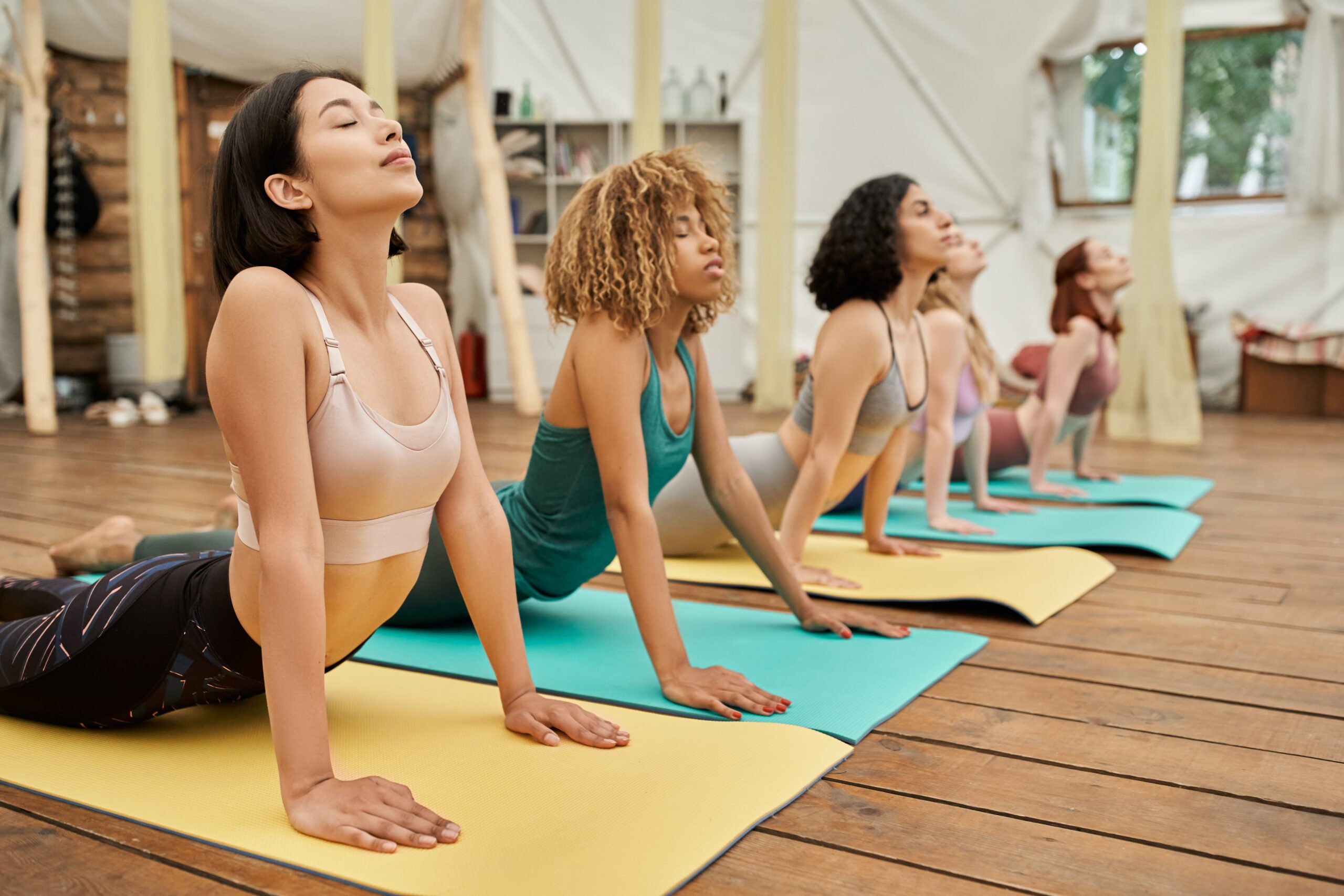
    Group practising a deeper straight-arm backbend
    The pictured straight-arm backbend is deeper than the small Cobra variation described. Practise within your own comfortable range.

    How to practise Cobra: lie on the front only if that position is comfortable. Place hands near the ribs and lift the chest a little, using light assistance from the hands. Keep the backbend small and avoid forcing the lower back. Lower slowly. Use Sphinx with forearms supported, or choose another posture if a backbend causes pain.

    Tree Pose (Vrikshasana)

    tree pose
    Young woman practicing yoga Tree pose, Vrikshasana against texturized wall background

    How to practise Tree Pose: stand near a wall or stable chair. Keep one foot grounded and place the other foot at the ankle or inner calf, avoiding pressure on the knee. Keep the lifted toes on the floor if needed. Use support, look at a stable point and breathe naturally. Practise a short hold on both sides.

    A simple confidence-building yoga practice

    1. Stand in Tadasana for 5 slow breaths.
    2. Practise Warrior Pose on both sides.
    3. Use Tree Pose near a wall if balance feels uncertain.
    4. Finish with Cobra or a gentle Sphinx variation.
    5. Sit quietly for one minute and notice the breath.

    Yoga does not create confidence overnight. It can give you repeated practice with balance, posture, attention and staying calm when something feels difficult.

    Frequently asked questions about yoga for self-confidence

    Can beginners use these three poses?

    Yes, when the version and support suit their needs. Use a shallow Warrior II stance, a small Cobra lift or Sphinx, and Tree Pose near a wall with toes on the floor. A photograph is not a target you must match. The beginner poses guide offers further options. Seek individual guidance when injury or a health condition affects practice.

    How should I track progress?

    Record one manageable action, such as holding a supported balance comfortably or returning to practice after missing a day. Avoid rating your body or comparing it with others. Choose a task you can repeat, then notice control and comfort over time. This is a practice idea rather than a psychological treatment. Confidence outside the mat may also need skills, relationships and appropriate support.

    What if I keep losing balance?

    Use a wall or chair, keep the lifted toes on the floor and shorten the hold. Losing balance is information about the task, not proof of weakness. Step out safely and begin again only when comfortable. Repeated dizziness or unexplained balance changes deserve professional assessment. Do not close your eyes or remove support simply to make the pose look more impressive.

    Can yoga cure low self-esteem or anxiety?

    No cure is established for these three poses. Yoga may be part of a general well-being routine, but persistent anxiety, low mood or distress can need professional care. Use the NCCIH yoga evidence and safety review for context. Keep exercise claims modest and choose support that addresses the actual difficulty you face.

    Your next practice step

    Choose one pose and one easier variation for a short session. Notice a specific success, such as using support wisely or stopping before strain. If posture is part of your goal, read the daily posture routine. For planning a sustainable schedule, use our weekly yoga guide.
  • 11 Things to Know Before Your First Vinyasa Yoga Class

    11 Things to Know Before Your First Vinyasa Yoga Class

    Signing up for your first Vinyasa Yoga session can be both exhilarating and daunting. Vinyasa
    yoga is often faster-paced than other varieties of yoga, and if you’ve never done it before, you
    may have questions regarding appropriate clothes, class types, adjustment options, and more.
    That’s where we come in. We asked three professional yoga instructors what beginners should
    know before their first vinyasa session, and then compiled 11 useful ideas that will leave you
    feeling confident and prepared on the mat.


    First, let’s go over what vinyasa yoga is.
    What Is Vinyasa Yoga?
    Vinyasa, often referred to as “flow” yoga, is a dynamic form of yoga that synchronizes breath
    with movement. It’s known for its fluid sequences and graceful transitions between poses. Now,
    let’s get into the nitty-gritty of what you should be aware of before attending your first Vinyasa
    Yoga Class.

    1. Understand the Basics of Breathing
      Vinyasa yoga places a strong emphasis on breath control, or “pranayama.” You’ll be guided to
      coordinate your breath with each movement, creating a harmonious flow. Proper breathing not
      only enhances your practice but also helps calm the mind and reduce stress.
    2. Dress Comfortably
      Choose comfortable, moisture-wicking clothing that allows for ease of movement during the
      Vinyasa Yoga for Beginners. Tight-fitting attire can restrict your flexibility, so opt for breathable
      fabrics that allow you to stretch and bend freely.
    3. Bring a Yoga Mat
      A quality yoga mat is your foundation for a successful practice. It provides grip, support, and a
      clean surface to practice on. Many studios offer mats for rent, but having your own ensures
      hygiene and familiarity.
    4. Arrive Early
      Punctuality is key in the world of Vinyasa Yoga Teacher Training in Rishikesh. Arriving early
      gives you time to settle in, lay out your mat, and mentally prepare for the class. Rushing in at
      the last minute can disrupt your focus and the energy of the class.
    5. Stay Hydrated
      Proper hydration is vital for any physical activity, including yoga. Drink water throughout the day
      leading up to your Yoga School in Rishikesh, but avoid heavy meals right before practicing, as
      this can cause discomfort.
    6. Listen to Your Body
      Yoga is a personal journey, and everyone’s body is different. Pay close attention to how your
      body responds to each pose. If something doesn’t feel right or causes pain, don’t push yourself.
      Modify the pose or take a rest as needed.
    7. Respect the Space
      Yoga studios are sacred spaces. Be mindful of your noise level, and turn off your cell phone to
      avoid disruptions. Maintaining a peaceful atmosphere is essential for everyone’s practice.
    8. Choose the Right Class
      Vinyasa yoga classes come in various levels, from beginner to advanced. It’s crucial to choose
      a class that matches your skill level. Starting with a beginner class allows you to learn the
      foundations before progressing to more challenging sequences.
    9. Embrace the Mind-Body Connection
      Yoga isn’t just about Yoga Vinyasa Postures; it’s also a mental and spiritual practice. Be open
      to the meditative aspect of yoga, which can enhance your focus, clarity, and inner peace.
    10. Stay Consistent
      Like any skill, yoga improves with regular practice. Try to attend classes consistently to
      experience the full benefits of yoga Teacher Training. Many practitioners find that regular practice
      enhances their physical and mental well-being.
    11. Be Patient
      Lastly, remember that yoga is a lifelong journey. Don’t be discouraged if you can’t master poses
      right away or if your progress seems slow. Each practice is an opportunity for growth, and
      patience is a virtue on this path.
  • Yoga Teacher Training in Rishikesh – Fitfortunes Yoga School, Rishikesh

    Discover the Path to Becoming a Yoga Teacher in Rishikesh

    Yoga Teacher Training Rishikesh
    Yoga Teacher Training Rishikesh

    Are you ready to embark on a transformative journey of self-discovery and learn the ancient art of yoga? Look no further than Fitfortunes Yoga School, located in the serene and spiritual city of Rishikesh, India.

    Our 200-hour traditional multi-style yoga teacher training course in Rishikesh is designed to provide aspiring yoga teachers with a solid foundation in yoga philosophy, asanas, pranayama, meditation, and teaching methodology. By immersing yourself in the rich culture and spiritual atmosphere of Rishikesh, known as the “Yoga Capital of the World,” you will deepen your practice and develop the skills to become a confident and compassionate yoga teacher.

    Why Choose Rishikesh for Your Yoga Teacher Training?

    Rishikesh, nestled in the foothills of the majestic Himalayas and blessed with the sacred Ganges River, offers an unparalleled environment for yoga teacher training. The serene and natural surroundings create an ideal setting for self-reflection, meditation, and the study of yoga. As you embark on this transformative journey, you will have the opportunity to learn from experienced and certified yoga instructors who will guide you through the depths of yoga philosophy and the intricacies of asanas, pranayama, and meditation.

    Immerse Yourself in a Comprehensive Yoga Curriculum

    At Fitfortunes Yoga School, our 200-hour yoga teacher training course encompasses a broad range of topics.

    These include in-depth studies of yoga philosophy and history. Our curriculum includes in-depth studies of yoga philosophy and history, techniques for aligning various asanas, pranayama and energy anatomy, meditation and mindfulness practices, teaching methodology with hands-on adjustments, as well as anatomy and physiology. Additionally, we cover yogic lifestyle and ethics to provide you with a comprehensive and well-rounded understanding of yoga. You will also have ample opportunities to practice and refine your teaching skills through supervised teaching sessions.

    Experience the Yogic Lifestyle in Rishikesh

    During your stay in Rishikesh, you will have the chance to fully immerse yourself in the yogic lifestyle.Your daily routine during our program revolves around yoga. This includes morning yoga and meditation sessions, self-study, and reflection. You’ll immerse yourself in yoga practice. Additionally, you can partake in sacred rituals, visit ashrams and temples, and learn from esteemed spiritual teachers.. The serene and spiritual ambiance of Rishikesh will support and inspire your personal transformation.

    Become a Certified Yoga Teacher and Share Your Passion

    Upon completing our 200-hour yoga teacher training, you’ll receive a globally recognized certification. With this certification, you can teach yoga professionally worldwide. Whether your dream is to lead classes at renowned yoga studios, offer private sessions, or conduct retreats in comfortable locations. Our training program equips you with the skills, knowledge, and confidence to pursue your passion and share the transformative power of yoga with others.

    Ready to Start Your Journey?

    If you are ready to embark on this life-changing journey, join us at Fitfortunes Yoga School in Rishikesh. Our upcoming yoga teacher training courses are open for enrollment. Secure your spot today and take the first step towards becoming a certified yoga teacher. Visit our website at Fitfortunes Yoga School to learn more and begin your transformational yoga journey.

    Disclaimer: All images used in this blog are copyright-free and sourced from Unsplash.

  • Explore the 7 Chakras of the Human Body

    Explore the 7 Chakras of the Human Body

    Have you ever heard of the 7 Chakras? The human body has energy centers, Chakras. The balanced Chakras, they can bring physical, emotional, and spiritual wellbeing. Here, we will explore the 7 Chakras, how they affect our energy & how to keep them balanced for optimal health. Read on to discover more!

    Explore the 7 Chakras of the Human Body
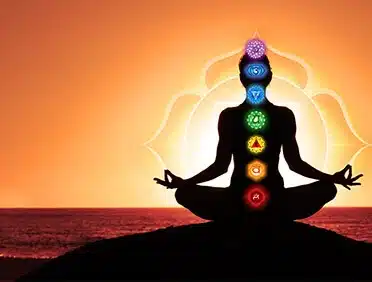
    Explore Chakra in Human Body

    Understanding the 7 Chakras of the Human Body

    The seven chakras are energy centers in the human body. That are located along the spine, from the base of the spine to the crown of the head. According to the philosophy of yoga, these 7 chakras are the 7 stages. For of spiritual growth and development in a human’s life. Each chakra refers to an emotion, a physical sensation and a color. If it becomes blocked, it can lead to an imbalance. Due to stress, trauma or unhealthy habits. Unblocking these 7 chakras is an important part of yoga practice. Which can help individuals open up their minds, hearts and souls for greater spiritual growth.

    The Basic things

    Each chakra is associated with specific physical, psychological and spiritual functions, and understanding how these chakras work can be beneficial for maintaining balance in our lives. According to the ancient practice of yoga philosophy, our bodies have seven energy centers known as chakras. These chakras play an important role in how we feel physically, emotionally and spiritually. Each chakra is associated with different emotions and physical sensations, including courage, creativity, communication, compassion and wisdom. By understanding the seven chakras and how they interact with our bodies, we can create balance and harmony in our lives by focusing on the areas where we need more work or attention.

    Through yoga practice, we can learn to activate and balance these energy centers to create a sense of peace and clarity in our lives – both physically and mentally Thus, 7 chakra practice under the yoga philosophy is an effective way to create balance. Through regular practice and mindfulness, one can achieve improved physical and mental wellbeing. Awareness of the seven chakras and learning how to activate, cleanse and balance them could help achieve health and well-being. As a result of this practice, we can experience true peace and clarity in our lives.

    Balancing the Chakras for Optimal Health through Yoga Philosophy

    Balancing the seven chakras is essential for achieving optimal physical, mental, and spiritual health in accordance with yoga philosophy. By understanding how energy flows between the chakras and learning to practice yoga poses that focus on specific areas. We can aim to bring our energies into alignment. The 7 chakras, Muladhara, Svadishthana, Manipura, Anahata, Vishudda, Ajna and Sahasrara. These are located along the spine and correspond to different stages of life and development.

    Improve the Energy of Chakras

    These 7 chakras provide pathways for energy to flow between the physical body and the spiritual or mental parts of ourselves. Practicing certain yoga postures can help improve the flow of energy between these 7 chakras by releasing physical, emotional and mental tension. This in turn helps us experience feelings of relaxation and freedom from stress. Through understanding and integrating the 7 chakras into our own lives we can use yoga to achieve balance in our lives on all levels. Physical, mental, emotional and spiritual.

    Different postures target different chakras and th bring different benefits: for example, the practice of hip openers helps to open up energy flow in the root chakra, associated with stability and security; backbends can help open up the heart chakra which is associated with positive emotions such as love and compassion Thereafter, yoga philosophy and the concept of the 7 major chakras offer a powerful tool for improving physical, mental, and spiritual wellbeing. Different yoga postures are tailored to target each of these chakras, bringing different benefits to our wellbeing and ultimately improving the quality of life. Through yoga practices that originate from India, yoga practitioners are able to reap these benefits to improve their physical and mental health.

    To Conclude

    In conclusion, the 7 chakras are an incredible aspect of the human body. It is important to maintain their balance and energy in order to achieve optimal physical, emotional, and spiritual wellbeing. Practicing yoga or meditation, eating a balanced diet, getting enough sleep, and engaging in positive self-talk. These are all essential components of maintaining a balanced chakra system. By making these changes in your life you may find yourself feeling more energetic and happier than ever before!

    Ready to take your yoga practice to the next level? Our 200 Hour Yoga Teacher Training in Rishikesh is designed to provide you with the knowledge and skills needed to teach yoga with confidence. Apply now!

  • Selfcare is not Selfishness its a Need for Healthy Life

    Do you feel guilty in considering yourself as a priority? Selfcare is not being selfish. It’s about loving your own-self. We are workaholic people running around to get things right. But for others. If you consider yourself to be the weighing machine, the heavier side always being the
    selfless being.

    Priorities over Selfcare

    In other words, we always forget ourselves to please others. But its really hard and is not also a healthy way to love it. We think our self to be a wonder Man/Woman but end up being a crazy one. Because we think selfcare is selfishness. We try to cope up with the environment and result in doing amazing things. But, compromising our other areas. Compromising our relationship, our connection as well our well being. Find a self-care regime by making yourself a priority in your own world. It’s amazing to see the differences it makes. You will feel more lively, refreshed and calmer and love your life.
    Sharing with you have habits that would change your life. Put them into your day without fail. Feel the difference. It’s your own job to look after yourself, your emotion as well as your mental well being.

    Yoga

    So, First thing in Selfcare is Keeping yourself Physical fit. And, Yoga the easiest and stay at home option for you. Every early morning make yoga routine your habit. It will help you with improving your flexibility, posture, healthy joint and muscles along with your core strength. Moreover, You start feeling amazing as days pass by. You can keep it low starting slowly. Firstly give some love to your joints and rotate every joint in a clockwise and anti-clockwise direction few rounds. Starting from wrists, elbows, shoulder, neck, opening up the chest, back and forward bend, spinal twist and side bend, hip rotations, knees, ankles. Followed by with some repetitions of Sun Salutation. start from 10-15 minutes in first go. Nevertheless, Once you feel a bit stronger increase it around 30 minutes at least. It not only makes you feel refreshed but also provides you energy all day long.

    Mindfulness and Meditation

    Now, after physical health lets move forward to be strong mentally too. Take things slow, notice things around yourself. Feel the presence where you live and experience the world around you. Take time to look around, look the trees, the people around you. Sometimes stop and greet people. Stop worrying and be in the present. Mindfulness is a life saver and stays mindful in every aspect. Mind what you eat, you drink. Enjoy every precious moment on every precious day. Practicing daily medication after your morning exercise is also very helpful. Go through a guided visualization turning your back in the sun.

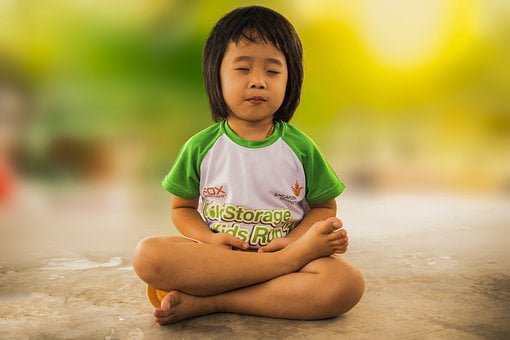
    Little Kid Doing  meditation
    Little Kid Doing meditation

    It takes 20-30 minutes from your day but leaves you with immense peace. Maybe at start your mind getting divert easily, or you feel uncomfortable in keeping your eyes closed. But, this is just the start. once you start from 3 minutes you could easily reach 30. Unite your body, mind, and soul. A strong mind makes a strong personality also helps with mood swings. So, yoga practice with some Meditation is need of you. Find some time for yourself morning or evening doesn’t matter.

    Laughter and joy

    Spend time with your precious person around you. Be silly, laugh and get yourself rolling on the floor. Drop any inhibitions, be playful and let yourself go. Bring laughter and joy into your life. Spend time with your partner, your children, and our friends.

    Gardening or Nature Love

    Getting out in the garden/park makes your soul musical. Meanwhile, It soothes your mind also nourish your soul. We get immense joy and satisfaction from the outcome itself. Not only this is selfcare but also a great way of releasing energy. And the most helpful part one
    can spend his anger or frustration while gardening. Digging up the weeds is extremely helpful.

    ecology 2985781 960 720 1
    make a garden of your own

    Making reading your habit

    Try to get lost in a great novel feeling the story. Sit by a pool and give yourself
    permission to enter the imaginative world. This would result in a big difference. And
    here what you will challenge your work ethic. It not only gives a break from your
    monotonous job but also put you in relief.

    Swimming

    Water can make you calm and give immense pleasure. Walking along a beach or sitting by a pool soothes your soul. There are many things that would help you to maintain a balanced life. Apply them
    as your self-care strategies. Be a better partner, a friend, and a better therapist. Before finishing it off, would like to mention a few things. This very change of yours may not accept gladly. Your friends and family may accuse you of being a bit selfish.

    But don’t get disheartened, term it as SELF-CARE!!! You will feel great to see the ripple effect when you being the person, changes in the family system.

  • 7 Exercise Substitutions for Faster Fat Loss Without Gym

    To to start with everyone moving towards better health and Beach Body. And, in this self-care people first choice is joining a gym for exercise. Those highly equipped gyms with fantasy new school machines will easily make your body drooling until you start using them. And yes, they all offering you a good package and transformation dreams.
    But, Transformation doesn’t come from machines, packages or from dreams. Transformation comes with a dedication to yourself.

    Many people think joining a good gym is the first need to start their journey.  Nevertheless its a good choice for self-care. But what to do when you are not around to your favourite machines.

    In fact, I Body weight exercises getting more popular nowadays instead of using exercise machines and one of the big reason is, It’s a functional movement and our daily life depends on our movements and mobility.

    Function Movement

    Now, the term “Functional movement” gets thrown around a lot in the fitness industry. However, it simply reflects activities and movement patterns in your daily life. Every such movement requires the use of your full body, right? So why eliminate it and train in a fixed range of motion with machines?

    You see, the shiny, expensive machines at the gym may seem like the right idea, but it’s not necessary to get a time efficient, fat burning workout.

    Want to be able to keep up with your kids for hours? Plus lose a ton of fat, build a better body, and not to mention, feel totally awesome?

    Try these 7 simple exercises will help improve your coordination and core strength so you burn more calories and feel a million bucks. Moreover, you could do all of these at home or even when you are travelling around for some days.

    1. Hip Machines – Lateral Lunges

    Why? The fixed range of motion on the inner/outer thigh (aka adductors/abductors) machine targets one area on your hip. But there’s nothing remotely like these movements in real life! These muscles are designed for stabilizing – so that’s how you should train them.

    Try lateral lunges instead. This exercise targets your glutes, inner thigh, hamstrings and quads – plus requires core engagement and integration. You will improve your hip mobility, lower body stability and burn more calories in the process.

    Lateral Lunge
    Lateral Lunge

    2. Chest Press Machines – Push Ups

    Why? Go for push-ups. This move is simply a moving plank (one of my favourite core exercises).

    If you can’t do a full push up yet, make that your first goal. Start with an incline (raise your hands, rather than drop your knees to the ground). No girly push-ups, ok? Knees to the floor and you lose core involvement, which is a major component of a full push up.

    Push Up
    Push up

    No problem busting out a ton of push-ups? Challenge yourself – try decline push-ups, Spiderman pushups or suspend your feet from a TRX and do Atomic Push Ups. Oohh my abs hurt just thinking about it. 😉

    3. Incline Leg Press – Squats

    Why? The leg press machine puts a ridiculous amount of force on the discs in your lower back. The expert research on this topic speaks for itself.

    Dr. Stuart McGill has dedicated his whole life to researching lower back disorders and is a professor of spinal mechanics at the University of Waterloo. His book “Low Back Disorders” has quality research that suggests the 45-degree leg press machine could seriously damage your lower back.

    Trx Squats
    Trx Squats

    Learn to love squats. Your bodyweight is the perfect resistance to start with. Work to improve your mobility, and core integration before you add weight to mix.

    4. Glute machine – Step Ups

    Why? Get a sexy butt without spending an hour at Barre class. Switch to step ups – there are plenty of variations to sculpt a lean, defined butt without stepping anywhere near a machine.

    As a bonus, you engage your core at the same time and this movement transfers to your daily life. Climbing the stairs? It will be a breeze.

    5. Leg Extension Machine – Lunges

    Why? Target your quads, hamstrings and glutes all in one move. Isolating and training only your quads on the leg extension machine not only sets you up for muscle imbalances, but it causes excessive strain on your knee.

    Once you have the basic lunge down, progress to reverse lunges and the Bulgarian split squat. Oohh good times. Expect burning quads. Sexy burning quads.

    pexels photo 999257
    Lunges

    6. Bicep Curls Machine – Chin-ups

    Why? The bicep curl is an isolated exercise, hitting one muscle group. Maximize your time and hit the whole upper body instead – yes, chin-ups are a tough exercise that requires multiple, large muscle group recruitment.

    Pull ups
    Pull ups

    Struggling to pull your bodyweight? You can use a resistance band for assistance or do negative chin-ups. You will get stronger, burn more calories in less time and your biceps will look lean and sexy.

    7. Elliptical/Treadmill Intervals – Bodyweight Cardio Intervals

    Why? Getting tired of the same old interval workout? Yeah, I know intervals of “30s on, 30s off” gets awfully boring after a while…

    Try doing these Bodyweight Cardio Accelerator Intervals instead. Why? Well, it’s WAY more fun. Plus, this style of workout combines big movements that hit multiple muscle groups at the same time so you boost your metabolism and burn a ton of calories.

    You will also notice a dramatic difference in your metabolism after just ONE workout, and your body will start changing in days.

    Get Bodyweight Cardio 500 here

    If you’ve ever invested in a program, thinking you were getting “no equipment” workouts, only to find out later on that you actually needed a pull-up bar and a stability ball. You’ll be happy to know that with Bodyweight Cardio 500 you literally need ZERO equipment to rapidly lose fat.

    The workouts not only allow you to sculpt your abs, but they will burn away your ugly belly fat as well.[/et_pb_text][/et_pb_column]

  • Karma The Things Behind Theory of Karma

    Karma The Things Behind Theory of Karma

    Karma, A Sanskrit word means– “actions” or “deeds”. Law of karma occupies a central position in Indian philosophy. The spiritual law which was, sometimes compared metaphorically with Newton’s third law, although the two ideas belong to different fields and should not be treated as scientifically equivalent. “To every action, there is an equal and opposite reaction.”
    Thus, According to Indian philosophy, we are because of our Karma. So, it decides our future in this or the next birth.

    आत्मानं सततं ज्ञात्वा कालं नय महामते।
    प्रारब्धमखिलं भुञ्जन्नोद्वेगं कर्तुमर्हसि ॥

    aatmaanan satatan gyaatva kaalan naymahaamate.

    praarabdhamakhilan bhunjannodvegan kartumarhasi .

    Hey intelligent man, spend your life always in the knowing the supreme bliss, enjoying the whole of your Life without making any complaint.

    As we all know, good deeds bring you a good result and your bad deeds bring bad for you. As time progress your Karma processed, calculated and incorporated gradually in your life. Indian soteriologies predict that future rebirths and your situations get planned accordingly. Thus, The actions you perform in your present life gets reflected.
    In Addition, Karma serves two main purposes in Indian philosophy. One, motivate you to live a moral life. Next, providing you with an explanation of the primary existence of evil.

    Theory of Karma
    Theory of Karma

    All the four systems of Yoga – Jnana, Raja, Bhakti and Karma teach us to live positively. Either in thoughts, words and deeds. Good actions support in producing positive memories.

    Yajnavalkya, The first philosopher of human history. And, introduced the concept of Karma, mentioned in the book Brihadaranyaka Upanishads. Yet, the person, good or bad. He gets what he does.

    Let’s know a few things about Our Cycle- Theory of Karma

    Sanchita

    Sanchita Basically it means “what we reap, what we sow”. The deeds either good or bad gathered together. Starting from the present including all the previous ones considered. But at this level, the good karma does not cut the effect of the bad. All the karma needs to be resolved. This karma symbolized arrows in a quiver. The arrows show your accumulated karma.

    Praarabdha

    It’s like the arrows are discharges and are on their flight. Also, the part of Sanchita. And is ready for the action. Prarabdha, that portion of the past actions, which is responsible for the present self. This symbolizes that the arrow has left the bow and flying through the sky ready to hit the target.

    Kriyamanna

    Kriya means Action Going on at Present. Kriyamanna, The active or the current one. The arrow has just hit the target. And the target is feeling the pressure. The degree of main is the degree we experience. The result of this act creates a new one for you.

    Aagami

    This can also be referred to as the future self. It follows Sanchita. It’s more like the arrow is ready to discharge from the bow. If all the environment and conditions are favourable, it leads to Praarabdha. This is the stage when the arrows are set in the bow.

    Here is a video to know it more clearly

    Controlling your Karma

    There are various meditation techniques that help us to burn out the Sanchita Karma. Also, many People know through dream awareness about the effect of Aagamikarma. Even so, Through proper medication and appropriate actions, one can kill and destroy Agami karma. Life provides you with various situations to prove yourselves. It’s us on how we react. A humble and peaceful approach may help us to reduce the effect.
    Stopping Praarabdha  requires a real understanding of yoga and spiritual power.
    So, The effect of all these can be easily eliminated by self-knowledge, determination and “Om medication”. Silent Japa of “Om” would guide one to cross the ocean of Samsara and attain the freedom of rounds of birth and rebirth attaining moksha.

    Karma in simple terms

    • Karma: action or deed.
    • Karma Yoga: disciplined action without clinging to personal reward.
    • Sanchita: accumulated karma in later traditional explanations.
    • Prarabdha: karma described as already bearing fruit.
    • Agami: karma connected with actions being created now.

    Different Indian traditions explain karma in different ways. It is a philosophical and religious concept, not a physics law.

    Frequently asked questions

    Does karma mean punishment?

    Not simply. Karma refers to action and its consequences within Indian philosophical traditions. It is broader than the idea of instant reward or punishment.

    How does the Bhagavad Gita discuss karma?

    The Gita gives major attention to action, duty and attachment to results. See our Bhagavad Gita Chapter 2 summary and Karma Yoga guide.

  • Pancha Mahabhutas and Their Importance

    Pancha Mahabhutas and Their Importance

    Pancha Mahabhutas and Their Importance

    Panchamahabhutas
    Panchamahabhutas

    Panchamahabhuta , Our lives are governed by different elements and sensations. How we think, consume and reciprocate to the universe around us depends upon the essence of the world.
    These essences perceived by us as 5 elements. Known Panchamahabhutas.
    According to Ayurveda, all objects in the universe including human body are composed of these 5 basic elements.
    They govern our sensory nerves and help us achieve an understanding of our actions.
    But, each of the Tanmantras connects to elements of nature. Akash(sky), Vayu(air), Aag(fire), Jal (water), Dharti(earth). They blend while giving us a simpler understanding of how each function works.

    1.Ether (Akash)

    Ether or Akash means infinite freedom. It is a limitless space with the power to create movement between objects and have them correspond, creating Shabda (sound), the ether Tanmantra.
    When two atoms or objects physically touch, the small sound of thud or a tap is resonated throughout the space. It forms a frequency of soundwave which we feel through auditory senses.

    Sky
    Aakash


    2. Air (Vayu)

    The function of air is to help elements relocate and travel. It is in constant movement, helping different molecules to come across each other creating a small touch. The Tanmantra for such a sensation is called Sparsha (Touch). The skin is sensitive and can perceive any small change over the surface. If there is an amount of pressure, drop of water or a fallen leaf the skin will sense it immediately and detect the different feel of different elements.

    Vayu
    Vayu


    3. Fire (Tej)

    Fire, Created through aggressive friction of two elements. When two elements touch during movement through Vayu, they might spark a heat and thus the birth of tej. This bright fire is blazing and a bright source of light. This light can be visualized in front of us with the help of Vision (Rupa). Rupa means the physical manifestation of an element which is perceived steadily.

    candles 1645551 340
    Aag


    4. Water (Jala)

    Water brings about fluidity. it helps in connecting two molecules together which help both in a proper formation. The function of water, To glue two different objects to form one.
    In the same way, the use of our mouth is to chew and identify what we have eaten. The Tanmantra, Taste (Rasa) helps in forming a taste once food reaches your mouth. It binds a dry element with water, making it easier to shape.
    Jala helps a being taste food, understand the quality and appearance of the food inside your mouth and experience a sense of fulfilment. The saliva in our mouth acts as Jala in such a scenario.

    Jala
    Jal


    5. Earth (Prithvi)

    Earth, a solid mass. Hard on the outside, changes temperature along with seasons and has a solid foundation. So, A dense and hard structure to form on the surface of the earth. Parts of our bodies constitute of Prithvi. Our bones, muscles and physical strength are objects formed through the earth we live in.
    How we perceive the earth is through our nose. Yes, our sense of smell (Gandha) helps in identifying objects around us with the sense of smell. Gandha helps in understanding the quality and quantity of objects around us through our nasal sensory.

    Dharti
    Dharti


    Pancha Mahabhutas: five elements in one table

    ElementSanskritTraditional association
    SpaceAkashaOpenness and sound
    AirVayuMovement and touch
    FireAgni/TejasHeat and transformation
    WaterJalaFluidity and taste
    EarthPrithviStability and smell

    This is a traditional Indian philosophical and Ayurvedic framework. It should not be confused with the modern scientific periodic table or literal chemical elements.

    Frequently asked questions

    Are the Pancha Mahabhutas scientific elements?

    No. They are part of traditional Indian philosophical and medical models, not modern chemistry.

    How are they related to yoga philosophy?

    They appear in wider Indian thought about body, perception and nature. For related reading, see our three Gunas guide and Karma article.

  • Being a Yogi is not Just the Physical Performance

    Being a Yogi is not Just the Physical Performance

    Being a Yogi is not Just the Physical Performance

    Being a Yogi is not Just the Physical Performance
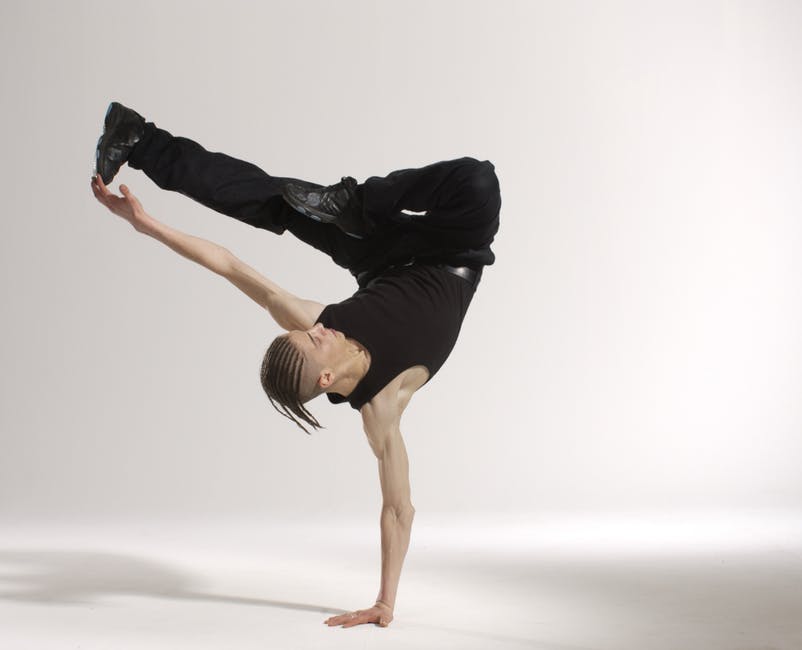
    Capoeira

    The perception of fitness has changed with time under the influence of social media. Yoga, for example, is not a physical art to be mastered in 2 weeks.
    Online coaches who encourage fitness challenges, also promote yoga as a slimming workout. There are so many people who come to our yoga studio and their very first statement is “will yoga help in Losing Weight”.

    It’s Trending 

            Also, there is a group of youtube worms who just wanna do yoga cause their favourite social media yoga idol is doing so many weird types of arm balances with ease which is not even a part of any yoga tradition. 
    There is but, one problem. Yoga was never meant to serve a singular goal for a human’s mind or body. The 8 fold paths of yoga transcend over flexibility and slimness.

    Yoga vs Other Sports

            Celebrity gurus teach over 500 students that yoga is a way of fitness and flexibility. The mental connection between the parties is missing in such a scenario. In fact, Most of these gurus start Gymnast, Martial Arts, Capoeira, Calisthenics at age of 3 or say at very young Age. And now after retiring from their profession due to age or injury, they are yoga experts. It’s good, as they bringing so many techniques into the field of Yoga. But yes they also bringing a different lineage which was not a part of yoga ever. 


    The condition is Worst in India

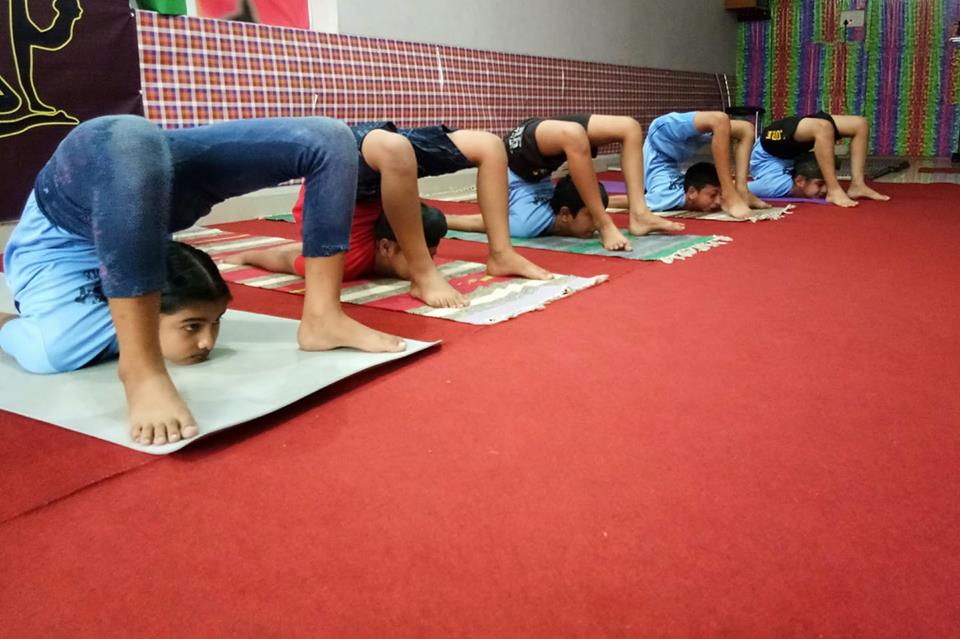
    Apart from that, in India, people organize yoga championships in schools and colleges. Where they decide the winner according to flexibility. So in their class, they are trained to win medals cause of flexibility and after some time they get injured badly or get some joint pain for the rest of the life. Many of these kids having hyper flexibility syndrome and that’s how they become a yogi at age of 6-8-10. without any knowledge of Yoga. These events are similar to circus nowadays.

    Yogis believed a strong bond between student and teacher was the base of teaching. Years of practice under one master deepens the root towards Moksha.

    Yogi Kids
    Yogi Kids

    1. Power of Healing

    The main focus of yoga is to bring out a better us, heal us not only from physical ailments but remove negativities which crowd our mind. It is more than a gateway habit to bring ‘inner peace’. Fitness coaches encourage yoga or, ‘post-workout stretching’ to remove exercise aches. This is taught through online 200 Hour yoga certification who feed the misinformed followers only half of yoga’s goodness.

    2. Medical aid Vs. Fitness Agenda

    Modern coaches scrape out an entire age group when teaching yoga to their students. Yoga is mostly promoted through fitness celebrities online. The pictures and videos portray a perfect array of movement, poses, and performances which attract the general public. The misguided fans feel the crazier poses someone can pull off, the better they are at the art.
    But for someone trying such poses, in the beginning, will harm their bodies which is opposite to the aim of yoga. Yoga teaches us to correct our postures and improve bone and muscle health. This way, no harm will be too severe during small mishaps.

    3. Long-term Healing

    Fitness enthusiasts of today’s time forget to promote aid for severely injured or old folks. Professionals such as gymnasts, dancers, etc. can be harmed through practice or performance.
    Post-healing yoga practice helps in reducing the pain and find comfort in regular movements.
    Yoga during old age helps to keep the bones strong, hence reduced joint ache. Yoga provides the mental strength to combat ailments which come with age. A healthy senior citizen should be under the target demographic of online yoga-gurus.

    Yoga is not a method of performance. It is more than modern online yogis with super-flexible stance and stunts. Yoga is a way of wellbeing which makes us rise above the need for publicity. Fitness Yogis should promote the real advantages of yoga through social media.

    You Might Also Enjoy

    What Being a Yogi Includes Beyond Asana

    • Practice: returning to yoga regularly without making performance the only goal.
    • Self-study: observing habits, reactions and choices honestly.
    • Breath and attention: learning to stay present instead of chasing difficult shapes.
    • Ethics: bringing restraint, responsibility and consideration into daily life.
    • Respect for limits: choosing a useful variation instead of forcing a pose for appearance.

    This wider view is closer to yoga philosophy than judging practice by flexibility alone. Continue with our guides to the eight limbs of yoga, meaning of karma, and Brahmacharya in daily life.

    Frequently Asked Questions

    Do you need advanced poses to be a yogi?

    No. Physical ability is only one part of yoga. A person can practise sincerely without extreme flexibility or difficult postures.

    Is yoga only physical exercise?

    No. Modern classes may focus heavily on movement, while classical yoga traditions also discuss ethics, concentration, meditation, self-study and disciplined action.

    Can physical asana still be important?

    Yes. Asana can be a valuable part of practice. The point is not to dismiss physical yoga, but to avoid treating performance as the whole meaning of yoga.

  • How Yoga Changes Life its A Stepwise Journey

    How Yoga Changes Life its A Stepwise Journey

    How Yoga Changes Life its A Stepwise Journey

    How Yoga Changed My Life
    How Yoga Changed My Life

    Yoga has the power to change a person, physically, emotionally and psychologically, for the better.
    It is a beautiful path of self-assertation and being one with your existence.
    At times, our fast-paced lives tend to divert us from our well-being, pushing us towards habits which have a very negative impact on your physical and spiritual self. 
    There are 8 limbs (ashtanga) and steps of yoga which can be practiced mentally and physically. 8 limbs of yoga was mentioned by Maharishi Patanjli In his YogaSutra. in General Ashtanga is a Sanskrit word with is a combination of 2 words (Asht means 8, Anga means parts of body, limbs) These shall help us through various obstacles and cleanse our souls.

    1. Yamas

    You’ll feel love to be the prime focus of your perception. The belief of Ahimsa is to not practice cruelty for own benefit. It teaches us that our tendencies can be more nurturing if we can see through other souls’ pain, suffering and life before intending any ill intentions towards them. Even out of spite. So Yamas based on 

    • Ahimsa: Non-injury, NonHarming and Non- Violence physically even in thoughts to, every form of life
    • Satya: The Truthfulness
    • Asatya: Do not Lie be Honest
    • Brahmacharya: use your energy wisely and with intention, appropriate sexual behaviour
    • Aparigraha: Non-greed, try to be happy whatever you already have 

    2. Niyama

    Niyama is the state of being at one with your soul. You will evolve into a more mature being, understanding your and close ones’ needs and priorities. You’ll be able to take decisions with a calmer mind and make logical choices rather than impulsive decisions. These will be a sense of giving as selfish needs and wants won’t matter anymore.

    3. Asana

    Your body will feel more cleansed and relaxed from within. You’ll feel more aware of how to treat the body and mind. Your muscles and bones will not feel tired and drained too easily. Asana help in correcting our postures and bring about flexibility within our bodies and outside. This holistic practice has a positive effect on self-love and how to treat the body right and keep the mind at peace.

    4. Pranayama

    Your respiration process will feel more relaxed. You’ll be able to control heavy breathing or feel calmer during stressed situations. During meditation and savasana you’ll be able to let go of your body and breathe freely while keeping the mind free of thoughts.

    5. Pratyahara

    You’ll feel more powerful and in control of yourself with regular meditation. Meditating has profound effects on our well-being. For someone with a short-temper issue, meditation helps to achieve the calmest state of mind even in the most stressful situation. You’ll feel a surge of fresh air after each session, making you feel whole and more energetic.

    6. Dharana

    Your concentration power will be higher. Any kind of diversion from a goal will be just a mere pebble to pass on. You will be able to focus on your activities and have the mental power to reach the end product. Meditating helps in filtering out noises, small thoughts, distractive habits and help us be one with our mind.

    7. Dhyana

    You’ll be able to temporarily withdraw from your senses in order to be in complete control of self during meditation. No thoughts, sounds, and smell shall be able to distract you. Your state of being unhinged by any nearby activities will help you take charge of all situations which come your way.

    8. Samadhi

    This is the goal at the end of the path. The last step to enlightenment. You’ll feel free from the shackles of mortality and its vicious cycle. Your mind and body will not be perturbed by small mishaps or negativities as you’re higher than such mere hassles. You’ll be in the power of your needs, desires, and wellness.

    Also, check here how Yoga works as Medicine.

    Step into a new chapter of your life with our 200 Hour Yoga Teacher Training in Rishikesh. This immersive program will help you develop a deeper understanding of yoga and how to teach it effectively. Sign up today!