Category: Basic Yoga

  • Should Christians Do Yoga? Knowing Yoga Tradition and Philosophy

    Should Christians Do Yoga? Knowing Yoga Tradition and Philosophy

    Christians do not all answer the yoga question in the same way. Some Christians practise yoga mainly as movement, breathing, and attention. Others avoid it because they connect parts of yoga with Hindu philosophy, mantra, or religious symbolism. A useful answer begins by separating the physical practice from the wider history of yoga, then allowing each person to make a choice that fits their faith, church teaching, and conscience.

    Why do Christians ask whether yoga is acceptable?

    The question comes up because yoga developed in India and is connected with several Indian philosophical and religious traditions. Modern classes may include only posture and breathing, while other classes may also include Sanskrit chanting, meditation, devotional ideas, or references to Hindu texts. These are not all the same thing. A Christian deciding whether to attend a class should look at what that particular class teaches instead of judging every form of yoga from one example.

    Yoga is more than exercise, but it is not one single belief system

    Yoga has a long history with different schools, texts, methods, and aims. Patanjali’s Yoga Sutras describe an eight-limbed discipline that includes ethics, posture, breath regulation, concentration, meditation, and samadhi. The Bhagavad Gita also uses the word yoga in several ways, including disciplined action, knowledge, and devotion. Modern studio yoga often gives much more attention to physical postures than these older texts do.

    Because the word covers many traditions, saying that yoga is either “only exercise” or “one religion” can both be too simple. A gym-based posture class and a devotional ashram practice may share the word yoga while teaching very different things. For Christians, the practical question is therefore not only “Is this yoga?” but also “What exactly am I being asked to do, repeat, believe, or take part in?”

    What Guru Gorakh Nath says about divisions

    A verse attributed to Guru Gorakh Nath presents yoga as something that goes beyond social division and is linked with discipline, truth, and compassion. The verse is often used in Nath tradition to stress that yoga should not be reduced to caste or social separation. It does not settle a Christian theological question, but it helps show that Indian yoga traditions themselves have included broad ideas about who may practise.

    जोग अवरण जोग अभेद,
    जोग अखंडित जोग अछेद।
    जोग जति सति जोग दया,
    येहा ग्यान जति गोरख कह्या।।

    A simple meaning is: yoga is beyond social division; yoga points toward wholeness. Yoga includes discipline, truth, and compassion; this is wisdom, says Gorakh. Christians may read this as historical information about one Indian teaching rather than as a statement they are required to accept as part of Christian doctrine.

    Which parts of a yoga class may concern Christians?

    Most concerns are not about stretching itself. They are usually about prayer, mantra, deity names, spiritual initiation, ritual, or claims that conflict with a person’s beliefs. Some Christians are comfortable with neutral breath awareness and posture but prefer not to repeat a mantra they do not understand. Others avoid yoga altogether because they see the physical and spiritual history as too closely connected to separate.

    • Ask whether the class includes chanting or mantra.
    • Ask whether the teacher uses religious or devotional language.
    • Check whether meditation is simple attention practice or tied to a specific spiritual teaching.
    • Decide in advance which parts you are comfortable joining and which parts you will skip.
    • If church teaching matters to you, speak with a pastor, priest, or trusted Christian teacher who understands the actual class format.

    Can Christians practise yoga only for physical health?

    Some Christians do choose yoga mainly for mobility, strength, balance, breathing, or relaxation. In that setting, they may treat postures much like other movement exercises and leave out chanting or devotional material. Other Christians still prefer another form of exercise because the historical connection matters to them. Neither choice should be hidden behind a claim that every yoga class is spiritually identical, because the content of classes varies widely.

    If your goal is physical practice, ask the teacher directly what happens during class. A clear teacher should be able to explain whether the session contains posture, breath work, meditation, chanting, philosophy, or ritual. You can then decide with accurate information rather than relying on social-media arguments. This is especially useful when visiting India, where the word yoga may include more philosophy and traditional study than in a fitness studio.

    What about meditation, breathing, and prayer?

    Breathing and quiet sitting are methods, but the meaning given to them can differ. A Christian may use slow breathing to settle before prayer, while another yoga tradition may use breath as part of pranayama with a different philosophical framework. The same is true of meditation. Christians who want to keep the practice within their own faith can choose silence, Scripture reflection, or Christian prayer instead of repeating material they do not accept.

    It is also useful not to make medical promises about breath or meditation. These practices may help some people feel calmer, but they are not replacements for treatment of anxiety, trauma, heart disease, or another health condition. Our diaphragmatic breathing guide explains a simple breathing method without requiring a religious interpretation.

    Can yoga philosophy conflict with Christian belief?

    It can, depending on the teaching being discussed and the Christian tradition of the student. Classical Indian texts contain ideas about self, liberation, karma, rebirth, devotion, and ultimate reality that do not always match Christian theology. A teacher should not hide those differences by saying every religion teaches exactly the same thing. Respect is easier when similarities and differences are both explained clearly.

    Studying a text is also different from agreeing with every statement in it. Universities study Greek philosophy, Buddhism, Christianity, Islam, and Hindu traditions without requiring students to adopt each worldview. A Christian can read a yoga text historically or philosophically while keeping Christian beliefs, but whether that kind of study feels appropriate is a personal and denominational decision.

    How to choose a class when faith matters to you

    Look for a teacher who answers questions clearly and does not pressure students to repeat words or take part in practices they do not understand. A respectful class can explain the traditional name of a posture or breathing method without telling every student what they must believe. Consent should also apply to chanting, touch, hands-on adjustment, and personal spiritual discussion, not only to physical movement.

    • Read the class description before booking.
    • Ask what happens at the beginning and end of class.
    • Tell the teacher if you prefer not to chant or receive hands-on adjustments.
    • Choose another class if the teacher dismisses reasonable questions about belief or consent.
    • Do not assume that every Indian yoga school or every Western studio teaches the same philosophy.

    How FitFortunes teaches students from different faiths

    FitFortunes teaches yoga as an Indian tradition that includes physical practice, breath, meditation, and philosophy. Students are told where ideas come from instead of being told that all traditions are identical. A student can study Patanjali, the Bhagavad Gita, Hatha Yoga, or meditation as part of yoga education without being required to change religion. Questions and respectful disagreement are part of serious study.

    For students considering formal training, the yoga teacher training curriculum shows the main subjects taught at the school. The purpose of a curriculum page is to make the content clear before a student pays or travels. Someone whose faith places limits on chanting, ritual, or philosophy should ask those questions before joining any residential course.

    Frequently asked questions

    Is yoga a religion?

    Yoga is not a single organised religion with one creed, but it has deep links with Indian philosophical and religious traditions. Some modern classes are mostly physical, while others include devotional or spiritual practices. It is therefore more accurate to ask what a particular class teaches than to treat every form of yoga as exactly the same.

    Can a Christian skip chanting in yoga class?

    Yes, a student can choose not to repeat a chant or mantra. A responsible teacher should explain what is being used and allow students to stay quiet without pressure. If chanting is a central part of a particular course, ask before booking so you know whether the format fits your beliefs and comfort.

    Is doing a yoga posture an act of worship?

    A physical posture by itself does not tell you the intention of the person doing it. The same body position can be used for stretching, exercise, meditation, ritual, or prayer depending on the setting and meaning given to it. Christians who are concerned about worship should look at the intention and teaching of the class rather than only the shape of the body.

    Can Christians use yoga breathing before prayer?

    Some Christians use simple slow breathing to settle attention before prayer, while others prefer not to use methods associated with yoga. The breathing itself can be taught in a neutral physical way, but more formal pranayama may carry additional traditional ideas. If this matters to you, choose a simple method and keep the purpose clear.

    Should I ask my church before doing yoga?

    If your denomination has guidance on yoga, or if the question causes a real conflict for you, speaking with a trusted pastor, priest, or church leader can be useful. Give them the actual class description rather than asking only about the word yoga. That makes the discussion more specific and helps you make your own informed decision.

    A clear way to decide

    You do not need to accept a slogan from either side of the debate. Find out what the class contains, understand which parts are physical and which parts are philosophical or devotional, and compare that with your own beliefs. If you are comfortable with the practice, take part with clear boundaries. If you are not, there are many other ways to build mobility, strength, breathing awareness, and quiet attention.
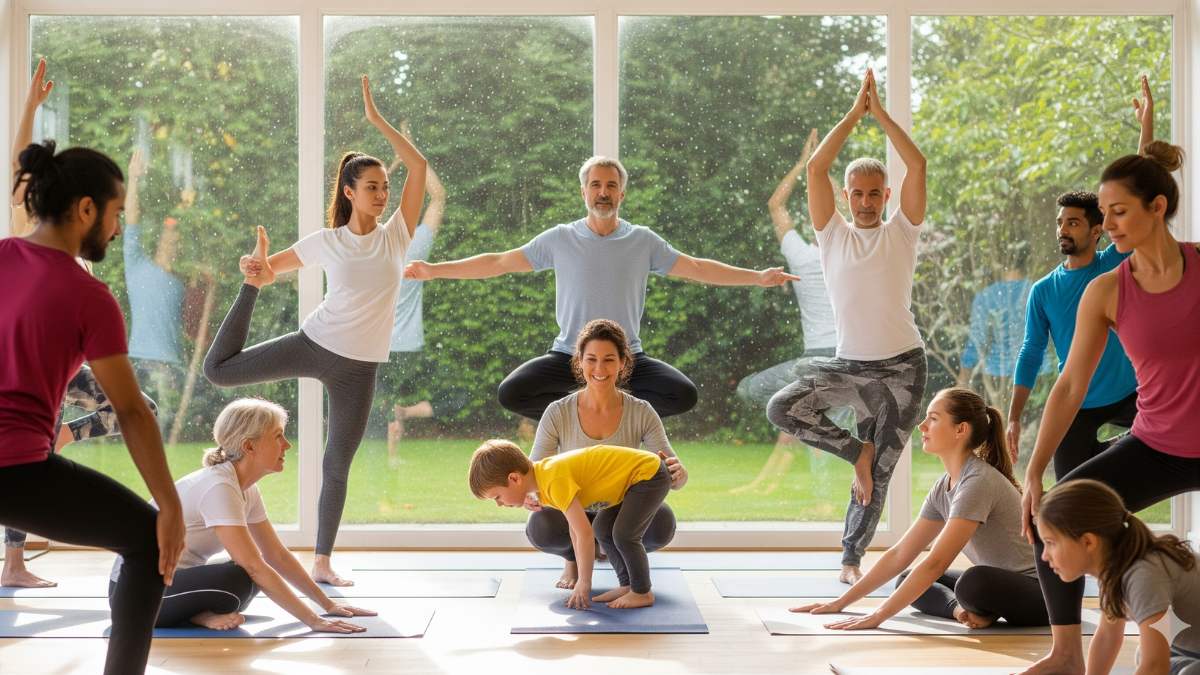
  • Yoga Age Limit: Can You Start Yoga at Any Age?

    Yoga Age Limit: Can You Start Yoga at Any Age?

    A question I hear often from students is, “Is there a yoga age limit? Am I too old… or maybe even too young to start?”

    The short answer is simple: yoga has no strict age limit. The long answer is richer, because the way we practice, teach, and even breathe changes with age. I’ve seen six-year-olds twist into postures playfully, and I’ve also guided students in their late seventies to hold a gentle pose with incredible peace.

    In this article, I’ll share my personal teaching insights on yoga across age groups, especially for those curious about yoga teacher training in India. We’ll look at what works for kids, young adults, seniors, and even people above 70. If you’ve ever wondered about the right time to start yoga—or whether you’ve crossed the so-called yoga age limit you’ll find clarity here.

    Does Yoga Really Have an Age Limit?

    The truth is, yoga is less about age and more about awareness. Unlike competitive sports, there’s no “retirement age.” A ten-year-old might focus on flexibility, while a fifty-year-old may turn toward yoga for strength or stress relief. What changes is how we approach the practice.

    Think of yoga as a river. At different stages of life, we step into it differently. Children splash and play, teenagers test their limits, adults dive for balance, and elders walk in gently for healing. But the river keeps flowing for everyone.

    Yoga for Kids (Ages 5–12)

    This is an age group often overlooked in blogs. Parents ask me, “Can my 5-year-old do yoga?” The answer is yes with the right guidance.

    • Focus: Playful movement, storytelling postures, balance games.
    • Benefits: Builds attention span, improves posture, helps with hyperactivity.
    • Caution: Avoid long holds, advanced inversions, or forced flexibility.

    I often remind parents—don’t push your child into “perfect poses.” At this stage, yoga is about fun and foundation, not discipline. A short daily practice (10–15 minutes) is plenty.

    👉 Related blog: Yoga Poses for Two People – Fun Partner Yoga

    Yoga for Teens & Young Adults (Ages 13–30)

    This is the most energetic phase. Students here are drawn to yoga for fitness, flexibility, or even Instagram-worthy postures. And that’s okay it’s how many begin.

    • Focus: Ashtanga, Vinyasa, Power Yoga styles.
    • Benefits: Builds strength, reduces stress from studies, supports emotional balance.
    • Tip: For those interested in yoga teacher training, this is an excellent time to build strong practice habits.

    Still, I encourage young practitioners not to reduce yoga to exercise alone. Learn pranayama, meditation, and philosophy early you’ll carry these tools for life.

    Yoga in Your 30s and 40s

    This is when life gets busy. Careers, families, and responsibilities pull us in many directions. Many people “return” to yoga at this stage after dabbling in gyms or running.

    • Focus: Balanced styles Hatha, Iyengar, Restorative.
    • Benefits: Stress relief, better sleep, improved digestion, prevention of back and neck issues.
    • Tip: If you’re considering yoga teacher training in India, your 30s and 40s are perfect you have maturity, focus, and life experience to share as a teacher.

    A student once told me, “I wish I had started yoga earlier.” I reminded her—it doesn’t matter when you begin. What matters is that you begin now.

    Yoga After 50: Breaking the Myth of Age Limit

    This is where the question “Is there a yoga age limit?” really surfaces. Many assume yoga is only for the young and flexible. But the reality is, I’ve seen some of my most inspiring students start at 55, 60, or even 70.

    • Focus: Gentle Hatha, Chair Yoga, Pranayama, Yoga Nidra.
    • Benefits: Improves mobility, balances blood pressure, reduces joint stiffness.
    • Caution: Always check with a doctor if you have chronic conditions. Skip extreme inversions or deep backbends unless guided.

    Yoga after 50 is not about pushing harder it’s about moving wiser. Even five minutes of deep breathing daily can change one’s quality of life.

    Yoga for 70+ and Beyond

    Most blogs stop at “Yoga for seniors,” but I believe this group deserves special mention.

    I had a student in her late 70s who came with arthritis and limited mobility. Within six months of gentle chair yoga, her confidence and energy were glowing.

    • Practice: Seated stretches, supported standing poses, breathing exercises.
    • Mindset: Consistency over intensity.
    • Reality: Yoga may not reverse aging, but it helps us age gracefully.

    For anyone in their 70s or 80s, the message is simple: yoga is about enjoying your body, not fighting against time.

    Minimum Age for Yoga Teacher Training

    A common query is, “What is the age limit for yoga teacher training in India?”

    Most Yoga Teacher Training Courses (TTCs), including at FitFortunes, require students to be at least 18 years old. This is because teacher training involves maturity, discipline, and deep study beyond just postures.

    But is there a maximum age limit? No. I’ve had trainees in their 60s successfully complete a 200-hour YTT. The key is your health and intention.

    👉 Also read: Brahmacharya in Daily Life – Yoga’s Discipline for All Ages

    Yoga Age Limit vs. Other Fitness Practices

    • Gym vs Yoga after 40: Yoga supports joints and balance, while gyms often push heavy loads that may stress aging bodies.
    • Yoga vs Physiotherapy: Many senior students compare the two. While physio targets specific recovery, yoga offers a holistic, ongoing way to maintain health.

    This is why yoga remains relevant across every age it adapts to you.

    Practical Tips by Age Group

    • Beginners (all ages): Start small 10 minutes daily. Focus on breath before complex poses.
    • Intermediate (20s–40s): Explore dynamic practices but balance with meditation.
    • Advanced (50+): Prioritize gentle flows, pranayama, and yoga philosophy for inner strength.

    Conclusion

    So, is there really a yoga age limit? The honest answer is no. Whether you’re 5 or 75, yoga meets you exactly where you are. What changes is not whether you can practice, but how you practice.

    If you’re thinking of joining a yoga teacher training in India, remember you’re never too young to begin, and never too old to deepen. Yoga isn’t about bending your body into a shape. It’s about shaping your life at any age.

    FAQ: Yoga Age Limit

    1. Can children under 5 do yoga?
      Not formal yoga. Simple breathing and playful movement is enough. Formal asana practice is better from age 5 onward.
    2. Is there an upper age limit for yoga teacher training?
      No. Students in their 60s and even 70s can enroll, provided they are healthy.
    3. Can seniors with arthritis practice yoga?
      Yes—with modified postures like chair yoga and focus on breathing. Always consult a doctor first.
    4. Am I too old to start yoga at 50 or 60?
      Absolutely not. Many people start at this age and find tremendous benefits.

    5. What if I can’t do difficult postures due to age?
    Yoga isn’t about difficult postures. You can practice breathwork, meditation, and gentle movement and still receive full benefits.

  • Can You Do Yoga at Night? A Practical Evening Practice Guide

    Can You Do Yoga at Night? A Practical Evening Practice Guide

    Have you ever wondered if yoga should only be practiced in the morning? Many students ask, “Can we do yoga at night?” It’s a common question in teacher training classes and beginner workshops. While tradition often emphasizes early morning practice, evening yoga has its own unique benefits. For many working professionals, parents, and students, night practice may be the only realistic time to roll out the mat.

    This article explores the benefits, challenges, and practical tips for practicing yoga at night. We’ll also compare morning and evening sessions, look at the best poses for bedtime, and answer common questions about safety, digestion, and sleep.

    Morning vs. Night Yoga: Understanding the Difference

    Yoga was traditionally practiced at sunrise, a time considered sattvic (pure and calm). Early hours are believed to clear the mind, balance energy, and prepare the body for the day ahead.

    Can We Do Yoga at Night

    But modern life is different. Not everyone has the chance to practice before work or school. This is where evening yoga comes in. Practicing at night can be just as meaningful, especially when the goal is relaxation, stress relief, and better sleep.

    Morning yoga often energizes the body and sharpens focus. Evening yoga, meanwhile, helps calm the nervous system, release tension, and prepare the body for rest. Both have value, it depends on your personal schedule and intention.

    Benefits of Practicing Yoga at Night

    1. Relieves Stress from the Day

    After a long day, the body carries stress in the shoulders, neck, and back. Gentle stretches at night help release tightness. Evening practice signals to the mind that the day is complete, creating a sense of closure.

    1. Improves Sleep Quality

    Yoga poses combined with slow breathing support better sleep. Practices like forward folds, legs-up-the-wall, and Yoga Nidra lower heart rate and activate the parasympathetic nervous system. Many people who struggle with insomnia find night yoga especially helpful.

    1. Supports Digestion and Relaxation

    Simple seated twists and gentle stretches in the evening can aid digestion. They reduce bloating and improve circulation, which is important after sitting or working for many hours.

    1. Accessible for Busy Schedules

    Not everyone can wake up early for practice. Evening yoga makes it easier for working professionals, shift workers, and parents to maintain consistency.

    1. Calms the Mind

    Night yoga isn’t about intense power sequences. Instead, it focuses on grounding poses, mindful breathing, and gentle flow. This shift from activity to rest makes it easier to transition into sleep.

    Risks or Things to Keep in Mind

    Practicing at night has benefits, but also requires adjustments.

    • Avoid vigorous sequences right before bed. They may leave you feeling too energized.
    • Do not practice immediately after a heavy dinner. Wait at least two hours.
    • Choose calming postures over high-intensity flows. Gentle Hatha or restorative styles are ideal.

    If your goal is strength or advanced postures, morning or late afternoon may still be better. Night yoga is best suited for relaxation, flexibility, and stress release.

    Best Yoga Styles for Night Practice

    Different yoga styles offer different effects. For evening practice, calming and restorative forms are recommended.

    Hatha Yoga

    Slower pace, steady postures, and breathing exercises. A perfect choice for beginners.

    Restorative Yoga

    Uses props to support the body in deep relaxation. Ideal for stress release before sleep.

    Yin Yoga

    Focuses on long-held stretches to release tension in the connective tissues. Helpful for flexibility and stillness.

    Yoga Nidra

    A guided relaxation practice that induces deep rest. Known as “yogic sleep,” it can be practiced lying down.

    Sample Night Yoga Sequence for Beginners

    Here’s a short routine you can try at home:

    1. Seated Neck Rolls – 1 minute, to release stiffness.
    2. Cat-Cow Stretch – 5 rounds, to ease the spine.
    3. Seated Forward Bend (Paschimottanasana) – 1–2 minutes, for calming effect.
    4. Supine Twist (Supta Matsyendrasana) – 1 minute per side, to aid digestion.
    5. Legs-Up-the-Wall (Viparita Karani) – 3–5 minutes, to relax circulation.
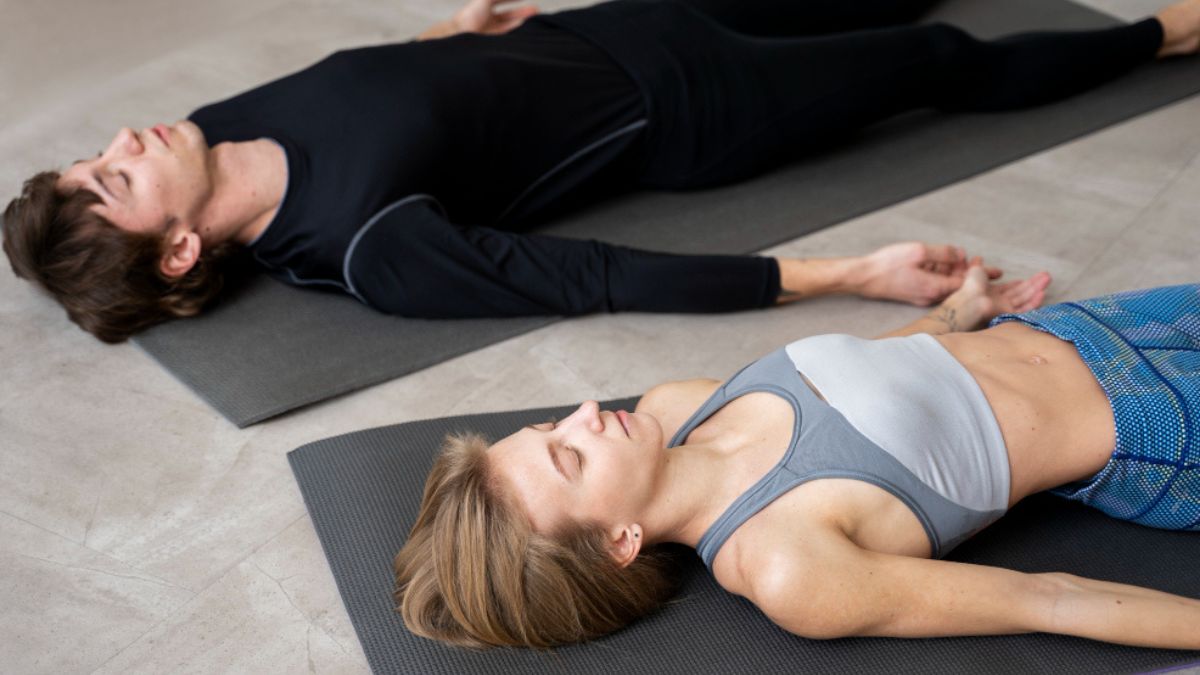
    6. Corpse Pose (Savasana) – 5–10 minutes, to close practice.

    This sequence takes 15–20 minutes and can be done before bed. Keep the lights dim, breathe slowly, and avoid distractions.

    Can Yoga at Night Replace Morning Practice?

    Yes and no. Night yoga can provide similar physical benefits, but the energetic effect differs. Morning practice awakens the body and prepares for action. Night practice unwinds the body and prepares for rest.

    For students training to be teachers, it’s good to experience both. This way, you can guide future students based on different needs and lifestyles.

    Yoga and Sleep: The Science Behind It

    Studies show that gentle yoga activates the parasympathetic nervous system, which lowers stress hormones like cortisol. Evening yoga has been linked to:

    • Improved sleep quality in people with insomnia
    • Lower anxiety and stress levels
    • Reduced heart rate and blood pressure
    • Better digestion and reduced evening restlessness

    This scientific backing adds credibility to what yogis have practiced for centuries: calming the body before sleep supports overall health.

    Common Mistakes to Avoid with Night Yoga

    • Practicing on a full stomach. Wait 2–3 hours after eating.
    • Choosing fast-paced Vinyasa sequences before bed.
    • Using bright lights or noisy environments during practice.
    • Practicing too late at night, which may disrupt sleep rhythm.

    Keep the session simple, slow, and consistent.

    Who Should Avoid Night Yoga?

    Most people benefit from night yoga, but if you suffer from severe acid reflux or certain digestive conditions, lying down after meals may cause discomfort. In such cases, practice gentle seated breathing or meditation instead of postures.

    Pregnant women should also consult a teacher before practicing, especially in the later stages of pregnancy.

    So, can we do yoga at night? Yes, evening yoga is safe, beneficial, and practical for many lifestyles. With the right approach, it can reduce stress, improve sleep, and make yoga more consistent for people who cannot practice in the morning.

    The key is to choose gentle postures, avoid practicing on a full stomach, and focus on relaxation rather than intensity. If practiced mindfully, night yoga becomes a natural way to close the day with balance and calm.

    FAQ – Can We Do Yoga at Night?

    1. Is it good to do yoga at night before bed?
      Yes, gentle yoga before bed helps reduce stress and improves sleep quality.
    2. Which yoga poses are best at night?
      Forward bends, supine twists, legs-up-the-wall, and Savasana are calming options.
    3. Can beginners practice yoga at night?
      Absolutely. Night yoga is beginner-friendly, especially with Hatha or restorative styles.
    4. How long should a night yoga session be?
      15–30 minutes is enough for relaxation and sleep preparation.
    5. Can I do yoga after dinner?
      Wait at least 2–3 hours after eating before practicing.
    6. Is night yoga good for weight loss?
      It helps indirectly by reducing stress and supporting better sleep, but active flows are better earlier in the day.
    7. Can yoga replace meditation at night?
      You can combine both. Gentle yoga followed by meditation or Yoga Nidra is highly effective.
  • Yoga Teacher Training in India: Costs, Courses & Locations

    Yoga Teacher Training in India: Costs, Courses & Locations

    Yoga teacher training in India can mean very different things, so the country alone should not decide your course. A useful comparison looks at the teachers, main yoga style, training hours, daily schedule, practicum, accommodation, assessment, and the registration pathway offered by the school. India gives students many choices, from residential study in Rishikesh to programs in Goa, Kerala, Mysuru, and other yoga centres, but the quality and purpose of those courses can differ a lot.

    Why students choose yoga teacher training in India

    India is the historical home of several yoga traditions and still has large communities of teachers, ashrams, schools, and students. That gives international students a chance to study physical practice together with pranayama, meditation, philosophy, teaching method, and Indian cultural context instead of seeing yoga only as a fitness class. The location can add depth, but it does not make every school traditional or every course suitable, so the actual curriculum still needs to be checked carefully.

    Residential training is also common in India. Students often live close to the school, eat meals together, and follow a full study timetable for several weeks. This can make it easier to focus because travel between home, work, and class is removed from the day. It can also feel intense, especially for a first-time visitor, so it is worth reading the schedule and understanding how much rest, self-study, and personal time the course really allows.

    Which yoga teacher training level should you choose?

    The hour number should match your present level and reason for studying. A shorter foundation can suit someone who wants structured learning without committing to a full teacher-training pathway, while a 200-hour course is the common starting point for students who want a broader foundation in practice and teaching. Advanced programs should build on earlier education rather than simply repeat the same material with a larger number attached to the certificate.

    • 100-hour training: a shorter foundation for students who want structured study, practice, and teaching fundamentals without the full 200-hour commitment.
    • 200-hour training: the common foundation level for students who want deeper study of asana, pranayama, meditation, philosophy, teaching methodology, and practicum.
    • 300-hour training: usually intended for students who have already completed a 200-hour foundation and want more advanced education.
    • 500-hour pathway: may be offered as one long program or as a 200-hour foundation followed by 300 additional hours, depending on the school and registration framework.

    FitFortunes currently offers a residential 100-hour course in Rishikesh and a longer 200-hour yoga teacher training. The 100-hour program is a 10-day foundation, while the current 200-hour program is structured over 21 days. Course dates, room choices, and inclusions should still be checked on the live course page before travel or payment because operational details can change.

    Yoga style matters more than a long list of labels

    A course that lists many styles is not automatically better. Students should ask which style forms the main practical base, how much time is actually spent on each method, and whether the teachers are qualified to teach those subjects in depth. Hatha, Vinyasa, modern Ashtanga Vinyasa, Yin, and other methods have different histories and teaching structures, so putting all of them on one sales page can create more confusion than useful choice.

    At FitFortunes, the current 200-hour Multi-Style structure uses traditional Hatha Yoga as the practical base, together with pranayama, meditation, yoga philosophy, teaching methodology, Ayurveda, sequencing, and supervised practicum. When the school discusses Patanjali’s Ashtanga Yoga in philosophy, that means the eight-limbed system described in the Yoga Sutras. It should not be confused with the modern Ashtanga Vinyasa Primary Series, which is not presented as the practical base of this course.

    What registration and certificates actually mean

    A course-completion certificate shows that you finished a particular training. Registration with an outside yoga organisation is a separate matter, and the wording should be checked carefully. For example, Yoga Alliance uses school and teacher registry designations such as RYS and RYT rather than issuing a government teaching licence. A student should verify the school in the organisation’s own directory and read the current requirements instead of relying only on a logo placed on a website.

    FitFortunes also refers to registrations with Yoga Alliance International and the World Yoga Federation. These organisations have their own systems, and their designations are not interchangeable with Yoga Alliance registration. None of these private yoga registries creates one worldwide legal right to teach. Studios, insurers, employers, and local jurisdictions may ask for different documents, so the useful question is what the certificate supports in the country where you plan to work.

    What should a good YTT curriculum include?

    A good curriculum should show more than pose names. Students need time to practise, understand why movements are taught, study breathing and meditation, learn relevant philosophy, understand basic anatomy, and practise communicating with real people. Teaching practicum is especially important because knowing how to perform a posture is different from explaining it, watching a class, managing time, giving safe options, and responding when a student does not understand a cue.

    • Asana practice and alignment principles.
    • Pranayama and breath awareness.
    • Meditation and concentration practices.
    • Yoga philosophy and selected classical texts.
    • Anatomy and movement principles relevant to teaching.
    • Teaching methodology, sequencing, communication, and class planning.
    • Repeated practicum, observation, feedback, and assessment.

    The FitFortunes curriculum guide explains how these areas are organised at the school, while the separate YTT syllabus guide explains how to judge any school’s published syllabus. Keeping those two pages separate helps avoid repeating the same search intent: one describes the FitFortunes curriculum, while the other teaches students how to evaluate a syllabus before they book.

    What daily life is like during residential training

    Residential yoga teacher training is usually a full study day rather than a holiday with one yoga class. A typical schedule may include morning practice, pranayama, meditation, theory, meals, afternoon study, teaching methodology, and practicum. Some schools also include chanting, cleansing practices, excursions, or evening activities, while others leave more personal time. Read the real timetable because two courses with the same number of training hours can feel very different in daily life.

    The physical workload is only one part of the course. Students also need concentration for lectures, note-taking, assignments, self-study, and practice teaching. That is why sleep, food, recovery, and realistic expectations matter. Our daily YTT schedule guide gives a clearer picture of how practice and classroom study fit together during residential training.

    How much does yoga teacher training in India cost?

    There is no reliable single price for all of India. Fees change with training length, location, room type, class size, meals, teacher experience, facilities, and what is included in the package. A cheaper course can still be good, and an expensive course can still be poorly organised. The useful comparison is the total cost of the trip and the amount of real teaching, accommodation, food, practicum, and support included in that price.

    As a current FitFortunes reference, the residential 200-hour program is listed at USD 1,199 for a shared room and USD 1,499 for a private room. These figures are for FitFortunes, not a claim about the whole Indian market. International students should also budget for flights, visa costs, local transport, travel insurance, personal spending, and extra accommodation around the course. The Rishikesh YTT cost guide covers those extra expenses in more detail.

    How Rishikesh, Goa, Kerala, and Mysuru differ

    Location changes the atmosphere around the course, but it should not replace curriculum quality as the main decision. Rishikesh has a dense yoga and ashram community and is popular for residential teacher training. Goa offers a coastal setting and many seasonal programs. Kerala is strongly associated with Ayurveda and South Indian culture, while Mysuru is closely connected with modern Ashtanga Vinyasa study. Each place can contain excellent and poor schools, so choose the teaching first and the scenery second.

    • Rishikesh: large teacher-training community, ashrams, the Ganga, and many residential schools.
    • Goa: coastal setting with many seasonal schools and retreat-style programs.
    • Kerala: useful for students interested in yoga alongside Ayurveda and South Indian traditions.
    • Mysuru: well known among students interested in modern Ashtanga Vinyasa practice.

    How to compare yoga schools without getting lost in marketing

    Start with information that can be checked. Look for named teachers, a real curriculum, a daily schedule, class size, practicum, assessment, room photos, meal information, booking terms, and a clear explanation of any outside registration. Be careful when a page relies mainly on words such as internationally recognised, ancient, authentic, or healing without explaining what those claims mean. Good schools should be able to answer practical questions without making the student decode sales language.

    • Who teaches asana, philosophy, anatomy, and teaching methodology?
    • What is the main practical yoga style?
    • How many students are in one batch?
    • How much supervised teaching practice is included?
    • How are students assessed before receiving a certificate?
    • What exactly is included in the residential fee?
    • What are the deposit, cancellation, and transfer terms?

    For a deeper school-selection checklist, use our guide to choosing a yoga teacher training in India. Students travelling from abroad should also read the international-student planning guide, which focuses on visas, flights, arrival, money, packing, and the practical side of studying in India rather than repeating this broad course comparison.

    Frequently asked questions

    How much does yoga teacher training cost in India?

    There is no single national fee because programs vary greatly in length, room type, meals, teacher team, facilities, and location. Compare the complete residential package and then add flights, visa costs, insurance, transfers, and personal spending. A very low price is not automatically a problem, but it should still come with a clear timetable, named teachers, practicum, accommodation details, and written booking terms.

    Do I need to be flexible before joining YTT in India?

    No. A beginner-friendly foundation course should not use advanced flexibility as an entrance test. You do need enough general health to follow the daily schedule and enough willingness to practise regularly, study theory, and receive feedback. If you have an injury, recent surgery, or another important health limitation, discuss it with the school before booking so the teaching team can explain whether the program is suitable.

    How long does a 200-hour yoga teacher training take in India?

    The calendar length varies because schools organise the required learning hours in different ways. Intensive residential programs commonly run for several weeks, while part-time courses can spread study over a much longer period. FitFortunes currently structures its residential 200-hour program over 21 days. Always check the live schedule rather than relying on an older blog, because course calendars can be revised.

    Does a 200-hour certificate let me teach anywhere in the world?

    No single yoga certificate creates a worldwide teaching licence. A training certificate can show that you completed a foundation program and may support registration with a private organisation when its requirements are met. Studios, insurers, employers, and countries can still have their own rules. If you plan to work abroad, check the requirements in that market before assuming one registration covers every situation.

    Is Rishikesh better than Goa or Kerala for yoga teacher training?

    Not automatically. Rishikesh has a very large yoga-training community and suits students who want a residential school environment around the Ganga and ashram culture. Goa may suit someone who prefers a coastal setting, while Kerala can appeal to students interested in Ayurveda and South Indian traditions. The stronger choice is the school whose teachers, curriculum, schedule, practicum, accommodation, and policies fit your needs.

    Choose the training, not the promise

    India gives yoga students a very wide range of training options, which is useful only when the differences are made clear. Compare what the school actually teaches, who teaches it, how much practice teaching you receive, where you will live, and what the certificate is meant to support. A strong location and an attractive website can help you feel interested, but the educational structure is what you will rely on once the course begins.

  • Sleeping on a Yoga Mat: Is It Safe and Comfortable?

    Sleeping on a Yoga Mat: Is It Safe and Comfortable?

    Can you sleep on a yoga mat? For some healthy adults, a night or short period on a mat may be tolerable, especially while travelling, camping indoors, or staying somewhere without a bed. But a yoga mat is designed for exercise, not overnight sleep, and there is no good evidence that sleeping on one gives special “grounding,” posture or health benefits.

    The main questions are practical: how much pressure you feel at the shoulders and hips, whether the floor is cold or damp, whether you can change position comfortably, and how your body feels the next morning.

    Why do people sleep on yoga mats?

    Usually the reason is simple: travel, limited space, camping, a preference for a firmer surface, or curiosity about floor sleeping. Some people also try it because they hope a firmer surface will reduce back discomfort.

    That last point needs caution. A yoga mat is much firmer and thinner than the sleep surfaces used in most mattress research. In a randomized trial of adults with chronic nonspecific low-back pain, medium-firm mattresses produced better outcomes than firm mattresses. That study did not test yoga mats, but it is a useful reason not to assume that a harder surface is automatically healthier.

    Possible advantages are mostly practical

    • Portability: a mat is easy to roll, store and travel with.
    • Low space requirement: useful in temporary accommodation or small rooms.
    • Firm feel: some people simply prefer less cushioning, although comfort is individual.
    • Low cost: if you already own a mat, it can serve as a temporary surface without extra equipment.

    Those are practical advantages, not proven health benefits. A yoga mat should not be advertised as improving posture, “grounding” the body or treating back pain.

    Is it safe to sleep on a yoga mat?

    For a healthy adult, trying a clean mat for a short period is unlikely to be a problem if it is comfortable and the floor is dry, warm and safe. But pressure at the hips, shoulders, ribs or knees can become uncomfortable quickly because a yoga mat provides very little cushioning.

    Extra caution makes sense for older adults, pregnant people, anyone with reduced mobility, recent surgery, significant joint pain, neuropathy, pressure-sore risk, or a condition that makes getting up from the floor difficult. Persistent or worsening pain is a reason to stop rather than “push through” an adjustment period.

    There is no evidence-based yoga-mat thickness that is ideal for sleep. A thicker mat, folded blanket or camping pad may feel more comfortable, but the right amount of cushioning depends on body size, sleeping position, floor surface and personal comfort.

    What kind of mat works best for temporary sleep?

    No yoga mat is specifically validated as an ideal sleep surface, and there is no evidence-based thickness such as 6 mm or 10 mm. If you need to use one temporarily, focus on practical factors: enough cushioning for your sleeping position, low odour, a clean surface, and enough insulation from a cold floor. A camping pad or folded blanket may be more suitable when comfort or insulation matters.

    Sleeping positions on a very firm surface

    Your usual sleeping position matters more than any yoga pose. Side sleepers may notice pressure at the shoulder and hip; back sleepers may need support under the head or knees; stomach sleeping can feel uncomfortable on a very firm surface. Avoid improvising supports that increase pain or place the neck or lower back in an awkward position. Comfort should improve sleep, not become a test of endurance.

    How to Make Temporary Mat Sleeping More Comfortable

    • Add a folded blanket or suitable sleeping pad if pressure is uncomfortable.
    • Use a pillow that keeps your neck comfortable in your normal sleep position.
    • Insulate yourself from cold tile or concrete.
    • Keep the mat and floor clean and fully dry.
    • Stop using the setup if it repeatedly causes numbness, worsening pain or poor sleep.

    There is no evidence-based adjustment period that you need to endure.

    Sleeping on Yoga Mat vs. Mattress

    Let’s compare:

    Feature

    Yoga mat

    Mattress

    Cushioning

    Very little; pressure can build at hips and shoulders

    Varies from soft to firm, usually with more pressure distribution

    Portability

    Easy to roll and carry

    Usually difficult to move

    Floor insulation

    Limited, especially on tile or concrete

    Much greater separation from the floor

    Cleaning

    Surface can be wiped, but material-specific care matters

    Usually needs bedding, ventilation and periodic cleaning

    Best use

    Yoga practice and occasional temporary sleep if comfortable

    Regular overnight sleep

    If back pain is the reason you are considering a very firm floor-level surface, evidence from mattress studies does not show that firmer is always better. Medium-firm support has performed better than firm mattresses in studies of nonspecific low-back pain, although that research did not test yoga mats.

    Yoga Nidra Is Different From Overnight Sleep

    Yoga Nidra is commonly practised while lying down, so a yoga mat may be suitable for a short guided session. That does not make the mat an appropriate overnight sleep surface. Relaxation practice and several hours of sleep place different demands on cushioning, temperature control and pressure distribution.

    Minimalism is separate from sleep quality

    Some practitioners value simple living, but that does not make a yoga mat a healthier sleep surface. Simplicity and sleep support are separate questions. If you prefer minimal bedding, choose a setup that still allows comfortable, restorative sleep.

    Travel and retreat use

    A yoga mat can be useful as an extra temporary layer while travelling, but it should not be treated as a substitute for proper guest bedding or a camping sleep pad. Retreat hosts should provide an appropriate sleep surface and use yoga mats for practice unless guests knowingly choose otherwise.

    How to Clean Your Mat for Sleeping

    If you plan to use your mat daily for sleep, hygiene matters:

    • Clean it weekly with mild soap and water.
    • Air-dry it fully before reuse.
    • Use a cotton sheet or towel over it at night.
    • Store it in a dust-free space.

    Sleeping close to the ground brings you near dust and bacteria. Keeping the mat clean matters. For material-specific care, see our guide to cleaning a yoga mat without damaging it.

    Sleeping on a yoga mat is best treated as a practical option, not a wellness treatment. If you are curious, a short trial can tell you whether the pressure and temperature are comfortable for your body.

    Do not assume discomfort means your body simply needs to “adjust.” Sleep quality matters. If a mat repeatedly leaves you sore, numb, cold or poorly rested, choose a more suitable sleep surface. If poor sleep continues even on a comfortable bed, read our guide to stress and sleep for other possible factors and when to get help.

    Common questions about sleeping on a yoga mat

    Is sleeping on a yoga mat bad for your back?
    There is no single answer. Some people tolerate a very firm surface; others develop more pressure or stiffness. A yoga mat has not been shown to treat back pain, and very firm support is not automatically better.

    Which yoga mat is best for sleeping?
    There is no evidence-based ideal model or thickness for overnight sleep. If a mat is being used temporarily, cleanliness, enough cushioning for your sleeping position, low odour and insulation from the floor matter more than a particular millimetre measurement.

    Can I use a yoga mat for camping?
    As an extra layer, yes, but a yoga mat usually provides much less cushioning and insulation than a camping sleep pad designed for the ground.

    How long should I give myself to adjust?
    There is no required adjustment period. If you wake with increasing pain, numbness, poor sleep or persistent soreness, that is useful feedback rather than something you need to endure.

    Can children sleep on a yoga mat?
    For ordinary overnight sleep, use an age-appropriate safe sleep surface. A yoga mat should not be promoted as a healthier substitute for children.

    This article gives general practical information and does not replace medical advice for persistent pain or sleep problems.

  • Yoga Pants Without Underwear: Comfort, Hygiene and Class Etiquette

    Yoga Pants Without Underwear: Comfort, Hygiene and Class Etiquette

    Some topics are best discussed with honesty. So let’s talk about a question many hesitate to ask: Is it okay to wear yoga pants with no panties? I’ve been teaching yoga for over two decades, and this subject comes up often. It may sound personal, but it’s directly related to comfort, hygiene, and confidence during your practice.

    Wearing Yoga Pants Without Panties: A Real-World Perspective

    Wearing yoga pants with no panties isn’t new. Many experienced yogis do it. Some prefer it for comfort. Others for hygiene. I’ve met students who find it less distracting during practice. They feel free to move without adjusting their clothing.

    However, it’s not for everyone. Each body is different. Some people prefer the extra layer of protection. Some avoid underwear due to visible panty lines. Others want fewer seams pressing against the skin.

    If you’re thinking about it, listen to your body. Try it during home practice first. Notice how it feels when you move, bend, or stretch.

    Comfort Versus Coverage in Yoga Clothing

    Yoga is about awareness. Your clothing should support that. If your pants are soft, breathable, and snug, going commando may feel natural. But if they’re thin or too tight, it might cause discomfort or draw unwanted attention.

    Check the fabric before deciding. High-quality leggings with a gusseted crotch work best. Compression pants with sweat-wicking material offer more support and reduce friction.

    Coverage matters, too. Avoid sheer fabrics. Bend in front of a mirror to see how much is visible. Choose pants with a thicker weave if you’re going without panties.

    Hygiene Matters: What You Should Know

    Going commando means your body is in direct contact with the pants. That can be fine if you practice proper hygiene.

    Wear clean pants every time. Avoid reusing sweaty workout gear. Always wash your yoga pants after each session. Use mild detergent that doesn’t irritate the skin.

    Choose moisture-wicking material. It keeps the area dry. Avoid synthetic fabrics that trap heat and bacteria. Breathable fabrics like cotton blends or bamboo help keep things fresh.

    That said, wearing cotton or breathable underwear under yoga pants is generally considered better for hygiene. It adds a clean barrier, absorbs sweat, and reduces friction especially helpful in humid climates like India.

    Seamless Yoga Wear and Other Options

    Some students ask, “What if I don’t feel comfortable going commando, but hate panty lines?”

    The solution is seamless underwear. They are light, smooth, and often invisible under yoga leggings. Look for styles made for activewear. Stretchy and sweat-resistant underwear is a good compromise.

    Some prefer thongs, but others find them distracting. Again, this comes down to what you’re used to and what lets you focus.
    Seamless Yoga Wear Options

    What to Wear in a Yoga Class: Simple Guidelines

    Many beginners worry about what to wear in a yoga class. The answer is simple. Wear what lets you move freely. Clothes should not pinch or slide. You shouldn’t be adjusting your waistband during Downward Dog.

    A fitted top, full-length leggings or shorts, and a sports bra (if needed) usually work. Skip anything too loose. Baggy clothes bunch up or fall during inversions.

    Ask your studio about the dress code if unsure. Some places are more traditional. Modesty is respected. Stick to clothes that are body-aware and allow full movement.

    In most Indian yoga ashrams, wearing appropriate innerwear is the norm. It reflects respect for both the practice and the community. Keeping modesty and hygiene in mind is important when sharing a class space.

    Going Commando in Hot Yoga or Intense Classes

    Sweaty classes like Bikram or power yoga come with different needs. Your clothing must manage moisture well. This is where going without panties can help.

    Less fabric means faster drying. But only if the material is right. Stick to synthetic blends with quick-dry features. Look for flat seams and breathable mesh panels.

    Also, bring a towel. Wipe off between poses. Stay dry to reduce irritation.

    If you’re not comfortable without underwear, opt for breathable, sweat-wicking panties to stay dry and avoid rashes.

    Is It Common to Wear Yoga Pants Without Underwear?

    Yes, it’s common. Not universal, but common. In most classes I’ve taught, a good number of students quietly go commando. It’s not a trend. It’s about finding what feels right.

    In some cases, students don’t mention it until they face issues like chafing or discomfort. Then we talk. It’s a private choice, but knowing your options helps.

    In traditional settings, however, underwear is seen as a hygiene and modesty necessity. If you’re practicing in India or a spiritual center, it’s better to follow those customs.

    Fabric Choices: What Works Best Without Panties

    Your pants must be soft, thick, and elastic. Here are features to look for:

    • Four-way stretch
    • Flatlock seams
    • Gusseted crotch
    • Breathable fabric
    • Moisture-wicking finish

    Avoid ultra-thin leggings. Avoid anything see-through. Some fast-fashion brands don’t offer full coverage. Stick with trusted yoga brands.

    Always try on before class. Move in them. Bend. Squat. Sit cross-legged. You’ll know quickly if the fit is right.

    Dressing Respectfully in Group Settings

    Yoga is personal, but also shared. You might prefer no underwear, but always check that your outfit keeps things private. Double-layered leggings or thicker fabrics help.

    Respect your classmates. No one wants to be distracted during class. Yoga clothing should be secure and appropriate for all postures.

    In India and many ashram-style environments, this is especially important. Modesty and cleanliness are seen as part of the yogic path.

    Real Stories from Students and Teachers

    One student told me, “I stopped wearing underwear during practice because I felt less restricted.” Another said, “I tried it, but switched back because I like the extra layer.”

    As a teacher, I’ve heard both sides. The key is to test what works. Try it at home before class. Notice how your body responds. There’s no one rule for all.

    Many teachers in India suggest wearing light cotton underwear with well-fitted pants to stay clean and respectful during practice.

    When Not to Go Commando

    If you have sensitive skin or are prone to infections, underwear may offer protection. If you’re using rental mats or borrowed gear, it’s safer to wear a barrier layer.

    If your leggings are too worn out or thin, skip it. Always check coverage. Also, during menstruation, underwear adds security.

    Packing for a Yoga Class: Keep It Simple

    Here’s what to bring:

    • One clean pair of yoga pants
    • Sports bra
    • Fitted top
    • Optional seamless underwear
    • Small towel
    • Water bottle

    Keep an extra pair of pants or underwear in your bag. You never know when you’ll want to switch.

    Final Thought: Choose What Feels Right

    No one can decide for you. Wearing yoga pants with no panties is a personal choice. It depends on your comfort, your clothes, and your practice.

    If you’re practicing in a modern studio, comfort may guide you. But in Indian settings, wearing underwear is generally better for hygiene, modesty, and shared respect.

    After all, the goal of yoga isn’t the clothes. It’s the quiet mind and moving body.

    FAQ: Yoga Pants No Panties

    Q: Is it normal to wear yoga pants without underwear?
    Yes. Many do it for comfort and simplicity.

    Q: What type of yoga pants are best if going commando?
    Thick, breathable leggings with flat seams and a gusseted crotch work best.

    Q: Is it hygienic to skip panties during yoga?
    It can be if you follow proper hygiene. But for most, wearing clean underwear is safer.

    Q: What if I feel uncomfortable without underwear?
    Use seamless underwear. They offer comfort without visible lines.

    Q: Is this okay in public yoga classes?
    Yes, as long as your clothing is secure and not see-through. Respect studio norms.

    Q: Can I go commando during hot yoga?
    Yes, but choose sweat-wicking materials or wear active underwear.

    Q: Should I wear underwear during my period?
    Yes. It offers extra support and helps with hygiene.

    Q: What if I’m self-conscious?
    Choose thicker leggings and well-fitted panties. Confidence grows with comfort and respect.

    The best yoga happens when your clothing supports your practice. Whether you choose underwear or not, the focus should stay on your breath, not your outfit. But in Indian yoga settings, wearing underwear is both practical and respectful — a small choice that supports a larger discipline.

  • Yoga and Pranayama: How to Combine Them in Practice

    Yoga and Pranayama: How to Combine Them in Practice

    Ever feel like life is moving too fast? Like your thoughts are running in circles and your body is simply trying to keep up? That was me, years ago. I was constantly exhausted, mentally foggy, and emotionally drained. But everything began to shift the moment I discovered the incredible world of yoga and pranayam. These two simple, ancient practices turned into my daily refuge, my therapy, and eventually, my life’s work.

    Today, I want to share not just the science and structure of yoga or pranayam, but the experience. The kind of experience that comes not from reading textbooks, but from sitting cross-legged at dawn, feeling your breath rise and fall as the sun warms your face.

    Understanding Yoga and Pranayam Beyond the Basics

    Let me be clear: yoga is not about being flexible. It’s not about fancy leggings or headstands either. Yoga is a journey inward. It begins on the mat, sure, but it takes you far beyond your physical body.

    Yoga, at its heart, is union. The word itself means “to unite,” and it refers to the integration of mind, body, and spirit. Through movement, breath, and awareness, yoga brings us back home to ourselves. Pranayam (or pranayama), on the other hand, is the doorway to energy mastery. Derived from “prana” (life force) and “ayama” (expansion), pranayam is the art of controlling and expanding your breath—and with it, your vitality.

    When practiced together, yoga and pranayam are like sun and moon. One grounds you in your body, the other lifts you into your breath. And both bring you closer to peace.

    My Story: How I Came to This Path

    I didn’t grow up doing yoga. I came to it out of desperation. Sleepless nights, chronic fatigue, emotional ups and downs—I was barely holding it together. Western medicine helped with the symptoms, but it didn’t address the cause. One day, on a whim, I attended a community yoga class. I fumbled through the poses, awkward and unsure. But when we reached the end, in savasana, something profound happened: I felt still.

    That stillness became addictive. I kept coming back. Within a few weeks, I was breathing better. Sleeping deeper. Smiling more. A teacher noticed my growing interest and introduced me to pranayam. That’s when the real magic began. My anxiety slowly melted. My body started to feel light. The world felt clearer.

    Today, I teach yoga and pranayam to others—not because I mastered them, but because they saved me. I’ve watched them work for busy parents, elderly folks, anxious teens, even corporate professionals. It doesn’t matter who you are. These practices meet you where you are.

    The Healing Power of Practice

    So what really happens when you do yoga and pranayam consistently?

    Your spine lengthens. Your breath deepens. Your nervous system relaxes. But more importantly, your awareness grows. You become conscious of your habits, your thoughts, your reactions. You begin to see clearly.

    With every sun salutation, you’re inviting strength and flexibility. With every breath practice, you’re cleansing your mind. It’s a detox, not just for your body, but for your entire being. Pranayam helps clear stagnant emotions. Yoga helps move stuck energy. Combined, they work like a gentle inner surgeon, removing all the knots you didn’t even know you were carrying.

    One of my older students, a lovely woman in her 60s, came to class barely able to touch her knees. She now does full-length practices with a radiant smile. But more than that, she says she’s more patient with her grandchildren. That, to me, is real yoga.

    Finding a Rhythm: Creating Your Daily Ritual

    People often ask me, “When is the best time to practice?”

    My answer is always the same: when you can show up fully.

    For some, it’s first thing in the morning, as the world is still quiet. For others, it’s in the soft light of evening. The key is consistency. You don’t need two hours. Even twenty mindful minutes can reshape your day.

    Start small. Five minutes of breath awareness. A few gentle stretches. Over time, you’ll crave more. And when you do, deepen the practice. Include pranayam techniques like Anulom Vilom or Bhramari. Pair them with foundational poses like Tadasana, Bhujangasana, or Balasana. Let it be a dance, not a duty.

    Bringing Your Practice to Life

    What makes yoga or pranayam work isn’t the technique alone. It’s the intention.

    Are you breathing with awareness? Are you present in your movement? Are you listening to your body’s signals? That’s the real practice.

    Yoga doesn’t demand perfection. Your poses don’t have to look like Instagram photos. Your breath doesn’t need to be deep on day one. All it asks is for your presence. That, in itself, is the most healing gift you can offer yourself.

    And over time, the rewards unfold: better sleep, stable emotions, clearer focus, improved digestion, stronger immunity, and above all—a quiet mind.

    Mistakes to Gently Avoid

    I’ve seen this often with beginners:

    They rush through asanas. They skip breathwork. They push too hard.

    Yoga is not a race. And pranayam is not just an add-on. If you only have time for one thing, start with the breath. It’s subtle but incredibly powerful. Another mistake is comparing your journey to others. Everyone’s path is different. Respect your pace.

    Practice on an empty stomach. Find a quiet space. Don’t multitask. And most importantly, don’t expect miracles overnight. The magic builds slowly, like sunrise.

    A Gentle Routine to Try

    Here’s a simple daily practice you can follow, even as a beginner:

    • Sit comfortably. Close your eyes. Spend a minute just observing your breath.
    • Stretch gently with 3 to 5 yoga poses. Flow slowly.
    • Practice Anulom Vilom for 5 minutes. Then add Bhramari or Ujjayi.
    • End with silence or a simple chant.

    Even if all you do is breathe deeply for ten minutes each day, that is enough. Enough to reset your nervous system. Enough to remind your heart that it’s safe.

    Wrapping It All Together

    Yoga or pranayam isn’t something you master. It’s something you live.

    It’s in the way you sit, the way you breathe before reacting, the way you soften into life’s chaos. These practices won’t remove all your problems, but they will change the way you meet them.

    And in this ever-busy world, that’s more than enough. So give it a try. Start today. Unroll your mat or just sit on your bed. Close your eyes. Breathe.

    Because healing doesn’t begin in hospitals. It begins with awareness. And your breath is the most powerful medicine you own.

    FAQ: Your Real-Life Questions Answered

    Q: Is yoga or pranayam suitable for everyone?
    Absolutely. Children, elders, beginners—anyone can start, with simple guidance.

    Q: Can I do pranayam if I have a health issue?
    In most cases, yes. Just consult a qualified teacher or health expert before beginning intense breathwork.

    Q: How long should I practice daily?
    Start with 20 minutes. Even 10 minutes done mindfully is valuable.

    Q: I can’t sit cross-legged. Can I still do yoga or pranayam?
    Yes! Sit on a chair, on your bed, or use props. Comfort matters more than tradition.

    Q: Can I eat before practicing?
    Wait at least 2 hours after eating before starting pranayam or yoga.

    Q: Do I need a teacher to start?
    Guidance helps, especially in the beginning. But many resources are available if you’re self-motivated.

  • How To Do Kriya Yoga : Learning for Students and Teachers

    How To Do Kriya Yoga : Learning for Students and Teachers

    How to Do Kriya Yoga: A Complete Practical Guide for Students and Teachers

    How to Do Kriya Yoga: A Complete Practical Guide for Students and Teachers

    When an international student named Maria arrived in Rishikesh for her first Kriya Yoga class, she expected calm breathing and gentle postures. Instead, her teacher explained, “Kriya is not about movement. It is about energy discipline.” That insight changed her practice forever.

    If you’ve ever wondered how to do Kriya Yoga, this guide explains its authentic process — from technique basics to teacher training, cultural roots, and student experiences in India’s yoga capital.

    Before you start, you may like to read about Yoga before or after Meditation to balance your daily routine.

    Learning Kriya Yoga in Rishikesh

    Nestled along the Ganges and surrounded by the Himalayas, Rishikesh remains one of the most authentic places to study Kriya Yoga. For decades, it has been home to respected teachers who pass on this meditative science in traditional ashrams and certified yoga schools.

    Unlike modern fitness yoga, Kriya Yoga focuses on energy control (pranayama), inner stillness, and breath awareness. The calm environment of Rishikesh supports this inner discipline. Students wake to temple bells, study ancient texts, and meditate by the river — conditions ideal for learning how to practice Kriya safely and correctly.

    “Rishikesh offers silence as the first teacher. That’s where real Kriya begins,” says Swami Arjun, a senior instructor.

    How to Do Kriya Yoga

    Learn more about Kriya Yoga Schools and their global influence.

    Step-by-Step Kriya Yoga Practice

    Learning how to do Kriya Yoga involves more than memorizing techniques. It follows a gradual process: body preparation, breath regulation, and inner stillness.

    • Preparatory Asanas: Gentle postures like Padmasana, Vajrasana, and Siddhasana help align the spine. Read more about the Benefits of Asanas.
    • Breath Discipline (Pranayama): Deep, rhythmic breathing prepares the nervous system for higher energy control.
    • Kriya Techniques: These include energy circulation through the spine using concentration and controlled inhalation/exhalation.
    • Meditation Practice: Focused awareness at the Ajna Chakra refines mental stillness. If you’re new, explore how to do meditation at home.
    • Mantra Repetition: Repeated sound vibration stabilizes thought and emotion.

    “Never force your breath or attention,” advises teacher Meera Singh. “Patience in Kriya is strength.”

    To begin practice from home, follow this Kriya Yoga at Home Guide.

    Authentic Certification and Teacher Training

    For those interested in formal study, Rishikesh offers Yoga Alliance-certified courses that include Kriya Yoga as part of advanced meditation modules. While Kriya itself originates from Paramahansa Yogananda’s lineage, its methods are now taught responsibly at certified yoga schools following international standards.

    A typical certification program includes:

    • Yogic Science Foundations – Philosophy, history, and scriptural roots.
    • Energy Practices – Advanced pranayama and subtle body awareness.
    • Teaching Methodology – Ethics, adjustments, and guidance.
    • Daily Meditation & Journaling – Reflection and awareness growth.

    “Certification adds responsibility, not status,” says Ramesh Joshi, a senior yoga master.

    Daily Life During Kriya Yoga Study

    Most Kriya Yoga training schools in Rishikesh offer simple, clean accommodations suited to a meditative lifestyle. Meals are sattvic, and routines begin at 5:00 AM with meditation, breathwork, and Karma Yoga (voluntary service).

    “You realize Kriya is not a session — it becomes the rhythm of your day,” shares Lisa from Sweden, a 2024 graduate.

    For deeper programs, explore holistic wellness and pranayama-based training in Rishikesh.

    Course Fees & Value

    Course fees for Kriya Yoga teacher training in Rishikesh range between ₹70,000 and ₹1,20,000 INR for a 200-hour program, depending on facilities and inclusions.

    Fees typically cover:

    • Tuition and certification
    • Accommodation and sattvic meals
    • Weekend excursions and study materials

    “The real value is not in the certificate but in learning to calm your inner currents,” explains Om Prakash.

    Student Experiences

    Emily, USA: “I came for stress relief, but Kriya taught me patience with my thoughts.”

    Hiroshi, Japan: “Learning in Rishikesh gave me not only technique but cultural understanding.”

    Students appreciate structured breathing, ethical grounding, and silence as part of their growth. Explore more stories in Yoga for Inner Peace and Fitness.

    Conclusion: Practicing Kriya Yoga with Awareness

    Learning Kriya Yoga is not about mastering postures but about developing a calm, aware mind through breath and energy discipline. Rishikesh remains the most trusted destination for serious students who value traditional and certified learning.

    “When breath is steady, the mind finds its teacher,” concludes Swami Arjun.

    FAQ: How to Do Kriya Yoga – Practical Questions Answered

    Q1. What is the first step in Kriya Yoga?
    Start with preparatory breathing and seated postures like Padmasana. Never rush advanced techniques.

    Q2. Can beginners learn Kriya Yoga?
    Yes, but only under a qualified instructor who ensures safe breath control and posture alignment.

    Q3. How long should I practice daily?
    Begin with 15–20 minutes, gradually increasing as comfort grows.

    Q4. Is Kriya Yoga a religion?
    No. It is a spiritual science of breath and energy applicable to any belief.

    Q5. What are the benefits of Kriya Yoga?
    It enhances mental clarity, emotional stability, and natural energy flow.

    Q6. How is Kriya Yoga different from meditation?
    Kriya combines breath control and meditation for deeper concentration.

    Q7. Do I need to be vegetarian for Kriya Yoga?
    Sattvic food is encouraged for calmness but not mandatory.

    Q8. Is Kriya Yoga part of Yoga Alliance certification?
    Yes, in many advanced or multi-style teacher training programs.

    Q9. Where can I join Kriya Yoga training in Rishikesh?
    You can explore certified residential programs through FitFortunes’ Yoga Teacher Training in Rishikesh.

    Q10. What precautions should I take?
    Avoid overexertion, maintain regular guidance, and always practice after meals only after two hours.

    Upcoming Traditional Multi-Style 200 Hour Yoga Teacher Training

    Upcoming Traditional Multi-Style 200 Hour Yoga Teacher Training

    Date Shared Room Book Private Room Book
  • Mind-Muscle Connection in Yoga: How to Practise It

    Mind-Muscle Connection in Yoga: How to Practise It

    The mind-muscle connection in yoga means directing attention to the way your muscles contribute to a pose. Use a simple cue, move slowly and notice effort without squeezing every muscle as hard as possible. Awareness can make instructions easier to understand. It does not prove that a pose builds more muscle or prevents injury. This guide explains practical cues, breathing and beginner modifications.

    There are two common attention choices: an internal cue focuses on a body sensation, while an external cue focuses on a movement task. “Notice the thigh working” is internal; “press the floor away” is external. Either may be helpful in a particular exercise. If one cue creates tension or confusion, try a simpler one. A teacher can help you choose language that fits the pose.

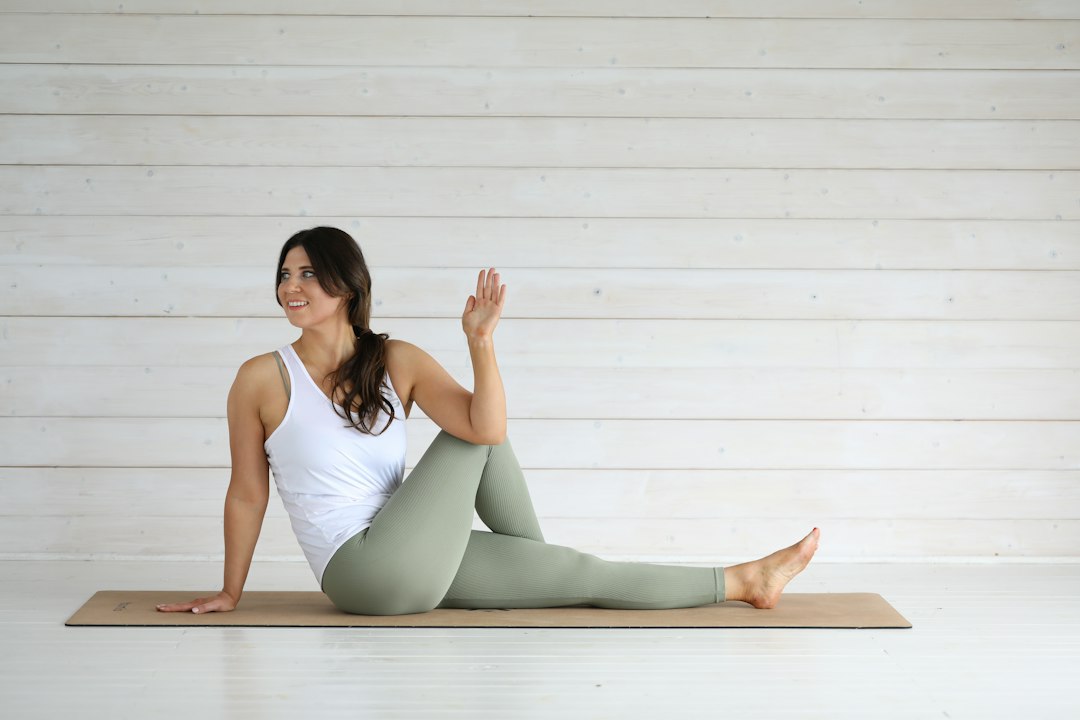
    Seated twist used to notice a comfortable mind-muscle connection in yoga

    What does mind-muscle connection in yoga involve?

    Yoga postures coordinate many muscles, joints and balance responses at once. You do not need to identify every muscle to practise well. Start with the action you can control: support through the feet, a comfortable knee position or the direction of the arms. Notice sensation as feedback, not proof of perfect alignment. Reduce effort if breath holding, strain or pain appears.

    When are muscle-awareness cues useful?

    Use a muscle-awareness cue when it clarifies a movement you already know. During Bridge Pose, notice the work around the hips while raising them a little. During Warrior II, attend to steady pressure through both feet. A stronger burning sensation is not automatically a better pose. Muscle growth depends on repeated training demands, recovery and nutrition; awareness alone cannot replace those factors.

    Internal and external cues to compare
    PoseInternal cueExternal cue
    BridgeNotice hip and leg effort.Press both feet into the floor.
    Wall PlankNotice steady work around shoulders and trunk.Push the wall away gently.
    TreeNotice the standing foot and leg.Keep your gaze on a stable point.

    Choose one cue at a time. Compare a small number of comfortable repetitions, then return to normal attention. Trying to monitor every muscle may make a simple movement harder. Mind-muscle connection in yoga should support a calm, manageable task rather than become another performance test.

    Techniques to Improve Mind-Muscle Connection in Yoga

    Several techniques can enhance the mind-muscle connection in yoga:

    1. Slow Down Your Practice: By slowing down and focusing on each pose, you’ll become more aware of the muscles being engaged. This deeper awareness allows you to activate muscles more effectively.
    2. Use Cues and Affirmations: Mentally or verbally affirm which muscles should be engaged during poses. For example, during Warrior II, you might mentally say, “Engage the core and feel the strength in your legs.” This strengthens your mind-muscle connection and improves muscle engagement.
    3. Consistency: Regular practice will gradually enhance your awareness of the muscles being activated, further improving the mind-muscle connection.
    4. Feedback from Teachers or Mirrors: Using mirrors or seeking guidance from an instructor helps ensure correct alignment and muscle engagement, reinforcing the mind-muscle connection.

    By practicing these techniques consistently, you’ll strengthen your mind-muscle connection, leading to a more enriching yoga practice.

    How should you breathe while practising?

    Keep breathing comfortable and continuous. You do not need to force deep breaths, hold the breath or match an advanced count to each contraction. If you cannot breathe easily in a pose, reduce the load or leave the position. Breath awareness is a way to notice effort; it is not evidence that extra oxygen reaches one selected muscle. See our diaphragmatic breathing guide for a separate introduction.

    Yoga Poses to Improve Mind Muscle Connection

    Certain yoga poses are excellent for enhancing the mind-muscle connection. Here are a few to focus on:

    Here’s a list of 10 yoga asanas to improve the mind-muscle connection, focusing on both muscle engagement and mindfulness:

    1. Warrior II (Virabhadrasana II)
    • Focus: Legs, core, arms
    • Engage your legs by pressing through the feet, activate the core, and extend your arms. This pose strengthens your lower body while helping maintain balance and stability.

       2. Bridge Pose (Setu Bandhasana)

    • Focus: Glutes, hamstrings, lower back
    • Lift your hips while engaging the glutes and hamstrings. This pose improves lower body strength and spine alignment, requiring focus on muscle activation.

       3.  Tree Pose (Vrikshasana)

    • Focus: Standing leg, core
    • Balance on one leg while engaging the standing leg and core for stability. This pose enhances balance and improves awareness of the body’s alignment.

       4. Plank Pose (Phalakasana)

    • Focus: Core, shoulders, arms
    • Engage your entire body, from your core to your arms and legs. Plank requires full-body awareness, making it excellent for developing the mind-muscle connection.

       5. Downward-Facing Dog (Adho Mukha Svanasana)

    • Focus: Shoulders, hamstrings, calves
    • In this pose, focus on extending your spine while pressing the heels towards the ground and actively engaging the arms and legs.

       6. Cobra Pose (Bhujangasana)

    • Focus: Lower back, shoulders, chest
    • Activate the back muscles and shoulders to lift the upper body, while keeping the legs grounded. Cobra helps open the chest and strengthens the back.

       7. Boat Pose (Navasana)

    • Focus: Core, hip flexors
    • Balance on your sit bones while engaging the core and hip flexors. This pose challenges the core muscles and increases body awareness.

       8. Chair Pose (Utkatasana)

    • Focus: Thighs, glutes, core
    • Focus on engaging the thighs, glutes, and core as you hold the pose, improving strength in the lower body and body awareness.

       9. Locust Pose (Salabhasana)

    • Focus: Lower back, glutes, legs
    • Lift the chest and legs off the ground while keeping the body active and engaged. Locust pose strengthens the back and glutes while developing a strong mind-muscle connection.

       10. Camel Pose (Ustrasana)

    • Focus: Core, thighs, chest, hip flexors
    • Engage the thighs and glutes as you open the chest and lift the ribcage. Camel pose increases flexibility and strengthens the core, requiring a deep mind-muscle connection for proper alignment.

    A five-minute mind-muscle connection practice

    1. Choose one familiar posture or supported variation.
    2. Try it once with ordinary attention and comfortable breathing.
    3. Repeat with one muscle-awareness cue.
    4. Repeat with one movement cue, such as pressing the floor.
    5. Keep the cue that improves control without strain. Rest and record one observation.

    For example, try a small Bridge lift two or three times, lowering slowly between repetitions. Do not repeatedly push higher to chase a sensation. If you feel pain, numbness or unusual weakness, stop. Persistent symptoms need professional advice. The same principle applies to the poses above: use a wall for balance, knees-down Plank for lower load, and smaller backbends.

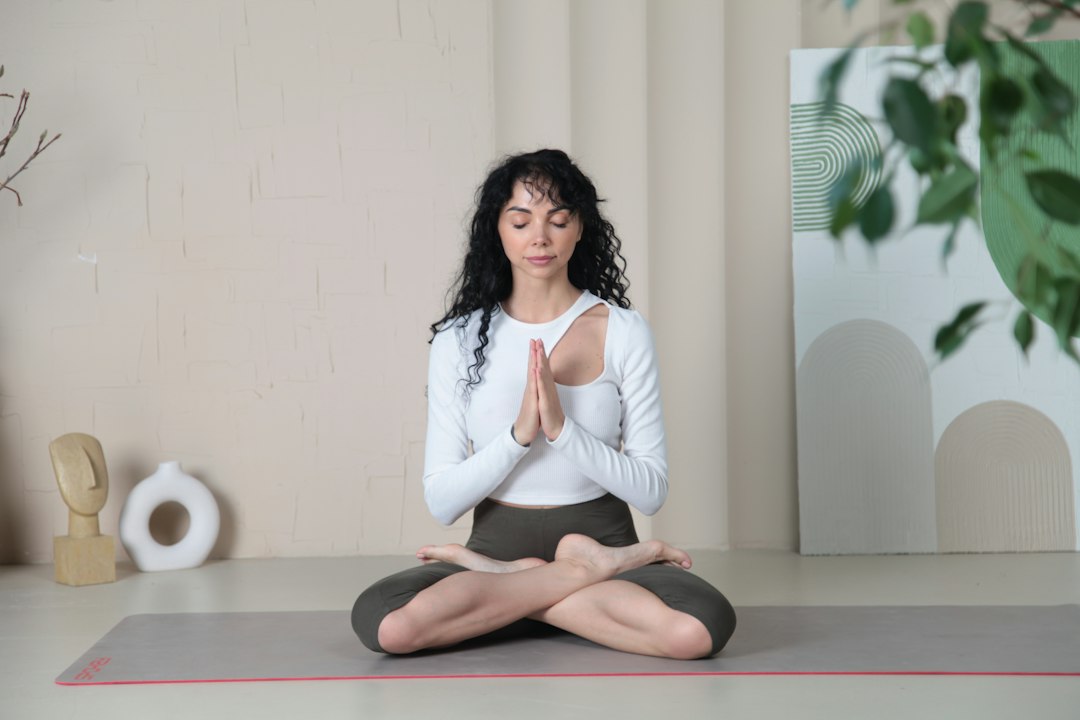
    Person seated upright with shoulders relaxed
    Notice posture without tensing every muscle or forcing the breath. Editorial photograph.

    A practical cue comparison in one easy movement

    Try a small seated arm raise with feet supported. First notice the movement of the shoulder and arm without tightening everything deliberately. Lower the arm. On the next repetition, reach gently toward a point in front of you instead. Compare control and comfort. The first approach is an internal attention cue; the second directs attention toward a movement effect. Neither needs to produce a strong sensation to be useful.

    Repeat only a few times, keeping the range modest and breathing ordinary. If focusing on a muscle makes you tense the jaw, brace the abdomen or hold the breath, simplify the task. You can use a lighter cue or return to the external point. Mind-muscle connection is not a competition to feel every muscle working as strongly as possible.

    Use the same comparison in a familiar posture, changing only the cue. Record which instruction helped you move comfortably. Do not infer that an easier repetition proves greater muscle activation, a larger calorie burn or prevention of injury. Those claims require separate evidence. A useful practice result is that you understand the instruction and can control the movement you chose.

    Frequently asked questions

    Do I need to feel a muscle burning?

    No. A burning sensation is not required for useful movement or good technique. Sensation varies with position, fatigue, training history and the person. Look for a manageable movement, steady support and comfortable breathing. More discomfort does not prove more benefit. If a teacher’s cue creates pain or unusual symptoms, stop and ask for an alternative rather than trying harder.

    Will mind-muscle connection in yoga build bigger muscles?

    Attention alone does not establish a muscle-building effect. Research on attentional focus often studies resistance exercises with measured loads, rather than yoga programmes. Do not apply those results directly to every asana. Training stimulus, recovery and adequate nutrition remain relevant. Our yoga and strength-training guide explains why posture practice and progressive strength training can overlap without being identical.

    What if I cannot identify the target muscle?

    Use a movement cue instead. Press the wall, spread weight through the foot or keep the pelvis steady. You do not need an anatomy quiz before practice. Ask a qualified teacher to clarify the intended action and offer a supported version. The beginner poses guide provides a useful starting point. Sensation can develop with familiarity, but it is not a pass-or-fail test.

    Can these cues prevent injury?

    No cue guarantees injury prevention. Load, range, speed, fatigue, health and previous injury also affect practice. Awareness may help you notice that a movement feels uncomfortable, but it cannot diagnose a problem. Read NCCIH’s yoga safety guidance, use appropriate modifications and seek advice when a health condition changes what you can safely do.

    What to practise next

    Use one familiar posture for a week before adding several new cues. Keep a brief note about comfort and control, rather than rating your body harshly. For broader movement awareness, read our mind-body yoga guide. This article offers educational practice ideas; it does not claim a clinical rehabilitation effect or a proven yoga-specific hypertrophy method.

  • 300 Hour Yoga Teacher Training in Rishikesh: What Advanced Study Includes

    300 Hour Yoga Teacher Training in Rishikesh: What Advanced Study Includes

    Current FitFortunes course note: FitFortunes does not currently offer a 300-hour Yoga Teacher Training course. This article is informational and explains what advanced 300-hour study generally includes.

    If you love yoga and want to expand your practice, enrolling in a 300 Hour Yoga Teacher Training in Rishikesh is a great step. Rishikesh, located in the peaceful foothills of the Himalayas, is known as the “Yoga Capital of the World.” It’s the perfect place to immerse yourself in both the spiritual and physical aspects of yoga.

    This training is designed for those who have already completed a 200 Hour Yoga Teacher Training (YTT) and are ready to take their skills further. Whether you aim to teach yoga or simply develop your personal practice, this course offers valuable knowledge on advanced yoga poses, meditation, pranayama (breathing techniques), and yoga philosophy. By the end, you’ll feel more confident in your practice and teaching abilities, and you’ll gain a deeper understanding of the essence of yoga.

    What is the 300 Hour Yoga Teacher Training?

    A 300 Hour Yoga Teacher Training in Rishikesh is an advanced program for those who already have basic yoga teacher certification. This training helps you refine your skills, gain deeper knowledge of yoga philosophy, anatomy, and meditation, and become a more confident yoga teacher. It is the next step in your yoga journey, allowing you to teach advanced yoga practices with understanding and care.

    Why Choose Rishikesh for Your 300 Hour Yoga Teacher Training?

    Rishikesh is the perfect place to deepen your yoga knowledge. Surrounded by nature, the sacred Ganges River, and the Himalayas, it offers a peaceful environment for self-reflection and growth. Here’s why you should choose Rishikesh for your training:

    • Sacred and Peaceful Environment: The calm and serenity of Rishikesh creates the perfect atmosphere for learning. You will feel connected to the deeper spiritual aspects of yoga as you practice.
    • World-Class Teachers: Rishikesh attracts some of the best yoga teachers from around the world. You’ll learn from instructors who have years of experience in yoga and can share their wisdom in a simple, easy-to-understand way.
    • Holistic Approach: The 300 Hour YTTC in Rishikesh doesn’t just focus on poses. You’ll learn about meditation, pranayama (breathing exercises), and yoga philosophy, helping you become a well-rounded yoga teacher.

    What Will You Learn in the 300 Hour YTTC?

    300 Hour Yoga Teacher Training in Rishikesh

    In the 300 Hour Yoga Teacher Training, you will explore advanced techniques and deepen your understanding of key yoga elements:

    1. Advanced Asana Practice: You’ll learn how to improve your own yoga poses and how to teach them safely. The course covers different body types, how to make adjustments, and how to keep students comfortable during practice.
    2. Yoga Philosophy: Yoga is more than physical postures. You’ll study the teachings of ancient texts like the Yoga Sutras of Patanjali, Bhagavad Gita, and the Upanishads. These texts help you understand yoga from a spiritual and philosophical perspective.
    3. Anatomy and Physiology: A key part of the training is understanding how the body works during yoga practice. You will learn about muscles, joints, and how to prevent injuries while teaching and practicing.
    4. Pranayama and Meditation: Breathing exercises (pranayama) and meditation are important parts of yoga. These tools help calm the mind, improve focus, and bring peace. You’ll learn how to use them in your own practice and share them with your students.
    5. Teaching Methodology: You will learn how to lead yoga classes, create sequences, and work with different types of students. The course will help you become a skilled, confident, and compassionate yoga teacher.

    Why is the 300 Hour Yoga Teacher Training Important?

    The 300 Hour Yoga Teacher Training is for those who want to deepen their knowledge and become more confident in their yoga practice. After completing the 200 Hour YTT, this training is the next step for refining your skills and learning advanced techniques. It helps you prepare to teach specialized classes such as those for children, seniors, or people with special needs.

    Benefits of Completing the 300 Hour YTTC in Rishikesh

    Here are some of the benefits you’ll gain from this course:

    1. Personal Growth: Yoga is not just about physical poses. It helps you grow emotionally, mentally, and spiritually. By the end of the training, you will feel more connected to yourself and the world around you.
    2. Global Recognition: The 300 Hour YTTC in Rishikesh is recognized by Yoga Alliance, so you will be certified to teach yoga worldwide.
    3. Build a Successful Career: If you want to teach yoga professionally, this course will help you build a strong foundation. You’ll learn how to manage a class, design sessions, and make yoga accessible for everyone.
    4. Network with Others: You’ll meet like-minded people from all over the world during the training. This network can be helpful when you start teaching and building your career.

    Is the 300 Hour Yoga Teacher Training Right for You?

    If you’ve already completed your 200 Hour Yoga Teacher Training and want to expand your knowledge and skills, the 300 Hour Yoga Teacher Training in Rishikesh could be just what you need. This advanced course is perfect for yoga enthusiasts who are looking to go deeper into their practice, whether or not they plan to teach professionally.

    The course will provide you with more than just advanced poses. You will also dive into areas like yoga philosophy, anatomy, and meditation, gaining a more holistic view of the practice. As a result, you’ll not only improve your ability to lead classes but also grow on a personal level.

    If you’ve ever felt that there is more to yoga than just the physical postures, this course will guide you through the deeper, spiritual side of the practice. Whether you want to teach yoga to others or simply refine your personal practice, you’ll gain the confidence and tools to take your journey further.

    Conclusion: Start Your Journey with the 300 Hour Yoga Teacher Training in Rishikesh

    The 300 Hour Yoga Teacher Training in RishikeshThe 300 Hour Yoga Teacher Training in Rishikesh is more than just a course – it’s an experience that can change your life. It’s not just about learning how to do more advanced yoga poses; it’s about growing on every level—spiritually, mentally, and emotionally. Throughout the training, you’ll connect with yourself in ways you may never have before, helping you to not only improve your practice but also to develop a deeper understanding of life itself.

    When you complete the training, you’ll feel more confident in your abilities as a teacher and more connected to your own practice. You’ll have the tools to guide others, helping them lead healthier, balanced lives. The knowledge you gain will not only make you a skilled yoga teacher but also a better version of yourself.

    If you’re looking to take your yoga practice to the next level and become a more skilled teacher, Rishikesh is the perfect place to start. With its peaceful surroundings and experienced instructors, it’s the ideal setting for growth and learning.