

Ashtanga yoga can support an active lifestyle, but it is not a guaranteed weight-loss method. Body weight changes through many factors, including food intake, total daily movement, sleep, stress, medication, health conditions, and genetics. A regular physical yoga practice can increase activity and build strength, but it should not be sold as a way to target belly fat or promise a certain number of kilograms lost.
What people mean by Ashtanga yoga for weight loss
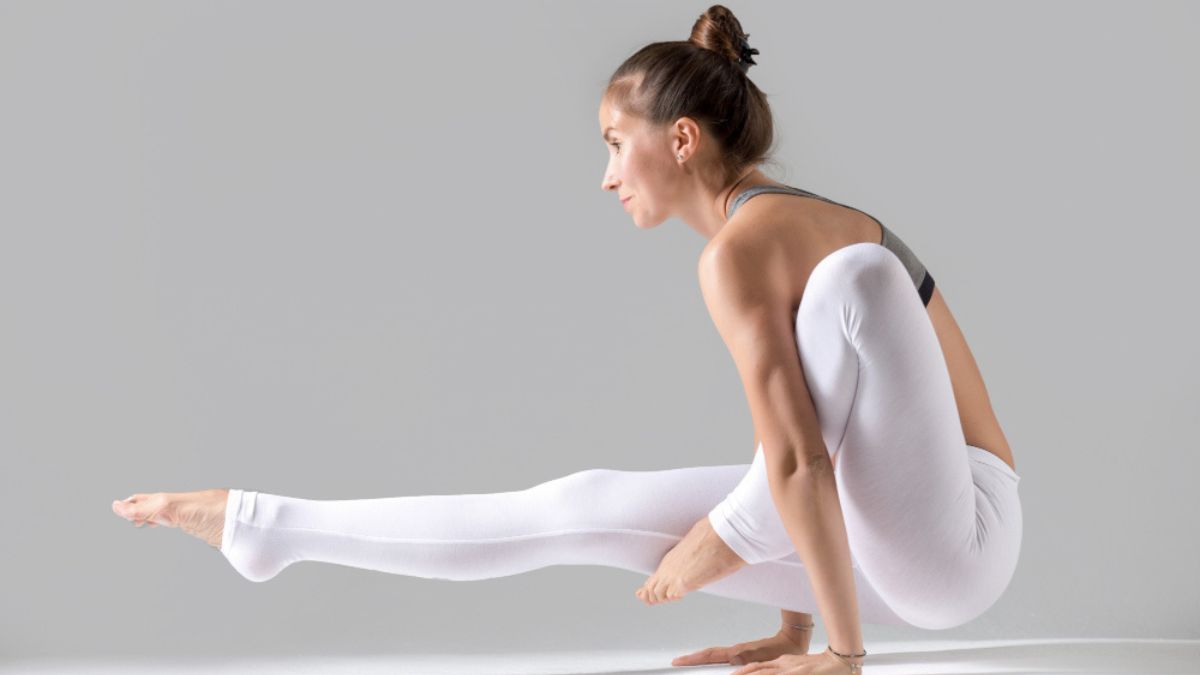
In modern classes, the phrase usually refers to Ashtanga Vinyasa Yoga, where postures are linked in a set sequence with steady breathing and repeated transitions. The practice can feel physically demanding because it includes standing poses, forward folds, balances, seated work, and repeated movements such as Sun Salutations. That makes it different from Patanjali’s Ashtanga Yoga, which means the eight-limbed path and is a broader philosophical system rather than one fixed exercise sequence.
Can Ashtanga yoga help with body weight?
It can contribute to overall physical activity, and regular activity is one part of long-term weight management. The practice also develops strength, coordination, mobility, and work capacity, which can make other forms of movement easier. What it cannot do is guarantee fat loss from one part of the body, overcome every dietary pattern, or replace medical care when weight change is connected with a health condition.
Why consistency matters more than one hard class
A very hard session once a week is not automatically more useful than a moderate practice you can repeat safely. Beginners often progress better when they learn the sequence gradually, allow recovery, and stop before technique breaks down. A routine that you can follow for months is more practical than forcing an advanced schedule for two weeks and then quitting because of pain, exhaustion, or lack of time.
What the physical practice actually develops
Ashtanga Vinyasa uses repeated weight-bearing positions, transitions, balancing work, and sustained attention to breathing. These elements can challenge the legs, shoulders, trunk, and general endurance while also asking for mobility and coordination. The useful goal is not to chase sweat as proof of success, but to move with enough control that the body can adapt without turning every class into a test.
Sun Salutations
Sun Salutations link several movements together and can raise the physical demand of the session when they are repeated. The important part for a beginner is learning stable positions and smooth transitions rather than moving as fast as possible. If wrists, shoulders, or the lower back feel overloaded, reduce repetitions and ask for a simpler variation instead of forcing the full sequence.
Standing and balancing poses
Standing postures build control through the legs and hips while balancing positions challenge coordination and attention. These poses can feel demanding even without constant movement, especially when they are held with steady breathing. Progress should come from better control and clearer technique, not from trying to make every posture deeper each week.
Repeated transitions
Movements such as lowering from plank and returning to standing can add a lot of work to an Ashtanga session. They are also where fatigue may change shoulder, wrist, or spinal control. Beginners do not need to perform every transition in its hardest form, and skipping or modifying one movement can be a sensible training choice rather than a failure.
Breathing does not directly burn fat
Breath control helps organise movement and attention, but it should not be described as a technique that directly melts fat or “boosts metabolism” in a special way. In Ashtanga Vinyasa, steady breathing helps students pace the sequence and notice when effort is becoming uncontrolled. For a simple introduction to breathing mechanics, use our diaphragmatic breathing guide.
Food, sleep and total daily activity still matter
No yoga style removes the need for basic health habits. If weight management is your goal, look at the whole week rather than only the time spent on the mat. Regular meals that suit your health needs, enough protein and fibre, reasonable portions, walking or other daily movement, adequate sleep, and recovery between hard sessions can all matter alongside yoga practice.
A sensible starting routine for beginners
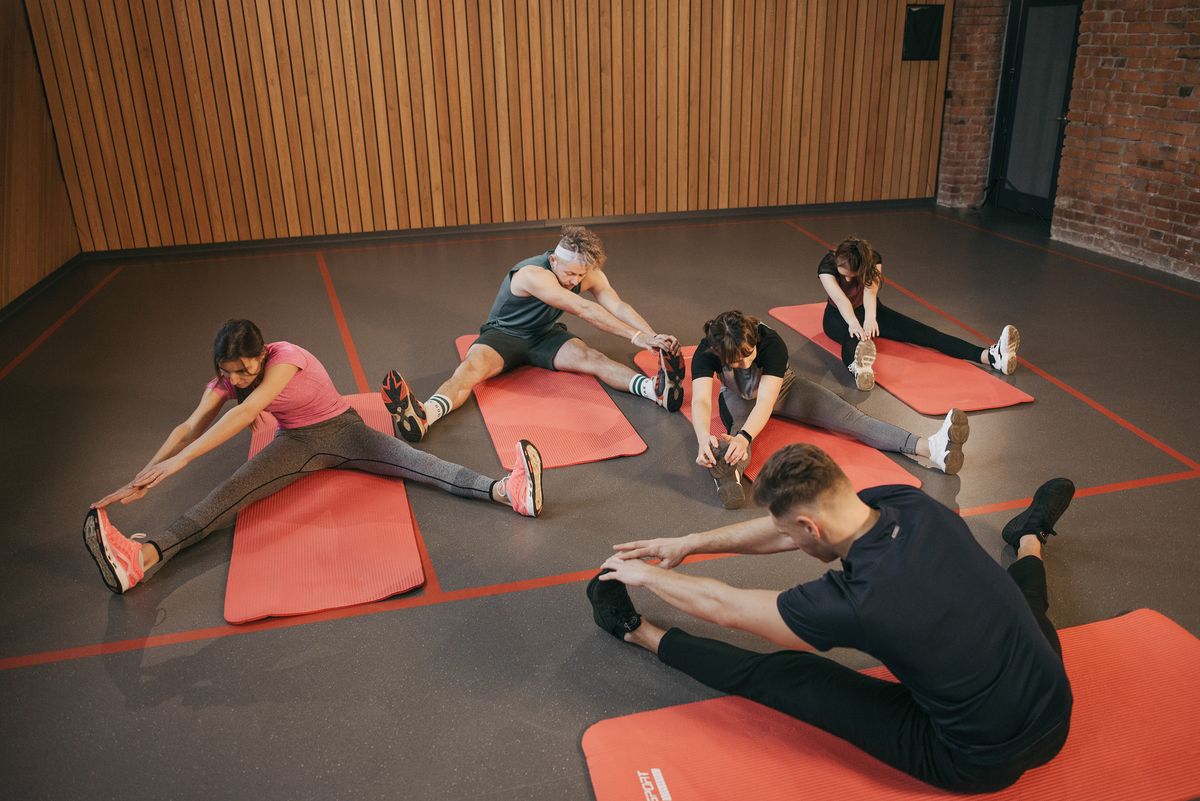
Start with a shorter practice that lets you learn the sequence without rushing. Two or three guided sessions a week can be enough at first, with easier movement or walking on other days. As your technique and recovery improve, you can add time or another session, but there is no need to copy an advanced practitioner’s six-day schedule simply because it is traditional in some schools.
- Learn the basic sequence before increasing speed.
- Use modifications for wrists, knees, shoulders, or lower back when needed.
- Keep at least one easier day when fatigue is high.
- Do not use pain or dizziness as a sign that the practice is working.
- Track consistency, energy, strength, and recovery instead of only scale weight.
When weight loss should not be the main goal
If you have a history of disordered eating, unexplained weight change, pregnancy, a medical condition, or medication that affects body weight, general internet advice may not be enough. In those situations, speak with an appropriate healthcare professional before using a demanding exercise routine mainly for weight loss. Yoga can still be useful, but the goal may need to shift toward strength, mobility, stress management, or maintaining a steady practice.
Frequently asked questions
Can beginners use Ashtanga yoga for fitness?
Yes, but beginners should learn the sequence gradually and use modifications when needed. The full primary series is not a sensible starting target for everyone. A shorter guided practice can build familiarity and strength without making fatigue the centre of the session.
Does Ashtanga yoga burn belly fat?
No exercise can reliably choose where body fat is lost first. Ashtanga can contribute to total physical activity and may support overall weight management, but changes in body fat depend on many factors. Claims that one sequence specifically removes abdominal fat should be treated carefully.
How often should I practise?
There is no single number that suits everyone. Beginners can start with a few sessions each week and increase only when recovery is good and technique remains steady. Your age, training history, sleep, work demands, injuries, and other exercise all affect how much practice is sensible.
Do I need cardio or strength training too?
You do not have to combine every form of exercise, but a balanced week often includes different kinds of movement. Walking, general strength work, cycling, swimming, or another activity can add benefits that a yoga sequence may not provide in the same way. Choose forms of exercise you can recover from and continue consistently.
Use Ashtanga as practice, not a promise
Ashtanga Vinyasa can be a demanding and disciplined physical practice, and that can make it useful for people who enjoy structured movement. Its value does not depend on promising a particular body shape or a fixed weight-loss result. If you want to understand the wider meaning of Ashtanga beyond the modern sequence, read our guide to what Ashtanga Yoga means before choosing a practice or teacher-training course.