Tag: yoga teacher training

Yoga Teacher Training (YTT) is a program designed to educate and certify individuals to become yoga instructors. It typically involves in-depth study and practice of yoga techniques, philosophy, anatomy, teaching methods, and ethics. YTT programs vary in duration and intensity, ranging from short-term courses to immersive residential programs spanning several weeks or months. Upon completion of a YTT program and meeting certification requirements, participants are equipped with the knowledge and skills needed to lead yoga classes confidently and effectively.

  • Rishikesh vs Singapore for Yoga Teacher Training

    Rishikesh vs Singapore for Yoga Teacher Training

    Compare a Rishikesh residential course with the specific Singapore teacher training you are considering. The useful questions are how study fits your schedule, how much supervised teaching it includes and what the complete price covers. A local course may avoid international travel; a residential course requires time away and a separate travel budget.

    Rishikesh vs Singapore: which study format fits?

    DecisionFitFortunes in RishikeshYour shortlisted Singapore course
    Time commitmentThe established 200-hour courses use a 21-day residential format.Confirm whether delivery is intensive, weekend, part-time or hybrid.
    MethodChoose between the separate Hatha and Multi-Style routes.Read the actual style-specific curriculum.
    BudgetAdd travel and excluded costs to the course and room quote.Account for fees, commuting or accommodation and any missed work.
    Teaching practiceCheck the published practicum and assessment details.Ask how much teaching is observed and how feedback is given.
    RegistrationVerify the specific school and course registration separately from graduation.Use the same check; a country or course label does not establish registration.

    Weighing residential study against training in Singapore? Compare FitFortunes’ 200-hour course options in Rishikesh, then read the Multi-Style curriculum alongside your Singapore shortlist. Choose a format you can realistically complete.

    What Is a 200-Hour Yoga Teacher Training?
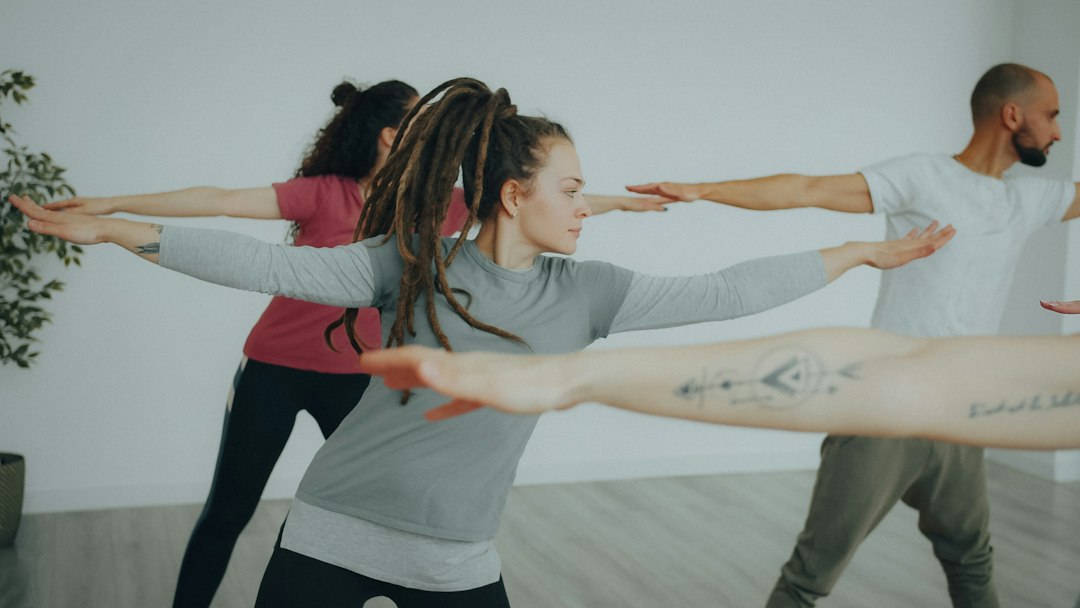
    Generic example of people practising yoga together
    Generic training illustration, not a photograph of a Singapore school.

    A 200-hour yoga teacher-training course can provide foundational study in practice, theory and teaching. Check the actual syllabus, assessment and school registration rather than assuming that every course with this label meets the same requirements.

    This training gives you a strong foundation in:

    • Yoga postures (asana)
    • Anatomy and alignment
    • Breath control (pranayama)
    • Meditation and concentration
    • Yoga philosophy and history
    • Teaching methodology

    It also includes hands-on teaching practice, feedback from trainers, and guidance on how to sequence classes.

    Why Do a Yoga Teacher Training in Singapore?

    Singapore has become a top destination for yoga education. It offers modern studios, skilled teachers, and access to global and Asian yoga styles.

    Here’s why many students choose Singapore:

    • High-quality schools with Yoga Alliance certification
    • Clean, safe, and well-connected city
    • Easy access for international students
    • Strong mix of Eastern tradition and Western structure

    Plus, you don’t need to travel far if you live in Southeast Asia.

    What to Look for in the Best Yoga Teacher Training in Singapore

    Not all TTCs are the same. Here’s what matters:

    1. Experienced Trainers

    Look for teachers with 10+ years of experience. Trainers with background in India or authentic yogic studies offer deep insights.

    1. Balanced Curriculum

    The course should include asana, philosophy, pranayama, teaching practice, and basic anatomy. Avoid programs that focus only on poses.

    1. Small Class Size

    You learn more when you receive personal feedback. Choose schools that keep classes to 15–20 students max.

    1. Yoga Alliance Certification

    Check the exact school designation and applicable course directly in the Yoga Alliance registry. Successful completion and individual RYT registration are separate steps; registration does not guarantee acceptance by every employer, insurer or country.

    1. Philosophy from Source Texts

    The best trainings explore the Yoga Sutras of Patanjali, Bhagavad Gita, and Hatha Yoga Pradipika. These aren’t religious—they’re practical wisdom.

    1. Flexible Schedule

    Working professionals may prefer weekend or part-time programs. Full-time intensive courses suit students with free time.

    1. Location and Facilities

    Clean practice halls, natural lighting, and a quiet setting help you focus better. Some courses offer shared accommodation.

    Best Types of 200-Hour Courses in Singapore

    There’s no one-size-fits-all course. Choose what suits your lifestyle and goals:

    • Intensive Full-Time: 3–4 weeks of immersive training. Good for focused learners.
    • Weekend TTC: Spread over 3–6 months. Great for those with jobs or families.
    • Hybrid Training: Mix of online theory and in-person practice.
    • Specialized TTC: Some focus on Hatha, Vinyasa, or Yin Yoga.

    Yoga Schools in Singapore Known for Quality Training

    Many good schools offer 200-hour courses. Look for ones that provide a strong mix of Eastern philosophy and Western anatomy.

    Some respected schools include:

    • Studios affiliated with Indian yoga lineages
    • Schools run by certified RYT-500 trainers
    • Programs that include Ayurveda or traditional chanting

    Don’t choose based only on Instagram photos. Look for real reviews and alumni feedback.

    Yoga Philosophy in a Teacher Training
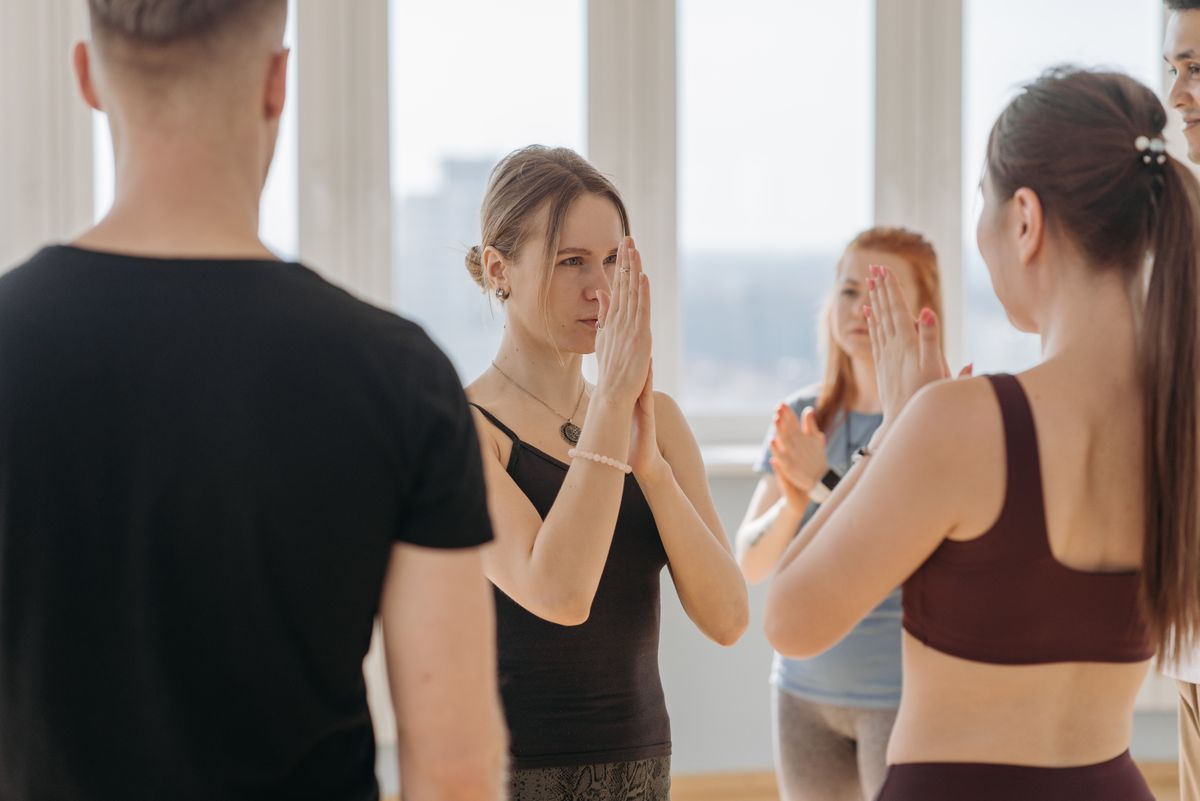
    Yoga students in a breath-led group session
    Ask how any school teaches practicum, styles and individual adaptations.

    A good TTC should introduce you to the true roots of yoga. This includes:

    • Yamas and Niyamas (ethical practices)
    • The Eight Limbs of Yoga
    • Karma Yoga, Bhakti Yoga, Jnana Yoga
    • Mindfulness vs Dhyana (meditation)
    • Purpose of yoga beyond just fitness

    You don’t have to believe anything. But knowing the background helps you become a better teacher.

    Questions to Ask Before You Enroll

    Before paying for your course, ask:

    • Is this course Yoga Alliance certified?
    • Who are the lead trainers? What is their experience?
    • What style of yoga will I be trained in?
    • What’s included in the fee? (books, meals, mat?)
    • How many students per batch?
    • What is the refund or reschedule policy?

    Cost of Yoga Teacher Training in Singapore

    Request a dated quote from each shortlisted school rather than relying on an unsupported national price range. Compare the course fee, required materials, assessments, room and meals where relevant, then add travel, commuting, visa, insurance and personal expenses. Convert currencies using a dated rate only for budgeting; confirm the amount actually payable to the school.

    Sometimes, higher cost means smaller batches or more experienced teachers. But don’t choose based only on price.

    Who Can Join a 200-Hour Training?

    This course is for anyone who:

    • Loves yoga and wants to go deeper
    • Wants to teach yoga professionally
    • Seeks to build personal discipline and understanding
    • Is curious about yogic philosophy, breath, and meditation

    You do not need to be flexible or advanced. You simply need commitment and willingness to learn.

    Final Thoughts: Best Yoga Teacher Training in Singapore

    Choosing the best yoga teacher training in Singapore takes research, patience, and clarity. Focus on quality, not just convenience. Look for deep teachings, authentic trainers, and a program that respects yoga’s roots.

    A good training stays with you for life. It teaches you how to move, breathe, observe, and teach others with care.

    Start by visiting a few studios. Attend a class. Speak to past graduates. Ask questions. Let your inner student guide the way.

    Remember, becoming a yoga teacher is not about showing off poses. It’s about building awareness step by step.

    FAQ: Best Yoga Teacher Training in Singapore

    Q: Is 200-hour yoga teacher training enough to teach?
    A: It can provide a foundation, but readiness also depends on the curriculum, assessment, supervised teaching and your competence. Check the requirements of any employer, insurer or registration body; completion does not guarantee employment.

    Q: How do I know if a training is Yoga Alliance certified?
    A: Ask the school. Check if it’s listed as a Registered Yoga School (RYS).

    Q: Can I join TTC if I’m a beginner?
    A: Yes. Many people start TTC with basic practice experience.

    Q: What’s included in the TTC fee?
    A: Depends on the school. It may include books, classes, certification, and sometimes meals.

    Q: How long is the 200-hour TTC in Singapore?
    A: Full-time courses are 3–4 weeks. Weekend formats can run up to 6 months.

    Q: Is it better to do TTC in India or Singapore?
    A: Both have pros. Singapore offers structure and comfort. India offers tradition and immersion.

    Q: What if I want to teach internationally?
    A: Check the requirements of the country, employer and insurer where you intend to work. Verify the school’s registration and any individual registration pathway separately; a course certificate is not a global teaching licence.
  • Yoga Teacher Training in Bali 2026: How to Compare Programs

    Yoga Teacher Training in Bali 2026: How to Compare Programs

    If you’re searching for the best yoga teacher training in Bali 2025, you’re not alone. Every year, hundreds of students from around the world come to Bali for yoga teacher training. And it’s not just the palm trees or the beaches. Bali offers something deeper calm surroundings, experienced teachers, and a strong yoga community.

    But not all yoga schools are the same. Some focus on fast certifications. Others honor yogic tradition and teach with care. This guide is here to help you choose wisely.

    Why Bali for Yoga Teacher Training?

    Bali has become one of the most popular places for yoga training. It’s known for peaceful landscapes, welcoming people, and nourishing food.

    Beyond that, many yoga schools in Bali follow international standards. Some even bring teachers from India. Most are Yoga Alliance certified, making your certificate valid worldwide.

    The island also offers space to reflect, grow, and deepen your practice. Whether you’re a beginner or a serious practitioner, Bali has something for everyone.

    What Makes a Yoga Teacher Training the Best?

    A quality yoga course is not about pretty photos or Instagram posts. It’s about:

    • Experienced and knowledgeable teachers
    • A clear, authentic curriculum
    • Proper understanding of yogic philosophy
    • Clean, quiet accommodation
    • Healthy meals (often Satvik or vegetarian)
    • Daily structure with balance between asana, theory, and rest
    • Respect for yogic tradition without turning it into a trend

    When researching, don’t just look at reviews. Read the daily schedule. Ask who is teaching. Find out if the school covers texts like the Yoga Sutras, Bhagavad Gita, or Hatha Yoga Pradipika.

    Top Areas in Bali for YTT Courses

    Ubud is known for spiritual retreats and traditional yoga. Most serious yoga schools are located here.

    Canggu offers beach vibes and is more modern. Good for those who like a social atmosphere.

    Sidemen and North Bali are quieter. Perfect for deep practice without distractions.

    Wherever you choose, ensure the school aligns with your goals.

    What’s Usually Included in the Program?

    Most 200-hour YTT programs in Bali include:

    • Daily yoga classes (Hatha, Vinyasa, or Ashtanga)
    • Yogic philosophy sessions
    • Teaching methodology
    • Anatomy and alignment
    • Pranayama and meditation
    • Study of yogic texts
    • Teaching practice
    • Certification from Yoga Alliance
    • Accommodation and three daily meals

    Some schools add cultural trips, sound healing, or Ayurveda modules.

    How Much Does It Cost?

    Prices vary. But most 200-hour courses in Bali range between $1800 to $3500.

    Lower-cost programs may not include food or private rooms. High-end programs offer beachfront villas and gourmet meals.

    Always ask what’s included. Cheap doesn’t always mean poor quality but read the details.

    Best Time to Attend YTT in Bali

    Bali has a tropical climate. The dry season (April to October) is the best time for training.

    In 2025, many schools will run programs during these months. March, April, and May are popular. September and October are also good less tourist traffic.

    Avoid December to February if you dislike heavy rain.

    What Style of Yoga Should You Choose?

    Most Bali YTTs offer one or a mix of the following:

    • Hatha Yoga: Traditional, steady, and deep.
    • Vinyasa Flow: Dynamic, modern, and creative.
    • Ashtanga Yoga: Structured, disciplined, and physically intense.
    • Yin Yoga: Gentle and meditative.

    Pick the style that matches your intention. If you want to teach later, start with Hatha or Vinyasa for a balanced foundation.

    Schools Known for Best Yoga Teacher Training in Bali 2025

    These schools have good reputations. Always research current reviews and course updates:

    1. All Yoga Training – Bali Based, Known for Good Teachers and Early Bird Discounts.
    2. Radiantly Alive – Offers Vinyasa-based YTT with strong global teaching team.
    3. Yoga Union – Long-running 200-hour and 300-hour programs.
    4. Samyak Yoga (Bali branch) – Indian teachers and traditional content.
    5. Inner Yoga Training – Offers 200-hour YTT with a mix of styles.

    Each has a unique feel. Some are more modern, others rooted in traditional texts.

    How to Choose the Right Course

    Here are a few steps:

    1. Decide what matters most price, philosophy, or location.
    2. Read the full syllabus, not just headlines.
    3. Ask about the teachers’ background.
    4. Check if the course includes traditional yogic texts.
    5. Compare reviews across platforms.
    6. Make sure the certificate is Yoga Alliance approved.

    Don’t rush. The best yoga teacher training in Bali 2025 will be the one that aligns with your purpose.

    Spiritual and Cultural Experience in Bali

    Bali is a Hindu island in a Muslim-majority country. Daily rituals, offerings, and temple culture are everywhere.

    Joining a YTT here means more than learning poses. You get a chance to witness devotion, discipline, and local wisdom.

    Respect is key. Dress modestly, be kind, and observe quietly.

    Content Gap Considerations (That Good Schools Cover)

    Some great YTTs in Bali offer:

    • Indian yoga philosophy in depth
    • Sanskrit chanting and meaning
    • Silent meditation days
    • Classes on Ayurveda basics
    • One-on-one teacher feedback
    • Satvik food philosophy

    If you’re looking for more than just exercise, seek these.

    Final Thoughts

    Finding the best yoga teacher training in Bali 2025 isn’t about picking the trendiest school. It’s about what feels right to you.

    Bali has many options. Choose the one that respects the roots of yoga, offers solid teaching, and creates a safe space for growth.

    Ask questions. Read carefully. And most of all trust your gut.

    FAQ: Best Yoga Teacher Training in Bali 2025

    Q: How long is a 200-hour YTT in Bali?
    A: Usually 3–4 weeks. Some schools offer extended or flexible schedules.

    Q: Is certification from Bali valid internationally?
    A: Yes—if it’s Yoga Alliance certified.

    Q: What’s the daily schedule like?
    A: Typically includes two yoga classes, theory, meals, and rest time.

    Q: Is it beginner-friendly?
    A: Many courses are open to all levels. Check the prerequisites.

    Q: Do I need travel insurance?
    A: Yes, it’s strongly advised. Some schools require proof.

    Q: Will I have time to explore Bali?
    A: Some weekends are free. But expect a structured schedule.

    Q: Can I work while doing YTT?
    A: It’s not recommended. Focus fully on the training.

    Q: What should I pack?
    A: Light clothes, a good mat, sandals, notebook, and open mind.

  • Rishikesh Yoga Teacher Training Center: What to Check Before You Book

    Rishikesh Yoga Teacher Training Center: What to Check Before You Book

    Rishikesh, the “Yoga Capital of the World,” attracts seekers from around the globe. A Rishikesh Yoga Teacher Training Center provides a transformative space to explore authentic yoga teachings. From asanas to yogic philosophy, these centers uphold the wisdom of ancient traditions.

    The Hatha Yoga Pradipika and Patanjali’s Yoga Sutras highlight the importance of discipline and self-study in yoga. Learning at a certified yoga institute in Rishikesh ensures a strong foundation. Students receive guidance from experienced teachers who share deep knowledge of classical yoga.

    Why Choose a Yoga Teacher Training in Rishikesh?

    Enrolling in a yoga teacher training in Rishikesh offers more than just certification. It is a journey into self-awareness, discipline, and holistic wellness.

    Key Benefits:

    • Authentic teachings rooted in Indian yogic traditions.
    • A peaceful environment near the Ganga River and Himalayan foothills.
    • Guidance from Yoga Alliance-certified instructors.
    • A chance to learn Hatha, Ashtanga, and Kundalini yoga.
    • Immersive experience with meditation and pranayama techniques.

    Types of Yoga Teacher Training Programs

    A yoga certification course in Rishikesh comes in different formats, catering to various levels of practitioners.

    1. 200-Hour Yoga Teacher Training

    This foundational course is ideal for beginners and those seeking certification. It covers yoga philosophy, anatomy, and teaching methodology.

    1. 300-Hour Yoga Teacher Training

    An advanced program for those who have completed a 200-hour yoga teacher training in Rishikesh. It includes deeper studies in meditation, Ayurveda, and advanced postures.

    1. 500-Hour Yoga Teacher Training

    A comprehensive course combining 200-hour and 300-hour programs. It provides in-depth knowledge of yoga therapy, alignment, and teaching techniques.

    Yoga Styles Taught in Rishikesh

    A certified yoga school in Rishikesh offers various styles, allowing students to specialize in different practices.

    Hatha Yoga

    One of the oldest yoga styles, focusing on postures, breath control, and balance.

    Ashtanga Yoga

    A dynamic and structured practice, emphasizing flow, breath synchronization, and discipline.

    Kundalini Yoga

    An energy-based practice that integrates mantras, breathwork, and meditation.

    Restorative and Yin Yoga

    Slower styles that promote deep relaxation, flexibility, and stress relief.

    What to Expect from a Yoga Teacher Training Course

    A traditional yoga training program in Rishikesh follows a structured schedule. Students experience a balanced routine of practice and theory.

    Daily Schedule Sample:

    • Morning meditation and pranayama to cultivate inner awareness.
    • Asana practice covering multiple yoga styles.
    • Philosophy and anatomy classes based on ancient texts.
    • Teaching methodology and practice to build confidence.
    • Kirtan, mantra chanting, and yogic lifestyle discussions.

    Accommodation and Food at Yoga Schools in Rishikesh

    Most yoga ashrams in Rishikesh offer comfortable lodging with simple, sattvic meals. The diet supports detoxification, mindfulness, and energy balance.

    Typical Offerings:

    • Private or shared rooms with modern amenities.
    • Vegetarian and Ayurvedic meals for nourishment.
    • Ganga-side meditation spaces for inner peace.
    • Library and study areas with yogic scriptures.

    How to Choose the Best Yoga Training Center in Rishikesh

    Selecting the right yoga academy in Rishikesh is crucial for an enriching experience.

    Factors to Consider:

    • Yoga Alliance certification for global recognition.
    • Experienced instructors with authentic yogic backgrounds.
    • Small batch sizes for personalized attention.
    • Balanced curriculum covering theory and practice.
    • Positive student reviews and testimonials.

    The Spiritual Significance of Rishikesh for Yoga

    Rishikesh has been a sacred learning ground for sages, yogis, and spiritual seekers. The Upanishads and Bhagavad Gita mention the power of self-realization through yogic practices. Practicing in Himalayan yoga schools in India deepens one’s connection with this wisdom.

    The Ganga Aarti at Triveni Ghat is a transformative experience, bringing spiritual energy to one’s practice. Meditating in these sacred surroundings enhances focus, clarity, and devotion.

    Conclusion

    A Rishikesh Yoga Teacher Training Center offers an authentic and enriching path to becoming a skilled yoga teacher. Learning in the “Land of Yoga” ensures a deep connection with ancient teachings, spiritual wisdom, and self-discipline.

    Are you ready to embark on a life-changing journey in Rishikesh? Choose a certified yoga school and improve yourself in the art and science of yoga!

  • 200 Hour Yoga Teacher Training in Rishikesh: What to Expect

    200 Hour Yoga Teacher Training in Rishikesh: What to Expect

    Rishikesh, the birthplace of yoga, is the ideal place to start your yoga teaching journey. A 200 Hour Yoga Teacher Training Course in Rishikesh is more than just a certification. It is a deep dive into the world of yoga, philosophy, and self-discovery. Rooted in ancient wisdom, this training follows the teachings of Patanjali’s Yoga Sutras and the Bhagavad Gita.

    This course is perfect for beginners and intermediate practitioners. It helps in building a strong foundation in Hatha and Ashtanga yoga while also covering pranayama, meditation, and yoga philosophy.

    Why Choose Rishikesh for Yoga Teacher Training?

    Rishikesh is known as the Yoga Capital of the World. Saints and yogis have practiced yoga here for centuries. The sacred Ganges River and the peaceful Himalayan foothills create the perfect environment for spiritual growth.

    Training in Rishikesh offers an authentic experience. You learn from experienced teachers who follow traditional yoga methods. Many schools in Rishikesh are Yoga Alliance certified, making their courses globally recognized.

    What to Expect from a 200 Hour Yoga Teacher Training in Rishikesh?

    A 200 Hour Yoga Teacher Training Course in Rishikesh follows a structured syllabus. It includes physical postures (asanas), breath control (pranayama), meditation, anatomy, and teaching methodology. Here is what you will learn:

    • Hatha & Ashtanga Yoga – Practice asanas with correct alignment and technique.
    • Pranayama & Meditation – Learn breath control for mental clarity and relaxation.
    • Yoga Philosophy – Understand the teachings of ancient texts like the Yoga Sutras and Bhagavad Gita.
    • Anatomy & Physiology – Gain knowledge of the body to avoid injuries.
    • Teaching Methodology – Learn how to structure a yoga class effectively.

    The Ancient Roots of Yoga Training

    The concept of yoga training is thousands of years old. Ancient texts like the Bhagavad Gita, Upanishads, and Hatha Yoga Pradipika discuss yoga’s purpose.

    The Bhagavad Gita describes yoga as the path to self-realization. It teaches karma yoga (selfless action), bhakti yoga (devotion), and jnana yoga (wisdom). The Yoga Sutras by Patanjali introduce the eight limbs of yoga, guiding practitioners toward enlightenment.

    Benefits of a 200 Hour Yoga Teacher Training in Rishikesh

    Completing a 200 Hour Yoga Teacher Training Course in Rishikesh offers many benefits.

    1. Personal Growth – Develop self-discipline and mindfulness.
    2. Strong Yoga Practice – Improve flexibility, strength, and endurance.
    3. Teaching Confidence – Learn how to guide students with clarity.
    4. Spiritual Connection – Experience the deeper aspects of yoga beyond physical postures.
    5. Career Opportunities – A Yoga Alliance certification allows you to teach worldwide.

    Choosing the Right Yoga School in Rishikesh

    With many yoga schools in Rishikesh, selecting the right one is important. Consider these factors:

    • Yoga Alliance Certification – Ensures global recognition.
    • Experienced Teachers – Learn from certified and knowledgeable instructors.
    • Comprehensive Curriculum – Covers asanas, philosophy, anatomy, and teaching skills.
    • Location & Environment – A peaceful setting enhances the experience.

    Daily Schedule of a 200 Hour Yoga Teacher Training

    The course follows a disciplined routine. A typical daily schedule includes:

    • 5:30 AM – Wake up
    • 6:00 AM – Meditation & Pranayama
    • 7:30 AM – Asana Practice (Hatha/Ashtanga)
    • 9:00 AM – Breakfast
    • 10:30 AM – Yoga Philosophy
    • 12:00 PM – Anatomy & Physiology
    • 1:30 PM – Lunch & Rest
    • 3:00 PM – Teaching Methodology
    • 4:30 PM – Evening Asana Practice
    • 6:30 PM – Meditation & Mantra Chanting
    • 8:00 PM – Dinner & Self-Study

    This structured routine helps students develop discipline and self-awareness.

    Best Time to Join a 200 Hour Yoga Teacher Training in Rishikesh

    The best time for yoga training in Rishikesh is from September to April. During these months, the weather is pleasant, making it easier to practice yoga. The summer months (May-June) can be hot, while the monsoon season (July-August) brings heavy rains.

    Who Can Join This Course?

    A 200 Hour Yoga Teacher Training Course in Rishikesh is open to all yoga enthusiasts. Whether you are a beginner or an advanced practitioner, you can join. The course is ideal for:

    • Individuals looking to start a career in yoga teaching.
    • Yoga practitioners who want to deepen their knowledge.
    • Anyone interested in traditional yoga and its philosophy.
    • People seeking personal transformation through yoga.
    Upcoming Traditional Multi-Style 200 Hour Yoga Teacher Training 2025

    Upcoming Traditional Multi-Style 200 Hour Yoga Teacher Training 2025

    Date Shared Room Book Private Room Book

    Life After Completing a 200 Hour Yoga Teacher Training

    After completing the course, you can start teaching yoga globally. With a Yoga Alliance certification, you can offer classes, workshops, or open a yoga studio. Many graduates continue their journey by enrolling in 300 Hour Yoga Teacher Training for advanced learning.

    A 200 Hour Yoga Teacher Training Course in Rishikesh is an enriching experience. It helps you grow physically, mentally, and spiritually. Learning in the holy city of Rishikesh connects you with authentic yoga traditions.

    If you dream of becoming a certified yoga teacher, this training is the perfect step. Join a reputable yoga school in Rishikesh and embark on a life-changing journey today.

  • Why Yoga Teacher Training in Rishikesh? A Practical Guide

    Why Yoga Teacher Training in Rishikesh? A Practical Guide

    Why do students choose yoga teacher training in Rishikesh? For some, it is the opportunity to study yoga in India with teachers who understand its wider cultural and philosophical setting. For others, it is the combination of residential study, proximity to the Ganga and a period away from their usual routines.

    Rishikesh can be a good place to train, but its reputation alone cannot guarantee a good course. The right school still needs qualified teachers, a clear syllabus, supervised practicum, transparent accommodation arrangements and a realistic daily timetable.

    Why Rishikesh is a recognised place to study yoga

    Rishikesh sits in the foothills of the Himalayas in Uttarakhand, beside the River Ganga. It has long been associated with pilgrimage, spiritual study, monasteries and ashram traditions. Today there are also many commercial yoga schools, accommodation providers and international students.

    This mixture creates opportunities and trade-offs. A student can find group classes and philosophical discussions within a short stay, but the quality, size and approach of schools vary. Some focus primarily on postures; others place more emphasis on study, meditation or teaching methodology.

    Lakshman Jhula and the Ganga near Rishikesh at sunset
    The Ganga and surrounding Himalayan foothills are part of the setting in which many students experience Rishikesh.

    The Ganga, Indian traditions and everyday life

    The Ganga is sacred in Hindu religious life. Along the river, visitors may encounter temples, devotional singing, evening aarti and pilgrims following long-established customs. These are living traditions, not attractions invented for tourists.

    Students can approach these experiences respectfully: observe local etiquette, ask before photographing worship, dress appropriately where expected and avoid treating a religious ceremony as a compulsory activity in a yoga course.

    Studying in India can help you understand why yoga philosophy refers to ideas such as dharma, karma, disciplined practice and liberation. At the same time, yoga traditions are diverse. Do not assume that one place or teacher speaks for every Indian philosophical lineage.

    What does yoga teacher training in Rishikesh actually involve?

    A well-organised foundational course generally includes asana, pranayama, anatomy, philosophy, teaching methodology and supervised practice teaching. Those elements matter more than an impressive list of yoga styles on a brochure.

    Daily practice and observation

    Expect a regular routine that combines physical practice with time to study. Teachers should explain posture choices and alternatives, observe students individually and avoid demanding advanced shapes from beginners.

    Philosophy and ethics

    Many students discover that yoga includes more than poses. Useful training places major texts and concepts in their historical context and also addresses consent, accessibility and the limits of a yoga teacher’s professional scope.

    Teaching practicum and feedback

    A trainee needs opportunities to teach other people, not just watch demonstrations. Practicum helps build skills in cueing, class sequencing, pace, observation and clear communication.

    Our separate guide to a typical yoga teacher training day explains how these elements may fit into a residential schedule.

    How to choose a good yoga school in Rishikesh

    Before paying a deposit, compare specific details rather than relying on photographs and promises. A thoughtful school should be able to answer these questions clearly.

    • Who teaches? Ask for the names and experience of your actual teachers, not just the school’s founder.
    • What will you study? Request a syllabus showing practice, theory, practicum and assessment.
    • How large is the group? Consider whether teachers can observe participants and respond to questions.
    • What does the fee cover? Check meals, accommodation, room sharing, taxes, materials and transfers.
    • Are dates confirmed? Avoid assuming availability from a rolling date table.
    • What certificate is issued? Verify the school’s registration and the rules of any organisation whose credential you hope to apply for.

    FitFortunes Holistic Wellness Yoga School offers a residential 200-hour multi-style yoga teacher training course in Rishikesh. Read the course syllabus and current room details before deciding whether its approach suits you. This guide is intended to help you compare schools, not to suggest that one training format is right for everyone.

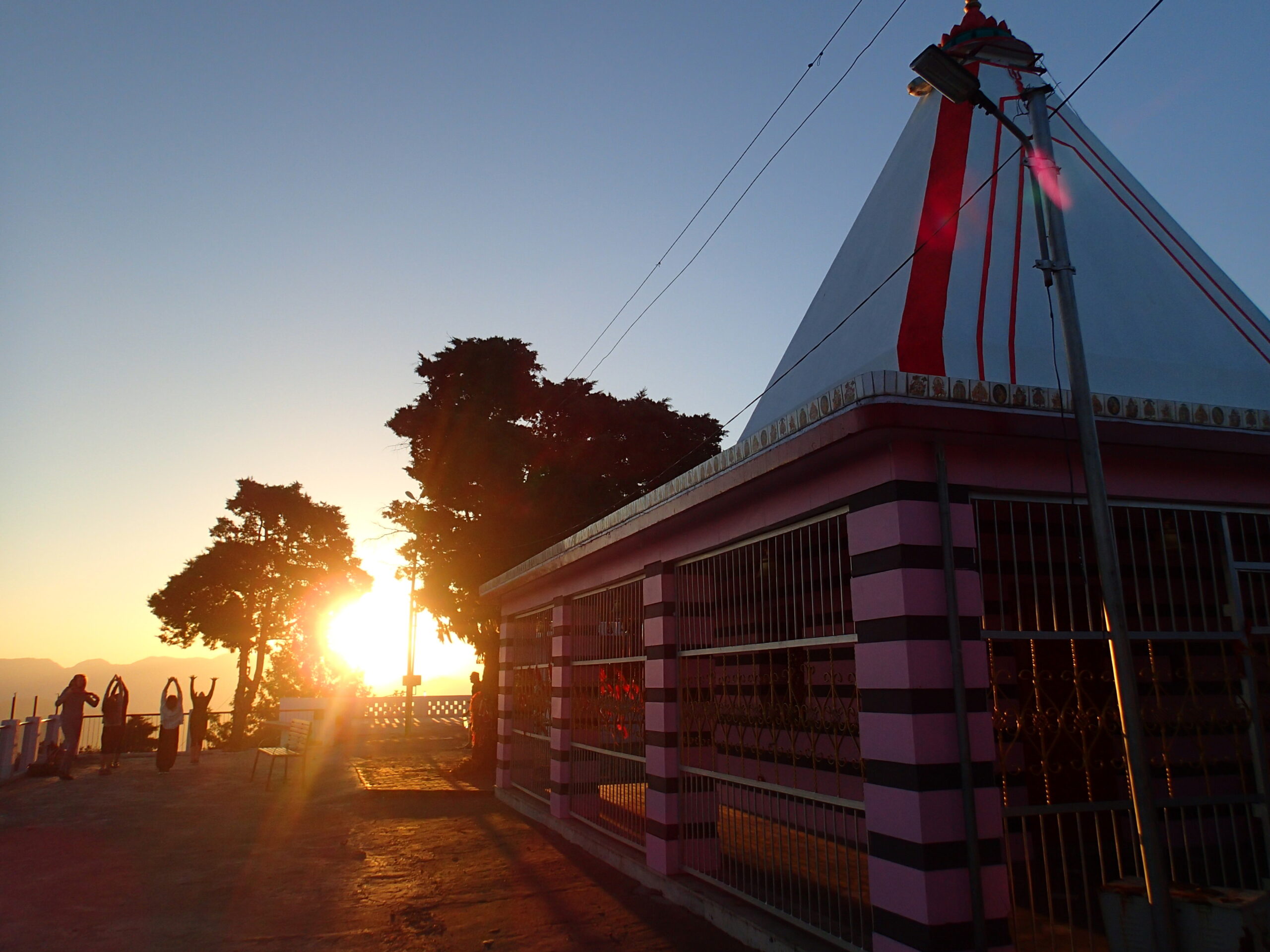
    Kunjapuri Temple in the hills near Rishikesh
    The wider Rishikesh area includes places of pilgrimage and mountain landscapes, but course quality depends on teaching.

    What is the best time of year for training?

    Weather matters during an intensive programme. In general, spring and autumn are attractive for outdoor walking and comfortable daytime temperatures. Summer can be hot, while monsoon months may bring heavy rain and travel disruption. Winter mornings and evenings can feel cold, especially in unheated spaces.

    Exact conditions vary by month, neighbourhood and elevation. Check the season, classroom ventilation and accommodation before reserving a course; do not assume weather will be perfect because a school advertises an “ideal” training month.

    How do international students get to Rishikesh?

    Many visitors arrive through Delhi and continue by road or use the nearest commercial airport at Dehradun (Jolly Grant Airport). Driving time from Delhi is highly variable because traffic, season and road conditions change. Allow flexibility if you need to connect to an international flight.

    Confirm the actual meeting point and pickup arrangements with your accommodation provider. If you are arriving late at night, arrange transport in advance rather than depending on a quoted taxi price from an old blog article. See our Delhi-to-Rishikesh travel guide for planning details.

    What registration does a 200-hour certificate provide?

    A school registered with Yoga Alliance as an RYS 200 may offer a qualifying 200-hour programme. Eligible graduates can apply separately to register as RYT 200 with Yoga Alliance; graduating from a programme does not automatically make someone a registered teacher. A training certificate is not a universal licence to teach in every country.

    Frequently asked questions

    Is Rishikesh good for beginners?

    It can be, provided the school offers suitable beginner instruction and a realistic schedule. Ask about prerequisites rather than assuming every intensive course is the same.

    Do I need to follow Hindu religious rituals?

    No universal rule applies to all yoga courses. Ask the school which activities are part of its curriculum and which are optional cultural experiences.

    Are rooms and meals normally included?

    Many residential schools offer them as part of a package, but inclusions vary. Compare the total cost rather than only the headline fee.

    Can I teach immediately after 200 hours?

    That depends on your skill, employer requirements, insurance and local regulations. Training is a foundation; professional development continues.

    Rishikesh offers a distinctive setting for yoga study. Choose the place with care, but choose the teachers, curriculum and learning conditions with even greater care.

  • What is Asana & what is Yoga Asana ?

    What is Asana & what is Yoga Asana ?

    s

    Do you know what is Asana and what is yoga Asana ?

    The concept of "asana" is deeply rooted in our everyday gestures, even if we may not consciously realize it. When we invite someone to sit down, we're essentially extending a gesture of hospitality and comfort, encapsulated within the term "asana.

    Yes, Asana (आसन) , a word from Sanskrit, literally translates to "seat" or "posture." So, when you say "Have a seat," you're actually offering an Asana. It's a way of inviting someone to feel comfortable and welcome in your home.

    When you offer someone an Asana, you're inviting them to find comfort and stability. It's about creating a space where they can relax, unwind, and truly feel welcome.

    There's no hidden meaning or deeper philosophy here. It's just a kind gesture, a way to show your guest you care about their comfort. Whether it's a chair, the couch, or even a spot on the floor, offering an Asana is a universal act of warmth and hospitality.

    In that simple offer lies a beautiful concept rooted in Yoga philosophy – the idea of Asana. Asana, you see, means more than just sitting down. It translates to "seat" or "posture," but with a deeper meaning.

    Asana in Yogic Philosphy

    In yogic Philosphy Asana is any comfortable and stable bodily posture. It can be sitting, standing, kneeling, lying down, or even upside down! The key is that the body is held in a way that allows for:

  • Comfort: There should be no pain or strain.
  • Stability: You should be able to hold the posture without wobbling or fidgeting.
  • Alertness: The posture shouldn't induce drowsiness or sluggishness.
  • In Yoga, Asana goes beyond just sitting down.

  • Comfort is key: An Asana is any comfortable and stable bodily position. Imagine the perfect posture after a long journey – that's the essence of Asana. It can be sitting, standing, lying down, or even upside down!
  • More than physical ease: Asana isn't just about feeling good physically. It's about creating a foundation for a calm mind and a peaceful state of being. Think of it as setting the stage for inner peace.
  • Preparation for deeper practices: In some traditions, Asana might be used as a way to prepare the body and mind for meditation or other practices. It's like a warm-up for your inner journey.
  • Yoga Asana: The Superheroes of Yoga

    Yoga asana, or yoga poses, are super important in yoga. Yoga is a really old practice from India that helps your body, mind, and spirit feel good. Here’s some simple info about yogasana:

    Yoga asana is all about the poses or positions you do in yoga. It’s like sitting cross-legged or bending in different ways. The word "yoga" means being together or feeling peaceful, and "asana" means posture or position. So, when you do yogasana, you’re bringing together your body, mind, and feelings in a nice way. It's not just exercises; it's like taking care of yourself from the inside out.

    Historical Context:

    Long, long ago in India, people started doing yoga to feel better in every way. They found out about it from really old books like the Vedas and Upanishads. These books talked about how to be healthy and happy. Over time, different kinds of yoga came up, each focusing on different things like breathing, sitting still, or thinking deeply.

    Books on Yoga:

    1. The Yoga Sutras of Patanjali: This book was written around 200 CE by Sage named Patanjali. It’s like a guidebook for yoga, telling you how to do it and why it’s important.
    2. The Hatha Yoga Pradipika: Written in the 15th century CE, this book tells you all about Hatha Yoga, which is all about doing poses, breathing, and meditating.
    3. The Bhagavad Gita: This book is super old, from around 200 BCE. It talks about all kinds of important stuff, including yoga. It's like a story with lots of wisdom in it.

    Why Do We Do Yoga Asana?

    We talked about how fun yoga poses (yoga asana) can be, like being a superhero for your body and mind! But why do we actually do them? Here are some reasons why yoga poses are important in Daily life for everyone:

    1. Stronger and Healthier: Just like how superheroes need strong bodies, yoga poses can make your muscles stronger and your bones healthier. They also help you stretch and become more flexible, which is important for keeping your body happy and moving well.
    2. Calmer and More Focused: Holding a yoga pose isn't just about how you look, it's also about how you feel inside. When you focus on your breath and how your body feels in each pose, it helps you calm down and clear your mind. This can be especially helpful when you're feeling stressed or worried, just like taking a deep breath before a big test!
    3. Happy from the Inside Out!: Yoga isn't just good for your body and mind, it can also make you feel happy overall! Holding a pose and feeling strong and focused can give you a warm, happy feeling inside, kind of like a big hug!

    More Than Just Asanas!

    Remember, yoga poses (yoga asana) are just one part of yoga! There's also special breathing exercises and even thinking exercises that all work together to make you feel your best. But the poses are a great place to start because they're fun and easy to learn.

    So next time you see someone doing a yoga pose, don't think it's just about bending or stretching. They're building their inner superhero and feeling happy and healthy from the inside out! Doing yogasana doesn’t just help you during yoga class; it helps you all the time:

    1. Stress Less: Yoga asana helps you relax, so you can deal with stress better.
    2. Stand Tall: Yoga asana can fix your posture, making you stand straighter and feel more confident.
    3. Feel More Energetic: Doing yoga asana makes you feel awake and ready to take on the day.
    4. Sleep Better: When you relax with yoga asana, you sleep like a baby and wake up feeling refreshed.

    Forget just stretching! Yoga poses, or asanas, are like a secret weapon for feeling fantastic. They build strength and flexibility, keeping your body happy and healthy. But that's not all! Holding a pose and focusing on your breath helps you unwind and clear your mind, leaving you feeling calm and centered. Regular yoga practice is like giving yourself a daily dose of happiness, both inside and out. So, why not unleash your inner superhero and join the yoga fun?

  • Benefits of 200 Hour Yoga Teacher Training

    Benefits of 200 Hour Yoga Teacher Training

    A 200-hour yoga teacher training can deepen your practice and introduce the responsibilities of teaching, but its value is not measured by a certificate alone. The most useful benefits are often practical: learning to observe movement, adapt a posture for different students, understand the philosophical foundations of yoga and give a beginner clear instructions.

    A 200-hour course is a starting qualification, not a guarantee of mastery or employment. Whether it suits you depends on your experience, your aims and how carefully the school delivers its curriculum, supervised practicum and feedback.

    What are the main benefits of 200-hour yoga teacher training?

    Different students arrive with different intentions. Some are preparing to teach; others want several weeks of structured study. Both aims can be valid. What matters is that the course explains what is taught and how students practise those skills.

    Learning areaA useful outcome
    Asana and pranayamaUnderstand essential techniques, common mistakes and individual variation
    Anatomy and movementGive safer, clearer options rather than one rigid alignment rule
    Yoga philosophyRead teachings in context instead of relying only on motivational quotes
    Teaching methodologyPlan and explain a class with a clear purpose
    PracticumTeach other learners, receive feedback and improve
    Daily disciplineBuild a sustainable routine for practice, study and rest

    1. Build a more informed personal practice

    Regular classes can teach us how a posture feels. Teacher training asks a second question: why do we practise it this way, and what could we change for a person with a different range of motion, strength or experience?

    Students revisit familiar positions with more attention to breathing, direction of movement, balance and the relationship between effort and rest. That careful study is often more valuable than collecting advanced poses. A sound programme should also make room for questions, modifications and the ability to stop without embarrassment.

    Students participating in a morning yoga class illustrating the routine of teacher training
    Repeated practice and thoughtful review are the foundation of a useful training routine.

    2. Learn to communicate rather than simply demonstrate

    Being able to perform a pose does not automatically mean you can explain it. A yoga teacher needs to notice what students are doing, speak clearly, offer alternatives and manage the pace of a room. Training can introduce those skills through guided practice.

    Learn how to sequence a class

    A well-designed sequence has a purpose. A gentle beginner class needs a different pace from an active flow. Students learn to think about the starting position, warm-up, transitions, breathing cues, the main work of the class and a considered finish.

    Practise giving instructions and receiving feedback

    Supervised teaching matters. Trainees can try a short sequence, hear what their classmates understood and notice where their cues were too long or confusing. A teacher’s feedback can help them explain a movement more precisely without pretending that there is only one correct way for every body.

    Understand the boundary of a yoga teacher’s role

    Yoga teachers guide practice; they do not diagnose disease. A responsible course covers consent, adjustments, accessibility and when a student should seek advice from an appropriate health professional. Confidence should grow together with humility.

    3. Study philosophy, anatomy and breathwork in context

    Teacher training should be more than physical exercise. Yoga has a long and varied intellectual history. An introductory course may include the Yoga Sutras, the Bhagavad Gita, foundational concepts in Indian philosophy, ethics and the traditional purpose of practice. The best learning comes from asking what a text means in its own setting rather than using a verse as a decorative slogan.

    Anatomy provides another kind of study. Trainees consider joints, muscle action, load and natural differences between bodies. This does not turn them into physiotherapists. It gives them a more careful vocabulary for describing movement and making sensible teaching choices.

    Pranayama is also taught through appropriate progression. Basic awareness of inhalation and exhalation, a relaxed seat, and unforced practices should come before demanding breath retention or other advanced techniques. For beginners, safety and clarity matter more than intensity.

    Yoga teacher training syllabus material representing structured study
    A clear syllabus helps students see how practice, theory and teaching experience fit together.

    4. Experience a structured period of study

    Residential teacher training may offer regular practice, shared meals, study periods and time away from an everyday schedule. Some people find it easier to develop consistent habits in that environment. Others may prefer part-time learning close to home. Neither format suits everyone.

    Before booking a residential course, check the actual daily timetable, free time, room options and workload. An intensive programme should still allow adequate sleep, recovery and personal needs. Use our daily schedule guide to picture what a normal training day involves.

    5. Understand the certificate and Yoga Alliance pathway

    Successful graduates receive the training certificate issued by their school. If they complete an eligible 200-hour teacher training at a Yoga Alliance Registered Yoga School (RYS 200), they can apply to register as an RYT 200 with Yoga Alliance, subject to the organisation’s requirements and registration process. An RYS is the school designation; RYT is an individual teacher designation. Registration is not automatic on graduation.

    A certificate is also not a universal government teaching licence. Employers, insurers and different countries may have their own expectations. Check those requirements before assuming that any particular certificate guarantees a job. For details, see the Yoga Alliance registration information and our country-by-country teaching eligibility guide.

    How to choose a 200-hour programme that is worth the effort

    A high advertised score, a striking location or a long list of yoga styles tells you little about teaching quality on its own. Look for concrete evidence.

    • Named teachers: who will actually teach each subject, and what is their experience?
    • Detailed syllabus: can you see the allocation for practice, philosophy, anatomy, methodology and practicum?
    • Supervised teaching: when will you practise instructing others and receive feedback?
    • Reasonable group size: can the faculty observe learners and answer questions?
    • Transparent fee: which meals, rooms, materials, transport and assessments are included?
    • Realistic outcomes: does the school explain limitations rather than promise instant mastery?

    Read a yoga teacher training syllabus guide before comparing schools. If you are considering Rishikesh, look at the complete cost of residential teacher training, not just the headline tuition fee.

    What 200 hours cannot do

    A foundational course cannot make someone an expert in every injury, philosophy, therapy approach or yoga tradition. It does not replace years of personal practice. Nor should it teach students to make medical claims or promise that any exercise will treat a serious condition.

    Good graduates leave with a clearer understanding of what they know, what they need to keep studying and when they should refer a question to someone better qualified.

    Frequently asked questions

    Can beginners take 200-hour yoga teacher training?

    Many programmes welcome beginners with a basic interest in practice, but intensity and prerequisites differ. Ask the school what level of experience is needed and how it accommodates newer students.

    Do I have to teach after completing the course?

    No. Some people attend primarily to deepen personal practice. A course should still make its teaching and assessment expectations clear.

    Will I automatically become an RYT 200?

    No. Eligible graduates of an RYS 200 programme may apply for Yoga Alliance’s RYT 200 credential. Registration is a separate process.

    Is a residential course better than an online course?

    Each has strengths and limitations. Compare the actual supervised practice, contact hours, feedback and whether the format meets any registration or employment requirements relevant to you.

    What should I do after graduating?

    Continue practising, teach small appropriate groups where permitted, seek constructive feedback, and pursue further study in the areas your students need.

    A 200-hour course is most worthwhile when it leaves you better prepared to practise thoughtfully, communicate clearly and keep learning. To see one example of a structured residential programme, view FitFortunes’ 200-hour multi-style yoga teacher training.

  • How Long Does a 200-Hour Yoga Teacher Training Take?

    How Long Does a 200-Hour Yoga Teacher Training Take?

    A 200-hour yoga teacher training can be completed in different formats, but the calendar length alone does not tell you the quality of the course. Some programs are intensive and residential. Others run on weekends or over several months.

    At FitFortunes, the residential 200-hour yoga teacher training is fixed at 21 days. The course starts on the 2nd of each month. Students should compare total learning hours, daily workload, practicum, rest time and teaching quality rather than assuming that a longer calendar always means a better course.

    Compare 200-hour yoga teacher training formats

    FormatTypical calendar patternWhat to check
    Intensive residentialAbout 3–4 weeksDaily study load, practicum, rest and accommodation
    Weekend courseSeveral monthsAttendance rules, continuity and supervised teaching
    Online or hybridVaries widelyLive contact, feedback, practicum and assessment

    Why Calendar Days Are Not the Same as Training Hours

    The “200 hours” refers to the training framework, not to 200 consecutive clock hours without breaks. Schools divide their curriculum among practice, anatomy, philosophy, teaching methodology, practicum and study.

    Two courses can both be called 200-hour programs while using different daily schedules. That is why students should read the syllabus and timetable before booking.

    FitFortunes 200-Hour Course Duration

    FitFortunes runs its residential 200-hour multi-style yoga teacher training in Rishikesh for 21 days. The current course combines Hatha foundations, Vinyasa Krama practice, pranayama, meditation, anatomy, philosophy, teaching methodology and practicum.

    Graduates of an eligible 200-hour Yoga Alliance program may apply for RYT-200 registration through Yoga Alliance. Registration is a separate application process and is not automatic.

    Can a 200-Hour Course Be Completed Faster?

    Some schools may advertise shorter formats, but a compressed calendar can create a very heavy daily workload. Before choosing one, check how many contact hours occur each day, how much self-study is expected, and whether there is enough time for supervised teaching practice.

    A very short course is not automatically poor, and a long course is not automatically good. The structure and teaching matter more than the marketing label.

    What Should You Check Before Choosing a 200-Hour Program?

    • Exact start and end dates
    • Daily class timetable
    • Curriculum by subject
    • Teaching practicum hours
    • Teacher names and qualifications
    • Accommodation and meal details
    • Certification wording
    • Attendance and assessment rules

    Useful next reading: yoga teacher training syllabus, YTT curriculum in Rishikesh, and how to choose yoga teacher training in India.

    Frequently Asked Questions

    Is FitFortunes 200-hour yoga teacher training 21 days or 28 days?

    It is 21 days. The residential 200-hour program starts on the 2nd of each month.

    Does 200-hour mean 200 hours of asana?

    No. The total includes multiple training areas such as asana, pranayama, anatomy, philosophy, methodology and teaching practicum.

    Can beginners join a 200-hour course?

    Many 200-hour programs accept committed beginners. Students should still review the daily workload and entry requirements before booking.

    Does completing 200 hours automatically make me RYT-200?

    No. Eligible graduates can apply for RYT-200 registration through Yoga Alliance separately.

    Sources and course planning

    Confirm the duration and intake timetable on the official FitFortunes 200-hour course page. Check Yoga Alliance’s certificate requirements for teacher registration. Before arranging travel, ask the school to confirm your arrival and departure dates, accommodation nights and attendance requirements.

    200-Hours Yoga TTC

    At FitFortunes Yoga School in Rishikesh, you can take our 200-hour holistic yoga teacher training, which is approved by the Yoga Alliance and the Yoga Alliance International. We teach standard yoga basics with a modern twist, and we focus on hatha and vinyasa karma primary series. People who want to learn and grow in their yoga journey are welcome in our classes. Come with us and discover how yoga can change your life.

    Indian Cultural Tour

    Indian Cultural Tour and Yoga Retreat

    Explore the vibrant colors, rich traditions, and serene landscapes of India with our Cultural Tour and Yoga Retreat. Immerse yourself in yoga, indulge in delicious cuisine, and connect with like-minded Yoga Community from around the world

    Discuss your training dates and daily workload

    A 200-hour course can be intensive or spread over a longer period. FitFortunes runs its residential 200-hour program for 21 days. Other schools may use different schedules, so compare total hours, daily load and practicum instead of judging by days alone.

    FormatWhat to check
    Intensive residentialDaily class load, rest time and practicum
    Weekend formatTotal months and attendance rules
    Online or hybridLive teaching, practicum and feedback

    See our 21-day 200-hour course, YTT syllabus guide, and YTT selection checklist.