Tag: yoga teacher training

Yoga Teacher Training (YTT) is a program designed to educate and certify individuals to become yoga instructors. It typically involves in-depth study and practice of yoga techniques, philosophy, anatomy, teaching methods, and ethics. YTT programs vary in duration and intensity, ranging from short-term courses to immersive residential programs spanning several weeks or months. Upon completion of a YTT program and meeting certification requirements, participants are equipped with the knowledge and skills needed to lead yoga classes confidently and effectively.

  • Hatha vs Multi-Style Yoga Teacher Training in India: Which Course Fits You?

    Hatha vs Multi-Style Yoga Teacher Training in India: Which Course Fits You?

    Hatha and Multi-Style yoga teacher training are different learning paths. A Hatha-focused training gives more time to one main practice framework. A Multi-Style course combines more than one approach so students can compare pacing, sequencing, alignment, and class structure. Neither option is automatically better. The right course depends on how you want to practise, what you want to teach, and how much variety you want during training.

    For students comparing yoga teacher training in India, the course title alone is not enough. Two schools may both use the words “Hatha” or “Multi-Style” while teaching very different schedules. The useful comparison is the real curriculum, daily practice, teacher experience, practice-teaching hours, assessment, and how clearly the school explains what is included. This guide compares the two paths without treating one as a winner.

    Table of contents

    Hatha vs Multi-Style Yoga Teacher Training: quick comparison

    PointHatha-focused YTTMulti-Style YTT
    Main purposeStudy one main practice framework in greater depthLearn more than one approach and understand how they differ
    Asana emphasisClassical Hatha practice, steadier pace, posture study and alignmentDepends on the school; at FitFortunes the practical focus is Hatha Yoga and Vinyasa Krama
    SequencingUsually built around Hatha principles and progressionStudents compare different sequencing methods and pacing
    Best suited toStudents who want a clear traditional base and less style-switchingStudents who want a broader teaching vocabulary and more than one practical method
    Teaching preparationShould still include methodology, practicum, anatomy and professional topicsShould still include the same core teacher-training areas, not only extra asana styles

    The most important point is that “Multi-Style” is not a universal syllabus. One school may combine Hatha and Vinyasa. Another may add several unrelated styles and spend very little time on each. Ask the school to name the exact practical styles and show how many hours are given to each. A clear answer is more useful than a long list of yoga names on a sales page.

    What Hatha yoga teacher training usually focuses on

    A Hatha-focused teacher training normally gives more attention to steady asana practice, alignment, breathing, classical techniques, and the relationship between posture and breath. The pace is often slower than a continuous flow class, but slower does not mean easy. Holding a posture, refining position, and learning how to teach it clearly can be demanding. Students usually repeat key movements often enough to notice details that are easy to miss when the sequence changes every day.

    A strong Hatha course should also go beyond physical postures. Pranayama, meditation, mudra, bandha, philosophy, anatomy, teaching skills, observation, and practice teaching may all be part of the program. The exact balance depends on the school and its teaching tradition. If a course uses “traditional Hatha” in its title, ask what that means in its real timetable rather than assuming the phrase has one fixed definition.

    If that distinction matters to you, read what makes a Hatha Yoga teacher training traditional. For the physical-teaching side, the Hatha anatomy and alignment guide explains how movement observation, variation, breathing, and professional scope fit into teacher preparation.
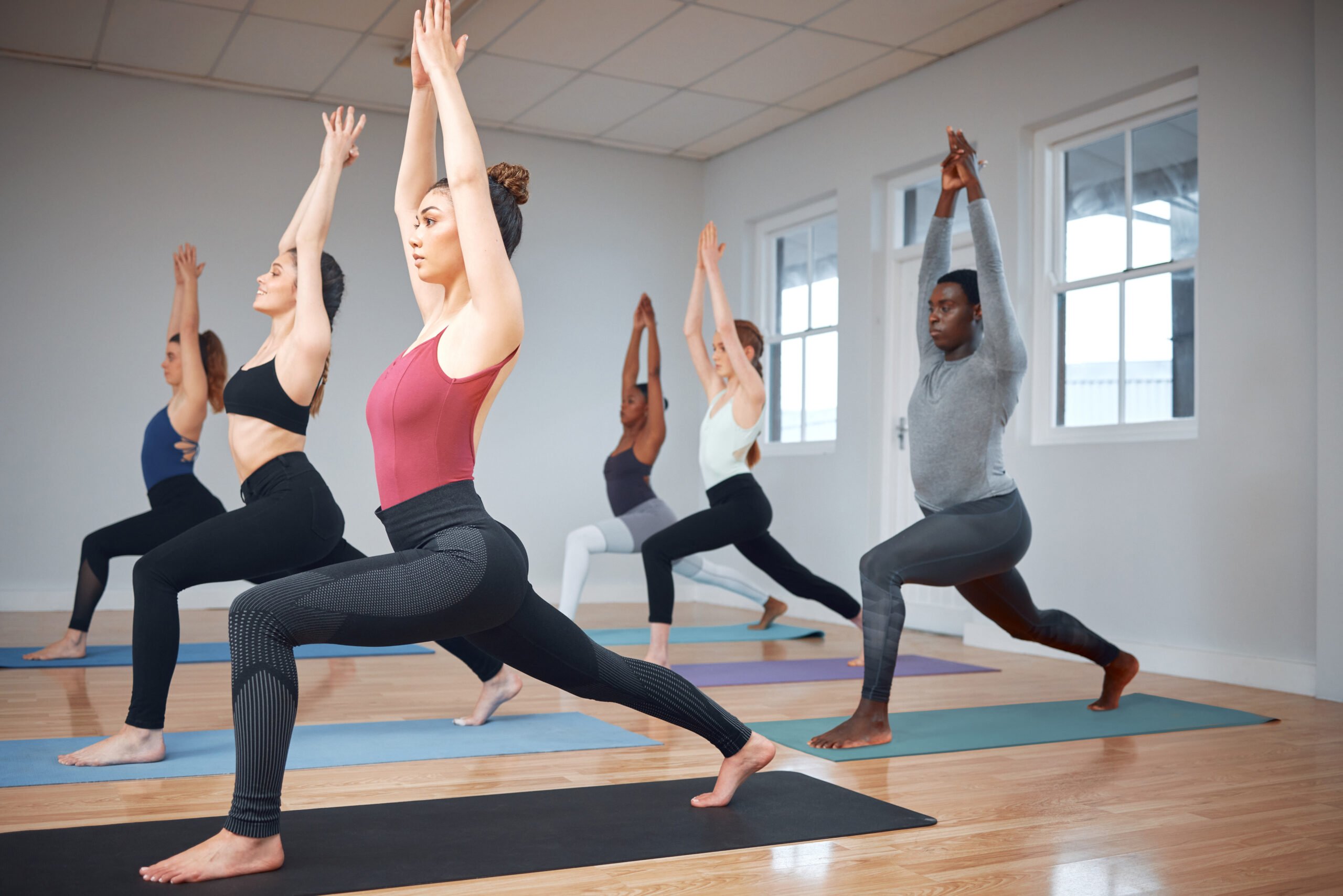
    Small group practicing yoga together in a bright indoor studio
    A small-group yoga practice illustrating the steady, attentive class setting discussed in Hatha-focused training. Photo by Pavel Danilyuk on Pexels; used under the Pexels free-use license.

    What Multi-Style yoga teacher training usually means

    Multi-Style training is useful when the styles are chosen for a clear reason. The aim should not be to collect as many yoga labels as possible. A well-planned program uses each method to teach something distinct, such as pacing, sequencing, transitions, alignment, class structure, or adaptation. Students should finish knowing why a method is used and when it may or may not suit a class.

    At FitFortunes, the current 200-hour Multi-Style Yoga Teacher Training in Rishikesh uses Hatha Yoga and Vinyasa Krama as its practical style focus. Vinyasa Krama is taught as progressive sequencing rather than as a race through poses. Hatha provides the steadier base. This keeps the combination limited enough for students to understand the differences instead of moving through many styles superficially.
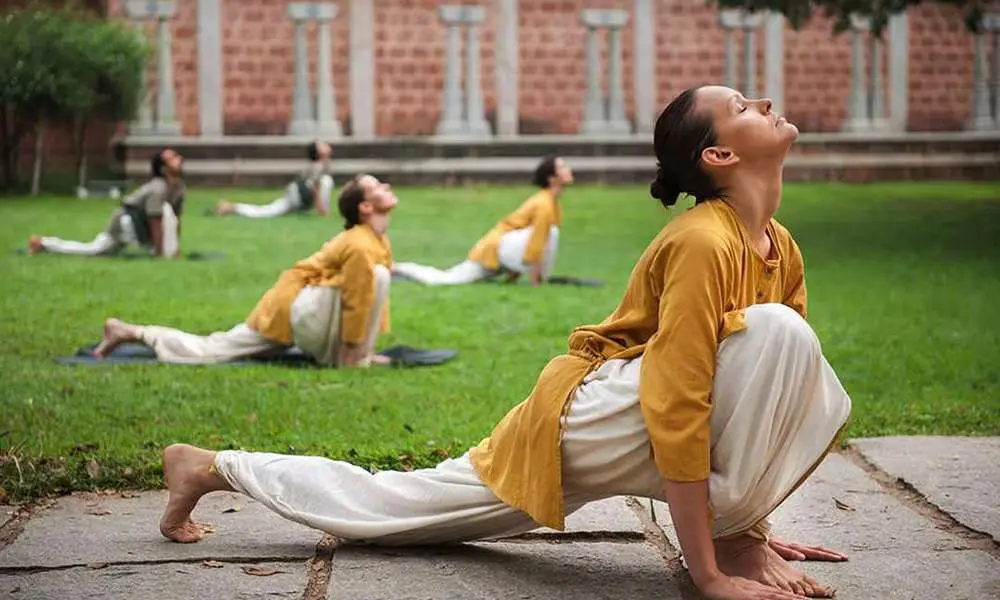
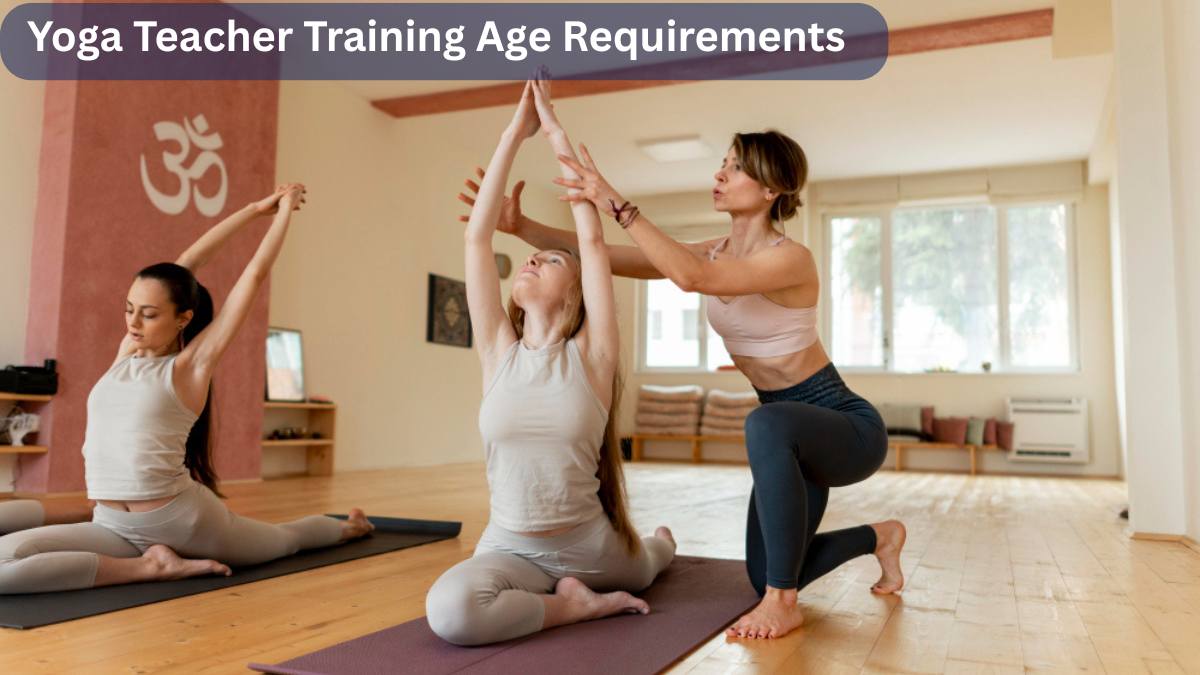
    Yoga teacher guiding a student with alignment during an indoor practice
    Teacher guidance during a yoga practice, used here to show why alignment, observation and feedback matter in both Hatha and Multi-Style training. Photo by Yan Krukau on Pexels; used under the Pexels free-use license.

    Who may prefer a Hatha-focused teacher training?

    Hatha training may suit you if you want to spend more time with one main practice method and build confidence through repetition. It can be a good fit for students who value alignment, breath awareness, classical techniques, and a steadier learning pace. It may also suit people who do not want their first teacher training divided between several asana systems. The benefit comes from depth, not from the word “Hatha” itself.

    • You prefer a steadier practice pace.
    • You want more repetition before teaching a posture or sequence.
    • You want one main asana framework rather than several.
    • You are interested in pranayama, meditation and traditional Hatha practices alongside asana.
    • You want a clear base before adding faster or more varied sequencing later.

    Who may prefer a Multi-Style teacher training?

    Multi-Style training may suit students who want to understand how more than one method changes the way a class is built. It can be useful when you enjoy both steady posture work and progressive movement. The value is strongest when the program connects the styles instead of teaching them as separate random classes. Students should be able to explain how pacing, transitions, breath, and sequencing change from one approach to another.

    • You enjoy both Hatha practice and structured movement sequences.
    • You want to compare different ways of building a class.
    • You want a broader base before deciding what you prefer to teach most.
    • You are comfortable learning two practical systems during the same course.
    • You want sequencing practice to be a visible part of the training.

    What a good 200-hour curriculum should still include

    The style name should not replace the teacher-training curriculum. Yoga Alliance’s RYS 200 standards organise the core curriculum into four broad educational areas: Techniques, Training and Practice; Anatomy and Physiology; Yoga Humanities; and Professional Essentials. The standards allow schools flexibility to teach according to their tradition while keeping a common educational framework. You can read the current Yoga Alliance RYS standards directly.

    In practical terms, a 200-hour course should not be judged only by how many asana styles appear in the brochure. Look for anatomy, safety, teaching methodology, ethics, philosophy, sequencing, observation, practicum, feedback, and enough guided practice to use the material responsibly. A course with two well-taught practical styles can be more useful than a course listing six styles with very little time for each. The schedule should show how the hours support actual learning.

    How to compare yoga schools without getting distracted by style labels

    Start with the timetable and curriculum, not the headline. Check how many hours are spent on asana, pranayama, meditation, anatomy, philosophy, methodology, practicum, and assessment. Then look at who actually teaches those subjects. A detailed teacher bio is more useful than a page full of broad claims about “master teachers” or “ancient wisdom.”

    Next, check the practical details that affect the whole residential experience. Confirm course length, arrival date, room type, meals, class days, attendance rules, exam or teaching-demo requirements, and what is not included. Read the cancellation and deposit terms before paying. If the school cannot answer simple factual questions clearly before booking, a polished website should not be enough to make the decision.

    Questions worth asking before you book

    • Which yoga styles are actually taught in daily practical classes?
    • How many practice-teaching hours are included?
    • Who teaches anatomy, philosophy and teaching methodology?
    • What assessment must students complete?
    • Are accommodation and meals included in the listed price?
    • What happens if I miss classes because of illness?
    • What does the certificate allow me to apply for after completion?

    How the two FitFortunes 200-hour options differ

    FitFortunes currently offers separate 200-hour Hatha and Multi-Style training paths in Rishikesh. Both are residential teacher-training options, but the practical emphasis is different. The 200-hour Hatha Yoga Teacher Training keeps Traditional Hatha Yoga as the main style. The 200-hour Multi-Style course combines Hatha Yoga with Vinyasa Krama.

    The current 200-hour Multi-Style course runs for 21 days, with regular arrivals on the 2nd of each month. The residential fee is USD 1,199 for a shared room or USD 1,499 for a private room, including accommodation and vegetarian meals. Students who complete the applicable registered training requirements can use their school certificate when applying for the relevant Yoga Alliance registration; Yoga Alliance registration itself is a separate process and should not be described as a teaching licence.

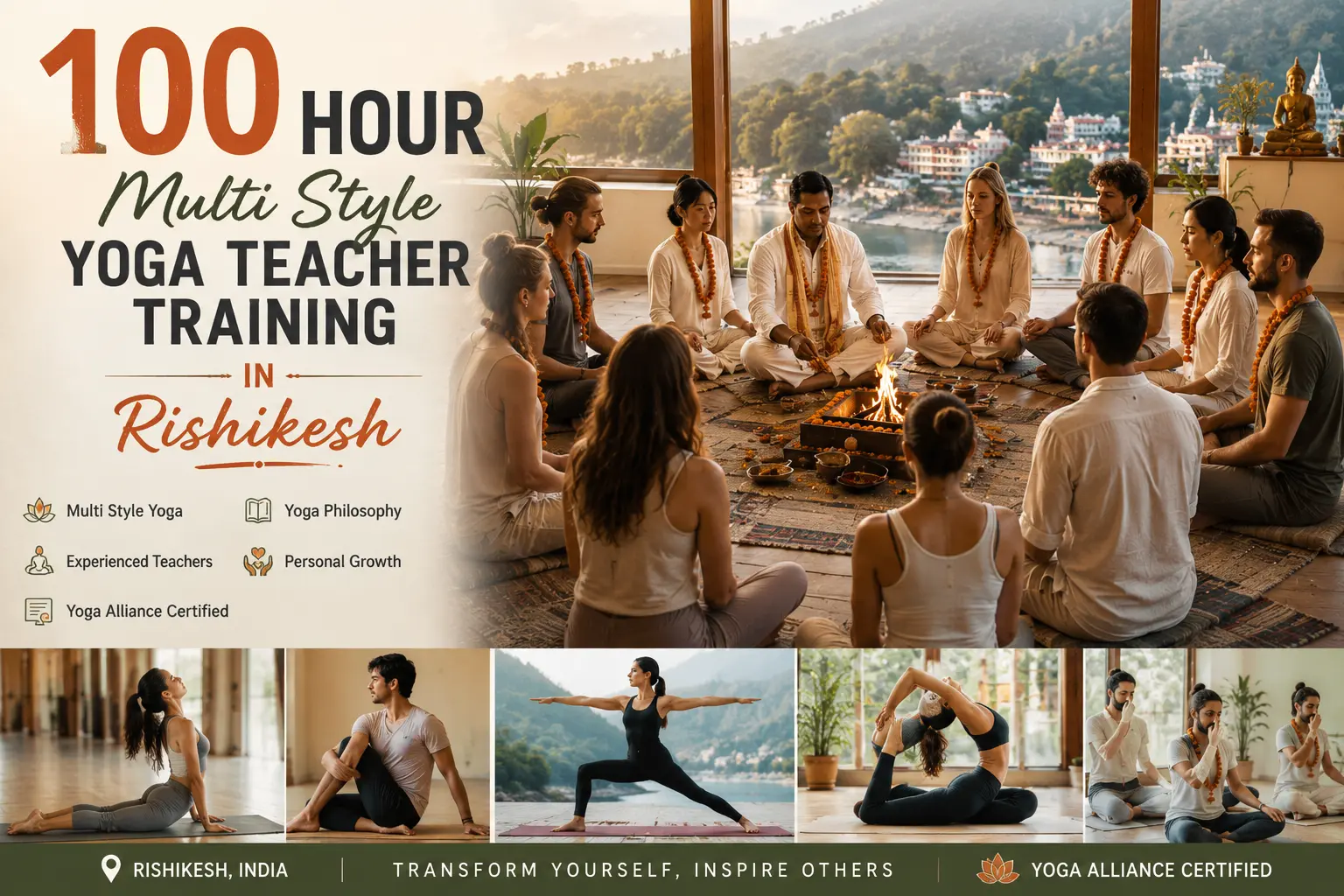
    If you are not ready for a complete 200-hour program, the 100-hour Multi-Style foundation course is a shorter preparation option. It is designed for fundamentals and training preparation rather than as a promise that a student can teach after ten days. Choosing the shorter course can make sense when your first goal is personal study or testing whether residential training suits you.

    A simple decision checklist

    Choose based on the way you want to learn, not on which label sounds more advanced. If you want repetition, a steadier method, and one main practical framework, Hatha-focused training may fit better. If you want to compare steady Hatha practice with progressive sequencing and learn how class pace can change, a limited Multi-Style program may fit better. In both cases, the quality of teaching and practicum matters more than the number of styles printed on the certificate.

    Use this five-step check before paying a deposit

    1. Write down whether your priority is depth in one method or experience with two compatible methods.
    2. Open the real timetable and count the hours for practical classes, methodology, anatomy, philosophy and practicum.
    3. Read the lead teachers’ qualifications and check who teaches each major subject.
    4. Compare the total residential cost, room type, meals, attendance rules and assessment requirements.
    5. Only then choose the course whose daily training structure matches the way you actually want to learn.

    For a broader comparison of current programs, see the FitFortunes yoga teacher training course hub. If you are still comparing schools rather than course styles, the guide on how to choose a yoga teacher training in India covers teacher credentials, curriculum, accommodation, costs, and warning signs in more detail.

    Frequently asked questions

    Is Hatha yoga teacher training easier than Multi-Style training?

    Not necessarily. Hatha may move at a steadier pace, but detailed alignment work, longer holds, pranayama, philosophy, and repeated teaching practice can still be demanding. Multi-Style training adds the challenge of understanding more than one sequencing method. Difficulty depends more on the timetable, teaching hours, physical load, assignments, and assessment than on the course label.

    Can a beginner choose either Hatha or Multi-Style YTT?

    Yes, some 200-hour programs accept beginners, but “beginner-friendly” should not mean no preparation is needed. A student should be ready for regular practice, study, early mornings, feedback, and teaching exercises. Ask the school what baseline practice it expects and whether injuries or mobility limits can be accommodated safely.

    Is Multi-Style yoga teacher training less traditional?

    Not by definition. A Multi-Style course can still include yoga philosophy, pranayama, meditation, ethics, and traditional Hatha practices. The important question is whether the styles are taught with a clear framework or simply added as marketing labels. Read the real curriculum and daily schedule before deciding.

    Does Yoga Alliance require a specific yoga style in a 200-hour course?

    Yoga Alliance structures RYS 200 education around core educational categories rather than requiring every school to teach the same named asana style. Schools have room to honour their own lineage or teaching approach while meeting the applicable standards. That is why two registered 200-hour programs can have different practical emphasis.

    Which course is better if I want to teach after graduation?

    Choose the course that gives you stronger practice teaching, feedback, sequencing skill, safety knowledge, and a method you understand well enough to teach within your competence. A larger number of styles does not automatically make someone more employable. Employers and countries can also have their own requirements beyond one 200-hour certificate.

    How can I tell if a Multi-Style course is trying to teach too much?

    Look at the timetable. If many styles are advertised but the school cannot show meaningful hours for each one, the list may be mainly promotional. A focused combination of two compatible methods is easier to study properly than several styles squeezed into short sessions. Also check whether methodology and practicum have enough time after the asana classes are counted.

    The practical answer

    Hatha training is usually the clearer choice when you want depth in one main physical practice. Multi-Style training is useful when you want to understand more than one way of sequencing and teaching, provided the course keeps the combination focused. Before paying a deposit, compare the real timetable, teachers, practicum, assessment, accommodation, meals, and course policies. The style name should help you understand the training, not replace the details. If you are also deciding between Indian locations, compare where to learn Hatha Yoga in India before choosing the city first.

    COMPARE THE TWO COURSES

    See the actual course structure before choosing

    Hatha

    One main physical method with a steadier Hatha focus.

    View 200-hour Hatha YTT →

    Multi-Style

    Hatha Yoga plus Vinyasa Krama with a broader sequencing focus.

    View 200-hour Multi-Style YTT →

    Browse more teacher-training guides →

  • What Is Yoga Teacher Training Like? A Real Daily Schedule Guide

    What Is Yoga Teacher Training Like? A Real Daily Schedule Guide

    Yoga teacher training is not one long yoga class. A normal day moves between physical practice, breathing, meditation, anatomy, philosophy, teaching skills, meals, rest, and self-study. On an intensive residential course, the routine is often the biggest adjustment because students are learning how to understand and teach yoga, not only how to perform postures.

    Yoga teacher training students practising together
    What Is Yoga Teacher Training Like? A Real Daily Schedule Guide 6

    What is yoga teacher training really like?

    Expect a school day built around yoga. You practise, but you also spend many hours listening, writing, discussing, observing, and learning how to teach. A residential 200-hour course normally combines practical and theory classes across the day, and the exact timetable can change as the training develops. Check the current course page for the live duration and schedule before making travel or work plans.

    A serious program should give the day a clear rhythm rather than stacking classes without recovery. Morning practice, theory blocks, meals, practicum, and quieter evening work all serve different purposes. The example below shows how a training day can be organised, but it should be read as a guide rather than a promise that every batch follows the same clock.

    What is a Hatha Yoga teacher training day like?

    A Hatha-focused training usually gives more time to steady asana practice, alignment, breath awareness, pranayama, meditation, philosophy, anatomy, and teaching methodology. The day should not be treated as several hours of hard physical work. Hatha practice is only one part of the education. At FitFortunes, the current 200-hour Hatha Yoga Teacher Training in Rishikesh runs for 21 days; the exact class order can vary by batch, so students should use the live course details rather than an old fixed timetable.

    A sample yoga teacher training day

    A training day often begins before breakfast and continues through several learning blocks with proper meal and rest breaks. The exact order changes, but the aim is to balance physical practice with study and teaching preparation. A schedule should be demanding enough to support serious learning without turning every hour into another physical test.

    • Early morning: meditation, quiet practice, or pranayama to begin the day with attention.
    • Morning practice: a structured asana class with attention to movement, breath, alignment, stability, and observation.
    • Breakfast and break: time to eat, recover, and prepare for theory classes.
    • Late morning: philosophy, anatomy, alignment, or teaching methodology.
    • Lunch and rest: a real break before the second half of the day.
    • Afternoon: workshops, anatomy, teaching practice, sequencing, or small-group work.
    • Evening: another practical or quieter session, followed by dinner, notes, and self-study.

    Why do YTT days start early?

    Early mornings are common because they provide a quieter period before meals, traffic, and the main activity of the day. They also allow physical practice and breathing work to happen before the middle of the day becomes busy or hot. The early start is less about discipline for its own sake and more about creating a consistent study rhythm.

    For international students, the first few mornings can feel difficult because of travel fatigue and time-zone changes. Arriving in Rishikesh a little before the course begins can help if your travel plan allows it. You do not need to prepare by suddenly waking at 4:00 am; moving bedtime and waking time gradually is usually more practical.

    What happens when you are not on the mat?

    Many students are surprised by how much teacher training happens while sitting with a notebook, watching another person move, or discussing an idea. Teacher education needs theory because a teacher has to understand context, communication, basic anatomy, and class structure in addition to personal practice. The hours away from asana are not filler; they are part of learning how to teach responsibly.

    Philosophy

    Philosophy classes may explore the meaning of yoga, Patanjali’s eight limbs, ethics, self-study, meditation, and ideas from texts such as the Yoga Sutras, Bhagavad Gita, or Hatha Yoga Pradipika. The purpose should be more than memorising quotations. Students need enough context to understand where practices come from and how those ideas connect with teaching.

    Anatomy

    Functional anatomy helps students understand joints, muscles, movement, breathing, and common restrictions. The useful question is not only “What is this muscle called?” but “What is this body doing, why might this person need a variation, and why can forcing one shape be a poor teaching choice?” Good anatomy teaching should make observation easier in practical classes.

    Teaching methodology

    Teaching methodology covers class planning, sequencing, demonstration, verbal cues, observation, timing, student questions, and the difference between practising for yourself and teaching another person. This subject becomes useful when students apply it during practicum instead of only hearing theory. For the larger subject map, see the FitFortunes YTT curriculum guide.

    What does practice teaching feel like?

    Practice teaching usually feels awkward at first, and that is useful. A student may know exactly how to do a posture but suddenly struggle to find simple words when standing in front of classmates. Practicum reveals things that private practice cannot: whether instructions are clear, whether the teacher speaks too quickly, whether they can watch the room while talking, and whether they can offer an easier option without making someone feel wrong.

    Good training gives students repeated chances to teach smaller sections before expecting a complete class. Feedback should be specific enough to use on the next attempt. “Good job” may feel encouraging, but comments such as “your cue came after the movement” or “you stopped watching the group while demonstrating” give a trainee something concrete to improve.

    Will your body be sore?

    Possibly. Moving every day is different from attending two or three weekly classes, especially when training also includes sitting, workshops, and a new daily routine. But teacher training should not become a daily test of physical endurance. Students need to learn the difference between normal effort, fatigue, and pain, because that judgement is also part of becoming a responsible teacher.

    Rest, sleep, food, and honest communication matter. If you arrive with an injury or an important medical limitation, tell the school in advance and follow appropriate professional advice. Teacher training is a place to learn how to practise intelligently, not a place to prove that you can ignore pain or force every posture.

    How much free time is there?

    Usually less than on a yoga retreat. Teacher training is education, so even when there are breaks between classes and a weekly rest period, intensive programs leave limited time for remote work, sightseeing, or long café visits. Students who arrive expecting a holiday schedule can feel rushed because study and recovery take more time than they expected.

    This is why it helps to separate a yoga retreat from a teacher training course in your mind. A retreat can be organised around rest and personal practice. Teacher training is organised around learning, attendance, assignments, observation, and practicum, even when the environment is peaceful.

    How to prepare for the routine

    You do not need to arrive able to perform advanced postures, but it helps if daily practice, early mornings, and sitting for study are not completely new. Build a simple routine before travel instead of trying to train like an athlete for a few weeks. Preparation should make the course easier to enter, not exhaust you before it begins.

    • Practise yoga on several days each week before arrival.
    • Spend a little time sitting quietly so meditation is not completely new.
    • Reduce very late nights before the course.
    • Bring a notebook you actually like using.
    • Avoid planning heavy remote work during the training.
    • Pack simple clothes that can be washed and reused.
    • Read the YTT packing guide before leaving home.

    Frequently asked questions

    Do students practise yoga for the whole training day?

    No. A full training day normally includes practical and academic blocks, so asana is only one part of the schedule. Students may move between pranayama, meditation, anatomy, philosophy, teaching methodology, practicum, meals, and self-study. A good course should balance these areas instead of treating every hour as another physical class.

    Can a beginner manage the schedule?

    Many beginners can manage an intensive schedule when the course is genuinely beginner-friendly and the student is ready for daily study. Physical ability is only one part of it; sleep, attention, willingness to ask questions, and consistency also matter. Read our beginner YTT readiness guide before choosing a course.

    Do I need to study after class?

    Usually yes, but that does not mean several extra hours every night. Reviewing notes, reading assigned material, and preparing a short teaching task can make the next day easier. Good self-study is focused rather than endless, especially when the body and mind also need time to recover from a full training day.

    What happens on a rest day?

    Students often sleep more, do laundry, call home, walk locally, organise notes, or spend some quiet time away from the classroom. It can be tempting to fill every free hour with sightseeing, but recovery matters during an intensive program. A rest day works best when it leaves you ready for the next week of training.

    Is a 100-hour training also intensive?

    Yes. It is shorter than a 200-hour program, but it is still structured residential study rather than a casual retreat. FitFortunes’ 100-hour course focuses on foundations over a shorter period, so students should still expect regular classes, study, and a planned daily routine.

    A normal day explains more than a brochure

    Before choosing any yoga teacher training, ask to see the daily structure. It tells you whether the program is mainly physical practice, balanced teacher education, or something in between. Once you understand the routine, it becomes easier to judge whether the workload, subjects, and amount of practicum match what you want from the course.

    The next useful questions are what the total training costs and how to compare yoga teacher training schools. Use the live course page for the current FitFortunes timetable because exact class order and course details can change between batches.

  • Yoga Teacher Training for Beginners: Are You Ready for YTT?

    Yoga Teacher Training for Beginners: Are You Ready for YTT?

    Yes, beginners can join yoga teacher training when the course is designed to teach beginners properly. You do not need handstands, splits, or years of practice before you start. What matters more is that you can take part safely, follow a structured daily routine, stay curious, and respect your own limits while you learn.

    Can a beginner do yoga teacher training?

    Yes, when the school accepts beginners and the student is ready for regular practice and study. The word beginner covers many different people. One student may know common postures but little philosophy, while another may have practised for only a few months but already has a steady home routine and a strong interest in learning.

    Teacher training is meant to teach; it is not a contest to see who can make the hardest shape. A beginner-friendly course should explain techniques step by step, give sensible options, and make space for questions. Advanced poses should not become an unofficial entrance test for a foundation-level training.

    Five signs you may be ready for YTT

    Readiness is easier to judge from your habits than from one difficult posture. You do not need to feel completely confident before enrolling, but it helps if you already know what a normal yoga class feels like and can follow simple instructions. The points below are practical signs that the daily routine of a beginner YTT may be manageable for you.

    1. You can follow a normal yoga class

    You do not need perfect form or a large pose vocabulary. It helps if simple instructions such as standing pose, forward fold, twist, inhale, and exhale are not completely new. Familiarity lets you spend more attention on learning details instead of trying to understand every basic word for the first time.

    2. You can respect your limits

    A good student can stop, modify a posture, and ask for help when something does not feel right. Forcing through pain is not a sign of readiness or dedication. Teacher training should improve your judgement, so being able to notice the difference between effort, fatigue, and pain is more useful than trying to copy every advanced pose.

    3. You want to learn more than postures

    Yoga teacher training also includes breathing, meditation, anatomy, philosophy, communication, class planning, and practice teaching. If you are interested only in improving difficult asanas, the full course may feel very different from what you expect. Curiosity about the wider subject usually makes foundation training more useful.

    4. You can follow a full study routine

    Residential YTT is more demanding than attending one evening class. You may practise, study, take notes, sit through theory, and join teaching exercises on the same day. The challenge is often consistency and concentration rather than extreme physical difficulty, so regular sleep and willingness to follow the schedule matter.

    5. You are willing to be a student

    Your first teaching practice may feel awkward. You may forget a pose name, speak too quickly, or need help planning a short sequence. That is normal because training is where those skills are supposed to develop. Being willing to receive feedback and try again is a stronger sign of readiness than pretending you already know everything.

    How much yoga experience do you need?

    There is no single worldwide rule that says every trainee must practise for a fixed number of months before joining a foundation course. A steady basic practice can be more useful than an impressive number of years. Someone who practises carefully several times a week may understand their body better than someone who attends one class every few weeks.

    Before booking, try a simple two-week test. Practise on most days, add five to ten minutes of quiet sitting, and spend a little time reading or taking notes. If that routine feels manageable and makes you more interested rather than completely exhausted, an intensive beginner YTT may be realistic for you.

    Do you need to be flexible?

    No. Flexibility is only one physical quality and it does not decide whether someone can learn to teach. Teaching also needs observation, clear words, patience, sequencing, safe options, and respect for different bodies. A flexible student may need to learn stability, while a less flexible student may become very good at explaining modifications because they understand restriction from experience.

    What does a beginner study in YTT?

    A good foundation course connects practice with understanding. Beginners should learn how postures work, how breathing and meditation are introduced, how basic anatomy relates to movement, and how yoga philosophy gives context to the physical practice. They should also receive real teaching practice because knowing a pose and explaining it clearly are different skills.

    Asana and alignment

    You learn how to enter and leave common postures, what the pose is trying to develop, and how it may need to change for different bodies. Alignment should not mean forcing everyone into one shape. A useful class teaches observation, stability, breathing, and sensible variations as well as the posture itself.

    Breathing and meditation

    Beginners should learn simple methods first and understand how to practise them consistently. The aim is not to collect dramatic breathing techniques or sit perfectly still for a long time. A foundation course should help students notice breath, attention, and the effect of regular practice without turning simple techniques into a performance.

    Anatomy

    You do not need medical-school knowledge to begin teacher training, but you do need a simple map of joints, muscles, breathing, and movement limits. Anatomy becomes useful when it helps you understand why a person may need a different position or why one cue does not work the same way for every body.

    Yoga philosophy

    Philosophy helps beginners understand that yoga is larger than exercise. A foundation course may introduce Patanjali, the eight limbs, ethics, meditation, and selected ideas from classical texts. The purpose should be understanding rather than memorising quotations without context.

    Teaching practice

    Practicum helps you learn how to speak, observe, manage time, answer simple questions, and receive feedback. Most beginners find the first attempts uncomfortable, but repeated short teaching exercises make the process easier. See the FitFortunes curriculum guide for a closer look at the subjects inside teacher training.

    How to prepare before your first YTT

    Preparation should make the training easier to enter, not turn the weeks before arrival into another intensive course. Practise regularly instead of doing occasional very hard sessions, build a steady sleep routine, and spend a little time with basic meditation or reading. If you have an injury or an important health limitation, tell the school before arrival so it is not discovered during the first practical class. For a week-by-week plan, use the 30-day Hatha Yoga teacher training preparation guide.

    • Practise regularly instead of doing very hard sessions.
    • Learn a few common pose names and basic breathing terms.
    • Build a steady sleep routine before travel.
    • Sit quietly for five to ten minutes each day.
    • Tell the school about injuries or relevant health limits before arrival.
    • Read a little yoga philosophy without trying to memorise everything.
    • Use our Rishikesh YTT packing guide before you travel.

    Should a beginner choose 100 hours or 200 hours?

    A 100-hour course can suit someone who wants a shorter introduction to structured study and wants to test how residential training feels. A 200-hour course gives more time for practice, anatomy, philosophy, teaching methodology, and practicum, so it is the fuller foundation for someone seriously considering teaching.

    Choose according to your available time, health, budget, and reason for studying rather than fear. A shorter course is not automatically easier for every person, and a longer course is not automatically too advanced for a beginner. The course description, teaching pace, and amount of support matter more than the hour number alone.

    Frequently asked questions

    Can I do YTT if I cannot touch my toes?

    Yes. One flexibility test does not decide whether you can study yoga or learn to teach. A foundation course should work with different bodies and teach useful options. Your ability to listen, practise regularly, understand instructions, and respect your limits is more important than reaching a particular range in a forward fold.

    Can I join if I do not want to teach?

    Yes. Some students join teacher training because they want to understand their own practice, breathing, meditation, anatomy, and philosophy more clearly. You can benefit from the structured study without immediately planning a teaching career. Just remember that a teacher-training course still includes teaching methodology and practicum as part of the curriculum.

    Is yoga teacher training hard?

    It can feel intense because the days are structured and there is a lot to learn. The challenge is often routine, concentration, early mornings, and combining physical practice with theory rather than performing extreme postures. A beginner-friendly course should challenge you without making pain or exhaustion the measure of progress.

    Am I too old to start yoga teacher training?

    Age alone does not answer this question. Health, mobility, recovery, previous activity, and the course format matter more than one number. If you have a medical concern or important physical limitation, speak with an appropriate healthcare professional and the school before enrolling so you can make a practical decision about the daily workload.

    Will 200 hours make me an expert?

    No. A 200-hour course is a foundation rather than the end of a teacher’s education. Good teaching develops through continued practice, study, feedback, observation, and real experience with different students. The useful goal of a first training is to build a responsible base and understand what you still need to learn.

    A better readiness question

    Instead of asking whether you are advanced enough, ask whether you can learn, practise, listen, and respect your limits every day. That question says more about readiness for teacher training than a difficult posture does. A beginner who is consistent and willing to learn can often make better use of a foundation course than someone who is physically advanced but unwilling to study or receive feedback.

    Next, read what yoga teacher training is really like and the Rishikesh YTT cost guide. Together they give a clearer picture of the daily workload and the practical budget before you decide whether to enrol.

  • What to Bring for Yoga Teacher Training in Rishikesh | Complete Packing Guide

    What to Bring for Yoga Teacher Training in Rishikesh | Complete Packing Guide

    Pack light for yoga teacher training in Rishikesh. You need comfortable practice clothes, simple town clothes, one weather layer, regular medicines, travel documents, a power adapter, a notebook, and more than one way to pay. You do not need a suitcase full of yoga gear because basic daily items are easy to buy in Rishikesh if you forget something. If you are still planning your arrival, use our Delhi to Rishikesh travel guide to compare transport options before packing.

    Clothes for practice and daily life

    Bring enough practice clothes for several days between washes rather than packing a different outfit for every class. Four to six comfortable practice sets are enough for many students when laundry is available. Choose clothes you already know work for movement and sitting because a new pair of leggings, shorts, or tops can look good but feel uncomfortable during long training days.

    • Yoga trousers, leggings, shorts, or joggers.
    • Breathable T-shirts or practice tops.
    • Underwear and socks.
    • One or two simple outfits for town.
    • Sandals and comfortable walking shoes.
    • A light shawl, sweatshirt, or jacket.

    Rishikesh is both a yoga town and an important pilgrimage town, so simple clothing works well in markets, temples, and local areas. You do not need to buy special “spiritual” clothes before travelling. Comfortable, clean, modest clothing is more practical than trying to look a particular way.

    Pack for the month you are visiting

    Rishikesh weather changes through the year, so check the current forecast shortly before you travel instead of packing for “India” as if the whole country has one climate. Winter mornings can feel cool, hotter months need lighter clothing, and monsoon periods can be humid and wet. One useful weather layer is usually better than carrying several bulky items you may never use.

    Cooler months

    Bring a light or medium jacket, long trousers, warm socks, and a shawl or extra layer for early mornings and evenings. Classrooms and rooms can feel different from the midday temperature, so layers are easier than one very heavy item. Choose things that can be used both for travel and for normal daily life during the course.

    Hotter months

    Light cotton clothing, quick-dry practice clothes, sun protection, and a hat can be useful when the weather is hot. You may practise more than once in a day, so clothes that dry quickly make laundry easier. Avoid packing only thick or dark clothing if you are travelling during a warm period.

    Monsoon months

    A compact umbrella or light rain shell, fast-drying footwear, and clothes that do not stay wet for a long time are useful during monsoon. Rain can affect short walks and local travel even when you spend most of the day in class. Keep important documents and electronics inside a simple waterproof pouch or protected section of your bag.

    Medicines and basic health items

    Bring the medicines you already use and keep prescription medicines in their original packaging when practical. Carry enough for the trip and keep important prescription information with you. A small personal kit can be useful, but you do not need to bring a full pharmacy because basic health and toiletry items are available locally.

    • Regular prescription medicines.
    • Plasters and basic personal first-aid items.
    • Oral rehydration salts.
    • Allergy medicine you normally use.
    • Menstrual products when needed.
    • Mosquito repellent and normal toiletries.

    If you have a health condition, recent injury, or limitation that may affect yoga practice, tell the school before you arrive instead of waiting for the first class. That gives teachers time to understand what may need modification. Yoga teacher training is education, so relevant medical concerns should still be discussed with an appropriate healthcare professional when needed.

    Passport, visa, and travel records

    Keep your important documents together and easy to reach during travel, but also keep copies somewhere separate from the originals. Save digital copies of your passport, visa approval, insurance details, flight information, school address, and emergency contacts so you can still access the information if one bag or device is lost. Do not keep every important document in one place.

    • Passport.
    • Current visa or travel authorisation.
    • Travel insurance details.
    • Flight and onward-travel information.
    • School address and phone number.
    • Emergency contact information.

    Visa rules can change, so use the official Government of India e-Visa website rather than relying on an old blog or an unofficial “express visa” page. Check the rules for your own passport and travel purpose before buying non-refundable tickets.

    Electronics and study items

    A universal travel adapter is useful, along with the normal chargers for the phone or laptop you actually plan to use. A small power bank can help on long travel days, but there is little value in carrying several devices you will barely touch during an intensive course. For study, one reliable notebook and pen are usually more useful than a stack of heavy yoga books.

    Do you need to bring your own yoga mat?

    Ask the school first because many residential schools provide mats and basic props for training. If you strongly prefer your own mat for hygiene, grip, or comfort, a lighter travel mat is easier to carry than a heavy premium mat. The extra weight matters more when you are also moving through airports, stations, or taxis with luggage.

    If you do bring your own mat, keep it dry and clean between sessions and check the material before using strong cleaning products. Our yoga mat cleaning guide explains why different mat materials need different care.

    Money and payment methods

    Bring more than one way to pay because an international card can be blocked or fail at one machine even when it normally works. Keep a backup card separate from your main wallet and carry a small amount of cash for local purchases or transport. If your bank uses travel notifications, update it before departure and check international transaction fees in advance.

    What you can leave at home

    Most students bring too much rather than too little. Rishikesh has pharmacies, clothing shops, stationery stores, toiletries, and other everyday items, so there is no reason to carry large amounts of things that are easy to replace. Leave some space in your luggage for the return journey instead of packing every possible item “just in case.”

    • Several pairs of shoes.
    • A stack of heavy yoga books.
    • Large yoga props unless the school specifically requests them.
    • Expensive ceremonial items.
    • Large bottles of common toiletries.

    Final packing checklist

    Use a short final checklist the day before departure so important items do not get lost inside a long packing list. Documents, medicines, clothing, chargers, and the school address matter more than extra accessories. Keep anything essential for the first 24 hours in your hand luggage when airline rules allow it.

    • Passport and current travel documents.
    • Medication and important health information.
    • Comfortable yoga clothes.
    • Weather layer or rain protection.
    • Sandals and walking shoes.
    • Adapter, chargers, and phone.
    • Notebook and pen.
    • Reusable water bottle if suitable for your travel setup.
    • School address saved offline.
    • A small amount of cash and a backup payment method.

    Frequently asked questions

    How many yoga outfits should I bring?

    Four to six comfortable practice sets are enough for many students when laundry is available, but the right number depends on the weather and how often you wash clothes. Quick-dry items are useful when you practise frequently. Pack clothes you have already worn in yoga rather than testing several new outfits during an intensive course.

    Can I buy yoga clothes and toiletries in Rishikesh?

    Yes, many everyday items are available locally, including basic clothing, toiletries, stationery, and pharmacy products. You may still prefer to bring specific brands, medicines, or personal products that are important to you. The point of packing light is not to arrive unprepared; it is to avoid carrying bulky items that are easy to replace.

    Should I bring yoga books?

    Usually only if there is one book you know you will use. Teacher training already includes notes, classes, assignments, and a full daily schedule, so a heavy stack often stays unopened. Digital copies or one selected text are easier to manage when you are travelling internationally.

    Two things to do before you travel

    First, choose your onward route with our Delhi to Rishikesh travel guide so you know how you will reach the school after your flight. Second, read the India YTT planning guide so visa, money, arrival, health, and course expectations are clear before you leave home.

  • Delhi to Rishikesh Travel Guide: Taxi, Flight, Train & Bus

    Delhi to Rishikesh Travel Guide: Taxi, Flight, Train & Bus

    Delhi to Rishikesh is one of the most common travel routes for international visitors coming to Uttarakhand. You can travel by private taxi, domestic flight, train, or bus. The right choice depends on your arrival time, luggage, budget, and how tired you are after your flight.

    If this is your first visit to India, keep the first day simple. A route with fewer changes is usually easier than saving a small amount of money and changing transport several times. This guide explains the main options in plain English so you can choose the route that fits you.

    Quick answer: what is the easiest way from Delhi to Rishikesh?

    For many first-time international visitors, a pre-booked private taxi from Delhi Airport to Rishikesh is the simplest option. You leave the airport, meet the driver, and travel directly to your hotel, B&B, ashram, or yoga school. A flight from Delhi to Dehradun can reduce road time, while train and bus are usually better for travellers who want to spend less.

    Ram Jhula suspension bridge over the Ganga in Rishikesh
    Ram Jhula over the Ganga in Rishikesh. Photo: Asis K. Chatterjee, Wikimedia Commons, CC BY-SA 2.0.

    Table of contents

    Delhi to Rishikesh route comparison

    Travel times and prices change with traffic, season, ticket demand, road work, and the type of service you book. Use this table as a simple guide, then check your live fare and timetable before paying.

    RouteTypical total timeGood for
    Private taxi from Delhi AirportAbout 5.5-7.5 hoursFirst visit, heavy luggage, late arrival
    Flight to Dehradun + taxiAbout 1 hour flight + airport transferLess road travel
    Train to Haridwar + taxi or local transportUsually 4-7 hours in totalTravellers comfortable with Indian rail travel
    Bus from DelhiUsually 5.5-8 hoursLower-cost travel

    Delhi Airport to Rishikesh by private taxi

    A private taxi is the most direct road option from Indira Gandhi International Airport in Delhi. The driver can meet you at the airport and take you to your exact address in Rishikesh. This is useful when you have large bags, arrive after a long international flight, or do not want to move between stations.

    Before travel, confirm the driver name, phone number, pickup terminal, total fare, toll arrangement, and your final Rishikesh address. Save these details offline. Delhi traffic can be heavy, and road conditions can change, so do not plan a tight appointment immediately after your expected arrival time.

    If you are coming for 200 hour yoga teacher training in Rishikesh, send your arrival details to the school before you leave home. The same advice applies to any B&B, hotel, retreat, or ashram booking.

    Delhi to Dehradun by flight, then taxi to Rishikesh

    Dehradun Airport, also called Jolly Grant Airport, is the nearest commercial airport to Rishikesh. A domestic flight from Delhi can reduce the long road journey. After landing, you continue to Rishikesh by taxi.

    This route can be useful when you prefer a shorter drive, but do not make the connection too tight. International arrival, immigration, baggage collection, terminal movement, security, and possible flight delays can take time. Leave a safe gap between flights.

    Check the airline schedule and baggage allowance close to your travel date. A low domestic fare may become more expensive if your international luggage is above the domestic baggage limit.

    Delhi to Rishikesh by train

    Train travel is a good choice when you are already staying in Delhi or you are comfortable using Indian railway stations. Many visitors travel from Delhi to Haridwar and then continue to Rishikesh by taxi, auto, or another local service. Haridwar has stronger rail connections than central Rishikesh.

    Delhi has several major railway stations, so check the exact station name before leaving for your train. Do not assume every train leaves from New Delhi Railway Station. Your station, platform, train number, and departure time should be checked again on the day of travel.

    Railway station in India for train travel to Rishikesh via Haridwar
    Rail travel in India. Photo: Angelo DeSantis, Wikimedia Commons, CC BY 2.0.

    If you have just finished a long overnight flight, think about how much luggage you have before choosing rail. You may still need transport from Delhi Airport to the railway station and another transfer from Haridwar to your Rishikesh accommodation.

    Delhi to Rishikesh by bus

    Bus travel is often one of the cheaper ways to reach Rishikesh. It is more convenient when you are already in Delhi and can reach the boarding point without stress. Buses may leave from Kashmere Gate ISBT or other private boarding points, depending on the operator.

    Before booking, check the exact boarding point, luggage rules, bus type, final stop, and expected arrival area. Some services stop in Rishikesh, while others may leave you on a main road or at a point outside the area where you are staying.

    Uttarakhand Roadways bus used for travel in Uttarakhand
    Uttarakhand Roadways bus. Photo: ArmouredCyborg, Wikimedia Commons, Creative Commons licensed.

    A bus can save money, but it is not always the easiest first-night option after a long international trip. If you are very tired, travelling alone at night, or carrying several bags, a direct transfer may be simpler.

    What is Nepali Farm near Rishikesh?

    Nepali Farm is a road junction outside the main tourist areas of Rishikesh. Some buses and shared vehicles stop there. From Nepali Farm, you normally need another local ride to places such as Tapovan, Laxman Jhula, Swarg Ashram, Muni Ki Reti, or central Rishikesh.

    This can work well for travellers with light luggage who understand the local route. It is less convenient for someone arriving in India for the first time, especially late at night.

    Which Rishikesh area are you actually going to?

    Rishikesh is not one small block. Your final travel time depends on where you are staying. Tapovan, Laxman Jhula, Swarg Ashram, Muni Ki Reti, Ram Jhula, and central Rishikesh are different areas. Ask your host for the exact map location before leaving Delhi.

    This small step can prevent a common problem: reaching Rishikesh but then spending another hour trying to find the correct side of the river or the correct neighbourhood.

    Simple arrival tips for international visitors

    Prepare the first arrival before you fly. Keep the information you may need when mobile data is weak or your phone battery is low. The goal is not to plan every minute. It is to remove the common problems that happen when you are tired.

    • Save your accommodation address and phone number offline.
    • Keep your passport, visa copy, cards, phone, charger, and medicine in hand luggage.
    • Carry a small amount of Indian rupees for local payments.
    • Keep a power bank in your cabin bag if airline rules allow it.
    • Use a known taxi company, official counter, app, or pre-arranged driver.
    • Tell your host if a flight delay changes your arrival time.
    • Do not make a very tight train, bus, or domestic flight connection after an international landing.

    Visa and travel documents

    Visa and entry rules depend on your passport and can change. Check the official Government of India e-Visa website before travel. Keep digital and paper copies of your passport, visa, insurance, flight information, and accommodation address.

    For a wider pre-flight checklist, read our India travel guide for international yoga students. Travellers coming alone may also find our Rishikesh safety guide for solo female visitors useful.

    What should you pack for the Delhi to Rishikesh trip?

    Keep the items you may need during the first day where you can reach them easily. Water, basic medicine, a light layer, phone charger, tissues, cash, and your address can save time. Do not put every important item in checked luggage.

    If you are staying for yoga study, our Rishikesh packing guide covers clothes, weather, medicine, documents, and other useful items.

    Frequently asked questions

    How far is Rishikesh from Delhi?

    The road distance is roughly 240 kilometres, but your actual route can vary. Travel time depends more on Delhi traffic, road conditions, stops, and where you are staying in Rishikesh than on distance alone.

    Can I travel directly from Delhi Airport to Rishikesh?

    Yes. A private taxi can take you directly from Delhi Airport to your Rishikesh accommodation. This is one of the simplest options for first-time visitors and people carrying large luggage.

    Is Dehradun Airport closer to Rishikesh?

    Yes. Dehradun’s Jolly Grant Airport is much closer to Rishikesh than Delhi Airport. You still need a road transfer from the airport to your final address.

    Is there a direct train from Delhi to Rishikesh?

    Rail options change by timetable. Many travellers use Haridwar as the main rail connection and continue by road to Rishikesh. Check current Indian Railways information for your travel date rather than relying on an old schedule.

    Is bus travel from Delhi to Rishikesh safe for tourists?

    Many tourists use buses on this route. Choose a known operator, confirm the boarding and arrival points, keep valuables with you, and think carefully before choosing a late-night arrival if you are new to the area.

    Should I stay one night in Delhi before going to Rishikesh?

    It depends on your flight time and energy. If you land very late after a long international flight, one night near Delhi can make the next day easier. If you arrive during the day and have a simple transfer booked, travelling onward the same day may be practical.

    How much cash should I carry for the first day?

    You do not need to carry a large amount. Keep enough Indian rupees for small local payments, food, or a short auto ride. Use normal safety habits and keep most of your money and cards secure.

    Final travel advice

    The best Delhi to Rishikesh route is the one you can manage comfortably after your real arrival, not the one that looks fastest on paper. First-time visitors often prefer a direct taxi. A domestic flight can reduce road time. Train and bus can cost less when you are comfortable making transfers.

    Whichever route you choose, save your exact Rishikesh address, allow extra time, and check live schedules before travel. That simple preparation makes the first day much easier.

  • Yoga Teacher Training Curriculum in Rishikesh

    Yoga Teacher Training Curriculum in Rishikesh

    A yoga teacher training curriculum should make it clear what students will study, practise, teach, and be assessed on before they book. At FitFortunes Holistic Wellness Yoga School in Rishikesh, the curriculum connects physical practice with breathing, meditation, philosophy, anatomy, teaching skills, sequencing, ethics, and supervised practicum. The aim is not to fill a timetable with as many subject names as possible. Each subject should help the student understand yoga more clearly and communicate it more responsibly. This guide explains what the main curriculum areas mean and how they fit together.

    FitFortunes currently offers a 10-day 100-hour foundation course and a 21-day 200-hour residential teacher-training program. The practical asana focus is Hatha Yoga and Vinyasa Krama, supported by pranayama, meditation, philosophy, anatomy, alignment, teaching methodology, and practice teaching. The exact timetable can change as a course develops, so the live course page remains the final source for current dates and daily scheduling. The curriculum below explains the learning structure rather than promising that every topic receives the same number of hours.

    Yoga teacher training curriculum at a glance

    A useful curriculum has a clear relationship between personal practice and teaching practice. Students first need to understand what they are doing in their own body and breath before they can guide someone else. They also need enough philosophy and ethics to understand yoga beyond exercise, enough anatomy to observe movement safely, and enough teaching practice to communicate clearly. These areas should support each other instead of appearing as separate subjects that never connect. In a well-planned course, what happens in the morning practice should make more sense after the anatomy, philosophy, or methodology class later in the day.

    • Hatha Yoga and Vinyasa Krama asana practice.
    • Pranayama, meditation, and selected subtle-body practices.
    • Yoga philosophy, ethics, and classical context.
    • Anatomy, movement, alignment, and basic safety.
    • Teaching methodology, cueing, observation, and class management.
    • Sequencing and lesson planning.
    • Practicum, feedback, and teaching assessment.
    • Professional responsibility and scope of practice.

    Asana practice: Hatha Yoga and Vinyasa Krama

    Asana is the most visible part of a yoga teacher training course, but the curriculum should go beyond copying shapes. Students learn how to enter and leave a posture, coordinate movement with breath, notice stability and unnecessary effort, and understand what a posture is trying to develop. They also learn that different students may need different ranges of motion or simpler variations. A good class therefore combines personal practice with observation and explanation. The goal is to build a practical understanding that can later support safe and clear teaching.

    How the Hatha-focused curriculum differs

    Students who choose the 200-hour Hatha Yoga Teacher Training in Rishikesh follow a more Hatha-centred practical path. Its traditional practice framework gives specific attention to Asana, Pranayama, Mudra and Bandha, and Nadanusandhana (Nada Yoga), while still including philosophy, anatomy, alignment, teaching methodology, observation, and practicum. This is different from the Multi-Style program, where Hatha Yoga is paired with Vinyasa Krama. Keeping those two paths clear helps students choose by learning focus instead of seeing the courses as duplicate versions of the same program. The separate guide on what makes Hatha teacher training traditional explains the classical sources and practices behind that label.

    At FitFortunes, Hatha Yoga provides a steady foundation while Vinyasa Krama develops the idea of progressing through movement in a logical order. Students study how one movement can prepare for another, how transitions affect the body, and how pace changes the experience of a class. This is different from collecting difficult postures for display. It teaches students to think about purpose, preparation, breath, and the needs of the group. The same thinking later becomes important when students begin planning their own classes.

    Pranayama, meditation, and subtle practice

    Pranayama training should begin with breathing awareness, posture, and control of unnecessary tension. Students learn selected breathing methods step by step and are encouraged to understand preparation, pace, comfort, and purpose rather than simply memorising names. They also study when a technique should be simplified or avoided. This creates a more responsible approach than treating stronger breathing practices as a performance. The aim is to help students understand how breath practice fits into a wider yoga class and personal routine.

    Meditation develops attention, observation, and the ability to stay with a practice without constant external stimulation. Depending on the course format, students may also meet selected mudra, bandha, mantra, yoga nidra, or cleansing practices. These subjects should be introduced with enough context for students to understand why they are used. They should not be added only to make the curriculum look longer. When taught well, they help students see how asana, breathing, concentration, and meditation relate to one another.

    Yoga philosophy, ethics, and classical context

    Yoga philosophy gives students a framework for understanding yoga beyond physical exercise. A foundational curriculum may introduce ideas from Patanjali’s Yoga Sutras, the Bhagavad Gita, and selected Hatha Yoga texts, together with self-study, discipline, meditation, and ethical conduct. The purpose is not to turn a student into a Sanskrit scholar in a few weeks. It is to give enough context to understand key ideas and avoid repeating unsupported claims. Philosophy becomes useful when students can connect it with practice, teaching, and everyday decisions.

    Clear terminology is part of that responsibility. Patanjali’s Ashtanga Yoga refers to an eight-limbed framework and should not automatically be treated as the same thing as the modern Ashtanga Vinyasa Primary Series. A teacher should know when the same word is being used in different historical or teaching contexts. Ethics also includes professional boundaries, consent, honesty about qualifications, and knowing when a student needs support outside a yoga teacher’s scope. These subjects protect both the teacher and the people they teach.

    Anatomy, alignment, and movement observation

    Anatomy is most useful when it changes how a trainee observes movement. Students study basic joints, muscles, breathing mechanics, balance, load, and common movement limits, then connect those ideas with the postures they are practising. The goal is not to memorise a long medical vocabulary that is never used in class. Instead, students learn to notice how different bodies organise the same movement. This makes anatomy practical rather than decorative.

    Alignment is taught as a way to improve organisation, awareness, and safety rather than as one perfect shape for every person. Two students can have different proportions, mobility, injury history, strength, and movement habits. A teacher therefore needs to understand the purpose of a posture and offer sensible options without pretending to diagnose a medical condition. Observation, communication, and restraint are as important as knowing a textbook position. This is especially important for new teachers who may otherwise try to correct every student into the same shape. The Hatha anatomy and alignment guide goes deeper into movement observation, breath, variation, pain, and professional scope.

    Teaching methodology and class sequencing

    Teaching methodology turns personal knowledge into instructions another person can understand. Students practise verbal cueing, demonstration, observation, class pacing, time management, simple modifications, and professional boundaries. They learn that a cue should arrive before the movement it describes and that a demonstration should not prevent the teacher from seeing the group. They also learn to reduce unnecessary words so students can follow the class more easily. Good teaching is not measured by how much a teacher says, but by how clearly the class can respond.

    Sequencing is part of the same skill. A sequence should have a purpose, an understandable order, enough preparation for more demanding movements, and suitable periods of rest. Students learn how to connect the opening of a class with its main work and closing instead of placing postures together at random. They also see how breath, timing, repetition, and transitions affect the experience of the sequence. A plan should be simple enough to teach well, because a complicated sequence that cannot be communicated clearly is not an effective class.

    • Clear verbal cueing and demonstration.
    • Observation without over-correcting.
    • Class planning, timing, and pacing.
    • Simple modifications and accessible options.
    • Professional boundaries, consent, and teacher ethics.

    Practicum, observation, and feedback

    Practicum is where information becomes teaching experience. Students may guide a warm-up, teach a short sequence, observe another trainee, or lead a longer class while a teacher watches. Each attempt gives the trainee something specific to review. They learn how their voice, timing, demonstration, instructions, and position in the room affect the class. This is one of the most important parts of a teacher-training curriculum because it shows what a student can actually apply.

    Useful feedback should be specific enough to act on. A trainee can improve when they learn that a cue came too late, a transition confused the group, or a demonstration blocked their view of students. General praise may feel good, but it does not always improve teaching. Repeated practice allows the student to make one correction and then test it again. Over time, that process builds more confidence than simply being told that the class was good.

    Ayurveda and yogic lifestyle where included

    Some FitFortunes training formats also include introductory study of Ayurveda and yogic lifestyle. These classes may discuss daily routine, food, basic constitutional ideas, and how personal habits can affect practice and recovery. The purpose is educational, not medical diagnosis or treatment. A yoga teacher should not present introductory Ayurveda study as a licence to treat health conditions. When included, these subjects are most useful when they help students think more carefully about routine, rest, food, and sustainable practice.

    The residential routine itself also teaches practical discipline. Students follow regular practice, study, meals, rest, and shared learning over several days rather than treating yoga as an occasional class. This makes lifestyle ideas easier to understand because students experience a structured schedule directly. The emphasis should remain realistic and practical. A course does not need dramatic promises about changing a person’s life in order to teach useful habits.

    How Yoga Alliance standards relate to the curriculum

    Yoga Alliance groups the RYS 200 core curriculum into four broad areas: Techniques, Training and Practice; Anatomy and Physiology; Yoga Humanities; and Professional Essentials. These categories create a common framework, but registered schools still decide how their approved program teaches and connects the material. This means two 200-hour courses can share the same credential level while using different teaching methods, schedules, and emphasis. Students should therefore look at the real curriculum and teachers rather than judging a program only by a logo. The current categories and requirements can be checked on the official Yoga Alliance RYS standards page.

    For FitFortunes, the important point is that the curriculum should be understandable before a student arrives. Course pages should state the training style, duration, core subjects, practicum, and current schedule clearly. Students should also be able to distinguish school registration from their own later teacher-registration process. This kind of factual clarity helps prospective students compare programs and also makes the page easier for search engines and AI systems to interpret correctly. Clear facts are more useful than broad claims about becoming a different person in a few weeks.

    How the 100-hour and 200-hour curriculum differ

    The 100-hour Multi-Style Yoga Teacher Training is a 10-day foundation course that runs from the 2nd to the 12th of the month. It introduces Hatha and Vinyasa Krama foundations together with breathing, meditation, philosophy, anatomy, and basic teaching concepts. It is useful for personal study or preparation for longer training. It should not be presented as the same professional training outcome as a complete 200-hour program. The shorter format means the main subjects are introduced rather than studied to the same depth.

    The 200-hour Multi-Style Yoga Teacher Training in Rishikesh is currently a 21-day residential program. It gives more time to methodology, sequencing, anatomy, philosophy, practice teaching, observation, and assessment. Students who successfully complete an eligible 200-hour training with a Yoga Alliance Registered Yoga School may then apply separately for the relevant Yoga Alliance teacher credential, subject to Yoga Alliance requirements. The school registration and the student’s later RYT application are two different things. This distinction should remain clear on every course and informational page.

    What students should be able to do with the curriculum

    A curriculum is useful only when students can apply what they studied. By the end of a foundational teacher-training program, students should be better able to practise with awareness, explain basic yoga concepts accurately, plan a simple class, communicate instructions clearly, observe common movement differences, and stay within an appropriate teaching scope. They should also understand that completing a course is the beginning of teaching development rather than the end of it. Experience grows through continued practice, study, observation, and teaching. A good curriculum gives the student a structure for that continued learning.

    • Practise and explain foundational asana with clearer purpose.
    • Use basic pranayama and meditation methods with appropriate context.
    • Understand key philosophical and ethical ideas without exaggerating them.
    • Plan and teach a simple, logical class sequence.
    • Observe students and offer sensible options without diagnosing medical problems.
    • Receive feedback and continue improving after the course.

    Frequently asked questions about YTT curriculum

    Does a 200-hour yoga teacher training curriculum teach only asana?

    No. Asana is important, but a complete foundational curriculum also includes breathing, meditation, anatomy, philosophy, ethics, teaching methodology, sequencing, and practicum. These subjects are not side topics. They help a trainee understand what they are teaching and how to communicate it responsibly. A course that focuses almost entirely on physical practice may leave important teaching skills underdeveloped.

    Why is practicum important in yoga teacher training?

    Practicum lets students test what they have learned in front of real people. Speaking clearly, watching a group, managing time, and changing a plan are skills that cannot be learned only from notes. Feedback helps the trainee see details they may miss while teaching. Repeated practice then gives them a chance to correct those details. This is why practicum should be treated as a core part of teacher preparation rather than an optional final exercise.

    Do I need to memorise yoga philosophy?

    No. A foundation course should help students understand key ideas and their context rather than memorise quotations without knowing what they mean. Good philosophy teaching gives enough background to discuss yoga responsibly, recognise important terms, and understand how practice relates to ethics and self-study. Students should also learn when two traditions use the same word differently. Understanding matters more than reciting text from memory.

    Is yoga anatomy taught like a medical course?

    No. Yoga anatomy should focus on movement knowledge that is useful within a yoga teacher’s professional scope. Students learn basic structures, breathing mechanics, joint movement, balance, and common limitations so they can observe more carefully. The training does not make a yoga teacher a doctor, physiotherapist, or rehabilitation professional. It should instead help the teacher communicate more safely and know when a concern is outside their role.

    Does a 100-hour YTT have the same curriculum as a 200-hour YTT?

    No. A 100-hour course can introduce many of the same broad subjects, but it has less time for depth, assessment, and supervised teaching. At FitFortunes, the 100-hour Multi-Style course is positioned as a foundation and preparation program. The 200-hour course allows more time for methodology, sequencing, practicum, and evaluation. The two programs should therefore be compared by purpose, not only by the number printed in the course title.

    How should I compare two yoga teacher training curriculums?

    Compare how the important subjects are actually taught rather than counting how many topics appear on the page. Look at the teachers, practice-teaching opportunities, daily schedule, assessment, teaching style, and whether the course explains what students should be able to do by the end. A long list can still be shallow if every topic receives very little time. For a broader comparison checklist, read what a good yoga teacher training syllabus should include. That article explains how to judge a syllabus, while this page focuses on what the curriculum itself contains.

    Use the curriculum with the live course information

    This article explains the learning areas behind a yoga teacher training curriculum, but the live course page should always be checked before booking. Dates, timetable details, subject emphasis, room choices, and other practical information can change as a program is updated. For the current residential training, use the 200-hour Multi-Style Yoga Teacher Training page. If you want to understand how those subjects fit into a normal training day, read the real YTT daily schedule guide. Together, those pages give a clearer picture of what students study and how the study fits into the residential routine.

  • Yoga Teacher Training Syllabus: What a Good YTT Should Include

    Yoga Teacher Training Syllabus: What a Good YTT Should Include

    A good yoga teacher training syllabus should tell you what you will study, how you will practise teaching, and how the school checks your learning. The longest syllabus is not automatically the best one. A clear structure with real teaching time, practical work, and assessment is more useful than a page filled with impressive subject names that receive almost no attention.

    Curriculum and syllabus are not the same thing

    The curriculum is the larger learning plan for the course, while the syllabus is the practical map of what students study inside that plan. A useful syllabus should show subjects, learning goals, practice teaching, and assessment clearly enough that a student can understand how the training is organised. Two schools can both advertise 200 hours and still use those hours in very different ways.

    This distinction matters when you compare schools. A curriculum may say that anatomy, philosophy, methodology, and practicum are all included, but the syllabus should help you see how much attention those areas actually receive and how they connect with the daily training. The hour number by itself does not tell you whether the education is balanced.

    Asana and movement practice

    The syllabus should name the main physical practice clearly and explain how it is taught. Ask whether the course is centred on Hatha Yoga, another defined asana method, or a combination of practices, then ask how much real time each one receives. A course that lists many yoga styles may only provide a short introduction to most of them, which is very different from serious study.

    Also watch for unclear use of the word Ashtanga. Patanjali’s Ashtanga Yoga refers to the eight-limbed path and is not automatically the same thing as a modern asana system using the Ashtanga name. A good syllabus should use terminology precisely enough that a student knows whether the school is talking about philosophy, physical practice, or both.

    What should a traditional Hatha Yoga teacher training syllabus include?

    A Hatha-focused syllabus should show more than a list of postures. At FitFortunes, the traditional practical framework is organised around Asana, Pranayama, Mudra and Bandha, and Nadanusandhana (Nada Yoga). These practices sit alongside meditation, philosophy, functional anatomy, alignment, teaching methodology, observation, and practicum. Students comparing a 200-hour Hatha Yoga teacher training in Rishikesh should ask how each area develops across the course rather than assuming every school uses the word “Hatha” in the same way.

    Pranayama and meditation

    A good syllabus should show whether breathing is taught as basic awareness, formal pranayama, or both. It should also explain how meditation develops through the course rather than listing many techniques with no progression. Preparation, posture, effort, and safe practice matter more than collecting the largest number of breathing exercises.

    Students should understand why a technique is being used and how to recognise when it needs to be simplified. Meditation should also be taught as a practice that develops attention over time, not as a promise of instant mental change. Clear progression is usually more useful than novelty.

    Anatomy and movement science

    Anatomy should help future teachers make better decisions in real classes. Useful topics include joints, basic muscle action, breathing mechanics, range of motion, balance, load, and common movement limits. The subject becomes valuable when students can connect what they learn with the postures and movements they are practising instead of only memorising names.

    Be careful with courses that promise one perfect alignment for every body. Structure, mobility, injury history, and proportions differ between students, so a teacher needs to understand the purpose of a posture and recognise when a variation is more appropriate. Anatomy should improve observation and judgement rather than create rigid rules.

    Yoga philosophy and history

    Look for named texts and clear topics instead of broad claims about “ancient wisdom.” Patanjali’s Yoga Sutras, the Bhagavad Gita, and selected Hatha Yoga texts can all be relevant, but they come from different historical and philosophical contexts. A short teacher-training course cannot teach the whole history of Indian philosophy, but it can give students enough context to avoid common misunderstandings.

    Good philosophy teaching also connects ideas with practice and professional behaviour. Ethics, discipline, self-study, meditation, and the purpose of yoga should not appear as isolated quotations. Students should leave with a clearer sense of what a text is saying and where their own knowledge still has limits.

    Teaching methodology and practicum

    This is one of the most important parts of a teacher-training syllabus because personal practice and teaching are different skills. Students need to learn how to plan, cue, demonstrate, observe, manage time, sequence, offer appropriate options, and communicate professional boundaries. Those skills become useful only when trainees have repeated chances to apply them.

    • Class planning and sequencing.
    • Clear verbal cueing.
    • Demonstration and observation.
    • Time management and pacing.
    • Simple modifications and options.
    • Teacher boundaries and ethics.
    • Repeated practice teaching.
    • Specific feedback after practicum.

    A course with many posture names but almost no practicum is missing an important part of teacher education. Trainees need to discover what happens when they stand in front of real people, explain a movement, watch the room, and adjust a plan. That experience cannot be replaced by reading or listening alone.

    How should students be assessed?

    Completion should involve more than simply being present. The exact assessment system can differ between schools, but the school should be able to explain what students must do to complete the training and how practical teaching is evaluated. Clear assessment helps students understand that the certificate represents participation and demonstrated learning rather than attendance alone.

    • Attendance requirements.
    • Written work or study tasks.
    • Practical teaching.
    • Observation and feedback.
    • Quizzes, oral checks, or other knowledge review.
    • A final teaching assessment where the course uses one.

    Red flags in a YTT syllabus

    A weak syllabus is often unclear about how learning actually happens. One warning sign alone does not automatically make a school poor, but several together should make you ask more questions before paying. A serious school should be able to explain its teachers, practicum, assessment, and use of course time without relying on vague promises.

    • Too many yoga styles for the available time.
    • Little or no supervised practicum.
    • No named teachers for important subjects.
    • Medical or therapy claims outside teacher-training scope.
    • “Internationally recognised” with no explanation of what that means.
    • Yoga terminology used in a confusing or inconsistent way.
    • Guaranteed job or income claims after graduation.

    How this differs from the FitFortunes curriculum page

    This article explains how to judge any yoga teacher training syllabus, so its purpose is comparison rather than selling one school. If you want the actual subject areas used at FitFortunes, read the FitFortunes Yoga Teacher Training Curriculum. Keeping these two pages separate helps each one answer a different search question instead of repeating the same information.

    For the day-to-day experience, read what yoga teacher training is really like. That guide shows how practical classes, theory, meals, practicum, and study can fit into a residential routine, while this page focuses on what should appear in the learning plan itself.

    Frequently asked questions

    How detailed should a YTT syllabus be?

    It should be detailed enough to show the main subjects, teaching practice, and assessment without becoming an unreadable list of every lesson. A prospective student should be able to understand what the course prioritises and ask sensible follow-up questions. If the school cannot explain how its hours are used, the hour number alone is not very informative.

    Should every 200-hour syllabus look the same?

    No. Schools can organise foundational training differently while still covering important educational areas. What matters is whether the program has a coherent structure, qualified teachers, enough practical work, and a clear assessment process. Differences are not automatically a problem when the school can explain why the syllabus is designed that way.

    How much practicum should I look for?

    There is no single useful number without context, but practicum should be substantial enough that students teach more than once and receive real feedback. Ask whether practice teaching begins early, whether students teach both short sections and longer classes, and whether they get a chance to correct mistakes before the final assessment.

    Does a longer syllabus mean a better course?

    No. A long list can hide shallow coverage if each subject receives only a short introduction. A shorter, clearer syllabus may provide deeper learning when important areas receive enough time and practise. Judge the structure, teachers, practicum, and assessment rather than counting how many topics appear on the sales page.

    One simple rule before you book

    Do not choose a course because the syllabus looks long. Choose it because the school can explain what it teaches, who teaches it, how students practise, how they receive feedback, and how learning is assessed. Clear answers make it much easier to compare two programs that both use the same 100-hour or 200-hour label.

  • Should Christians Do Yoga? Knowing Yoga Tradition and Philosophy

    Should Christians Do Yoga? Knowing Yoga Tradition and Philosophy

    Christians do not all answer the yoga question in the same way. Some Christians practise yoga mainly as movement, breathing, and attention. Others avoid it because they connect parts of yoga with Hindu philosophy, mantra, or religious symbolism. A useful answer begins by separating the physical practice from the wider history of yoga, then allowing each person to make a choice that fits their faith, church teaching, and conscience.

    Why do Christians ask whether yoga is acceptable?

    The question comes up because yoga developed in India and is connected with several Indian philosophical and religious traditions. Modern classes may include only posture and breathing, while other classes may also include Sanskrit chanting, meditation, devotional ideas, or references to Hindu texts. These are not all the same thing. A Christian deciding whether to attend a class should look at what that particular class teaches instead of judging every form of yoga from one example.

    Yoga is more than exercise, but it is not one single belief system

    Yoga has a long history with different schools, texts, methods, and aims. Patanjali’s Yoga Sutras describe an eight-limbed discipline that includes ethics, posture, breath regulation, concentration, meditation, and samadhi. The Bhagavad Gita also uses the word yoga in several ways, including disciplined action, knowledge, and devotion. Modern studio yoga often gives much more attention to physical postures than these older texts do.

    Because the word covers many traditions, saying that yoga is either “only exercise” or “one religion” can both be too simple. A gym-based posture class and a devotional ashram practice may share the word yoga while teaching very different things. For Christians, the practical question is therefore not only “Is this yoga?” but also “What exactly am I being asked to do, repeat, believe, or take part in?”

    What Guru Gorakh Nath says about divisions

    A verse attributed to Guru Gorakh Nath presents yoga as something that goes beyond social division and is linked with discipline, truth, and compassion. The verse is often used in Nath tradition to stress that yoga should not be reduced to caste or social separation. It does not settle a Christian theological question, but it helps show that Indian yoga traditions themselves have included broad ideas about who may practise.

    जोग अवरण जोग अभेद,
    जोग अखंडित जोग अछेद।
    जोग जति सति जोग दया,
    येहा ग्यान जति गोरख कह्या।।

    A simple meaning is: yoga is beyond social division; yoga points toward wholeness. Yoga includes discipline, truth, and compassion; this is wisdom, says Gorakh. Christians may read this as historical information about one Indian teaching rather than as a statement they are required to accept as part of Christian doctrine.

    Which parts of a yoga class may concern Christians?

    Most concerns are not about stretching itself. They are usually about prayer, mantra, deity names, spiritual initiation, ritual, or claims that conflict with a person’s beliefs. Some Christians are comfortable with neutral breath awareness and posture but prefer not to repeat a mantra they do not understand. Others avoid yoga altogether because they see the physical and spiritual history as too closely connected to separate.

    • Ask whether the class includes chanting or mantra.
    • Ask whether the teacher uses religious or devotional language.
    • Check whether meditation is simple attention practice or tied to a specific spiritual teaching.
    • Decide in advance which parts you are comfortable joining and which parts you will skip.
    • If church teaching matters to you, speak with a pastor, priest, or trusted Christian teacher who understands the actual class format.

    Can Christians practise yoga only for physical health?

    Some Christians do choose yoga mainly for mobility, strength, balance, breathing, or relaxation. In that setting, they may treat postures much like other movement exercises and leave out chanting or devotional material. Other Christians still prefer another form of exercise because the historical connection matters to them. Neither choice should be hidden behind a claim that every yoga class is spiritually identical, because the content of classes varies widely.

    If your goal is physical practice, ask the teacher directly what happens during class. A clear teacher should be able to explain whether the session contains posture, breath work, meditation, chanting, philosophy, or ritual. You can then decide with accurate information rather than relying on social-media arguments. This is especially useful when visiting India, where the word yoga may include more philosophy and traditional study than in a fitness studio.

    What about meditation, breathing, and prayer?

    Breathing and quiet sitting are methods, but the meaning given to them can differ. A Christian may use slow breathing to settle before prayer, while another yoga tradition may use breath as part of pranayama with a different philosophical framework. The same is true of meditation. Christians who want to keep the practice within their own faith can choose silence, Scripture reflection, or Christian prayer instead of repeating material they do not accept.

    It is also useful not to make medical promises about breath or meditation. These practices may help some people feel calmer, but they are not replacements for treatment of anxiety, trauma, heart disease, or another health condition. Our diaphragmatic breathing guide explains a simple breathing method without requiring a religious interpretation.

    Can yoga philosophy conflict with Christian belief?

    It can, depending on the teaching being discussed and the Christian tradition of the student. Classical Indian texts contain ideas about self, liberation, karma, rebirth, devotion, and ultimate reality that do not always match Christian theology. A teacher should not hide those differences by saying every religion teaches exactly the same thing. Respect is easier when similarities and differences are both explained clearly.

    Studying a text is also different from agreeing with every statement in it. Universities study Greek philosophy, Buddhism, Christianity, Islam, and Hindu traditions without requiring students to adopt each worldview. A Christian can read a yoga text historically or philosophically while keeping Christian beliefs, but whether that kind of study feels appropriate is a personal and denominational decision.

    How to choose a class when faith matters to you

    Look for a teacher who answers questions clearly and does not pressure students to repeat words or take part in practices they do not understand. A respectful class can explain the traditional name of a posture or breathing method without telling every student what they must believe. Consent should also apply to chanting, touch, hands-on adjustment, and personal spiritual discussion, not only to physical movement.

    • Read the class description before booking.
    • Ask what happens at the beginning and end of class.
    • Tell the teacher if you prefer not to chant or receive hands-on adjustments.
    • Choose another class if the teacher dismisses reasonable questions about belief or consent.
    • Do not assume that every Indian yoga school or every Western studio teaches the same philosophy.

    How FitFortunes teaches students from different faiths

    FitFortunes teaches yoga as an Indian tradition that includes physical practice, breath, meditation, and philosophy. Students are told where ideas come from instead of being told that all traditions are identical. A student can study Patanjali, the Bhagavad Gita, Hatha Yoga, or meditation as part of yoga education without being required to change religion. Questions and respectful disagreement are part of serious study.

    For students considering formal training, the yoga teacher training curriculum shows the main subjects taught at the school. The purpose of a curriculum page is to make the content clear before a student pays or travels. Someone whose faith places limits on chanting, ritual, or philosophy should ask those questions before joining any residential course.

    Frequently asked questions

    Is yoga a religion?

    Yoga is not a single organised religion with one creed, but it has deep links with Indian philosophical and religious traditions. Some modern classes are mostly physical, while others include devotional or spiritual practices. It is therefore more accurate to ask what a particular class teaches than to treat every form of yoga as exactly the same.

    Can a Christian skip chanting in yoga class?

    Yes, a student can choose not to repeat a chant or mantra. A responsible teacher should explain what is being used and allow students to stay quiet without pressure. If chanting is a central part of a particular course, ask before booking so you know whether the format fits your beliefs and comfort.

    Is doing a yoga posture an act of worship?

    A physical posture by itself does not tell you the intention of the person doing it. The same body position can be used for stretching, exercise, meditation, ritual, or prayer depending on the setting and meaning given to it. Christians who are concerned about worship should look at the intention and teaching of the class rather than only the shape of the body.

    Can Christians use yoga breathing before prayer?

    Some Christians use simple slow breathing to settle attention before prayer, while others prefer not to use methods associated with yoga. The breathing itself can be taught in a neutral physical way, but more formal pranayama may carry additional traditional ideas. If this matters to you, choose a simple method and keep the purpose clear.

    Should I ask my church before doing yoga?

    If your denomination has guidance on yoga, or if the question causes a real conflict for you, speaking with a trusted pastor, priest, or church leader can be useful. Give them the actual class description rather than asking only about the word yoga. That makes the discussion more specific and helps you make your own informed decision.

    A clear way to decide

    You do not need to accept a slogan from either side of the debate. Find out what the class contains, understand which parts are physical and which parts are philosophical or devotional, and compare that with your own beliefs. If you are comfortable with the practice, take part with clear boundaries. If you are not, there are many other ways to build mobility, strength, breathing awareness, and quiet attention.

  • Yoga Teacher Training Age Requirements in India

    Yoga Teacher Training Age Requirements in India

    “Am I too young for Yoga Teacher Training?” or “Is it too late for me to join?”
    These are some of the most common questions I hear from students. Age carries both curiosity and hesitation when it comes to Yoga Teacher Training (YTT). On one hand, younger students worry about maturity and discipline. On the other, older practitioners doubt if their bodies will allow them to complete the training.

    If you are considering joining a Yoga Teacher Training in India, it helps to know the real age requirements both minimum and maximum. In this blog, I’ll share what schools in India typically expect, how age affects your training, and why Yoga has no expiry date.

    Minimum Age Requirement for Yoga Teacher Training in India

    Most Yoga schools in India, including 200-Hour Yoga Teacher Training programs, set the minimum age at 18 years. This is for practical reasons:

    • At 18, students are legally adults and can live independently.
    • The training involves discipline, self-study, and sometimes emotional breakthroughs. Maturity helps handle this.
    • International students under 18 often face visa and travel restrictions.

    That said, some schools welcome younger students if they have strong practice experience and parental consent. I’ve personally seen 16–17 year olds join with special permission. They usually do well when guided by experienced teachers.

    Maximum Age Limit in Yoga– Is There Really One?

    Here’s the beautiful part: there is no strict upper age limit for Yoga Teacher Training in India.

    I’ve had students in their 60s and even 70s complete a 200-hour course with dedication. Yoga adapts to the practitioner. While physical poses may need adjustments, the deeper aspects breath, meditation, philosophy often come easier with life experience.

    Some points to consider:

    • Schools rarely refuse students because of age.
    • What matters is your health, mobility, and willingness to learn.
    • Modifications and props make the practice accessible to everyone.

    In fact, older students often bring patience and wisdom that enrich the whole group.

    Why Age is Not a Barrier in Yoga

    Yoga is not a competitive sport. It is a lifelong journey. Age only changes the way you approach it.

    • Young students (18–25): Energy, flexibility, and openness. Sometimes struggle with patience.
    • Middle-aged students (30–50): Balance of strength and maturity. Often juggling careers and families.
    • Older students (50+): Gentle, mindful practice. Deep interest in meditation, philosophy, and healing.

    I often remind students: Your practice is your teacher. What you bring curiosity, discipline, and an open heart matters more than your date of birth.

    Recommendations by Age Group

    18–25 Years: Building Foundations

    • Focus on discipline, lifestyle, and consistency.
    • Use your physical energy but also learn patience.
    • Explore advanced asanas but don’t push beyond safe limits.

    25–40 Years: Deepening Practice

    • Ideal stage to balance career, health, and teaching goals.
    • Embrace philosophy and pranayama, not just physical practice.
    • Use YTT as a tool for self-discovery and life direction.

    40–60 Years: Teaching with Experience

    • Perfect age to shift towards mindful practice.
    • Use props for safe alignment.
    • Your life experience adds depth to teaching. Students often resonate with older teachers.

    60+ Years: Lifelong Learners

    • Training is still possible with modifications.
    • Focus on restorative, therapeutic Yoga, and philosophy.
    • Many schools happily welcome senior students.

    Common Concerns About Age and YTT

    1. Will I be able to keep up with younger students?
      Yes. Training is not a competition. Teachers encourage working at your own pace.
    2. Do I need to be very flexible to join?
      No. Flexibility is developed during training. The only requirement is consistency.
    3. What if I have health issues?
      Always consult a doctor before applying. Most schools allow students with mild conditions, as long as you can manage basic practice.
    4. Can older students become professional Yoga teachers?
      Absolutely. Many students in their 50s or 60s finish training and successfully teach in their communities.

    👉 Related blog: Brahmacharya in Daily Life – A Yogic Lifestyle Guide

    Conclusion

    So, what are the Yoga Teacher Training age requirements in India?

    • Minimum: Usually 18 years, with rare exceptions for younger students.
    • Maximum: None at all students in their 60s and 70s complete training every year.

    Age should never stop you from exploring Yoga. Your body may set limits, but Yoga always offers a path forward. If you feel called, trust that the right school and teachers will guide you.

    FAQ Section

    Q1. Can I join Yoga Teacher Training at 17 years old?
    Some schools allow it with parental consent, but 18 is the standard minimum.

    Q2. Is there a maximum age to join Yoga Teacher Training in India?
    No. Older students are always welcome as long as they are medically fit.

    Q3. Do schools in India reject students because of age?
    Not usually. Commitment and health matter more than age.

    Q4. I’m 55. Can I still become a Yoga teacher?
    Yes. Many in their 50s and 60s successfully complete training and teach worldwide.

    Q5. Will I be able to handle daily practice if I’m not very flexible?
    Yes. Yoga is adapted to your body. Props and modifications make it safe.

    👉 Related blog: 200 Hour Yoga Teacher Training in India – A Complete Guide

    Upcoming Traditional Multi-Style 200 Hour Yoga Teacher Training 2025

    Upcoming Traditional Multi-Style 200 Hour Yoga Teacher Training 2025

    Date Shared Room Book Private Room Book
  • Is Yoga Teacher Training Hard? What Beginners Should Expect

    Is Yoga Teacher Training Hard? What Beginners Should Expect

    Many students ask me before joining, “Is yoga teacher training hard?” It’s a fair question. If you’re thinking about signing up, you probably imagine long hours of asana, memorizing Sanskrit terms, or sitting through lectures on philosophy. You may even wonder if you’re flexible enough or disciplined enough to make it through.

    The truth is, yoga teacher training (YTT) can feel challenging at times. But hard does not always mean impossible. Just like practice on the mat, the training pushes you where growth is waiting. Let’s look at what really makes yoga teacher training demanding, how you can prepare, and why the experience is worth it.

    What to Expect in Yoga Teacher Training

    A standard 200-hour yoga teacher training in India usually runs for three to four weeks. The schedule is full but balanced. Most days start early with pranayama and meditation. Then you move into asana practice, followed by classes on anatomy, alignment, philosophy, and teaching methodology.

    Students often feel the intensity not only because of physical practice, but also because of the lifestyle shift. Waking up at dawn, eating a sattvic diet, and reducing distractions can feel different if you’re used to modern routines.

    Still, this structure is what makes the training effective. You are immersed in yoga, living it from morning to night.

    Physical Demands of Yoga Teacher Training

    One of the most common concerns is: “Do I need to be advanced in yoga to complete YTT?” The short answer is no. You do not need to perform handstands or master splits to succeed.

    The physical part of training includes daily asana classes. These sessions help you build stamina, flexibility, and awareness. For beginners, the body may feel sore during the first week. Intermediate students might find the long hours challenging but manageable. Advanced practitioners sometimes discover that slowing down and focusing on alignment is harder than expected.

    The key is consistency. Your teachers are not looking for perfection in poses. They want to see commitment, steady progress, and safe practice.

    Mental and Emotional Challenges

    While the body adjusts, the mind is where most students find the real challenge. Sitting through yoga philosophy classes requires patience and focus. Understanding concepts like the Yoga Sutras, the eight limbs, or the subtle body may feel overwhelming at first.

    Also, being in a group for weeks can bring up emotions. Some students feel self-doubt. Others compare themselves with peers. A few even wonder if they should quit when the schedule feels too much.

    This is normal. Yoga training is as much about observing the mind as training the body. If you approach it with humility, you learn not just postures but self-awareness.

    Daily Routine: Why It Feels Intense

    Here’s an example of a daily YTT schedule in Rishikesh:

    • 05:30 am: Wake up and herbal tea
    • 06:00 am: Pranayama and meditation
    • 07:30 am: Asana practice
    • 09:00 am: Breakfast (sattvic vegetarian meal)
    • 10:30 am: Yoga philosophy or anatomy lecture
    • 01:00 pm: Lunch
    • 03:00 pm: Teaching methodology / alignment workshop
    • 05:00 pm: Evening asana practice
    • 07:00 pm: Dinner
    • 08:00 pm: Chanting / meditation / group discussion
    • 09:30 pm: Rest

    This rhythm may look tough on paper, but once you settle into it, the routine itself carries you. Many students find that by the second week, their energy is steadier than before.

    Is Yoga Teacher Training Hard for Beginners?

    If you are new to yoga, you may feel nervous about keeping up. Beginners often face two hurdles: stamina in long asana sessions and focus in philosophy classes.

    The good news is, schools in India welcome beginners. You are guided step by step. Teachers demonstrate modifications for each posture. Senior students and assistants are there to help.

    What helps most is coming with an open mind. Instead of thinking, “I must be perfect,” remind yourself, “I am here to learn.”

    Challenges for Intermediate Students

    For students who already practice regularly, the difficulty is different. The physical practice may not feel as overwhelming. Instead, the challenge often comes in unlearning habits.

    Intermediate practitioners sometimes carry pride or attachment to certain postures. In training, when alignment corrections are introduced, it can feel frustrating to step back and adjust.

    Also, teaching methodology pushes you out of comfort zones. Speaking in front of a group, giving cues, or designing a class plan can feel harder than doing advanced asanas.

    What About Advanced Practitioners?

    You may think advanced students breeze through training. But that is not always the case. For them, slowing down is often the hardest part. Training emphasizes safety, teaching basics, and building a strong foundation.

    An advanced practitioner who can do complex postures may struggle with explaining simple ones to a beginner. This humility—returning to basics—is where real teaching begins.

    Is Yoga Teacher Training More Physical or Mental?

    Many students ask this. The honest answer: it is both.

    The physical body learns stamina, strength, and alignment. But the mind learns patience, concentration, and resilience. The emotional body learns acceptance.

    Some days the body feels heavy but the lectures feel light. Other days, the postures flow easily but philosophy feels challenging. Yoga teacher training keeps you balanced by giving both.

    Preparation Tips Before You Join

    If you are still wondering whether yoga teacher training is hard, preparation helps ease the path. Here are some simple steps:

    1. Build a small daily practice – even 20 minutes of asana and breathing helps.
    2. Start meditation – sit quietly for 5 minutes daily.
    3. Read basics – a short book on yoga philosophy prepares your mind.
    4. Adjust your lifestyle – try earlier sleep and simpler meals.
    5. Pack mindfully – bring comfortable clothes, a journal, and a reusable bottle.

    These small changes reduce shock when you enter training.

    Emotional Growth Through the Hard Parts

    It is true that students sometimes cry in class or feel overwhelmed. This is not failure—it is release. When you practice daily, emotions surface.

    A supportive teacher and group help you process these moments. In fact, many students later say these “hard” days were the most valuable. They taught resilience, empathy, and trust.

    Is 200-Hour Yoga Teacher Training Harder Than 300-Hour?

    This depends. The 200-hour training is usually the first step. It covers basics and is often more intense because everything is new.

    The 300-hour training dives deeper. Students are more prepared, but the content is advanced—more philosophy, subtle practices, and teaching practice.

    Both have challenges. But the first one often feels harder because it requires adapting to a whole new lifestyle.

    Common Myths About Yoga Teacher Training

    • Myth: You must be super flexible.
      • Truth: Modifications exist for every posture. Flexibility is built, not required.
    • Myth: Only young people can do it.
      • Truth: Students of all ages, from 18 to 65, join and complete training.
    • Myth: You need to know Sanskrit.
      • Truth: Sanskrit terms are taught during training. You do not need prior knowledge.
    • Myth: You must want to teach.
      • Truth: Many join simply to deepen their practice.

    Conclusion

    So, is yoga teacher training hard? Yes, it has its challenges. The days are long, the body gets sore, and the mind is tested. But “hard” does not mean negative. Hard means meaningful.

    By the end, most students feel stronger, calmer, and more aware. The experience gives you not only a certificate but a way of living yoga. If you approach it with openness, you will find the training both demanding and deeply rewarding.

    FAQ: Is Yoga Teacher Training Hard?

    1. Is yoga teacher training difficult for beginners?
      It can feel challenging, but schools guide you step by step. Beginners complete it successfully every year.
    2. How many hours a day is yoga teacher training in India?
      Most programs run 8–10 hours daily, with breaks for meals and rest.
    3. Do I need to be flexible before joining YTT?
      No. Flexibility improves during training. Dedication is more important than touching your toes.
    4. Is the philosophy part of training hard?
      Some concepts are new, but teachers explain clearly. Keeping a notebook helps.
    5. What is the hardest part of yoga teacher training?
      For most students, it is adjusting to the daily routine and staying patient with themselves.
    6. Can I join even if I don’t want to teach?
      Yes. Many students join to deepen personal practice. Teaching later is optional.

     You can also check our related guides: