Yoga and Religion, the great debate is in almost everybody’s mind. There are so many opinions and conversations which can lead to confusion or prejudice. Most of the time we get confused between these two terms but what is the truth of yoga, very few of us is aware of it.
People start relating Yoga with Religion (Hinduism). Because of the country of its origin ‘India’. Over approximately the last decade, Yoga is becoming famous not only in India. But, across all over the world. After Malaysia announced a ban on Yoga due to religious reasons. Soon after, then the debate on Yoga and Religion has increased.
What does Yoga means?
Yoga
Yoga by itself means ‘Union’. Derived from the Sanskrit word ‘Yuj’ which means ‘Unite’. Yoga is a group of mental, physical and spiritual discipline. Which means Union with God. Most of the people get confused with Yoga and Hatha yoga (System of Postures). But both are different from each other. Yoga is a path towards enlightenment which helps and focuses on building mental and physical strength of our body.
According to “Gorakh Shabdawli” by Guru Gorakh Nath
जोग अवरण जोग अभेद, जोग अखंडित जोग अछेद। जोग जति सति जोग दया, येहा ग्यान जति गोरख कह्या।
Yoga is not Varna (Based according to certain race or Ashram), Yoga is not divided into any Type of Style, Yoga is wholeness (of the mind), This Yoga is flawless. Yoga is meditation, virtue, Yoga is compassion, this is wisdom.
So, if we go with the above statement of Guru Gorakh Nath then Yoga is not related to religion at all. As well as Yoga, not a Physical Practice only. It is not the system of beliefs, it works primarily with the energy present in our body. Our mind can not concentrate well because many of the tensions are going through our mind and illness of our body. It prevents the energy from flowing to the brain. Yoga makes a bridge over it and helps our body and mind to have control so that the energy could be released and starts flow to the brain. It is done for inner peace, the peace of our mind and body, the peace after the meditation. It could be only done by Yoga and meditation. So, it is not spiritual beliefs, it is the discipline which treats our inner body, mind and our outer body. Yoga has many benefits.
Yoga as Tradition or Religion
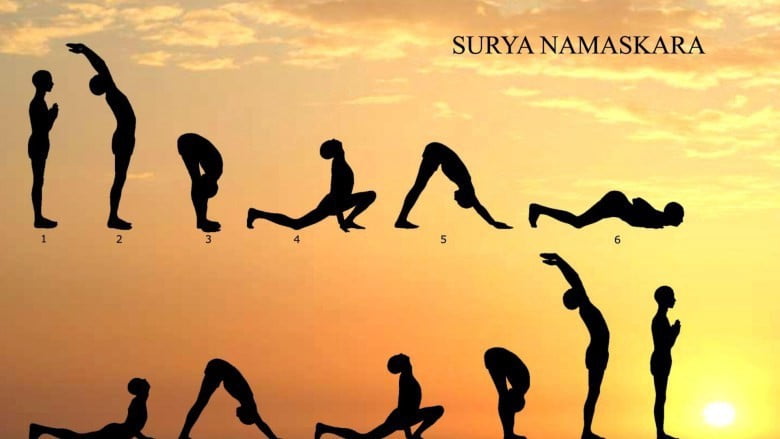
There are different forms of Yoga, some of the forms are more overtly religious than others, so people think that Yoga is religious. Some People thinks it is religious because of the yogic asanas- Surya Namaskars, which is a series of positions to greet the Hindu God Surya or Sun. But if you don’t get have the intention there then you don’t feel it something religious because if I am kneeling down, it doesn’t mean that I am praying. Similarly, the Surya Namaskars Asanas are like this situation. Some Yoga classes feature the chanting of Hindu Sutras like ‘Om’ but what about the others? Other Yoga classes make no reference to spirituality at all. Yoga aids all who practices various exercises (breathe control meditation) and some other exercises. Some People says Yoga has a tradition of Dharma (in the western sense it is called religion.
Yoga is such a broad term, there is no definitive definition of it. Similarly, there is no definitive answer to this question. If you make sense of Yoga as Union then you can do Yoga for Physical fitness and if you define Yoga as Holistic or Religious thing, then you can do Religious Yoga like Surya Namaskars and Chanting of the word ‘OM’. It’s all about the individual’s mentality. What he or she is thinking and feeling for Yoga. o
Ujjain is a sacred city on the Shipra River in Madhya Pradesh, known for Mahakaleshwar and other pilgrimage sites. Plan time for temple queues, local travel and rest rather than trying to visit every shrine quickly. This Ujjain temples guide explains the main places, separates devotional tradition from documented history and points you toward official information for current darshan arrangements.
What is Ujjain known for?
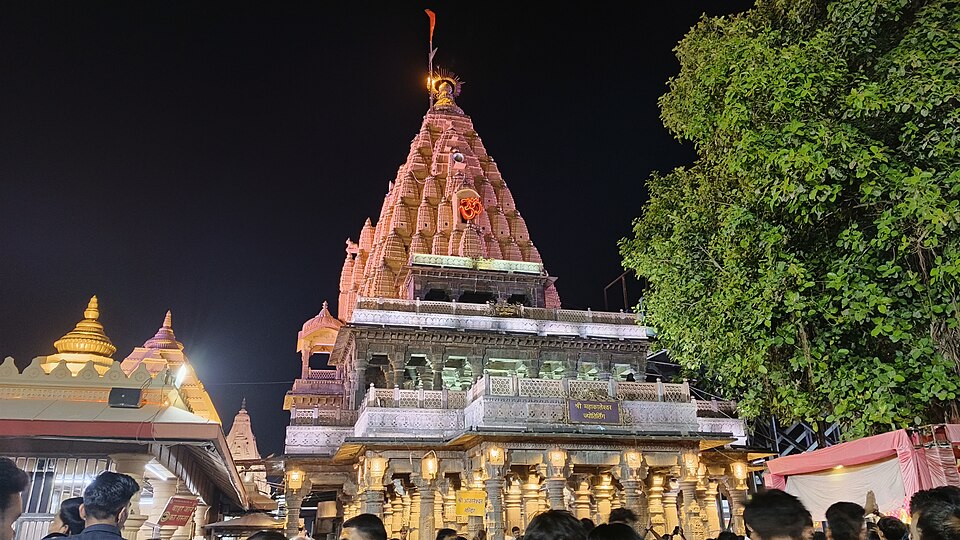
Ujjain is also called Ujjayini and is associated with the historic region of Avanti. Mahakaleshwar is one of the twelve Jyotirlingas in Hindu tradition. The city is a venue for Simhastha, part of the wider Kumbh pilgrimage tradition. Sacred legends are important to devotees, but they should be identified as religious narratives rather than presented as verified historical events. See the district administration’s history page for historical context.
Where should you stay and eat in Ujjain?
Choose accommodation according to the area you intend to visit, transport access and the amount of walking you can manage. Confirm whether the room has the facilities you need and check recent information before booking. Temple festivals can change availability and travel times. The official district tourism directory links to local planning information.
Choose food from places with clean preparation and sensible handling. Tell staff about allergies or dietary needs. Vegetarian options are common around pilgrimage areas, but check an individual restaurant’s menu rather than assuming every place serves the same food. Carry drinking water from a reliable source and plan pauses for meals and rest.
Mahakaleshwar is Ujjain’s best-known Shiva temple and one of the twelve Jyotirlingas in Hindu tradition. Darshan and particular rituals may use different entry arrangements. Check the official Temple Management Committee website before visiting. Sandipani Ashram is a separate place associated in devotional tradition with Krishna’s education; it should not be confused with the Mahakaleshwar temple complex.
Maha Kumbh Mela
Ujjain’s Simhastha is a major Hindu pilgrimage gathering connected with ritual bathing in the Shipra. Kumbh-related gatherings take place in Ujjain, Nashik, Haridwar and Prayagraj, with different calendars and traditions. Check official announcements for the relevant event rather than assuming identical schedules. Crowd conditions, accommodation and road access can differ greatly from an ordinary temple visit.
Ram Mandir Ghat
Ram Ghat is on the Shipra River and is associated with bathing and devotional ceremonies. Check local information for current aarti arrangements and crowd conditions. Attendance is optional; plan around your interests and access needs.
Chintaman Ganesh Temple
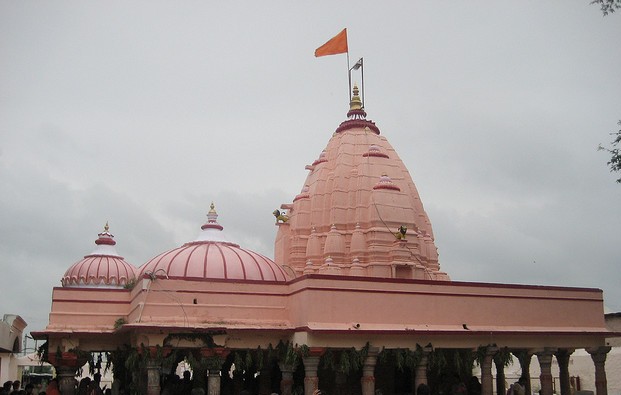
Chintaman Ganesh Temple is an important local pilgrimage site. Devotional tradition regards the image as swayambhu, or self-manifested. That religious belief should be distinguished from a verified dating of the present structure or a promise that worship treats stress.
Bhartrihari Caves are associated with the poet and ascetic Bhartrihari in local tradition. The setting is linked with devotional and Nath-related narratives. This guide does not establish an exact age for every part of the site or verify stories of secret tunnels. Expect uneven surfaces and possible steps, and ask about access if those features affect your visit.
Ram Mandir
Symbols of Lord Rama, Sita and Laksmana are there in this little temple. Need to climb lots of the stairs to reach to the top. One of the numerous great spots to visit in Ujjain
Kal Bhairav Temple
KalBhairav Temple Ujjain is a must visit temple acclaimed for its one of a kind convention of offering alcohol to god.
The temple is devoted to KalBhairav. Situated on the banks of the Shipra River, it is a standout amongst the most dynamic temples in the city, visited by several devotees daily. Alcohol is one of the contributions made to the temple god
ChaubisKhamba Temple
This is one of the most established Temple in Ujjain with 24 pillar or Khambhat devoted to Choti Mata and Badimata, Near the The northern side of the entrance are two little temples dedicated to Mahalaya and Mahamaya goddess.
Harsiddhi Temple
Harsiddhi is an important goddess temple in Ujjain and is honoured within Shakti traditions. Devotees may connect visits here with worship at Mahakaleshwar, but that is a religious choice rather than an obligation for every visitor. Follow the temple’s conduct and photography guidance. Leave time to observe without obstructing worship or crowd movement.
Pir Matsyendranath
Pir Matsyendranath is associated with Matsyendranath, an important figure in Nath tradition. Accounts connect Matsyendranath with Gorakhnath and the wider history of yogic practice, but dates and narratives differ. Do not describe a whole religious tradition as the invention of one person without appropriate historical evidence. Visit respectfully and distinguish local devotional accounts from a documented chronology.
So, what you waiting for, just grab the opportunity and must visit this religious place once in your life.
Planning a spiritual visit to Ujjain
Give Mahakaleshwar and the old-city temple area enough time instead of rushing several sites in one hour.
Check current temple-entry and darshan rules before visiting.
Mahakaleshwar is the city’s best-known pilgrimage temple. Visitors often combine it with nearby sacred sites, but a short trip should allow enough time for queues and rest. Use the district temple information and the Temple Management Committee website for context and current arrangements. Do not assume an old blog’s entry rules or fees still apply.
How many days should I allow?
A focused visit may fit into a day, while two days can allow a less rushed pace. The right plan depends on arrival time, desired rituals, mobility and crowd conditions. Choose a few priorities rather than treating the number of temples as the measure of a successful trip. Keep extra time around booked entry and avoid a tight onward connection after a major visit.
How should I arrange Bhasma Aarti or other rituals?
Check the official Temple Management Committee website for the current process, requirements and available arrangements. Different rituals may have separate booking rules and access conditions. This article does not promise a slot or quote a fixed fee. Be cautious with unofficial intermediaries and retain the details of any verified booking. Ask the responsible institution when instructions are unclear.
Is every legend in this guide a historical fact?
No. Ujjain has important devotional stories alongside a long documented history. A legend can have religious meaning without being presented as an established date or event. Read the source and context carefully, and ask a knowledgeable local guide about different accounts. The distinction helps visitors respect tradition while avoiding misleading claims about archaeology, chronology or scientific proof.
Know the Significance of a Mind Muscle Connection during Yoga!
Well, Feeling the Yogasana is considerably more than just do an incorrect pose. It requires the full mental limit and clearness. However, many neglects to do this when working excursion. Rather than utilizing their “mind”, they end up preparing inaccurately with their body or for this situation ego. Mind muscle connection during yoga plays a vital role in the whole process.
You’ve probably observed many people in the yoga class or studio doing many postures continuously and incorrectly performing awful structure. Or on the other hand, they don’t feel any stretch or muscle involvement during the process. This isn’t my decision, yet rather by ignorance. Do they know that mind is vital things to control while doing yoga or any other exercise in the gym? So here we will know more about the importance of a mind-muscle connection is must for every type of physical exercise either its yoga or weight lifting.
So let’s have a look beneath-
What is a Mind Muscle Connection?
As you most likely are aware, all development at first begins at the brain and afterwards to the muscles. The sign from your mind travels down your spinal line to your muscles to create development. This is known as the Mind-Muscle Connection (MMC). This is the place the mind meets the body to play out any task.
How can it work?
Acetylcholine ((A neurotransmitter in the brain) acts to speak with muscles in the body to cause contraction.
So when Acetylcholine is discharged, it crosses the little space that isolates the nerve from the muscle. After that, it tries to receptors on the outside of muscle filaments. Accordingly, the muscle at that point supernaturally contracts.
In all honesty, the more you “Consider the muscle working” the more muscle strands you will enlist. How so? By considering the development you’re really expanding the terminating on the engine units to all the muscle strands.
Why have more of a Mind Muscle Connection?
The more you think about the muscle engagement, the better your asana/exercise will be. Thus, the better your outcomes will be. But also, something essential to comprehend is the relationship between primary and secondary muscles. The primary mover is the muscle that is planned to do the most work in moving into a pose or lifting a weight. Secondary movers are the muscles that help the primary mover.
For example, the gluteus maximus and the quadriceps are the prime movers for back squats.
During the upward period of the squat, the glutes are in charge of the hip expansion and the quads for the knee augmentation. Mind muscle connection during Yoga is very significant.
The hamstrings help the glutes in hip augmentation. An adductor Magnus on the internal thigh of every leg keeps your legs from flaring outward during the activity. The abs and erector spinae bolster the middle all through the activity. All these different muscles are considered the “secondary movers”. During a mind-muscle connection, your point is to target and work the primary muscle.
Generally, many disregard this mind-muscle connection with specific muscles. They’re prompting lopsided characteristics as well as the underdevelopment of that muscle. This is the point at which the mind-muscle connection during yoga ends up significant.
Toward the day’s end, you should be genuinely dedicated to feeling every posture in the primary muscle that you plan to work.
Lots of individuals flip and lift with an ego. Indeed, somebody may squat 500lbs for reps. but, if they’re not augmenting the work done by the quads and glutes, then they’re squandering a ton of time and vitality. Your muscles and postures don’t develop as a result of the weight going here and there. They develop in light of the fact that they’re compelled to decrease by following up on that weight. If you produce maximal power your primary muscles when doing Yogasana or working out, then, definitely you will maximize your progress.
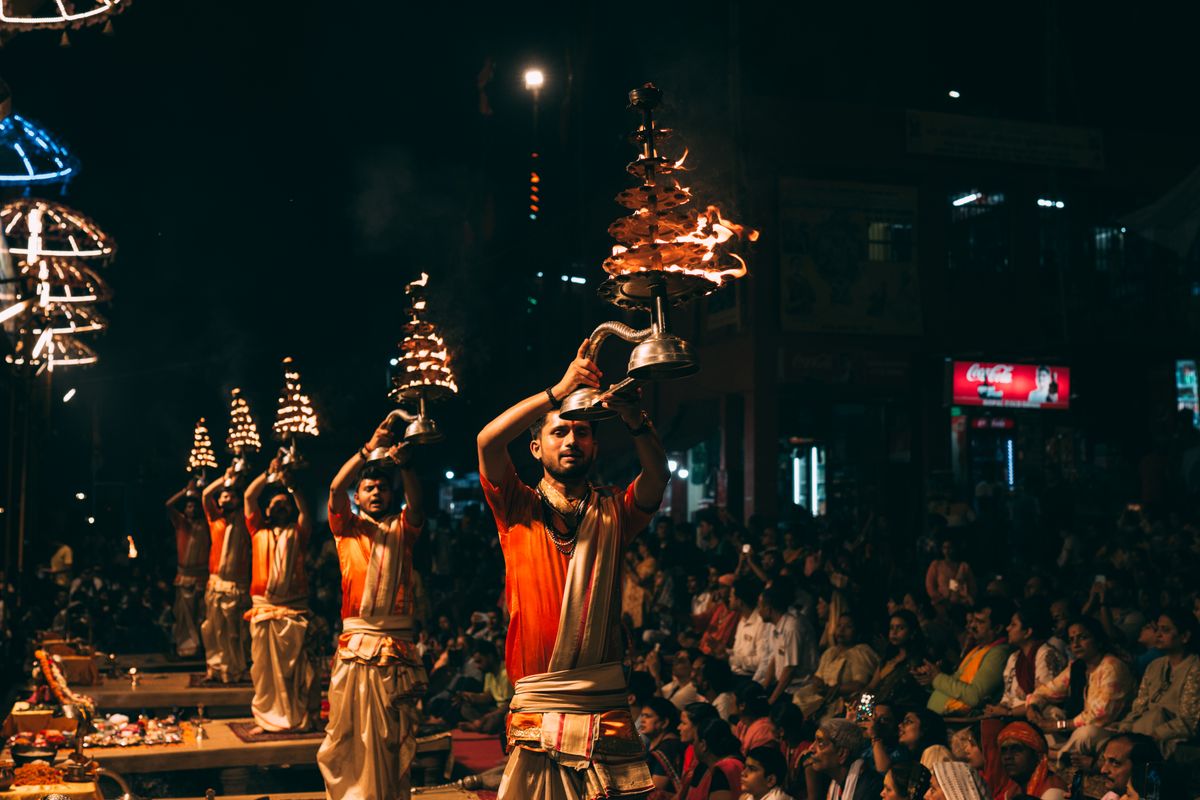
An Aarti is a Hindu ritual which is performed to express an individual’s love and gratitude to God. It is derived from a Sanskrit term ‘Aratrika’ which is referred to light that removes the darkness or “Aa” means “towards or to” and “Rati” means “right”. Importance of aarti in very relevant in one’s culture. It is generally performed by the person at the end of the puja, Katha or any Kirtan session during any Hindu sessions or ceremonies..
Aarti is done with total dedication by any Hindu. Aarti has many versions such as Shiva Aarti, Durga Aarti, Jagdish Aarti, Ganesh Aarti, Krishna Aarti, Kali Aarti, and many other Aarti like this. These Aarti’s are sung by the people upon their choices. It is just not only performed in Hindu temples but also at home, as it gives peace to the people. It connects people with God. Importance of aarti holds its strong ground in hinduism.
Aarti Thali
An Aarti plate (Thali) is generally made up of metal like silver, bronze, and copper which is beautifully decorated with some beautiful flower and flower petals, a Diya of mud or metal which is filled with cotton with flicked with ghee or any oil. Importance of aarti in hinduism can be seen in many ways. Then this cotton Bati lighted or it could be done by camphor too. Then any Aarti of related God is sung by the devotees and moving the Aarti plate in such a way to make a symbol of ‘OM’. It looks very beautiful.
Panch MahaBhuta (5 Physical Elements)
According to the Holy book, Bhagwat Geeta, this material world is basically made up of five physical elements i.e. Air (Vayu), Water (Jal), Earth (Prithvi), Fire (Agni) and Ether (Akash). These are the five basic components of the whole world. And also, there are three mental elements i.e. Intelligence, Mind, and Ego. And when someone do Aarti then the offerings made represents these 5 elements which are:-
All the things are involved during an Aarti as it helps in maintaining the ego down and helps to keep up humility in spite of how high he is placed. The highlighted flames from the Diya (Ghee Lamp) during Aarti helps people to remove darkness and helps people to keep in a brighter world. It delivers positive vibes all around the place. Hindu people say, it pushes away the negativity from the home and gives a beautiful feeling after chanting and this Aarti process.
Ganga Aarti
So, it is said that Aarti states the natural sources of light which include the sun, the moon, stars, and the fire which are created by God. So Aarti is sung by so many people to that God who gave so many beautiful natural gifts for us. It is just like Thanksgiving to God for gifting us such a beautiful and amazing nature. Without those 5 elements, life would not be there. We would not exist; nothing would be possible. So after the Pooja ceremony, it is a big thanks to God who is the creator of all these things surrounded by us.
Why Aarti matters in Hindu practice
Light: the lamp represents offering, attention and reverence.
Sound: singing or chanting brings the group into one shared act of worship.
Movement: the lamp is moved before the deity as part of the ritual offering.
Community: Aarti may be performed at home, in temples and at public river ceremonies.
Frequently asked questions about Aarti
Is Aarti the same in every temple?
No. The words, music, timing and local customs can differ by deity, temple and region.
Why is a lamp used in Aarti?
The flame is an offering and is commonly understood as a symbol of light, awareness and devotion.
Where can visitors see a public Aarti?
River Aarti ceremonies are well known in cities such as Varanasi and Rishikesh. Visitors should watch respectfully and avoid blocking worshippers.