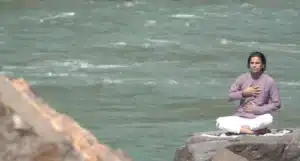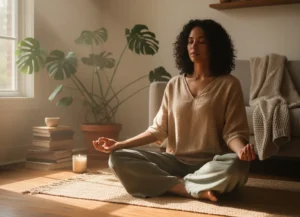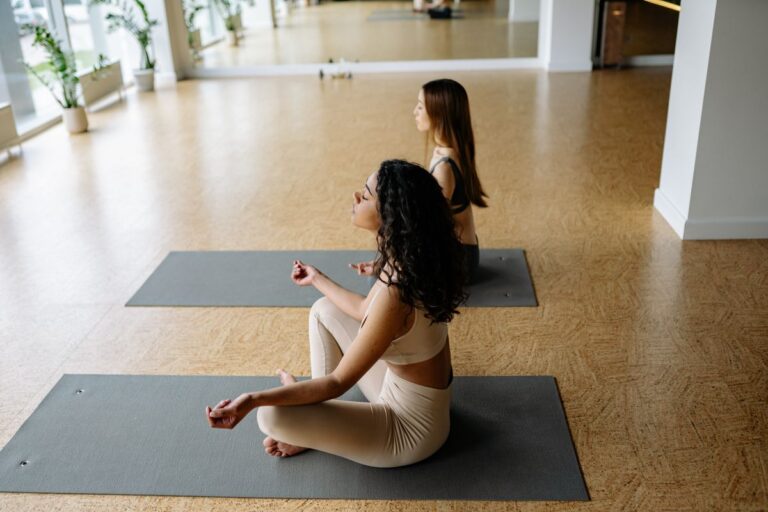
Is meditation just sitting quietly? No. Quiet sitting can help you rest. In meditation, you choose what to notice. You may listen to a sound, repeat a short word, or watch thoughts come and go. Your mind does not need to be blank. You can also meditate while walking.
For beginners, the distinction matters. You can enjoy quiet rest without trying to meditate, and you can meditate while walking or standing. Neither activity is a test of personal worth.
What makes meditation different from quiet sitting?
Quiet sitting means taking a break from activity. Meditation gives your attention a simple task. For example, you may listen to nearby sounds and notice when your mind moves elsewhere. When you notice that change, you gently return. That act of noticing is part of the practice.
Neither choice is better for everyone. Quiet rest may suit someone who is tired or overwhelmed. A short attention practice may suit someone who wants to learn how their mind reacts.

What are three simple ways to meditate?
Can you meditate without sitting still?
Sound: Sit comfortably and listen to the sounds around you for two minutes. Notice them without naming every sound. Phrase: Repeat a short, neutral phrase silently and return to it when distracted. Walking: Walk slowly in a safe place and notice the contact of your feet with the ground.
Choose one method rather than switching between all three. Start with a short period. You can keep your eyes open if that feels more comfortable. Meditation does not require sitting cross-legged.
Do you need to stop thinking to meditate?
No. Thoughts often appear during meditation. Notice thoughts, then choose what to focus on next. If you become distracted twenty times, you can return twenty times. That does not mean you failed.
A timer can help, but it is optional. If you feel restless, try a shorter session or walk instead. Our gentle movement guide for people who cannot sit still offers another starting point.
How does meditation relate to classical yoga?
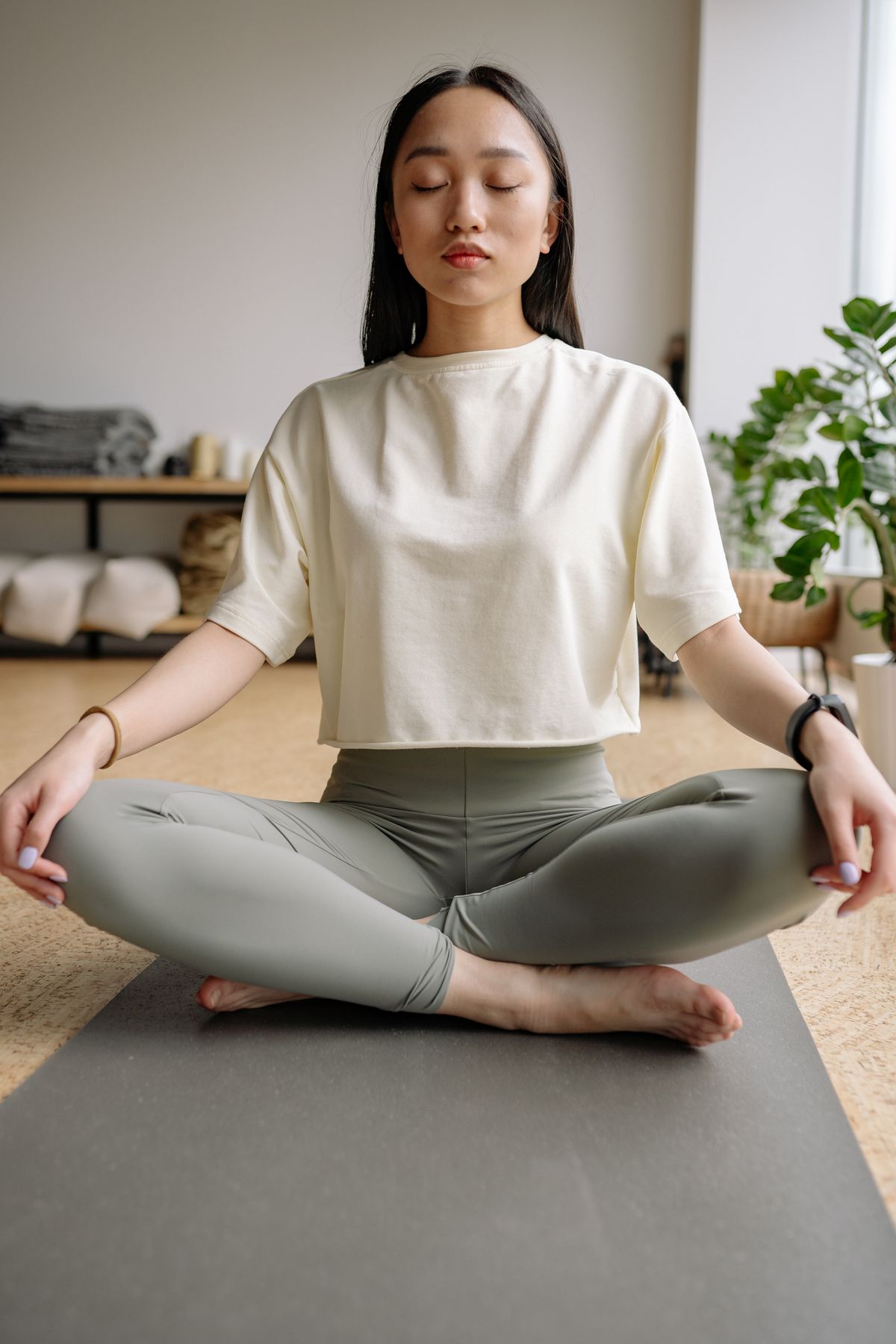
In Patanjali’s Yoga Sutras, dharana refers to concentration and dhyana to sustained meditation. These are traditional philosophical descriptions, not modern clinical diagnoses. They show why meditation is more specific than merely being quiet.
Modern mindfulness programs may use different language and methods. They should not be treated as identical to every classical yoga practice.
What if quiet meditation feels uncomfortable?
Some people feel more anxious when they focus inward. You may open your eyes, shorten the session, focus on external sounds, or stop. Meditation cannot replace care when fear or other symptoms affect your daily life. The US National Center for Complementary and Integrative Health reviews evidence and safety concerns.
If you want a wider introduction, read our beginner meditation guide.
Do you have to sit cross-legged to meditate?
No. A chair, a cushion, a steady standing posture, or a safe walk can work. The key is to choose a position that lets you pay attention without pain. A straight back may feel helpful, but you do not need to hold yourself rigid. Rest your hands where they feel natural. You can keep your eyes open and look toward one spot.
A chair is a good place to begin. Set both feet on the floor and let your shoulders rest. If a wall supports your back, use it. If your knees or hips hurt when you sit on the floor, do not force that shape. A good posture makes practice possible; it does not prove that someone is a more serious meditator.
How can a beginner meditate for five minutes?
Try one short, clear exercise instead of waiting for your mind to feel empty. Choose a calm place if you can. Pick one sound, phrase, or feeling in your feet to notice. Five minutes is a practical example, not a rule. Even one minute can be useful for learning the method.
- Minute 1: Sit or stand with ease. Notice how your feet meet the floor or chair.
- Minute 2: Choose a sound or short phrase. Do not strain to hear or repeat it.
- Minute 3: When thoughts appear, name the shift as ‘thinking’ and return to your chosen focus.
- Minute 4: If your mind moves again, simply begin again. Avoid counting mistakes.
- Minute 5: Look around the room. Notice whether you feel comfortable, then continue your day.
If any step feels tense, shorten the time or stop. You can use the same point of attention tomorrow. Repeating a simple practice gives you a chance to notice your habits without adding pressure. There is no need to buy special equipment, hold your breath, or perform a difficult yoga pose first.
Is meditation the same as relaxation or mindfulness?
No. The words overlap, but they are not exact matches. Meditation is a deliberate practice. Mindfulness is a kind of awareness used in some forms of meditation and in daily tasks. Relaxation describes a possible feeling or outcome. You may feel relaxed without meditating, or you may meditate while feeling restless.
| Experience | What you do | What to expect |
|---|---|---|
| Quiet rest | Sit without a task or goal | You may feel rested |
| Focused meditation | Return attention to one sound, phrase, or object | You practise noticing and returning |
| Daily mindfulness | Pay attention while walking, washing dishes, or eating | You notice the task as it happens |
For example, listening to rain because you enjoy it can be quiet rest. Listening closely, noticing when your thoughts move away, and returning on purpose can become an attention practice. Neither needs to be dramatic. A small change in how you use your attention is more important than the room or the time of day.
How can you bring meditation into a normal day?
You can practise during a daily task. Before work, listen to the sounds around you for one minute. During a walk, notice a few steps without staring at your feet. After a meal, sit quietly and return your attention to one chosen point. Do not do this while driving or during work that needs your full attention for safety.
A simple routine may help, but you do not need a perfect streak. If you miss a day, start again whenever it suits you. If you are unsure what to practise, choose one method from this article and test it briefly. For a fuller starting method, see the beginner guide to meditation at home. Keep the goal modest: learn to notice where attention goes.
How do you know if meditation is helping?
Notice what you can do during the practice rather than waiting for a dramatic feeling afterward. Can you spot when your attention has moved? Can you return without harsh self-talk? Can you choose a posture that feels safe? These are practical signs that you understand the exercise, even if your mind is busy.
Meditation is not a cure for anxiety, depression, insomnia, or pain. Research on benefits varies by method and person. The NCCIH meditation and mindfulness review describes both possible benefits and reported harms. If you feel afraid or have painful memories, stop. Try an eyes-open task. Seek help if distress returns.
Frequently asked questions
Can I meditate without sitting still?
Yes. You can meditate while walking. Notice how your feet touch the ground. Use a safe, familiar path. The aim is not to walk at the slowest possible speed. Notice when your thoughts drift and return to the movement. If walking is not comfortable, a steady chair works as well.
Does meditation mean having no thoughts?
No. Thoughts often appear, even during a useful session. When your mind wanders, notice it. Then return to a sound or short phrase. That return is part of the work. You do not need to judge how many times you drift. A busy mind is not proof that you are doing it wrong.
Is resting quietly a waste of time?
No. Quiet rest can be valuable even if you do not practise formal meditation. You might simply sit, read, or look outside without trying to train attention. The difference is your purpose, not whether the room is silent. If you are tired, you may prefer to rest or sleep rather than start a new exercise. There is no need to turn every pause into a meditation task.
Can I meditate with my eyes open?
Yes. An open, soft gaze is normal in some approaches. Sit where you feel safe and look at a neutral spot without staring. You may also listen to a nearby sound instead of following your breathing. If closing your eyes makes you tense, it is fine to keep them open. Your posture and method should help you practise attention without needless distress.
Should I force myself to meditate when anxious?
No. Meditation is optional. Stop if you feel panicky, dizzy, or upset. You may try an eyes-open activity, a brief walk, or a comfortable rest instead. Our gentle movement-first guide offers another starting point. If anxiety disrupts your daily life or worsens with practice, ask a qualified health professional for advice. Do not replace needed care with meditation.