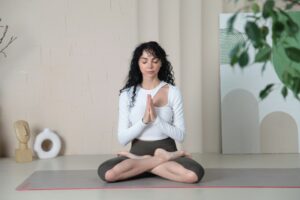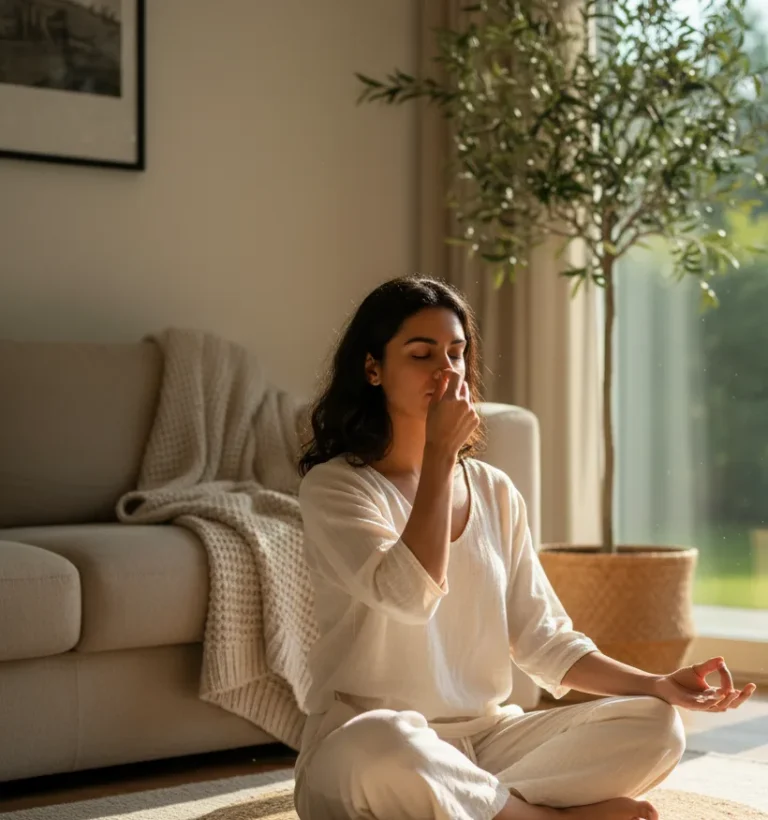
Shortness of breath from anxiety can feel frightening, but breathlessness is not proof that anxiety is the cause. If it happens, sit somewhere safe, loosen tight clothing, and let your breathing stay natural rather than forcing deep breaths. New, severe, or worsening breathing problems need medical assessment, not a yoga breathing exercise.
Why does anxiety make it hard to breathe?
An anxious moment may bring quicker breathing, tense chest muscles, a racing heartbeat, and fear about body sensations. Some people breathe faster than their body needs, a pattern sometimes called overbreathing or hyperventilation. It may come with lightheadedness or tingling. Focusing closely on those feelings can increase worry, which makes the experience more unpleasant.
Can shortness of breath have causes other than anxiety?
Shortness of breath can occur with anxiety, but it is not proof that anxiety is the cause. Asthma, infections, heart or lung conditions, medication effects, and other problems can also cause it. Do not use an internet article to decide the cause of a new symptom. If symptoms are unfamiliar, persistent, or different from previous episodes, arrange medical advice. Severe symptoms need urgent help.
What should I do when breathing feels difficult?
Move away from traffic, exercise, or another unsafe situation. Sit in a supported position if that makes breathing easier. Let your shoulders relax and loosen anything tight around your chest. Try not to repeatedly take very large breaths just to check your lungs. Allow the air to come and go without forcing a certain count or holding it.
- Find a safe, comfortable seat or position.
- Let the jaw and shoulders soften without trying to push them down.
- Allow the breath to settle naturally; do not chase a perfectly deep inhale.
- Look at a familiar object or listen to a neutral sound if counting feels stressful.
- Stop any exercise that causes dizziness, more breathlessness, or distress.
These steps offer comfort while you decide what help you need. They cannot establish the cause of breathlessness. If symptoms persist, recur unexpectedly, or interfere with ordinary activity, speak with a healthcare professional. If you have a prescribed inhaler or another treatment plan, follow your clinician’s instructions rather than substituting a yoga technique.
Is belly breathing the same as deep breathing?

No. Diaphragmatic, or belly, breathing refers to the way the diaphragm supports normal breathing. It does not require pushing your stomach out or filling your lungs as much as possible. A gentle breath may create small movement around the lower ribs and belly. That movement is enough to notice. Breathing should stay comfortable rather than dramatic.
The FitFortunes diaphragmatic breathing guide explains the movement in detail. If you already feel air hungry, this may not be the right time to practise a new technique. Start on another day when breathing feels normal and your clinician has not advised against it. Normal, unforced breathing is an acceptable choice.
Should I hold my breath when I feel anxious?
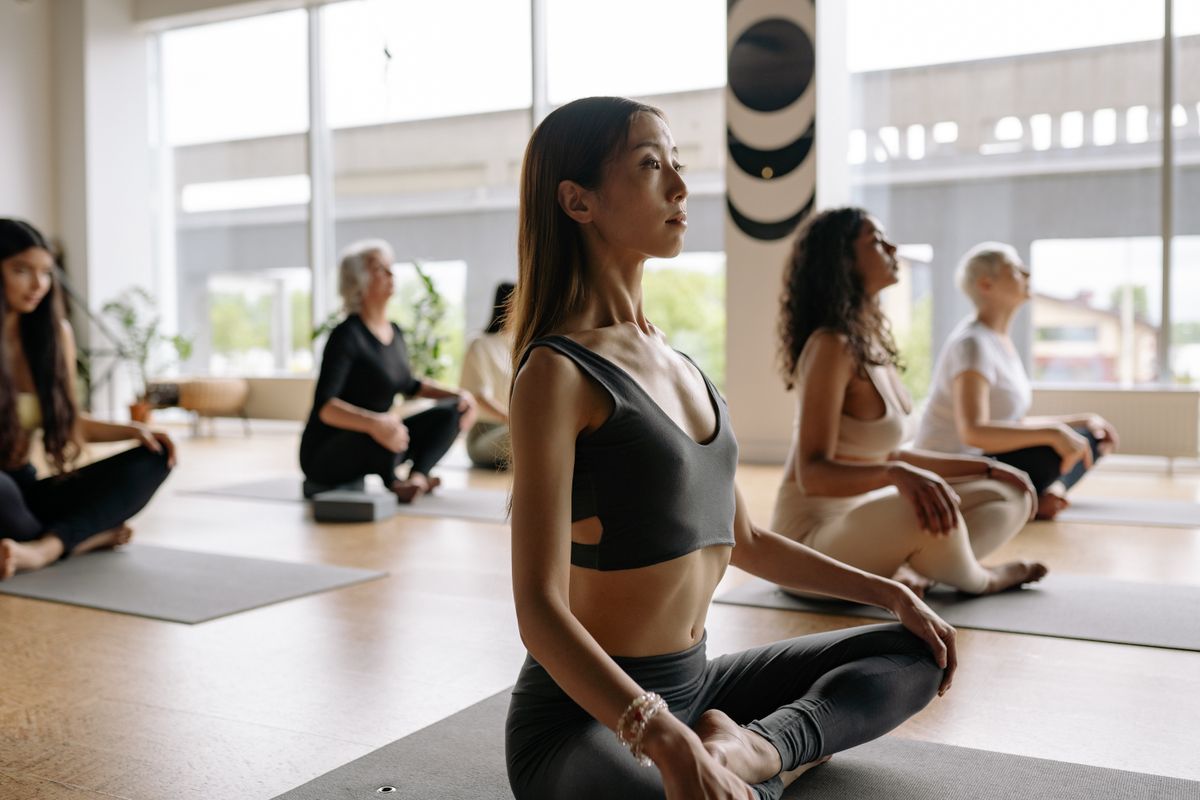
Traditional yoga includes many pranayama methods, from easy breath awareness to demanding patterns involving retention or rapid breathing. They are not interchangeable. Someone already worried about breathlessness should not begin with long holds, forceful nostril breathing, or repeated fast breaths. Such practices can cause dizziness and additional discomfort. Technique should never override basic safety.
| Practice | Safer approach |
|---|---|
| Natural, gentle breathing | Keep it comfortable. Do not force a larger inhale. |
| Long breath holds or fast pranayama | Do not attempt these while breathing feels difficult. |
| Focusing on breath makes worry worse | Use eyes-open grounding instead, if there is no urgent symptom. |
There is no need to use advanced ratios like four counts in and eight counts out. Even a gentle count can make some people worry about whether they are doing it correctly. When practising for general well-being, choose a pattern that feels easy. For several low-intensity options, see gentle breathing exercises for anxiety and stress. You can also skip counted breathing entirely.
How can I calm down without focusing on my breath?
How can I settle without counting my breaths?
If observing the breath increases anxiety, look outward. Name the colours of a few objects, feel your feet resting on the floor, or notice sounds from a safe place. These simple grounding choices shift attention away from constant checking of internal sensations. They should not be used to ignore serious symptoms. Seek help if breathing remains difficult.
Some people prefer a little slow movement when physically comfortable. The movement-first yoga guide gives chair and standing options. But never start movement when you are severely breathless, faint, or having chest pain. In those situations, appropriate medical care is the priority.
Why do I wake at night gasping for air?
Waking suddenly with a feeling of choking or gasping deserves attention. It should not automatically be described as a panic attack. A sleep-related breathing disorder, including obstructive sleep apnea, is one possibility. Loud snoring, pauses in breathing seen by another person, and marked daytime sleepiness are useful symptoms to mention to a clinician.
People who wake worried but without breathing trouble can read the separate guide to waking at 3 a.m.. The stress-and-sleep pillar explains wider habits. Neither article replaces evaluation for repeated gasping or difficulty breathing. Sleep and anxiety are linked, but their symptoms are not always caused by the same condition.
When is shortness of breath an emergency?
Get urgent medical attention for severe breathing difficulty, new or severe chest pain, fainting, blue lips, or an abrupt worsening of symptoms. Do not wait for yoga or slow breathing to work. If a symptom is mild but new, lasting, or repeatedly returning, arrange medical assessment. A healthcare professional can distinguish anxiety-related breathing changes from other causes.
For ongoing anxiety, evidence-based psychological care can help address fear and worry. Yoga may support general well-being, but the NCCIH evidence review does not support yoga as routine primary treatment for diagnosed anxiety disorders. For shortness of breath, the most useful breathing advice is the one that keeps you safe and avoids promising a cure.
Frequently asked questions
Why do deep breaths sometimes make me dizzy?
Very large or rapid breaths can make some people feel lightheaded. A forced deep-breathing exercise may also become uncomfortable during anxiety. Stop if you feel worse. Return to natural breathing and sit somewhere safe. Dizziness has several possible causes, so persistent, new, or severe symptoms need medical assessment rather than another breathing exercise. Medical conditions and some medicines can also cause dizziness, so the other symptoms matter.
Should I breathe into a paper bag during panic?
No. Do not use a paper bag to treat unexplained breathlessness. The symptom may come from a medical problem rather than panic, and restricting access to fresh air can be dangerous. If you are uncertain about the cause, seek appropriate medical advice. For a known anxiety condition, follow the management plan given by your qualified clinician. Sudden or severe breathing trouble needs urgent attention even if panic seems possible.
Is alternate nostril breathing safe during breathlessness?
Do not try to control the nostrils or hold the breath when breathing already feels difficult. Even gentle techniques should be postponed if they make you uncomfortable or dizzy. People with nasal obstruction, respiratory conditions, or other health concerns should seek individualized advice. Ordinary breathing is enough; you do not need pranayama to prove progress. You do not need to force a blocked nostril or finish the exercise after discomfort begins.
Can yoga cure anxiety-related shortness of breath?
No. Yoga may help some people with ordinary stress symptoms, but it does not diagnose or cure the underlying cause of breathlessness. If anxiety has been assessed, gentle practice may be one supportive activity. New, worsening, or unexplained breathing symptoms should be evaluated by a healthcare professional. Severe symptoms warrant urgent attention. A clinician can check other possible causes before symptoms are described as anxiety-related.
Sources and scope
For evidence and safety, see NHS guidance on anxiety and panic, NHS guidance on shortness of breath, NCCIH yoga safety, and NCCIH on anxiety and yoga evidence. Advice here is educational and cannot replace a clinical assessment.