Why do I feel anxious when meditating? Quiet practice can make worries, a fast pulse, or other body feelings more clear. Some people feel uneasy with silence, closed eyes, or breath focus. You do not need to push through fear. Stop, look around, and choose a safer form of rest. Meditation does not work the same way for everyone.
Why do I feel anxious when I meditate?
Feeling anxious when meditating can happen when you turn your attention inward. You may notice a fast heartbeat, tense muscles, or worries that were less clear while you were busy. Some people also find silence or closed eyes hard to manage. None of this means you are bad at meditation. It does mean that the method may need to change.
Meditation is not a single practice. Some methods focus on the breath. Others use a sound, a word, a visual point, or movement. A method that feels easy to one person may be hard for another. The aim is not to force yourself to stay with a feeling that seems unsafe.
Research does describe unwanted effects during or after meditation, including anxiety. The US National Center for Complementary and Integrative Health (NCCIH) reviews that evidence. Studies use different methods and ask different questions. We cannot tell from a few feelings whether meditation caused a health problem. Still, distress deserves care.
Why can quiet sitting make worries feel louder?
When you sit in silence, you have fewer outside tasks to hold your focus. Thoughts may then seem louder. A tense jaw, quick breath, or uneasy feeling may also draw your attention. If you fear those signs, you may start watching your body too closely. This can become an unpleasant loop.
For example, someone may sit down to feel calm. They notice their pulse. Then they worry that their heart is beating too fast. The fear makes sitting harder. This is an example, not a way to diagnose panic or another condition. Many physical symptoms can have more than one cause.
The NHS mindfulness guidance notes that stillness can bring many thoughts to mind. It also says mindfulness is not right for everyone. Some people feel worse. If that happens to you, changing or stopping the method is a reasonable choice.
What should I do if meditation makes me anxious?
Stop the exercise if you feel overwhelmed. Open your eyes, notice where you are, and choose a more familiar activity. You do not have to sit through distress to make progress. If the room feels unsafe, move to a safer place. Speak to someone you trust if that would help.
- Stop and look around. Notice three ordinary objects in the room.
- Feel steady support. Keep your feet on the floor or sit in a firm chair.
- Let the breath stay natural. Do not force deep breaths or hold the breath.
- Choose an easy action. Take a slow walk, get water, or return to a normal task.
- Review later. Note which part felt hard, but do not keep testing yourself in the moment.
These are simple comfort choices, not treatment for panic or a medical condition. New chest pain, severe breathing trouble, fainting, or sudden major changes in health need urgent medical care. Do not assume such signs come from anxiety alone.
Should I focus on my breathing if it makes anxiety worse?
No. Breath focus is only one way to meditate. If watching each inhale makes you uneasy, try sounds or a neutral object instead. Keep your eyes open if you wish. Natural breathing is enough. You do not need long counts, fast breathing, or breath holds.
For a calm trial, sit near a window and listen for an ordinary sound. Notice when your mind drifts. Then return to listening. You do not need to make the sound last longer or judge your breathing. If even this feels hard, stop and rest. The practice must suit your present state.

If you want details about breathing that feels uncomfortable, use the FitFortunes guide to shortness of breath and anxiety. It explains why you should not force breathwork or ignore serious symptoms.
Which gentler practices can replace seated meditation?
Gentle movement, a short walk, or an eyes-open focus may be easier than silent sitting. There is no rule that every session must end with closed eyes. Some people like a few minutes of chair yoga first. Others do better by looking at one object or hearing sounds around them.
| What feels difficult? | A possible alternative |
|---|---|
| Closed eyes feel unsafe | Look softly at one object with eyes open |
| Breath focus increases worry | Listen to a sound or notice the floor |
| Stillness makes you restless | Walk or try easy seated movements |
| Long sessions feel too much | Try 30 to 60 seconds, or skip the day |
Our movement-first yoga guide has a short routine with chair options. It is meant for people who feel too restless to sit. Here, the main question is different: what to do when a meditation method itself seems to increase anxiety.
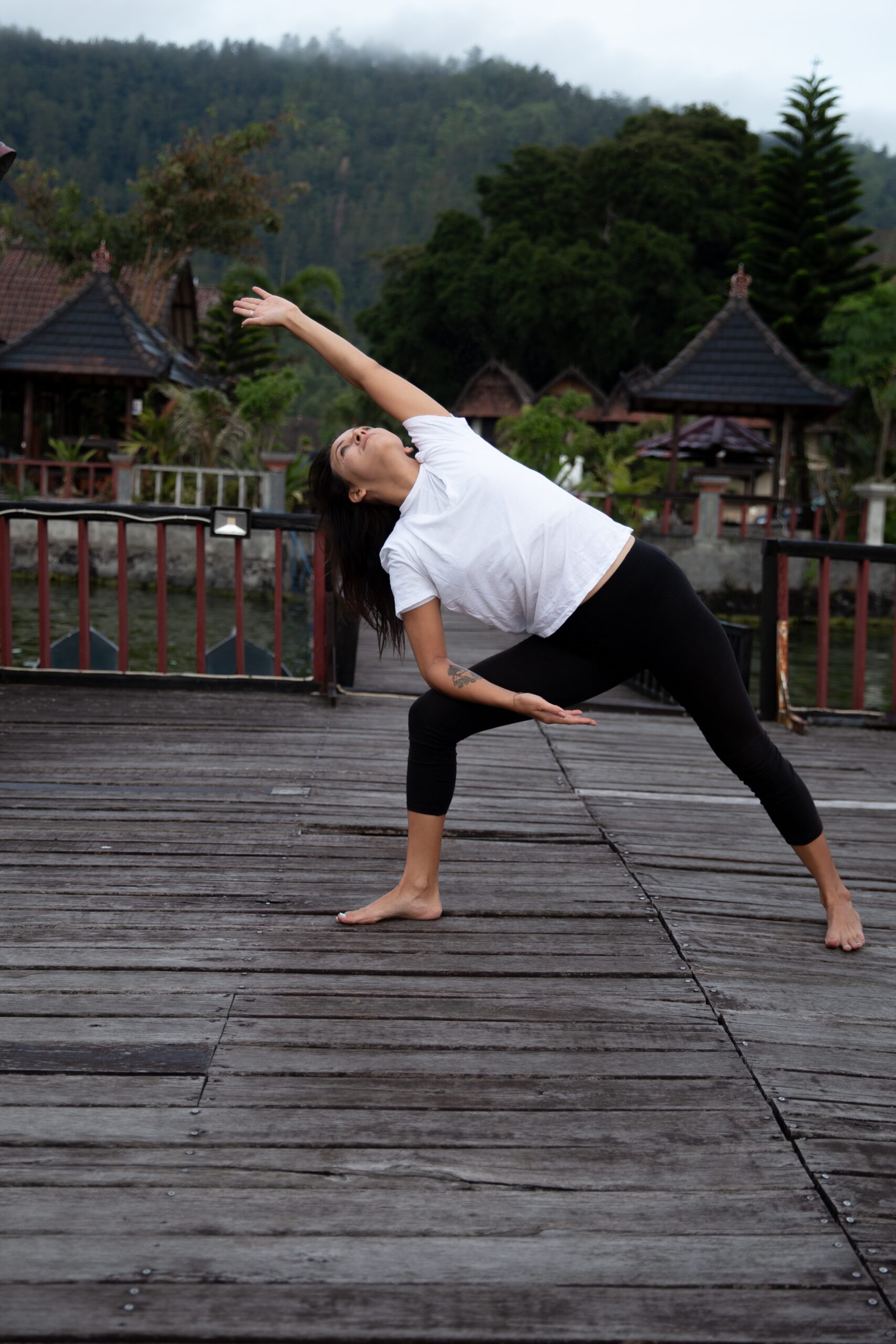
Walking can also be a mindful task. Notice a few steps, then let your focus widen to the place around you. Use a safe path and stay aware of people and traffic. Do not use deep inward focus while doing work that needs your full attention.
When should I stop meditating and seek help?
Stop or change the method when fear, panic, upsetting memories, or feeling detached from the world keeps returning. Ask a qualified health professional for support if these feelings affect sleep, work, or daily life. A skilled mental health clinician can help you decide whether meditation suits you now.
A 2026 review of meditation-related harms describes a wide range of unwanted experiences. It also points out that brief discomfort and lasting harm are not the same thing. The studies vary a lot, so a single number cannot tell you your own risk. Do not treat distress as proof of spiritual growth.
If you have a history of trauma, severe anxiety, or another mental health condition, ask a suitable clinician before trying long or intense practices. A meditation teacher should be willing to change the exercise and respect your limits. No one needs to promise a cure or ask you to ignore warning signs.
Can I try meditation again after a difficult session?
You can, but you do not have to. Start only if you feel safe and want to try. Make the next session short. Choose an eyes-open point of focus and keep an easy way to stop. Do not return to the same exercise just to prove you can manage it.
What might a gentle one-minute session look like?
Sit on a stable chair. Notice the colour of one object. Feel your feet touch the floor. Let thoughts come and go. When your mind drifts, return to that object once. Then finish. You can stop sooner if you feel uneasy. There is no need to close your eyes or track your breath.
How do I know whether to continue?
Ask a simple question: did the method feel safe and manageable? If not, choose a different activity. Some people like yoga movement. Others prefer a walk, music, or quiet rest without a meditation task. You can read what meditation actually involves before deciding which practice suits you.
Frequently asked questions
Is it normal to feel anxious during meditation?
It can happen. Some people notice worry, body sensations, or upsetting thoughts when they sit quietly. This does not always mean the practice is harmful. But it is a reason to check how you feel. Stop or change the method if distress rises. Seek help if symptoms keep returning or make daily life harder.
Can meditation trigger a panic attack?
Some people report panic or strong anxiety during meditation. You cannot tell the cause of a new physical symptom from this alone. Stop the session and find a safe place. Seek urgent care for severe breathing trouble, new major chest pain, or fainting. For repeat episodes of panic, talk with a qualified clinician.
Should I meditate longer until I feel calm?
No. Longer is not always better. If silence or inward focus makes you feel worse, shortening the practice or stopping is sensible. A short session with an easy focus may suit some people. Others need a different way to rest. Calm is not a result that you must force.
Can I meditate without paying attention to my breath?
Yes. You can listen to sounds, look at an object, repeat a short phrase, or walk with care. The aim is to notice where your attention goes. A breathing method is only one option. If your breath feels hard or you become dizzy, do not force a rhythm or hold your breath.
Is gentle yoga a better choice when I feel anxious?
It may be a more comfortable choice for some people, especially if stillness feels hard. Try easy movement that does not cause pain or dizziness. Yoga does not replace medical or mental health care. If worry, panic, or other symptoms affect daily life, ask a professional to help you choose suitable support.
Research and further reading
Evidence sources: NCCIH: Meditation and Mindfulness — Effectiveness and Safety; NHS: Mindfulness; Matko and Van Dam, 2026 review of adverse effects. The advice to change posture, stop or use an easy focus is general teaching guidance, not a medical treatment plan.
Health note: This guide is educational. It cannot diagnose anxiety, panic, or any other condition. Ask a qualified clinician about persistent distress, and seek urgent care for severe new symptoms.