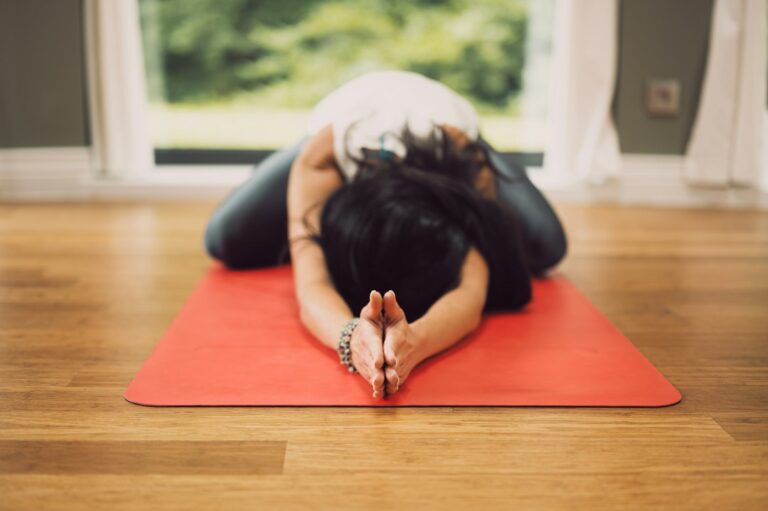
How to get more deep sleep naturally? Protect enough sleep time, keep a steady wake time, move during the day and make your room comfortable. Avoid late caffeine if it affects you. These habits support normal sleep, but no remedy can guarantee more minutes in deep sleep. This guide explains what deep sleep means and what actually helps.
What is deep sleep, and why does it matter?
Deep sleep is stage three of non-REM sleep, also called slow-wave sleep. It is one part of a normal night. Your body also needs lighter sleep and REM sleep. Deep sleep is often more common early in the night. You cannot know your sleep stage just by how soundly you think you slept.
The NIH sleep stages guide explains how a sleep lab measures brain waves to identify stages. Each stage is part of a healthy night. It is not a contest to spend all your sleep time in one stage. Focus on enough rest and how you feel during the day.
How to get more deep sleep naturally with everyday habits?
Steady sleep time, daylight, regular movement and a calm room can support sleep quality. Try to avoid caffeine near your planned sleep time. Alcohol may disturb sleep even if it makes you drowsy. None of these habits can promise a fixed amount of stage-three sleep.
- Wake at a similar time each day.
- Allow enough time for rest.
- Spend some time in daylight during the day.
- Move regularly in a way that suits your health.
- Keep the bedroom dark, quiet and comfortable.
- Avoid using alcohol as a sleeping aid.
Start with one or two changes that fit daily life. Do not buy expensive products before testing simple habits. The CDC sleep guidance explains the basics. Healthy habits support the full sleep cycle, not only deep sleep.
Is deep sleep mostly early in the night?
Deep sleep usually occurs more in the first part of the night. That does not mean everyone must go to bed at one exact hour. Work hours, age and health can affect your routine. A stable schedule that allows enough sleep is more useful than chasing a magic bedtime.
For example, someone who works evenings may have a later sleep period. They still need enough good rest. Shift workers may need a more careful plan around light, noise and work duties. Ask for medical advice if your schedule keeps you tired each day.
Does morning daylight help?
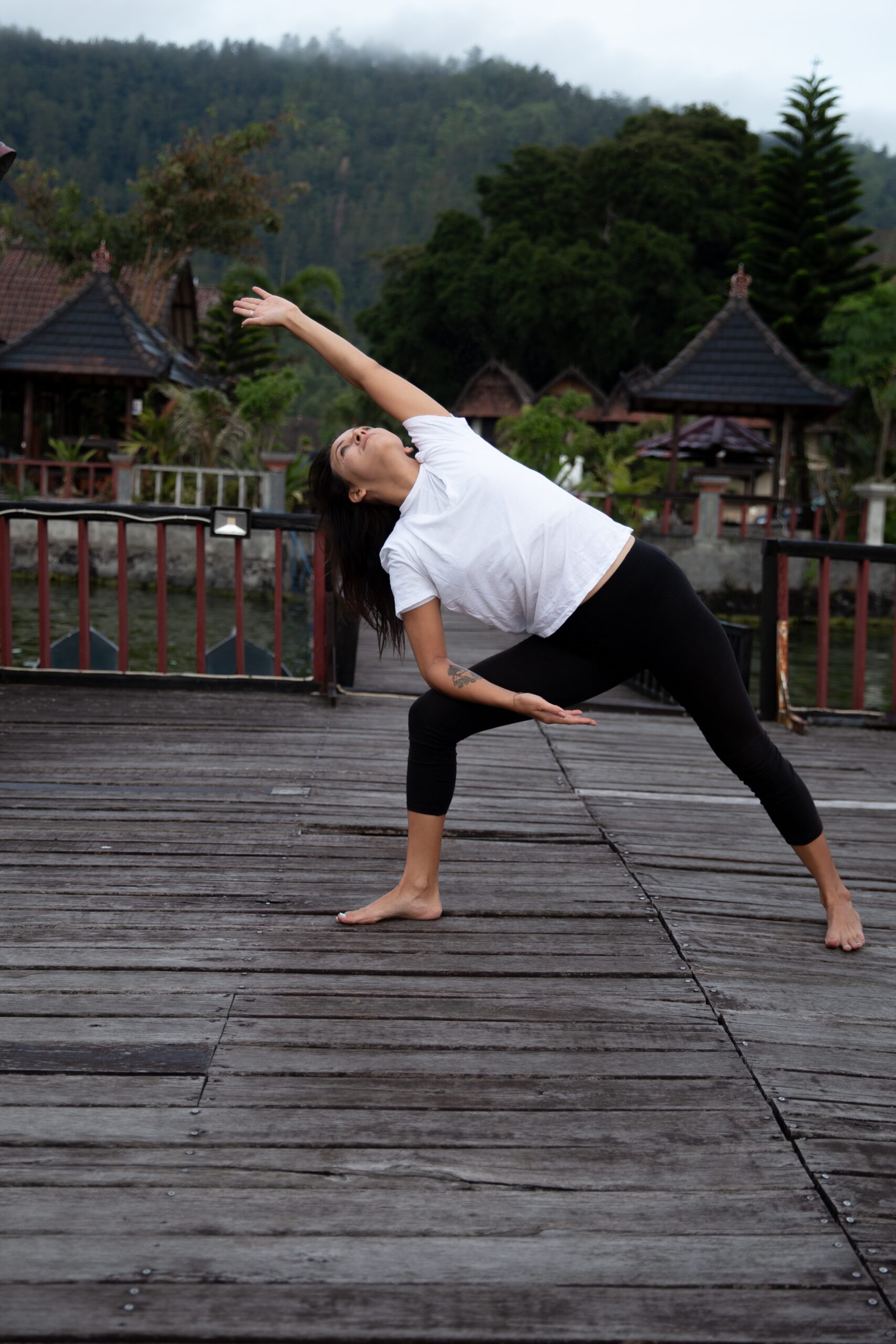
Daylight is a cue for your body clock. Try a short walk outside in safe daylight. A gentle yoga routine may also fit. You do not need a long class or hard exercise. The goal is a steady daily rhythm, not a guaranteed rise in deep sleep minutes.
Can a watch measure your deep sleep correctly?
A watch may help you notice broad sleep trends. But it cannot read brain waves as a sleep lab does. Its deep sleep number may be wrong. A low number on one night does not prove that you have a health problem. Avoid buying remedies to fix one score.
Ask how you feel during the day. Are you alert at work? Do you wake often? Do you need naps to function? A simple sleep diary can help show those patterns. A clinician can decide if a sleep study would be useful.
| Clue | What it tells you |
|---|---|
| Sleep tracker | Rough trends, not a diagnosis of sleep stages |
| Morning energy | How rested you feel, not the stage you were in |
| Sleep diary | Bedtime, wake time and daytime patterns |
| Clinical sleep study | Detailed signals when a clinician recommends testing |
Three everyday examples of choosing the right habit
Late coffee: A person drinks coffee after dinner and lies awake. They can move that drink earlier and watch whether bedtime feels easier. Early work: Another person rises at six but stays on the phone past midnight. They can set a calmer evening and leave more time for sleep. Night noise: A third person wakes whenever a light turns on. They can try a curtain or agree on a quieter shared room.
Each example has a different cause and a practical next step. None proves that deep sleep rose by a fixed amount. Choose the habit that matches the problem. If the change does not help and tiredness harms your day, ask a health professional what else may be going on.
Can Yoga Nidra or gentle yoga give you more deep sleep?
Yoga and Yoga Nidra may help some people feel calmer before bed. But they cannot promise a set number of deep sleep minutes. Yoga Nidra is a guided rest method. It is not stage-three non-REM sleep. Keep those two meanings apart.
Our Yoga Nidra beginner guide explains the practice. You can also try the gentle bedtime yoga routine. Neither is a medical treatment for sleep apnea or long-term insomnia.

What can you do tonight if your tracker says you had little deep sleep?
Do not buy a supplement based on that number. Look first at how you feel today. If you are alert, a single low stage score may not tell you much. If you wake tired most days, note when you sleep and what wakes you. Ask a clinician if you often snore, gasp or struggle to stay awake.
- Put the sleep score away for tonight.
- Keep your usual wake time tomorrow.
- Make the room quiet and comfortable.
- Write one short note about your energy after waking.
- If tiredness keeps returning, ask for medical advice.
Which natural deep-sleep remedies should you avoid trusting blindly?
Be careful with products that claim to force deep sleep, work for everyone or replace a doctor. Herbs and supplements may cause side effects. Some interact with medicine. Natural does not always mean safe. Check with a clinician or pharmacist before you add a supplement.
Alcohol may make you feel sleepy at first, yet it can break up sleep later. It is not a good tool for getting more deep sleep. A simple routine is a safer starting point than a list of untested remedies. If sleep remains poor, seek the cause rather than another product.
How can you choose a safe change today?
- If you wake at a different time each day: Pick a steadier hour for tomorrow.
- If a late drink keeps you alert: Try an earlier caffeine cutoff.
- If the room is noisy: Reduce the noise before buying new sleep products.
- If you worry about your sleep score: Put the tracker away for a night.
- If you are very tired each day: Ask a clinician to check possible causes.
Try one change at a time. Note how alert you feel the next day. A calm week gives you more useful clues than one tracker number. Do not force extra sleep stages with herbs, alcohol or intense exercise.
Why do you feel tired after a full night of sleep?
Feeling tired after enough time in bed can have many causes. Pain, stress, medicine effects and health problems may all matter. If you snore loudly, wake gasping or feel very sleepy during the day, seek medical advice. These signs may point to a sleep disorder.
If you wonder whether you have insomnia, read our guide to insomnia signs. For a wider routine, see seven practical sleep skills. No single fitness watch number can explain every cause of fatigue.
How should you pick a habit that fits your life?
Start with the part of your day you can control. If you work late, focus on daylight after waking. If you share a room, work on noise and light together. If you drink coffee in the evening, test an earlier last cup. Keep the change for a few days before adding another one.
What can you try over the next seven nights?
Choose a steady morning wake time for one week. Get safe daylight and easy movement during the day. Set up a calm sleep room. Move the last cup of coffee earlier if it affects you. At the end of each day, write one note about daytime energy. Do not chase exact sleep-stage numbers.
A short checklist before sleep
- Check that the room is dark and comfortable.
- Set aside busy work and fast videos.
- Choose a quiet activity that feels pleasant.
- Allow enough time for sleep without checking the clock.
- Seek help if sleep loss or strong sleepiness keeps returning.
This plan supports sleep in general, not a proven rise in slow-wave sleep. Your body needs a range of stages. Keep changes that fit your day. Do not push a routine that makes you more worried about sleep.
Frequently asked questions
Is deep sleep the same as REM sleep?
No. Deep sleep is stage three of non-REM sleep. REM is a different sleep phase. Both belong to normal rest. The body cycles through stages during the night. You cannot tell them apart just by how tired you feel or how many dreams you recall.
How many hours of deep sleep should you have?
There is no single amount that fits every adult. Deep sleep varies with age and other factors. Look first at enough total rest and daytime alertness. A wearable can give rough trends, but its nightly stage estimate is not a diagnosis. Ask a clinician if tiredness persists.
Can Yoga Nidra count as deep sleep?
No. Yoga Nidra is a guided rest practice. Deep sleep is a stage measured by brain signals during sleep. You may find Yoga Nidra relaxing, but that does not mean you gained an extra hour of stage-three sleep. Use it as an optional calming practice.
Does alcohol help you sleep deeply?
No reliable sleep plan depends on alcohol. It may make you feel drowsy at first but disturb sleep later. Do not use it as a remedy for deep sleep. If alcohol affects your routine or health, speak with a suitable professional for support.
Do natural supplements improve deep sleep?
No supplement should be assumed to work for everyone. Some have side effects or interact with medicine. Seek advice before using one. Start with safe daily habits. If you remain tired after enough sleep, ask about health causes rather than relying on products.
Sources and safety
Sources: NIH sleep stages; CDC healthy sleep advice; NCCIH yoga evidence and safety. This guide is educational and does not diagnose or treat a sleep disorder.