Blog

  • What is Beginner’s Guide to Meditation at Home

    Beginners Guide to Meditate at Home

    Beginners Guide to Meditate at Home

    Meditation is one of the simplest yet most powerful practices you can start today. For beginners, meditating at home offers a comfortable way to explore mindfulness without any pressure or cost. The beauty of meditation lies in its accessibility — you only need a few minutes, a quiet space, and the willingness to begin.

    This guide will help you learn how to meditate at home step-by-step, understand the different techniques, and build a daily habit that fits your lifestyle. Whether you are a student, professional, or someone seeking calm after a busy day, meditation can help you find inner balance and clarity.

    beginner meditating at home in peaceful morning light
    A beginner meditating at home in gentle morning light a simple corner for daily practice.

    What is Meditation?

    Meditation is the art of training the mind to focus and stay present. It involves paying attention to your breath, thoughts, and sensations without judgment. Over time, it reduces stress, improves emotional health, and increases concentration.

    Many beginners think meditation means stopping all thoughts. In truth, it’s about observing them calmly and letting them pass without attachment. As the Indian sage Patanjali described, “Yoga is the stilling of the mind’s fluctuations.”

    Tip: Start with simple breathing awareness before exploring advanced techniques like mantra, Kriya, or transcendental meditation.

    Benefits of Meditating at Home

    Practicing meditation at home offers freedom and consistency. You can choose your own time, set a calming space, and build a personal rhythm.

    Key benefits include:

    • Reduced stress and anxiety
    • Improved sleep quality
    • Better focus and emotional stability
    • Enhanced self-awareness
    • Increased energy and mindfulness throughout the day

    Studies from global wellness institutions and yoga schools in India show that regular meditation also supports cardiovascular health and reduces symptoms of depression.

    As mindfulness teacher Thich Nhat Hanh said, “Peace is every step. It begins with each breath.”

    Tip: Keep a small journal near your mat or cushion to track how you feel after each session.

    How to Prepare for Meditation at Home

    Creating the right environment helps you stay focused and motivated. You don’t need a separate room just a calm, comfortable space.

    1. Choose a quiet corner: Avoid distractions like phones or loud music. Natural light and ventilation help.
    2. Sit comfortably: Use a cushion, chair, or yoga mat. Keep your spine straight but relaxed.
    3. Set a routine: Morning and evening are ideal. Consistency matters more than duration.
    4. Begin with short sessions: Start with 5–10 minutes daily and slowly increase to 20–30 minutes.
    5. Use gentle guidance: Apps or YouTube channels can help at first, but soon try to sit in silence.

    For those living in bustling cities, creating a “mini sanctuary” at home is essential. Even a small altar with a candle or plant can shift the mood.

    Tip: Turn off digital notifications before sitting. The mind calms faster without interruptions.

    person practicing mantra meditation at home with calm breathing
    Person practicing mantra meditation at home with steady breathing and relaxed focus.

    Step-by-Step Meditation for Beginners

    Meditation doesn’t have to be complicated. Follow these steps daily:

    • Sit comfortably: Cross-legged on the floor or on a chair with both feet grounded.
    • Close your eyes: Gently, not tightly.
    • Focus on your breath: Notice the inhale and exhale without changing it.
    • Acknowledge distractions: When thoughts appear, label them “thinking” and return to your breath.
    • Feel your body: Observe sensations, heartbeat, and stillness.
    • End slowly: After 10–15 minutes, open your eyes and sit quietly for a moment before moving.

    Over time, your mind will wander less. This is natural. Meditation is not about perfection but persistence.

    Tip: Use a timer with a soft bell so you don’t check the clock.

    Common Types of Meditation You Can Try at Home

    1. Breath Awareness Meditation

    Focus only on your breath. This technique improves concentration and mental clarity. Ideal for beginners who want simplicity.

    2. Guided Meditation

    A teacher or audio recording leads you through visualization or relaxation. Great for those who struggle to sit silently.

    3. Mindfulness Meditation

    Observe your thoughts, emotions, and sensations without reaction. Helps reduce overthinking and anxiety.

    4. Mantra Meditation

    Repeat a sacred sound or word like “Om” or “So Hum.” Builds focus and inner peace.

    5. Kriya Meditation

    An ancient yogic method combining breath control and awareness. Traditionally taught in Rishikesh and other yoga centers in India.

    Each style serves a unique purpose. Try different forms for a week each, and notice which resonates most with your lifestyle and mind.

    Tip: Don’t rush to find the “best technique.” The best meditation is the one you do consistently.

    yoga student practicing pranayama before meditation at home
    A yoga student preparing for meditation through gentle pranayama breathing at home.

    Helpful reads – build your home meditation practice

    Overcoming Common Challenges

    Even dedicated beginners face obstacles like restlessness, boredom, or doubt. Here’s how to manage them:

    • Distraction: Count breaths from one to ten, then restart.
    • Sleepiness: Sit instead of lying down. Morning meditation prevents drowsiness.
    • Impatience: Remember progress is subtle but steady.
    • Negative emotions: Acknowledge feelings without judgment; they’ll pass naturally.

    It’s normal to have busy thoughts. What matters is returning gently to awareness every time.

    Experienced teachers in Rishikesh often remind students that consistency creates transformation more than intensity.

    Tip: Set a fixed spot and schedule same place, same time daily. The brain forms habits faster.

    How to Build a Daily Meditation Habit

    A habit becomes natural when attached to existing routines. Try linking meditation to something you already do daily.

    Examples:

    • After brushing your teeth in the morning
    • Before your morning tea or coffee
    • Before bed for relaxation
    • During sunset for evening calm

    Use gentle reminders like placing your cushion near your bed. Avoid judging skipped days; simply start again.

    Tip: Join online meditation communities for accountability and shared motivation.

    Combining Meditation with Yoga or Breathwork

    Yoga and meditation naturally complement each other. A few minutes of gentle asanas or pranayama can help calm your body and prepare for stillness.

    Try this short sequence before sitting:

    • Cat-Cow stretch for 1 minute
    • Forward fold for 30 seconds
    • Alternate nostril breathing for 3 minutes

    This simple flow opens the lungs and spine, allowing smoother meditation.

    In India, especially in Rishikesh — the birthplace of yoga teachers emphasize combining both for holistic wellness.

    Tip: Avoid heavy meals before meditating; a light stomach improves alertness.

    Conclusion

    Meditating at home is a timeless practice that anyone can begin, regardless of experience or background. You don’t need special skills just patience, presence, and practice. Start small, stay consistent, and notice subtle shifts in clarity, energy, and peace.

    With dedication, your home can become a sanctuary of mindfulness. Remember, meditation is not about escaping life it’s about becoming fully present within it.

    Final Tip: Sit daily, even for five minutes. The stillness you build today becomes the strength you carry tomorrow.

    FAQs – Beginners Guide to Meditate at Home

    1. How can beginners start meditation at home?
      Sit quietly, focus on your breath, and observe thoughts without reacting. Start with 5–10 minutes daily.
    2. What is the best time to meditate at home?
      Early morning or evening before bed are ideal times for beginners.
    3. Do I need a teacher to meditate?
      Not necessarily. Guided videos or apps can help, though traditional teachers in Rishikesh offer deeper guidance.
    4. Can I meditate lying down?
      Yes, but sitting helps prevent sleepiness and keeps awareness active.
    5. How long before I notice results?
      Most people feel calmer within a week of regular practice.
    6. Can I use music during meditation?
      Soft instrumental or nature sounds are fine, but silence helps deeper focus.
    7. What if my mind keeps wandering?
      It’s normal. Each time, gently return to your breath or chosen point of focus.
    8. Can foreigners learn meditation in India or Rishikesh?
      Yes. Many yoga schools and retreats in Rishikesh welcome international students for meditation and wellness programs.
    9. Is meditation part of yoga?
      Yes. Meditation is the seventh limb of yoga, focusing on stillness and awareness beyond physical postures.
    10. How can I make meditation a lifelong habit?
      Link it to daily routines and maintain a simple, consistent schedule.
  • Celibacy: What is Brahmacharya and How to follow Brahmacharya?

    Celibacy or Brahmacharya

    Brahmancharya: Is it Just Not Having Physical Fun!

    Have you ever heard the word “Brahmacharya” and wondered what it means? Well, forget everything you might think it means because today we’re going to explain it in a simple way!

    Some people think Brahmacharya is all about not having Physical fun, but that’s not quite true. The real meaning is much deeper.
    “Brahmacharya” It’s a Sanskrit term that means “the conduct of a Brahmachari,” and a Brahmachari is someone who practices self-control. But Brahmacharya is much more than just not having romantic relationships. It’s a way of life that can benefit everyone, from students to married couples.

    What is Brahmacharya?

    The Sanskrit Meaning of Brahmacharya:

    Brahmacharya originates from two Sanskrit words: “Brahman,” signifying the ultimate reality or universal energy, and “charya,” meaning conduct or way of life. Therefore, Brahmacharya translates to living in a way that connects you to this fundamental energy.

    In simpler words, Brahmacharya is about using your energy wisely. It’s about channeling your physical and mental energy towards achieving your goals, whether it’s excelling in studies, building a strong work ethic, or simply living a more mindful life.

    It’s not about denying yourself all pleasures, but rather about using your energy wisely. Imagine a phone with an incredibly powerful battery. Brahmacharya is like using that power for positive purposes, not wasting it on trivial matters.

    Here’s a clearer understanding of what Brahmacharya entails:

    Managing your emotions: Not allowing anger, jealousy, or the fear of missing out to control your actions.

    Cultivating positive thoughts: Maintaining a positive and clear mind.

    Diligence and honesty: Applying positive energy to all your endeavors.

    Self-discipline: Knowing when to decline things that might not be beneficial for you.

    Spiritual growth: Connecting with a deeper energy source that fosters happiness and connection.

    The Four Stages of Life according to Ashram Upnishad

    These 4 stages of life are called the ashrams or stages of life. Brahmacharya represents the first stage of life. Means the learner of life. Basically it mentions the students life. Away from all desires of world. only desire to achive the knowledge. The knowledge of self, knowledge of Braham. Here are the 4 stages mentioned:

    Brahmacharya (Student Life)

    Grihastha (Householder Life)

    Vanaprastha (Forest Dwelling)

    Sannyasa (Renunciation)

    Bharamcharya is Beyond Lust and Physicality

    In direct connection between Brahmacharya and Brahman, the supreme universal energy. Now, let’s go deeper into understanding Brahman and how it relates to your life.

    Brahman is often thought of as everything that exists beyond the confines of our daily experiences. It’s limitless, infinite, and transcends form, shape, or physical presence. While our minds often grapple with limited concepts, Brahman is boundless. It’s without color, shape, or a physical body. Yet, it exists. It’s also referred to as the true Self, the Atman. Brahman is beyond definition or explanation, for we can only analyze and understand things within world we can see and experience

    Now, the question arises: how can we live in harmony with something that cannot be seen or perceived? After all, Brahmacharya implies living in Brahman. To understand this, we must understand that an individual who lives their life aligned with the true Self, the Atman, can be considered a Brahmachari, one who lives in Brahman.

    Living in harmony with the Atman is no easy feat. Imagine the effort required to shed our egoistic tendencies, greed, and selfishness. However, for those who succeed in this endeavor and live an Atma-centered, truth-aligned life, happiness and sorrow become distant concepts.

    Who is a Brahmachari?

    Brahmacharya is not merely about suppressing physical desires or abstaining from bodily pleasures. Its true essence lies in the direct connection with Brahman. A Brahmachari is someone who has transcended their ego to the point where they no longer harbor personal desires. They eat, sleep, and act solely in accordance with Brahman’s will. For a true Brahmachari, worldly possessions and desires hold little value. They live in Brahman, unaffected by external factors such as insults, wealth, status, etc.

    Similarly, lust becomes an insignificant matter for a Brahmachari. They neither gaze upon women or men with the intention of fulfilling their desires nor do they avoid them altogether. Instead, they can interact with any individual, male or female, maintaining a healthy and pure relationship. Freedom from desires forms a small part of Brahmacharya.

    Myths and Misconceptions about Brahmacharya

    Due to our association of Brahmacharya with the suppression of physical desires, several misconceptions have arisen:

    Brahmachari individuals should not marry:

    We often perceive Brahmacharya as practiced by those who are not sexually attracted or interested in romantic relationships. However, a Brahmachari is someone who has transcended their ego, not their capacity for love and companionship.

    Brahmachari individuals should not be attracted to the opposite sex:

    We assume that Brahmachari individuals should be devoid of any attraction towards the opposite sex. However, a Brahmachari’s goal is not to suppress natural feelings but to live in harmony with them without being controlled by them.

    Brahmachari individuals should observe strict dietary restrictions and perform rituals:

    While certain practices like fasting and devotional singing can aid in self-discipline, they are not the sole defining factors of Brahmacharya. The true essence of Brahmacharya lies in aligning one’s life with the true Self, Brahman.

    Brahmacharya is about preserving semen:

    When an individual’s sole focus becomes semen retention, their ability to engage in noble actions diminishes. Brahmacharya is not about suppressing bodily functions but about using them in a way that aligns with one’s spiritual growth.

    What are the Benefits of Brahmacharya

    Key aspects of Brahmacharya include:

    Paramatma Chintan: Contemplating on the divine, fostering a constant connection with the supreme energy.

    Atmarama: Finding contentment within oneself, independent of external circumstances or desires.

    Sattvik Jeevan:

    Embracing a pure and virtuous lifestyle, characterized by noble thoughts, actions, and speech.

    Viryarakshan: Preserving one’s vital energy (virya) not out of fear or suppression, but out of a conscious choice to utilize it for higher purposes.

    Bhakti: Engaging in devotional practices, cultivating love and devotion towards the divine.

    Vidya Grahan: Pursuing knowledge and wisdom, expanding one’s understanding of the world and oneself.

    When we follow up the Brahmachari path we have

      • Improved focus and concentration: When you’re not constantly distracted by your urges, you can focus better on your studies, work, or any other activity you set your mind to.

    (Remember urges are not just physical desires.)

    • Increased energy and vitality: Brahmacharya helps conserve your vital energy, which can lead to increased stamina and a more positive outlook on life.
    • Stronger willpower and self-discipline: Sticking to Brahmacharya requires discipline, and this discipline can spill over into other areas of your life.
    • Improved mental clarity: By controlling your senses and desires, you can achieve a calmer and more peaceful mind.

    Why is Brahmacharya Needed in Today’s World?

    In today’s fast-paced world, we’re constantly bombarded with messages that can be stimulating and distracting. Brahmacharya offers a way to step back from that and focus on what truly matters to us. It’s not about denying yourself pleasure, but about enjoying it in a balanced and responsible way.

    How to Start Your Brahmacharya Journey

    Inner Intention: What is The Foundation of Brahmacharya

    Brahmacharya is not merely about following external rules or restrictions; it’s a profound inner transformation that stems from a deep yearning for spiritual growth and connection with the divine. It’s a conscious choice to align one’s thoughts, actions, and desires with the ultimate truth, transcending the limitations of the ego and worldly temptations.

    Seeking Divine Strength

    Recognizing one’s own limitations and seeking divine strength is crucial in adhering to Brahmacharya. With humility and devotion, one should approach the divine, seeking the power and grace to navigate the challenges and temptations that may arise on this path.

    Understanding the Mind’s Nature

    The mind is a powerful tool, capable of both immense creativity and destructive impulses. Instead of constantly trying to control the mind, a wiser approach is to understand its nature and identify the triggers that lead it towards undesirable thoughts and behaviors.

    Breaking the Links

    Once the triggers are identified, it’s essential to take swift and decisive action to break the links that connect them to negative patterns. This could involve avoiding certain environments, distancing oneself from unhealthy influences, or engaging in activities that cultivate positive thoughts and emotions.

    Here are 8 simple rules to get you started with Brahmacharya:

    1. Mind your diet: Eat simple, wholesome foods and avoid stimulants like caffeine and excess sugar.
    2. Get enough sleep: Being well-rested helps you resist temptations and maintain self-control.
    3. Exercise regularly: Physical activity helps channel your energy and keeps your mind clear.
    4. Practice moderation: Don’t overindulge in anything, from food to entertainment.
    5. Cultivate positive relationships: Surround yourself with people who support your goals and uplift you.
    6. Engage in activities that inspire you: Find hobbies or creative pursuits that bring you joy and fulfillment.
    7. Practice mindfulness: Meditation and breathing exercises can help you become more aware of your thoughts and emotions.
    8. Seek guidance: If you’re serious about Brahmacharya, consider talking to a spiritual teacher or mentor who can offer support and advice.

    Things to Remember during Brahmacharya or Celibacy

    Remember, Brahmacharya is not a race or a competition; it’s a lifelong journey of self-discovery, self-mastery, and conscious living.

    • Brahmacharya is a gradual process. Don’t be discouraged if you slip up sometimes. Just pick yourself up and keep going.
    • It’s not about punishment, but about self-improvement.
    • Brahmacharya can be practiced by anyone, regardless of their age, marital status, or religious beliefs.

    Who are the Great Brahmachari in 20th Century

    Throughout history, many inspiring individuals have embraced the principles of Brahmacharya. Some examples include:

    • Swami Vivekananda, a renowned Hindu monk, is known for his teachings on self-discipline and spiritual realization.
    • Mahatma Gandhi, the leader of India’s independence movement, practiced Brahmacharya as a way to conserve his energy for the cause of freedom.

    These are just a few examples. There are countless others who have found strength and purpose through the practice of Brahmacharya.

    Further Exploration about Brahamcharya

    If you’d like to learn more about Brahmacharya, here are a few resources to get you started:

    • Book: “The Benefits of Brahmacharya: A Collection of Writings About the Spiritual, Mental, and Physical Benefits of Continence”

    Remember, Brahmacharya is a journey, not a destination. It’s about continuously striving for self-improvement and living a life filled with purpose and inner peace.

    Frequently Asked Questions about Brahamcharya

    What should i eat During Brahamcharya?

    Non Spicy, Simple Vegetarian Food.

    When to wake up in Brahamcharya?

    Sleep is necessary, Try to wake up before Sunrise if you are not into your night shifts. However 6-7 hours sleep is enough. Body adopt habbits in 3 weeks.

    How long should i follow Brahamcharya?

    Give it 45 days first. Then Extend to 90 days for better Benefits.

    Who is Greatest Brahmachari of all time?

    In India (Bharat) Lord Hanuman is the greatest brahamchari of all time. Most of Brahamcharya Followers get inspiration from him. He is the God of power, strength, agility.

  • How many Breaths Per Day should we take?

    The Importance of Breathing: Understanding Normal and Abnormal Breathing

    How many times we Breathe in a day?

    Have you ever thought about how air travels inside you all day ? Just like you walk with many steps, you take many breaths throughout the day. Can you guess how many times you breathe per day? Well, on average with normal functioning of lungs, the number of breaths we take in a day, is around 20,000 every day! That’s a lot of air going in and out of our bodies.

    Breathing is an important way to stay alive, More than the food. It’s like a superpower! When you take a breathe in, you take in fresh air that has oxygen. Oxygen is like a special kind of energy drink for your body. It gives you the power to run, jump, play, and think clearly! It’s like putting fuel in a car to make it go! As you exhale, you expel a waste product called carbon dioxide that your body doesn’t need.

    Our respiratory system:

    The lungs are the only organs in the human body that can float on water. This is because they are filled with air sacs called alveoli, which are like tiny balloons. When filled with air, the lungs are less dense than water and therefore will float. Medical examiners may use this test to help determine if a baby was born alive.

    We lose a lot of water just by breathing. Every time we exhale, we release water vapor along with carbon dioxide. In fact, we can lose up to a pint of water per day through respiration.

    The surface area of the lungs is massive. The total surface area of the lungs is about the size of a tennis court, which allows for efficient gas exchange between the blood and the air.

    Not all of the air is expelled from your lungs when you exhale. Even after a forceful exhalation, there is still about a liter of air remaining in the lungs. This residual volume helps to keep the airways open and prevents them from collapsing.

    Your nose does more than just smell. The nose filters the air we breathe, removing dust, pollen, and other irritants. It also helps to humidify the air, which is important for protecting the delicate tissues in the lungs.

    The diaphragm is the main muscle involved in breathing. The diaphragm is a dome-shaped muscle that separates the chest cavity from the abdominal cavity. When the diaphragm contracts, it pulls air into the lungs. When it relaxes, air is expelled from the lungs.

    Some people can hold their breath for a very long time. The world record for holding your breath is over 22 minutes! Be aware: this is a very dangerous activity. Don’t attempt it without proper training and supervision from a qualified professiona

    ——-Reference from How your Lungs Work——-

    So next time you take a breath, remember the amazing journey of air inside you! It fills your lungs with energy and keeps your body working like a champ. It shows how even the simplest things can be super important for us!

    So how many breaths we take in a day? Well, on average, we take about 20,000 breaths every day! that varies person to person. That’s a whole lot of air going in and out of our bodies.

    Why is Breathing Important?

    Have you ever thought about how important breathing is? It’s something we do unconsciously throughout the day, but just like taking care of your toys or keeping your room clean, paying attention to your breath can have a big impact on your overall well-being. Also it will improve the capacity of breaths per day. Slower or faster. Here’s why every breath counts:

  • Feeling Calm: When we’re feeling stressed or overwhelmed, our breathing becomes shallow and rapid. This can make us feel even more tense and anxious. But by taking slow, deep breaths, we send a signal to our bodies to relax. It’s like hitting a pause button on our stress response. Imagine yourself blowing out a birthday candle – that slow, deep exhale can help us feel calmer and more peaceful, just like extinguishing the flame.
  • Better Sleep: Do you ever toss and turn at night, struggling to fall asleep? Taking a few deep breaths before bed can be your secret weapon for a better night’s rest. Deep breathing slows down your heart rate and activates the parasympathetic nervous system, which is responsible for our body’s “rest and digest” response. Think of it like a lullaby for your body, gently coaxing you into a deeper, more restful sleep.
  • More Energy: Have you ever noticed feeling sluggish or lacking energy? It could be a sign that you’re not getting enough oxygen into your body. When we breathe deeply, we draw in more oxygen, which is like the fuel that keeps our bodies running. This increased oxygen supply gives us the energy we need to play outside, learn new things, and conquer all the challenges the day throws our way.!

  • These are just a few of the many benefits of taking care of your breath. By incorporating simple breathing exercises into your daily routine, you can unlock a world of positive effects on your physical and mental health. So next time you feel stressed, anxious, or lacking energy, remember the power of a deep, calming breath. It might just be the missing piece you need to feel your best.

    There are two main categories of breathing: normal breathing and abnormal breathing.

    Based on these breathing we can reduce or increase how many breathe in a day we taking

    Normal breathing is characterized by two main things: rate and effort.

    Rate:

  • This refers to the number of breaths you take per minute.
  • Normal breathing rate for adults at rest is between 12 and 20 breaths per minute. This can vary slightly depending on the source.
  • Newborns and children will naturally have a faster breathing rate.
  • Effort:
  • This refers to how hard you have to work to breathe.
  • Normal breathing should be quiet and effortless. You shouldn’t feel any tightness in your chest or struggle to get air in.

  • Signs of abnormal breathing:

    Breathing rate that falls outside the normal range for your age:

    Slower than 12 breaths per minute (adults)

    Faster than 20 breaths per minute (adults)

  • Visible effort to breathe:
  • Nostrils flaring with each breath
  • Using muscles in your chest and neck to breathe (instead of your diaphragm)
  • Retractions in your chest wall (skin sucking in between your ribs)
  • Wheezing or other abnormal breath sounds
  • Types of Normal Breathing

    Normal breathing types include:

  • Eupnea: This is the medical term for normal breathing at rest. It is characterized by a rate of 12-20 breaths per minute, with each breath taking in about 500 ml of air.
  • Diaphragmatic breathing: This is a type of deep breathing that uses the diaphragm, a muscle that separates the chest from the abdomen, to draw air into the lungs. Diaphragmatic breathing is considered to be the most efficient way to breathe, and it can help to improve lung function, reduce stress, and promote relaxation.
  • Types of Abnormal Breathing

    Abnormal breathing types include:

  • Bradypnea: This is a respiratory rate that is slower than normal (less than 12 breaths per minute).
  • Tachypnea: This is a respiratory rate that is faster than normal (more than 20 breaths per minute).
  • Hyperpnea: This is a type of rapid, deep breathing that is often caused by exercise or anxiety.
  • Apnea: This is a temporary cessation of breathing.
  • Hyperventilation: This is a rapid increase in breathing rate and depth that can lead to dizziness, lightheadedness, and tingling in the extremities.

  • When it comes to managing stress and promoting relaxation, the way we breathe plays a crucial role. Deep breathing techniques are widely recognized for their calming effects. These techniques involve slow, deliberate inhales that fill both the belly and chest, promoting a sense of peacefulness. Conversely, shallow breathing patterns are often observed during stressful situations. These short, rapid breaths that only reach the upper chest are less efficient at delivering oxygen throughout the body, despite the initial feeling of getting more air quickly. By understanding the differences between deep and shallow breathing, we can actively choose techniques to support our well-being.

    ——The Source of Information——-

    Breath in Yoga

    Have you ever watched someone practicing yoga and noticed their deep, rhythmic breaths? Those breaths aren’t just incidental; they’re a cornerstone of the practice called Pranayama (pronounced pra-na-YA-ma). In Sanskrit, “prana” means life force, and “ayama” means extension or control. So, Pranayama literally translates to “life-force extension” – a practice that harnesses the power of breath to influence our physical and mental well-being.While breathing seems like an automatic function, it’s something we can consciously control. Pranayama techniques involve specific breathing patterns and exercises designed to regulate the flow of prana, bringing about a sense of calmness, focus, and inner peace.

    Our Pranayama Techniques:

    Pranayama isn’t just about inhaling and exhaling. It involves various techniques that target different aspects of the breath cycle:

  • Swasa (Swasana): Inhalation, bringing in fresh prana.
  • Rechaka: Exhalation, expelling used prana.
  • Kumbhaka: Retention, holding the breath to allow prana to circulate and integrate its effects.

  • Combine these three basic actions (slow, deep breaths filling your belly and chest) to create various Pranayama techniques, each with a unique focus.


  • Dirga Pranayama (Three-part breath): Emphasizes full, deep breaths using the diaphragm, ribcage, and upper chest.
  • Ujjayi Pranayama (Victorious breath): Creates a gentle hissing sound in the back of the throat during inhalation and exhalation, promoting focus and concentration.
  • Kapalbhati (Skull-shining breath): Short, forceful exhales followed by passive inhales, energizing and purifying.
  • Bhramari Pranayama (Humming bird breath): Creates a humming sound on exhalation, promoting relaxation and calming the mind.
  • Nadi Shodhana Pranayama (Alternate nostril breathing): Balances the flow of energy through the left and right nostrils, promoting mental clarity and emotional balance.

  • Breathing Like a Yogi!

    Have you ever seen someone doing yoga? Yogis are really good at taking deep breaths. They use a special kind of Breathing called Pranayama (pronounced pra-na-YA-ma). It’s a good way to practice breathing and it can help you feel calm and happy.


    Benefits of yogic breathing:

  • Reduced stress and anxiety
  • Improved focus and concentration
  • Increased lung capacity and respiratory health
  • Enhanced relaxation and better sleep
  • Promotes detoxification of the body

  • Getting started with yogic breathing:

  • Learning Pranayama techniques with a qualified yoga teacher is highly recommended. This ensures you master the proper breathing mechanics and maximize the benefits of this practice.
  • There are many resources available online, but in-person guidance can ensure you perform the techniques correctly and safely.
  • Start with simple techniques like Dirga Pranayama and gradually progress to more advanced practices.
  • Focus on coordinating your breath with your yoga postures (asanas) for a more integrated practice.

  • Remember, yogic breathing is a journey, not a destination. Be patient, consistent with your practice, and experience the many benefits it has to offer. So next time you remember, take a big, deep breath and feel the amazing power of your breathing! If you want to learn Pranayama you can Join our 10 Days Course.

  • Best Yoga Teacher Training Course in India

    Best Yoga Teacher Training Course in India

    Explore the 7 Chakras of the Human Body
    Finding Your Fit: Understanding the Best Yoga Teacher Training in India

    Finding Your Fit: The Best Yoga Teacher Training in India

    Understanding Individual Needs

    Yoga is a deeply personal journey, and the practice varies significantly from person to person. Each student brings a unique set of experiences, goals, and challenges to the mat. It is unrealistic to expect a single YTT program to meet the diverse needs of every individual.

    Experienced Teachers: The Backbone of Adaptability

    The role of experienced teachers cannot be overstated. Seasoned instructors form the backbone of adaptability within a YTT program. Their ability to understand and cater to the specific needs of each student sets apart a transformative training experience from a generic one.

    Tailoring the Experience

    A holistic YTT program acknowledges the diverse backgrounds, physical abilities, and spiritual aspirations of its students. Experienced teachers play a pivotal role in tailoring the curriculum to address these individual needs.

    Encouraging Self-Exploration

    The emphasis should be on encouraging self-exploration. A quality YTT program provides a platform for students to delve into the intricacies of their own practice, fostering a deep understanding of their unique needs and goals.

    Beyond the Certificate

    The true measure of a successful YTT program lies in the personal growth and transformation of each student. By letting go of the myth of the universally “best” YTT, aspiring yogis can focus on the journey itself.

    Conclusion

    In the realm of yoga, the pursuit of the “best” YTT in India is an individualized endeavor. It’s about embracing diversity, personal growth, and self-discovery. With experienced teachers guiding the way, the true essence of yoga can be unlocked.

    Upcoming Traditional Multi-Style 200 Hour Yoga Teacher Training

    Upcoming Traditional Multi-Style 200 Hour Yoga Teacher Training

    Date Shared Room Book Private Room Book
  • What are the Benefits of Sound Healing

    What are the Benefits of Sound Healing

    Benefits of Sound Healing

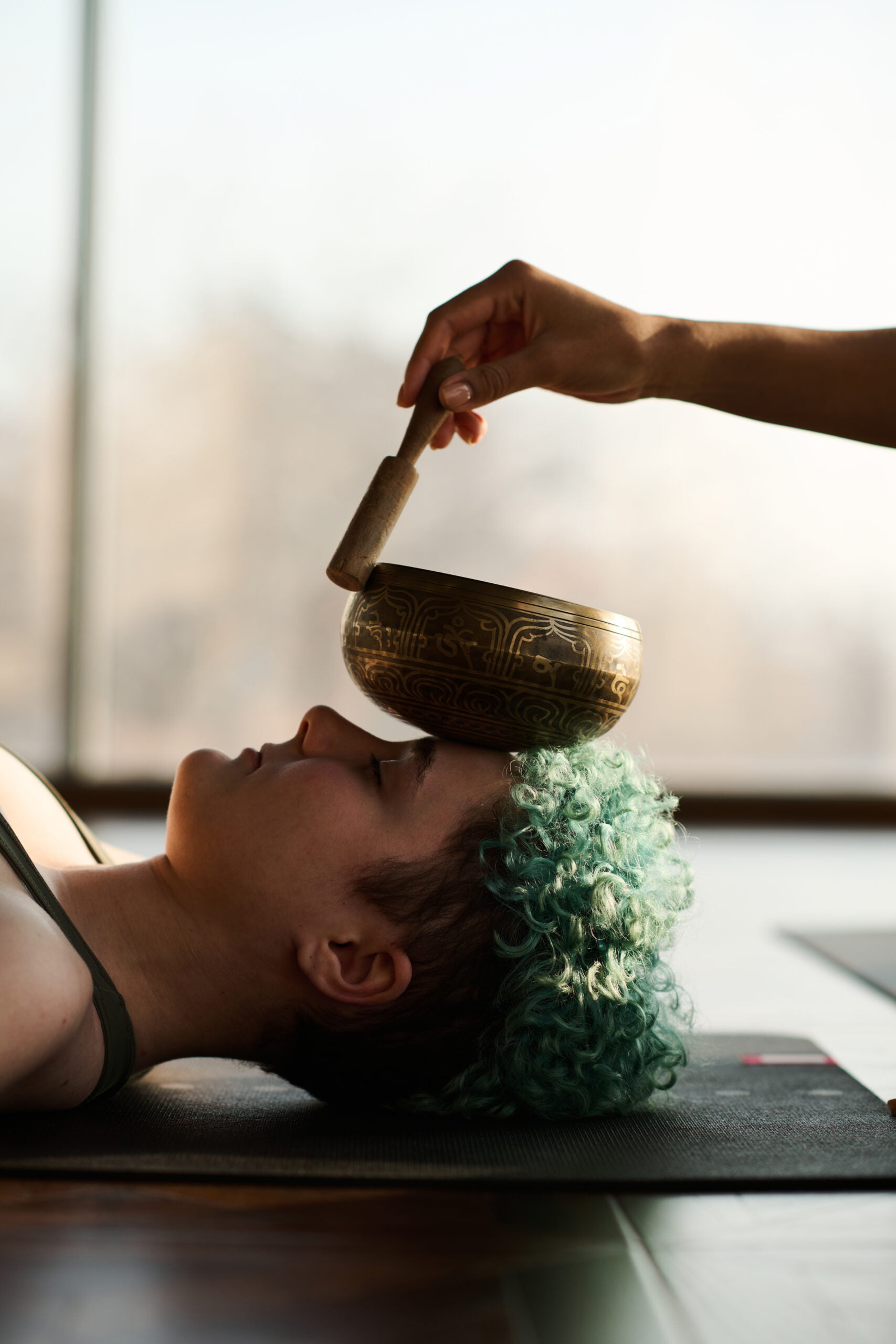
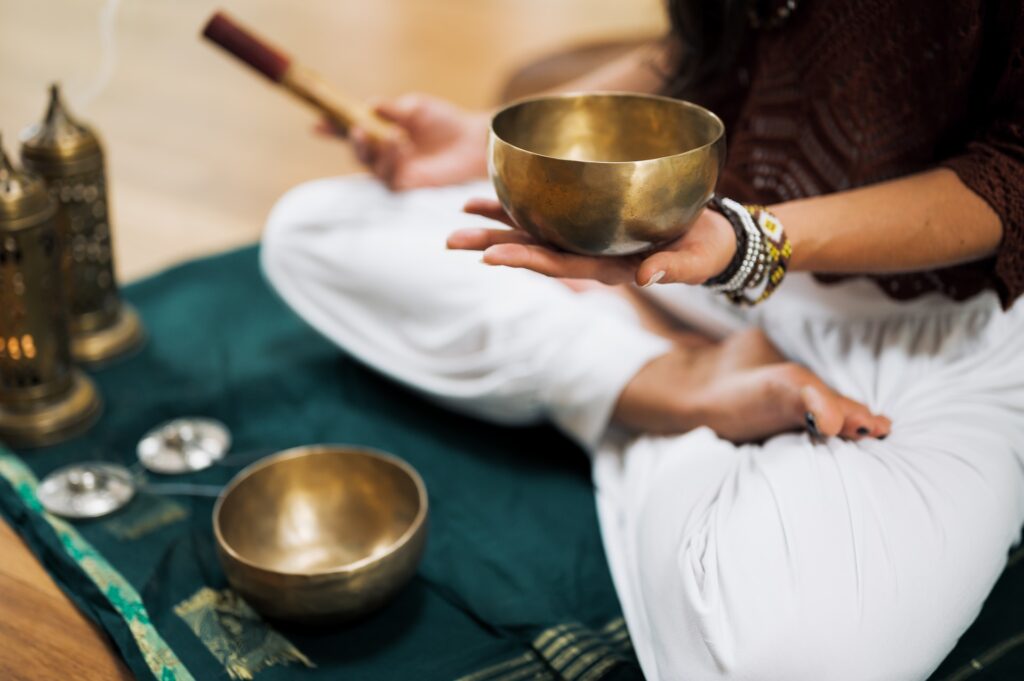
    Explor the content Benefits of Sound Healing Is everyday life feeling like a jumbled mess of stress and worry? Do your nerves feel like they’re about to snap like a guitar string? It’s time to take a deep breath and chill out with an ancient technique called Sound Healing with Singing Bowls! These bowls might look simple, but they’re like magic for your mind and body. They don’t just make pretty sounds, they calm you down, give you more energy, and leave you feeling as peaceful as a gentle lullaby

    Sound Healing Therapy
    Benefits of Sound Healing.

    What are the Benefits of Sound Healing with Singing Bowls

    If you are comparing a sound bath with a yoga-based session, see our guide to what sound bath yoga is and what happens in a session.

    Feeling Stressed? Sound healing can wash away worries like gentle waves, relaxing your muscles and calming your busy mind. It’s like a pause button for daily chaos, letting you unwind deeply.

    Tense Like a Slinky? Sound healing helps you let go! Rhythmic sounds massage your body’s stress-relief button, lowering tension and anxiety. No more counting sheep, sound healing lulls you to sleep peacefully.

    Achy? Sound healing offers a gentle hug for pain. Special sound waves can help your body manage pain, easing discomfort. It’s not a magic trick, but it feels good and helps you manage pain more mindfully.

    Holding Onto Emotions? Sound healing creates a safe space to let go. As calming sounds surround you, they may bring up hidden feelings, allowing you to gently release them. It’s a journey of self-discovery, leading to a lighter heart.

    Feeling Off-Balance? Imagine chakras as energy balls that make you feel good. Sound healing can help balance these, bringing harmony back to your mind and body.

    Want a Cleanse? Imagine dusting off your favorite book. Sound healing can clear away negative energy, leaving you feeling refreshed and positive.

    Start your journey of sound healing with Fitfortunes

    Want to learn about Sound Healing? Fitfortunes yoga school in Rishikesh has two special classes to help you get started! Sound Healing can make you feel better!

      • Introductory Sound Healing Course (Level 1): This beginner-friendly course is your foundation stone. Learn the basics of sound healing, explore the magic of singing bowls, and discover how to apply its principles for personal self-care and relaxation

    Read More

    • Advanced Sound Healing Course (Level 2): Once you’ve mastered the basics, take your practice to the next level. Deepen your understanding of chakras and auras, learn sophisticated techniques for targeted healing, and become a certified Sound Healing Practitioner.

    Fitfortunes: Holistic wellness Yoga and Sound Healing School

    Here at Fitfortunes Yoga school in Rishikesh, we think Sound Healing can help you rediscover your inner harmony and tap into your full potential. Come with us to Rishikesh, India’s spiritual center, and start a trip that will change your life. You’ll feel refreshed, rebalanced, and ready to sing your own unique song of well-being.

    Remember, the universe is vibrating with beautiful energy. Let the melodies of singing bowls guide you toward a life of harmony, relaxation, and radiant well-being.
  • Do You know About Yoga for Teams: Work Together Like a Winning Team

    Do You know About Yoga for Teams: Work Together Like a Winning Team

    Feeling Stressed at Work? Here's How Yoga Can Help!

    Feeling Stressed at Work? Here's How Yoga Can Help!

    Yoga Benefits for Work

    Ever feel overwhelmed at your office job? You're not alone! Work can be fast-paced and demanding, but there's a way to bring more calm and focus to your day. Here's how yoga can help you and your whole team feel better and work smarter.

    Yoga for Leaders: Be a Calmer, Wiser Boss

    Yoga isn't just about stretching! It teaches you to be more aware of yourself and others. This is perfect for leaders who want to build trust and respect with their team. By being a calmer and more understanding boss, everyone works better together.

    Yoga for Everyone: Make Better Decisions, Feel Less Stressed

    Taking a few minutes to breathe and think clearly can make a big difference. Yoga teaches you mindfulness techniques that help you pause, reflect, and make the best choices, both at work and in life. Plus, yoga can help you manage stress, so you don't feel so overwhelmed by deadlines and pressure.

    Yoga Breaks: Feel More Energized, Work More Effectively

    Sitting at a desk all day can be draining. Short yoga sessions can be a great pick-me-up! Simple stretches and breathing exercises can improve your posture, boost your energy, and help you focus better. You'll be amazed at how much more you can accomplish after a quick yoga break.

    Yoga for Teams: Work Together Like a Well-Oiled Machine

    Yoga teaches the importance of working together. Just like different yoga poses complement each other, your team members' strengths can work together to achieve amazing things. Yoga can help your team communicate better, respect each other's ideas, and reach common goals.

    Yoga for You: Be Your Best Self at Work

    Yoga encourages you to take care of yourself and be the best version of you that you can be. When you feel good, you work better! By focusing on your strengths and well-being, you'll be more creative, confident, and successful in your career.

    Ready to Give Yoga a Try?

    Many companies are incorporating yoga into their wellness programs. Talk to your boss about starting a yoga class at work, or find a good yoga studio near your office. Even a few minutes of yoga each day can make a big difference in your work life!

  • Benefits of Chakrasana The Compile guide Chakrasana

    Benefits of Chakrasana The Compile guide Chakrasana

    Understanding the Chakrasana: The Wheel Pose

    Wheel Pose: More Than Just a Yoga Stretch!
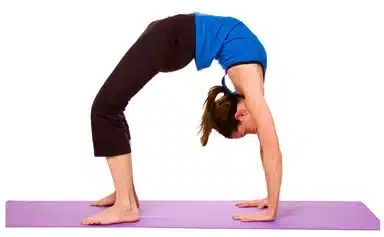
    Have you ever seen someone do a yoga pose where they bend backwards in a circle, like a wheel? That’s called Chakrasana, or Wheel Pose! It’s more than just a cool-looking stretch.
    This pose comes from ancient teachings and is known to have many benefits for your body and mind. It can help you feel stronger, more flexible, and even happier!
    Want to learn more about how to learn then join our 200 Hour Hath Yoga Teacher Training in Rishikesh

    What is Chakrasana: A Brief Overview

    The term “Chakrasana” is derived from two Sanskrit words: “Chakra,” which means wheel or circle, and “Asana,” denoting a posture or pose.
    The posture of the body resembles a wheel when performing Chakrasana, hence it is called Chakrasana. It is also known as Urdhva Dhanurasana. Practicing this asana has many benefits. It tones and strengthens the body.

    It is not easy for everyone to do it in the beginning. Gradually, with effort, it becomes easier to do. It also improves fertility.
    In ancient Indian traditions, this pose was designed to activate and balance the body’s energy centers, known as chakras (7 Chakras).

    Physical Mechanics of the Chakraasana

    Executing Chakrasana involves lying flat on the back, bending the knees, and placing the palms beside the head, fingers pointing towards the shoulders. By pushing off the ground, the body forms an arch, resembling a wheel, hence its name. This pose demands flexibility, strength, and balance, engaging various muscle groups, including the back, arms, and core.

    Core Engagement:

    Your core muscles, particularly the transverse abdominis, act as a corset, stabilizing your spine and pelvis.Engaging your core prevents excessive arching in the lower back and distributes weight evenly throughout your body.

    Spinal Extension:

    The primary movement in Chakrasana is extension of the thoracic and lumbar spine.Back muscles like the erector spinae lengthen and contract to lift your chest and head off the floor.

    Remember, aim for a gentle curve, not an overly hyperextended spine.

    Shoulder Stability:

    Strong and stable shoulders are crucial to maintain proper alignment and prevent injury.
    Pressing your palms firmly into the ground engages your shoulders, protecting your rotator cuffs.
    Keep your shoulder blades pulled down and back, away from your ears.

    Hip Flexion and Leg Extension:

    Hip flexors like the iliopsoas muscles contract to lift your hips off the ground.
    Simultaneously, your quadriceps and hamstrings work together to extend your legs, pushing the floor away.

    Weight Distribution:

    Balanced weight distribution is key to maintaining stability in Chakrasana.
    Your weight is distributed evenly between your hands and feet, creating a strong foundation for the pose.

    Avoid placing too much weight on your head or neck.

    Flexibility Requirements:

    Chakrasana demands flexibility in your spine, hamstrings, shoulders, and chest.
    Adequate flexibility allows for a deeper backbend and proper extension of limbs.
    Read our Blog about – Hatha yoga vs Power Yoga.

    Tips for to Start Chakrasana:

    Warm-up: Prepare your body with stretches targeting your spine, shoulders, and hamstrings.

    Engage your core: Focus on drawing your navel towards your spine throughout the pose.

    Press through your hands and feet: This creates a strong base and helps lift your body.

    Maintain proper neck alignment: Keep your chin slightly tucked to avoid neck strain.

    Modify for your body: Use props like yoga blocks for support if needed.

    Warming Up Asanas for Chakrasana (Wheel Pose)

    Chakrasana requires a good amount of flexibility and strength in your spine, shoulders, and hamstrings. A proper warm-up routine prepares your body for this deep backbend by increasing blood flow, loosening tight muscles, and improving your range of motion. Here are some excellent asanas to incorporate into your warm-up before attempting Chakrasana:

    Cat-Cow Pose (Marjariasana-Bitilasana):

    This dynamic movement gently warms up your spine and improves its flexibility.
    Inhale as you arch your back upwards (cow pose), and exhale as you round your spine inwards (cat pose).
    Repeat this movement for several cycles.

    Thread the Needle Pose (Vajrasana with Parivrtta Marichyasana):

    This pose stretches your shoulders and chest, which are crucial for Chakrasana.
    Sit in a kneeling position (Vajrasana) and twist your torso to one side, reaching your arm under your leg.
    Hold for a few breaths and repeat on the other side.

    Downward-Facing Dog (Adho Mukha Svanasana):

    Downward-Facing Dog lengthens your spine, hamstrings, and calves, preparing them for the demands of Chakrasana.
    Maintain a flat back and push your heels towards the floor.
    Keep Breathing Hold for several breaths.

    Upward-Facing Dog (Urdhva Mukha Svanasana):

    This pose opens your chest and strengthens your back muscles, both necessary for Chakrasana.
    Lie on your stomach and press your upper body off the floor, keeping your legs extended.
    Hold for some breaths.

    Bridge Pose (Setu Bandhasana):

    Bridge Pose strengthens your core and opens your chest, preparing you for the backbend in Chakrasana.
    Lie on your back with knees bent and feet flat on the floor.
    Lift your hips off the ground and hold for a few breaths.

    Child’s Pose (Balasana):

    This resting pose allows your body to relax and integrate the benefits of the previous stretches.
    Sit back on your heels with your forehead resting on the floor.
    Hold for couple of breaths.

    Health Benefits of Chakrasana

    • Enhanced Flexibility: Regular practice of Chakrasana promotes suppleness in the spine, shoulders, and hip flexors, improving overall flexibility.
    • Strength Building: Engaging multiple muscle groups, Chakrasana strengthens the back, arms, wrists, and core, enhancing physical endurance.
    • Improved Respiratory Function: The expansive chest opening in Chakrasana enhances lung capacity and oxygen intake, benefiting respiratory health.
    • Stress Reduction: Activating the parasympathetic nervous system, Chakrasana induces relaxation, alleviating stress
      and anxiety.
    • Improves Spinal Flexibility: Backbends like Chakrasana stretch and lengthen the muscles and ligaments surrounding the spine. This can improve your overall spinal flexibility and range of motion, leading to better posture and potentially reducing back pain.
    • Strengthens Core and Back Muscles: Holding Wheel Pose engages your core muscles, including your transverse abdominis and obliques. This strengthens your core and improves stability, which can benefit your posture and overall balance. Additionally, the pose strengthens the back muscles, particularly the erector spinae group, which are crucial for supporting your spine.
    • May Enhance Blood Flow and Circulation: Studies suggest that backbends like Wheel Pose can improve blood flow and circulation throughout the body. This can help deliver oxygen and nutrients to your muscles and organs, promoting overall health and well-being.
    • Boosts Mood and Reduces Stress: Research indicates that yoga practices, including backbends, may positively impact mood and reduce stress levels. The opening of the chest cavity in Wheel Pose is thought to contribute to this effect by promoting deeper breathing and relaxation.
    • Potential Benefits for the Nervous System: Some studies suggest that backbends may stimulate the parasympathetic nervous system, which is responsible for the body’s “rest and digest” response. This can help counteract the effects of chronic stress and promote relaxation.

      Incorporating Chakrasana into Your Routine

      Beginner Modifications: For those new to Chakrasana, utilizing props like blocks or practicing against a wall can provide support and facilitate proper alignment.

      Advanced Variations: As you get better at Chakrasana, you can try doing more exciting things! You can add flowing movements or even move into Chakrasana from other yoga poses. This makes your practice more fun and can also make the benefits of the pose even stronger.

      Bonus reading

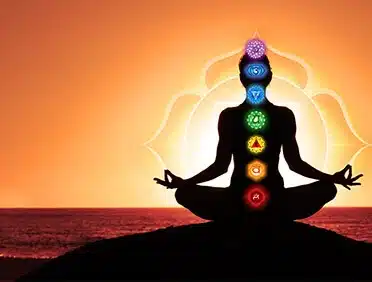
      The Seven Chakras: Aligning Energy Centers

      Understanding Benefit of Chakrasana necessitates delving into the concept of the seven chakras:

    • Root Chakra (Muladhara): Located at the base of the spine, activating this chakra through Chakrasana promotes a sense of grounding and stability.
    • Sacral Chakra (Swadhisthana): Situated below the navel, this chakra governs creativity and emotional balance. The Wheel Pose learnt through Good Yoga Schools in Rishikesh stimulates this area, fostering creativity and passion.
    • Solar Plexus Chakra (Manipura): Associated with self-confidence and willpower, aligning this chakra via Chakrasana enhances personal power and motivation.
    • Heart Chakra (Anahata): Central to love and compassion, practicing Chakrasana opens the heart center, fostering emotional healing and connection.
    • Throat Chakra (Vishuddha): Facilitating communication and self-expression, Chakrasana encourages clarity and authenticity in speech.
    • Third Eye Chakra (Ajna): Elevating intuition and insight, this chakra governs perception beyond the physical realm. Chakrasana aids in sharpening intuition and inner wisdom.
    • Crown Chakra (Sahasrara): The pinnacle of spiritual connection, aligning this chakra through Advantages of Chakrasana fosters enlightenment and spiritual growth.
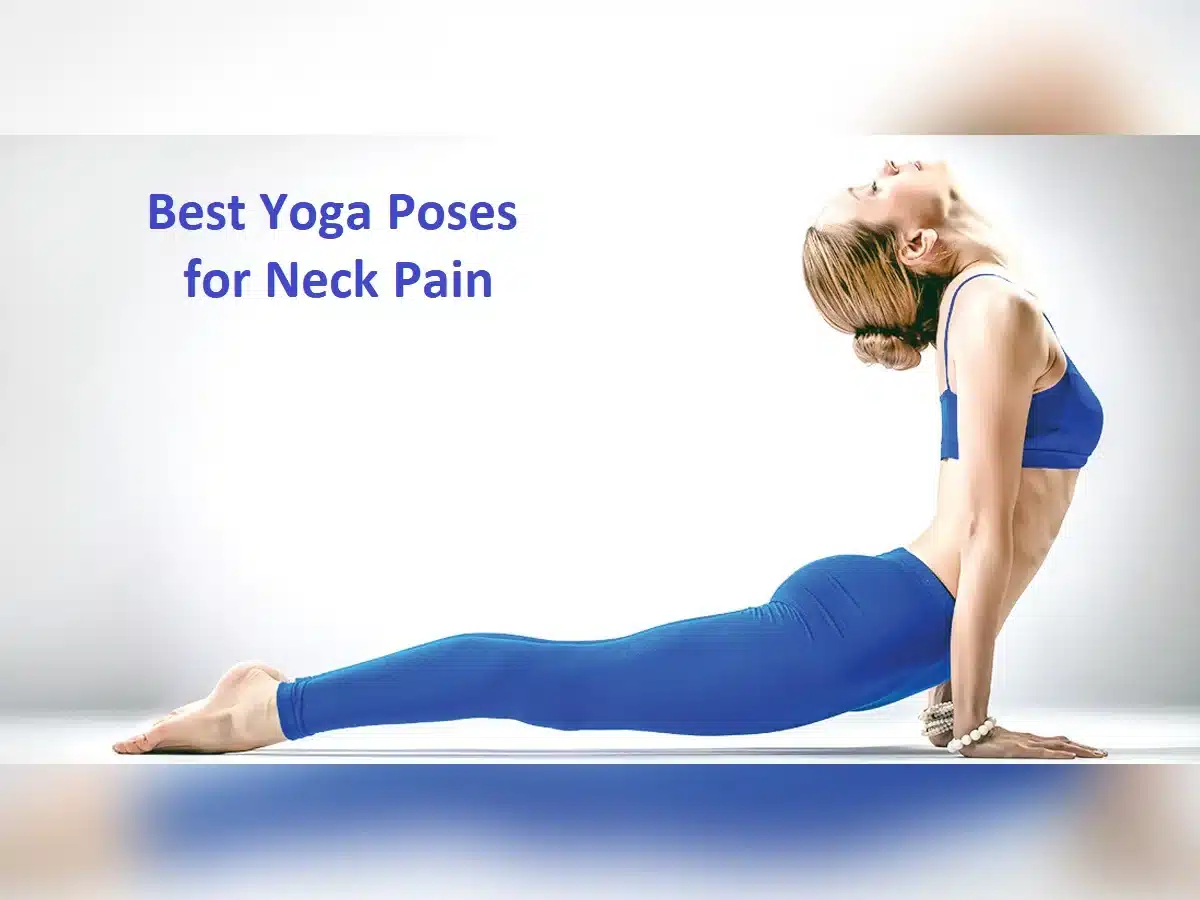
  • Do You know Yoga for Neck Pain For Relaxing Neck

    Do You know Yoga for Neck Pain For Relaxing Neck

    Happy Neck, Happy You: A Gentle Yoga Guide

    Happy Neck, Happy You: A Gentle Yoga Guide

    Hi everyone! Today, we're going to talk about something many of us experience: neck pain. Sitting all day at desks or looking down at our phones can make our necks feel tight and sore. But don't worry, there's a fun and gentle way to feel better: yoga!

    Why Does My Neck Hurt?

    Our bodies aren't meant to be hunched over all the time. This can make the muscles in our necks get tight and uncomfortable. Yoga helps us address this in a few ways:

  • Gentle Stretches: Yoga uses slow, controlled movements to loosen up those tight neck muscles. Think of it like gently untangling a knot.
  • Strong Posture: In our Yoga Teacher Training we explain how to stand and sit tall. This helps take pressure off our necks and makes us feel more supported.
  • Stress Relief: Yoga helps us relax and de-stress. Did you know stress can also make our necks feel tight? Yoga can help ease that tension.
  • Yoga Poses for a Happy Neck:

    Now, let's try some yoga poses that can help your neck feel better! Remember, these are gentle and easy to do, even if you're new to yoga.

    1. Neck Tilts: Find a comfortable chair and sit up tall. Slowly tilt your head to one side, like you're trying to touch your ear to your shoulder. Feel the stretch along the side of your neck. Hold for a few breaths, then switch sides. Repeat a few times.
    2. Neck Circles: Make gentle circles with your head, like you're saying "no" very slowly. Do this in both directions a few times.
    3. Child's Pose: Get on your hands and knees. Sit back on your heels and rest your forehead on the mat. Stretch your arms out in front of you. This stretches your neck and back gently. Hold for a few minutes and take some deep breaths.
    4. Cat-Cow Stretch: Get back on your hands and knees. As you breathe in, arch your back up like a happy cat and look up at the ceiling. As you breathe out, round your back down like a grumpy cow and tuck your chin to your chest. Repeat a few times.

    Tips for Happy Yoga:

    Listening to your body matters in yoga:

  • Safety First: Yoga is a safe and gentle practice, but it's important to be mindful of your limitations.
  • Respecting Your Pain: Pain is your body's way of telling you something is wrong. If a pose feels uncomfortable in your neck, stop and rest.
  • Focus on Feeling Good: Yoga should feel good, not painful. If you're forcing yourself into a pose, you're probably not getting the full benefit of it.
  • Finding Your Range of Motion: Everyone's body is different, and your range of motion in your neck will vary. Listen to your body and find a comfortable position for each pose.
  • Why Consistency Matters for Happy Neck:

  • Building Muscle Memory: When you practice yoga poses regularly, your body starts to "remember" the movements.
  • Gradual Improvement: Tight muscles in your neck won't loosen up overnight. Consistent practice allows for gradual improvement in flexibility and strength.
  • Long-Term Relief: Yoga isn't just a quick fix. By practicing regularly, you can help prevent neck pain from coming back.
  • Why Fun Matters in Yoga:

  • Enjoyment Leads to Consistency: When you find yoga enjoyable, you're more likely to stick with it.
  • Reduces Stress and Tension: If yoga feels like a chore, it can actually add to your stress levels.
  • Mind-Body Connection: Yoga isn't just about physical postures; it's a way to connect your mind and body.
  • There are many other yoga poses that can help your neck pain. If you're interested in learning more, you can take a yoga class or search online for beginner-friendly yoga routines.

    Remember, yoga is for everyone! So take a deep breath, relax, and give these poses a try. Your happy neck will thank you for it!

  • Optimal Yoga Practices for Holistic Well-being

    Optimal Yoga Practices for Holistic Well-being

    Ancient Yoga Practices

    The Ancient Yoga Practice

    Foundation of Yoga: Understanding Its Essence

    The Ancient Yoga Practices , rooted in mindfulness and physical well-being, has transcended cultural boundaries to become a global phenomenon. This article delves into the optimal yoga practices that contribute to holistic well-being, fostering harmony among the body, mind, and soul.

    Physical Harmony: Asanas for Well-being

    Yoga is not just a physical exercise; it is a lifestyle that promotes balance and unity. Rooted in ancient Indian philosophy, it seeks to align the body, mind, and spirit. By acknowledging this holistic approach from Good Yoga School in Rishikesh , practitioners can learn the benefits of yoga practices.

    Mental Equilibrium: The Power of Meditation

    Yoga isn't just about stretching your body. It can also help your mind feel good!Yoga teaches you how to be calm and focus. You can do this by sitting quietly and taking slow breaths. When your mind is calm, you feel less stressed. You can also think more clearly and handle your emotions better.So next time you do yoga, remember you're taking care of your mind too!

    Nourishing the Soul: Connecting through Spirituality

    Yoga is not merely about the body and mind; it delves into the realm of spirituality, nurturing the soul. Practices like chanting mantras and guided visualization create a profound connection with the inner self, leading to a sense of purpose and inner peace.

    Crafting Your Yoga Routine: Tailoring Practices for Individual Needs

    The beauty of yoga lies in its adaptability. Crafting a personalized routine based on individual needs and goals ensures maximum benefits. Whether seeking physical fitness, mental tranquility, or spiritual growth, a bespoke yoga practice tailored to personal requirements becomes a powerful tool for holistic well-being.

    Healthy Food for Your Yoga Practice

    Yoga is not solely confined to the mat; it extends to one's lifestyle choices, including nutrition. Mindful eating and a plant-based diet complement the practice, nourishing the body from within. The synergy of yoga and a balanced diet amplifies the positive effects, promoting overall health and vitality.

    The Science of Breath: Pranayama Techniques

    Central to yoga is the science of breath, known as pranayama. Techniques from Yoga Teacher Training such as deep diaphragmatic breathing and alternate nostril breathing enhance respiratory function, promoting body oxygenation and calming the nervous system. Harnessing the power of breath amplifies the benefits of yoga, fostering holistic well-being.

    Small Steps, Big Changes: Keeping Up with Yoga

    For optimal results, consistency is paramount. Establishing a regular yoga practice creates a cumulative effect, with physical, mental, and spiritual benefits compounding over time. By dedicating time to yoga regularly, individuals pave the way for sustained well-being and lasting harmony.

  • How Long Does it Take to Complete 200 Hours of Yoga Teacher Training Certificate?

    How Long Does it Take to Complete 200 Hours of Yoga Teacher Training Certificate?

    Fitfortunes Holistic Yoga & Sound Healing School

    Fitfortunes Holistic Yoga & Sound Healing School is the perfect place to begin your life-altering practice of yoga and sound healing. Welcome to the perfect site for anyone thinking about becoming a yoga teacher, interested in sharing the profound wisdom of yoga with others, and curious about the time commitment required for a 200-hour yoga certification. At Fitfortunes Holistic Yoga & Sound Healing School, you will find experienced and knowledgeable instructors who are passionate about guiding students on their yoga journey. Whether you are a beginner or have some experience, our comprehensive 200-hour certification programme will provide you with the necessary skills and knowledge to confidently teach yoga and share its transformative benefits with others.

    How to Begin Yoga Teacher Training

    Before becoming a great yoga teacher, you need to get better at doing yoga yourself. Being a teacher starts with having a deep knowledge of the subject. Our programmes ask about your level of experience to make sure you have a strong base. They cover things like

    • Improvements in the mind and body
    • Knowing the basics of anatomy
    • Being aware of alignment during poses
    • Awareness of proper technique
  • Different Levels of Yoga Teacher Training Certifications

    FitFortunes acknowledges two levels of certification: the 200-hour Yoga Teacher Training Certification and the 500-hour Yoga Teacher Training Certification. For those who want to learn more about yoga, the 200-Traditional Multistyle Yoga Teacher Certification is a great starting point. It is a must-have for anyone who wants to become a teacher. On the other hand, the 500-hour certification is designed for people who are really into yoga and want to learn more about its most basic parts. If you want to open your own yoga school someday, this certification will help you get there.

    The path to becoming a yoga teacher is beneficial, but it takes a lot of time. Some people may try to cut corners and escape the practical tests that test their teaching skills. But if you want to become a qualified yoga teacher, you have to put in a lot of work. Before they can become teachers, people who want to do so must dedicate several months to serious and dedicated yoga study.

    Advice for People Who Want to Become Yoga Teachers

    Practicing yoga for a longer period of time is really worthwhile. With our 200-hour RYT Yoga Certification programme in Rishikesh, you can start a journey that extends beyond the physical practice of yoga. Under the direction of knowledgeable instructors, discover the physical aspects of yoga as well as its profound philosophical underpinnings and spiritual core. We explore the realm of sound healing in addition to regular yoga in our distinctive programme. Learn how to include healing vibrations into each yoga session to enhance the transforming power of your practice. Come along with us on this enlightening journey towards holistic health and self-discovery.

    Further reading — 200-hour Yoga Teacher Training

    How Long Does It Take to Complete a 200-Hour Yoga Certification Programme?

    What school and teacher you go to affects how long your study lasts. A 200-hour course usually takes 3–4 weeks to finish. This time investment is priceless because it helps you learn a lot about yoga, asana, pranayam, self-practice, self-improvement, sound healing, and much more. Additionally, the duration of the certification programme may also depend on the intensity and frequency of the classes. Some programmes offer intensive courses that require full-time commitment, while others may offer part-time options that allow students to complete the programme over a longer period of time. Regardless of the duration, completing a 200-hour yoga certification programme is an important step towards becoming a qualified yoga teacher and gaining a deeper understanding of the practice.

    Our certification programmes include a range of classes and training options, which are described in more detail above. For a complete yoga experience, think about our RYT 200-hour Yoga Certification program in Rishikesh, which is surrounded by green paddy fields and traditional music and dance. It's a great place to go if you want to combine yoga with natural beauty.

    200-Hours Yoga TTC

    At FitFortunes Yoga School in Rishikesh, you can take our 200-hour holistic yoga teacher training, which is approved by the Yoga Alliance and the Yoga Alliance International. We teach standard yoga basics with a modern twist, and we focus on hatha and vinyasa karma primary series. People who want to learn and grow in their yoga journey are welcome in our classes. Come with us and discover how yoga can change your life.

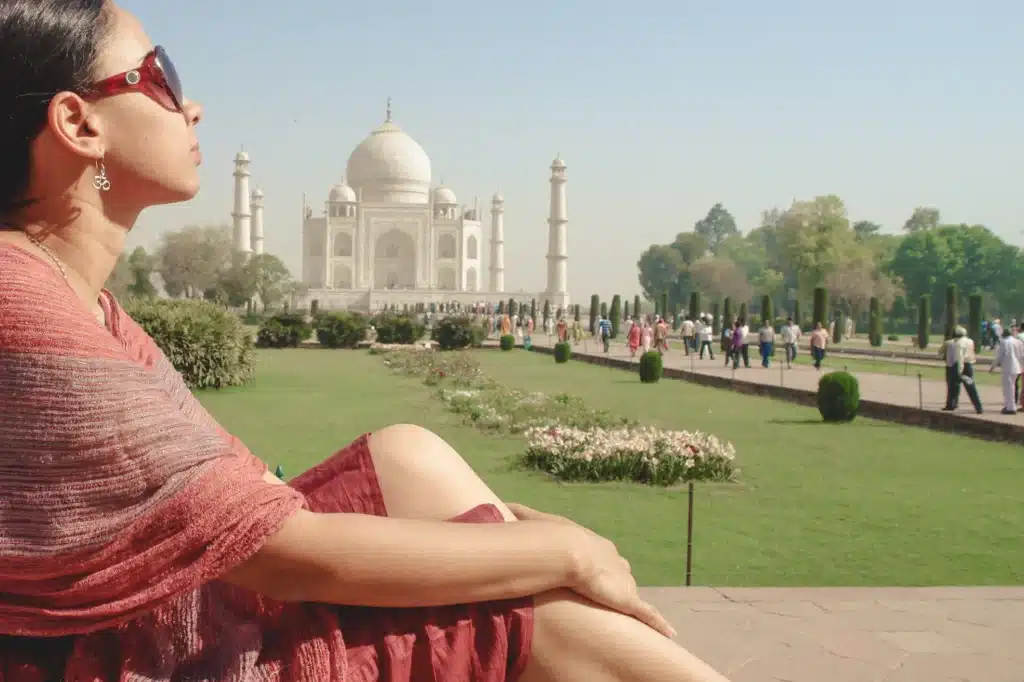
    Indian Cultural Tour

    Indian Cultural Tour and Yoga Retreat

    Explore the vibrant colors, rich traditions, and serene landscapes of India with our Cultural Tour and Yoga Retreat. Immerse yourself in yoga, indulge in delicious cuisine, and connect with like-minded Yoga Community from around the world