Blog

  • 200-Hour Yoga Teacher Training Requirements: Guide to YTT

    200-Hour Yoga Teacher Training Requirements: Guide to YTT

    Are you passionate about yoga & want to spread its benefits to other people? This article will guide you about Yoga Teacher Training Requirements and details. Moreover, it will also help you to make the right decision about your yoga teaching journey.

    What is Yoga Teacher Training?

    Yoga Teacher Training
    200-Hour Yoga Teacher Training Requirements: Guide to YTT 3

    Before we dive into the specifics of the 200 Hour Yoga Teacher Training requirements, let’s clarify the essence of Yoga Teacher Training itself. Yoga Teacher Training is a structured program that empowers aspiring yogis to deepen their practice, and gain profound knowledge of yoga philosophy, anatomy, and teaching methodologies. 

    Benefits of Completing YTT

    Completing a 200-hour YTT program offers a myriad of benefits that extend beyond just acquiring a teaching certification. These benefits include:

    1. Deepening Your Practice: YTT allows you to explore yoga on a much deeper level, enhancing your personal practice and understanding of asanas (postures), pranayama (breathing techniques), and meditation.
    1. Certification: Upon successful completion, you receive a course-completion certificate. Where relevant, the training may support registration with a private yoga organisation when its current requirements are met. Professional teaching rules can still vary by employer, insurer, and country.
    1. Confidence Building: YTT equips you with the skills and knowledge to confidently lead yoga classes and guide students on their yoga journey.
    1. Personal Growth: It’s not just about the physical aspects; YTT fosters personal growth, self-awareness, and mindfulness.

    Now, let’s get into the Qualification for Yoga Teacher:

    Eligibility Criteria for 200-Hour Yoga Teacher Training Requirements

    To enroll in a 200-hour YTT program, you typically need to meet certain eligibility criteria. While these may vary slightly from one school to another, the most common Yoga Teacher Requirements include:

    • Minimum Age: Usually, you must be at least 18 years old to participate.
    • Yoga Experience: Some programs require a minimum of 6–12 months of regular yoga practice.
    • Physical Fitness: Yoga can be physically demanding, so a reasonable level of physical fitness is often necessary.
    • Commitment: YTT is an intensive program that demands commitment, so you should be prepared to dedicate your time and energy to the training.

    Curriculum Overview

    The 200-hour YTT curriculum is carefully designed to cover a wide range of topics, ensuring that graduates are well-prepared to teach yoga safely and effectively. Here are some of the core components typically included:

    1. Yoga Philosophy and History

    • Yoga Philosophy: Delve into the history and philosophy of yoga, including ancient texts like the Yoga Sutras and Bhagavad Gita.
    • History of Yoga: Explore the evolution of yoga from ancient India to its contemporary global reach.

    2. Anatomy and Physiology

    • Body Systems: Gain a deep understanding of the human body’s anatomical and physiological aspects, with a focus on how yoga affects them.
    • Alignment and Posture Analysis: Learn how to assess and correct alignment in yoga postures to prevent injuries.

    3. Teaching Methodology

    • Class Sequencing: Understand how to structure and sequence yoga classes effectively.
    • Teaching Techniques: Learn various teaching techniques, including verbal cues, hands-on adjustments, and the use of props.

    4. Practical Teaching Experience

    • Teaching Practice: Gain hands-on teaching experience by leading classes at Yoga School in Rishikesh under the guidance of experienced instructors.
    • Assessment: Receive feedback on your teaching skills to continually improve.

    5. Yoga Ethics and Lifestyle

    • Ethical Guidelines: Explore the ethical principles that guide yoga practitioners and teachers.
    • Yogic Lifestyle: Embrace the yogic way of life, which often includes dietary choices, meditation, and mindfulness practices.

    6. Certification Requirements

    To successfully complete a 200-hour YTT program, you typically need to fulfill the following Yoga Instructor Requirements:

    • Attendance: Attend all required classes and workshops
    • Examinations: Pass written and practical exams.
    • Teaching Practice: Demonstrate your teaching skills during supervised classes.
    • Homework and Assignments: Complete assigned readings and coursework.

    Finding the Right YTT Program

    Choosing the right 200-hour YTT program is crucial to your journey as a yoga teacher. Here are some factors to consider:

    Accreditation

    Make sure the accreditation of the program is accredited by a recognized yoga alliance, such as Yoga Alliance. Accredited programs adhere to specific standards and provide a quality education.

    Location and Schedule

    Consider the location and schedule of the program. Is it a residential program, or do you prefer a non-residential option that allows you to continue with your daily life?

    Faculty

    Research the instructors and faculty members. Knowledgeable and experienced teachers can have a great effect on your learning experience.

    Reviews and Testimonials

    Read reviews and testimonials from past students to gauge the program’s reputation and effectiveness.

    Cost

    YTT programs can vary widely in cost, so determine your budget and choose a program that aligns with your financial resources.

    Are you passionate about yoga and ready to share your knowledge with others? Our 200 Hour Yoga Teacher Training in Rishikesh is the perfect program for you. Sign up now to begin your path to certification and personal growth!
  • Activate Your Inner Power: Yoga for Strength and Flexibility

    Activate Your Inner Power: Yoga for Strength and Flexibility

    The Yoga for Strength and Flexibility has been gaining popularity worldwide. Physical practice and a holistic approach to wellness play an important role in enhancing your strength and flexibility. In this comprehensive guide, we’ll delve deep into the world of yoga, exploring how it can transform your body, mind, and soul.

    Understanding Philosophy of Yoga: More than Just Poses

    Before we dive into the physical aspects, it’s essential to understand the philosophy behind yoga. Yoga originated in ancient India and is deeply rooted in spiritual and philosophical teachings. Yoga for Core Strength and Flexibility aims to achieve a union between the mind, body, and spirit.

    The Eight Limbs of Yoga 

    Yoga’s philosophy is encapsulated in the Eight Limbs of Yoga, as outlined in Patanjali’s Yoga Sutras. These limbs provide a framework for living a balanced and fulfilling life, incorporating not only physical postures but also ethical and mental practices.

    The Physical Practice 

    Physical Practice
    Activate Your Inner Power: Yoga for Strength and Flexibility 6

    Asanas: The Yoga Poses

    When most people think of yoga, they picture various physical poses or “asanas.” These postures not only improve strength and flexibility but also promote overall well-being. Some common asanas of Yoga for Flexibility And Strength for Beginners include Downward-Facing Dog, Warrior II, and Bridge Pose.

    Vinyasa Flow: A Dynamic Approach

    Vinyasa yoga is known for its fluid, dynamic sequences that synchronize breath with movement. It’s the Best Yoga for Strength and Flexibility.

    Yoga for Strength 

    Building Muscle through Yoga 

    Yoga may not involve lifting weights, but it can certainly help you build lean muscle. Poses like Plank, Chaturanga, and Crow Pose engage multiple muscle groups, providing an effective full-body workout.

    Balance and Stability 

    Balance plays a huge role in performing yoga. A lot of the poses require balance on one leg or hold challenging positions. These exercises develop core strength and stability, crucial for overall physical strength.

    Core Strengthening 

    It is important to have A strong core for overall strength and posture. Yoga includes various poses, such as Boat Pose and Side Plank, that target the abdominal muscles, helping you build a solid core.

    Yoga for Flexibility 

    Increasing Range of Motion 

    Yoga is the best way to enhance flexibility. Regular practice can gradually increase your range of motion, making everyday movements easier and less prone to injury.

    Loosening Tight Muscles 

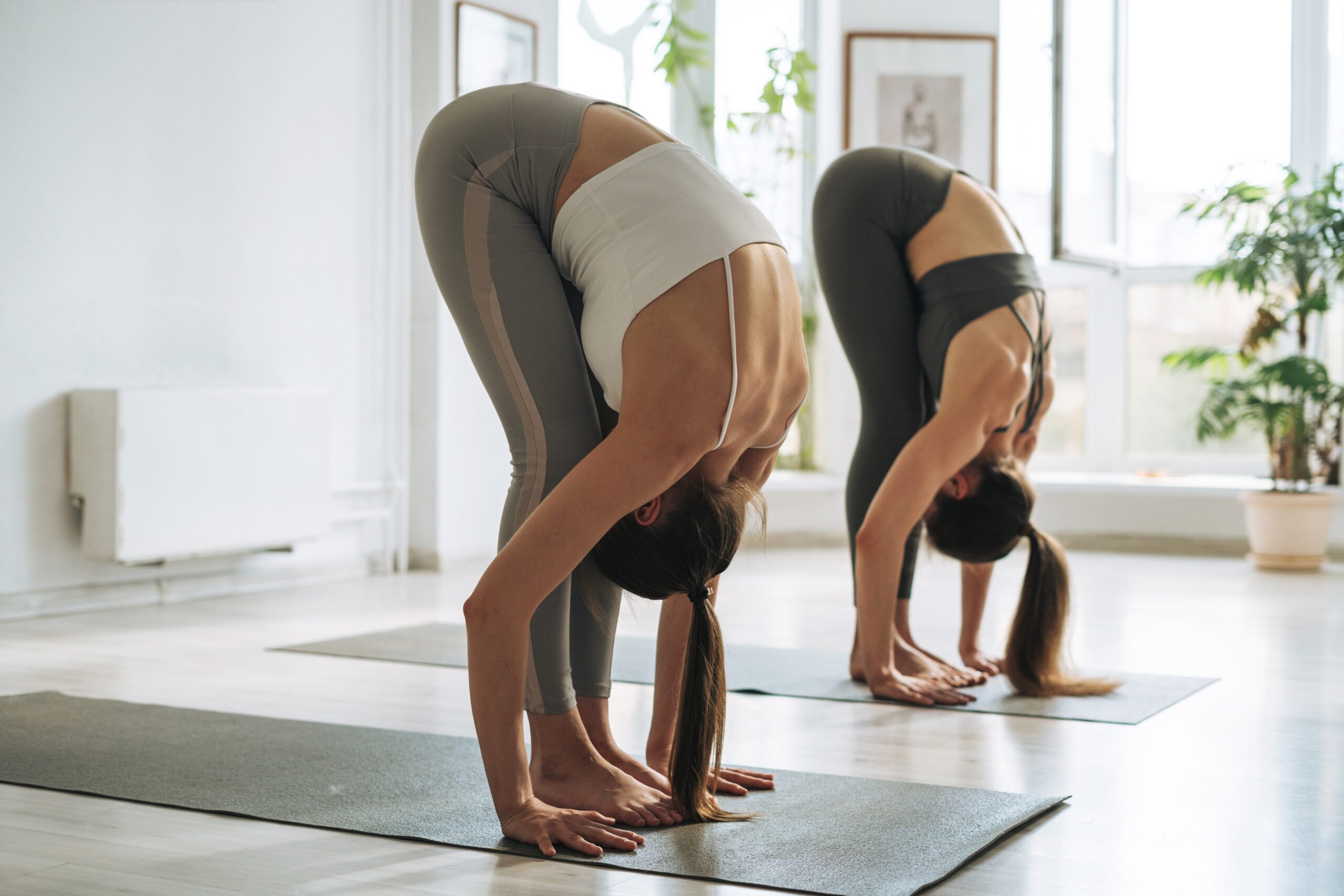
    Sitting at a desk all day or leading a sedentary lifestyle can lead to muscle tightness. Yoga’s gentle stretches, such as Forward Fold and Cobra Pose, can alleviate tightness and improve flexibility.

    Preventing Injuries 

    Improved flexibility not only helps prevent injuries but also aids in post-injury recovery. Incorporating yoga into your routine can reduce the risk of strains and sprains.

    Yoga and Mindfulness 

    Stress Reduction

    Yoga isn’t just about physical fitness; it’s also a powerful tool for stress reduction. Mindful breathing and meditation techniques practiced in yoga can calm the mind and reduce stress levels.

    Mental Clarity 

    Daily practice of yoga can enhance mental clarity and focus. This is especially beneficial for those dealing with the demands of a busy lifestyle.

    Getting Started with Yoga 

    Choosing a Yoga Style 

    There are numerous Traditional Multi-Style Yoga in Rishikesh to choose from, including Hatha, Vinyasa, and Bikram. It’s essential to find a style that suits your preferences and goals.

    Finding a Qualified Instructor 

    While there are many online resources for Yoga Teacher Training, it’s highly recommended to start with a qualified instructor, especially if you’re a beginner. They can provide guidance, correct your form, and ensure your safety.

    Creating a Consistent Practice 

    Consistency is key to reaping the full benefits of yoga. The goal for daily practice sessions, even if they’re for some minutes. Over time, you’ll notice significant improvements in strength and flexibility.

    Immerse yourself in traditional yoga practices with our 200 Hour Yoga Teacher Training in Rishikesh. Join us for an authentic and transformative experience. Register now!

  • Ultimate 5 steps of finding a suitable Yoga class in Rishikesh

    Ultimate 5 steps of finding a suitable Yoga class in Rishikesh

    Are you on a quest to finding a Suitable Yoga class in Rishikesh? Look no
    further; you’re in the right place! In this comprehensive guide, we will walk you
    through the ultimate five steps to find the ideal yoga class in Rishikesh that aligns
    with your goals, preferences, and aspirations.

    Understanding Rishikesh – The Yoga Capital of the World

    Before we proceed into the steps, let’s take a moment to appreciate Rishikesh’s
    significance in the world of yoga. Nestled in the foothills of the Himalayas,
    Rishikesh is renowned as the “Yoga Capital of the World.” It’s a place where
    ancient yogic traditions meet modern practice, making it a haven for yogis from
    around the globe. The Yoga School in Rishikesh is famous all around the place
    offering a surreal experience.

    Step 1 – Clarify Your Yoga Goals Determine Your Yoga Style

    The first step in finding a suitable yoga class in Rishikesh is to clarify your yoga goals, in
    rishikesh there is also Yoga Teacher Training. Different yoga styles cater to
    diverse needs. Are you seeking relaxation and stress relief, physical fitness, or
    spiritual enlightenment? Some common yoga styles in Rishikesh include Hatha,
    Ashtanga, Vinyasa, and Kundalini. Research each style to align your goals with
    the right practice.

    Define Your Experience Level

    Next, assess your yoga experience level. Yoga TTC in Rishikesh offers classes for beginners,
    intermediate practitioners, and advanced yogis. It’s crucial to select a class that
    matches your skill level to ensure a fulfilling and safe practice.

    Step 2 – Research Yoga Schools and Instructors

    School Accreditation

    When searching for a suitable Yoga Teacher Training in Rishikesh Yoga class, consider the reputation
    and accreditation of the yoga school. Look for schools that are registered with
    Yoga Alliance or other recognized bodies. Accredited schools are more likely to
    offer high-quality instruction and follow ethical practices.

    Instructor Qualifications

    The expertise of your yoga instructor plays a pivotal role in your journey.
    Investigate the qualifications, experience, and teaching style of potential
    instructors. Reading reviews and testimonials can provide valuable insights into
    the effectiveness of their teachings.

    Step 3 – Location and Environment

    Choose the Right Location

    Rishikesh boasts a variety of Yoga Center in Rishikesh located along the
    Ganga River and in the heart of the city. Consider your preference for a tranquil
    riverside setting or a more bustling urban environment. The location can
    significantly impact your overall experience.

    Class Size and Ambiance

    Pay attention to the class size and ambiance of the yoga studio. Some prefer
    smaller, intimate classes for personalized attention, while others thrive in larger,
    communal settings. Find a balance that suits your comfort level.

    Step 4 – Class Schedule and Duration

    Check the Class Schedule
    Evaluate the class schedule to ensure it aligns with your daily routine. Some
    Good Yoga School in Rishikesh are held in the early morning, while others may be
    in the afternoon or evening. Pick a schedule that accommodates your lifestyle.
    Duration of the Program
    Consider the duration of the yoga program. Rishikesh offers courses ranging
    from a few days to several months. Decide how much time you can commit to
    your practice and select a program accordingly.

    Step 5 – Cost and Additional Benefits

    Budget Considerations
    Budget is an essential factor when choosing a yoga class. Rishikesh offers
    options to suit various budgets, from affordable courses to more upscale retreats.
    Ensure that the cost of the class aligns with your financial resources.
    Additional Perks

    Good yoga schools in Rishikesh offer additional benefits such as
    accommodation, meals, excursions, and Ayurvedic treatments. These extras can
    enhance your overall experience and may be worth considering.

  • 3 Yoga Asanas to Build Up Your Self-Confidence!

    3 Yoga Asanas to Build Up Your Self-Confidence!

    In today’s fast-paced world, Yoga Asanas help in building self-confidence that
    make a difference in your personal and professional life. Yoga not only helps you
    build physical strength and flexibility but also fosters mental resilience and self-
    assurance.
    In this comprehensive guide, we’ll explore three powerful yoga asanas at Good
    Yoga Schools in Rishikesh
    that can help you build up your self-confidence and
    embrace a more confident you.

    Introduction to Yoga and Self-Confidence

    Before delving into the specific Yogasana, let’s understand the relationship
    between yoga and self-confidence. Yoga is an ancient practice that combines
    physical postures, controlled breathing, and meditation to promote overall well-
    being. One of the key benefits of yoga is its ability to enhance self-awareness
    and self-acceptance, both of which are fundamental to self-confidence.
    When you practice yoga regularly at Yoga School in Rishikesh, you develop a
    deeper connection with your body and mind. This connection allows you to
    recognize your strengths and weaknesses without judgment, ultimately leading to
    increased self-confidence. Now, let’s explore the three Yoga Poses with Names
    that can aid in this transformative journey.

    Warrior Pose (Virabhadrasana)

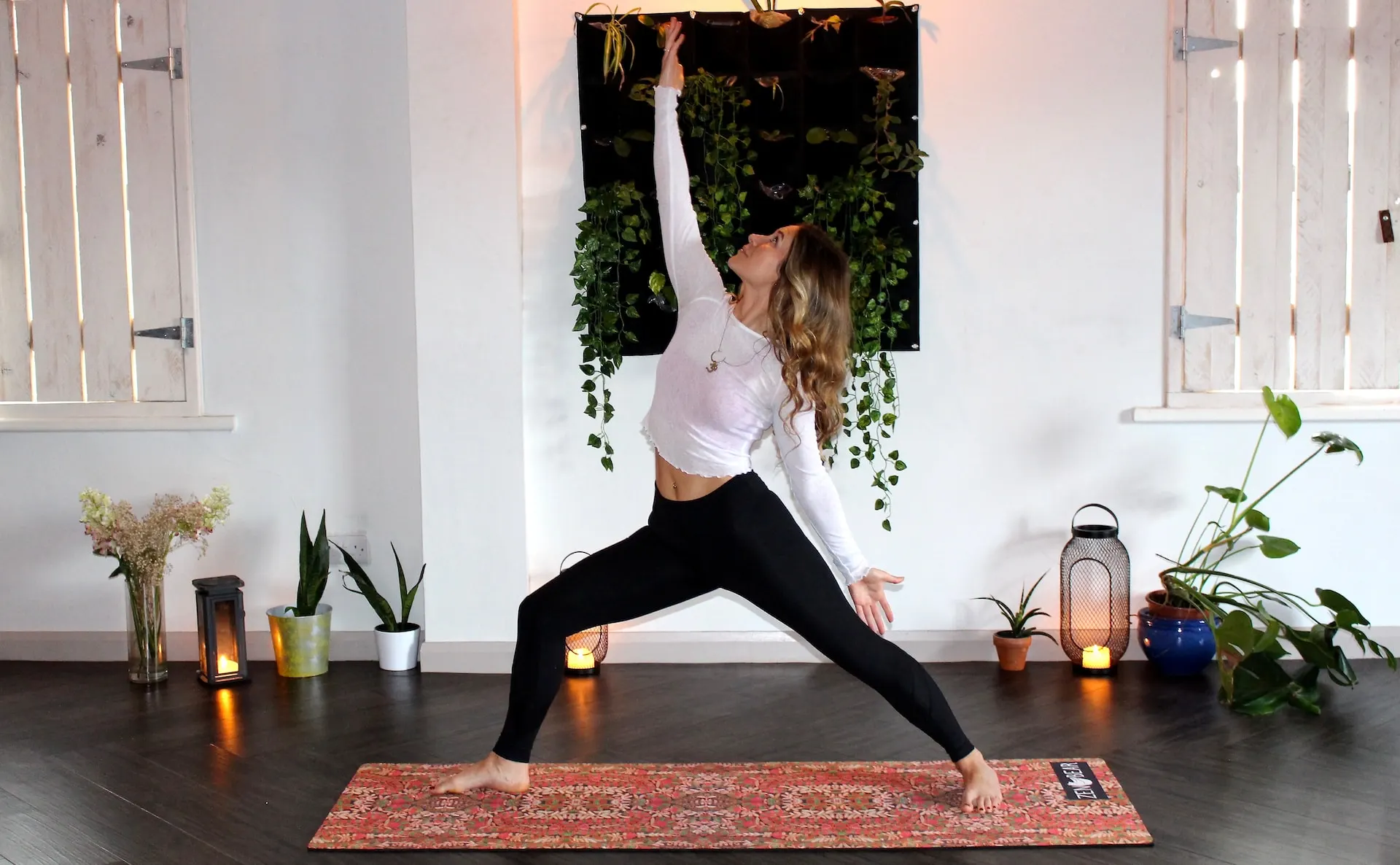
    warrior pose
    Shot of a group of yoga students completing lunges into the warrior pose during a class.

    How to Perform:
    ● Stand with your feet hip-width apart.
    ● Step your left foot back and rotate it 90 degrees.
    ● Bend your right knee to a 90-degree angle, ensuring it aligns with your
    ankle.
    ● Extend your arms outwards, parallel to the ground.
    ● Gaze over your right fingertips.
    ● Hold the pose for 30 seconds to 1 minute and then switch sides.


    Benefits:
    ● Warrior Pose instills a sense of power and strength.
    ● It improves balance and stability, boosting your self-assurance.

    ● The pose encourages you to face challenges head-on, increasing your
    mental resilience.

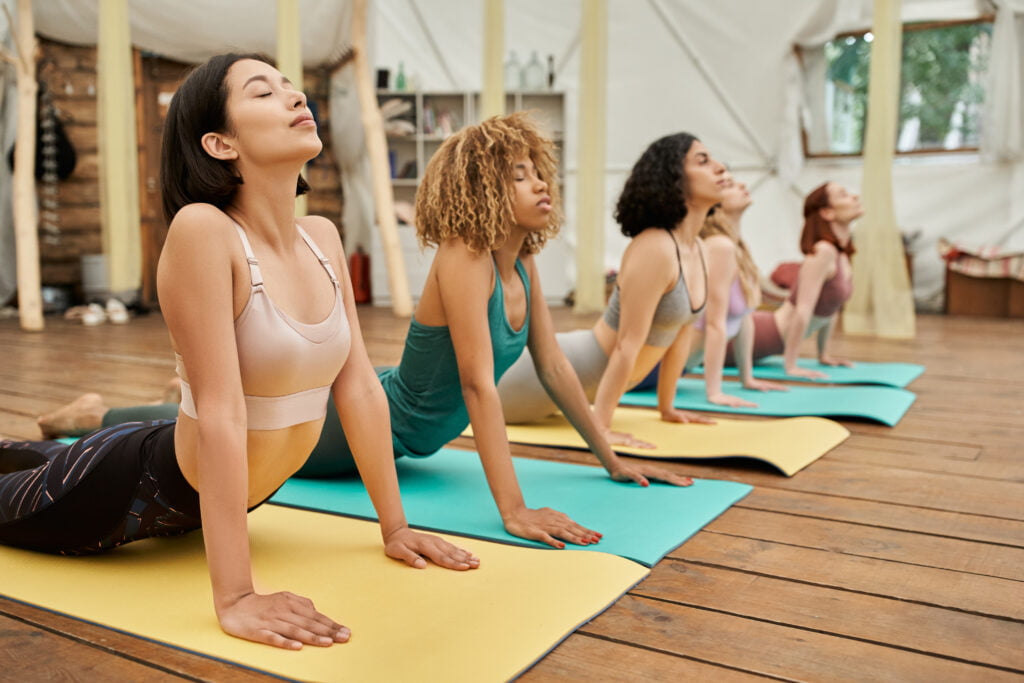
    Cobra Pose (Bhujangasana)

    cobra pose
    multiethnic women with closed eyes practicing yoga in cobra pose in retreat center

    How to Perform:
    ● Lie face-down on your mat with your palms beneath your shoulders.
    ● Inhale and lift your chest off the ground, keeping your elbows close to your
    body.
    ● Press the tops of your feet into the mat.
    ● Hold the pose for 20–30 seconds, gradually increasing the duration with
    practice.
    Benefits:
    ● Cobra Pose stretches and strengthens your spine.
    ● It opens up your chest and heart, promoting self-acceptance.
    ● Regular practice can alleviate stress and anxiety, enhancing your self-
    confidence.

    Tree Pose (Vrikshasana)

    tree pose
    Young woman practicing yoga Tree pose, Vrikshasana against texturized wall background

    How to Perform:
    ● Begin in a standing position with your feet together.
    ● Shift your weight onto your right foot.
    ● Bend your left knee and place the sole of your left foot on your right inner
    thigh.
    ● Bring your hands to your chest in a prayer position or extend them
    overhead.
    ● Focus on a point in front of you to maintain balance.
    ● Hold for 30 seconds to 1 minute and switch sides.
    Benefits:
    ● Tree Pose improves concentration and mental clarity.
    ● It cultivates a sense of grounding and stability, which are essential for self-
    confidence.
    ● This asana encourages you to find your inner balance and inner strength.

  • 11 Things to Know Before Your First Vinyasa Yoga Class

    11 Things to Know Before Your First Vinyasa Yoga Class

    Signing up for your first Vinyasa Yoga session can be both exhilarating and daunting. Vinyasa
    yoga is often faster-paced than other varieties of yoga, and if you’ve never done it before, you
    may have questions regarding appropriate clothes, class types, adjustment options, and more.
    That’s where we come in. We asked three professional yoga instructors what beginners should
    know before their first vinyasa session, and then compiled 11 useful ideas that will leave you
    feeling confident and prepared on the mat.


    First, let’s go over what vinyasa yoga is.
    What Is Vinyasa Yoga?
    Vinyasa, often referred to as “flow” yoga, is a dynamic form of yoga that synchronizes breath
    with movement. It’s known for its fluid sequences and graceful transitions between poses. Now,
    let’s get into the nitty-gritty of what you should be aware of before attending your first Vinyasa
    Yoga Class.

    1. Understand the Basics of Breathing
      Vinyasa yoga places a strong emphasis on breath control, or “pranayama.” You’ll be guided to
      coordinate your breath with each movement, creating a harmonious flow. Proper breathing not
      only enhances your practice but also helps calm the mind and reduce stress.
    2. Dress Comfortably
      Choose comfortable, moisture-wicking clothing that allows for ease of movement during the
      Vinyasa Yoga for Beginners. Tight-fitting attire can restrict your flexibility, so opt for breathable
      fabrics that allow you to stretch and bend freely.
    3. Bring a Yoga Mat
      A quality yoga mat is your foundation for a successful practice. It provides grip, support, and a
      clean surface to practice on. Many studios offer mats for rent, but having your own ensures
      hygiene and familiarity.
    4. Arrive Early
      Punctuality is key in the world of Vinyasa Yoga Teacher Training in Rishikesh. Arriving early
      gives you time to settle in, lay out your mat, and mentally prepare for the class. Rushing in at
      the last minute can disrupt your focus and the energy of the class.
    5. Stay Hydrated
      Proper hydration is vital for any physical activity, including yoga. Drink water throughout the day
      leading up to your Yoga School in Rishikesh, but avoid heavy meals right before practicing, as
      this can cause discomfort.
    6. Listen to Your Body
      Yoga is a personal journey, and everyone’s body is different. Pay close attention to how your
      body responds to each pose. If something doesn’t feel right or causes pain, don’t push yourself.
      Modify the pose or take a rest as needed.
    7. Respect the Space
      Yoga studios are sacred spaces. Be mindful of your noise level, and turn off your cell phone to
      avoid disruptions. Maintaining a peaceful atmosphere is essential for everyone’s practice.
    8. Choose the Right Class
      Vinyasa yoga classes come in various levels, from beginner to advanced. It’s crucial to choose
      a class that matches your skill level. Starting with a beginner class allows you to learn the
      foundations before progressing to more challenging sequences.
    9. Embrace the Mind-Body Connection
      Yoga isn’t just about Yoga Vinyasa Postures; it’s also a mental and spiritual practice. Be open
      to the meditative aspect of yoga, which can enhance your focus, clarity, and inner peace.
    10. Stay Consistent
      Like any skill, yoga improves with regular practice. Try to attend classes consistently to
      experience the full benefits of yoga Teacher Training. Many practitioners find that regular practice
      enhances their physical and mental well-being.
    11. Be Patient
      Lastly, remember that yoga is a lifelong journey. Don’t be discouraged if you can’t master poses
      right away or if your progress seems slow. Each practice is an opportunity for growth, and
      patience is a virtue on this path.
  • Sound Healing Therapy: What is it and How Can It Benefit How Work

    Sound Healing Therapy: What is it and How Can It Benefit How Work

    There’s an age-old practice that has resurfaced as a powerful tool for modern stress relief: Sound Healing Therapy. In today’s world, stress has become an inevitable part of our lives. From work pressures to personal responsibilities, stress can take a toll on our physical and mental well-being. However, Sound therapy is the relief in chaos. 

    What is Sound Healing?

    Sound Healing is an ancient practice that dates back to civilizations like the Egyptians, Greeks, and Native Americans. It revolves around the belief that sound, in various forms, can have a profound impact on our body and mind. By harnessing the power of sound, practitioners aim to bring balance and harmony to one’s life.

    How Does it Work?

    At the core of Sound Healing are vibrations. Everything in the universe vibrates at its unique frequency, including our bodies. When we experience stress, anxiety, or physical discomfort, our vibrations can become imbalanced. Sound Healing Training India uses different sound frequencies, such as singing bowls, tuning forks, and even the human voice, to restore these imbalances.

    Benefits of Sound Healing

    Stress Reduction: Sound Healing induces a state of deep relaxation, reducing the production of stress hormones like cortisol. This leads to an immediate sense of calm.

    Improved Sleep: Many people struggling with insomnia have found relief through Sound Healing sessions. The soothing sounds can lull the mind into a peaceful slumber.

    Pain Management: Sound vibrations can alleviate physical pain and discomfort by promoting the body’s natural healing processes.

    Enhanced Mental Clarity: Regular practice of Sound Healing can improve focus, concentration, and mental clarity.

    Emotional Release: Sound Healing sessions often lead to emotional release, helping individuals let go of pent-up emotions and trauma.

    Different Approaches to Sound Healing

    Tibetan Singing Bowls

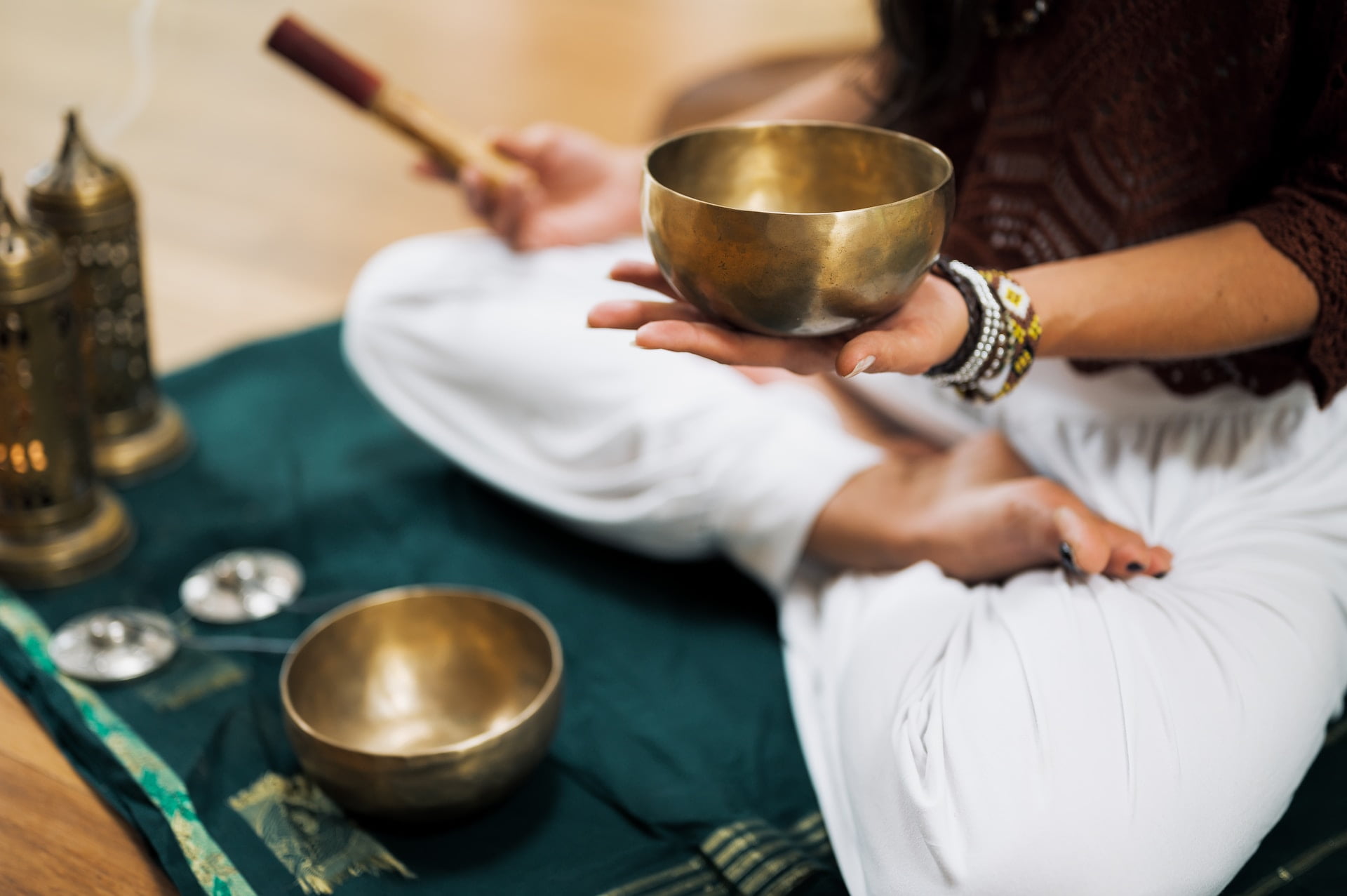
    Tibetan Singing Bowls are perhaps the most well-known tools for Sound Healing. When played, they produce a resonant, soothing sound that can transport you to a state of deep relaxation. The vibrations from these bowls are believed to realign the body’s energy centers or chakras.

    Crystal Singing Bowls

    Crystal Singing Bowls are made from quartz crystal and produce a clear, pure sound. They are often used for chakra balancing and meditation. Each bowl is tuned to a specific note, corresponding to a particular chakra, making it a powerful tool for energy healing.

    Tuning Forks

    The Tuning forks or Vibrational Sound Therapy are precise instruments that emit a specific frequency when struck. They are used to direct sound vibrations to specific areas of the body or energy centers. This targeted approach can be particularly effective for pain management and energy clearing.

    Vocal Toning

    Vocal toning or Sound Healing Music involves using the human voice to create healing sounds. This technique is highly personalized, as the practitioner uses their voice to address specific imbalances in the client’s body. It can be a deeply transformative and cathartic experience.

    How to Incorporate Sound Healing into Your Life

    1. Seek Professional Guidance

    To fully experience the benefits of Sound Healing, it’s advisable to consult a certified practitioner. They can tailor sessions to your specific needs and guide you through the process.

    2. Home Practice

    You can also explore Sound Therapy at home. Start with simple practices like listening to guided sound meditation recordings or experimenting with singing bowls. Remember to create a peaceful environment to enhance the experience.

    3. Group Sessions

    Participating in group Sound Healing sessions can be a communal and uplifting experience. Many holistic centers and wellness retreats offer group sound baths, where you can immerse yourself in healing vibrations.

    The Future of Sound Healing

    As more people seek holistic approaches to well-being, Sound Healing Meditation is gaining popularity. It’s not just a trend; it’s a timeless practice that has stood the test of time. In a world filled with noise and chaos, Sound Healing offers a respite—a return to the soothing and harmonious power of sound.

    You can enroll in Sound Therapy Courses in India provided by experienced professionals at Fitfortunes. These courses are comprehensive and designed to enhance your understanding of sound therapy techniques.

  • Yoga Teacher Training in Rishikesh – Fitfortunes Yoga School, Rishikesh

    Discover the Path to Becoming a Yoga Teacher in Rishikesh

    Yoga Teacher Training Rishikesh
    Yoga Teacher Training Rishikesh

    Are you ready to embark on a transformative journey of self-discovery and learn the ancient art of yoga? Look no further than Fitfortunes Yoga School, located in the serene and spiritual city of Rishikesh, India.

    Our 200-hour traditional multi-style yoga teacher training course in Rishikesh is designed to provide aspiring yoga teachers with a solid foundation in yoga philosophy, asanas, pranayama, meditation, and teaching methodology. By immersing yourself in the rich culture and spiritual atmosphere of Rishikesh, known as the “Yoga Capital of the World,” you will deepen your practice and develop the skills to become a confident and compassionate yoga teacher.

    Why Choose Rishikesh for Your Yoga Teacher Training?

    Rishikesh, nestled in the foothills of the majestic Himalayas and blessed with the sacred Ganges River, offers an unparalleled environment for yoga teacher training. The serene and natural surroundings create an ideal setting for self-reflection, meditation, and the study of yoga. As you embark on this transformative journey, you will have the opportunity to learn from experienced and certified yoga instructors who will guide you through the depths of yoga philosophy and the intricacies of asanas, pranayama, and meditation.

    Immerse Yourself in a Comprehensive Yoga Curriculum

    At Fitfortunes Yoga School, our 200-hour yoga teacher training course encompasses a broad range of topics.

    These include in-depth studies of yoga philosophy and history. Our curriculum includes in-depth studies of yoga philosophy and history, techniques for aligning various asanas, pranayama and energy anatomy, meditation and mindfulness practices, teaching methodology with hands-on adjustments, as well as anatomy and physiology. Additionally, we cover yogic lifestyle and ethics to provide you with a comprehensive and well-rounded understanding of yoga. You will also have ample opportunities to practice and refine your teaching skills through supervised teaching sessions.

    Experience the Yogic Lifestyle in Rishikesh

    During your stay in Rishikesh, you will have the chance to fully immerse yourself in the yogic lifestyle.Your daily routine during our program revolves around yoga. This includes morning yoga and meditation sessions, self-study, and reflection. You’ll immerse yourself in yoga practice. Additionally, you can partake in sacred rituals, visit ashrams and temples, and learn from esteemed spiritual teachers.. The serene and spiritual ambiance of Rishikesh will support and inspire your personal transformation.

    Become a Certified Yoga Teacher and Share Your Passion

    Upon completing our 200-hour yoga teacher training, you’ll receive a globally recognized certification. With this certification, you can teach yoga professionally worldwide. Whether your dream is to lead classes at renowned yoga studios, offer private sessions, or conduct retreats in comfortable locations. Our training program equips you with the skills, knowledge, and confidence to pursue your passion and share the transformative power of yoga with others.

    Ready to Start Your Journey?

    If you are ready to embark on this life-changing journey, join us at Fitfortunes Yoga School in Rishikesh. Our upcoming yoga teacher training courses are open for enrollment. Secure your spot today and take the first step towards becoming a certified yoga teacher. Visit our website at Fitfortunes Yoga School to learn more and begin your transformational yoga journey.

    Disclaimer: All images used in this blog are copyright-free and sourced from Unsplash.

  • Explore the 7 Chakras of the Human Body

    Explore the 7 Chakras of the Human Body

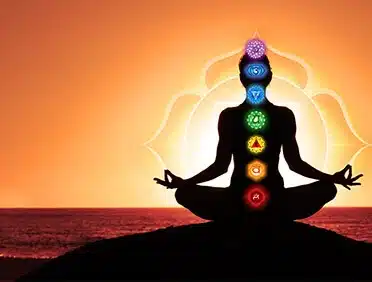
    Have you ever heard of the 7 Chakras? The human body has energy centers, Chakras. The balanced Chakras, they can bring physical, emotional, and spiritual wellbeing. Here, we will explore the 7 Chakras, how they affect our energy & how to keep them balanced for optimal health. Read on to discover more!

    Explore the 7 Chakras of the Human Body
    Explore Chakra in Human Body

    Understanding the 7 Chakras of the Human Body

    The seven chakras are energy centers in the human body. That are located along the spine, from the base of the spine to the crown of the head. According to the philosophy of yoga, these 7 chakras are the 7 stages. For of spiritual growth and development in a human’s life. Each chakra refers to an emotion, a physical sensation and a color. If it becomes blocked, it can lead to an imbalance. Due to stress, trauma or unhealthy habits. Unblocking these 7 chakras is an important part of yoga practice. Which can help individuals open up their minds, hearts and souls for greater spiritual growth.

    The Basic things

    Each chakra is associated with specific physical, psychological and spiritual functions, and understanding how these chakras work can be beneficial for maintaining balance in our lives. According to the ancient practice of yoga philosophy, our bodies have seven energy centers known as chakras. These chakras play an important role in how we feel physically, emotionally and spiritually. Each chakra is associated with different emotions and physical sensations, including courage, creativity, communication, compassion and wisdom. By understanding the seven chakras and how they interact with our bodies, we can create balance and harmony in our lives by focusing on the areas where we need more work or attention.

    Through yoga practice, we can learn to activate and balance these energy centers to create a sense of peace and clarity in our lives – both physically and mentally Thus, 7 chakra practice under the yoga philosophy is an effective way to create balance. Through regular practice and mindfulness, one can achieve improved physical and mental wellbeing. Awareness of the seven chakras and learning how to activate, cleanse and balance them could help achieve health and well-being. As a result of this practice, we can experience true peace and clarity in our lives.

    Balancing the Chakras for Optimal Health through Yoga Philosophy

    Balancing the seven chakras is essential for achieving optimal physical, mental, and spiritual health in accordance with yoga philosophy. By understanding how energy flows between the chakras and learning to practice yoga poses that focus on specific areas. We can aim to bring our energies into alignment. The 7 chakras, Muladhara, Svadishthana, Manipura, Anahata, Vishudda, Ajna and Sahasrara. These are located along the spine and correspond to different stages of life and development.

    Improve the Energy of Chakras

    These 7 chakras provide pathways for energy to flow between the physical body and the spiritual or mental parts of ourselves. Practicing certain yoga postures can help improve the flow of energy between these 7 chakras by releasing physical, emotional and mental tension. This in turn helps us experience feelings of relaxation and freedom from stress. Through understanding and integrating the 7 chakras into our own lives we can use yoga to achieve balance in our lives on all levels. Physical, mental, emotional and spiritual.

    Different postures target different chakras and th bring different benefits: for example, the practice of hip openers helps to open up energy flow in the root chakra, associated with stability and security; backbends can help open up the heart chakra which is associated with positive emotions such as love and compassion Thereafter, yoga philosophy and the concept of the 7 major chakras offer a powerful tool for improving physical, mental, and spiritual wellbeing. Different yoga postures are tailored to target each of these chakras, bringing different benefits to our wellbeing and ultimately improving the quality of life. Through yoga practices that originate from India, yoga practitioners are able to reap these benefits to improve their physical and mental health.

    To Conclude

    In conclusion, the 7 chakras are an incredible aspect of the human body. It is important to maintain their balance and energy in order to achieve optimal physical, emotional, and spiritual wellbeing. Practicing yoga or meditation, eating a balanced diet, getting enough sleep, and engaging in positive self-talk. These are all essential components of maintaining a balanced chakra system. By making these changes in your life you may find yourself feeling more energetic and happier than ever before!

    Ready to take your yoga practice to the next level? Our 200 Hour Yoga Teacher Training in Rishikesh is designed to provide you with the knowledge and skills needed to teach yoga with confidence. Apply now!

  • Our Network and Partners

    Our website is listed on following directories:

    healthandbeautylistings.org – Yoga Directory

    yogafinder.com – Yogafinder

  • Selfcare is not Selfishness its a Need for Healthy Life

    Do you feel guilty in considering yourself as a priority? Selfcare is not being selfish. It’s about loving your own-self. We are workaholic people running around to get things right. But for others. If you consider yourself to be the weighing machine, the heavier side always being the
    selfless being.

    Priorities over Selfcare

    In other words, we always forget ourselves to please others. But its really hard and is not also a healthy way to love it. We think our self to be a wonder Man/Woman but end up being a crazy one. Because we think selfcare is selfishness. We try to cope up with the environment and result in doing amazing things. But, compromising our other areas. Compromising our relationship, our connection as well our well being. Find a self-care regime by making yourself a priority in your own world. It’s amazing to see the differences it makes. You will feel more lively, refreshed and calmer and love your life.
    Sharing with you have habits that would change your life. Put them into your day without fail. Feel the difference. It’s your own job to look after yourself, your emotion as well as your mental well being.

    Yoga

    So, First thing in Selfcare is Keeping yourself Physical fit. And, Yoga the easiest and stay at home option for you. Every early morning make yoga routine your habit. It will help you with improving your flexibility, posture, healthy joint and muscles along with your core strength. Moreover, You start feeling amazing as days pass by. You can keep it low starting slowly. Firstly give some love to your joints and rotate every joint in a clockwise and anti-clockwise direction few rounds. Starting from wrists, elbows, shoulder, neck, opening up the chest, back and forward bend, spinal twist and side bend, hip rotations, knees, ankles. Followed by with some repetitions of Sun Salutation. start from 10-15 minutes in first go. Nevertheless, Once you feel a bit stronger increase it around 30 minutes at least. It not only makes you feel refreshed but also provides you energy all day long.

    Mindfulness and Meditation

    Now, after physical health lets move forward to be strong mentally too. Take things slow, notice things around yourself. Feel the presence where you live and experience the world around you. Take time to look around, look the trees, the people around you. Sometimes stop and greet people. Stop worrying and be in the present. Mindfulness is a life saver and stays mindful in every aspect. Mind what you eat, you drink. Enjoy every precious moment on every precious day. Practicing daily medication after your morning exercise is also very helpful. Go through a guided visualization turning your back in the sun.

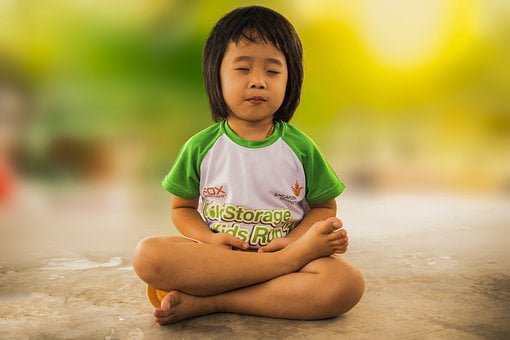
    Little Kid Doing  meditation
    Little Kid Doing meditation

    It takes 20-30 minutes from your day but leaves you with immense peace. Maybe at start your mind getting divert easily, or you feel uncomfortable in keeping your eyes closed. But, this is just the start. once you start from 3 minutes you could easily reach 30. Unite your body, mind, and soul. A strong mind makes a strong personality also helps with mood swings. So, yoga practice with some Meditation is need of you. Find some time for yourself morning or evening doesn’t matter.

    Laughter and joy

    Spend time with your precious person around you. Be silly, laugh and get yourself rolling on the floor. Drop any inhibitions, be playful and let yourself go. Bring laughter and joy into your life. Spend time with your partner, your children, and our friends.

    Gardening or Nature Love

    Getting out in the garden/park makes your soul musical. Meanwhile, It soothes your mind also nourish your soul. We get immense joy and satisfaction from the outcome itself. Not only this is selfcare but also a great way of releasing energy. And the most helpful part one
    can spend his anger or frustration while gardening. Digging up the weeds is extremely helpful.

    ecology 2985781 960 720 1
    make a garden of your own

    Making reading your habit

    Try to get lost in a great novel feeling the story. Sit by a pool and give yourself
    permission to enter the imaginative world. This would result in a big difference. And
    here what you will challenge your work ethic. It not only gives a break from your
    monotonous job but also put you in relief.

    Swimming

    Water can make you calm and give immense pleasure. Walking along a beach or sitting by a pool soothes your soul. There are many things that would help you to maintain a balanced life. Apply them
    as your self-care strategies. Be a better partner, a friend, and a better therapist. Before finishing it off, would like to mention a few things. This very change of yours may not accept gladly. Your friends and family may accuse you of being a bit selfish.

    But don’t get disheartened, term it as SELF-CARE!!! You will feel great to see the ripple effect when you being the person, changes in the family system.