Blog

  • Best Online Yoga Courses: How to Choose the Right One

    Yoga has been practiced for thousands of years. The ancient texts, like the Yoga Sutras, describe it as a path to harmony. Today, online yoga courses bring this wisdom to millions worldwide.

    The demand for virtual yoga programs has grown. People seek the best online yoga classes for flexibility, health, and inner peace. Choosing the right course can be overwhelming. This guide compares top-rated platforms to help you decide.

    Why Choose Online Yoga Courses?

    Online yoga courses offer convenience. They allow learning from expert teachers at home. Whether you’re a beginner or an advanced practitioner, there’s a program for you.

    Benefits of Virtual Yoga Training:

    • Learn at your own pace.
    • Access diverse yoga styles.
    • Practice anywhere, anytime.
    • Save money compared to in-person classes.
    • Get certified from reputable schools.

    Best Online Yoga Courses 2025

    Here’s a comparison of top-rated yoga programs based on quality, certification, and user experience.

    1. Alo Moves
    • Best for: Variety of yoga styles
    • Price: $20/month
    • Features:
      • Over 3,000 classes
      • Top global instructors
      • Customizable learning paths
    • Why Choose It?
      • Perfect for all levels
      • High-quality video production
      • Includes meditation and fitness
    1. Yoga with Adriene
    • Best for: Beginners
    • Price: Free (YouTube) or $12.99/month for premium
    • Features:
      • Gentle and inclusive approach
      • Thousands of free YouTube classes
      • Community-based learning
    • Why Choose It?
      • Easy-to-follow instructions
      • Perfect for home practice
      • Friendly teaching style
    1. Yoga International
    • Best for: Advanced and Teacher Training
    • Price: $20/month
    • Features:
      • Professional-level instruction
      • 500+ courses and workshops
      • Certifications available
    • Why Choose It?
      • Great for deep learning
      • Ideal for future yoga teachers
      • Offers multiple styles
    1. Glo Yoga
    • Best for: Personalized practice
    • Price: $24/month
    • Features:
      • AI-powered class recommendations
      • Classes for stress relief, fitness, and meditation
      • Expert teachers
    • Why Choose It?
      • Tailored to your needs
      • Perfect for busy individuals
      • Easy-to-use app
    1. Udemy Yoga Courses
    • Best for: One-time purchase
    • Price: Varies ($10-$100 per course)
    • Features:
      • Lifetime access
      • Various styles and techniques
      • Affordable one-time payment
    • Why Choose It?
      • No recurring fees
      • Learn at your own pace
      • Many courses to choose from

    How to Choose the Right Online Yoga Course?

    Selecting a yoga course depends on goals and preferences. Consider these factors:

    1. Skill Level
    • Beginners should start with gentle or foundational classes.
    • Advanced learners may prefer certification programs.
    1. Yoga Style
    • Hatha: Slow-paced, great for beginners.
    • Vinyasa: Flowing movements, good for fitness.
    • Yin: Deep stretches, improves flexibility.
    • Kundalini: Focuses on energy and breath.
    1. Instructor Quality
    • Choose courses led by certified and experienced teachers.
    • Look for clear instructions and engaging lessons.
    1. Pricing and Value
    • Free courses are great for casual learners.
    • Paid courses often offer better structure and certification.
    1. Student Reviews
    • Check user feedback before enrolling.
    • Look for platforms with high ratings and positive comments.

    Ancient Wisdom in Modern Yoga

    Ancient texts like the Bhagavad Gita and Yoga Sutras emphasize yoga as a lifestyle. Online yoga courses help integrate these teachings into daily life. Patanjali’s sutras highlight discipline, mindfulness, and ethical living, which remain relevant today.

    Frequently Asked Questions

    1. Are online yoga courses effective?

    Yes, if they include structured lessons, professional instructors, and consistent practice.

    1. Which online yoga course is best for beginners?

    Yoga with Adriene and Alo Moves offer excellent beginner-friendly options.

    1. Can I get certified through an online yoga course?

    Yes, platforms like Yoga International provide certifications for aspiring teachers.

    1. Are free online yoga courses worth it?

    Free courses are great for self-practice but may lack depth and certification.

    Choosing the best online yoga courses 2025: Reviews and comparison helps you find a program that suits your needs. Whether you want relaxation, fitness, or teacher training, there’s a course for you. Explore these top-rated options and start your yoga journey today!
  • Best Yoga Teacher Training Bali – A Complete Guide

    Best Yoga Teacher Training Bali – A Complete Guide

    Bali is a paradise for yoga lovers. With its serene beaches, lush jungles, and spiritual energy, it attracts seekers worldwide. If you dream of becoming a certified yoga teacher, Bali is the perfect place. This guide explores the best yoga teacher training in Bali, its benefits, and what to expect.

    Why Choose Bali for Yoga Teacher Training?

    Bali has deep spiritual roots. Ancient Hindu scriptures mention yoga as a path to liberation. The island’s culture aligns with yogic philosophy, making it an ideal place to train. Here’s why Bali stands out:

    • Scenic Environment: Train amidst tropical forests, rice fields, and ocean views.
    • Authentic Teachings: Many schools follow Yoga Alliance-certified courses.
    • Diverse Styles: Learn Ashtanga, Vinyasa, Hatha, and Yin Yoga.
    • Experienced Teachers: Many trainers are globally recognized yoga masters.
    • Community Vibes: Meet like-minded people and grow together.

    Top Yoga Teacher Training Courses in Bali

    Choosing the right course is crucial. Here are some of the best yoga certification programs in Bali:

    1. 200-Hour Yoga Teacher Training

    This course is a great starting point. It covers multi-style yoga training, anatomy, meditation, and philosophy.

    • Duration: 21–28 days
    • Styles:Hatha, Vinyasa, Yin, and Ashtanga
    • Who Should Join? Beginners and intermediate practitioners
    1. 300-Hour Advanced Yoga Teacher Training

    For those who want advanced yoga teacher training in Bali, this course is ideal.

    • Duration: 30–40 days
    • Styles: Advanced Ashtanga, Vinyasa, and yoga therapy
    • Who Should Join? Certified 200-hour teachers aiming for a deeper understanding
    1. 500-Hour Yoga Teacher Training

    This is a comprehensive yoga teacher certification retreat in Bali. It includes both 200-hour and 300-hour training.

    • Duration: 50–60 days
    • Styles:Multi-style yoga, Ayurveda, and advanced pranayama
    • Who Should Join? Dedicated practitioners seeking in-depth knowledge

    What You Will Learn

    Bali’s best yoga teacher training programs offer a structured curriculum. Expect to study:

    • Asana Practice: Mastering Hatha, Vinyasa, and Ashtanga yoga
    • Pranayama & Meditation: Breathing techniques to calm the mind
    • Yoga Philosophy: Teachings from Patanjali’s Yoga Sutras and Bhagavad Gita
    • Anatomy & Alignment: Understanding the body’s mechanics
    • Teaching Methodology: How to structure and lead classes
    • Mantras & Chanting: Using sacred sounds for inner harmony

    Best Locations for Yoga Training in Bali

    Different places offer unique experiences. Here are the top locations for yoga instructor courses in Bali:

    1. Ubud – The Heart of Spirituality

    Known for its lush jungles, temples, and traditional healers, Ubud is home to many top yoga schools.

    1. Canggu – Beachfront Yoga Bliss

    Canggu offers ocean-view yoga retreats, perfect for those who love the beach vibe.

    1. Uluwatu – Cliffside Serenity

    For those seeking a quiet, scenic atmosphere, Uluwatu provides luxurious yoga teacher training retreats.

    Cost of Yoga Teacher Training in Bali

    Prices vary depending on the school and accommodation type:

    • Budget Training (Dorm Stay): $1500–$2500
    • Mid-Range Training (Private Room): $2500–$3500
    • Luxury Training (Resort Stay): $3500–$5000

    Most courses include food, accommodation, training materials, and certification.

    Seasonal Trends – Best Time for Yoga Training in Bali

    Bali has two main seasons:

    • Dry Season (April–October): Best time for outdoor yoga training
    • Wet Season (November–March): Fewer tourists, peaceful retreats

    Many yoga schools offer New Year yoga teacher training programs in January, attracting fresh seekers.

    How to Choose the Best Yoga School

    When selecting a yoga certification course in Bali, consider:

    1. Accreditation: Choose Yoga Alliance-certified programs.
    2. Teachers: Research their experience and credentials.
    3. Styles Offered: Find a program that aligns with your interests.
    4. Location: Pick a place that suits your lifestyle.
    5. Reviews: Check testimonials from past students.

    The Ancient Wisdom Behind Yoga Teacher Training

    Yoga’s roots trace back to ancient texts. The Patanjali Yoga Sutras describe the eightfold path (Ashtanga) leading to enlightenment. The Bhagavad Gita emphasizes karma yoga (selfless service). These teachings shape yoga teacher training in Bali, making it both spiritual and practical.

    Who Can Join Yoga Teacher Training?

    Anyone passionate about yoga can enroll. Whether you’re a beginner or an advanced practitioner, there’s a course for you. Many schools offer affordable yoga teacher training in Bali, making it accessible for all.

    Final Thoughts – Start Your Yoga Journey in Bali

    Bali offers some of the best yoga teacher training programs in the world. With experienced teachers, diverse styles, and breathtaking locations, it’s a top choice for aspiring yoga instructors. If you’re looking for a transformative experience, Bali awaits you.

    Are you ready to begin your journey? Find the best yoga teacher training in Bali and step into your new path!

    Upcoming Traditional Multi-Style 200 Hour Yoga Teacher Training

    Upcoming Traditional Multi-Style 200 Hour Yoga Teacher Training

    Date Shared Room Book Private Room Book
  • 200 Hour Yoga Teacher Training in Rishikesh: What to Expect

    200 Hour Yoga Teacher Training in Rishikesh: What to Expect

    Rishikesh, the birthplace of yoga, is the ideal place to start your yoga teaching journey. A 200 Hour Yoga Teacher Training Course in Rishikesh is more than just a certification. It is a deep dive into the world of yoga, philosophy, and self-discovery. Rooted in ancient wisdom, this training follows the teachings of Patanjali’s Yoga Sutras and the Bhagavad Gita.

    This course is perfect for beginners and intermediate practitioners. It helps in building a strong foundation in Hatha and Ashtanga yoga while also covering pranayama, meditation, and yoga philosophy.

    Why Choose Rishikesh for Yoga Teacher Training?

    Rishikesh is known as the Yoga Capital of the World. Saints and yogis have practiced yoga here for centuries. The sacred Ganges River and the peaceful Himalayan foothills create the perfect environment for spiritual growth.

    Training in Rishikesh offers an authentic experience. You learn from experienced teachers who follow traditional yoga methods. Many schools in Rishikesh are Yoga Alliance certified, making their courses globally recognized.

    What to Expect from a 200 Hour Yoga Teacher Training in Rishikesh?

    A 200 Hour Yoga Teacher Training Course in Rishikesh follows a structured syllabus. It includes physical postures (asanas), breath control (pranayama), meditation, anatomy, and teaching methodology. Here is what you will learn:

    • Hatha & Ashtanga Yoga – Practice asanas with correct alignment and technique.
    • Pranayama & Meditation – Learn breath control for mental clarity and relaxation.
    • Yoga Philosophy – Understand the teachings of ancient texts like the Yoga Sutras and Bhagavad Gita.
    • Anatomy & Physiology – Gain knowledge of the body to avoid injuries.
    • Teaching Methodology – Learn how to structure a yoga class effectively.

    The Ancient Roots of Yoga Training

    The concept of yoga training is thousands of years old. Ancient texts like the Bhagavad Gita, Upanishads, and Hatha Yoga Pradipika discuss yoga’s purpose.

    The Bhagavad Gita describes yoga as the path to self-realization. It teaches karma yoga (selfless action), bhakti yoga (devotion), and jnana yoga (wisdom). The Yoga Sutras by Patanjali introduce the eight limbs of yoga, guiding practitioners toward enlightenment.

    Benefits of a 200 Hour Yoga Teacher Training in Rishikesh

    Completing a 200 Hour Yoga Teacher Training Course in Rishikesh offers many benefits.

    1. Personal Growth – Develop self-discipline and mindfulness.
    2. Strong Yoga Practice – Improve flexibility, strength, and endurance.
    3. Teaching Confidence – Learn how to guide students with clarity.
    4. Spiritual Connection – Experience the deeper aspects of yoga beyond physical postures.
    5. Career Opportunities – A Yoga Alliance certification allows you to teach worldwide.

    Choosing the Right Yoga School in Rishikesh

    With many yoga schools in Rishikesh, selecting the right one is important. Consider these factors:

    • Yoga Alliance Certification – Ensures global recognition.
    • Experienced Teachers – Learn from certified and knowledgeable instructors.
    • Comprehensive Curriculum – Covers asanas, philosophy, anatomy, and teaching skills.
    • Location & Environment – A peaceful setting enhances the experience.

    Daily Schedule of a 200 Hour Yoga Teacher Training

    The course follows a disciplined routine. A typical daily schedule includes:

    • 5:30 AM – Wake up
    • 6:00 AM – Meditation & Pranayama
    • 7:30 AM – Asana Practice (Hatha/Ashtanga)
    • 9:00 AM – Breakfast
    • 10:30 AM – Yoga Philosophy
    • 12:00 PM – Anatomy & Physiology
    • 1:30 PM – Lunch & Rest
    • 3:00 PM – Teaching Methodology
    • 4:30 PM – Evening Asana Practice
    • 6:30 PM – Meditation & Mantra Chanting
    • 8:00 PM – Dinner & Self-Study

    This structured routine helps students develop discipline and self-awareness.

    Best Time to Join a 200 Hour Yoga Teacher Training in Rishikesh

    The best time for yoga training in Rishikesh is from September to April. During these months, the weather is pleasant, making it easier to practice yoga. The summer months (May-June) can be hot, while the monsoon season (July-August) brings heavy rains.

    Who Can Join This Course?

    A 200 Hour Yoga Teacher Training Course in Rishikesh is open to all yoga enthusiasts. Whether you are a beginner or an advanced practitioner, you can join. The course is ideal for:

    • Individuals looking to start a career in yoga teaching.
    • Yoga practitioners who want to deepen their knowledge.
    • Anyone interested in traditional yoga and its philosophy.
    • People seeking personal transformation through yoga.
    Upcoming Traditional Multi-Style 200 Hour Yoga Teacher Training 2025

    Upcoming Traditional Multi-Style 200 Hour Yoga Teacher Training 2025

    Date Shared Room Book Private Room Book

    Life After Completing a 200 Hour Yoga Teacher Training

    After completing the course, you can start teaching yoga globally. With a Yoga Alliance certification, you can offer classes, workshops, or open a yoga studio. Many graduates continue their journey by enrolling in 300 Hour Yoga Teacher Training for advanced learning.

    A 200 Hour Yoga Teacher Training Course in Rishikesh is an enriching experience. It helps you grow physically, mentally, and spiritually. Learning in the holy city of Rishikesh connects you with authentic yoga traditions.

    If you dream of becoming a certified yoga teacher, this training is the perfect step. Join a reputable yoga school in Rishikesh and embark on a life-changing journey today.

  • Yoga for Beginners in Rishikesh: A Guide to Starting Your Journey

    Yoga for Beginners in Rishikesh: A Guide to Starting Your Journey

    Rishikesh is the world’s yoga capital, offering the perfect setting for beginners. The holy Ganges, peaceful mountains, and traditional yoga schools make it ideal for practice. If you are new to yoga, this guide will help you begin with confidence. Yoga for beginners in Rishikesh includes authentic teachings, experienced instructors, and spiritual experiences.

    Why Choose Rishikesh for Yoga?

    Rishikesh has been a center for yoga and meditation for centuries. Many ancient texts mention its spiritual significance. The Bhagavad Gita refers to yoga as the path to inner peace. The Yoga Sutras of Patanjali describe it as a method to quiet the mind.

    Practicing yoga in Rishikesh allows you to learn from certified teachers. The environment enhances focus and relaxation. Many yoga retreats and schools offer courses designed for beginners. You will find beginner yoga classes in Rishikesh that follow traditional teachings.

    Best Beginner Yoga Styles in Rishikesh

    Different yoga styles suit beginners. Here are some of the best options:

    1. Hatha Yoga

    Hatha yoga focuses on basic postures and breathing techniques. It improves flexibility and builds a strong foundation.

    1. Vinyasa Yoga

    Vinyasa yoga involves flowing movements linked with breath. It helps improve coordination and stamina.

    1. Iyengar Yoga

    This style uses props like blocks and belts. It is perfect for beginners who need extra support in postures.

    1. Kundalini Yoga

    Kundalini yoga works with energy through breathwork and chanting. It enhances spiritual awareness.

    Each of these styles is available in beginner yoga courses in Rishikesh. You can choose one based on your comfort level.

    What to Expect in a Beginner Yoga Class?

    A beginner yoga course in Rishikesh includes simple asanas, breath control, and meditation. Classes start with warm-ups to prepare the body. Basic poses like Tadasana (Mountain Pose) and Balasana (Child’s Pose) are introduced.

    Breathing exercises such as Anulom-Vilom help calm the mind. Teachers also guide students in meditation to enhance focus. Learning these basics builds a solid yoga practice.

    Choosing the Right Yoga School

    Rishikesh has many yoga schools. Look for places with experienced instructors and proper certification. The best yoga retreats for beginners in Rishikesh offer structured programs.

    Check for schools that follow traditional methods. Read reviews and course details before enrolling. Schools like the Himalayan Yoga Association and Sivananda Ashram are well-known for beginner yoga training.

    Yoga Retreats for Beginners

    Yoga retreats offer a complete experience. They include yoga sessions, meditation, and healthy meals. Many retreats are located near the Ganges or in the Himalayan foothills.

    An affordable yoga retreat for beginners in Rishikesh provides simple accommodation and organic food. It allows you to focus on learning without distractions. These retreats help you connect with nature and deepen your practice.

    Health Benefits of Yoga for Beginners

    Practicing yoga brings many benefits:

    • Improves Flexibility – Regular practice increases movement and reduces stiffness.
    • Boosts Mental Health – Yoga helps reduce stress and anxiety.
    • Strengthens the Body – Simple postures build muscle and improve balance.
    • Enhances Breathing – Pranayama techniques improve lung capacity.
    • Encourages Mindfulness – Meditation creates inner awareness and peace.

    These benefits make yoga a life-changing practice. A beginner yoga course in Rishikesh is a great way to experience them.

    Essential Tips for Beginners

    If you are starting yoga, keep these tips in mind:

    • Wear comfortable clothing for easy movement.
    • Stay hydrated but avoid drinking water during practice.
    • Focus on your breath and move at your own pace.
    • Listen to your body and avoid pushing beyond limits.
    • Practice regularly to see gradual progress.

    These simple steps will help you build a sustainable yoga habit.

    Ancient Text References on Yoga

    The concept of yoga is deeply rooted in ancient scriptures. The Bhagavad Gita describes yoga as a means to achieve self-discipline. Patanjali’s Yoga Sutras outline the eightfold path of yoga. The Upanishads also highlight meditation and breath control.

    Yoga for beginners in Rishikesh follows these traditional principles. Learning in this sacred place brings a deeper understanding of yoga’s spiritual side.

    Best Time to Learn Yoga in Rishikesh

    The best months to visit Rishikesh for yoga are from October to April. The weather is pleasant, making practice more comfortable. Many yoga festivals and events also take place during this period.

    If you prefer a quiet experience, visit between May and September. You can find beginner yoga retreats in Rishikesh throughout the year.

    Conclusion

    Yoga for beginners in Rishikesh offers a holistic journey of physical, mental, and spiritual well-being. Learning in this sacred city gives you an authentic experience. Whether you choose a structured course or a retreat, the knowledge you gain will stay with you forever.

    Start your yoga journey in Rishikesh today. Embrace the ancient wisdom and experience the benefits firsthand.

  • Starting Your Journey with a 100 Hour Yoga Teacher Training Course in Rishikesh

    Starting Your Journey with a 100 Hour Yoga Teacher Training Course in Rishikesh

    Rishikesh, nestled in the Himalayas, is renowned as the “Yoga Capital of the World.” This serene city offers a unique blend of spiritual ambiance and natural beauty, making it an ideal destination for yoga enthusiasts. If you’re considering a 100-hour yoga teacher training course in Rishikesh, this guide will provide you with essential insights to make an informed decision.

    Understanding the 100-Hour Yoga Teacher Training Course

    A 100-hour yoga teacher training course is a condensed program designed for individuals seeking to deepen their yoga practice or begin their journey toward teaching. This course typically covers foundational aspects of yoga, including asanas (postures), pranayama (breathing techniques), meditation, and yoga philosophy. It’s an excellent option for those with time constraints or those looking to start their teacher training in stages.

    Why Choose Rishikesh for Your Yoga Training?

    Rishikesh offers a unique environment for yoga training. The city’s rich spiritual heritage, combined with its tranquil surroundings, provides an ideal setting for self-discovery and growth. Practicing yoga in Rishikesh allows you to connect with ancient traditions and immerse yourself in a community of like-minded individuals.

    Key Components of the 100-Hour Yoga Teacher Training Course

    1. Asana Practice: Learn and refine foundational yoga postures, focusing on alignment and technique.
    2. Pranayama: Explore various breathing techniques to enhance energy flow and mental clarity.
    3. Meditation: Develop mindfulness and concentration through guided meditation sessions.
    4. Yoga Philosophy: Study ancient texts and teachings to understand the deeper aspects of yoga.
    5. Anatomy and Physiology: Gain knowledge about the human body to practice and teach safely.

    Benefits of the 100-Hour Yoga Teacher Training Course

    • Flexible Learning: The shorter duration allows for a balanced approach to learning and personal commitments.
    • Foundational Knowledge: Establish a strong base in yoga principles, preparing you for advanced studies.
    • Personal Growth: Experience self-discovery and transformation through dedicated practice.
    • Community Connection: Join a supportive network of fellow yoga practitioners and teachers.

    Choosing the Right Yoga School in Rishikesh

    Selecting the appropriate yoga school is crucial for a fulfilling training experience. Consider the following factors:

    • Accreditation: Ensure the school is recognized by reputable organizations like Yoga Alliance.
    • Experienced Instructors: Look for teachers with substantial experience and a deep understanding of yoga philosophy.
    • Curriculum: Review the course syllabus to ensure it aligns with your learning objectives.
    • Facilities: Check for comfortable accommodations, clean facilities, and a conducive learning environment.
    • Reviews and Testimonials: Seek feedback from past students to gauge the quality of the program.
    Upcoming Traditional Multi-Style 100 Hour Yoga Teacher Training 2024

    Upcoming Traditional Multi-Style 100 Hour Yoga Teacher Training 2024-25

    Date Shared Room Book Private Room Book

    What to Expect During the Training

    A typical day in a 100-hour yoga teacher training course includes early morning asana practice, followed by pranayama and meditation sessions. Afternoons are dedicated to theoretical classes covering yoga philosophy, anatomy, and teaching methodology. Evenings often feature group discussions, kirtan (devotional singing), or relaxation techniques. This structured schedule promotes holistic development and discipline.

    Post-Training Opportunities

    Upon completing the 100-hour course, you have several options:

    • Continue with Advanced Training: Enroll in a 200-hour course to deepen your knowledge and teaching skills.
    • Start Teaching: Begin teaching beginner-level classes, applying the foundational skills acquired.
    • Personal Practice: Continue to practice and integrate yoga into your daily life.

    Starting a 100 hour yoga teacher training course in Rishikesh is a good experience to begin with. It offers an opportunity to immerse yourself in the rich traditions of yoga, guided by experienced instructors in a serene environment. Whether you aim to teach or deepen your personal practice, Rishikesh provides the perfect setting for growth and self-discovery.

  • Best Yoga School in Rishikesh

    Best Yoga School in Rishikesh

    Rishikesh, often referred to as the “Yoga Capital of the World,” is a sacred city brimming with spirituality. Located in the foothills of the Himalayas and alongside the holy Ganges River, it has been a sanctuary for sages, yogis, and seekers for centuries. This unique energy makes Rishikesh a haven for those embarking on their yoga journey.

    Selecting the best yoga school in Rishikesh can seem overwhelming. With so many options available, each offering different styles, traditions, and environments, it’s crucial to understand what makes a yoga school truly exceptional. The right school not only shapes your practice but also provides a foundation for lifelong learning and personal growth.

    Why Rishikesh is the Ideal Place for Yoga

    Rishikesh’s rich history is deeply intertwined with yoga. Ancient texts, such as the Vedas and Upanishads, reference the importance of this region for spiritual learning. Legends say that sages meditated in the caves here, seeking enlightenment. The serene environment, free from worldly distractions, creates the perfect atmosphere for self-discovery.

    Moreover, the energy of the Ganges plays a significant role in the city’s spiritual vibe. Practicing yoga by the river’s banks or within ashrams overlooking the water offers an unparalleled connection to nature and one’s inner self.

    What to Look for in the Best Yoga School

    Choosing the best yoga school in Rishikesh involves considering various factors. Each school has its unique offerings, but a truly exceptional institution will adhere to yoga’s authentic principles while embracing modern teaching methods. Here’s what you should keep in mind:

    1. Accreditation and Certification
      A credible yoga school will have certification from reputable organizations like Yoga Alliance. This ensures that their programs meet international standards, especially if you plan to teach yoga professionally. Accreditation guarantees a structured curriculum, trained faculty, and proper student support.
    2. Experienced Instructors
      The quality of instructors significantly impacts your learning experience. Look for schools where teachers have extensive knowledge of traditional yoga practices, anatomy, and philosophy. The best yoga schools in Rishikesh often have teachers who have trained under accomplished gurus and have years of personal practice.
    3. Holistic Curriculum
      Yoga is more than just asanas (postures). The right school will offer a well-rounded curriculum that includes pranayama (breathing techniques), meditation, yoga philosophy, and anatomy. Some schools also teach Ayurveda, mantra chanting, and teaching methodology, giving students a deeper understanding of yoga as a lifestyle.
    4. Class Size and Environment
      Small class sizes allow for personalized attention and a more intimate learning experience. In a bustling city like Rishikesh, a peaceful and supportive environment can make all the difference. Look for schools that prioritize creating a welcoming space where students feel comfortable.
    5. Reviews and Testimonials
      Reading reviews from previous students is invaluable. Their experiences provide insights into the school’s teaching quality, facilities, and overall atmosphere. Look for consistent positive feedback regarding instructors, accommodations, and the learning process.

    Yoga Philosophy in Rishikesh

    Rishikesh is not just a place to learn yoga—it’s a space to immerse yourself in yoga philosophy. Ancient texts such as the Bhagavad Gita, Yoga Sutras, and Hatha Yoga Pradipika form the backbone of most programs in Rishikesh.

    The Bhagavad Gita emphasizes selfless action, devotion, and self-knowledge. It teaches that yoga is not limited to physical poses but is a way of living. Schools in Rishikesh often incorporate these teachings into their courses, helping students understand the deeper meaning of yoga.

    The Yoga Sutras of Patanjali outline the eightfold path of yoga, known as Ashtanga Yoga. This path includes ethical guidelines, physical practices, and methods for achieving mental clarity and spiritual liberation. Learning these sutras can profoundly change how one approaches yoga and life.

    Rishikesh also honors the traditions of Hatha Yoga, emphasizing balance between the body and mind. Schools in the city often combine traditional practices with modern techniques, ensuring a comprehensive approach to yoga.

    Benefits of Learning Yoga in Rishikesh

    1. Authenticity
      Yoga schools in Rishikesh uphold traditional values. They stay true to the roots of yoga, ensuring students gain authentic knowledge that transcends modern trends.
    2. Immersive Experience
      Being in Rishikesh allows you to live yoga—not just learn it. From sunrise meditations by the Ganges to evening aarti (prayer ceremonies), every moment contributes to your spiritual journey.
    3. Community and Connection
      Studying yoga in Rishikesh connects you with like-minded individuals from across the globe. This sense of community fosters growth, understanding, and shared experiences.
    4. Nature’s Serenity
      Practicing yoga amidst the Himalayas and near the sacred river enhances your ability to focus and connect with yourself. The serene environment promotes mental clarity and inner peace.

    Finding the Perfect Program

    When choosing a yoga school, it’s important to align your goals with what the school offers. If you’re looking to become a certified yoga teacher, opt for a 200-hour or 300-hour teacher training program. These programs are designed to equip you with the skills needed to teach confidently.

    For personal growth, shorter courses focusing on Hatha, Ashtanga, or meditation might be more suitable. Some schools also offer retreats, which are perfect for those looking to rejuvenate and recharge.

    The Journey Beyond Certification

    The best yoga schools in Rishikesh go beyond certification. They focus on creating well-rounded practitioners who understand yoga’s spiritual, mental, and physical aspects.

    Yoga is a lifelong journey, and your time in Rishikesh is just the beginning. By studying here, you’ll gain the tools to continue learning, teaching, and growing long after you leave.

    Best Yoga Schools in Rishikesh

    Best Yoga Schools in Rishikesh

    Rishikesh is home to some of the best yoga schools in the world, offering various styles and certifications. If you’re looking for a trusted place to begin your yoga journey, here are three excellent options, all affiliated with Yoga Alliance.

    1. Fitfortunes Yoga School

    Fitfortunes Yoga School stands out as one of the top yoga schools in Rishikesh. They offer Yoga Alliance-certified courses for 200-hour, 300-hour, and 500-hour yoga teacher training. The school focuses on traditional Hatha and Vinyasa styles, ensuring a deep connection with the roots of yoga. Fitfortunes Yoga School provides a serene and welcoming environment, perfect for learning and personal growth.

    1. Rishikesh Yog Peeth

    Rishikesh Yog Peeth is a well-established name in Rishikesh, offering internationally recognized yoga teacher training programs. Their Yoga Alliance-accredited courses include 200-hour and 300-hour options, with a curriculum covering asanas, yoga philosophy, anatomy, and more. Students appreciate the quality of instruction and the peaceful surroundings of the school.

    1. Raja Yoga Shala

    Raja Yoga Shala offers traditional and holistic yoga teacher training programs that are Yoga Alliance certified. They provide 200-hour and 300-hour courses, focusing on Raja Yoga and its principles. The school emphasizes the mental and spiritual aspects of yoga, guiding students toward inner peace and personal transformation. Its experienced instructors and peaceful environment make it a great choice for those looking to deepen their understanding of yoga.

    These three schools are highly respected in Rishikesh, offering a range of courses to suit different needs. Regardless of your choice, you’ll be guided by knowledgeable instructors and receive a solid foundation in yoga.

    Rishikesh is more than just a destination; it’s an experience that stays with you forever. Choosing the best yoga school in Rishikesh ensures that you embark on your yoga journey with the right guidance and support.

    Whether you seek personal growth, professional certification, or spiritual awakening, Rishikesh offers the perfect environment for transformation. Its serene landscapes, authentic teachings, and vibrant community create a space where yoga comes alive.

    Start this journey with an open heart and mind. The best yoga school in Rishikesh is here to help you learn more about yourself and find peace.

  • What is Vinyasa Flow Yoga

    What is Vinyasa Flow Yoga

    Vinyasa Flow Yoga is a dynamic practice that synchronizes breath with movement. The term “Vinyasa” comes from Sanskrit, where “vi” means “in a special way” and “nyasa” means “to place.” This signifies the intentional sequencing of postures.

    Origins and Philosophy Vinyasa Flow Yoga

    Vinyasa Flow Yoga has its roots in the teachings of Sri Tirumalai Krishnamacharya, often regarded as the grandfather of modern yoga. He emphasized the importance of transitioning between postures with mindful breathing. This approach was further developed by his student, K. Pattabhi Jois, into what is known today as Ashtanga Vinyasa Yoga.

    The philosophy of Vinyasa Yoga centers on the concept of interconnectedness. It teaches that we are part of a larger whole, and each movement and breath reflects this unity. By practicing Vinyasa, we cultivate a deeper connection to ourselves and the world around us.

    Principles of Vinyasa Flow Yoga

    1. Breath Awareness: Central to Vinyasa is the synchronization of breath and movement. The Ujjayi breath, characterized by a gentle constriction at the back of the throat, creates a rhythmic flow and builds internal heat.
    2. Continuous Flow: Unlike static forms of yoga, Vinyasa emphasizes fluid transitions between poses, creating a dance-like sequence that enhances flexibility and strength.
    3. Adaptability: Vinyasa Yoga does not follow a fixed sequence, allowing practitioners to explore various postures and create personalized practices. This adaptability makes it suitable for individuals of all levels.

    Benefits of Practicing Vinyasa Flow Yoga

    • Physical Health: Regular practice improves cardiovascular fitness, builds muscle strength, and increases flexibility. The continuous movement also aids in weight management.
    • Mental Well-being: The meditative aspect of linking breath with movement calms the mind, reduces stress, and enhances overall mental clarity.
    • Mindfulness: Being present in each movement fosters mindfulness, encouraging a deeper awareness of one’s body and mind.

    How to Practice Vinyasa Flow Yoga

    To begin practicing Vinyasa Flow Yoga, consider the following steps:

    1. Find a Qualified Instructor: Seek out experienced teachers who can guide you through sequences safely and effectively.
    2. Start with Basic Poses: Familiarize yourself with foundational postures before progressing to more advanced sequences.
    3. Focus on Breath Control: Practice Ujjayi breathing to maintain a steady rhythm throughout your session.
    4. Listen to Your Body: Modify poses as needed and avoid pushing beyond your comfort zone to prevent injury.

    Vinyasa Flow Yoga offers a harmonious blend of movement and breath, rooted in ancient traditions. By embracing its principles, practitioners can experience profound physical and mental benefits. Whether you’re new to yoga or seeking to deepen your practice, Vinyasa provides a versatile and enriching path to holistic well-being

  • What Is Ahinsa (Ahimsa) in Yoga

    What Is Ahinsa (Ahimsa) in Yoga

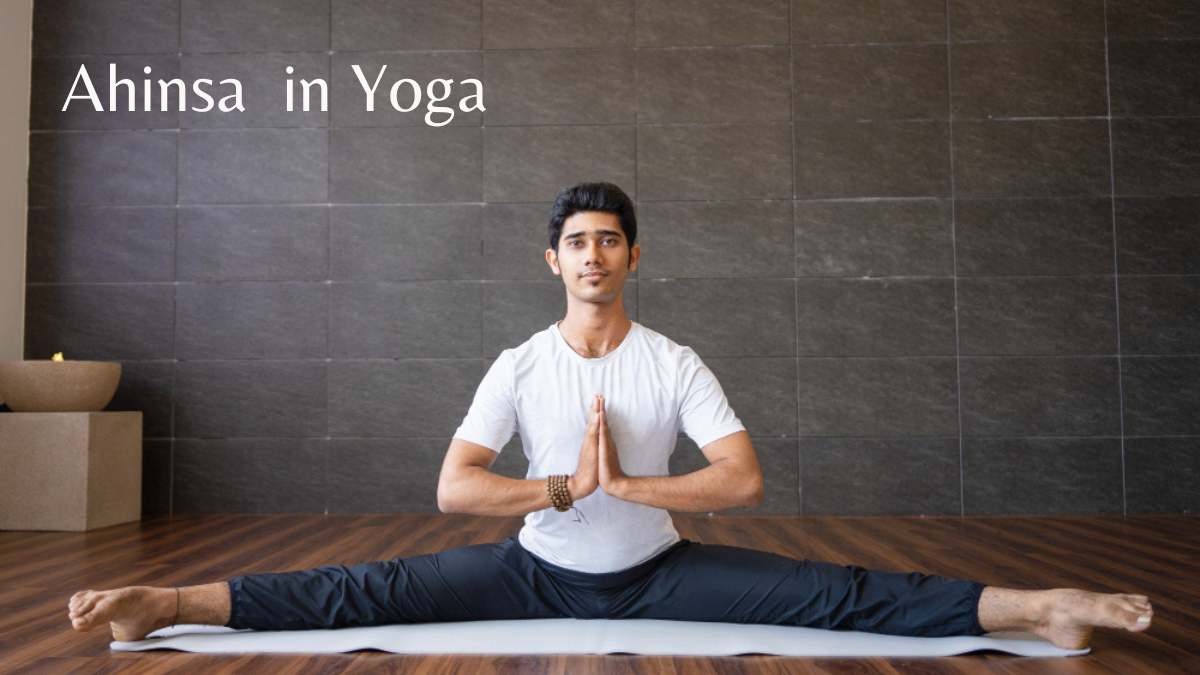
    Ahinsa, or ahimsa, is a Sanskrit term meaning non-violence. It forms the foundation of yoga philosophy and practice. Rooted in compassion, it emphasizes avoiding harm to oneself, others, and the environment. Ahimsa transcends cultural and spiritual boundaries, making it a universal value.

    In yoga, ahimsa extends beyond physical harm. It involves our thoughts, words, and actions. Practicing ahimsa fosters inner peace, harmonious relationships, and respect for all life. This concept originates from ancient Indian texts, including the Yoga Sutras of Patanjali, and continues to inspire modern practitioners worldwide.

    Synonyms and Variations of Ahinsa (Ahimsa)

    Understanding different terms related to ahimsa can broaden our perspective:

    • Non-violence
    • Non-harming
    • Harmlessness
    • Compassion in action
    • Loving-kindness

    Non-Violence in Yoga

    Ahimsa is the first of the five yamas, or ethical restraints, outlined in Patanjali’s Yoga Sutras. It serves as a foundational value in yoga philosophy, teaching yogis to cultivate kindness and mindfulness.

    Key principles of non-violence include:

    1. Respecting all living beings.
    2. Avoiding aggression in speech, actions, and thoughts.
    3. Cultivating gentle, compassionate behavior toward oneself and others.

    Practicing non-violence in yoga extends beyond the mat. It encourages yogis to adopt ethical and sustainable lifestyles, promoting harmony in the world.

    Ahimsa Philosophy in Yoga

    Ahimsa is more than avoiding harm; it’s a holistic way of living. It invites practitioners to reflect on their emotions, thoughts, and habits.

    Through self-awareness, one can:

    • Recognize and reduce negative emotions like anger and jealousy.
    • Replace judgment with understanding.
    • Foster a compassionate mindset in daily life.

    Ahimsa also emphasizes self-love and acceptance, reminding us to avoid self-criticism.

    Principles of Non-Harming

    The principles of ahimsa can transform lives when practiced consistently. They include:

    • Empathy: Understanding the feelings of others.
    • Kindness: Choosing patience and forgiveness over conflict.
    • Restraint: Remaining calm in difficult situations.

    By following these principles, yogis can create ripples of positivity in their surroundings.

    Ethical Foundation of Ahinsa

    Ahimsa is the ethical backbone of yoga. It aligns with the yamas and niyamas, which are moral guidelines for yogic living. These principles offer a pathway to balance, self-discipline, and peace.

    Related Yamas Include:

    • Satya (Truthfulness): Speaking and living truthfully.
    • Asteya (Non-Stealing): Avoiding greed and dishonesty.
    • Brahmacharya (Moderation): Practicing restraint.
    • Aparigraha (Non-Possessiveness): Letting go of material attachment.

    Historical and Textual References

    Ahimsa in Patanjali’s Yoga Sutras

    The Yoga Sutras highlight ahimsa as the first yama, emphasizing its significance in spiritual practice. It serves as a foundation for other ethical principles.

    Ahimsa in Hinduism and Jainism

    In Hinduism, ahimsa embodies universal compassion, encouraging kindness toward all beings. Jainism amplifies this principle, advocating strict non-violence even toward the smallest creatures like insects. Jain practitioners often adopt practices such as wearing masks to prevent harm and sweeping paths to avoid stepping on living beings, demonstrating profound respect for life.

    Mahatma Gandhi’s Principles

    Mahatma Gandhi used ahimsa to a powerful force during India’s struggle for independence, advocating non-violence as a tool for social and political change. His approach combined moral courage and compassion, inspiring peaceful resistance against injustice. Gandhi’s legacy continues to guide global movements for civil rights, equality, and harmony across cultures and nations..

    Scriptures on Ahimsa

    The Bhagavad Gita and Upanishads highlight ahimsa as essential for spiritual growth,  brings compassion, unity, and non-violence. Ahimsa aligns individuals with the divine essence, fostering self-realization and positive karma. These scriptures teach that non-harming is not merely ethical but a profound practice for achieving liberation and universal harmony.

    Practical Applications of Ahimsa

    Daily Life

    You can integrate ahimsa into daily life by:

    • Speaking kindly to others.
    • Practicing non-judgmental thinking.
    • Choosing non-violent solutions to conflicts.

    Relationships and Communication

    Practicing ahimsa in relationships fosters trust and understanding. Simple steps include:

    • Active listening.
    • Avoiding harsh words.
    • Resolving disagreements peacefully.

    Mindful Yoga Practice

    On the mat, ahimsa encourages:

    • Listening to your body.
    • Avoiding forceful movements.
    • Respecting your physical and emotional limits.

    Ahimsa Diet and Lifestyle

    Ahimsa extends to diet and lifestyle choices. A plant-based diet reflects non-violence by avoiding harm to animals. Sustainable living, mindful consumption, and kindness toward the Earth are essential expressions of ahimsa.

    Broader Spiritual Context

    Spiritual Growth Through Ahimsa

    Non-violence leads to inner transformation, nurturing patience, forgiveness, and humility.

    Ahimsa and Karma

    Ahimsa aligns with the law of karma. Non-violence attracts positive energy, creating harmony in life.

    Ahimsa as a Universal Value

    Ahimsa transcends religious boundaries, offering a timeless message of peace and unity.

    Practical Tips to Practice Ahimsa

    1. Set intentions for kindness at the start of your day.
    2. Be mindful of your words, ensuring they don’t cause harm.
    3. Practice gratitude to cultivate a compassionate heart.
    4. Adopt sustainable habits to care for the environment.

    Ahimsa is the heart of yoga and a timeless guide to ethical living. It teaches us to embrace kindness, mindfulness, and compassion in every thought, word, and action. By practicing non-violence, we not only create harmony in our relationships but also foster a profound connection with our inner selves.

    Ahimsa reminds us that peace begins within. When we choose non-harming, we cultivate self-love and acceptance, which ripple outward to create a more compassionate and understanding world. This practice isn’t limited to avoiding physical violence; it challenges us to transform our thoughts, overcome anger, and replace judgment with empathy.

    The teachings of the Yoga Sutras of Patanjali remind us that ahimsa is the foundation of spiritual awakening. It is the first yama, forming the cornerstone of ethical yoga practice. By embodying ahimsa, we align ourselves with the essence of yoga—a journey of self-realization and universal connection.

    Ahimsa also offers practical guidance for modern living. Whether through mindful communication, sustainable choices, or a plant-based diet, practicing non-violence helps us live in harmony with the world. It deepens our awareness, helping us navigate life with patience, resilience, and a sense of purpose.

    In a world often marked by conflict and division, ahimsa is a call to action—a reminder that peace is a choice. When we embrace non-violence as a lifestyle, we contribute to a collective effort to create a kinder, more harmonious planet.

    As Mahatma Gandhi said, “Ahimsa is the highest ideal. It is meant for the brave, never for the cowardly.”

    Let ahimsa guide your path, bringing balance, peace, and a conscious connection to the world around you. By practicing ahimsa, you feel the true spirit of yoga and inspire others to join in this journey toward peace and unity.

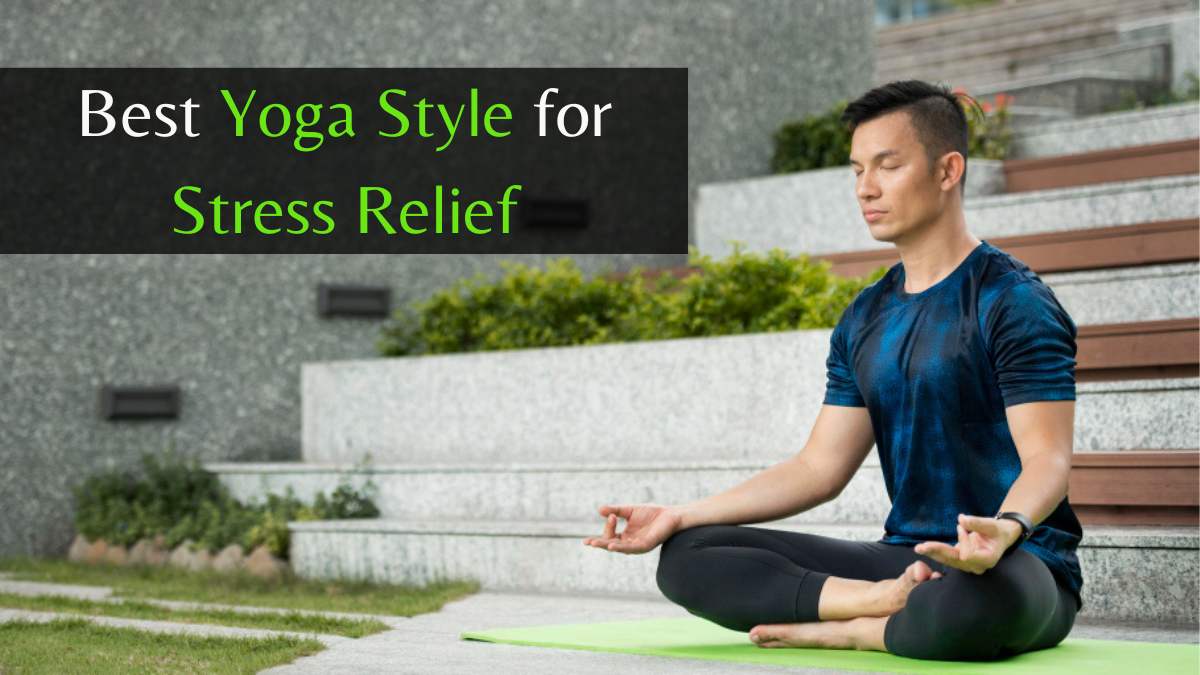
  • Which Yoga Style Is Best for Stress Relief

    Which Yoga Style Is Best for Stress Relief

    Stress has become an unavoidable part of modern life. With busy schedules and endless distractions, finding relief is essential. Yoga is a powerful way to ease stress, calm the mind, and rejuvenate the body. But with so many styles of yoga, which one is best for stress relief? Let’s explore.

    What Makes Yoga Effective for Stress Relief?

    Yoga is not just a physical practice. It combines movement, breathing, and meditation to create balance. Ancient texts like the Bhagavad Gita and the Yoga Sutras of Patanjali describe yoga as a way to achieve harmony between the mind, body, and spirit. This harmony naturally reduces stress.

    Modern research backs this up. Regular yoga practice can:

    • Lower cortisol levels (the stress hormone).
    • Reduce symptoms of anxiety and depression.
    • Improve sleep quality.
    • Increase mindfulness and awareness.

    Whether you’re a beginner or an experienced yogi, yoga offers something for everyone.

    Top Yoga Styles for Stress Relief

    Different yoga styles offer unique benefits. If you’re looking to release stress, focus on gentle, restorative practices. Here are the best options:

    1. Hatha Yoga

    Hatha yoga is the foundation of most modern yoga styles. It emphasizes basic poses (asanas) and breathing techniques (pranayama).

    • Why it’s effective: Hatha yoga moves at a slow pace, making it ideal for beginners. It allows time to focus on alignment and relaxation.
    • What to expect: Gentle stretching, basic postures, and controlled breathing.
    • Who should try it: Anyone seeking a calm, introductory practice.
    1. Restorative Yoga

    Restorative yoga is specifically designed for relaxation. It uses props like bolsters, blankets, and blocks to support the body in restful poses.

    • Why it’s effective: This practice helps activate the parasympathetic nervous system, which calms the body and mind.
    • What to expect: Long-held poses, often lasting 5–20 minutes, with minimal effort.
    • Who should try it: Anyone feeling overwhelmed or physically exhausted.
    1. Yin Yoga

    Yin yoga focuses on holding poses for extended periods, targeting deep connective tissues and joints.

    • Why it’s effective: Holding poses in stillness fosters mindfulness and releases tension stored in the body.
    • What to expect: Deep stretches and meditative breathing in a quiet environment.
    • Who should try it: Those looking to improve flexibility and mental stillness.
    1. Kundalini Yoga

    Kundalini yoga is a dynamic practice combining postures, breathwork, chanting, and meditation.

    • Why it’s effective: It works on an energetic level, balancing emotions and promoting mental clarity.
    • What to expect: A mix of vigorous movements, breathing exercises, and chanting.
    • Who should try it: Those open to a spiritual approach to stress relief.
    1. Yoga Nidra (Yogic Sleep)

    Yoga Nidra is a guided relaxation practice, often referred to as yogic sleep.

    • Why it’s effective: It leads you into a deep state of conscious relaxation, reducing stress and improving sleep.
    • What to expect: Lying down comfortably while following a guided meditation.
    • Who should try it: Anyone struggling with insomnia or chronic stress.

    Stress has become an unavoidable part of modern life. With busy schedules and endless distractions, finding relief is essential. Yoga is a powerful way to ease stress, calm the mind, and rejuvenate the body. But with so many styles of yoga, which one is best for stress relief? Let’s explore.
________________________________________
What Makes Yoga Effective for Stress Relief?
Yoga is not just a physical practice. It combines movement, breathing, and meditation to create balance. Ancient texts like the Bhagavad Gita and the Yoga Sutras of Patanjali describe yoga as a way to achieve harmony between the mind, body, and spirit. This harmony naturally reduces stress.
Modern research backs this up. Regular yoga practice can:
•	Lower cortisol levels (the stress hormone).
•	Reduce symptoms of anxiety and depression.
•	Improve sleep quality.
•	Increase mindfulness and awareness.
Whether you're a beginner or an experienced yogi, yoga offers something for everyone.
________________________________________
Top Yoga Styles for Stress Relief
Different yoga styles offer unique benefits. If you're looking to release stress, focus on gentle, restorative practices. Here are the best options:
________________________________________
1. Hatha Yoga
Hatha yoga is the foundation of most modern yoga styles. It emphasizes basic poses (asanas) and breathing techniques (pranayama).
•	Why it’s effective: Hatha yoga moves at a slow pace, making it ideal for beginners. It allows time to focus on alignment and relaxation.
•	What to expect: Gentle stretching, basic postures, and controlled breathing.
•	Who should try it: Anyone seeking a calm, introductory practice.
________________________________________
2. Restorative Yoga
Restorative yoga is specifically designed for relaxation. It uses props like bolsters, blankets, and blocks to support the body in restful poses.
•	Why it’s effective: This practice helps activate the parasympathetic nervous system, which calms the body and mind.
•	What to expect: Long-held poses, often lasting 5–20 minutes, with minimal effort.
•	Who should try it: Anyone feeling overwhelmed or physically exhausted.
________________________________________
3. Yin Yoga
Yin yoga focuses on holding poses for extended periods, targeting deep connective tissues and joints.
•	Why it’s effective: Holding poses in stillness fosters mindfulness and releases tension stored in the body.
•	What to expect: Deep stretches and meditative breathing in a quiet environment.
•	Who should try it: Those looking to improve flexibility and mental stillness.
________________________________________
4. Kundalini Yoga
Kundalini yoga is a dynamic practice combining postures, breathwork, chanting, and meditation.
•	Why it’s effective: It works on an energetic level, balancing emotions and promoting mental clarity.
•	What to expect: A mix of vigorous movements, breathing exercises, and chanting.
•	Who should try it: Those open to a spiritual approach to stress relief.
________________________________________
5. Yoga Nidra (Yogic Sleep)
Yoga Nidra is a guided relaxation practice, often referred to as yogic sleep.
•	Why it’s effective: It leads you into a deep state of conscious relaxation, reducing stress and improving sleep.
•	What to expect: Lying down comfortably while following a guided meditation.
•	Who should try it: Anyone struggling with insomnia or chronic stress.
________________________________________
Complementary Practices for Stress Relief
To enhance your yoga practice, consider incorporating these complementary techniques:
•	Pranayama (Breath Control): Techniques like Nadi Shodhana (alternate nostril breathing) and Bhramari (humming bee breath) help calm the nervous system.
•	Meditation: Combining yoga with mindfulness or guided meditation amplifies relaxation.
•	Aromatherapy: Using essential oils like lavender or chamomile during practice creates a calming atmosphere.
•	Sound Therapy: Gentle music or Tibetan singing bowls can enhance the restorative effect of yoga.
•	Journaling: Writing about your yoga journey helps process emotions and track progress.
________________________________________
How to Choose the Right Yoga Style
Choosing the best yoga style depends on your personal needs and preferences:
•	For beginners: Start with Hatha yoga to build a strong foundation.
•	For physical relaxation: Restorative yoga is the best choice.
•	For deep mindfulness: Try Yin yoga or Yoga Nidra.
•	For an energetic boost: Kundalini yoga can refresh your spirit.
________________________________________
Tips for Practicing Yoga at Home
Practicing yoga at home is convenient and cost-effective. Here are some tips to make the most of your sessions:
1.	Create a peaceful space: Use soft lighting, soothing music, and a clean mat.
2.	Set a routine: Dedicate specific times for practice, preferably early morning or evening.
3.	Use props: Blocks, straps, and blankets can make poses more accessible.
4.	Follow guided videos: Online classes or apps can help maintain proper alignment.
________________________________________
The Ancient Perspective on Stress Relief
Ancient yogic texts emphasize inner peace as the key to stress relief. The Bhagavad Gita teaches detachment from external outcomes to cultivate inner calm. The Yoga Sutras of Patanjali highlight the practice of Pratyahara (withdrawal of senses) and Dharana (concentration) for mental clarity.
These teachings remind us that stress relief is not just physical; it’s a holistic process involving the mind and spirit.

    Complementary Practices for Stress Relief

    To enhance your yoga practice, consider incorporating these complementary techniques:

    • Pranayama (Breath Control): Techniques like Nadi Shodhana (alternate nostril breathing) and Bhramari (humming bee breath) help calm the nervous system.
    • Meditation: Combining yoga with mindfulness or guided meditation amplifies relaxation.
    • Aromatherapy: Using essential oils like lavender or chamomile during practice creates a calming atmosphere.
    • Sound Therapy: Gentle music or Tibetan singing bowls can enhance the restorative effect of yoga.
    • Journaling: Writing about your yoga journey helps process emotions and track progress.

    How to Choose the Right Yoga Style

    Choosing the best yoga style depends on your personal needs and preferences:

    • For beginners: Start with Hatha yoga to build a strong foundation.
    • For physical relaxation: Restorative yoga is the best choice.
    • For deep mindfulness: Try Yin yoga or Yoga Nidra.
    • For an energetic boost: Kundalini yoga can refresh your spirit.

    Tips for Practicing Yoga at Home

    Practicing yoga at home is convenient and cost-effective. Here are some tips to make the most of your sessions:

    1. Create a peaceful space: Use soft lighting, soothing music, and a clean mat.
    2. Set a routine: Dedicate specific times for practice, preferably early morning or evening.
    3. Use props: Blocks, straps, and blankets can make poses more accessible.
    4. Follow guided videos: Online classes or apps can help maintain proper alignment.

    The Ancient Perspective on Stress Relief

    Ancient yogic texts emphasize inner peace as the key to stress relief. The Bhagavad Gita teaches detachment from external outcomes to cultivate inner calm. The Yoga Sutras of Patanjali highlight the practice of Pratyahara (withdrawal of senses) and Dharana (concentration) for mental clarity.

    These teachings remind us that stress relief is not just physical; it’s a holistic process involving the mind and spirit.

  • How Many Times a Week Should You Do Yoga

    Yoga is a holistic practice that benefits the mind, body, and soul. Many people ask, “How many times a week should you do yoga?” The answer depends on your goals, lifestyle, and experience. In this comprehensive guide, we’ll explore the optimal yoga frequency and provide actionable advice for every practitioner.

    Why Yoga Frequency Matters

    Yoga is more than just exercise; it’s a lifestyle and discipline. Practicing too little can limit its benefits, while overdoing it might lead to fatigue. Beginners often start with 2-3 sessions weekly, gradually increasing their practice as they gain experience. Advanced practitioners may benefit from daily sessions tailored to their energy and goals.

    Ancient Wisdom Meets Modern Practice

    The Yoga Sutras of Patanjali emphasize “abhyasa,” or consistent effort over time. According to our Yoga Expert Pravesh Narwal, practicing yoga regularly and with dedication is key to unlocking its true potential.

    What Influences How Often You Should Practice Yoga?

    Several factors affect the frequency of yoga practice. Let’s dive deeper into these:

    1. Your Experience Level
    • Beginners: Start with 2-3 sessions weekly. Focus on foundational poses (asanas) and breathing exercises (pranayama).
    • Intermediate: Aim for 4-5 sessions weekly. Incorporate more dynamic flows and strength-building postures.
    • Advanced: Daily practice can include advanced asanas, pranayama, and meditation.
    1. Your Goals
    • Flexibility: Practice at least 3 times weekly to improve range of motion.
    • Stress Relief: Daily short sessions with meditation and restorative poses work best.
    • Strength Building: Dynamic yoga styles like Power Yoga or Ashtanga 4-5 times weekly are ideal.
    1. Your Lifestyle and Schedule

    Busy individuals can benefit from shorter daily sessions, even as brief as 15-20 minutes. The focus should be on consistency rather than duration.

    Benefits of a Consistent Yoga Practice

    Practicing yoga regularly can bring remarkable changes to your life. Here are some benefits:

    1. Enhanced Flexibility: Regular stretching improves joint and muscle flexibility.
    2. Increased Strength: Poses like Plank and Warrior build muscle endurance.
    3. Stress Reduction: Mindful breathing calms your nervous system.
    4. Improved Posture: Yoga realigns your spine and strengthens your core.
    5. Mental Clarity: Meditation fosters focus and mindfulness.

    Sample Yoga Schedules for Different Goals

    Here’s how you can structure your weekly yoga routine based on your goals:

    For Beginners:

    • Monday: Gentle Yoga (Hatha or Yin)
    • Wednesday: Basic Vinyasa Flow
    • Saturday: Restorative Yoga

    For Stress Relief:

    • Daily: 10-15 minutes of meditation and breathing
    • 2-3 times weekly: Gentle Yoga or Yin Yoga

    For Strength and Flexibility:

    • Monday: Power Yoga
    • Wednesday: Vinyasa Flow
    • Friday: Ashtanga Yoga
    • Saturday: Yin Yoga

    Balancing Yoga with Other Activities

    Yoga pairs well with activities like walking, swimming, or strength training. These complement yoga’s flexibility and mindfulness aspects. Remember, overtraining can hinder progress, so always listen to your body.

    Common Myths About Yoga Frequency

    Let’s bust some common myths:

    1. “You Must Practice Yoga Daily”

    Daily yoga is beneficial but not mandatory. Beginners should focus on quality sessions instead of daily routines.

    1. “Longer Sessions Are Always Better”

    Short, focused sessions can deliver significant benefits. Consistency matters more than the length of practice. 10 Minutes Yoga for Beginners

    Practical Tips for Staying Consistent

    1. Set realistic and achievable goals.
    2. Find a time that fits your routine.
    3. Dedicate a space for yoga at home.
    4. Join a class or follow online guidance.
    5. Track your progress and celebrate small wins.

    Final Thoughts: How Many Times a Week Should You Do Yoga?

    The ideal frequency depends on your needs and lifestyle. According to our Yoga Expert Pravesh Narwal, 3-5 sessions weekly strike a perfect balance for most people. Whether you’re a beginner or advanced yogi, consistency and mindfulness are your greatest allies.

    Start small, be patient, and enjoy the journey. With regular yoga practice, you’ll notice physical, mental, and emotional transformations over time.