Blog

  • Yoga or Meditation: Which Should You Practice?

    Yoga or Meditation: Which Should You Practice?

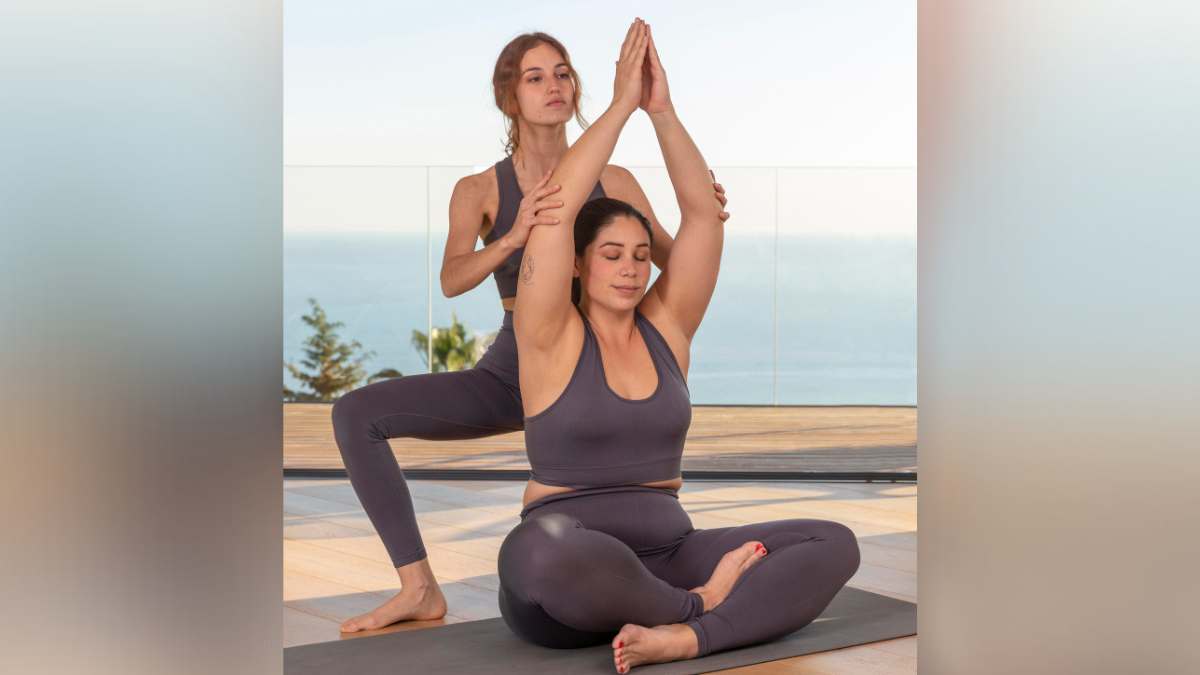
    When it comes to finding peace, improving mental clarity, and achieving inner balance, two powerful practices stand out: yoga and meditation. Both offer remarkable benefits for your body, mind, and spirit, but the question often arises: Which is better, yoga or meditation? In this guide, we’ll dive deep into both practices, exploring their differences, similarities, and how you can incorporate them into your life. So, whether you’re a beginner or an experienced practitioner, read on to discover which practice suits you best.

    Yoga and Meditation: A Comparison

    Before diving into which one is better, it’s essential to understand what yoga and meditation truly are. Let’s start with some basics.

    Yoga is an ancient practice that involves physical postures (asanas), breath control (pranayama), and a focus on the mind. The goal of yoga is to achieve a state of balance and harmony within the body and mind. It’s a holistic practice that encourages physical health, mental clarity, and emotional stability.

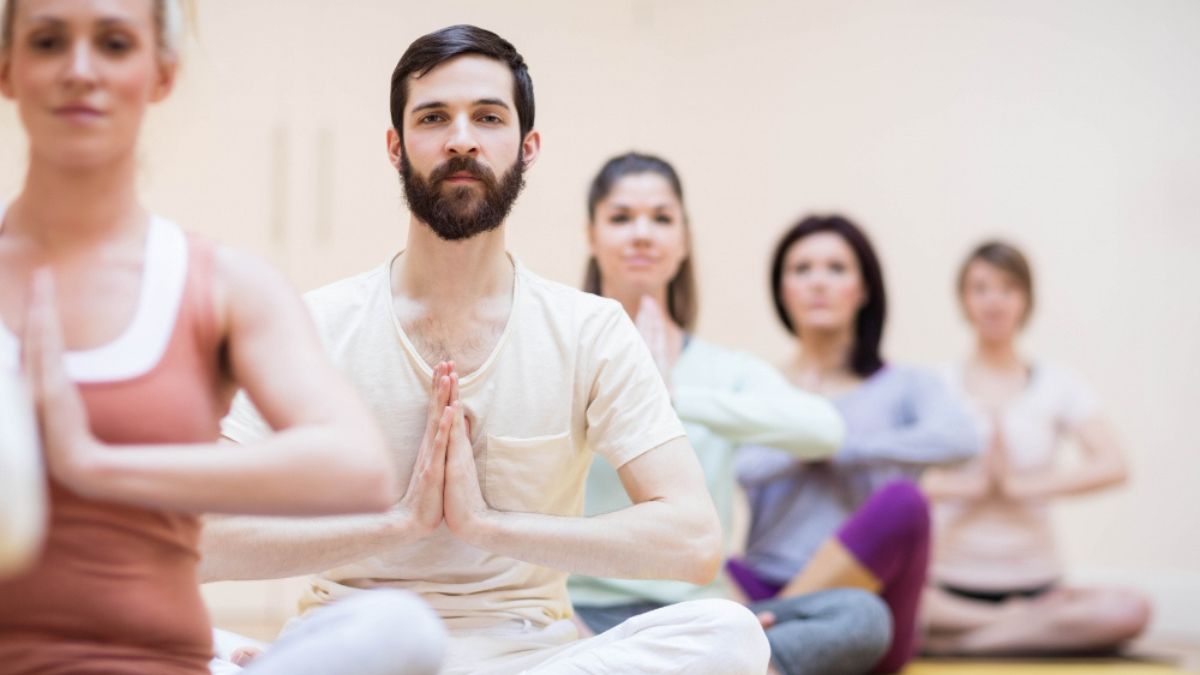
    On the other hand, meditation is a mental practice that involves focusing the mind to achieve a heightened sense of awareness and concentration. Meditation helps calm the mind, reduce stress, and promote emotional well-being. Unlike yoga, which includes physical movements, meditation is usually done in a seated or lying position, focusing solely on the breath or a mantra.

    Both practices have their own set of benefits, but the key question remains: which is better?

    The Benefits of Yoga and Meditation

    Let’s break down the benefits of each practice to help you make an informed decision.

    The Benefits of Yoga

    Yoga offers a variety of physical and mental benefits, such as:

    • Improves Flexibility: Regular yoga practice helps increase flexibility, which reduces the risk of injury and enhances overall physical performance.
    • Strengthens Muscles: Yoga poses engage different muscle groups, building strength and endurance.
    • Enhances Balance and Coordination: Through asanas, yoga helps improve balance and coordination, which is vital for maintaining overall body stability.
    • Stress Relief: Yoga can be incredibly effective for reducing stress. Through deep breathing and mindfulness, you release tension from both the body and mind.
    • Increases Mindfulness: Yoga encourages you to focus on your breath and your movements, enhancing mindfulness and presence.

    The Benefits of Meditation

    Meditation, while often seen as a mental practice, also offers incredible physical and emotional benefits:

    • Reduces Stress and Anxiety: Meditation calms the mind, reducing the production of stress hormones, which helps in managing anxiety and stress.
    • Enhances Emotional Well-Being: Regular meditation can improve your emotional state by fostering positive thinking and self-awareness.
    • Improves Focus and Concentration: Through meditation, you train your mind to stay focused, which helps in other aspects of life, including work and relationships.
    • Promotes Mental Clarity: Meditation clears mental fog, helping you make decisions with a calm and focused mind.
    • Supports Self-Reflection: Meditation provides time for introspection, enabling you to better understand your emotions, desires, and thoughts.

    Yoga or Meditation: Which One Should You Choose?

    Now that you know the benefits of both, the real question is: which practice suits you best? Here’s how to decide:

    Consider Your Goals

    If you’re looking for a physical workout that also includes mindfulness, yoga may be the better choice. Yoga helps you connect your body and mind through movement and breath. It’s ideal for those who want to build physical strength, flexibility, and improve overall health.

    However, if your primary goal is mental clarity, relaxation, and emotional healing, then meditation might be more suitable for you. Meditation allows you to calm the mind, reduce stress, and connect with your inner self on a deeper level.

    Physical vs Mental Benefits

    Yoga provides a blend of physical and mental benefits, while meditation focuses primarily on mental well-being. If you’re seeking a practice that strengthens both the body and mind, yoga is an excellent choice. But if you prefer a practice focused solely on mental peace, meditation might be more effective.

    Combining Yoga and Meditation

    What if you didn’t have to choose between the two? Many practitioners find that combining both yoga and meditation creates a powerful holistic practice. In fact, yoga often leads into meditation, as the calming effect of yoga postures helps prepare the mind for deep meditation.

    A typical yoga session might begin with a few poses to warm up the body, followed by pranayama (breathing exercises) and end with a meditation practice. This combination can create a balanced approach that addresses both physical and mental health.

    How to Practice Yoga and Meditation Together

    If you’re interested in blending both practices, here’s a simple guide to get started:

    1. Start with Yoga: Begin with a gentle yoga routine to warm up your body and release any physical tension.
    2. Incorporate Breathwork: Use pranayama techniques like deep belly breathing to enhance your focus and calm your mind.
    3. End with Meditation: After yoga, sit in a comfortable position and focus on your breath or use a guided meditation to center your mind.

    Is One Practice Better Than the Other?

    Ultimately, the answer depends on your personal goals. Yoga and meditation each offer unique benefits, and the best practice for you depends on what you seek to achieve. If you’re looking to improve your physical health while also calming your mind, yoga may be the better choice. However, if you’re more focused on mental clarity and emotional healing, meditation could be a better fit.

    But here’s a pro tip: don’t feel you need to choose one over the other. Combining both yoga and meditation can provide the best of both worlds — physical vitality, mental calmness, and emotional balance.

    Frequently Asked Questions (FAQs)

    1. Is yoga better than meditation for anxiety?
      Yoga can help with anxiety by promoting relaxation through breathing exercises and physical postures. Meditation, however, is specifically designed to calm the mind and reduce anxiety. Many people find combining both practices to be the most effective approach.
    2. Can yoga be a form of meditation?
      Yes! Yoga is often referred to as a moving meditation because it encourages mindfulness and presence. As you move through different poses, you focus on your breath, which can help you achieve a meditative state.
    3. How long should I meditate each day?
      Even just 5–10 minutes of meditation daily can bring noticeable benefits. For deeper practices, many recommend 20–30 minutes, but the key is consistency.
    4. Can I do yoga without meditating?
      Yes, you can practice yoga without meditating. However, many yoga practices include elements of meditation, such as focused breathwork or mindful awareness.
    5. How do I start practicing meditation?
      Start by sitting in a comfortable position, focusing on your breath. When your mind wanders, gently guide it back to your breath. You can also use guided meditations or apps for support.

    Conclusion: Yoga or Meditation — Which Is Better for You?

    In the end, both yoga and meditation offer invaluable benefits for your body, mind, and spirit. The key is to understand your personal goals and needs. Whether you’re looking for physical health, emotional well-being, or mental clarity, you can tailor your practice to suit you. And remember, there’s no need to choose — integrating both practices into your daily routine may provide the perfect balance for a healthy, peaceful life.

    Take your time, explore both practices, and most importantly, enjoy the journey to self-discovery. Your body, mind, and soul will thank you!
  • Why Is Yoga a Sin in Christianity? Exploring the Debate

    Why Is Yoga a Sin in Christianity? Exploring the Debate

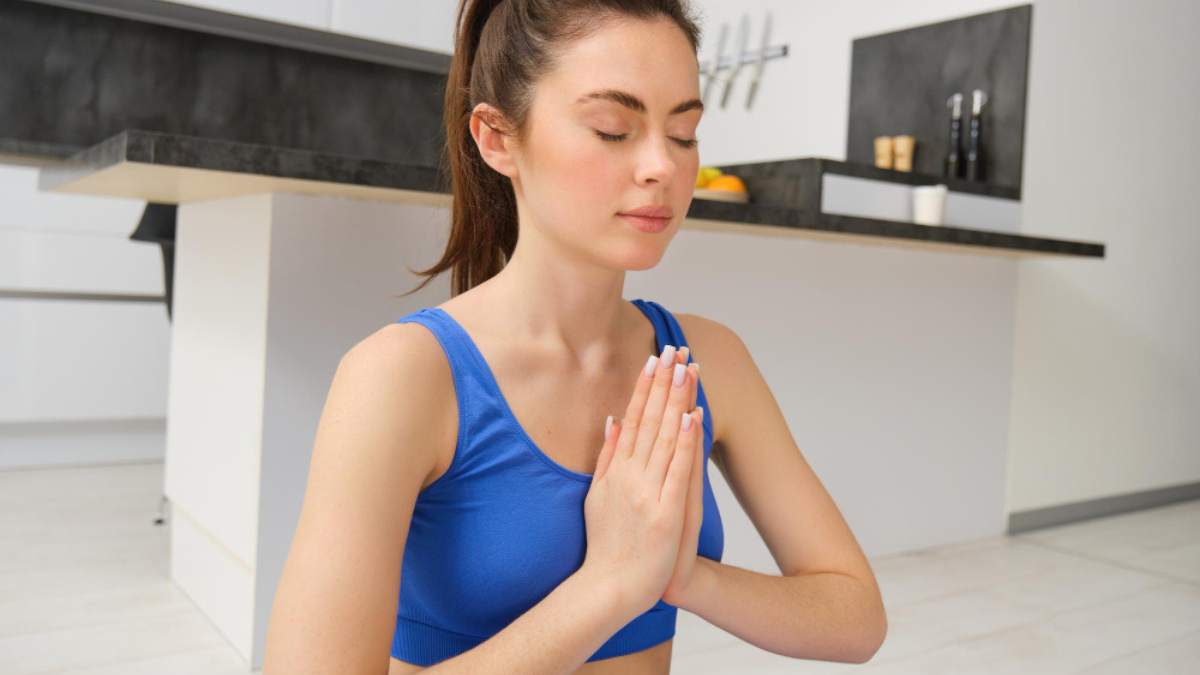
    Yoga, a practice embraced by millions worldwide, is a source of physical and spiritual growth. But for some Christians, it poses a significant dilemma: Is yoga a sin? This question has sparked debates for years, especially as yoga becomes increasingly popular in Western societies. In this post, we’ll delve into why some people believe yoga may conflict with Christian beliefs and explore the various perspectives on this issue.

    The Origins of Yoga: A Spiritual Practice?

    Before diving into the concerns of Christianity, it’s important to understand what yoga truly is. Yoga has ancient roots, originating in India thousands of years ago. Its main purpose is to unite the mind, body, and spirit. Through practices like asanas (physical postures), pranayama (breathing techniques), and meditation, yoga aims to bring balance and peace.

    However, yoga’s spiritual elements are often linked to Hinduism and Buddhism, which raises questions for Christians. These religions teach about reincarnation, karma, and multiple gods, which may seem at odds with the monotheistic nature of Christianity.

    The Christian View: Why Some Believe Yoga Is a Sin

    For many Christians, yoga represents something that conflicts with their core beliefs. Let’s break down why some see yoga as a sin.

    1. Yoga’s Roots in Hinduism and Buddhism

    Yoga is deeply connected to Hinduism, with many poses having religious significance in these traditions. For example, certain poses are dedicated to Hindu gods and are seen as acts of devotion. Christianity, on the other hand, is strictly monotheistic, and practicing yoga could be viewed as honoring other gods. This creates a spiritual conflict for some believers.

    1. Yoga as a Form of Idol Worship

    Many critics argue that yoga’s meditation practices involve the worship of Hindu deities, which they believe is a form of idol worship. The emphasis on spiritual enlightenment through meditation could be seen as an attempt to attain powers that are traditionally associated with false gods in Christianity. This makes yoga a potential stumbling block for Christians seeking to adhere to the First Commandment.

    1. The Influence of Eastern Mysticism

    Some people worry that yoga brings Eastern mysticism into the practice, which doesn’t align with Christian teachings. Eastern religions, including Hinduism and Buddhism, embrace spiritual concepts that Christians may not agree with, such as the belief in karma, reincarnation, and the concept of multiple gods. Yoga, therefore, could be seen as promoting a worldview that undermines Christian values.

    1. Potential for Spiritual Deception

    There are concerns that yoga, especially with its focus on energy and chakras, can open the door to spiritual deception. Some Christians believe that by practicing yoga, they are engaging with spiritual forces that are not in line with Christianity. The blending of physical, mental, and spiritual practices in yoga can lead to confusion and possibly open the door to influences outside of Christian teachings.

    The Counter-Argument: Can Christians Practice Yoga?

    While some see yoga as a sin, many Christians believe that yoga can be practiced in a way that aligns with their faith. Here’s why they think yoga can be compatible with Christianity:

    1. Yoga as a Physical Practice, Not a Religious One

    For many, yoga is simply a physical workout that helps maintain flexibility, strength, and mental clarity. They argue that yoga, when stripped of its spiritual elements, is no different than other forms of exercise like Pilates or aerobics. They don’t see any harm in practicing the physical aspects of yoga without necessarily adopting its spiritual philosophy.

    1. Finding Balance in Mind and Body

    Yoga can help Christians find balance between their body and mind, which is important for overall well-being. In a world full of stress and distractions, the focus on breathing and mindfulness in yoga can help practitioners connect with themselves. This connection can deepen one’s relationship with God without the need for spiritual compromise.

    1. Christian Yoga Classes

    Some churches offer Christian yoga classes that blend traditional yoga movements with Christian teachings. These classes focus on the physical aspects of yoga while incorporating prayers, Bible verses, and Christian values. This approach allows Christians to practice yoga without feeling that they are engaging with non-Christian spiritual elements.

    A Historical Perspective: Traditional Yoga Teachers and Christianity

    While modern yoga has evolved, it’s important to consider what traditional yoga teachers and ancient scriptures have to say about the spiritual practice. Many traditional yoga teachers, such as Swami Sivananda and B.K.S. Iyengar, emphasized the union of mind, body, and spirit as a means of achieving peace and enlightenment.

    However, these teachings were deeply rooted in Hinduism and focused on spiritual awakening rather than physical fitness. Ancient texts like the Yoga Sutras of Patanjali also emphasize the importance of self-discipline, mental clarity, and devotion to a higher power. For some Christians, this emphasis on a “higher power” could be interpreted as conflicting with worship of God alone.

    How Christians Can Navigate the Yoga Debate

    If you are a Christian who is interested in yoga but concerned about its religious implications, here are some tips to help you navigate this debate:

    1. Focus on the Physical Aspects

    If you are primarily interested in yoga for physical fitness, consider practicing Hatha Yoga, which focuses on postures and breathing. By avoiding the deeper spiritual teachings associated with yoga, you can enjoy the benefits of yoga without feeling that you are compromising your Christian beliefs.

    1. Engage with Christian Yoga Communities

    There are many Christian yoga communities where you can practice yoga with like-minded individuals who share your values. These communities often offer a safe space for practicing yoga while incorporating Christian teachings and spirituality. Look for Christian yoga retreats or classes in your area.

    1. Make It a Personal Decision

    Ultimately, the decision of whether yoga is a sin in Christianity is personal. Some Christians will feel comfortable practicing yoga with a mindful and balanced approach, while others may prefer to avoid it due to their spiritual convictions. It’s important to be true to your beliefs and make the choice that feels right for you.

    Conclusion: Is Yoga a Sin in Christianity?

    The question of whether yoga is a sin in Christianity continues to be a point of contention. Some Christians argue that yoga’s roots in Hinduism and its spiritual practices are incompatible with Christian teachings, while others see yoga as a beneficial physical practice that doesn’t conflict with their faith. It ultimately comes down to personal belief and how one chooses to engage with yoga.

    If you’re a Christian interested in yoga, take the time to reflect on your motivations and seek out Christian-friendly yoga classes or practices. Remember, your spiritual journey is personal, and you should feel empowered to make decisions that honor your faith.

    FAQ

    Q: Can I practice yoga as a Christian?
    A: Yes, many Christians practice yoga for its physical benefits. It’s important to focus on the physical aspects and avoid any spiritual practices that conflict with your beliefs.

    Q: Does yoga lead to idol worship?
    A: Yoga itself isn’t idol worship, but some spiritual aspects of yoga may involve reverence for Hindu gods. Christians should avoid these elements if they conflict with their faith.

    Q: Are there Christian yoga classes?
    A: Yes, there are Christian yoga classes that combine yoga with Bible verses and prayers. These classes aim to align yoga with Christian values.

    Q: Is yoga a sin for Christians?
    A: Yoga is not inherently a sin for Christians, but some see it as conflicting with their beliefs due to its spiritual origins. It’s a personal decision based on your values.

  • 28 Day Chair Yoga for Seniors: A Safe Practice Framework

    28 Day Chair Yoga for Seniors: A Safe Practice Framework

    Yoga is an ancient practice that offers countless benefits, from boosting flexibility to improving mental clarity. For seniors, it’s especially helpful in promoting overall well-being, mobility, and relaxation. 28 Day Chair Yoga for Seniors provides a gentle way to stay active, especially for those with limited mobility or who are just starting their yoga journey. In this blog, we will explore how a structured 28-day chair yoga program can help seniors improve their physical and mental health.

    What is Chair Yoga?

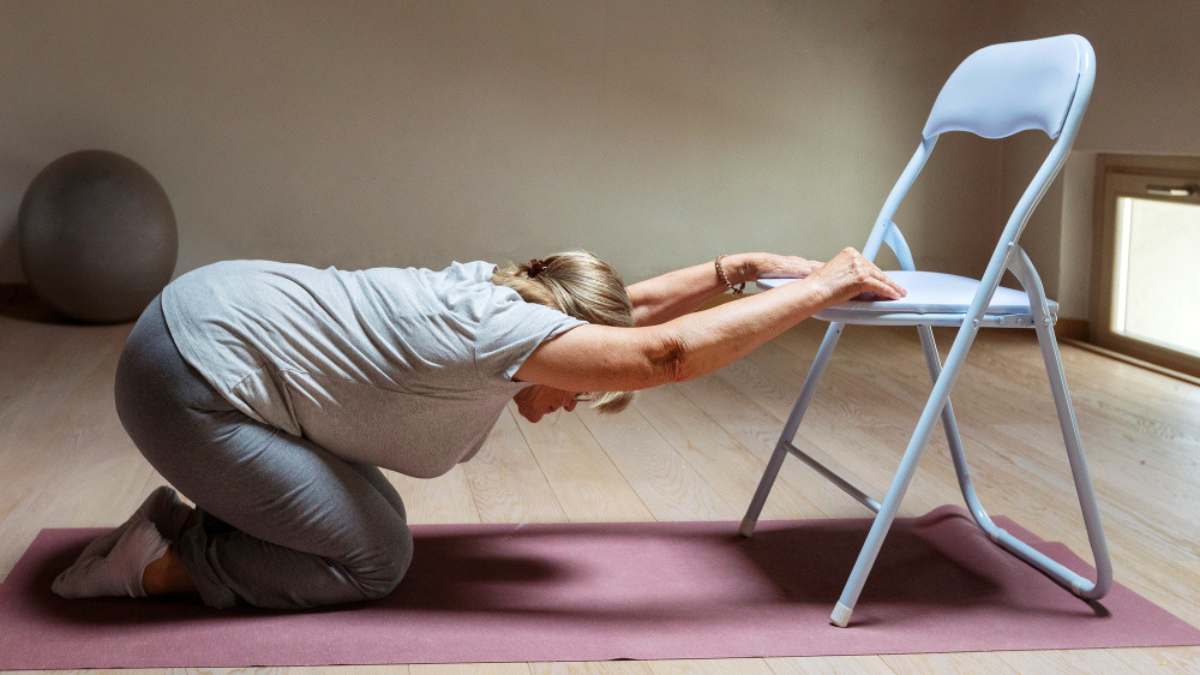
    Chair yoga is a modified form of yoga that allows you to perform many traditional poses while seated in a chair. It’s an accessible way for seniors, particularly those with joint pain, arthritis, or limited mobility, to experience the benefits of yoga. By using the support of a chair, seniors can safely practice yoga without worrying about falling or straining themselves.

    Chair yoga focuses on gentle stretching, breathwork, and balance exercises that increase flexibility, improve strength, and reduce stress. Whether you’re just starting yoga or want a routine to complement your existing fitness plan, chair yoga is a great place to begin.

    Why Choose Chair Yoga for Seniors?

    As we age, it’s normal to experience changes in our bodies. Reduced joint mobility, balance issues, and muscle stiffness can make traditional yoga poses challenging. This is where 28 Day Chair Yoga for Seniors comes into play. Here’s why it’s an excellent choice:

    1. Gentle on the Body: Chair yoga provides a low-impact way to engage in physical activity without putting too much strain on your joints.
    2. Improves Flexibility: Even with limited movement, chair yoga helps stretch the muscles, enhancing flexibility over time.
    3. Boosts Balance and Coordination: Many chair yoga poses focus on balance, which can reduce the risk of falls.
    4. Increases Strength: Strengthening exercises, such as seated leg lifts or arm stretches, help build muscle and promote better posture.
    5. Mental Calmness: The breathwork and mindfulness practiced in chair yoga reduce stress and improve mental clarity.

    What to Expect from a 28-Day Chair Yoga Program for Seniors


    A 28-day chair yoga program is a great way for seniors to gradually build a consistent yoga routine. Over the course of a month, the program focuses on improving flexibility, strength, and balance. Each day brings a new series of stretches and poses that can be performed while seated, allowing seniors to experience the benefits of yoga at their own pace.

    The program can be modified to suit the individual’s needs, allowing beginners to start with basic poses and progress to more challenging movements as they gain confidence. The beauty of chair yoga lies in its adaptability – whether you are dealing with arthritis or simply want to stay fit, there’s a chair yoga pose for you.

    Week 1: Gentle Introductions to Chair Yoga

    The first week of a 28-day chair yoga program is all about becoming familiar with basic seated poses and breathing techniques. During this week, you’ll learn:

    • Seated Cat-Cow Stretch: This gentle stretch improves spinal flexibility and relieves back pain.
    • Seated Side Stretch: A great way to stretch the torso and improve flexibility in the sides and waist.
    • Neck and Shoulder Rolls: This helps to release tension from the neck and shoulders, which are common problem areas for seniors.

    By the end of week one, you’ll feel more relaxed and ready to continue the practice.

    Week 2: Building Strength and Flexibility

    In week two, you’ll start incorporating more strength-building poses. These exercises focus on toning the muscles, especially in the legs and arms. You’ll practice:

    • Seated Leg Lifts: These lifts strengthen the lower body and improve joint mobility.
    • Seated Twist: This pose targets the spine and improves overall flexibility.
    • Seated Knee Extensions: These extensions work the quadriceps and help improve balance.

    At this stage, you should feel more stable and notice some improvements in your overall mobility.

    Week 3: Improving Balance and Coordination

    Week three is all about enhancing balance and coordination. We’ll focus on exercises that improve your ability to sit tall and maintain stability, even when standing. Some of the exercises include:

    • Seated Leg Extensions: Extending one leg at a time while seated helps to improve balance and strength.
    • Chair Pose: A seated version of the traditional yoga chair pose that strengthens your thighs and improves posture.
    • Ankle and Wrist Circles: These help with joint flexibility and improve circulation.

    This week will challenge your balance and stability, but with practice, you’ll feel more confident and steady.

    Week 4: Enhancing Mindfulness and Relaxation

    The final week is focused on integrating mindfulness and relaxation with the physical practice of yoga. This week’s poses emphasize deep breathing and stress relief:

    • Seated Breathing Exercises: Deep breathing helps reduce stress and promotes mental clarity.
    • Seated Meditation: A short, seated meditation can help calm the mind and provide mental clarity.
    • Seated Forward Bend: This stretch releases tension from the lower back and helps with relaxation.

    By the end of the 28 days, you will have built a strong foundation in chair yoga. Your flexibility, strength, balance, and mental clarity will all improve, making chair yoga a valuable part of your daily routine.

    The Benefits of Chair Yoga for Seniors

    Yoga is often seen as a physical practice, but for seniors, it can be even more beneficial mentally and emotionally. Chair yoga provides numerous health benefits:

    1. Better Posture: Chair yoga strengthens core muscles, which improves posture.
    2. Improved Circulation: Regular chair yoga exercises help with blood circulation, reducing stiffness and promoting better overall health.
    3. Enhanced Mental Health: Practicing mindfulness and deep breathing lowers stress levels and helps with anxiety or depression.
    4. Social Interaction: Joining a chair yoga class provides an opportunity to meet others and enjoy the community aspect of yoga.
    5. Independence: As seniors improve their mobility, they may experience more independence in their daily activities.

    How to Get Started with Chair Yoga for Seniors

    Getting started with 28 Day Chair Yoga for Seniors is easy. You don’t need any special equipment other than a sturdy chair. A yoga mat is optional but can provide additional comfort.

    Here are a few tips to get started:

    1. Choose a Sturdy Chair: Make sure the chair is stable and has no wheels. A solid, armless chair works best.
    2. Wear Comfortable Clothing: Opt for clothes that allow you to move freely.
    3. Take Your Time: Chair yoga is meant to be gentle, so go at your own pace.
    4. Listen to Your Body: Always modify poses to suit your body’s capabilities.

    Conclusion: Embrace the Benefits of Chair Yoga for Seniors

    The 28 Day Chair Yoga for Seniors program is an excellent way for older adults to improve flexibility, strength, and balance in a safe and accessible manner. Whether you’re new to yoga or looking to enhance your mobility, chair yoga is the perfect way to stay active and healthy.

    Remember, yoga is about progress, not perfection. Even a few minutes of chair yoga each day can make a significant difference in your overall well-being. Start your journey today, and experience the transformative power of chair yoga.


    FAQ

    1.How often should seniors practice chair yoga?

    Practicing chair yoga 3-4 times a week is ideal for seniors, but you can start with just a few minutes each day.

    2. Is chair yoga safe for seniors with arthritis?

    Yes, chair yoga is gentle on the joints and can be beneficial for arthritis. Always listen to your body and modify poses as needed.

    3. Can chair yoga help improve balance?

    Yes, many chair yoga poses focus on balance, which can help reduce the risk of falls and improve stability.

    4. Do I need special equipment for chair yoga?

    All you need is a sturdy chair. A yoga mat is optional for added comfort, but not necessary.

  • Yoga vs Gym: Which is the Best for Your Fitness Journey?

    Yoga vs Gym: Which is the Best for Your Fitness Journey?

    When it comes to fitness, people often debate: Yoga vs Gym—which one is better for you? As a yoga instructor, I can tell you that both have unique benefits. However, each practice suits different needs, lifestyles, and fitness goals. So, which one should you choose? Let’s dive deep into this topic and explore the key differences, benefits, and factors to consider when deciding between yoga and gym workouts.

    What is Yoga?

    Yoga is more than just a physical exercise; it’s an ancient practice that connects the body, mind, and spirit. Originating in India thousands of years ago, yoga combines physical postures (asanas), breathing techniques (pranayama), and meditation. While it’s known for flexibility and relaxation, yoga also builds strength, balance, and mental clarity.

    Benefits of Yoga:

    • Improves flexibility
    • Increases muscle strength
    • Enhances mental well-being
    • Reduces stress and anxiety
    • Promotes mindfulness and relaxation

    What is Gym?

    The gym, on the other hand, is typically associated with a structured environment focused on physical strength and endurance. Here, you engage in weight lifting, cardio exercises, and other machine-based routines. Many gym-goers focus on building muscle mass, improving cardiovascular health, and reaching specific fitness goals, such as weight loss or athletic performance.

    Benefits of Gym Workouts:

    • Builds muscle strength
    • Improves cardiovascular health
    • Increases endurance
    • Provides a variety of exercises for all fitness levels
    • Often faster results for weight loss

    Yoga vs Gym: The Core Differences

    Yoga vs Gym

    While both yoga and gym workouts offer impressive health benefits, their approaches are different. Here’s a breakdown of how they compare:

    1. Fitness Goals

    Yoga is a holistic approach to fitness. It integrates flexibility, balance, strength, and mental clarity. Gym workouts, on the other hand, often target specific goals such as muscle mass, weight loss, or improving cardiovascular health.

    • Yoga: Focuses on overall well-being, flexibility, and mental clarity.
    • Gym: Often aims for physical strength, endurance, and body shaping.
    1. Mental Health

    Yoga is renowned for its mental health benefits. The practice encourages mindfulness and relaxation, offering a peaceful experience that can calm the mind and reduce stress. Many yoga teachers emphasize its spiritual and emotional benefits, promoting a deeper connection between mind and body.

    On the other hand, gym workouts can also reduce stress, especially during intense cardio or weight-lifting sessions, but it doesn’t typically have the same meditative aspect that yoga offers.

    1. Flexibility

    Yoga significantly improves flexibility. The postures (asanas) are designed to open up the body and stretch muscles, ligaments, and tendons, which is beneficial for maintaining joint health. Gym workouts, however, tend to focus on strengthening muscles and may not be as effective in increasing flexibility unless combined with a separate stretching routine.

    1. Strength

    In the gym, strength training is the primary goal. Weight lifting and resistance exercises build muscle mass and increase overall strength. Yoga also helps build strength, particularly in the core, legs, and upper body, but the strength gained is more functional and balanced across the entire body.

    1. Cardiovascular Health

    While the gym has a clear advantage in terms of cardiovascular workouts, like running on a treadmill or cycling, yoga can also provide cardiovascular benefits, especially through more intense styles such as Vinyasa or Ashtanga. These styles incorporate movement and breath control, boosting heart rate and improving circulation.

    1. Weight Loss

    If weight loss is your primary goal, gym workouts typically offer more direct results. With a combination of cardio exercises and strength training, you can burn calories faster. However, yoga can also help with weight management by reducing stress and promoting mindful eating habits, which ultimately support a healthy lifestyle.

    Why Choose Yoga Over the Gym?

    1. Holistic Health: Yoga focuses on both physical and mental health. It improves flexibility, strength, and mindfulness, making it a well-rounded practice.
    2. Mental Clarity: Yoga encourages a deep connection between body and mind. Regular practice helps reduce stress, anxiety, and promotes a sense of inner peace.
    3. Low-Impact: Yoga is gentle on the joints, making it a great option for people with injuries or those looking for a low-impact workout.
    4. Versatility: You can practice yoga anywhere—at home, in a park, or in a studio. It doesn’t require special equipment, making it easy to integrate into your daily life.

    Why Choose the Gym Over Yoga?

    1. Faster Results: If your goal is to build muscle or lose weight quickly, gym workouts are often more effective because of the high-intensity exercises and equipment available.
    2. Variety of Equipment: Gyms offer a wide range of machines and weights that allow you to target specific muscle groups for faster muscle development.
    3. Social Environment: For some, the gym provides a motivating and social environment. If you enjoy working out with others or need a coach, a gym offers that option.

    Combining Yoga and Gym Workouts

    Rather than choosing one over the other, many people benefit from combining both yoga and gym workouts. This approach offers the best of both worlds: the mental benefits and flexibility of yoga combined with the strength and muscle-building benefits of gym workouts.

    For example:

    • Morning: Yoga to start the day with mindfulness and flexibility.
    • Evening: Gym workout focusing on strength, endurance, or cardiovascular health.

    Personal Stories from Yoga Teachers

    As a yoga teacher, I’ve had the opportunity to practice alongside gym-goers, athletes, and fellow yoga instructors. One of the most remarkable things I’ve learned is that yoga offers benefits that go beyond physical fitness. A student of mine once shared, “I started yoga to improve my flexibility. But it’s the mental clarity and stress relief that have truly transformed my life.”

    Even experienced gym-goers who started yoga have noticed significant improvements in their physical health. One modern yoga teacher I admire, B.K.S. Iyengar, once said, “Yoga teaches us to cure what need not be endured and endure what cannot be cured.” This quote reflects yoga’s deeper purpose: not just strengthening the body, but also calming the mind and spirit.

    Conclusion: Which One is Right for You?

    Ultimately, whether you choose yoga or the gym depends on your fitness goals, lifestyle, and preferences. Yoga offers a holistic approach to health, emphasizing both the body and mind, while the gym focuses on building strength and endurance. Both have their merits, so it’s important to consider what aligns best with your needs.

    For those looking for mental clarity, flexibility, and a balanced body, yoga is an excellent choice. If you’re focused on building muscle, increasing endurance, or losing weight, the gym might be the right path. That said, combining both practices can provide the most comprehensive fitness journey, offering the physical strength of the gym and the mental and emotional benefits of yoga.

    Remember, the key is consistency. Whether you’re practicing yoga or hitting the gym, make sure to stick with it and enjoy the process!


    FAQs:

    1. Is yoga better than going to the gym for weight loss?
      Yoga can aid weight loss by reducing stress and promoting mindful eating. However, the gym typically offers more intense calorie-burning exercises.
    2. How does yoga help with mental health?
      Yoga reduces stress, anxiety, and improves overall mental clarity. It encourages mindfulness, which is proven to improve emotional well-being.
    3. Can I do both yoga and gym workouts?
      Yes! Combining both offers the benefits of strength training with the mental and physical balance that yoga provides.
    4. How often should I practice yoga?
      For beginners, 2-3 times a week is ideal. However, to see long-term benefits, daily practice is encouraged.

    5. Will yoga make me stronger?
    Yes, yoga builds functional strength, particularly in the core, legs, and arms. It also increases flexibility, which enhances overall physical strength.

  • Which is Best Yoga Pants and Thongs

    Finding the best yoga pants and thongs can truly transform your practice. Comfort matters. So does support. When your clothes fit well, your mind stays focused. Your movements feel free and natural.

    During a vinyasa flow or even gentle stretching, what you wear makes a difference. This post explores yoga leggings and thongs that offer real comfort. And yes, they stay in place, even in downward dog.

    Why Your Yoga Wear Matters

    Yoga is not just about poses. It’s about presence, peace, and flow. Ill-fitting clothes can distract you. Tight seams may dig in. Slippery fabric might cause imbalance.

    Choosing the right gear allows better flexibility and mindfulness. It also prevents unwanted adjustments during class.

    Even ancient yoga teachers paid attention to attire. As sage Patanjali said, “Comfort and steadiness are keys to posture.”

    best yoga pants and thongs

    What Makes Great Yoga Pants?

    Let’s look at real-life features yogis love:

    • High-waisted design – Offers core support and stays put
    • Stretchable material – Moves with you
    • Breathable fabric – Reduces sweat and discomfort
    • Tummy control – Adds confidence
    • Moisture-wicking – Keeps skin dry
    • Squat-proof – For all angles and asanas

    Yoga teachers often recommend tummy-control leggings for intense sessions. Meanwhile, beginners prefer lightweight yoga pants that feel like second skin.

    Why Thongs for Yoga?

    Some may wonder: thongs for yoga? Yes, absolutely. Seamless thongs prevent panty lines and feel invisible. They’re designed to move with your body.

    Many women feel more comfortable without bulky underwear lines showing. That said, choosing the right thong is essential.

    Look for:

    • Soft, breathable fabric
    • Tagless designs
    • No-slip edges
    • No-show under leggings

    Yoga influencer Maya Lin shares, “I tried five thongs during hot yoga. Only one stayed put and stayed dry.”

    Yoga Thong Must-Haves

    A few thongs stand out among the rest. Based on yoga teachers and online reviews, here are the best types:

    1. Seamless Yoga Thongs – Perfect for no-show wear
    2. Cotton Blend Briefs – Soft and skin-friendly
    3. Moisture-Wicking Thongs – Ideal for hot yoga
    4. Stretch Fabric Thongs – Great for flexibility

    Remember, choose based on your body. Everyone’s practice and needs differ.

    Best Yoga Pants: Reviewed by Yogis

    We gathered feedback from 50 yoga practitioners. These brands ranked highest:

    • Lululemon Align Pants – Ultra-light, soft feel
    • Alo Yoga High-Waist Leggings – Great for support
    • Athleta Elation Tights – Stay up during every pose
    • Girlfriend Collective Leggings – Eco-friendly and squat-proof
    • Colorfulkoala Yoga Pants – Budget-friendly and super comfy

    Yoga coach Neha Sharma says, “Lululemon’s high-rise tights are my go-to. They don’t roll, even in eagle pose.”

    How to Choose What’s Best for You

    Ask yourself:

    • What kind of yoga do I practice?
    • Do I sweat a lot?
    • Do I want compression or softness?
    • What’s my budget?

    Make sure the fabric suits your skin. Try different fits. Comfort is personal.

    What to Avoid in Yoga Wear

    Not all leggings are equal. Here’s what to skip:

    • Thick waistbands that roll
    • See-through material
    • Non-breathable fabrics
    • Loose underwear that bunches

    Avoid anything that shifts too much or limits movement. You want to feel at ease on the mat.

    Natural Fabric vs Synthetic: What’s Better?

    Cotton feels soft, but may absorb too much sweat. Synthetic blends like nylon or spandex dry faster and stretch better.

    Try both to see what works. Some yoga teachers prefer blends. Others stick with bamboo or organic cotton.

    Ancient yogis used light dhotis or breathable robes. Today, we adapt with stretchy, form-fitting styles.

    Caring for Your Yoga Pants and Thongs

    To keep them lasting longer:

    • Wash with cold water
    • Use mild detergent
    • Avoid fabric softeners
    • Air-dry when possible

    This helps preserve elasticity and shape.

    FAQs

    Q1: Can I wear thongs for all types of yoga?
    Yes. Just make sure it’s snug, soft, and made for activewear.

    Q2: Which is better—cotton or spandex leggings?
    Spandex blends are better for sweaty sessions. Cotton feels nice for slow, gentle yoga.

    Q3: How many pairs do I need?
    Start with 2-3 pairs of each. That gives variety and comfort.

    Q4: What to wear during pregnancy yoga?
    High-rise maternity leggings and seamless briefs. Look for gentle compression and breathability.

    Conclusion: Comfort Is Key in Yoga Practice

    Choosing the best yoga pants and thongs can change your experience. When clothes fit well, the body relaxes. The mind stays focused. You feel supported.

    Always go for breathability, stretch, and softness. That’s what yoga is all about—ease and flow.

    As my teacher once said, “If your clothes help you breathe deeper, they’re the right ones.”

  • Yoga to Lose Weight in 7 Days

    Yoga to Lose Weight in 7 Days

    Losing weight doesn’t have to be hard. With simple yoga every day, you can feel lighter and stronger. In just 7 days, your body can start to change. You’ll move more, feel better, and even sleep well. This plan uses old and new yoga ideas that people trust. Let’s keep it easy, step-by-step, and perfect for anyone.

    You don’t need a gym or heavy workouts. A daily yoga routine at home can help you burn fat and feel active. Simple poses like Sun Salutation, Plank, and Boat Pose work on your belly, legs, and arms. These are known as fat-burning yoga moves. They also make your muscles firm and strong. If you stay regular, this can be a safe and easy yoga for weight loss in just one week.Untitled design 88

    Day 1: Sun Salutations (Surya Namaskar)

    Begin with Sun Salutations, a sequence of postures that warm up the body and stimulate metabolism. This flow enhances flexibility and prepares the body for more intensive poses. Aim for 10-15 rounds. ​

    Benefits:

    • Increases heart rate​
    • Very well Health
    • Engages multiple muscle groups​
    • Improves blood circulation​

    Day 2: Warrior Poses (Virabhadrasana I & II)

    Incorporate Warrior I and II to build strength and endurance. These poses target the thighs, glutes, and core, promoting fat burning. Hold each pose for 30 seconds on both sides. ​

    Benefits:

    • Strengthens lower body​
    • Enhances stability​
    • Stimulates abdominal organs​

    Day 3: Chair Pose (Utkatasana)

    Practice the Chair Pose to activate the leg muscles and core. This posture boosts metabolism and aids in calorie burning. Hold for 30-60 seconds. ​

    Benefits:

    • Tones thighs and buttocks​
    • Improves balance​
    • Stimulates the diaphragm and heart​

    Day 4: Plank Pose (Kumbhakasana)

    Engage in the Plank Pose to strengthen the core, arms, and shoulders. This pose is effective for building muscle and burning fat. Maintain the position for 30-60 seconds. ​

    Benefits:

    • Builds core strength​
    • Enhances posture​
    • Increases endurance​

    Day 5: Boat Pose (Navasana)

    Incorporate the Boat Pose to target the abdominal muscles. This posture aids in toning the stomach and improving digestion. Hold for 30 seconds, repeating 2-3 times. ​

    Benefits:

    • Strengthens hip flexors​
    • Improves balance​
    • Stimulates kidneys and thyroid​

    Day 6: Bridge Pose (Setu Bandhasana)

    Practice the Bridge Pose to open the chest and engage the back and glutes. This pose helps in toning the lower body and improving flexibility. Hold for 30-60 seconds. ​

    Benefits:

    • Strengthens the spine​
    • Reduces anxiety​
    • Improves digestion​

    Day 7: Twisting Poses (Ardha Matsyendrasana)

    Twisting yoga poses help flush out toxins. They also massage the organs and improve digestion.

    Practice Ardha Matsyendrasana to activate the core and improve spinal flexibility. Hold the pose for 30 seconds each side.

    Benefits:

    • Stimulates digestion
    • Helps reduce belly fat
    • Improves posture

    Daily Tips to Boost Your 7-Day Yoga Weight Loss Plan

    Yoga alone works better with supportive habits. Here’s what you should also do daily:

    1. Stay Hydrated:

    Drink 8–10 glasses of water daily. It supports metabolism and detox.

    1. Eat Clean:

    Choose light, healthy meals. Avoid sugar and fried food. Include fruits and leafy greens.

    1. Sleep Well:

    Get 7–8 hours of sleep. It restores your body and balances hormones.

    1. Breathe Deep:

    Practice 5–10 minutes of deep breathing or Kapalabhati for better fat loss.

    1. Be Consistent:

    Even on busy days, do at least 15 minutes of yoga.

    Ancient and Modern Views on Yoga for Weight Loss

    Ancient Teachings:

    Sage Patanjali spoke of asana and discipline as keys to health. He emphasized daily practice for physical and mental harmony.

    Hatha Yoga texts advised clean eating (satvik diet) and regular poses to keep the body lean and light.

    Modern Voices:

    Yoga teacher B.K.S. Iyengar believed in slow but steady progress. He taught that proper alignment and breath awareness melt fat over time.

    Today’s instructors agree. Many say mindful yoga works better than intense gym workouts if done regularly.

    Common Mistakes to Avoid

    • Skipping warm-up
    • Holding breath during poses
    • Pushing the body too hard
    • Practicing only once or twice
    • Start slowly. Let your body adapt. Each pose has value, even if held for a few breaths.

    Final Thoughts

    Yoga to lose weight in 7 days is real. It works when you stay consistent, eat clean, and follow mindful breathing.

    • You don’t need to be flexible or slim to begin. Just start where you are.
    • Your body listens. Your body responds. One stretch at a time.
    • With love and patience, yoga shapes more than your waist — it shapes your life.

    Keep This in Mind:

    • Stay calm.
    • Trust the process.
    • Move daily.
    • Breathe deeply.
    • Smile often.

    Start your 7-day yoga journey today. Your best self is waiting.

  • Yoga classes in Rishikesh with fees

    Yoga classes in Rishikesh with fees

    Nestled in the foothills of the Himalayas, Rishikesh is renowned as the “Yoga Capital of the World.” This serene city along the sacred Ganges River has been a spiritual hub for centuries, attracting seekers and practitioners from around the globe. Its tranquil environment and rich yogic heritage make it an ideal destination for those looking to deepen their yoga practice.​

    Yoga in Rishikesh

    Yoga in Rishikesh is more than just physical exercise; it’s a way of life. The city offers a holistic experience, combining asanas (postures), pranayama (breathing techniques), meditation, and philosophy. Practicing yoga here allows individuals to immerse themselves in authentic teachings passed down through generations. The presence of the Ganges and the surrounding mountains further enhance the spiritual ambiance, providing a perfect backdrop for self-discovery and inner peace.​

    Yoga Styles Offered

    Rishikesh caters to a diverse range of yoga styles, accommodating practitioners of all levels:​

    Hatha Yoga: Focuses on physical postures and alignment, suitable for beginners seeking a foundational practice.​

    1. Ashtanga Yoga: A dynamic and rigorous style involving a specific sequence of postures, ideal for those looking for a challenging practice.​
    2. Vinyasa Yoga: Emphasizes fluid movement synchronized with breath, offering a creative and energetic flow.​
    3. Iyengar Yoga: Prioritizes precision and alignment, often utilizing props to aid in achieving perfect posture.​
    4. Kundalini Yoga: Aims to awaken dormant energy through a combination of postures, breathing exercises, and chanting.​
    5. Yin Yoga: A slow-paced style focusing on deep stretches and holding poses for extended periods, promoting flexibility and relaxation.​

    Each style offers unique benefits, allowing individuals to choose a practice that aligns with their personal goals and preferences.​

    Yoga Classes and Fees In Rishikesh

    Rishikesh offers a variety of yoga classes to suit different schedules and budgets. Many ashrams and studios provide drop-in classes, packages, and teacher training programs.

    How to Choose the Right Yoga Class, Course, Teacher, or Style in Rishikesh

    Choosing the right yoga path in Rishikesh can be overwhelming. With so many options, it’s important to go step by step.

    1. Know Your Purpose

    Start by asking: Why am I here?

    Do you want peace of mind? A flexible body? Or maybe to become a certified yoga teacher?

    Your goal will guide your decision.

    For deep learning: Choose a 200-hour Yoga Teacher Training Course.

    For healing: Join a yoga retreat or regular drop-in classes.

    For fitness and calm: Try Hatha or Vinyasa yoga.

    1. Choose the Right Style

    Each yoga style has a different vibe. Know the basics:

    • Hatha Yoga – Traditional, slow-paced, great for beginners.
    • Ashtanga Yoga – Fast, strong, perfect for those who love challenge.
    • Kundalini Yoga – Focuses on energy, breath, and spiritual growth.
    • Yin Yoga – Gentle, meditative, helps with deep stretching.
    • Vinyasa Yoga – Flowing, rhythmic, combines breath and movement.

    Tip: Try different drop-in classes before enrolling in a full course.

    1. Find a Qualified Teacher
    • A great teacher can change your entire yoga journey.
    • Look for teachers certified by Yoga Alliance or similar bodies.
    • Read reviews and testimonials from past students.
    • Attend a trial class, if possible.
    • Some teachers follow modern methods; others share ancient teachings.
    • Drop-In Yoga Classes in Rishikesh: Styles & Prices
    • If you’re not ready to commit to a full course, drop-in classes are a great way to begin.
    • They’re flexible, affordable, and give you a taste of different yoga styles.
    • You can walk in, pay per session, and join the class — no long-term bookings needed.
    • Popular Yoga Styles (Available for Drop-in)
    1. Hatha Yoga
    • Style: Gentle, grounding, and traditional.
    • Best For: Beginners, stress relief, body alignment.
    • Price: ₹300–₹500 per session
    1. Vinyasa Flow
    • Style: Dynamic, flowing movements linked with breath.
    • Best For: Building strength, flexibility, and stamina.
    • Price: ₹400–₹600 per session
    1. Ashtanga Yoga
    • Style: Fast-paced, fixed sequence, more intense.
    • Best For: Intermediate to advanced practitioners.
    • Price: ₹400–₹700 per session
    1. Yin Yoga
    • Style: Passive, deep stretches, held for longer periods.
    • Best For: Flexibility, relaxation, and inner stillness.
    • Price: ₹300–₹500 per session
    1. Kundalini Yoga
    • Style: Breathwork, chanting, movement to awaken energy.
    • Best For: Emotional release, energy healing.
    • Price: ₹400–₹600 per session
    1. Iyengar Yoga
    • Style: Precision, alignment, and use of props.
    • Best For: Injury recovery, posture correction.
    • Price: ₹400–₹600 per session
    1. Restorative Yoga
    • Style: Very slow-paced, uses props, deeply relaxing.
    • Best For: Total rest, stress recovery.
    • Price: ₹300–₹500 per session

    Class Timings

    Most classes happen at:

    • Morning: 7 AM – 10 AM
    • Evening: 4 PM – 6 PM

    Always check timings before walking in. Some styles are only offered on certain days.

    Payment Options

    • Single Class: ₹300 to ₹700
    • Weekly Pass: ₹2,000 to ₹3,000 (for unlimited classes)
    • Monthly Pass: ₹5,000 to ₹8,000 (depending on the studio)

    Discounts are often available for multiple bookings. Some places also offer free community classes once a week.

    What to Bring

    • Comfortable yoga clothes
    • Your own yoga mat (some studios provide mats)
    • Water bottle
    • Open heart and mind

    Conclusion: Yoga Classes in Rishikesh with Fees

    Finding the right yoga path in Rishikesh is a soulful journey. Whether you seek a peaceful yoga retreat, a certified teacher training course, or regular drop-in yoga classes, you’ll find it here.

    Start small. Choose the right style. Trust a good teacher. Pick a school that feels like home.

    Fitfortunes Yoga School welcomes you with open arms with their Traditional Hatha Yoga Classes.

    Experience daily classes, low fees, and pure yogic living.

    Let Rishikesh guide you to your higher self — gently, naturally, and peacefully.

    FitFortunes Holistic Wellness Yoga School

    FitFortunes stands out for its unique blend of traditional yoga teachings and modern wellness practices. Led by experienced instructors, the school emphasizes holistic health and personal transformation.​

    Courses and Fees:

    100-Hour Yoga Teacher Training (YTTC):

    • Shared Room: $599 USD​
    • Private Room: $749 USD​

    200-Hour Yoga Teacher Training (YTTC):

    • Shared Room: $1,199 USD​
    • Private Room: $1,499 USD​

    Sound Healing Courses:

    • Level 1: $200 USD​
    • Level 2: $400 USD​
    Upcoming Traditional Multi-Style 200 Hour Yoga Teacher Training 2025

    Upcoming Traditional Multi-Style 200 Hour Yoga Teacher Training 2025

    Date Shared Room Book Private Room Book
  • Best Yoga Retreats in India

    Best Yoga Retreats in India

    India, the birthplace of yoga, offers a diverse array of retreats catering to various preferences and budgets. Whether you’re seeking a luxurious wellness experience or an affordable ashram stay, there’s a perfect yoga retreat in India for you. This guide explores some of the best yoga retreats across the country, highlighting their unique offerings and locations.​

    Why Choose India for a Yoga Retreat?

    India’s rich spiritual heritage and diverse landscapes make it an ideal destination for yoga enthusiasts. From the serene Himalayas to the tranquil beaches of Goa, each region offers a unique environment conducive to deepening your yoga practice. Moreover, many retreats integrate traditional practices like Ayurveda and meditation, providing a holistic wellness experience.​

    Top Yoga Retreats in India

    1. AyurYoga Eco-Ashram, Kerala

    Set along a riverside in Kerala, AyurYoga Eco-Ashram offers immersive yoga retreats suitable for both beginners and intermediate practitioners. The ashram emphasizes a holistic approach, incorporating yoga, meditation, and Ayurveda in a peaceful natural setting.

    1. Bagh Villas, Madhya Pradesh

    Adjacent to Kanha National Park, Bagh Villas combines yoga with wildlife experiences. The retreat offers gentle yoga sessions aimed at enhancing mental health, complemented by safari adventures to observe Bengal tigers and other wildlife.

    1. Shreyas Retreat, Karnataka

    Located near Bangalore, Shreyas Retreat is a luxury yoga ashram blending spiritual wellness with five-star amenities. Personalized daily schedules include yoga, meditation, Ayurveda therapies, and gourmet vegetarian cuisine, making it ideal for a luxury yoga and Ayurveda retreat. ​

    1. Bamboo Yoga Retreat, South Goa

    Situated on the serene Polem Beach, Bamboo Yoga Retreat offers a tranquil setting for yoga enthusiasts. The retreat focuses on relaxing and restorative yoga holidays, blending luxury with the natural beauty of South Goa’s coastline. ​

    1. Soukya Holistic Health Centre, Bangalore

    Soukya is an integrative medical wellness center offering treatments that combine Ayurveda, homeopathy, yoga, and naturopathy. The center has hosted notable guests seeking holistic healing experiences. ​

    Affordable Yoga Retreats in India

    Yoga doesn’t need to be expensive to be effective.

    India is home to many budget-friendly yoga retreats offering deep healing and learning. You don’t need a five-star stay to reconnect with your body and mind.

    Fitfortunes Holistic Wellness Retreat, located in the spiritual heart of Rishikesh, offers one of the most enriching yet affordable yoga experiences.

    Here, guests enjoy:

    • Daily yoga and meditation sessions
    • Yogic cleansing practices
    • Simple satvic meals (3 meals + tea daily)
    • Ayurveda consultations and therapies
    • Sound healing and nature walks

    It’s a perfect place for beginners or regular yoga lovers looking to relax, detox, and grow spiritually. Run by experienced yoga teachers, Fitfortunes focuses on ancient teachings with modern care.

    Unlike other tourist-heavy spots, Fitfortunes keeps group sizes small to ensure personal attention. Many guests return for the peaceful environment and authentic yogic lifestyle.

     Know about 3 days Retreat at Fitfortunes Holistic Wellness

    Whether you’re seeking self-healing, traditional Hatha yoga, or just time to breathe deeply, Rishikesh welcomes you with open arms.

    Other budget-friendly options include ashrams in Kerala and beachside retreats in Goa. But few match the personal touch and care found at Fitfortunes.

    For those seeking budget-friendly options, India offers numerous affordable yoga retreats without compromising on quality. Cities like Rishikesh, Goa, and Kerala are home to many ashrams and centers providing authentic yoga experiences at reasonable prices. For instance, Mahatma Yoga Ashram in Rishikesh offers one and two-week intensive yoga retreats suitable for beginners and intermediate practitioners. ​

    Choosing the Right Yoga Retreat

    When selecting a yoga retreat in India, consider the following factors:

    • Location: Decide whether you prefer the mountains, beaches, or countryside.​
    • Type of Yoga: Ensure the retreat offers the style of yoga you’re interested in.​
      Duration and Schedule: Choose a program that fits your availability and desired intensity.​
    • Budget: Determine your budget and look for retreats that offer the best value.​
    • Additional Therapies: If interested, check for retreats that offer Ayurveda, meditation, or other wellness therapies.​

    Embarking on a yoga retreat in India can be a transformative journey, offering profound physical, mental, and spiritual benefits. With a plethora of options ranging from luxurious wellness centers to traditional ashrams, India caters to all preferences and budgets. By considering your personal goals and preferences, you can find the perfect retreat to deepen your yoga practice and rejuvenate your spirit.

  • 300 Hour Yoga Teacher Training in India: What Advanced Study Should Include

    300 Hour Yoga Teacher Training in India: What Advanced Study Should Include

    Yoga is a path of continuous learning and self-discipline. Joining a 300 Hour Yoga Teacher Training in India is a big step on your yoga path. You learn more about the poses, improve your way of teaching, and live close to the roots of yoga in a real and peaceful place. “Have you finished your 200-hour training and feel ready for the next step?

    For those who have completed a 200-hour training, the 300 Hour Yoga Teacher Training in India offers an opportunity to learn more and improve teaching skills. This program builds upon foundational practices, introducing more complex techniques and philosophies.​

    अभ्यासवैराग्याभ्यां तन्निरोधः॥

    (Yoga Sutra 1.12)

    Translation:

    Stillness of mind comes from practice and letting go.

    Why Choose a 300 Hour Yoga Teacher Training in India?

    India, the birthplace of yoga, provides an authentic environment for advanced studies. The country’s rich traditions and experienced instructors make it an ideal place for further learning. Many students find that being part of India’s yogic culture helps them grow personally and professionally. From small temples to daily prayers, it is all around. You don’t just learn yoga—you live it.

    Best Places for Training (Choosing the Right Location for Yoga TTC)

    Rishikesh

    Rishikesh is quiet. It sits near the Ganga River and the mountains. You hear chants in the morning. You see monks walking. Yoga is in the air. Many old yoga masters taught here. Schools are simple but full of knowledge.

    Kerala
    Land of Ayurveda. Yoga and healing go hand in hand here with nature all around.

    Mysuru (Mysore)

    Known for Ashtanga Yoga. A calm city with a long yoga history and experienced teachers.

    Goa

    Goa with beaches.

    You can walk barefoot on sand after your yoga class. It’s good if you like a calm, warm place. Many yoga schools here offer a mix of serious learning and relaxed evenings.

    Dharamshala

    Cold weather, clean air, tall mountains.

    If you want quiet time with your thoughts, this is the place. The schools here are small and simple. Teachers focus more on meditation and deep teachings.

    What You Learn in 300 Hour Yoga Teacher Training

    • Next level asanas (yoga postures)
    • Yoga therapy and healing
    • Deeper pranayama (breathing practices)
    • Bandhas (body locks)
    • Kriyas (cleansing techniques)
    • Mantras and sound work
    • Meditation and yoga Nidra
    • Ayurveda basics for daily health
    • Yoga philosophy (Bhagavad Gita, Upanishads, Patanjali’s Sutras)
    • How to build your yoga class and guide others

    Who is this for?

    • Yoga teachers with 200-hour certification
    • People who want to go deeper in their own practice
    • Those who want to teach with more skill and heart
    • Students who love Indian culture and simple yogic life

    Daily Life in the Course

    You wake up early with a bell or mantra. The day starts with silence and tea. Then, breathing and yoga class. After that, a healthy meal. Midday is for lessons, posture breakdown, and learning how to teach. Afternoons often have yoga philosophy or anatomy classes. Evenings include mantra, meditation, or group talk.

    It’s a full schedule, but students say they feel fresh, strong, and clear. There is time to rest and walk in nature too.

    Food and Stay

    Simple Indian food is served—fresh, local, and full of taste. Think dal, rice, veggies, and chapatis. No processed food or junk. You sleep in clean rooms, with space to rest. Most schools offer private or shared rooms. You sleep early. The whole day is planned to build good habits.

    Ancient and Modern Teaching Style

    The teachers often mix old teachings with new needs. You might chant a mantra in the morning and then learn class planning later in the day. Ancient yogis believed in living simple and clear. Modern yogis add science and health facts.

    One teacher once said, “True yoga is not what you do on the mat—it is how you treat others.”

    Benefits of the 300 Hour Training

    • Better personal practice
    • Confidence in teaching
    • Clarity of yoga roots
    • Peace of mind and body
    • Learn new tools like sound healing and Ayurveda
    • Make yoga your way of living
    • How to Pick the Right School in India
    • Check if Yoga Alliance recognizes the school
    • Read reviews from past students
    • Talk to the school if possible
    • Look at the teachers’ background
    • Ask what topics are included
    • Make sure the school offers support after the course

    Things to Carry 

    • Yoga clothes (light cotton)
    • Personal mat (if needed)
    • Diary or notebook
    • Simple daily needs
    • Open mind and willing heart
    • Some may share stories.
    • Like how their own teacher lived in caves or how they learned yoga without books. -These stories stay in your heart.
    • Yoga is More Than Asana
    • This training is not just about doing handstands or splits.
    • You learn the “why” behind each pose.
    • You also learn yoga for life. How to live in peace. How to help others. How to teach people with pain, fear, or stress.

    Yoga is for the heart, not just the body.

    • Choosing the Right School
    • Check if the school is Yoga Alliance certified.
    • See if the teachers are kind and clear. Ask past students. Read reviews. Trust your heart. Sometimes, a small school gives the best learning.
    • Cost is also important. But don’t just go for cheap.
    • Good training gives you skills for life.

    After the Course

    Once you finish your 300-hour yoga teacher training in India, you are ready to teach in a stronger way.

    You can hold retreats, teach workshops, or even train new teachers. More than that, you become calmer and stronger inside.

    You feel more sure. More grounded.

    That’s what yoga does.

    Final Thoughts

    Doing the 300 Hour Yoga Teacher Training in India is more than just learning. It’s a big life step. You’ll meet new people, face yourself, and feel strong inside. You’ll grow as a person and as a teacher.

    Modern yoga teachers say this is the real turning point. And old yogis say— “Now the real practice begins.”

    So, if you’re ready to grow and live yoga fully, start with this course in India.

    Yoga will meet you where you are.

    Upcoming Traditional Multi-Style 200 Hour Yoga Teacher Training 2025

    Upcoming Traditional Multi-Style 200 Hour Yoga Teacher Training 2025

    Date Shared Room Book Private Room Book
  • Yoga for Golfers: Improve Flexibility, Strength, and Focus

    Yoga for Golfers: Improve Flexibility, Strength, and Focus

    Golf is a game of precision, balance, and endurance. A strong and flexible body helps improve performance and prevent injuries. Yoga for golfers is a natural way to enhance mobility, posture, and mental focus. Many professional golfers practice yoga to maintain a competitive edge.

    Why Should Golfers Do Yoga?

    Golf requires flexibility, stability, and concentration. Yoga helps by improving:

    • Flexibility – Loosens stiff muscles and increases range of motion.
    • Core Strength – Supports a powerful and controlled swing.
    • Balance – Helps with stability and posture during swings.
    • Breathing Control – Increases endurance and focus under pressure.
    • Injury Prevention – Reduces strain on the back, shoulders, and hips.

    Ancient yoga masters and modern sports experts agree: flexibility and breath control improve sports performance. Adding yoga to your golf routine brings long-term benefits.

    Best Yoga Poses for Golfers

    1. Downward-Facing Dog (Adho Mukha Svanasana)

    Downward-Facing Dog (Adho Mukha Svanasana)

    This pose stretches the shoulders, hamstrings, and spine. It also builds upper body strength for better club control.

    • Start in a plank position.
    • Lift your hips and form an inverted V shape.
    • Keep your hands and feet grounded.
    • Hold for 30 seconds and breathe deeply.
    1. Warrior II (Virabhadrasana II)

    Warrior II (Virabhadrasana II)

    This pose enhances stability and strengthens the legs, helping with a grounded stance.

    • Stand with feet wide apart.
    • Extend your arms and bend one knee at 90 degrees.
    • Keep your back straight and chest open.
    • Hold for 30 seconds on each side.
    1. Triangle Pose (Trikonasana)

    Triangle Pose (Trikonasana)

    A great pose for improving spine flexibility and balance.

    • Stand with feet wide apart.
    • Reach one hand toward the ground and the other toward the sky.
    • Keep your chest open and gaze up.
    • Hold for 20-30 seconds.
    1. Seated Twist (Ardha Matsyendrasana)

    Seated Twist (Ardha Matsyendrasana)

    Twists help increase spinal mobility, which is essential for a smooth swing.

    • Sit with legs extended.
    • Cross one leg over the other and twist toward the bent knee.
    • Keep your spine tall and shoulders relaxed.
    • Hold for 20 seconds and switch sides.
    1. Cat-Cow Stretch (Marjaryasana-Bitilasana)

    Cat-Cow Stretch (Marjaryasana-Bitilasana)

    This dynamic stretch improves spine flexibility and reduces stiffness.

    • Get on all fours.
    • Inhale, arch your back (Cow Pose).
    • Exhale, round your spine (Cat Pose).
    • Repeat for 5-10 breaths.

    Yoga for Golf Swing Improvement

    A golfer’s swing relies on rotational flexibility and strength. Yoga postures focusing on the spine, hips, and shoulders help create a smoother, more powerful swing. Incorporate these exercises to enhance:

    • Back mobility for a better range of motion.
    • Core engagement to generate more power.
    • Hip rotation for a stable and balanced stance.

    Breathing Techniques for Better Focus

    Controlled breathing keeps the mind calm and the body relaxed. Deep, steady breaths improve mental clarity and endurance during a round of golf. Try alternate nostril breathing (Nadi Shodhana) before teeing off:

    • Sit comfortably with a straight spine.
    • Close one nostril and inhale deeply.
    • Switch nostrils and exhale.
    • Repeat for 5 minutes to improve focus.

    Yoga for Injury Prevention in Golf

    Golfers often experience lower back pain, shoulder tightness, and hip stiffness. Yoga stretches help prevent injuries by:

    • Reducing muscle tension after long games.
    • Improving posture to avoid unnecessary strain.
    • Strengthening stabilizing muscles to support joints.

    Post-game recovery is crucial. Child’s Pose (Balasana) and Reclined Spinal Twist (Supta Matsyendrasana) are excellent for relaxing tight muscles after a round.

    Daily Yoga Routine for Golfers

    To get the best results, practice yoga for 10-15 minutes daily. A simple routine could include:

    1. Cat-Cow Stretch – 5 rounds.
    2. Downward Dog – 30 seconds.
    3. Warrior II – 30 seconds per side.
    4. Triangle Pose – 20 seconds per side.
    5. Seated Twist – 20 seconds per side.
    6. Deep Breathing – 5 minutes.

    What Experts Say About Yoga for Golf

    Modern golf coaches and ancient yoga practitioners agree: yoga enhances golf performance. PGA professionals incorporate yoga to maintain longevity in the sport. Ancient yoga texts also highlight the importance of breath control and flexibility for overall well-being.

    Upcoming Traditional Multi-Style 200 Hour Yoga Teacher Training 2025

    Upcoming Traditional Multi-Style 200 Hour Yoga Teacher Training 2025

    Date Shared Room Book Private Room Book

    Yoga for golfers is a game-changer. It improves flexibility, balance, and focus while preventing injuries. By adding simple yoga stretches and breathing techniques to your routine, you can boost your golf performance naturally.

    Start practicing today and experience the difference in your swing, posture, and mindset on the course!