Blog

  • 200-Hour Yoga Teacher Training in Bali: A New Yoga Village

    200-Hour Yoga Teacher Training in Bali: A New Yoga Village

    Bali, a land of spirituality and serenity, is a perfect place for deepening your yoga practice. A 200-hour Yoga Teacher Training in Bali offers more than just certification. It is a life-changing experience filled with wisdom, self-discovery, and ancient yogic teachings.

    Whether you dream of becoming a yoga instructor or want to explore yoga in its purest form, this training immerses you in a holistic journey. From asanas to philosophy, you will gain knowledge and confidence to guide others on their yoga path.

    Why Choose Bali for Yoga Teacher Training?

    Bali’s natural beauty and spiritual energy make it a yoga paradise. Ancient temples, lush greenery, and the calming ocean create a peaceful environment for practice. Many yogis travel here to connect with themselves and deepen their understanding of yoga.

    Additionally, Bali has a strong yoga community. You will meet like-minded individuals, forming lifelong friendships and professional connections. The local culture embraces mindfulness, making it an ideal place to develop a yogic lifestyle.

    What is a 200-Hour Yoga Teacher Training?

    A 200-hour Yoga Teacher Training in Bali is a foundational course accredited by Yoga Alliance. It covers key aspects of yoga, including:

    • Asana Practice: Hatha, Vinyasa, and Yin yoga styles
    • Pranayama & Breathwork: Techniques to enhance vitality
    • Meditation & Mindfulness: Deepening mental focus
    • Yoga Philosophy: Teachings from ancient texts
    • Anatomy & Physiology: Understanding the body’s movements
    • Teaching Methodology: Building confidence as an instructor

    The Ancient Roots of Yoga

    Yoga is more than physical postures. Its origins trace back over 5,000 years to the Vedas and Upanishads. The Bhagavad Gita and Patanjali’s Yoga Sutras provide guidance on living a balanced life. These scriptures emphasize the union of mind, body, and spirit.

    Bali, deeply influenced by Hindu traditions, resonates with these teachings. Training here allows you to practice in an environment that honors yoga’s spiritual heritage.

    Daily Schedule in a Yoga Training Program

    A structured routine is essential for immersive learning. A typical daily schedule includes:

    • 6:30 AM: Morning meditation and pranayama
    • 7:30 AM: Asana practice (Hatha/Vinyasa)
    • 9:00 AM: Breakfast with sattvic meals
    • 10:30 AM: Philosophy or anatomy class
    • 12:30 PM: Lunch and rest
    • 2:00 PM: Teaching methodology workshop
    • 4:00 PM: Evening yoga session
    • 6:00 PM: Dinner and personal time
    • 8:00 PM: Group discussions or chanting

    This routine balances physical practice with mental and spiritual growth.

    Benefits of Yoga Teacher Training in Bali

    Enrolling in a 200-hour Yoga Teacher Training in Bali offers multiple benefits:

    • Deep Self-Discovery: Develop mindfulness and inner peace.
    • Enhanced Physical Strength: Gain flexibility and endurance.
    • Improved Mental Clarity: Reduce stress through meditation.
    • Professional Certification: Qualify to teach worldwide.
    • Cultural Immersion: Experience Bali’s spiritual traditions.
    • Healthy Lifestyle: Enjoy organic meals and nature therapy.

    Accommodation and Food

    Most yoga schools provide comfortable accommodations. Options range from shared dorms to private villas, depending on your budget. The environment is peaceful, surrounded by tropical gardens or near the ocean.

    Food is an essential part of the yogic lifestyle. Training centers offer vegetarian and sattvic meals, nourishing both body and mind. Fresh tropical fruits, herbal teas, and organic meals enhance vitality and energy levels.

    What to Pack for Your Training?

    Bali has a tropical climate, so pack light and breathable clothes. Essentials include:

    • Comfortable yoga outfits
    • A high-quality yoga mat
    • Reusable water bottle
    • Sunscreen and natural mosquito repellent
    • Notebook and pen for notes
    • Spiritual books for inspiration
    • Light rain jacket for the rainy season

    Challenges and How to Overcome Them

    Yoga training is rewarding but also demanding. Some common challenges include:

    • Physical Fatigue: Practice self-care and listen to your body.
    • Mental Resistance: Meditation helps overcome inner blocks.
    • Emotional Release: Let go of past traumas through breathwork.
    • Adapting to a New Routine: Stay present and embrace the journey.

    Trainers guide you through these challenges with compassion, ensuring a supportive learning experience.

    How to Choose the Best Yoga School in Bali?

    With many options available, consider these factors:

    • Accreditation: Ensure the school is Yoga Alliance certified.
    • Experienced Teachers: Learn from knowledgeable instructors.
    • Curriculum: Check for a balanced syllabus covering all aspects.
    • Student Reviews: Read testimonials for honest feedback.
    • Location & Facilities: Choose a peaceful and well-equipped center.

    The Spiritual Experience of Yoga in Bali

    Beyond physical practice, yoga in Bali is deeply spiritual. Many schools incorporate traditional Balinese rituals, sound healing, and temple visits. Silent retreats and full-moon ceremonies enhance the journey of self-awareness.

    Practicing yoga in such a sacred atmosphere transforms your perspective on life. You learn to embrace gratitude, patience, and mindfulness in every moment.

    A 200-hour Yoga Teacher Training in Bali is not just about earning a certificate. It is a transformational experience that nurtures mind, body, and soul. Surrounded by nature and ancient wisdom, you will embark on a journey of growth and self-realization.

    Whether you seek a new career path or personal development, this training prepares you for both. Embrace the experience, immerse yourself in the practice, and step into a new chapter of your life with confidence.

  • What Is the Best Travel Yoga Mat?

    Traveling yogis need a lightweight, durable, and comfortable yoga mat. The right mat enhances practice, even on the go. But what is the best travel yoga mat? Let’s explore the top options, their features, and how ancient wisdom guides modern choices.

    Why a Travel Yoga Mat Matters?

    A travel yoga mat ensures comfort, stability, and hygiene while practicing anywhere. Whether at the beach, mountains, or an airport lounge, a good mat keeps you grounded.

    Ancient yogic texts, like the Hatha Yoga Pradipika, suggest practicing on a natural, non-slippery surface. In modern times, mats replace traditional kusha grass or deerskin. Choosing the right one enhances alignment, balance, and focus.

    Key Features of the Best Travel Yoga Mat

    A good travel yoga mat should be:

    • Lightweight – Easy to carry without extra baggage.
    • Foldable or Compact – Rolls or folds to fit in a backpack.
    • Non-Slip Surface – Prevents sliding during poses.
    • Durable & Long-Lasting – Withstands frequent use.
    • Eco-Friendly – Made from natural or biodegradable materials.
    • Cushioning & Support – Protects joints from hard surfaces.

    Ancient Wisdom on Yoga Mats

    In Vedic times, yogis practiced on kusha grass, cotton cloth, or deerskin (for ascetics). The Bhagavad Gita (6.11) states, “One should practice yoga on a firm seat, covered with cloth, deerskin, or grass.”

    Today, ethical and sustainable mats follow similar principles. Natural rubber, cork, and cotton mats resemble ancient materials while meeting modern needs.

    Types of Travel Yoga Mats

    1. Foldable Yoga Mats

    PrAna

    • Ultra-thin and compact.
    • Easily fits in suitcases or backpacks.
    • May have less cushioning but work well on carpets.
    1. Lightweight Rubber Mats

    Heathyoga Non-Slip Yoga Mat

    • Offer grip and support.
    • Slightly heavier than foldable mats.
    • Great for diverse surfaces.
    1. Cork Travel Yoga Mats

    Gaiam What Is the Best Travel Yoga Mat?

    • Naturally antimicrobial and eco-friendly.
    • Absorbs sweat, offering excellent grip.
    • Lightweight and durable.
    1. Cotton or Jute Yoga Mats

    Cork Travel Yoga Mats

    • Traditional choice, breathable, and organic.
    • Best for soft, dry surfaces.
    • Requires extra padding on hard floors.
    1. Inflatable or Hybrid Mats

    Inflatable or Hybrid Mats

    • Provide more cushioning for joint support.
    • Less compact but good for longer stays.
    • Suitable for outdoor and adventure yoga.

    Best Travel Yoga Mats in 2025

    Here are some top-rated mats based on quality, weight, and portability:

    1. Manduka eKO Superlite Travel Mat
    • Weight: 2.2 lbs
    • Material: Natural rubber
    • Pros: Foldable, durable, excellent grip
    • Cons: Slight rubbery smell initially
    1. Liforme Travel Yoga Mat
    • Weight: 3.5 lbs
    • Material: Biodegradable natural rubber
    • Pros: Alignment markings, eco-friendly, strong grip
    • Cons: Higher price
    1. Gaiam Foldable Yoga Mat
    • Weight: 1.8 lbs
    • Material: PVC
    • Pros: Budget-friendly, ultra-lightweight, easy to carry
    • Cons: Less cushioning
    1. Jade Voyager Mat
    • Weight: 1.5 lbs
    • Material: Natural rubber
    • Pros: Super compact, great traction, eco-friendly
    • Cons: Thin padding
    1. YOGO Ultralight Travel Mat
    • Weight: 2.1 lbs
    • Material: Tree rubber
    • Pros: Compact, attached carrying straps, plant-a-tree initiative
    • Cons: Slightly less cushioning

    How to Choose the Best Travel Yoga Mat?

    When selecting a mat, consider:

    ✅ Your Travel Style: Backpacking vs. luxury retreat
    ✅ Mat Thickness: Comfort vs. portability
    ✅ Grip & Texture: Non-slip surface for sweaty sessions
    ✅ Material Preference: Eco-friendly or synthetic
    ✅ Durability: Resistance to frequent use

    Caring for Your Travel Yoga Mat

    • Clean regularly with a natural spray or mild soap.
    • Air dry to prevent mold and odor.
    • Roll or fold properly to avoid creases.
    • Store in a cool place to extend lifespan.

    Conclusion: What Is the Best Travel Yoga Mat?

    The best travel yoga mat balances portability, grip, and durability. Ancient yogis preferred natural materials, while modern options blend tradition with innovation. Whether you choose a rubber, cork, or foldable mat, ensure it supports your practice anywhere, anytime.

  • 100-50 Method Safety: Who Should Avoid or Modify It?

    100-50 Method Safety: Who Should Avoid or Modify It?

    Losing weight can be overwhelming with so many diet plans available. One method gaining attention is the 100-50 Method for Weight Loss. This structured plan helps manage portion control while ensuring balanced nutrition.

    But what exactly is the 100-50 method? How does it work? And is it effective for long-term weight loss?

    In this guide, we will explore the 100-50 weight loss method, how it works, its benefits, and practical ways to implement it.

    What is the 100-50 Method for Weight Loss?

    The 100-50 weight loss method is a calorie-controlled eating plan. The concept is simple:

    • Consume meals of 100 calories each.
    • Choose snacks of 50 calories each.
    • Maintain a balanced diet to ensure proper nutrition.

    By following this method, you create a calorie deficit—which is essential for losing weight safely and sustainably.

    Why is Portion Control Important?

    Overeating is one of the primary reasons for weight gain. The 100-50 method emphasizes portion control, making it easier to consume fewer calories without feeling deprived.

    How Does the 100-50 Weight Loss Method Work?

    The 100-50 method relies on structured calorie intake. Here’s a step-by-step breakdown of how it works:

    1. Plan Your Meals Carefully
      • Each meal should not exceed 100 calories.
      • Snacks should be limited to 50 calories.
      • Focus on nutrient-dense foods to avoid malnutrition.
    2. Distribute Calories Throughout the Day
      • Consume 4-5 small meals daily.
      • Include 2-3 snacks between meals.
      • Drink plenty of water to stay hydrated.
    3. Prioritize Nutritional Balance
      • Include lean proteins, healthy fats, and fiber-rich foods.
      • Avoid processed foods and sugary snacks.
    4. Monitor Portion Sizes
      • Use measuring cups or food scales for accurate portions.
      • Avoid eating directly from packages, as it leads to overeating.
    5. Stay Active
      • Combine the 100-50 method with regular exercise.
      • Engage in walking, yoga, or strength training for better results.

    Benefits of the 100-50 Weight Loss Method

    The 100-50 method is gaining popularity due to its simple structure and effectiveness. Here are some key benefits:

    1. Easy to Follow

    Unlike complex diets, this method provides a straightforward approach with fixed calorie limits.

    1. Encourages Portion Control

    Helps prevent overeating, which is a major cause of weight gain.

    1. Prevents Starvation

    Frequent, small meals ensure consistent energy levels throughout the day.

    1. Reduces Cravings

    Having regular snacks prevents hunger spikes and unhealthy cravings.

    1. Supports Sustainable Weight Loss

    Encourages a healthy calorie deficit without extreme dieting.

    1. Works for All Age Groups

    The method is suitable for beginners, working professionals, and seniors.

    What Foods Fit Into the 100-50 Weight Loss Method?

    When following this diet, choosing the right foods is essential. Here are some healthy options:

    100-Calorie Meal Ideas

    Food Item

    Serving Size

    Grilled chicken breast

    50g

    Scrambled eggs with veggies

    1 egg

    Oatmeal with almonds

    ½ cup

    Greek yogurt with berries

    ½ cup

    Lentil soup

    ½ cup

    50-Calorie Snack Ideas

    Food Item

    Serving Size

    Almonds

    7 pieces

    Apple slices

    ½ small apple

    Cucumber slices with hummus

    4 slices

    Low-fat cottage cheese

    ¼ cup

    Dark chocolate (85%)

    1 small square

    By incorporating these nutrient-rich foods, you can stay full and energized while losing weight.

    Common Mistakes to Avoid

    While the 100-50 method is effective, some mistakes can reduce its benefits:

    1. Ignoring Nutrient Density

    Not all 100-calorie meals are healthy. Focus on whole foods instead of processed snacks.

    1. Skipping Meals

    Skipping meals can slow metabolism and lead to overeating later.

    1. Not Drinking Enough Water

    Hydration is key for digestion and metabolism.

    1. Overestimating Portions

    Always measure portions to stay within the calorie limit.

    Can You Exercise While Following the 100-50 Method?

    Absolutely! The 100-50 method works well with moderate exercise.

    • Try yoga, brisk walking, or bodyweight exercises.
    • Avoid high-intensity workouts if energy levels drop.
    • Focus on consistency rather than extreme workouts.

    For better results, combine this method with strength training and mindful eating.

    Who Can Benefit from the 100-50 Weight Loss Method?

    This method is ideal for:

    ✔️ Beginners looking for an easy weight loss plan.
    ✔️ Busy professionals needing a structured approach.
    ✔️ People struggling with portion control.
    ✔️ Anyone wanting to maintain long-term weight loss.

    However, individuals with medical conditions should consult a doctor before starting.

    Is the 100-50 Method Effective for Long-Term Weight Loss?

    Yes, but only if you:

    • Stay consistent with meal planning.
    • Choose whole, nutrient-rich foods.
    • Combine the method with exercise and healthy habits.

    Weight loss is not just about calories but also about nutritional balance and lifestyle choices.

    Conclusion

    The 100-50 weight loss method is an effective and simple approach for managing calorie intake and promoting sustainable weight loss. By focusing on 100-calorie meals and 50-calorie snacks, you can maintain a healthy calorie deficit without extreme dieting.

    For the best results, combine this method with balanced nutrition, portion control, and regular physical activity.

    Are you ready to try the 100-50 method? Let us know your thoughts in the comments!

    Frequently Asked Questions (FAQs)

    1. How fast can I lose weight with the 100-50 method?
      Results vary, but most people lose 1-2 lbs per week when following the method consistently.
    2. Can I eat out while following this plan?
      Yes! Just choose smaller portions and opt for healthy menu items.
    3. Is this method safe for diabetics?
      Consult a doctor before trying any new diet, especially if you have medical conditions.
    4. Can I adjust the calorie limit?
      Yes, but maintaining a calorie deficit is key for weight loss.
  • How to Choose a Yoga Teacher Training School in Rishikesh

    How to Choose a Yoga Teacher Training School in Rishikesh

    Rishikesh, the yoga capital of the world, is home to the most authentic yoga schools. Among them, Fitfortunes Yoga School stands out as one of the best yoga teacher training schools in Rishikesh. Nestled in the foothills of the Himalayas, it offers a transformative journey for aspiring yoga teachers and practitioners.

    Why Choose Rishikesh for Yoga Teacher Training?

    Rishikesh is known as the birthplace of yoga. The spiritual energy, sacred Ganges, and serene mountains make it an ideal place to learn and grow. Many ancient yogis and sages practiced here, leaving behind a rich yogic tradition.

    In ancient texts like the Upanishads and Bhagavad Gita, yoga is described as a path to self-realization. Rishikesh still preserves these traditions through authentic yoga teacher training programs.

    Fitfortunes Yoga School – The Best in Rishikesh

    If you seek the best yoga teacher training school in Rishikesh, Fitfortunes Yoga School provides an immersive experience. The school is Yoga Alliance certified, ensuring international recognition for your training.

    What Makes Fitfortunes Unique?

    • 200-hour & 300-hour Yoga Teacher Training (YTT)
    • Experienced Indian yoga masters
    • Daily asana, pranayama, and meditation sessions
    • Authentic Hatha and Ashtanga yoga teachings
    • Small class sizes for personalized attention
    • Ayurvedic meals and holistic lifestyle guidance
    • Located near the sacred Ganges with a peaceful ambiance

    The Curriculum – A Deep Dive Into Yoga

    A structured curriculum is crucial for effective yoga training. At Fitfortunes Yoga School, the syllabus includes:

    1. Traditional Yoga Styles
    • Hatha Yoga – Focus on balance and alignment
    • Ashtanga Yoga – Dynamic and strength-building practice
    1. Pranayama & Meditation
    • Breath control techniques from ancient texts
    • Guided meditations for mental clarity
    1. Yoga Philosophy & History
    • Insights from Patanjali’s Yoga Sutras
    • Understanding the eight limbs of yoga
    1. Anatomy & Alignment
    • Learn how yoga affects muscles, joints, and energy flow
    • Correct postures to prevent injuries
    1. Teaching Methodology
    • Hands-on teaching practice
    • How to structure and lead a class confidently

    Why Yoga Alliance Certification Matters

    A Yoga Alliance-certified school ensures that your certification is valid worldwide. This opens doors to teach in studios, retreats, and wellness centers globally.

    The Spiritual Experience in Rishikesh

    Beyond physical postures, yoga is a spiritual journey. In Rishikesh, students experience:

    • Ganga Aarti – A sacred fire ritual on the banks of the Ganges
    • Silent meditation in Himalayan caves
    • Satsangs (spiritual discourses) with Indian masters

    These elements enrich your practice, making you a complete yoga teacher.

    Accommodation & Food – Living the Yogic Way

    At Fitfortunes Yoga School, students stay in peaceful, private rooms. The environment supports deep learning and relaxation. Meals are organic, sattvic, and nourishing, following Ayurvedic principles.

    Who Can Join This Training?

    This program is perfect for:

    • Beginners looking to deepen their practice
    • Advanced practitioners aiming to teach
    • Those seeking a life-changing spiritual experience

    Enroll Today – Begin Your Yoga Journey

    If you dream of becoming a certified yoga teacher, Rishikesh is the best place to start. Fitfortunes Yoga School provides the best yoga teacher training in Rishikesh, blending tradition with modern teaching methods.

    Upcoming Traditional Multi-Style 200 Hour Yoga Teacher Training 2025

    Upcoming Traditional Multi-Style 200 Hour Yoga Teacher Training 2025

    Date Shared Room Book Private Room Book
  • How to Clean a Yoga Mat at Home Safely

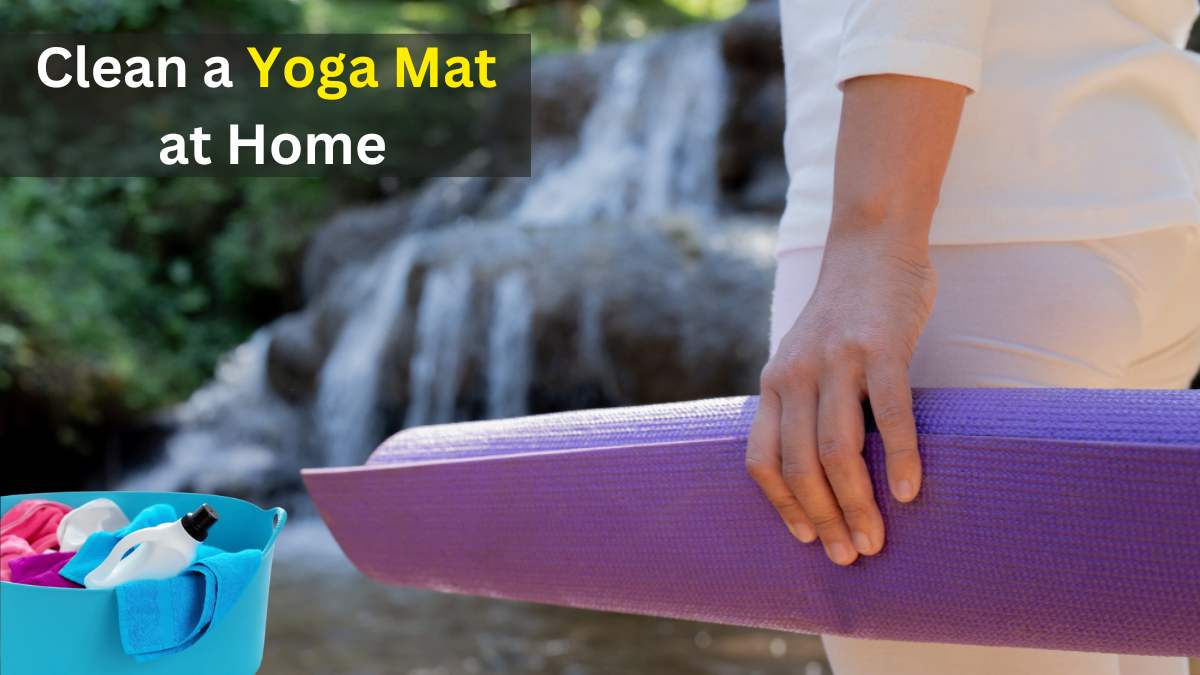
    How to Clean a Yoga Mat at Home Safely

    A clean yoga mat is essential for a healthy and hygienic practice. Over time, sweat, dust, and bacteria build up, making it necessary to clean your mat regularly. But how do you do it at home without damaging the material?

    In this guide, we will explore simple, effective, and natural ways to clean your yoga mat at home. Whether you practice daily or occasionally, these methods will help maintain freshness and longevity.

    Why Should You Clean Your Yoga Mat?

    Yoga mats absorb sweat, oil, and dirt, which can lead to bacteria growth. This not only affects hygiene but also causes odor and skin irritation.

    Benefits of Regular Cleaning:

    ✔ Prevents germs and bacteria buildup
    ✔ Removes sweat and bad odor
    ✔ Extends the life of your mat
    ✔ Keeps your practice fresh and healthy

    How Often Should You Clean Your Yoga Mat?

    The cleaning frequency depends on how often you practice.

    • Daily Use: Wipe down after every session and deep clean weekly.
    • Occasional Use: Clean after every few sessions or at least once a month.
    • Hot Yoga or Outdoor Practice: Clean after every session to remove sweat and dirt.

    Best Ways to Clean a Yoga Mat at Home

    There are different cleaning methods depending on the type of yoga mat and level of dirtiness. Let’s explore the best DIY cleaning solutions.

    1. Basic Daily Wipe (For Light Cleaning)

    After each practice, wiping your mat helps prevent dirt buildup.

    What You Need:

    ✔ Microfiber cloth or soft sponge
    ✔ Lukewarm water
    ✔ Mild soap or liquid castile soap

    Steps:

    1. Mix a few drops of mild soap in water.
    2. Dip a soft cloth in the solution and wring it out.
    3. Wipe the entire mat, focusing on sweaty areas.
    4. Let it air dry before rolling up.

    🔹 Best for: Regular maintenance and light cleaning.

    1. Deep Cleaning (For a Thorough Wash)

    For a deeper clean, use natural ingredients that remove grime and bacteria effectively.

    What You Need:

    ✔ White vinegar (natural disinfectant)
    ✔ Water
    ✔ Essential oil (tea tree, lavender, or eucalyptus)
    ✔ Spray bottle
    ✔ Soft brush or cloth

    Steps:

    1. Mix one part vinegar with three parts water in a spray bottle.
    2. Add a few drops of essential oil for fragrance and extra germ protection.
    3. Spray the solution all over the mat.
    4. Wipe with a clean cloth or gently scrub with a soft brush.
    5. Rinse with water if needed.
    6. Hang the mat to air dry.

    🔹 Best for: Monthly deep cleaning or after intense workouts.

    1. Baking Soda Deodorizer (For Odor Removal)

    Baking soda neutralizes bad smells and absorbs sweat residue.

    What You Need:

    ✔ 1 tablespoon baking soda
    ✔ 1 cup water
    ✔ 3-5 drops of essential oil

    Steps:

    1. Mix all ingredients in a spray bottle.
    2. Spray lightly over the mat.
    3. Let it sit for 5 minutes and wipe with a cloth.
    4. Let the mat dry completely.

    🔹 Best for: Mats with lingering odors or excessive sweat buildup.

    1. Disinfecting Wipes (Quick Germ Removal)

    If you’re in a hurry, disinfecting wipes can help. However, avoid harsh chemicals that can damage the mat.

    Best Disinfecting Options:

    ✔ Alcohol-free baby wipes
    ✔ Natural disinfecting wipes
    ✔ DIY vinegar spray with a paper towel

    🔹 Best for: Quick cleaning on busy days.

    How to Dry a Yoga Mat Properly

    Never roll up your mat while it’s still damp. Moisture can cause bacteria growth.

    ✔ Air dry it completely before storing.
    ✔ Hang it over a chair, railing, or clothesline.
    ✔ Avoid direct sunlight, which can damage rubber mats.

    Cleaning Different Types of Yoga Mats

    Not all mats are made the same! Use the correct cleaning method based on material.

    Mat Type

    Best Cleaning Method

    PVC or Rubber

    Mild soap & water, vinegar spray

    TPE (Eco-friendly)

    Gentle soap & water, no harsh chemicals

    Cork

    Wipe with water & mild soap, avoid soaking

    Natural Jute

    Vinegar spray & soft cloth, no scrubbing

    How to Maintain Your Yoga Mat for Longer Life

    ✔ Store it properly – Keep in a dry, clean space.
    ✔ Avoid leaving it in the car – Heat and moisture can damage it.
    ✔ Use a yoga towel – Helps absorb sweat and reduces dirt buildup.
    ✔ Rotate sides – Avoid overuse of one area.

    What Ancient Texts Say About Cleanliness in Yoga

    In yoga philosophy, Saucha (cleanliness) is one of the Niyamas in Patanjali’s Yoga Sutras. It refers to both inner and outer cleanliness.

    Keeping your yoga mat clean aligns with Saucha, promoting purity of body and mind. The Bhagavad Gita also emphasizes a clean environment for spiritual progress.

    Frequently Asked Questions

    1. Can I wash my yoga mat in the washing machine?

    Most mats should not be machine-washed. Hand washing is best to avoid damage.

    1. How do I prevent my mat from smelling bad?

    Clean it regularly and allow it to dry completely before storing.

    1. Can I use alcohol-based cleaners?

    Avoid alcohol-based cleaners, as they can break down the material. Use mild, natural solutions instead.

    1. How do I clean my yoga mat naturally?

    Use a mixture of vinegar, water, and essential oils for a natural, chemical-free clean.

    Conclusion

    Cleaning your yoga mat at home is easy, affordable, and essential for a healthy practice. Whether you need a quick wipe-down or a deep clean, these methods will keep your mat fresh and germ-free.

    By maintaining a clean yoga mat, you honor the yogic principle of Saucha and create a healthier space for your practice. Try these DIY cleaning methods today and enjoy a clean, refreshing yoga experience!

  • Benefits of Kundalini Yoga – Awaken Your Inner Power

    Benefits of Kundalini Yoga – Awaken Your Inner Power

    Kundalini Yoga is an ancient practice that helps unlock hidden energy in the body. It combines breathing, movement, and meditation to bring balance and awareness. Ancient yogis called it the “yoga of awareness.”

    What is Kundalini Yoga?

    Kundalini Yoga is about waking up the kundalini shakti at the base of your spine. This energy, often described as a coiled serpent, rises through the seven chakras, leading to spiritual awakening and inner transformation. The Upanishads mention this energy:

    “Suptaṁ bhodhayet kundalinim”

    (“Awaken the sleeping Kundalini”).

    Through steady practice, this energy moves upward, leading to deep self-realization.

    15 Powerful Benefits of Kundalini Yoga

    1. Boosts Energy and Strength

    Kundalini Yoga fills you with fresh energy. Techniques like Breath of Fire (Kapalabhati Pranayama) increase oxygen, making you feel awake and vibrant.

    1. Reduces Stress and Anxiety

    The chanting of mantras like “Sat Nam” calms the nervous system. Meditation and controlled breathing bring emotional stability and inner peace.

    1. Improves Focus and Memory

    The mind becomes sharp with regular practice. Kundalini kriyas are designed to improve concentration and enhance mental clarity.

    1. Balances Your Chakras

    Each movement and breath in Kundalini Yoga helps open and align the seven chakras. A balanced energy system means better health and emotional well-being.

    1. Strengthens the Immune System

    Deep breathing and movement detoxify the body. This strengthens immunity and protects against diseases.

    1. Awakens Dormant Energy

    The Tantra Shastras describe Kundalini energy as the key to divine consciousness. As the energy rises, new levels of awareness open up.

    1. Supports Emotional Healing

    Kundalini Yoga helps release past emotional traumas. It removes negative energy and invites love and positivity.

    1. Increases Flexibility and Stamina

    You don’t need to be flexible to start. Over time, your body becomes stronger, and your muscles gain flexibility.

    1. Connects You to Higher Consciousness

    The Shiva Samhita states that awakening Kundalini leads to enlightenment:

    “Kundalini, when awakened, bestows divine knowledge and liberation.”

    This practice deepens your connection with your higher self.

    1. Improves Sleep Quality

    Breathing exercises and relaxation techniques calm the mind. This helps improve sleep quality and refreshes the body.

    1. Increases Self-Confidence

    Kundalini kriyas help you trust yourself. You feel more courageous and capable in daily life.

    1. Enhances Spiritual Growth

    The Bhagavad Gita (6:6) talks about self-mastery:

    “A man must elevate himself by his own mind; let him not degrade himself.”

    Kundalini Yoga helps you rise above negativity and align with your higher purpose.

    1. Improves Digestion and Detoxification

    Pranayama techniques such as Bhastrika stimulate digestion. This helps in cleansing toxins and improving gut health.

    1. Deepens Intuition

    Meditation and chanting activate the third-eye chakra. This leads to better decision-making and heightened awareness.

    1. Brings Joy and Inner Peace

    Kundalini Yoga connects you with Sat Chit Ananda—truth, consciousness, and bliss. You feel more joyful, content, and spiritually fulfilled.

    How Kundalini Yoga Differs from Other Yoga Styles

    Unlike Hatha or Vinyasa Yoga, Kundalini Yoga focuses on energy activation, mantras, and meditation. It includes:

    • Chanting (Naad Yoga) for sound vibrations
    • Pranayama (Breathwork) to control life energy
    • Dynamic Movements (Kriyas) for balance and cleansing
    • Deep Meditations to awaken consciousness

    Kundalini Yoga in Ancient Scriptures

    • Hatha Yoga Pradipika describes how breathing techniques awaken Kundalini shakti.
    • The Rig Veda mentions the importance of controlling Prana through yogic breathing.
    • The Yoga Sutras of Patanjali emphasize self-discipline (Tapas) and meditation (Dhyana) to awaken inner power.

    How to Practice Kundalini Yoga Safely

    • Find a qualified teacher to guide you properly.
    • Practice in a quiet, peaceful space.
    • Be patient—awakening takes time.
    • Listen to your body and avoid overexertion.
    • Stay grounded by meditating daily.

    Conclusion – Why Kundalini Yoga is Life-Changing

    The benefits of Kundalini Yoga go beyond physical fitness. It opens your mind, heals your heart, and transforms your spirit. If you seek higher energy, inner peace, and spiritual wisdom, this practice is a powerful tool.

    Start today and experience the divine within!

  • Where Does Namaste Come From? Understanding Its Deep Yogic Roots

    Where Does Namaste Come From? Understanding Its Deep Yogic Roots

    The word Namaste is deeply rooted in ancient Indian tradition. It carries spiritual, cultural, and philosophical significance. Many people associate it with yoga, but its origin goes far beyond modern practice.

    Understanding where Namaste comes from helps us appreciate its true meaning. It is more than a greeting; it is a symbol of respect and unity. Let’s explore its origins, meaning, and relevance in yoga and daily life.

    The Meaning of Namaste

    Namaste is a Sanskrit word. It comes from “Nama,” meaning bow, and “Te,” meaning to you. Together, it translates to “I bow to you.”

    In Hindu tradition, it is used as a greeting and a form of deep respect. It acknowledges the divine presence in another person. When someone says Namaste, they recognize the soul’s connection beyond physical existence.

    Ancient Texts and Namaste

    Namaste appears in Vedic scriptures and Upanishads. The Vedas, dating back over 3,000 years, emphasize respect for all beings. In the Bhagavad Gita, Lord Krishna explains the essence of humility and devotion, closely linked to Namaste.

    The Yoga Sutras of Patanjali also highlight inner peace and surrender, values reflected in Namaste. Ancient texts mention bowing as a way to dissolve the ego and embrace universal energy.

    The Cultural and Spiritual Significance of Namaste

    Namaste is more than just a greeting; it is a gesture of unity. It symbolizes harmony between individuals. The practice of saying Namaste has deep spiritual significance:

    • Expression of Gratitude: Acknowledging the divine in others.
    • Sign of Respect: Showing humility and honoring wisdom.
    • Spiritual Connection: Recognizing that all beings are interconnected.

    In yoga, Namaste is used at the beginning and end of a session. It helps practitioners shift their focus inward and cultivate mindfulness.

    The Hand Gesture of Namaste (Anjali Mudra)

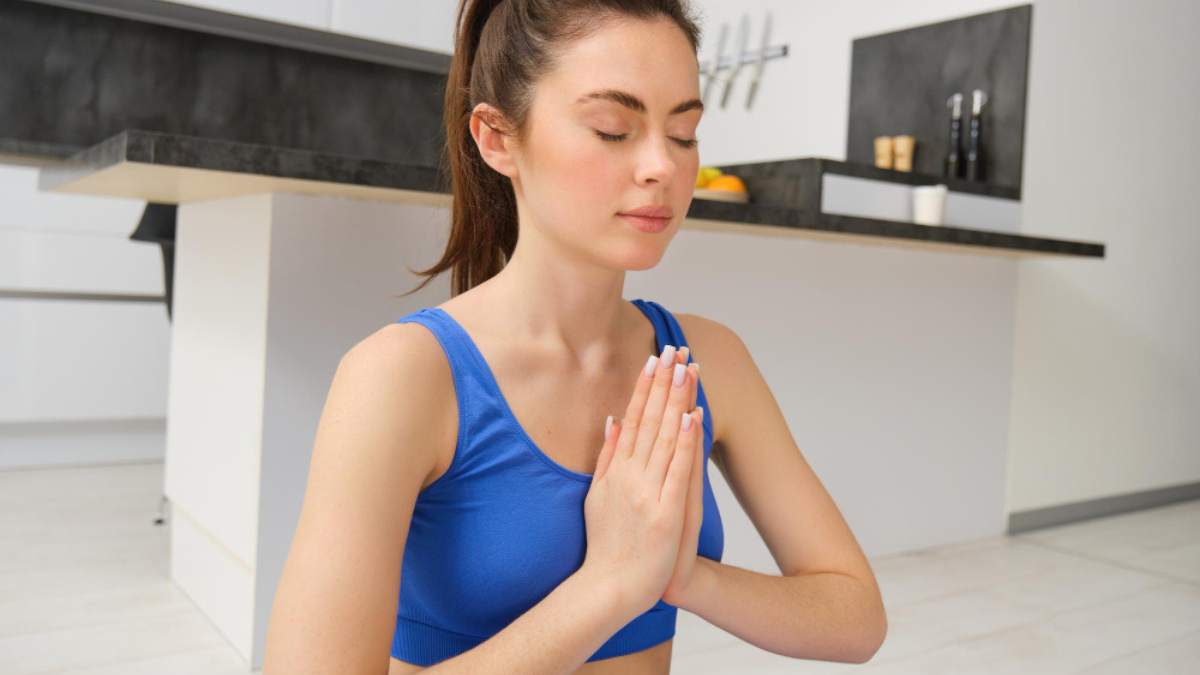
    Namaste is not just spoken; it is also expressed through a hand gesture. This is known as Anjali Mudra, where the palms are pressed together at the heart center.

    • The Right Hand: Represents the higher self, divine consciousness.
    • The Left Hand: Symbolizes the worldly self, human nature.
    • The Union: Bringing both hands together reflects balance and unity.

    In yogic philosophy, this gesture activates the heart chakra (Anahata). It aligns the mind and body, fostering a deep sense of peace.

    Namaste in Yoga and Meditation

    In yoga, Namaste is used as a sacred closing ritual. It signifies respect between teacher and student. Many yoga traditions believe that the energy of practice is sealed with Namaste, creating positive vibrations.

    In meditation, Anjali Mudra and Namaste help in centering the mind. It promotes gratitude and self-awareness. This practice strengthens the connection between breath, mind, and spirit.

    Global Adoption of Namaste

    Namaste is now recognized worldwide. It has become popular in yoga studios, wellness communities, and spiritual gatherings. However, its original meaning should not be lost in translation. It is important to understand its deep cultural and philosophical roots.

    In countries like India and Nepal, Namaste is still used in daily greetings. It is a sign of politeness and warmth. In the West, it has evolved beyond a simple hello and is embraced for its mindfulness and respect.

    Namaste vs. Other Yogic Greetings

    While Namaste is widely used, there are other traditional yogic greetings:

    • Pranam: A deeper bow, showing deep reverence.
    • Om Shanti: Used to wish peace and calmness.
    • Hari Om: A spiritual salutation acknowledging the divine.

    Each of these greetings carries unique energy but shares the same essence of respect and connection.

    So, where does Namaste come from? It originates from ancient Sanskrit texts and has been practiced for thousands of years. It is a symbol of respect, gratitude, and unity. In yoga, it serves as a reminder of our interconnectedness.

    By using Namaste with awareness, we honor its deep yogic roots. Whether in yoga practice, meditation, or daily life, this simple yet profound gesture brings harmony and mindfulness.

  • Yoga Mat Thickness Chart: Choosing the Right Mat for Your Practice

    A yoga mat is more than just an accessory—it directly impacts your practice. The right yoga mat thickness provides stability, comfort, and joint protection. However, choosing the best mat can be confusing. A yoga mat thickness chart simplifies this decision by helping you find the ideal balance.

    Yoga mats come in different thicknesses, materials, and textures. Understanding these factors ensures better support and alignment. This guide explores the best yoga mat thickness for different practices and body needs.

    Why Does Yoga Mat Thickness Matter?

    Mat thickness affects comfort, balance, and durability. A thicker mat provides more cushioning but may reduce stability. A thinner mat offers better grip but less padding. Selecting the right yoga mat thickness depends on factors like practice style, flooring, and joint sensitivity.

    The standard yoga mat thickness in mm ranges from 1mm to 10mm. Choosing the right one enhances performance and prevents injuries. Let’s break down the different thickness levels.

    Yoga Mat Thickness Chart

    Thickness

    Best For

    Pros

    Cons

    1-2mm (Ultra-thin)

    Travel, outdoor yoga

    Lightweight, portable

    Less support for joints

    3-4mm (Standard)

    General yoga, Vinyasa

    Good balance & support

    May feel firm on hard floors

    5-6mm (Thick)

    Gentle yoga, Hatha

    Extra comfort, joint-friendly

    Slightly less stable

    7-10mm (Extra-thick)

    Meditation, restorative yoga

    Maximum cushioning

    Can reduce stability

    Best Yoga Mat Thickness for Different Practices

    1. Yoga Mat Thickness for Beginners

    Beginners need a mat that provides both stability and comfort. A 4mm to 6mm mat is ideal as it offers balance without being too firm.

    1. Best Yoga Mat Thickness for Joint Support

    For knee or back pain, a 6mm to 8mm mat provides better cushioning. These mats help prevent joint strain while maintaining grip.

    1. Thin vs Thick Yoga Mat for Stability

    Stability is crucial for poses like Tree Pose or Warrior II. A 3mm to 4mm mat works best, offering a firm foundation.

    1. Best Yoga Mat Thickness for Travel

    Travel-friendly mats should be lightweight and foldable. A 1mm to 2mm mat is easy to carry but offers minimal cushioning.

    1. Yoga Mat Thickness for Hot Yoga

    Hot yoga requires a 3mm to 5mm non-slip mat. Mats with good sweat absorption prevent slipping during intense sessions.

    Material and Thickness Considerations

    The material of a mat influences its thickness and performance. Here are common options:

    • TPE Yoga Mats: Eco-friendly and lightweight, offering good cushioning.
    • PVC Yoga Mats: Durable and supportive but less sustainable.
    • Rubber Yoga Mats: High grip and joint-friendly, ideal for long sessions.
    • Foam Yoga Mats: Extra soft but may lack stability.

    How to Choose the Right Mat for You

    1. Assess Your Practice: Consider whether you need more stability or cushioning.
    2. Check Your Flooring: Hardwood floors require extra thickness, while carpeted surfaces allow for thinner mats.
    3. Factor in Portability: If you travel often, choose a lightweight mat.
    4. Prioritize Comfort: For sensitive joints, go for a 6mm+ mat.
    5. Look for Durability: High-quality materials ensure long-lasting performance.

    Ancient Wisdom on Comfort in Practice

    Ancient yogic texts emphasize comfort and stability in practice. The Yoga Sutras of Patanjali state, “Sthira Sukham Asanam,” meaning “A yoga pose should be steady and comfortable.” Choosing the right mat aligns with this principle, supporting both posture and relaxation.

    Selecting the best yoga mat thickness enhances comfort, stability, and safety. Whether you need a standard 4mm mat or an extra-thick 8mm option, the choice should match your practice. Use the yoga mat thickness chart as a guide to find your perfect fit.

    A well-chosen yoga mat really useful in your yoga practice. Invest in one that supports your practice and promotes well-being.

  • Best Yoga Mats for Hot Yoga

    Hot yoga is an intense practice that requires the right equipment. A high-quality, non-slip yoga mat is essential for safety and comfort. Sweat-resistant yoga mats help maintain grip and stability during heated sessions.

    Choosing the best yoga mats for hot yoga depends on durability, moisture absorption, and grip. A good mat prevents slipping, provides cushioning, and supports balance. In this guide, we explore top yoga mats designed for hot yoga practice.

    Why a Good Yoga Mat Matters for Hot Yoga

    Hot yoga involves high temperatures and sweating. A slip-resistant yoga mat helps maintain balance and prevents injuries. The right mat absorbs sweat and offers superior traction.

    Traditional yoga mats may not work well in humid conditions. They become slippery and uncomfortable. A specialized sweat-proof yoga mat enhances your practice, making poses easier and safer.

    Features to Look for in a Hot Yoga Mat

    Choosing the right yoga mat depends on several factors:

    1. Non-Slip Surface

    A high-traction yoga mat prevents slipping. Look for materials like rubber, microfiber, or PU-coated surfaces.

    1. Sweat Absorption

    Moisture-wicking mats keep the surface dry. Cork and microfiber mats absorb sweat efficiently.

    1. Durability and Thickness

    A durable mat withstands intense practice. Thicker yoga mats provide better cushioning, while thinner ones improve stability.

    1. Eco-Friendly Materials

    Sustainable mats made of natural rubber, jute, or cork are safe for the environment and your health.

    1. Easy to Clean

    Machine-washable or wipeable mats prevent bacteria buildup. Waterproof yoga mats resist odor and stains.

    Top 5 Best Yoga Mats for Hot Yoga

    1. Manduka Pro Yoga Mat

    Top Yoga Mat Brands for Hot Yoga

    A high-quality yoga mat known for durability and grip.

    Features:

    • Closed-cell surface prevents sweat absorption.
    • Excellent cushioning for joint support.
    • Non-toxic and eco-friendly material.
    1. Liforme Yoga Mat

    Liforme

    One of the best slip-resistant yoga mats for hot yoga.

    Features:

    • PU-coated surface for superior grip.
    • Alignment markers for posture correction.
    • Biodegradable and non-toxic materials.
    1. Gaiam Cork Yoga Mat

    Gaiam

    An eco-friendly yoga mat with natural sweat absorption.

    Features:

    • Cork surface enhances grip when wet.
    • Thick cushioning for extra comfort.
    • Free from harmful chemicals.
    1. Jade Harmony Yoga Mat

    Best Yoga Mats for Hot Yoga Jade Yoga

    A perfect rubber yoga mat for intense sweat sessions.

    Features:

    • Open-cell structure absorbs moisture.
    • Made from natural rubber.
    • Provides firm traction and cushioning.
    1. Heathyoga Non-Slip Yoga Mat

    Heathyoga Non-Slip Yoga Mat

    A budget-friendly yoga mat with excellent grip.

    Features:

    • Microfiber top layer wicks sweat.
    • Anti-slip surface for better balance.
    • Extra-wide design for more space.

    How to Maintain Your Hot Yoga Mat

    Taking care of your yoga mat extends its lifespan. Follow these tips:

    • Clean after every session: Use a mild soap and water solution.
    • Air dry completely: Avoid direct sunlight to prevent material damage.
    • Store properly: Roll the mat loosely to avoid creases.
    • Use a yoga towel: Helps keep the mat dry and clean.

    Ancient Wisdom on Yoga and Mat Selection

    Ancient yogic texts like the Hatha Yoga Pradipika emphasize the importance of a dedicated practice space. Traditional yogis used natural materials like grass or wool. Today, eco-friendly yoga mats continue this tradition, offering stability and alignment.

    According to Ayurveda, sweating releases toxins, balancing the body’s energies. Using a moisture-wicking yoga mat supports this process, enhancing the benefits of hot yoga.

    Conclusion

    Selecting the best yoga mat for hot yoga ensures a safe and comfortable practice. Non-slip, sweat-resistant, and durable mats improve grip and support posture. Investing in a high-quality mat enhances your experience and prevents injuries.

    A good yoga mat makes a difference in your practice. Choose wisely and enjoy a stable, sweat-free session every time.

  • Best Yoga Retreats in the World: A Journey to Wellness and Inner Peace

    Best Yoga Retreats in the World: A Journey to Wellness and Inner Peace

    Yoga is more than just physical exercise; it is a path to inner peace and self-discovery. Across the world, yoga retreats offer a chance to disconnect from daily stress and reconnect with the mind, body, and spirit. Ancient yogic texts like the Yoga Sutras of Patanjali emphasize the importance of retreating from distractions to achieve deeper awareness.

    Whether you seek a spiritual escape or a luxury yoga retreat, there are many options available worldwide. From India’s sacred ashrams to Bali’s tropical sanctuaries, yoga retreats provide a space for relaxation, healing, and transformation. Let’s explore some of the best yoga retreats in the world where you can rejuvenate your mind and body.

    Why Join a Yoga Retreat?

    A yoga retreat is more than just a vacation. It offers structured yoga and meditation sessions in a serene environment. These retreats help reduce stress, improve mental clarity, and promote overall well-being. Many wellness resorts also combine yoga with holistic healing, such as Ayurveda, mindfulness, and detox programs.

    Ancient traditions suggest that stepping away from routine enhances self-awareness. The Bhagavad Gita teaches that solitude and self-discipline lead to deeper spiritual insights. A yoga retreat provides the perfect setting for this journey.

    Top Yoga Retreats Around the World

    1. Rishikesh, India – The Yoga Capital of the World

    Rishikesh is home to some of the most famous yoga ashrams and spiritual centers. It is the birthplace of yoga, with the sacred Ganges River flowing through it.

    Best Retreats:

    • Parmarth Niketan
    • Sivananda Ashram
    • Anand Prakash Yoga Ashram

    Why Visit?

    • Authentic yoga teachings
    • Meditation by the Ganges
    • Affordable yoga retreats with Ayurveda
    1. Ubud, Bali – A Tropical Yoga Sanctuary

    Ubud is known for its lush landscapes, spiritual energy, and world-class yoga retreats. It combines nature, wellness, and holistic healing.

    Best Retreats:

    • The Yoga Barn
    • Fivelements Retreat
    • Oneworld Retreats

    Why Visit?

    • Yoga with breathtaking jungle views
    • Detox and wellness programs
    • Balinese healing traditions
    1. Costa Rica – Yoga in Nature’s Paradise

    Costa Rica offers yoga retreats surrounded by tropical forests, mountains, and beaches. It is a top destination for those seeking relaxation and adventure.

    Best Retreats:

    • Blue Spirit Retreat
    • Anamaya Resort
    • Bodhi Tree Yoga Resort

    Why Visit?

    • Ocean-view yoga sessions
    • Eco-friendly wellness resorts
    • Yoga and surfing retreats
    1. Thailand – Yoga and Mindfulness by the Sea

    Thailand’s islands offer some of the most serene and affordable yoga retreats. These retreats focus on mindfulness, meditation, and holistic well-being.

    Best Retreats:

    • Samahita Retreat
    • Vikasa Yoga Retreat
    • Wonderland Healing Center

    Why Visit?

    • Beachfront yoga experiences
    • Traditional Thai healing therapies
    • Affordable luxury retreats
    1. Portugal – Yoga with Stunning Ocean Views

    Portugal has become a top destination for yoga lovers. Its scenic coastline and peaceful environment make it ideal for deep relaxation.

    Best Retreats:

    • Vale de Moses
    • Shamballah Yoga Retreat
    • Salty Pelican Yoga & Surf Retreat

    Why Visit?

    • Yoga and surfing combination
    • Stunning sea views
    • Holistic wellness programs
    1. Sedona, USA – A Spiritual Yoga Retreat in the Desert

    Sedona is known for its energy vortexes and spiritual retreats. It is a perfect place for deep meditation and healing yoga sessions.

    Best Retreats:

    • Mago Retreat Center
    • Sedona Yoga Festival
    • SpiritQuest Retreats

    Why Visit?

    • Healing energy vortexes
    • Meditation in the red rock landscapes
    • Luxury and holistic wellness programs

    How to Choose the Right Yoga Retreat?

    Choosing the right yoga retreat depends on your goals. Consider the following factors:

    • Location: Do you prefer the mountains, beach, or jungle?
    • Budget: Luxury resorts or budget-friendly ashrams?
    • Yoga Style: Hatha, Vinyasa, Kundalini, or restorative yoga?
    • Duration: Weekend retreat or month-long immersion?
    • Additional Activities: Ayurveda, detox, meditation, or adventure sports?

    Benefits of Attending a Yoga Retreat

    • Deepens Your Yoga Practice: A structured retreat allows you to focus on yoga without distractions.
    • Connects You with Like-Minded People: Meet individuals who share your passion for wellness.
    • Improves Mental and Physical Health: Yoga, meditation, and a balanced diet contribute to overall well-being.
    • Enhances Spiritual Growth: Time away from daily routines helps in self-reflection and inner peace.
    • Rejuvenates the Mind and Body: Nature, healthy food, and holistic treatments provide complete relaxation.

    Ancient Yogic Wisdom on Retreats

    The concept of retreating from daily life is deeply rooted in yogic traditions. The Upanishads mention the idea of seclusion for self-realization. Many yogis in ancient India practiced yoga in the Himalayas, away from distractions. This helped them attain higher consciousness and spiritual wisdom.

    Modern yoga retreats follow this same principle. They offer a space to disconnect from material concerns and focus on self-growth. Whether in a remote mountain village or a luxury beachfront resort, the essence remains the same.

    The best yoga retreats in the world offer a unique blend of relaxation, learning, and transformation. Whether you choose the spiritual depth of Rishikesh, the lush landscapes of Bali, or the serene beaches of Thailand, a yoga retreat can be a life-changing experience.

    Take time to invest in your well-being. A yoga retreat is not just a vacation—it is a journey toward self-awareness and holistic health. Start your journey today and experience the profound benefits of yoga in a tranquil setting.