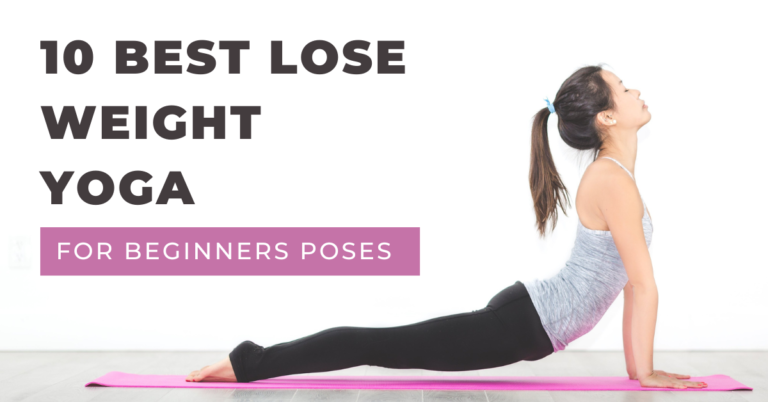
Yoga poses for weight loss for beginners can support regular movement, but they cannot promise fast fat loss or target belly fat. Choose comfortable postures, build consistency and combine practice with suitable daily activity. Food intake, sleep, health and time also matter. The ten poses below prioritise manageable movement and offer easier variations rather than a calorie-burning guarantee.
Can Beginners Use Yoga for Weight Loss?
Yoga can support activity and consistency, but it does not guarantee fast fat loss. Body-fat change depends on overall energy balance, food intake, sleep, activity and time.
| Yoga can help with | Yoga cannot promise |
|---|---|
| Regular movement | Spot reduction of belly fat |
| Strength and mobility | A fixed amount of weight loss |
| Stress-management routine | Major fat loss in a few days |
Related guides: yoga and 7-day weight-loss claims, Yogalates and weight loss, and weekly yoga frequency.
Understanding the Role of Yoga in Weight Loss
Different yoga classes place different demands on the body. A gentle session may support mobility and attention without providing much aerobic activity. A stronger session may add more effort, but cannot establish a fixed energy expenditure for everyone. The CDC activity and weight guidance explains the wider role of exercise. Avoid detox claims and promises to raise metabolism from one pose.
What Is a Simple Beginner Yoga Routine for Weight Management?
- Easy warm-up — 3 minutes.
- Chair Pose — 30 seconds, repeated twice.
- Low Lunge — 1 minute each side.
- Plank or knees-down Plank — short controlled holds.
- Bridge Pose — 2 rounds.
- Downward Dog or tabletop — 1 minute.
- Quiet breathing — 2 minutes.
Use this as movement practice, not a promise of fast weight loss. Walking, food intake, sleep and total activity also matter.
10 yoga poses for weight loss for beginners: practice instructions
1. Small Locust lift
Lie on your front if comfortable. Keep the neck long and lift the chest or one leg a little, then lower slowly. You do not need to lift everything at once. Use a small range and stop for back pain. This is a controlled movement task, not a way to burn fat from the back or hips.
2. Supported Chair Pose
Stand near a stable support and bend the knees slightly as if beginning to sit. Keep enough weight through the feet to stay balanced. Use a shallow bend, or perform a chair sit-to-stand instead. Breathe naturally and straighten before fatigue changes your control. Short repetitions are a valid starting point.
3. Bridge Pose
Lie on the back with knees bent and feet supported. Press through the feet and lift the hips to a comfortable height. Lower slowly. Keep the head facing upward rather than turning the neck while lifted. Use a small lift or remain resting if this posture causes pain.
4. Wall or knees-down Plank
Begin with hands on a wall, or keep the knees on the floor. Press the support away gently and keep the trunk comfortable. Try a short hold with ordinary breathing. Avoid collapsing into the lower back or enduring wrist pain. A wall version allows you to adjust load without needing a floor push-up.
5. Downward-Facing Dog or tabletop
From hands and knees, lift the hips back only if that feels manageable. Keep the knees bent and focus on comfortable support through the hands and feet. Heels do not have to reach the floor. Tabletop is a suitable alternative. Leave the pose if it causes pressure, dizziness or pain.
6. Gentle Cobra or Sphinx
Choose a small backbend with the hands or forearms supporting you. Lift the chest a little and lower with control. Do not press into a painful range or assume a deeper arch is better. Skip prone postures when pregnancy, surgery or another condition makes lying on the front unsuitable, and seek individual guidance.
7. Supported forward fold
Stand with knees softly bent and hands on a chair or thighs. Tip forward from the hips only a little, keeping a comfortable back position. Do not bounce or force the head toward the floor. If bending brings dizziness or has been restricted by a clinician, remain upright and choose another movement.
8. Cat-Cow
Use hands and knees or a stable seated position. Move slowly between a small arch and a gentle rounding of the back. Keep the neck comfortable and breathing easy. A small range is enough. This is spinal movement practice; claims that it massages organs, detoxes the body or causes fat loss are unnecessary.
9. Supported Tree Pose
Stand near a wall or stable chair. Shift weight onto one foot and rest the other foot at the ankle with toes down. Use light hand support. Increase the foot height only when balance remains comfortable, keeping it away from the knee joint. Take a short turn on each side. This trains balance; it does not burn fat from the standing leg.

10. Supported low lunge
Use a short stance and a wall or chair for balance. Keep the front knee moving with the toes and lower only as comfortably as you can. Pad the back knee if kneeling is suitable. A standing split stance is an alternative. Change sides slowly and stop before balance or breathing becomes strained.
Finish with comfortable rest
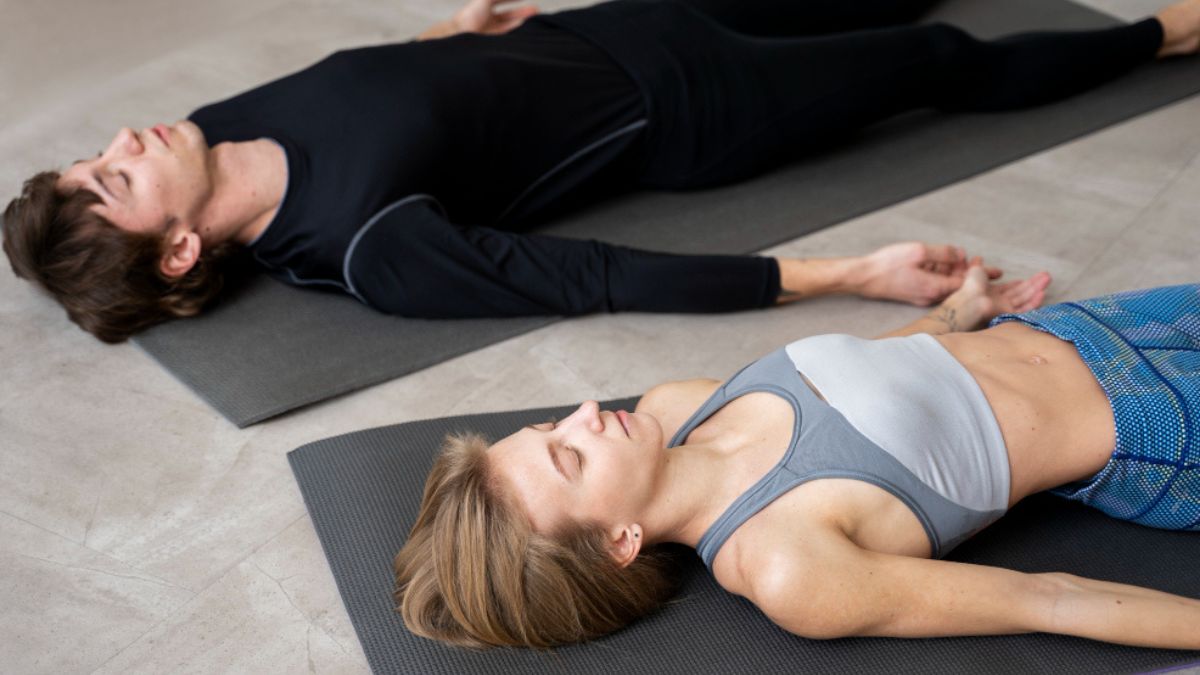
After your chosen poses, sit or lie in a position that suits you. A pillow beneath the knees, side-lying or a chair are valid options. Rest is part of pacing a session rather than an additional weight-loss pose.
How to build a manageable weekly routine
- Choose four or five comfortable poses and include a warm-up and rest.
- Start with short sessions and allow recovery between stronger practices.
- Add suitable walking or other aerobic activity across the week.
- Record comfort and consistency rather than expecting a fixed scale change.
- Seek qualified help for health, nutrition or persistent movement concerns.
Frequently asked questions
Will these poses reduce belly fat?
No posture targets fat loss from one area. These yoga poses for weight loss for beginners offer movement practice, while body-fat change depends on wider factors. Avoid holding a painful pose because a programme promises spot reduction. Choose a sustainable activity plan and appropriate nutrition support. The seven-day guide linked above explains why rapid-result claims should be treated cautiously.
How often should I practise?
Start with a frequency you can maintain comfortably, then adjust to recovery and other activity. Two or three short sessions may be manageable for some beginners, but no fixed schedule suits everyone. A gentle session and a demanding class place different loads on the body. Our weekly yoga frequency guide offers flexible planning advice.
Must I do all ten poses?
No. Select the positions that suit your ability and stop when you need rest. The list offers choices rather than a compulsory sequence. Chairs, walls and smaller ranges are useful, and a pose can be omitted without making the session a failure. A qualified teacher can help you choose appropriate variations when an injury or health condition affects movement.
Can I rely on yoga alone for weight management?
Yoga can contribute to activity and daily habits, but it does not address every nutritional, medical or fitness need. Some people benefit from a plan that includes walking, progressive strength work, sleep and appropriate nutrition advice. Do not stop prescribed care or undertake restrictive diets because a yoga article promises results. Choose a plan that fits your health and circumstances.
For guided practice and traditional study, see FitFortunes yoga courses. The school’s training programmes are educational courses; this article does not advertise a verified personalised weight-loss treatment.