Category: Meditation

  • Yoga Nidra for Sleep: A Beginner Guide to Deep Rest

    Yoga Nidra for Sleep: A Beginner Guide to Deep Rest

    Yoga Nidra for sleep is a guided deep-rest practice done mainly while lying down. You stay physically still and follow a voice through body awareness, breathing, sensations, and quiet attention. Many people use it before bed because it can make the body feel settled without demanding effort or flexibility. Yoga Nidra is not the same as ordinary sleep, and it should not be sold as a cure for insomnia. Research is promising, but the studies are still small and use different methods. For a beginner, the useful goal is simple: practise conscious rest, notice how your body responds, and let sleep come naturally if it comes.

    In this guide

    What is Yoga Nidra?

    Yoga Nidra is often translated as “yogic sleep,” but that name can cause confusion. In practice, it is usually a guided method of deep relaxation in which the body rests while some awareness remains. Most sessions are done in Savasana, or another comfortable reclining position, with the eyes closed. A teacher or recording may guide attention through different body parts, the natural breath, feelings, images, or a short personal intention called a sankalpa.

    You do not need to be flexible and you do not need to hold a yoga pose. The practice is closer to structured rest than to an asana class. Some people remain awake for the whole session, some move in and out of light sleep, and some fall asleep. None of these experiences needs to be treated as a failure. The practice is learning to rest without constantly doing, fixing, or forcing.

    Claims such as “20 minutes of Yoga Nidra equals several hours of sleep” are common online, but they should not be treated as established medical facts. A short rest practice may leave you feeling refreshed, yet it does not replace the biological need for regular sleep.

    Yoga Nidra for beginners during a guided deep-rest practice
    Yoga Nidra is usually practised lying down in a comfortable, supported position.

    Does Yoga Nidra help with sleep?

    There is a real reason Yoga Nidra is being studied for sleep, but the evidence needs careful language. A 2025 systematic review of randomized controlled trials included six studies with 244 participants. Most of the studies reported improvements in measures such as sleep quality, time taken to fall asleep, total sleep time, or sleep efficiency. However, the review also found important limits, including different Yoga Nidra methods, small samples, incomplete reporting, and moderate to high risk of bias in several studies.

    A smaller randomized study in people with chronic insomnia also reported improvements after Yoga Nidra practice. This is useful early evidence, not proof that Yoga Nidra will treat every sleep problem. Persistent insomnia, loud snoring with breathing pauses, severe daytime sleepiness, depression, or other ongoing sleep problems deserve proper medical assessment. If you are unsure whether a few poor nights count as insomnia, read our guide to insomnia and occasional poor sleep.

    For everyday use, a better way to think about Yoga Nidra is as a low-effort wind-down practice. It may help some people move from an alert evening state toward rest. If evenings are already part of your yoga routine, our guide on doing yoga at night explains which kinds of practice are usually easier to place close to bedtime.

    How Yoga Nidra works

    A Yoga Nidra session is not just “lie down and relax.” Traditional and modern schools arrange the stages differently, but there is usually a clear movement from outer awareness toward quieter inner awareness and then back again. The guide gives the mind one simple task at a time, so you are less likely to keep planning, scrolling, or replaying the day.

    A typical session may begin by noticing the room and the contact of the body with the floor. The teacher then guides a rotation of awareness through the body. Breath awareness may follow, without forcing the breath into a special rhythm. Some methods include opposite sensations, simple images, or a short sankalpa. At the end, attention returns slowly to the room before you move.

    The important point is not to chase a special state. If you spend the whole practice checking whether you are “deep enough,” the checking itself becomes work. Comfort, steady guidance, and regular practice matter more than trying to manufacture a dramatic experience.
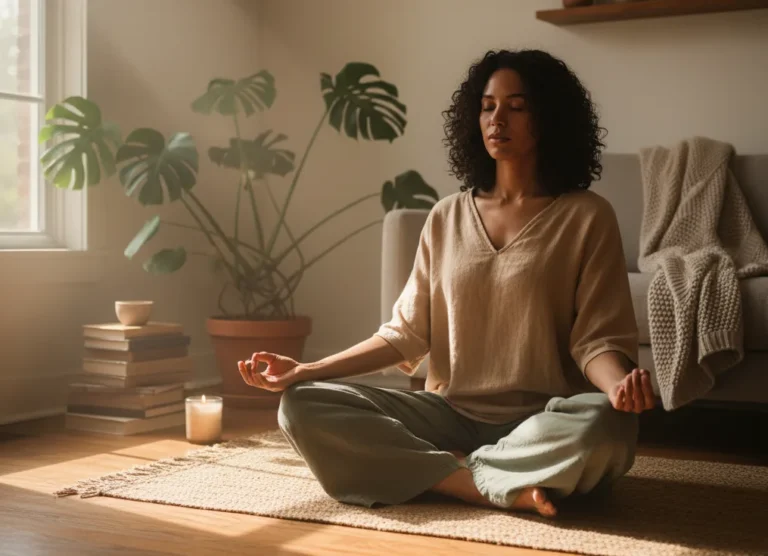
    Beginner creating a quiet space for meditation and Yoga Nidra
    A quiet room, simple lighting, and fewer phone alerts can make deep-rest practice easier.

    A simple 20-minute Yoga Nidra practice for beginners

    For a first practice, keep the method simple. You can use a calm recording or ask a trained teacher to guide you. If you are practising alone, the following sequence gives you a basic structure without turning rest into another complicated task.

    1. Get comfortable. Lie on your back, or choose another position that lets the body rest without strain. Use a folded blanket under the head or knees if that helps.
    2. Arrive for one minute. Notice the room, the floor under you, and the simple fact that you do not need to go anywhere for the next few minutes.
    3. Choose a simple intention. If you use a sankalpa, keep it short and personal. Do not turn it into a long list of goals.
    4. Move awareness through the body. Notice the right hand, arm, shoulder, then other areas in a steady order. You are noticing, not stretching or contracting each part.
    5. Notice natural breathing. Feel the breath at the nose, chest, or abdomen. Let it change by itself rather than trying to make every breath slow or deep.
    6. Notice sensations. Warmth, coolness, heaviness, lightness, comfort, or restlessness can be observed without needing to fix them.
    7. Rest in wider awareness. For a few minutes, allow sounds, breath, and body sensations to be present together.
    8. Return slowly. Notice the room again, move the fingers and toes, bend the knees if comfortable, and open the eyes when you feel ready.

    Twenty minutes is not a rule. Ten minutes can be useful on a busy evening, while a longer guided practice may suit another day. Music is optional. A quiet voice and clear instructions are usually more useful than a complicated soundtrack.

    Yoga Nidra vs meditation and NSDR

    Yoga Nidra, meditation, and the modern term NSDR, or non-sleep deep rest, overlap but they are not exact synonyms. Meditation is a broad family of practices and is often done seated, although it does not have to be. Yoga Nidra is usually reclined and guided in a more structured sequence. NSDR is a newer umbrella term used for practices that encourage deep rest without ordinary sleep, and Yoga Nidra is often discussed under that umbrella.

    Yoga Nidra itself comes from Indian yoga traditions and has its own teaching lineages and methods. It does not need a newer label to make it useful. If seated meditation feels difficult when you are tired, a reclined guided practice can be an easier place to start. Our beginner guide to yoga and meditation explains how the two practices can fit together without making either one complicated.

    What is the best time to practise Yoga Nidra?

    There is no single best time for everyone. Before bed is popular because there is nothing else to do afterward. An afternoon session can also work when you want rest without automatically taking a long nap. Some students use Yoga Nidra after a gentle asana or pranayama practice because the body is already quieter.

    Try not to practise immediately after a very heavy meal if lying flat feels uncomfortable. If your goal is better sleep, consistency matters more than chasing the perfect hour. A familiar 15- or 20-minute practice at roughly the same part of the evening is easier to judge than changing the method every night.
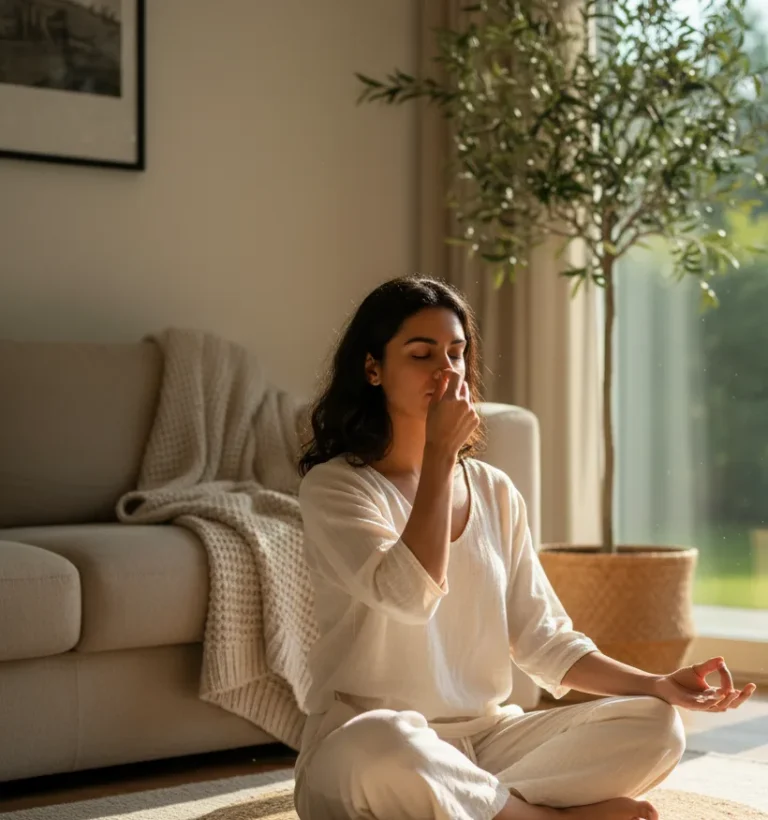
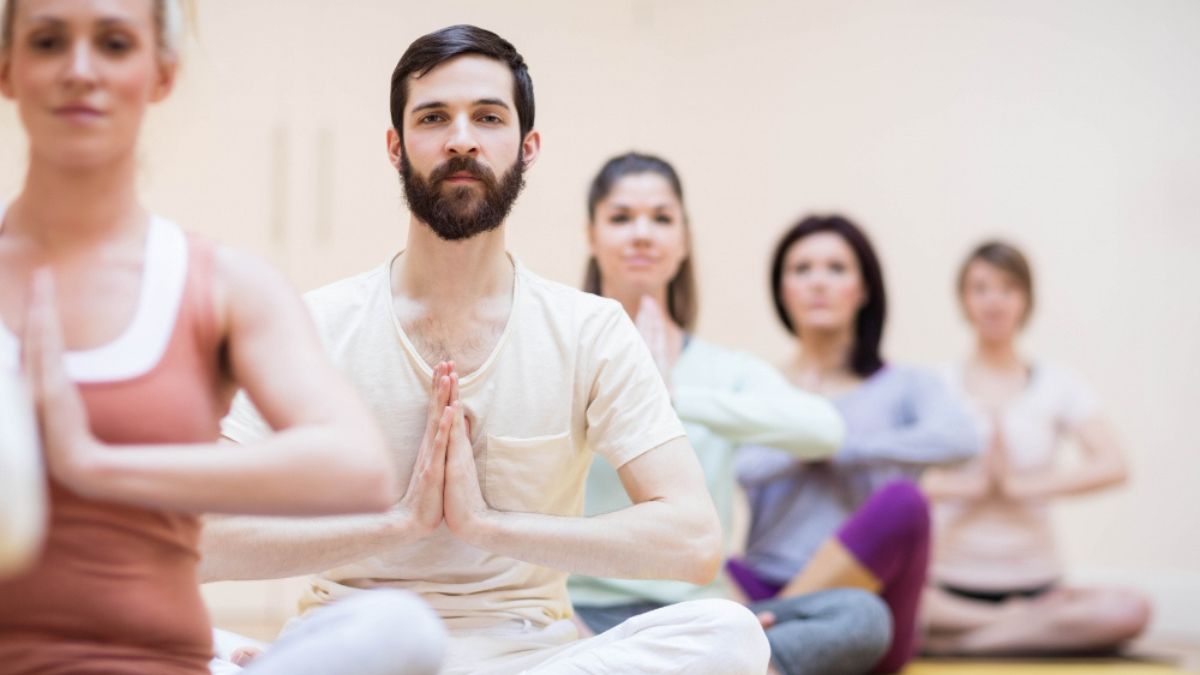
    Yoga student taking a calm breath before a guided rest practice
    A few quiet minutes before Yoga Nidra can help you settle. The practice itself does not require forced breathing.

    Safety and common mistakes

    Yoga Nidra is physically gentle for most people, but gentle does not mean that every session feels comfortable for every nervous system. Lying still with closed eyes can feel vulnerable for some people, especially when there is a history of trauma, panic, or strong anxiety. You can keep the eyes open, sit instead of lying down, shorten the session, or stop. A good teacher gives choices rather than insisting that everyone follow the same position.

    Do not use a Yoga Nidra recording while driving, cooking, bathing, or doing anything that needs full attention. If lying flat causes pain, reflux, breathing difficulty, dizziness, or another symptom, change position and seek appropriate professional advice when needed. Yoga Nidra can support rest, but it should not be used to delay care for a serious sleep or mental-health problem.

    Common beginner mistakes

    • Trying so hard to relax that the practice becomes another performance.
    • Forcing deep breathing when natural breathing feels better.
    • Using an uncomfortable position because Savasana seems “more correct.”
    • Changing recordings every day and never learning one simple method.
    • Feeling guilty for falling asleep during an evening practice.
    • Believing extreme online claims about replacing several hours of sleep.

    Yoga Nidra in yoga teacher training

    For a yoga teacher, guiding Yoga Nidra requires more than reading a script. Pacing, clear language, silence, choice of position, room temperature, props, and how you bring students back all affect the experience. Teachers also need to understand the difference between offering relaxation and making medical or psychological treatment claims.

    At FitFortunes, Yoga Nidra sits inside the wider study of relaxation, meditation, breath, philosophy, and teaching skills rather than being presented as a miracle technique. You can see how these subjects connect in our yoga teacher training curriculum guide. Students considering residential study can also check the current curriculum and practicum for the 200-hour yoga teacher training in Rishikesh before deciding whether the course matches their goals.

    Is Yoga Nidra for sleep worth trying?

    Yoga Nidra for sleep is worth trying as a simple rest practice if you enjoy guided relaxation and want a calmer way to end the day. It is easy to begin, needs little space, and can be adapted to your body. Research on sleep is encouraging, but it is still developing, so the practice is best approached with realistic expectations. Use it to build a better relationship with rest, not to prove that you can force yourself to sleep.

    Frequently asked questions

    Is Yoga Nidra the same as sleep?

    No. Yoga Nidra is usually a guided state of rest in which some awareness may remain. You may fall asleep during the practice, but ordinary sleep and Yoga Nidra are not the same thing.

    Can Yoga Nidra help insomnia?

    Some small clinical studies and recent reviews report better sleep outcomes, so the practice is promising. The evidence is not strong enough to treat it as a guaranteed cure. Persistent insomnia should be assessed properly, especially when it affects daily life.

    How long should a beginner do Yoga Nidra?

    Ten to twenty minutes is a practical starting range. A shorter practice you can repeat comfortably is more useful than forcing yourself through a long session.

    Can I do Yoga Nidra every night?

    Many people can use a gentle practice nightly if it feels comfortable. If it makes you more alert, distressed, or physically uncomfortable, change the timing, method, or position.

    What if I fall asleep during Yoga Nidra?

    Falling asleep is common, especially when you practise at bedtime. You do not need to feel that you failed. If your aim is to learn the full method while staying aware, try practising earlier in the day when you are less sleepy.

    Do I need headphones?

    No. Headphones can help when the room is noisy, but a speaker at a comfortable volume is fine. The important thing is that the guidance is easy to hear without being startling.

    Is Yoga Nidra safe for anxiety?

    Some people find it calming, while others may feel uncomfortable with stillness, closed eyes, or inward attention. Keep choices available, stop if distress rises, and seek qualified support when anxiety is severe or persistent.

    Is Yoga Nidra better than meditation for sleep?

    Not necessarily. They are different tools. Yoga Nidra can be easier when you are tired because you lie down and follow a guide. A seated meditation may suit someone else. The better practice is the one you can use consistently without strain.
  • Kriya Yoga Benefits: Classical Meaning, Modern Traditions and Evidence

    Kriya Yoga Benefits: Classical Meaning, Modern Traditions and Evidence

    “Can Kriya Yoga really change my life, or is it just another breathing exercise?”

    This is a question many students ask during the first week of training. It comes from a place of curiosity and sometimes doubt. The honest answer is: Kriya Yoga is not just a set of techniques, but a system that brings visible and invisible benefits.

    Whether you are a beginner exploring yoga in India or a teacher seeking deeper practice, understanding the benefits of Kriya Yoga can guide you toward steady progress. Let’s explore what it really does for the body, mind, and energy.

    What is Kriya Yoga?

    Kriya Yoga is a disciplined method of breath regulation, concentration, and meditation. It was brought into modern awareness by Lahiri Mahasaya and later shared worldwide through Paramahansa Yogananda in his book Autobiography of a Yogi.

    Unlike asana-based practices such as Hatha Yoga, Kriya Yoga focuses on inner energy flow. The central practice involves controlled breathing patterns that purify the nervous system and calm the restless mind.

    Still, it is not a shortcut. Kriya requires consistency, guidance, and patience.

    Physical Benefits of Kriya Yoga

    Better Breathing and Lung Capacity
    Students often notice that they can breathe more deeply after just a few weeks. By training the lungs to expand fully, Kriya Yoga helps deliver more oxygen to the body. This reduces fatigue and increases stamina.

    Nervous System Balance
    Breathing exercises in Kriya Yoga activate the parasympathetic nervous system. This lowers stress hormones and promotes calmness. For students juggling work, study, and travel, this balance is invaluable.

    Spinal Health
    Kriya Yoga emphasizes the spine as the channel of energy. By sitting upright and practicing spinal breathing, students strengthen back muscles, improve posture, and reduce stiffness.

    Support for Other Exercises
    Many practitioners ask if they should do yoga before or after exercise. In my experience, Kriya is best practiced before heavy physical activity, as it prepares the mind and lungs. After exercise, a short kriya can also cool the body and settle the breath.

    Mental and Emotional Benefits of Kriya Yoga

    Sharp Concentration
    One of the most consistent kriya yoga benefits is improved focus. By training attention on the breath, distractions slowly fade. Students preparing for exams or professionals working long hours find this especially useful.

    Emotional Stability
    Breath and emotion are linked. Rapid, shallow breathing comes with anxiety, while deep, steady breathing brings calm. Kriya teaches emotional regulation through controlled breath, helping practitioners respond instead of react.

    Stress Relief
    Modern stress is less about physical danger and more about constant mental pressure. Kriya works by reducing overthinking and bringing clarity. Many students report sleeping better after just a few sessions.

    Energetic and Spiritual Benefits

    Cleansing Subtle Channels
    Ancient texts describe energy pathways (nadis) in the body. Kriya Yoga uses breath to cleanse these channels, allowing prana (life force) to move freely.

    Awakening Inner Awareness
    Kriya is not about escaping daily life. Instead, it makes one more present. Students often say they feel lighter, yet more rooted in reality.

    Long-Term Growth
    While physical yoga shows quick results, Kriya Yoga’s deeper benefits unfold slowly. Over months and years, practitioners develop inner stability that supports every area of life.

    Kriya Yoga for Different Levels

    For Beginners

    • Start with 10–15 minutes daily.
    • Focus on posture, calm breath, and simple kriyas under guidance.
    • Avoid forcing the breath. Comfort is more important than speed.

    For Intermediate Students

    • Gradually increase practice to 30–45 minutes.
    • Combine kriya with Hatha Yoga asanas for balance.
    • Notice changes in focus and emotional control.

    For Advanced Practitioners

    • Maintain discipline and regularity.
    • Explore deeper meditation after kriya practice.
    • Continue study under experienced teachers to refine technique.

    Kriya Yoga in Daily Life

    One of the most overlooked benefits of Kriya Yoga is how it fits into daily life.

    • For Students: Helps concentration, reduces exam stress.
    • For Professionals: Balances work pressure, improves focus at meetings.
    • For Parents: Creates patience and calmness in family life.
    • For Older Adults: Supports lung health, eases anxiety, prevents mental restlessness.

    Even 20 minutes in the morning can set a positive rhythm for the entire day.

    Kriya Yoga vs Other Yoga Styles

    Many beginners confuse kriya with kundalini yoga or pranayama. While they share similarities, each has a unique aim.

    • Hatha Yoga: Focus on body postures and flexibility.
    • Kundalini Yoga: Awakening dormant energy through kriyas and chanting.
    • Kriya Yoga: Precise breath practices for internal cleansing and awareness.

    The difference lies not in superiority but in purpose. Kriya is best for those seeking a quiet yet powerful inner practice.

    Scientific Perspective
    While modern science has only begun to study kriya, research shows:

    • Reduced heart rate and blood pressure after consistent practice.
    • Increased alpha brain waves, linked with relaxation and focus.
    • Improvement in symptoms of anxiety and depression.

    These findings confirm what yogis have known for centuries: breathing changes the mind.

    Experiences from Students in India

    During our residential yoga teacher training in Rishikesh, international students often share similar feedback:

    • “I felt taller and lighter after my morning kriya sessions.”
    • “I could finally sit for meditation without restlessness.”
    • “Kriya gave me a new level of clarity during my course.”

    These experiences reflect how kriya supports both personal and professional growth.

    Conclusion: Kriya Yoga Benefits in Simple Terms

    So, what are the real kriya yoga benefits? Better breathing, calmer nerves, sharper concentration, and a more centered life. For beginners, it’s a safe way to start meditation. For advanced practitioners, it’s a lifelong discipline that deepens awareness.

    Yoga in India has many paths, but kriya remains one of the most practical and powerful. With steady practice, the benefits show themselves — not only in the mind and body but in daily living.

    FAQ: Kriya Yoga Benefits

    Q1: How many minutes of kriya yoga per day is enough?
    Start with 15–20 minutes daily. Gradually increase as comfort grows.

    Q2: Is kriya yoga safe for beginners?
    Yes, but it should be learned under guidance. Avoid forcing the breath.

    Q3: Does kriya yoga help with anxiety and stress?
    Yes. Controlled breathing calms the nervous system and reduces restlessness.

    Q4: Can kriya yoga improve concentration?
    Definitely. By focusing the mind on breath, it trains attention and reduces distraction.

    Q5: What is the difference between kriya yoga and pranayama?
    Pranayama is breath control. Kriya yoga uses pranayama within a structured system of spiritual practice.

    Q6: Do I need initiation to practice kriya yoga?
    Traditional kriya requires initiation, but many schools in India offer beginner-friendly practices inspired by kriya methods.

  • Difference Between Yoga and Meditation: A Classical View

    Difference Between Yoga and Meditation: A Classical View

    I’ve spent over two decades walking the path of yoga. In this time, one question keeps showing up from students, readers, and even friends: “What’s the real difference between yoga and meditation?”

    Let’s settle this. Plain and simple. No fluff.

    Yoga and Meditation: Not the Same, But Not Opposites

    In my early days, I used to think yoga and meditation were one and the same. But as I went deeper, I saw the clear line. Yoga uses movement, breath, and control of the body. Meditation is about sitting still, calming the mind.

    Both are part of the same family. They belong to the yogic lifestyle. Yet, their ways and goals are different.

    What is Yoga, Really?

    Most people think yoga is just stretching. Or fancy poses on Instagram. That’s not yoga. Not even close.

    Yoga means “union.” It brings your body, mind, and breath into balance. True yoga is a full lifestyle. It includes:

    • Asanas (Postures)
    • Pranayama (Breathwork)
    • Yama and Niyama (Ethical Living)
    • Dhyana (Meditation)

    Yoga builds strength. Improves flexibility. Cleanses your system. It’s a moving form of mindfulness. You’re present in every posture.

    I often tell my students: “Yoga begins when your mind listens to your breath.”

    What is Meditation?

    Now let’s talk about meditation. The part where we sit. No bending. No movement. Just silence.

    Meditation is mental work. It’s about watching your thoughts, not chasing them. You sit, breathe, and just be.

    You train your brain to stop running. And trust me, it runs a lot.

    Some call it “Dhyana,” the seventh limb of yoga. Others call it mindfulness or focused awareness.

    Here’s what it does:

    • Reduces stress
    • Brings clarity
    • Improves memory
    • Balances emotions

    Meditation is the silence after yoga’s movement. The calm after the storm.

    Physical vs. Mental: The Core Difference

    Here’s the truth: Yoga is physical and meditation is mental.

    Yoga uses the body to reach the mind. Meditation uses the mind to watch itself.

    In yoga, you move your body. You use breath to control your thoughts. In meditation, you sit still. You let thoughts come and go.

    Both paths lead to the same place — peace. But they take different roads.

    When to Practice Yoga, When to Meditate?

    I get this a lot from students: “Should I do yoga or meditate today?”

    Here’s my simple answer:

    • Feeling restless? Do yoga.
    • Feeling dull or anxious? Sit and meditate.

    Some days, I do both. A short 20-minute yoga flow followed by 10 minutes of meditation. Works like magic.

    Can You Combine Them?

    Yes, and you should.

    Yoga prepares the body. Meditation trains the mind. When combined, they complete each other.

    Start with gentle stretches. Flow with your breath. Then sit in silence.

    You’ll notice your mind is quieter. Your body more relaxed.

    This is how ancient yogis lived. Movement first. Silence after.

    The Role of Breath in Both

    Breath is the bridge. Whether you’re doing a sun salutation or meditating in stillness — breath leads the way.

    In yoga, breath guides movement. In meditation, breath anchors the mind.

    I always teach pranayama before meditation. It clears the path.

    Similarities Between Yoga and Meditation

    Let’s be clear. Though different, these two have many things in common:

    • Both calm the nervous system
    • Both increase awareness
    • Both help manage stress
    • Both are rooted in ancient Indian practices
    • Both require consistency

    And both make life better — if you commit.

    My Personal Practice (A Yogic Life)

    I wake up before sunrise. First, I do 10 minutes of stretching. Then I sit. I watch my breath.

    Sometimes, thoughts come in like a storm. Sometimes, they don’t.

    This mix keeps me grounded. It has helped me navigate life’s highs and lows. More than any app or therapy session ever did.

    Living a yogic life is not about being perfect. It’s about showing up — on the mat or on the cushion.

    Don’t Overthink It

    If you’re starting, don’t get stuck choosing one. Start moving. Start sitting. Let your body and mind guide you.

    The difference between yoga and meditation will show itself. You’ll feel it. That’s the best teacher.

    FAQs – Common Questions About Yoga and Meditation

    Is yoga better than meditation?

    No. Both have their own place. Yoga works on the body. Meditation works on the mind. Together, they work best.

    Can I meditate without doing yoga?

    Yes, you can. But yoga helps make your body still, which supports longer meditation sessions.

    Is every yoga session meditative?

    Not always. Fast-paced yoga may not feel meditative. But with breath and awareness, even a simple pose becomes meditation.

    How long should I meditate daily?

    Start with 5–10 minutes. Increase as you feel comfortable. It’s not about time. It’s about quality.

    Do I need a teacher?

    Guidance helps, especially in the beginning. But your own breath is the best guide.

    Are yoga and meditation both spiritual?

    They can be. But you don’t have to be spiritual to practice them. Think of them as tools for wellness.

    What’s the main difference in simple words?

    Yoga moves the body. Meditation quiets the mind. Both help you feel better.

    Final Thoughts: So, What’s the Real Difference?

    Here’s the short version:

    • Yoga is moving awareness.
    • Meditation is still awareness.

    One is done with the body. The other with the mind.

    Both are part of a yogic life. Both bring peace.

    Start where you are. Move. Sit. Breathe.

    That’s the real practice.

  • Yoga or Meditation: Which Should You Practice?

    Yoga or Meditation: Which Should You Practice?

    If you are choosing between yoga and meditation, start with the problem you are actually trying to solve. Do you want more physical movement? A way to sit with less restlessness? A short mental practice? Better body awareness? The answer matters more than asking which practice is “better” in general.

    For the classical relationship between yoga and meditation, read our separate article on the difference between yoga and meditation. This page is about practical choice.

    Yoga or Meditation: Which Is Better for You?

    Your goalStart with
    More movementYoga
    Quiet attentionMeditation
    Stress plus restlessnessYoga first, then meditation
    Limited timeChoose the one you can repeat daily

    You do not have to choose only one. In classical yoga, meditation is part of yoga rather than a competing practice. See our meditation vs yoga guide, yoga before or after meditation, and meditation at home.

    Choose Yoga When You Need Movement

    A posture-based yoga session may suit you if you have been sitting for long periods, want to work on mobility or strength, or find it easier to focus while moving. Different styles vary greatly in intensity, so “do yoga” can mean anything from supported chair work to a demanding Vinyasa class.

    Choose meditation when you want a primarily attentional practice

    Meditation may suit you when you want to practice concentration, observation or quiet sitting without adding a full physical session. You do not need to be flexible, and you do not need to complete asana first.

    If sitting is uncomfortable, use a chair, cushion or another stable position. The posture should support attention rather than become a test of endurance.

    If you are restless, movement may help first

    Some people find it difficult to move directly from a busy day into sitting practice. A short sequence of comfortable movement can help them settle. That does not mean yoga must always precede meditation; it is simply a useful option.

    If you are tired, choose carefully

    A strong yoga class is not automatically the answer to low energy, and meditation is not always appropriate when you are likely to fall asleep. Match the practice to your condition that day. Sometimes rest is the better choice.

    Can you combine yoga and meditation?

    Yes. A simple session might include a short period of movement followed by quiet sitting. You do not need a complicated formula. Ten minutes of comfortable asana followed by five minutes of natural breath observation is enough to learn how the two practices feel together.

    What if your goal is stress reduction?

    Both yoga and meditation have been studied in relation to stress, but neither should be sold as a guaranteed treatment for anxiety, depression or another mental-health condition. If symptoms are persistent, severe or affecting daily life, professional care matters.

    What if your goal is fitness?

    Meditation is not a substitute for physical activity. Yoga can contribute to movement, strength, balance or mobility depending on the style, but a complete fitness routine may also need walking, aerobic activity or resistance training.

    What if your goal is philosophy or spiritual study?

    Then the modern “yoga versus meditation” comparison becomes less useful. In Patanjali’s system, dhyana is part of yoga. A serious study of yoga philosophy therefore includes meditation rather than treating it as a competing practice.

    A simple way to decide

    Choose the practice you can do attentively and repeat consistently. If you want movement, begin with yoga. If you want a quiet attentional exercise, begin with meditation. If both are useful, combine them without turning either into a performance.

  • How to Meditate at Home for Beginners: A Gentle Start

    How to Meditate at Home for Beginners: A Gentle Start

    To meditate at home, sit comfortably, choose one focus and gently return whenever your attention wanders. Start with two to five minutes; a chair and an ordinary quiet corner are enough. You do not need to empty your mind, sit cross-legged or force deep breathing. This guide offers a short routine, alternatives to breath focus and advice on discomfort or distress.

    How to meditate at home for beginners

    Begin with a short, repeatable session rather than trying to produce a special state. Learning to meditate at home is a practice of attention, not a test of whether you can stop thinking. Choose breath, sounds or a simple body sensation as an anchor. The NHS beginner meditation guide provides a practical introduction.

    Five steps to meditate at home

    1. Sit on a chair, cushion or floor with a comfortable upright position.
    2. Set a timer for two to five minutes at first; ten minutes is optional when comfortable.
    3. Notice natural breathing without trying to make it perfect.
    4. When attention wanders, return gently to the breath.
    5. For the final minute, notice sounds and body sensations before finishing.

    Beginners do not need to stop thoughts. The practice is returning attention without judging yourself. See our yoga and meditation beginner guide, yoga before or after meditation, and meditation books guide.

    A home session gives you a familiar place to practise attention. It does not guarantee an empty mind, improved happiness or relief from a condition. Choose a method and duration you can change when needed. Breathing, sounds and an open-eyed visual focus are different options; none has to work for everyone. Notice your response rather than treating a calm feeling as the required result.

    Beginner Meditation Checklist

    • Choose a place where you can sit without interruption.
    • Use a chair if sitting on the floor is uncomfortable.
    • Set a short timer instead of watching the clock.
    • Keep the first week to 5–10 minutes.
    • Return to the breath whenever attention wanders.

    Related guides: yoga and meditation for beginners, yoga before or after meditation, and best meditation books.

    Where can you meditate at home?

    The environment plays a significant role in your meditation practice. Setting up a dedicated space at home can make a big difference in how comfortable and focused you feel. Choose a quiet corner or room where interruptions are minimal. Make it inviting by adding a cushion or chair for comfort. Turn off noisy devices and consider dimming the lights or lighting a candle to create a relaxing ambiance. If soft music or nature sounds help you unwind, feel free to include them in your setup.

    How to meditate at home with one simple focus

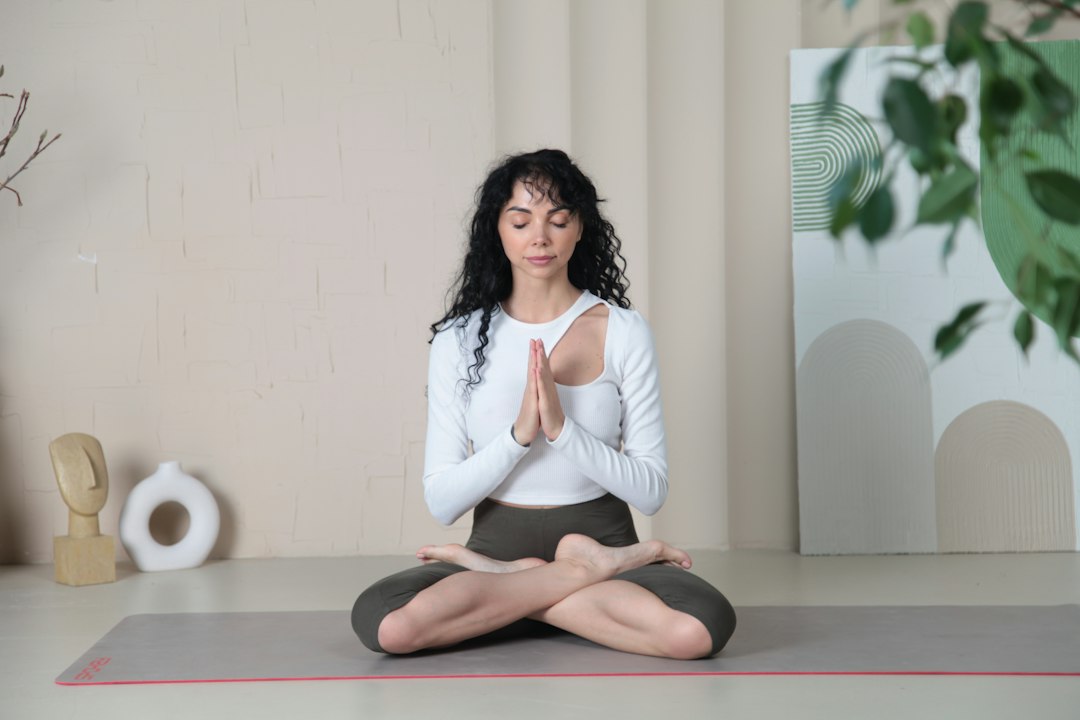
    Person sitting upright to meditate at home with relaxed shoulders

    Starting meditation can feel a little awkward, but remember that it’s a learning process. Begin by finding a comfortable position, whether sitting on a chair, the floor, or a cushion. Keep your back straight but relaxed. Close your eyes gently and focus on your breath. Notice how it flows in and out naturally, and let this awareness anchor you in the present moment. If your mind wanders, don’t worry—it’s entirely normal. Simply acknowledge your thoughts and guide your attention back to your breath. Start with 5-10 minutes a day and increase the duration as you get more comfortable.

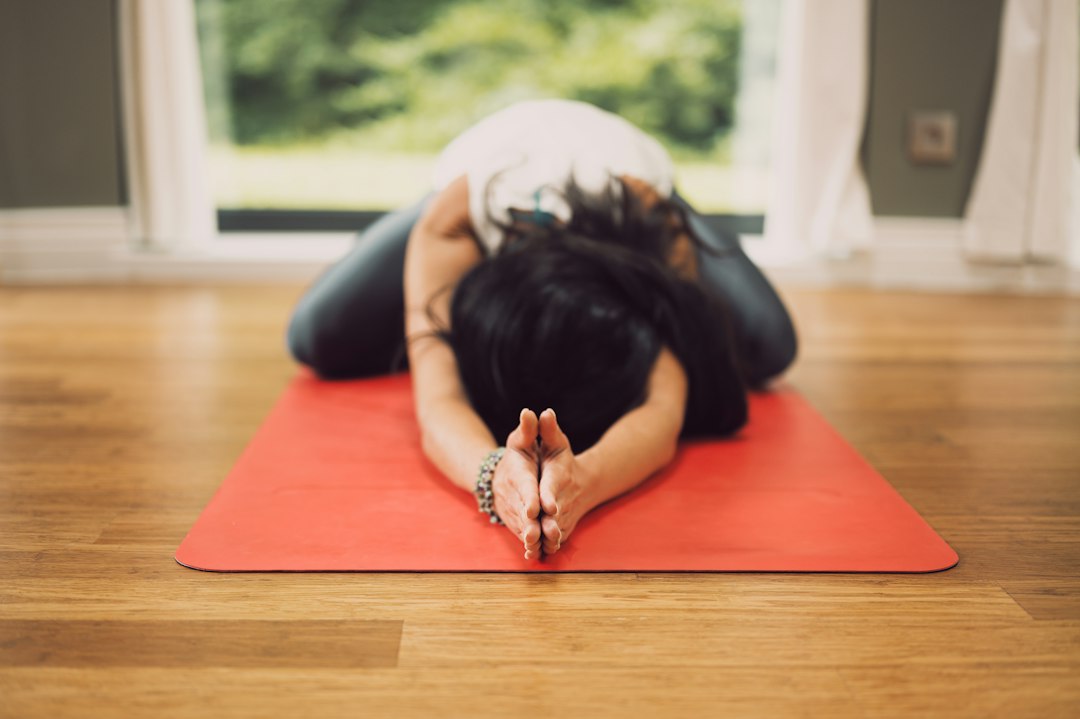
    Person resting forward on a yoga mat before seated practice
    Comfortable movement before you meditate at home is optional. Avoid kneeling when it causes pain. Editorial photograph.

    How can you meditate at home when attention wanders?

    Like any new habit, meditation can have its hurdles. You might feel restless during your sessions or notice your mind wandering frequently. Instead of getting frustrated, approach these challenges with patience. If restlessness is an issue, try meditating after light stretching to release excess energy. For distracting thoughts, remember that meditation isn’t about eliminating thoughts but learning to coexist with them peacefully. Set a specific time each day to build consistency, and don’t hesitate to use reminders to keep yourself on track.

    Use a brief walk or gentle movement before sitting when restlessness makes meditation at home uncomfortable. Set a repeatable cue, such as finishing breakfast, and choose a short session. If the method feels distressing, stop and change the approach rather than assuming every technique suits everyone.

    Exploring Different Types of Meditation

    As you grow more comfortable with meditation, you can experiment with different styles to find what resonates with you. Mindfulness meditation is a great starting point, focusing on your breath or bodily sensations. Loving-kindness meditation involves cultivating positive feelings for yourself and others. Guided meditations, available through apps or online videos, provide step-by-step instructions for beginners. Body scan meditation is another option, where you progressively relax each part of your body.

    Benefits of Meditating at Home

    Some meditation programmes show benefits for stress and certain symptoms, but results depend on the method and population. A home session is not equivalent to a clinical treatment programme. Meditation can also be unpleasant or distressing for some people. The NCCIH evidence and safety review discusses both the research and its limits. Continue appropriate healthcare rather than using meditation to explain away persistent symptoms.

    How can you make the first week manageable?

    To meditate at home consistently, keep the setup small and repeatable. Choose one ordinary cue, such as finishing breakfast, rather than waiting for a perfectly quiet day. Decide where you will sit and what you will use as an anchor before starting. A missed day does not require a longer session the next day. Return to the duration that felt manageable.

    Record the method, not a calmness score

    After each session, write one short note: which seat and focus you used, whether discomfort appeared, and what you would change. This helps you adapt practice without turning meditation into another performance task. You may find a chair easier than the floor, or sounds easier than watching the breath. Make one adjustment at a time so that the reason for a change remains clear.

    Choose guidance for the specific difficulty

    If posture is the problem, ask about seating and shorter sessions. If intrusive memories or distress appear, stop and seek suitable support rather than extending the practice. A qualified teacher can explain methods, but should not diagnose a condition. For a broader introduction to methods and terminology, see our home meditation overview; this page focuses on an adaptable first session.

    How to meditate at home: frequently asked questions

    How long should a beginner meditate at home?

    Start with two to five comfortable minutes, or a shorter session if needed. Ten minutes is an option, not a requirement. Choose a duration you can repeat without feeling trapped or exhausted. Keep your eyes open if that feels better and use a chair when floor sitting hurts. Increase gradually only when the current practice suits you.

    What if my mind keeps wandering?

    Wandering is normal. Notice it and return to the chosen focus without judging yourself. That return is part of learning to meditate at home, rather than evidence that you failed. You can use sounds, contact with the chair or natural breathing as the anchor. Avoid repeatedly checking a clock or measuring how many thoughts appear; those tasks may make it harder to settle.

    Must I close my eyes or focus on breathing?

    No. Use a soft, open-eyed gaze or listen to ordinary sounds if those choices feel more comfortable. Breath focus is one method among many. Keep breathing natural and skip strong breath control or retention. If body sensations increase worry, use an external focus. The movement-first practice guide offers another starting point.

    What should I do if meditation feels distressing?

    Stop the session, look around the room and return to an ordinary activity. Shorten or change the practice rather than forcing yourself through fear, intrusive memories or increasing distress. A qualified teacher can help with adaptations, and a mental health professional can advise when symptoms persist. Meditation should not replace established treatment or be used as a test of willpower.

    Should I do yoga before I meditate at home?

    A few comfortable movements may help if sitting feels stiff, but there is no universal order. Try movement first when it suits your body, or begin with seated attention when that feels easier. Keep both parts brief. Read our yoga before or after meditation guide for a fuller comparison. Choose the order that supports a sustainable practice.

    For more context, see our yoga and meditation comparison and meditation books guide.

    Meditate at home: build a repeatable practice

    Consistency is key to reaping the benefits of meditation. Start with short sessions, and gradually increase the duration as you feel ready. Establishing a routine, such as meditating in the morning or before bed, can make it easier to stick with the practice. Use reminders or meditation apps to keep yourself on track. If you enjoy community support, consider joining virtual or local meditation groups for added motivation and connection.

    Enjoy the Meditation Journey

    Meditation is not about perfection; it’s about progress. Each session is an opportunity to reconnect with yourself and find inner peace. Whether you meditate for a few minutes or an hour, what matters is that you show up for yourself. So, find a quiet corner, take a deep breath, and begin your meditation journey today.

  • How to Become a yoga teacher : The Ultimate Guide to 200 Hour Yoga Teacher Training in Rishikesh

    How to Become a yoga teacher : The Ultimate Guide to 200 Hour Yoga Teacher Training in Rishikesh

    How to Become a yoga teacher : The Ultimate Guide to 200-Hour Yoga Teacher Training in Rishikesh

    How Do You Become a Yoga Teacher Step by Step?

    1. Build a regular personal practice.
    2. Choose a serious training course with named teachers.
    3. Study anatomy, philosophy and teaching method.
    4. Complete supervised practice teaching.
    5. Graduate from the course.
    6. Apply for any registration pathway you are eligible for.
    7. Keep teaching, learning and collecting feedback.

    Completing an eligible 200-hour program may make you eligible to apply for RYT-200 registration through Yoga Alliance. Graduation does not automatically register you.

    200-Hour Yoga Teacher Training in Rishikesh: What to Check

    Benefits of Becoming a Yoga Teacher

    Table of Contents

    Benefits of Becoming a Yoga Teacher

    Becoming a yoga teacher is not only a fulfilling career choice but also a transformative personal journey. As a yoga teacher, you have the opportunity to make a positive impact on the lives of others, helping them improve their physical and mental well-being. Teaching yoga allows you to share your passion for the practice, inspire others, and create a sense of community.Apart from the spiritual and emotional rewards, there are practical benefits to becoming a yoga teacher as well. Many yoga studios and wellness centers offer competitive salaries and flexible working hours. Moreover, as the demand for yoga continues to grow worldwide, the job prospects for certified yoga teachers are promising.

    Choosing the Right Yoga Teacher Training Program

    Before starting your journey to become a yoga teacher, it’s essential to choose the right yoga teacher training (YTT) program. With so many options available, it can be overwhelming to make a decision. Here are some factors to consider when selecting a YTT program:Accreditation: Ensure the training program is accredited by a reputable yoga alliance. This ensures that the program meets certain standards and that your certification will be recognized internationally.Curriculum: Look for a program that covers a comprehensive curriculum, including asanas (yoga postures), pranayama (breathing techniques), meditation, anatomy, philosophy, teaching methodology, and ethics.Teaching Style: Consider the teaching style of the program and whether it aligns with your personal preferences and goals. Some programs may focus more on the physical aspects of yoga, while others may have a more holistic approach.Location: Decide whether you prefer to do your YTT program close to home or in a different country. Rishikesh, being the birthplace of yoga, offers a unique and immersive experience for aspiring yoga teachers.

    Overview of 200-Hour Yoga Teacher Training

    The 200-hour yoga teacher training is the foundational level of certification for aspiring yoga teachers. It provides a solid base of knowledge and skills necessary to teach yoga safely and effectively. The training typically spans over a period of four to six weeks, although some programs may offer an intensive option to complete it in a shorter duration.During the training, you will delve deep into the various aspects of yoga, including asana practice, pranayama, meditation, anatomy, philosophy, teaching methodology, and ethics. The goal is not only to deepen your personal practice but also to equip you with the necessary tools and techniques to become a confident, knowledgeable, and compassionate yoga teacher.

    Why Choose Rishikesh for Yoga Teacher Training

    Rishikesh, nestled in the foothills of the Himalayas, has long been revered as the yoga capital of the world. It is the birthplace of yoga and is home to numerous ashrams, yoga schools, and spiritual retreats. Choosing Rishikesh for your yoga teacher training offers a unique and authentic experience that is hard to find elsewhere.The serene and tranquil environment of Rishikesh provides the perfect setting for deepening your yoga practice and connecting with your inner self. The sacred Ganges River flows through the city, adding to its spiritual aura. The presence of experienced and knowledgeable yoga teachers, many of whom have dedicated their lives to the practice, makes Rishikesh an ideal destination for aspiring yoga teachers.

    What to Expect During the 200-Hour Training

    The 200-hour yoga teacher training is an intensive and immersive experience that will challenge you both physically and mentally. Here’s what you can expect during the training:Daily Schedule: The training typically follows a structured daily schedule that includes asana practice, meditation, pranayama, lectures, and teaching practice. The schedule is designed to provide a balanced and holistic approach to yoga education.Physical Intensity: Be prepared for long hours of physical practice. You will be expected to participate in daily asana classes, which will help you deepen your understanding of the poses and improve your alignment.Theory and Philosophy: In addition to the physical practice, you will also delve into the theoretical aspects of yoga, including philosophy, anatomy, and teaching methodology. This knowledge will form the foundation of your teaching skills.Self-Reflection: The training offers ample opportunities for self-reflection and personal growth. You will be encouraged to explore your own practice, face your limitations, and develop a deeper understanding of yourself.

    Curriculum and Topics Covered in the Training

    The 200-hour yoga teacher training covers a wide range of topics to provide you with a well-rounded education in yoga. The curriculum may vary from one training program to another, but here are some common topics that are typically included:Asana Practice: You will learn and practice a variety of yoga poses, including standing poses, forward bends, backbends, twists, inversions, and balancing poses. Emphasis will be placed on proper alignment, modifications, and variations.Pranayama and Meditation: You will be introduced to various breathing techniques and meditation practices to cultivate breath awareness, concentration, and inner stillness.Anatomy and Physiology: Understanding the human body and its functions is crucial for teaching yoga safely. You will learn about the skeletal system, muscular system, respiratory system, and how they relate to yoga practice.Yoga Philosophy: You will explore the ancient yogic texts, such as the Yoga Sutras of Patanjali, and gain insights into the philosophy and principles of yoga.Teaching Methodology: You will learn the art of sequencing a yoga class, how to give clear instructions, use props effectively, offer modifications and adjustments, and create a safe and inclusive space for your students.Ethics and Professionalism: As a yoga teacher, it is essential to maintain ethical standards and professionalism. You will learn about the ethical guidelines for teaching yoga and how to establish a professional relationship with your students.

    Certification and Accreditation for Yoga Teachers

    Upon successful completion of the 200-hour yoga teacher training, you will receive a certification that qualifies you to teach yoga. It is important to ensure that the training program is accredited by a recognized yoga alliance, such as Yoga Alliance USA or Yoga Alliance International. This accreditation ensures that the program meets certain standards and that your certification will be recognized internationally.Having a certification not only adds credibility to your teaching but also allows you to become a registered yoga teacher (RYT) with the yoga alliance. This opens up opportunities for teaching in yoga studios, wellness centers, retreats, and even the possibility of starting your own yoga business.

    Tips for Preparing for Yoga Teacher Training

    Preparing for a 200-hour yoga teacher training requires physical, mental, and emotional readiness. Here are some tips to help you make the most of your training:Establish a Regular Yoga Practice: Prior to the training, establish a consistent yoga practice to build strength, flexibility, and familiarity with the basic yoga poses.Study Yoga Philosophy: Familiarize yourself with the basic principles and philosophy of yoga. Reading books such as the Bhagavad Gita and the Yoga Sutras of Patanjali can provide a solid foundation.Maintain a Healthy Lifestyle: Yoga teacher training can be physically and mentally demanding. Prioritize self-care by eating nutritious food, getting enough rest, and managing stress.Keep an Open Mind: Approach the training with an open mind and a willingness to learn. Be open to new experiences, perspectives, and challenges that may arise during the training.Connect with Fellow Students: Reach out to your fellow students before the training starts. Building connections and a support network can enhance your learning experience.

    Conclusion and Next Steps After Completing the 200-Hour Yoga Teacher Training

    Completing a 200-hour yoga teacher training in Rishikesh is a significant accomplishment and the beginning of a new chapter in your yoga journey. After receiving your certification, you may choose to start teaching yoga immediately or further enhance your skills through additional trainings and workshops.Remember that becoming a yoga teacher is an ongoing process of learning and growth. As you embark on this path, continue to deepen your own practice, seek guidance from experienced teachers, and embrace the transformative power of yoga. By sharing your knowledge and passion for yoga with others, you have the opportunity to make a positive impact on the lives of many.

    Upcoming Traditional Multi-Style 200 Hour Yoga Teacher Training 2024

    Date Shared Room Book Private Room Book### Excerpt The Ultimate Guide to 200-Hour Yoga Teacher Training in Rishikesh provides a comprehensive overview of what to expect from the foundational certification for aspiring yoga teachers. It highlights the benefits of becoming a yoga teacher, both spiritually and practically, and delves into the training’s curriculum, which includes asanas, pranayama, meditation, philosophy, and teaching methodology. The guide also emphasizes the importance of choosing an accredited program, preparing adequately, and the transformative experience of studying in Rishikesh, the world’s yoga capital.
    Upcoming Traditional Multi-Style 200 Hour Yoga Teacher Training

    Upcoming Traditional Multi-Style 200 Hour Yoga Teacher Training

    Date Shared Room Book Private Room Book
  • What is Surya Namaskar? Your Guide to Sun Salutations.

    What is Surya Namaskar? Your Guide to Sun Salutations.

    Surya Namaskar: A Salute to the Sun

    Surya Namaskar: A Salute to the Sun

    A Tribute to the Sun God

    Surya Namaskar is steeped in ancient Indian tradition. The sun, revered as the life-giving force Surya , is honoured through this practice. Each movement represents the sun's journey across the sky, from rising to setting. It's a way to express gratitude for the sun's warmth, light, and the energy that sustains all living beings.

    A Dance of Body and Breath

    The twelve asanas of Surya Namaskar seamlessly flow into one another. Each posture stretches, strengthens, and invigorates different muscle groups. As you move, your breath synchronizes with the movements, creating a rhythmic dance between body and breath. This mindful flow promotes relaxation and helps center your mind.

    Why We Do Surya Namaskar

    Surya Namaskar is performed for several reasons:

    • To honour Surya: It's a way to express gratitude to the sun god, Surya, for his life-sustaining warmth and light.
    • To energize the body: The flowing movements stimulate the circulatory system, bringing fresh oxygen and nutrients throughout the body.
    • To improve flexibility: The postures stretch and lengthen various muscle groups, enhancing your overall flexibility.
    • To promote mindfulness: By focusing on your breath and movements, Surya Namaskar helps cultivate a sense of present-moment awareness.

    How Many Postures?

    There are twelve postures (asanas) that make up Surya Namaskar. These postures are performed in a continuous sequence, transitioning smoothly from one to the next.

    The 12 Surya Namaskar Poses

    1. Pranamasana (Prayer Pose)
    2. Urdhva Hastasana (Raised Hands Pose)
    3. Uttanasana (Standing Forward Fold Pose)
    4. Ashwa Sanchalanasana (Equestrian Pose - Right Leg)
    5. Chaturanga Dandasana (Four-Limbed Staff Pose)
    6. Ashtanga Namaskar (Eight-Point Salute)
    7. Bhujangasana (Cobra Pose)
    8. Adho Mukha Svanasana (Downward-Facing Dog Pose)
    9. Ashwa Sanchalanasana (Equestrian Pose - Left Leg)
    10. Uttanasana (Standing Forward Fold Pose)
    11. Urdhva Hastasana (Raised Hands Pose)
    12. Pranamasana (Prayer Pose)

    Mantras: Adding Depth (Optional)

    Traditionally, twelve mantras are associated with the twelve postures of Surya Namaskar. Each mantra is a Sanskrit chant that praises Surya using different names and aspects. While mantras can add a deeper layer of meaning, focusing on the postures and your breath is crucial initially. You can incorporate the mantras as you become more comfortable with the practice.

    Here are the twelve mantras:

    1. Om Mitraya Namaha
    2. Om Ravaye Namaha
    3. Om Suryaya Namaha
    4. Om Bhaanave Namaha
    5. Om Khagaya Namaha
    6. Om Pushne Namaha
    7. Om Hiranya Garbhaya Namaha
    8. Om Mareechaya Namaha
    9. Om Aadityaaya Namaha
    10. Om Savitre Namaha
    11. Om Arkaaya Namaha
    12. Om Bhaskaraya Namaha

    Benefits of Surya Namaskar

    Regular practice of Surya Namaskar offers a multitude of benefits:

    • Improved cardiovascular health: The flowing movements get your heart rate up, promoting cardiovascular health.
    • Increased strength and flexibility: Surya Namaskar strengthens and tones various muscle groups while enhancing flexibility.
    • Weight management: The practice can help boost your metabolism and aid in weight management.
    • Stress reduction: Focusing on your breath and movements can promote relaxation and reduce stress levels.
    • Improved mental clarity: The practice can help clear your mind and enhance focus.

    When to Do Surya Namaskar

    The ideal time to practice Surya Namaskar is early in the morning, on an empty stomach. This allows you to harness the fresh energy of the rising sun and avoid digestive discomfort. However, you can also perform it in the evening if mornings aren't feasible. Listen to your body and choose a time that works best for you.

    Summary

    Surya Namaskar is a beautiful and accessible yoga practice suitable for all ages and fitness levels. It's a way to honor the sun, energize your body, and cultivate inner peace. So, why not roll out your yoga mat and greet the day with a sun salutation?

  • What and when is the Solar eclipse, Who is Surya according to Ancient India

    What and when is the Solar eclipse, Who is Surya according to Ancient India

    Surya Grahan: The Solar Eclipse Phenomenon

    Surya Grahan: The Solar Eclipse Phenomenon

    Surya the Sun according to Ancient India

    In the vast and ancient land of India, the sun isn't just a giant ball of fire in the sky, it's also a revered god – Surya! People have worshipped Surya for thousands of years, seeing him as the source of life, light, and warmth.

    Think about it this way: without sunshine, plants wouldn't grow, we wouldn't have daylight, and it would be pretty chilly! So, it's no wonder people felt such immense respect for Surya.

    Some main Things About Surya (Sun):

    • Many Names, One God: Surya has many names, like Aditya, Ravi, and Bhaskar, all reflecting different aspects of the sun.
    • Riding a Chariot: Imagine a fiery chariot pulled by seven majestic horses, that's how Surya is often pictured!
    • The Power of Light: Surya is seen as a symbol of chasing away darkness and ignorance, just like the sun brings light to the day.

    Surya is considered as one of the most prominent deities in Hinduism today, also his importance throughout history is undeniable. People built grand temples to honour him, and even today, many Hindus offer prayers to Surya at sunrise, thanking him for his life-giving power.

    Surya Namaskar : A Salute to the Sun God

    Surya Namaskar, also known as Sun Salutation, is a beautiful and powerful yoga practice with deep connections to Surya, the sun god in Indian tradition. It's a series of twelve flowing postures that act as a way to show respect and gratitude to Surya for his life-giving energy.

    There are twelve postures in total that make up Surya Namaskar. These twelve postures are performed in a flowing sequence, transitioning from one to the next. It's almost like a yoga dance that honours the sun god Surya.

    Movement like the Sun: The twelve postures in Surya Namaskar mimic the path of the sun across the sky throughout the day, from rising to setting. As you move through the sequence, you're symbolically acknowledging Surya's journey and its importance to life on Earth.

    Expressing Gratitude: By practicing Surya Namaskar, you're expressing gratitude to Surya for his warmth, light, and the energy that sustains all living things. It's a way of saying "thank you" for the very things that make life possible.

    Harnessing Solar Power: The postures in Surya Namaskar are designed to energize and invigorate your body. Just like the sun fuels life on Earth, this practice aims to awaken your inner energy and leave you feeling revitalized.

    Surya Namaskar isn't just a physical exercise; it's a mindful practice that connects you to the natural world and the power of the sun. It's a way to honor the ancient traditions of India while also taking care of your physical and mental well-being.

    Sun Salutation and the Mantras

    While Surya Namaskar can be practiced without mantras, there are traditionally twelve mantras associated with the twelve postures.

    Each mantra is a Sanskrit chant that praises Surya using different names and aspects. These mantras add a deeper layer of meaning and connection to the practice. However, focusing on perfecting the postures and your breath is important initially. You can incorporate the mantras later as you become more comfortable with Surya Namaskar.

    Affects or Benefits of Solar Eclipse

    In traditional Indian texts, there isn't a strong emphasis on scientific benefits of a solar eclipse. The focus is more on its astrological and spiritual significance.

    While specific mentions of benefits in solar eclipses might not be prevalent, some ancient Indian texts do touch upon eclipses and their significance.

    Here's what texts might say about Surya Grahan (Solar eclipse ):

    • A Time of Change: Eclipses, including solar eclipses, are often seen as indicators of change or transformation. It's a time to reflect on your life and consider making positive changes.
    • Spiritual Cleansing: Some texts suggest that a solar eclipse can be a powerful time for spiritual cleansing. This might involve practices like meditation, chanting, or offering prayers.
    • Cautions and Precautions: Some traditional beliefs advise taking precautions during a solar eclipse, such as avoiding eating cooked food or going outside unnecessarily. However, these beliefs are not based on scientific evidence.

    It's important to remember that these are interpretations from ancient texts and may not resonate with everyone. The most important thing during a solar eclipse is to observe it safely with proper eye protection.

    Upcoming Solar Eclipse

    Here's a breakdown of the past 3 solar eclipses (including the upcoming one) with details on region, time, and visibility:

    1. Total Solar Eclipse - December 14, 2020
      Region: Visible across parts of South America, Antarctica, the Pacific and Atlantic Oceans.
      Time and Visibility: This eclipse wasn't visible from most populated areas.
    2. Partial Solar Eclipse - June 10, 2021
      Region: Visible across parts of northern North America, Europe, and Asia.
      Time and Visibility: Visibility varied depending on location. Some areas experienced a very slight dimming of the sun, while others saw a larger portion obscured.
    3. Total Solar Eclipse - April 8, 2024 (This just happened!)
      Region: Visible across a band covering parts of North America, from Mexico to Canada, and crossing the contiguous United States.
      Time and Visibility: The exact timing of totality varied depending on location. During totality, the sky darkened dramatically, and the sun's corona became visible (Note: Observing a solar eclipse requires special eye protection).
    4. Upcoming Solar Eclipse - October 2, 2024
      Region: Visible across parts of South America, Antarctica, the Pacific and Atlantic Oceans.
      Time and Visibility: This will be an annular eclipse, where the moon appears slightly smaller than the sun, so it won't completely block the sun's light. Visibility will vary depending on location.
  • Yoga : Be Your Own Super Hero

    Yoga : Be Your Own Super Hero

    Yoga: A Journey to Your Superpower!

    Yoga: A Journey to Your Superpower!

    Introduction

    Have you ever wondered how superheroes get so strong and focused? Maybe they have a secret training routine? Well, believe it or not, their secret might be something called yoga! Yoga isn't just for grown-up superheroes though. It's a powerful tool that anyone, including YOU, can use to become your own kind of superhero – a Super You! But wait a minute, isn't yoga just about stretching and weird poses? Not quite! Yoga is like a magical toolbox filled with different tools to help you become super healthy in all sorts of ways – from your body all the way to your spirit!

    Make your self Strong Physically

    Imagine your body as a superhero's awesome headquarters. Just like a strong fort needs thick walls, your body needs to be strong and flexible to handle all your adventures! This is where yoga poses come in. Think of a pose like Mountain Pose. Stand tall like a mighty oak tree, feet flat on the ground, arms by your side. Feel your legs getting strong and your back getting straight. Now, let's try Downward-Facing Dog. Imagine you're a playful puppy stretching after a nap. Hands and feet flat on the ground, your body makes a cool upside-down V shape! This pose stretches your whole back and makes your arms strong. There are many different yoga poses, each with a unique superpower. Some, like Tree Pose, help you balance like a superhero on a tightrope. Others, like Warrior Pose, make you feel powerful and brave, just like your favorite comic book hero! The more you practice these poses, the stronger and more flexible your body becomes. It's like adding bricks to your superhero headquarters, making it even tougher!

    Calming Your Super Mind

    Being a superhero isn't just about physical strength. Sometimes, bad guys like stress and worry can cloud your mind and make it hard to focus. This is where another amazing yoga tool comes in – breathing exercises! Imagine you're a superhero facing a tricky puzzle. You need to be calm and focused to find the answer. Breathing exercises like Bee Breath help you do just that! Close your mouth and take a deep breath in through your nose, like smelling a delicious flower. Then, breathe out slowly making a buzzing sound like a happy bee. This calms your mind and helps you concentrate. Another cool breathing exercise is called Lion's Breath. Imagine you're a mighty lion roaring at your enemies! Stick your tongue out a little, breathe in deeply through your nose, then open your mouth wide and roar out (without making a sound!) as you breathe out. This releases any built-up tension and helps you feel refreshed. By practicing these breathing exercises regularly, you can control your super mind and focus your energy on whatever challenges you face, just like a superhero facing a villain!

    Know the Power of Your Spirit

    Being a superhero isn't just about physical strength and mental focus. It's also about having a kind and happy spirit! The final tool in your yoga toolbox helps you with this. Yoga teaches you something called mindfulness. This means paying attention to the present moment, right here, right now. Imagine you're a superhero who can slow down time to think clearly during a battle. Mindfulness helps you do the same thing in everyday life! During yoga practice, there's time to sit quietly and focus on your breath, the sounds around you, and how your body feels. This helps you appreciate the good things in your life and become more grateful. It also helps you be kind to yourself, which is a super important superpower! Think about it: how can you fight bad guys if you're feeling grumpy all the time? Yoga helps you cultivate a happy and peaceful spirit, making you a stronger and more positive superhero!

    Putting Your Superpower into Action!

    Now that you've explored the amazing tools in your yoga toolbox, it's time to put them into action! Imagine yourself waking up in the morning feeling stiff and grumpy (like a superhero who just lost their cape!). You can use your yoga poses to stretch out your body and wake up your muscles. A few deep breaths can help you feel calm and focused for the day ahead. Throughout the day, whenever you feel stressed or overwhelmed, you can use your breathing exercises to calm your mind and refocus. If you're feeling down, some mindful moments can help you appreciate all the good things around you. Yoga practice isn't just about what you do on the mat. It's about using these tools throughout your day to become a Super You! Be kind to others, be strong and helpful, and face challenges with a calm and positive spirit.

  • Want to know about The Yoga Experience Movie ?

    Want to know about The Yoga Experience Movie ?


    Want to know About The Yoga Experience Movie “Yoga woman”

    Table of Contents

    You might have seen a movie called “The Yoga Experience” where people do some over the mat stuff on the name of yoga. But there’s another movie called and a very good movie on Yoga called Yoga Woman (made in 2011) that’s all about yoga too! This movie is a bit different though. It’s not just about learning cool poses, it’s about something even more important – feeling calm and happy inside!

    What Is The Yoga Experience Movie About?

    This page introduces the film and its yoga-related themes in simple language. Before watching, it helps to separate the film’s personal stories from general claims about what yoga can do for everyone.

    Who May Enjoy This Yoga Film?

    • People interested in yoga culture and personal stories
    • Beginners curious about how yoga is presented on screen
    • Teachers who want to discuss media portrayals of yoga

    For broader context, see where yoga comes from, being a yogi beyond poses, and what yoga means.

    What’s the Story?

    Imagine yoga wasn’t always taught by everyone. A long time ago, mostly men were the yoga teachers. But guess what? In recent times, more and more women are becoming yoga instructors and leaders, and “Yoga woman” tells their stories! Directed by Saraswati Clere and Kate McIntyre Clere, the movie follows these inspiring women and shows how they’re making yoga a more welcoming and powerful practice for everyone. There aren’t any famous actors in this movie, but it features interviews with some of the most influential yoga teachers today, like Seane Corn, Sharon Gannon, and Elena Brower.

    Why Watch “Yoga woman”?
    • Girl Power! Yoga is often seen as a relaxing exercise, but “Yoga woman” shows how strong and amazing women can be. These yoga leaders inspire others to find their inner peace and be the best versions of themselves.
    • More Than Just Bends! We all know Yoga involves cool poses, but “Yoga woman” shows there’s more to it. The movie explores how yoga can help us feel better inside and out, kind of like a superpower!
    • Yoga for Everyone! “Yoga woman” breaks the idea that only certain people can do yoga. The movie shows how this practice can be enjoyed by people of all ages and abilities.
    Inner Peace and Beyond: Benefits of Yoga for Girls
    • Feeling Calm: Yoga teaches you breathing exercises and stretches that can help you relax and feel peaceful, even when things get tough.
    • Strong Body, Happy Mind: Yoga poses can make your body stronger and more flexible. When your body feels good, it can make your mind feel good too!
    • Focus Power: Yoga helps you focus on your breath and body, which can be helpful in school or when you’re feeling overwhelmed.

    More Than Just a Movie

    How Can You Watch a Yoga Film Critically?

    1. Separate personal stories from general claims.
    2. Notice whether historical context is explained.
    3. Check whether health claims are supported.
    4. Compare big claims with reliable yoga or health sources.
    5. Use the film as a starting point, not the final authority.

    Questions to Ask While Watching

    • Which parts are personal stories and which are general claims?
    • How does the film present yoga beyond poses?
    • Does it separate tradition from modern wellness culture?
    • Which ideas would you want to verify from other sources?

    Yoga Movie FAQ

    Is this film a yoga instruction course?

    No. A film can offer context or stories, but it does not replace direct instruction from a qualified teacher.

    Who may enjoy it most?

    People interested in yoga culture, personal stories and how yoga is presented in modern media.

    “Yoga woman” is more than just a movie about yoga. It’s a story about strong women and how they’re changing the world. So, next time you see someone doing yoga, remember there might be a whole story of strength and empowerment behind it!

    Lorem ipsum dolor sit amet, consectetur adipiscing elit. Ut elit tellus, luctus nec ullamcorper mattis, pulvinar dapibus leo.

    Lorem ipsum dolor sit amet, consectetur adipiscing elit. Ut elit tellus, luctus nec ullamcorper mattis, pulvinar dapibus leo.

    Lorem ipsum dolor sit amet, consectetur adipiscing elit. Ut elit tellus, luctus nec ullamcorper mattis, pulvinar dapibus leo.