Category: Meditation

  • What is Beginner’s Guide to Meditation at Home

    Beginners Guide to Meditate at Home

    Beginners Guide to Meditate at Home

    Meditation is one of the simplest yet most powerful practices you can start today. For beginners, meditating at home offers a comfortable way to explore mindfulness without any pressure or cost. The beauty of meditation lies in its accessibility — you only need a few minutes, a quiet space, and the willingness to begin.

    This guide will help you learn how to meditate at home step-by-step, understand the different techniques, and build a daily habit that fits your lifestyle. Whether you are a student, professional, or someone seeking calm after a busy day, meditation can help you find inner balance and clarity.

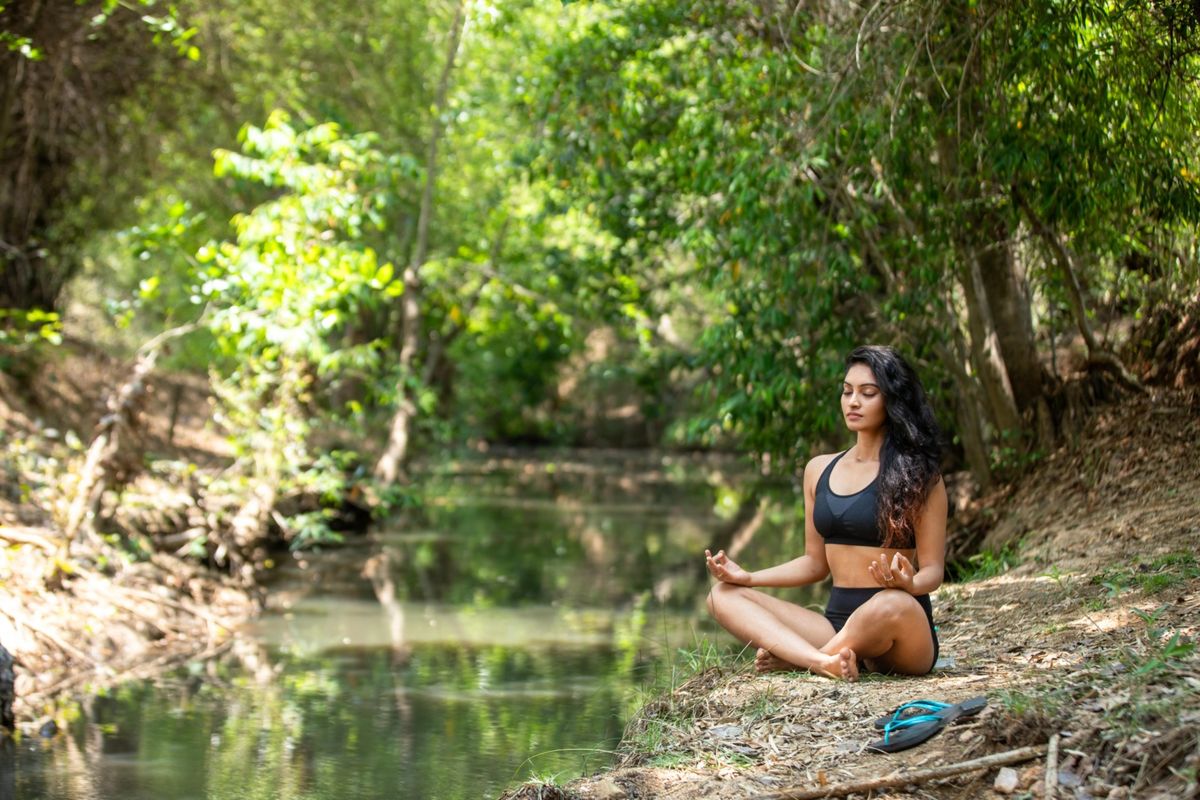
    beginner meditating at home in peaceful morning light
    A beginner meditating at home in gentle morning light a simple corner for daily practice.

    What is Meditation?

    Meditation is the art of training the mind to focus and stay present. It involves paying attention to your breath, thoughts, and sensations without judgment. Over time, it reduces stress, improves emotional health, and increases concentration.

    Many beginners think meditation means stopping all thoughts. In truth, it’s about observing them calmly and letting them pass without attachment. As the Indian sage Patanjali described, “Yoga is the stilling of the mind’s fluctuations.”

    Tip: Start with simple breathing awareness before exploring advanced techniques like mantra, Kriya, or transcendental meditation.

    Benefits of Meditating at Home

    Practicing meditation at home offers freedom and consistency. You can choose your own time, set a calming space, and build a personal rhythm.

    Key benefits include:

    • Reduced stress and anxiety
    • Improved sleep quality
    • Better focus and emotional stability
    • Enhanced self-awareness
    • Increased energy and mindfulness throughout the day

    Studies from global wellness institutions and yoga schools in India show that regular meditation also supports cardiovascular health and reduces symptoms of depression.

    As mindfulness teacher Thich Nhat Hanh said, “Peace is every step. It begins with each breath.”

    Tip: Keep a small journal near your mat or cushion to track how you feel after each session.

    How to Prepare for Meditation at Home

    Creating the right environment helps you stay focused and motivated. You don’t need a separate room just a calm, comfortable space.

    1. Choose a quiet corner: Avoid distractions like phones or loud music. Natural light and ventilation help.
    2. Sit comfortably: Use a cushion, chair, or yoga mat. Keep your spine straight but relaxed.
    3. Set a routine: Morning and evening are ideal. Consistency matters more than duration.
    4. Begin with short sessions: Start with 5–10 minutes daily and slowly increase to 20–30 minutes.
    5. Use gentle guidance: Apps or YouTube channels can help at first, but soon try to sit in silence.

    For those living in bustling cities, creating a “mini sanctuary” at home is essential. Even a small altar with a candle or plant can shift the mood.

    Tip: Turn off digital notifications before sitting. The mind calms faster without interruptions.

    person practicing mantra meditation at home with calm breathing
    Person practicing mantra meditation at home with steady breathing and relaxed focus.

    Step-by-Step Meditation for Beginners

    Meditation doesn’t have to be complicated. Follow these steps daily:

    • Sit comfortably: Cross-legged on the floor or on a chair with both feet grounded.
    • Close your eyes: Gently, not tightly.
    • Focus on your breath: Notice the inhale and exhale without changing it.
    • Acknowledge distractions: When thoughts appear, label them “thinking” and return to your breath.
    • Feel your body: Observe sensations, heartbeat, and stillness.
    • End slowly: After 10–15 minutes, open your eyes and sit quietly for a moment before moving.

    Over time, your mind will wander less. This is natural. Meditation is not about perfection but persistence.

    Tip: Use a timer with a soft bell so you don’t check the clock.

    Common Types of Meditation You Can Try at Home

    1. Breath Awareness Meditation

    Focus only on your breath. This technique improves concentration and mental clarity. Ideal for beginners who want simplicity.

    2. Guided Meditation

    A teacher or audio recording leads you through visualization or relaxation. Great for those who struggle to sit silently.

    3. Mindfulness Meditation

    Observe your thoughts, emotions, and sensations without reaction. Helps reduce overthinking and anxiety.

    4. Mantra Meditation

    Repeat a sacred sound or word like “Om” or “So Hum.” Builds focus and inner peace.

    5. Kriya Meditation

    An ancient yogic method combining breath control and awareness. Traditionally taught in Rishikesh and other yoga centers in India.

    Each style serves a unique purpose. Try different forms for a week each, and notice which resonates most with your lifestyle and mind.

    Tip: Don’t rush to find the “best technique.” The best meditation is the one you do consistently.

    yoga student practicing pranayama before meditation at home
    A yoga student preparing for meditation through gentle pranayama breathing at home.

    Helpful reads – build your home meditation practice

    Overcoming Common Challenges

    Even dedicated beginners face obstacles like restlessness, boredom, or doubt. Here’s how to manage them:

    • Distraction: Count breaths from one to ten, then restart.
    • Sleepiness: Sit instead of lying down. Morning meditation prevents drowsiness.
    • Impatience: Remember progress is subtle but steady.
    • Negative emotions: Acknowledge feelings without judgment; they’ll pass naturally.

    It’s normal to have busy thoughts. What matters is returning gently to awareness every time.

    Experienced teachers in Rishikesh often remind students that consistency creates transformation more than intensity.

    Tip: Set a fixed spot and schedule same place, same time daily. The brain forms habits faster.

    How to Build a Daily Meditation Habit

    A habit becomes natural when attached to existing routines. Try linking meditation to something you already do daily.

    Examples:

    • After brushing your teeth in the morning
    • Before your morning tea or coffee
    • Before bed for relaxation
    • During sunset for evening calm

    Use gentle reminders like placing your cushion near your bed. Avoid judging skipped days; simply start again.

    Tip: Join online meditation communities for accountability and shared motivation.

    Combining Meditation with Yoga or Breathwork

    Yoga and meditation naturally complement each other. A few minutes of gentle asanas or pranayama can help calm your body and prepare for stillness.

    Try this short sequence before sitting:

    • Cat-Cow stretch for 1 minute
    • Forward fold for 30 seconds
    • Alternate nostril breathing for 3 minutes

    This simple flow opens the lungs and spine, allowing smoother meditation.

    In India, especially in Rishikesh — the birthplace of yoga teachers emphasize combining both for holistic wellness.

    Tip: Avoid heavy meals before meditating; a light stomach improves alertness.

    Conclusion

    Meditating at home is a timeless practice that anyone can begin, regardless of experience or background. You don’t need special skills just patience, presence, and practice. Start small, stay consistent, and notice subtle shifts in clarity, energy, and peace.

    With dedication, your home can become a sanctuary of mindfulness. Remember, meditation is not about escaping life it’s about becoming fully present within it.

    Final Tip: Sit daily, even for five minutes. The stillness you build today becomes the strength you carry tomorrow.

    FAQs – Beginners Guide to Meditate at Home

    1. How can beginners start meditation at home?
      Sit quietly, focus on your breath, and observe thoughts without reacting. Start with 5–10 minutes daily.
    2. What is the best time to meditate at home?
      Early morning or evening before bed are ideal times for beginners.
    3. Do I need a teacher to meditate?
      Not necessarily. Guided videos or apps can help, though traditional teachers in Rishikesh offer deeper guidance.
    4. Can I meditate lying down?
      Yes, but sitting helps prevent sleepiness and keeps awareness active.
    5. How long before I notice results?
      Most people feel calmer within a week of regular practice.
    6. Can I use music during meditation?
      Soft instrumental or nature sounds are fine, but silence helps deeper focus.
    7. What if my mind keeps wandering?
      It’s normal. Each time, gently return to your breath or chosen point of focus.
    8. Can foreigners learn meditation in India or Rishikesh?
      Yes. Many yoga schools and retreats in Rishikesh welcome international students for meditation and wellness programs.
    9. Is meditation part of yoga?
      Yes. Meditation is the seventh limb of yoga, focusing on stillness and awareness beyond physical postures.
    10. How can I make meditation a lifelong habit?
      Link it to daily routines and maintain a simple, consistent schedule.
  • Yoga Teacher Training in Rishikesh – Fitfortunes Yoga School, Rishikesh

    Discover the Path to Becoming a Yoga Teacher in Rishikesh

    Yoga Teacher Training Rishikesh
    Yoga Teacher Training Rishikesh

    Are you ready to embark on a transformative journey of self-discovery and learn the ancient art of yoga? Look no further than Fitfortunes Yoga School, located in the serene and spiritual city of Rishikesh, India.

    Our 200-hour traditional multi-style yoga teacher training course in Rishikesh is designed to provide aspiring yoga teachers with a solid foundation in yoga philosophy, asanas, pranayama, meditation, and teaching methodology. By immersing yourself in the rich culture and spiritual atmosphere of Rishikesh, known as the “Yoga Capital of the World,” you will deepen your practice and develop the skills to become a confident and compassionate yoga teacher.

    Why Choose Rishikesh for Your Yoga Teacher Training?

    Rishikesh, nestled in the foothills of the majestic Himalayas and blessed with the sacred Ganges River, offers an unparalleled environment for yoga teacher training. The serene and natural surroundings create an ideal setting for self-reflection, meditation, and the study of yoga. As you embark on this transformative journey, you will have the opportunity to learn from experienced and certified yoga instructors who will guide you through the depths of yoga philosophy and the intricacies of asanas, pranayama, and meditation.

    Immerse Yourself in a Comprehensive Yoga Curriculum

    At Fitfortunes Yoga School, our 200-hour yoga teacher training course encompasses a broad range of topics.

    These include in-depth studies of yoga philosophy and history. Our curriculum includes in-depth studies of yoga philosophy and history, techniques for aligning various asanas, pranayama and energy anatomy, meditation and mindfulness practices, teaching methodology with hands-on adjustments, as well as anatomy and physiology. Additionally, we cover yogic lifestyle and ethics to provide you with a comprehensive and well-rounded understanding of yoga. You will also have ample opportunities to practice and refine your teaching skills through supervised teaching sessions.

    Experience the Yogic Lifestyle in Rishikesh

    During your stay in Rishikesh, you will have the chance to fully immerse yourself in the yogic lifestyle.Your daily routine during our program revolves around yoga. This includes morning yoga and meditation sessions, self-study, and reflection. You’ll immerse yourself in yoga practice. Additionally, you can partake in sacred rituals, visit ashrams and temples, and learn from esteemed spiritual teachers.. The serene and spiritual ambiance of Rishikesh will support and inspire your personal transformation.

    Become a Certified Yoga Teacher and Share Your Passion

    Upon completing our 200-hour yoga teacher training, you’ll receive a globally recognized certification. With this certification, you can teach yoga professionally worldwide. Whether your dream is to lead classes at renowned yoga studios, offer private sessions, or conduct retreats in comfortable locations. Our training program equips you with the skills, knowledge, and confidence to pursue your passion and share the transformative power of yoga with others.

    Ready to Start Your Journey?

    If you are ready to embark on this life-changing journey, join us at Fitfortunes Yoga School in Rishikesh. Our upcoming yoga teacher training courses are open for enrollment. Secure your spot today and take the first step towards becoming a certified yoga teacher. Visit our website at Fitfortunes Yoga School to learn more and begin your transformational yoga journey.

    Disclaimer: All images used in this blog are copyright-free and sourced from Unsplash.

  • Pancha Mahabhutas and Their Importance

    Pancha Mahabhutas and Their Importance

    Pancha Mahabhutas and Their Importance

    Panchamahabhutas
    Panchamahabhutas

    Panchamahabhuta , Our lives are governed by different elements and sensations. How we think, consume and reciprocate to the universe around us depends upon the essence of the world.
    These essences perceived by us as 5 elements. Known Panchamahabhutas.
    According to Ayurveda, all objects in the universe including human body are composed of these 5 basic elements.
    They govern our sensory nerves and help us achieve an understanding of our actions.
    But, each of the Tanmantras connects to elements of nature. Akash(sky), Vayu(air), Aag(fire), Jal (water), Dharti(earth). They blend while giving us a simpler understanding of how each function works.

    1.Ether (Akash)

    Ether or Akash means infinite freedom. It is a limitless space with the power to create movement between objects and have them correspond, creating Shabda (sound), the ether Tanmantra.
    When two atoms or objects physically touch, the small sound of thud or a tap is resonated throughout the space. It forms a frequency of soundwave which we feel through auditory senses.

    Sky
    Aakash

    2. Air (Vayu)

    The function of air is to help elements relocate and travel. It is in constant movement, helping different molecules to come across each other creating a small touch. The Tanmantra for such a sensation is called Sparsha (Touch). The skin is sensitive and can perceive any small change over the surface. If there is an amount of pressure, drop of water or a fallen leaf the skin will sense it immediately and detect the different feel of different elements.

    Vayu
    Vayu

    3. Fire (Tej)

    Fire, Created through aggressive friction of two elements. When two elements touch during movement through Vayu, they might spark a heat and thus the birth of tej. This bright fire is blazing and a bright source of light. This light can be visualized in front of us with the help of Vision (Rupa). Rupa means the physical manifestation of an element which is perceived steadily.

    candles 1645551 340
    Aag

    4. Water (Jala)

    Water brings about fluidity. it helps in connecting two molecules together which help both in a proper formation. The function of water, To glue two different objects to form one.
    In the same way, the use of our mouth is to chew and identify what we have eaten. The Tanmantra, Taste (Rasa) helps in forming a taste once food reaches your mouth. It binds a dry element with water, making it easier to shape.
    Jala helps a being taste food, understand the quality and appearance of the food inside your mouth and experience a sense of fulfilment. The saliva in our mouth acts as Jala in such a scenario.

    Jala
    Jal

    5. Earth (Prithvi)

    Earth, a solid mass. Hard on the outside, changes temperature along with seasons and has a solid foundation. So, A dense and hard structure to form on the surface of the earth. Parts of our bodies constitute of Prithvi. Our bones, muscles and physical strength are objects formed through the earth we live in.
    How we perceive the earth is through our nose. Yes, our sense of smell (Gandha) helps in identifying objects around us with the sense of smell. Gandha helps in understanding the quality and quantity of objects around us through our nasal sensory.

    Dharti
    Dharti

    Pancha Mahabhutas: five elements in one table

    ElementSanskritTraditional association
    SpaceAkashaOpenness and sound
    AirVayuMovement and touch
    FireAgni/TejasHeat and transformation
    WaterJalaFluidity and taste
    EarthPrithviStability and smell

    This is a traditional Indian philosophical and Ayurvedic framework. It should not be confused with the modern scientific periodic table or literal chemical elements.

    Frequently asked questions

    Are the Pancha Mahabhutas scientific elements?

    No. They are part of traditional Indian philosophical and medical models, not modern chemistry.

    How are they related to yoga philosophy?

    They appear in wider Indian thought about body, perception and nature. For related reading, see our three Gunas guide and Karma article.

  • Seven Chakra Names and Meanings: A Simple Yoga Guide

    The seven chakras are a traditional yoga map of the subtle body. The word chakra means “wheel” in Sanskrit. In later yoga and Tantra traditions, chakras are described as points in a subtle system of channels and energy. They are not organs that doctors can see on an X-ray or scan.

    This simple guide explains the seven chakra names, their usual locations, and what each one means in yoga practice. Different traditions do not always use the same number of chakras or describe them in exactly the same way. The seven-chakra model below is the one most people meet in modern yoga.

    What is a chakra?

    In traditional yoga, a chakra is part of a subtle body model. “Subtle” means it is used to describe inner experience, breath, attention and meditation. It is different from the physical body studied in modern anatomy.

    Historical research shows that Indian and Tibetan traditions developed many subtle-body systems. They described channels called nadi and meeting points called chakra. These systems changed across texts and schools. So there is no single chakra chart that represents every yoga tradition.

    For readers who want the historical background, Cambridge University Press discusses the growth of subtle-body practices in Indian yoga and Tantra. A modern review indexed by PubMed also discusses the chakra system as a traditional contemplative model. These sources do not prove that chakras are physical organs.

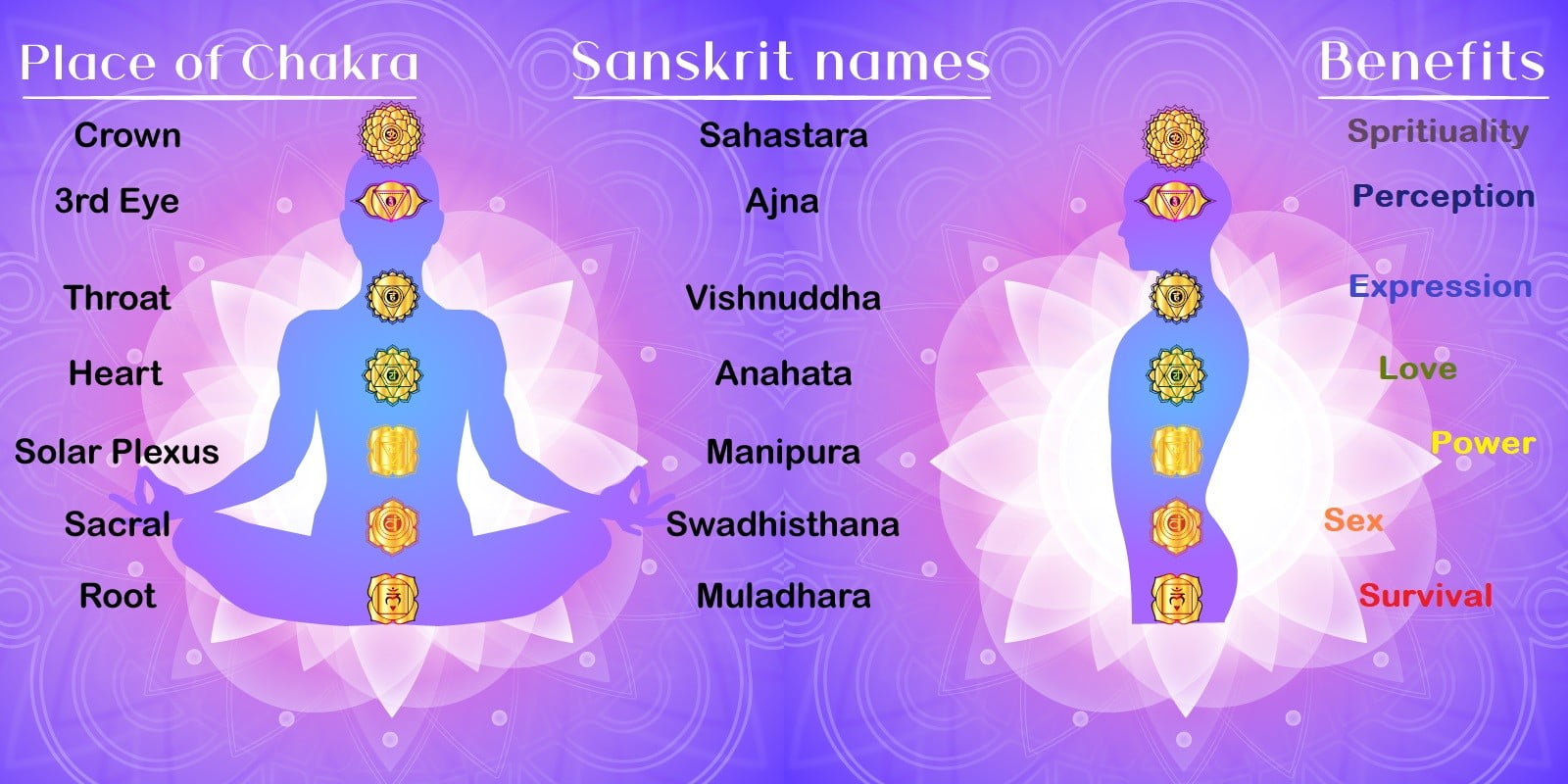
    Illustration showing the seven chakra positions along the body

    The seven chakra names

    In the common seven-chakra model, the names are usually given from the base of the body upward:

    1. Muladhara — root chakra
    2. Svadhisthana — sacral chakra
    3. Manipura — navel or solar plexus chakra
    4. Anahata — heart chakra
    5. Vishuddha — throat chakra
    6. Ajna — eyebrow or “third eye” chakra
    7. Sahasrara — crown chakra

    You may see slightly different spellings in English. That is normal when Sanskrit words are written in the Roman alphabet.

    What each chakra means

    1. Muladhara — Root

    Mula means root. This chakra is placed near the base of the spine in the common modern map. Yoga teachers often use it as a symbol of steadiness, support and being grounded. Its traditional element is earth.

    2. Svadhisthana — Sacral

    Svadhisthana is usually placed in the lower belly or pelvic area. It is often linked with feeling, desire and creative movement. Its traditional element is water.

    Yoga illustration of Svadhisthana, the sacral chakra

    3. Manipura — Navel or Solar Plexus

    Manipura is commonly placed around the navel or upper belly. It is linked in yoga teaching with will, effort and inner strength. Its traditional element is fire.

    4. Anahata — Heart

    Anahata is placed around the heart area in the common seven-chakra map. It is linked with love, care and connection. Its traditional element is air.

    5. Vishuddha — Throat

    Vishuddha is placed around the throat. It is often used as a symbol of clear speech, listening and honest expression. Its traditional element is space or ether.

    6. Ajna — Eyebrow Centre

    Ajna is usually placed between the eyebrows. In yoga practice it is linked with attention, insight and inner observation. Some people call it the third-eye chakra.

    7. Sahasrara — Crown

    Sahasrara is shown at or above the crown of the head. It is commonly linked with spiritual understanding and a sense of connection beyond the individual self. Some systems treat it differently from the lower six chakras, which is one reason chakra lists can vary.

    How are chakras used in yoga?

    Chakras may be used as points of attention during meditation, mantra, breath work and some forms of yoga. A teacher may ask a student to notice an area of the body, repeat a sound, or hold attention on a symbolic quality such as steadiness or compassion.

    You do not need to “open” every chakra to practise yoga. You also do not need to believe that chakras are physical objects. They can be studied as part of yoga history, philosophy and meditation practice.

    Students who want to understand how chakras fit beside nadis, breath work, meditation and yoga philosophy can also read our simple guide to the five koshas and our explanation of the eight limbs of yoga.

    Are chakras part of modern anatomy?

    No. Modern medicine does not classify chakras as physical organs or glands. This is important because many internet articles mix chakra symbolism with medical claims.

    Yoga traditions can still be meaningful without turning every traditional idea into a medical fact. A careful approach is to say: tradition describes chakras as part of a subtle-body system; modern anatomy describes the body in a different way.

    If you have pain, hormone problems, anxiety, sleep problems or another health concern, do not assume a “blocked chakra” is the cause. A qualified health professional can help assess a medical problem.

    Where can you study this in more depth?

    Chakras make more sense when studied with the rest of yoga, rather than as a stand-alone colour chart. In teacher training, they can sit beside yoga philosophy, pranayama, meditation and subtle anatomy. You can see how FitFortunes places these subjects in its yoga teacher training curriculum.

    For historical reading, see Geoffrey Samuel’s discussion of subtle bodies in Cambridge University Press. For a modern scholarly discussion, see the PubMed-indexed review of the subtle-body model.

    Simple questions about the seven chakras

    Are there always seven chakras?

    No. Different traditions describe different chakra systems. Seven is the best-known number in modern yoga, but it is not the only traditional model.

    Are chakras the same as nerves or glands?

    No. Chakras belong to a traditional subtle-body model. Nerves and glands belong to physical anatomy.

    Do I need to believe in chakras to practise yoga?

    No. You can study the chakra system as a part of yoga history and meditation. Personal belief is separate from learning what a tradition teaches.

    What is the easiest way to remember the order?

    Start at the base and move upward: Muladhara, Svadhisthana, Manipura, Anahata, Vishuddha, Ajna, Sahasrara. Learn one name at a time instead of trying to memorise everything at once.

    In short: the seven chakras are a traditional map used in many modern yoga teachings. Learn the names and meanings, but keep traditional symbolism separate from medical claims.