Author: Fitfortunes yogaways

  • Yoga for Weight Loss: What a 7-Day Plan Can Do

    Yoga for Weight Loss: What a 7-Day Plan Can Do

    Losing weight doesn’t have to be hard. With simple yoga every day, you can feel lighter and stronger. In just 7 days, your body can start to change. You’ll move more, feel better, and even sleep well. This plan uses old and new yoga ideas that people trust. Let’s keep it easy, step-by-step, and perfect for anyone.

    You don’t need a gym or heavy workouts. A daily yoga routine at home can help you burn fat and feel active. Simple poses like Sun Salutation, Plank, and Boat Pose work on your belly, legs, and arms. These are known as fat-burning yoga moves. They also make your muscles firm and strong. If you stay regular, this can be a safe and easy yoga for weight loss in just one week.Untitled design 88

    Day 1: Sun Salutations (Surya Namaskar)

    Begin with Sun Salutations, a sequence of postures that warm up the body and stimulate metabolism. This flow enhances flexibility and prepares the body for more intensive poses. Aim for 10-15 rounds. ​

    Benefits:

    • Increases heart rate​
    • Very well Health
    • Engages multiple muscle groups​
    • Improves blood circulation​

    Day 2: Warrior Poses (Virabhadrasana I & II)

    Incorporate Warrior I and II to build strength and endurance. These poses target the thighs, glutes, and core, promoting fat burning. Hold each pose for 30 seconds on both sides. ​

    Benefits:

    • Strengthens lower body​
    • Enhances stability​
    • Stimulates abdominal organs​

    Day 3: Chair Pose (Utkatasana)

    Practice the Chair Pose to activate the leg muscles and core. This posture boosts metabolism and aids in calorie burning. Hold for 30-60 seconds. ​

    Benefits:

    • Tones thighs and buttocks​
    • Improves balance​
    • Stimulates the diaphragm and heart​

    Day 4: Plank Pose (Kumbhakasana)

    Engage in the Plank Pose to strengthen the core, arms, and shoulders. This pose is effective for building muscle and burning fat. Maintain the position for 30-60 seconds. ​

    Benefits:

    • Builds core strength​
    • Enhances posture​
    • Increases endurance​

    Day 5: Boat Pose (Navasana)

    Incorporate the Boat Pose to target the abdominal muscles. This posture aids in toning the stomach and improving digestion. Hold for 30 seconds, repeating 2-3 times. ​

    Benefits:

    • Strengthens hip flexors​
    • Improves balance​
    • Stimulates kidneys and thyroid​

    Day 6: Bridge Pose (Setu Bandhasana)

    Practice the Bridge Pose to open the chest and engage the back and glutes. This pose helps in toning the lower body and improving flexibility. Hold for 30-60 seconds. ​

    Benefits:

    • Strengthens the spine​
    • Reduces anxiety​
    • Improves digestion​

    Day 7: Twisting Poses (Ardha Matsyendrasana)

    Twisting yoga poses help flush out toxins. They also massage the organs and improve digestion.

    Practice Ardha Matsyendrasana to activate the core and improve spinal flexibility. Hold the pose for 30 seconds each side.

    Benefits:

    • Stimulates digestion
    • Helps reduce belly fat
    • Improves posture

    Daily Tips to Boost Your 7-Day Yoga Weight Loss Plan

    Yoga alone works better with supportive habits. Here’s what you should also do daily:

    1. Stay Hydrated:

    Drink 8–10 glasses of water daily. It supports metabolism and detox.

    1. Eat Clean:

    Choose light, healthy meals. Avoid sugar and fried food. Include fruits and leafy greens.

    1. Sleep Well:

    Get 7–8 hours of sleep. It restores your body and balances hormones.

    1. Breathe Deep:

    Practice 5–10 minutes of deep breathing or Kapalabhati for better fat loss.

    1. Be Consistent:

    Even on busy days, do at least 15 minutes of yoga.

    Ancient and Modern Views on Yoga for Weight Loss

    Ancient Teachings:

    Sage Patanjali spoke of asana and discipline as keys to health. He emphasized daily practice for physical and mental harmony.

    Hatha Yoga texts advised clean eating (satvik diet) and regular poses to keep the body lean and light.

    Modern Voices:

    Yoga teacher B.K.S. Iyengar believed in slow but steady progress. He taught that proper alignment and breath awareness melt fat over time.

    Today’s instructors agree. Many say mindful yoga works better than intense gym workouts if done regularly.

    Common Mistakes to Avoid

    • Skipping warm-up
    • Holding breath during poses
    • Pushing the body too hard
    • Practicing only once or twice
    • Start slowly. Let your body adapt. Each pose has value, even if held for a few breaths.

    Final Thoughts

    Yoga to lose weight in 7 days is real. It works when you stay consistent, eat clean, and follow mindful breathing.

    • You don’t need to be flexible or slim to begin. Just start where you are.
    • Your body listens. Your body responds. One stretch at a time.
    • With love and patience, yoga shapes more than your waist — it shapes your life.

    Keep This in Mind:

    • Stay calm.
    • Trust the process.
    • Move daily.
    • Breathe deeply.
    • Smile often.

    Start your 7-day yoga journey today. Your best self is waiting.

    Can Yoga Make You Lose Weight in 7 Days?

    Seven days is enough to start a routine, but not enough to promise meaningful fat loss. Scale weight can move quickly because of water, food volume and normal day-to-day variation. Sustainable fat loss depends on overall energy balance, activity, sleep and consistency.

    A realistic 7-day yoga plan

    • Day 1: 20–30 minutes of beginner Hatha or Vinyasa.
    • Day 2: walking plus 10 minutes of mobility.
    • Day 3: 25–35 minutes of stronger yoga.
    • Day 4: lighter recovery practice.
    • Day 5: repeat a moderate class.
    • Day 6: walking plus short yoga.
    • Day 7: easy practice and review how your body feels.

    For the wider picture, read Yogalates and weight loss, home exercises for fat-loss support, and how often to practise yoga.

    Can yoga target belly fat?

    No exercise can selectively remove fat from one body area. Yoga can support activity, strength and routine, but body-fat change happens systemically.

  • Yoga classes in Rishikesh with fees

    Yoga classes in Rishikesh with fees

    Nestled in the foothills of the Himalayas, Rishikesh is renowned as the “Yoga Capital of the World.” This serene city along the sacred Ganges River has been a spiritual hub for centuries, attracting seekers and practitioners from around the globe. Its tranquil environment and rich yogic heritage make it an ideal destination for those looking to deepen their yoga practice.​

    Yoga in Rishikesh

    Yoga in Rishikesh is more than just physical exercise; it’s a way of life. The city offers a holistic experience, combining asanas (postures), pranayama (breathing techniques), meditation, and philosophy. Practicing yoga here allows individuals to immerse themselves in authentic teachings passed down through generations. The presence of the Ganges and the surrounding mountains further enhance the spiritual ambiance, providing a perfect backdrop for self-discovery and inner peace.​

    Yoga Styles Offered

    Rishikesh caters to a diverse range of yoga styles, accommodating practitioners of all levels:​

    Hatha Yoga: Focuses on physical postures and alignment, suitable for beginners seeking a foundational practice.​

    1. Ashtanga Yoga: A dynamic and rigorous style involving a specific sequence of postures, ideal for those looking for a challenging practice.​
    2. Vinyasa Yoga: Emphasizes fluid movement synchronized with breath, offering a creative and energetic flow.​
    3. Iyengar Yoga: Prioritizes precision and alignment, often utilizing props to aid in achieving perfect posture.​
    4. Kundalini Yoga: Aims to awaken dormant energy through a combination of postures, breathing exercises, and chanting.​
    5. Yin Yoga: A slow-paced style focusing on deep stretches and holding poses for extended periods, promoting flexibility and relaxation.​

    Each style offers unique benefits, allowing individuals to choose a practice that aligns with their personal goals and preferences.​

    Yoga Classes and Fees In Rishikesh

    Rishikesh offers a variety of yoga classes to suit different schedules and budgets. Many ashrams and studios provide drop-in classes, packages, and teacher training programs.

    How to Choose the Right Yoga Class, Course, Teacher, or Style in Rishikesh

    Choosing the right yoga path in Rishikesh can be overwhelming. With so many options, it’s important to go step by step.

    1. Know Your Purpose

    Start by asking: Why am I here?

    Do you want peace of mind? A flexible body? Or maybe to become a certified yoga teacher?

    Your goal will guide your decision.

    For deep learning: Choose a 200-hour Yoga Teacher Training Course.

    For healing: Join a yoga retreat or regular drop-in classes.

    For fitness and calm: Try Hatha or Vinyasa yoga.

    1. Choose the Right Style

    Each yoga style has a different vibe. Know the basics:

    • Hatha Yoga – Traditional, slow-paced, great for beginners.
    • Ashtanga Yoga – Fast, strong, perfect for those who love challenge.
    • Kundalini Yoga – Focuses on energy, breath, and spiritual growth.
    • Yin Yoga – Gentle, meditative, helps with deep stretching.
    • Vinyasa Yoga – Flowing, rhythmic, combines breath and movement.

    Tip: Try different drop-in classes before enrolling in a full course.

    1. Find a Qualified Teacher
    • A great teacher can change your entire yoga journey.
    • Look for teachers certified by Yoga Alliance or similar bodies.
    • Read reviews and testimonials from past students.
    • Attend a trial class, if possible.
    • Some teachers follow modern methods; others share ancient teachings.
    • Drop-In Yoga Classes in Rishikesh: Styles & Prices
    • If you’re not ready to commit to a full course, drop-in classes are a great way to begin.
    • They’re flexible, affordable, and give you a taste of different yoga styles.
    • You can walk in, pay per session, and join the class — no long-term bookings needed.
    • Popular Yoga Styles (Available for Drop-in)
    1. Hatha Yoga
    • Style: Gentle, grounding, and traditional.
    • Best For: Beginners, stress relief, body alignment.
    • Price: ₹300–₹500 per session
    1. Vinyasa Flow
    • Style: Dynamic, flowing movements linked with breath.
    • Best For: Building strength, flexibility, and stamina.
    • Price: ₹400–₹600 per session
    1. Ashtanga Yoga
    • Style: Fast-paced, fixed sequence, more intense.
    • Best For: Intermediate to advanced practitioners.
    • Price: ₹400–₹700 per session
    1. Yin Yoga
    • Style: Passive, deep stretches, held for longer periods.
    • Best For: Flexibility, relaxation, and inner stillness.
    • Price: ₹300–₹500 per session
    1. Kundalini Yoga
    • Style: Breathwork, chanting, movement to awaken energy.
    • Best For: Emotional release, energy healing.
    • Price: ₹400–₹600 per session
    1. Iyengar Yoga
    • Style: Precision, alignment, and use of props.
    • Best For: Injury recovery, posture correction.
    • Price: ₹400–₹600 per session
    1. Restorative Yoga
    • Style: Very slow-paced, uses props, deeply relaxing.
    • Best For: Total rest, stress recovery.
    • Price: ₹300–₹500 per session

    Class Timings

    Most classes happen at:

    • Morning: 7 AM – 10 AM
    • Evening: 4 PM – 6 PM

    Always check timings before walking in. Some styles are only offered on certain days.

    Payment Options

    • Single Class: ₹300 to ₹700
    • Weekly Pass: ₹2,000 to ₹3,000 (for unlimited classes)
    • Monthly Pass: ₹5,000 to ₹8,000 (depending on the studio)

    Discounts are often available for multiple bookings. Some places also offer free community classes once a week.

    What to Bring

    • Comfortable yoga clothes
    • Your own yoga mat (some studios provide mats)
    • Water bottle
    • Open heart and mind

    Conclusion: Yoga Classes in Rishikesh with Fees

    Finding the right yoga path in Rishikesh is a soulful journey. Whether you seek a peaceful yoga retreat, a certified teacher training course, or regular drop-in yoga classes, you’ll find it here.

    Start small. Choose the right style. Trust a good teacher. Pick a school that feels like home.

    Fitfortunes Yoga School welcomes you with open arms with their Traditional Hatha Yoga Classes.

    Experience daily classes, low fees, and pure yogic living.

    Let Rishikesh guide you to your higher self — gently, naturally, and peacefully.

    FitFortunes Holistic Wellness Yoga School

    FitFortunes stands out for its unique blend of traditional yoga teachings and modern wellness practices. Led by experienced instructors, the school emphasizes holistic health and personal transformation.​

    Courses and Fees:

    100-Hour Yoga Teacher Training (YTTC):

    • Shared Room: $599 USD​
    • Private Room: $749 USD​

    200-Hour Yoga Teacher Training (YTTC):

    • Shared Room: $1,199 USD​
    • Private Room: $1,499 USD​

    Sound Healing Courses:

    • Level 1: $200 USD​
    • Level 2: $400 USD​
    Upcoming Traditional Multi-Style 200 Hour Yoga Teacher Training 2025

    Upcoming Traditional Multi-Style 200 Hour Yoga Teacher Training 2025

    Date Shared Room Book Private Room Book
  • Best Yoga Retreats in India

    Best Yoga Retreats in India

    India, the birthplace of yoga, offers a diverse array of retreats catering to various preferences and budgets. Whether you’re seeking a luxurious wellness experience or an affordable ashram stay, there’s a perfect yoga retreat in India for you. This guide explores some of the best yoga retreats across the country, highlighting their unique offerings and locations.​

    Why Choose India for a Yoga Retreat?

    India’s rich spiritual heritage and diverse landscapes make it an ideal destination for yoga enthusiasts. From the serene Himalayas to the tranquil beaches of Goa, each region offers a unique environment conducive to deepening your yoga practice. Moreover, many retreats integrate traditional practices like Ayurveda and meditation, providing a holistic wellness experience.​

    Top Yoga Retreats in India

    1. AyurYoga Eco-Ashram, Kerala

    Set along a riverside in Kerala, AyurYoga Eco-Ashram offers immersive yoga retreats suitable for both beginners and intermediate practitioners. The ashram emphasizes a holistic approach, incorporating yoga, meditation, and Ayurveda in a peaceful natural setting.

    1. Bagh Villas, Madhya Pradesh

    Adjacent to Kanha National Park, Bagh Villas combines yoga with wildlife experiences. The retreat offers gentle yoga sessions aimed at enhancing mental health, complemented by safari adventures to observe Bengal tigers and other wildlife.

    1. Shreyas Retreat, Karnataka

    Located near Bangalore, Shreyas Retreat is a luxury yoga ashram blending spiritual wellness with five-star amenities. Personalized daily schedules include yoga, meditation, Ayurveda therapies, and gourmet vegetarian cuisine, making it ideal for a luxury yoga and Ayurveda retreat. ​

    1. Bamboo Yoga Retreat, South Goa

    Situated on the serene Polem Beach, Bamboo Yoga Retreat offers a tranquil setting for yoga enthusiasts. The retreat focuses on relaxing and restorative yoga holidays, blending luxury with the natural beauty of South Goa’s coastline. ​

    1. Soukya Holistic Health Centre, Bangalore

    Soukya is an integrative medical wellness center offering treatments that combine Ayurveda, homeopathy, yoga, and naturopathy. The center has hosted notable guests seeking holistic healing experiences. ​

    Affordable Yoga Retreats in India

    Yoga doesn’t need to be expensive to be effective.

    India is home to many budget-friendly yoga retreats offering deep healing and learning. You don’t need a five-star stay to reconnect with your body and mind.

    Fitfortunes Holistic Wellness Retreat, located in the spiritual heart of Rishikesh, offers one of the most enriching yet affordable yoga experiences.

    Here, guests enjoy:

    • Daily yoga and meditation sessions
    • Yogic cleansing practices
    • Simple satvic meals (3 meals + tea daily)
    • Ayurveda consultations and therapies
    • Sound healing and nature walks

    It’s a perfect place for beginners or regular yoga lovers looking to relax, detox, and grow spiritually. Run by experienced yoga teachers, Fitfortunes focuses on ancient teachings with modern care.

    Unlike other tourist-heavy spots, Fitfortunes keeps group sizes small to ensure personal attention. Many guests return for the peaceful environment and authentic yogic lifestyle.

     Know about 3 days Retreat at Fitfortunes Holistic Wellness

    Whether you’re seeking self-healing, traditional Hatha yoga, or just time to breathe deeply, Rishikesh welcomes you with open arms.

    Other budget-friendly options include ashrams in Kerala and beachside retreats in Goa. But few match the personal touch and care found at Fitfortunes.

    For those seeking budget-friendly options, India offers numerous affordable yoga retreats without compromising on quality. Cities like Rishikesh, Goa, and Kerala are home to many ashrams and centers providing authentic yoga experiences at reasonable prices. For instance, Mahatma Yoga Ashram in Rishikesh offers one and two-week intensive yoga retreats suitable for beginners and intermediate practitioners. ​

    Choosing the Right Yoga Retreat

    When selecting a yoga retreat in India, consider the following factors:

    • Location: Decide whether you prefer the mountains, beaches, or countryside.​
    • Type of Yoga: Ensure the retreat offers the style of yoga you’re interested in.​
      Duration and Schedule: Choose a program that fits your availability and desired intensity.​
    • Budget: Determine your budget and look for retreats that offer the best value.​
    • Additional Therapies: If interested, check for retreats that offer Ayurveda, meditation, or other wellness therapies.​

    Embarking on a yoga retreat in India can be a transformative journey, offering profound physical, mental, and spiritual benefits. With a plethora of options ranging from luxurious wellness centers to traditional ashrams, India caters to all preferences and budgets. By considering your personal goals and preferences, you can find the perfect retreat to deepen your yoga practice and rejuvenate your spirit.

  • 300 Hour Yoga Teacher Training in India: What Advanced Study Should Include

    300 Hour Yoga Teacher Training in India: What Advanced Study Should Include

    Yoga is a path of continuous learning and self-discipline. Joining a 300 Hour Yoga Teacher Training in India is a big step on your yoga path. You learn more about the poses, improve your way of teaching, and live close to the roots of yoga in a real and peaceful place. “Have you finished your 200-hour training and feel ready for the next step?

    For those who have completed a 200-hour training, the 300 Hour Yoga Teacher Training in India offers an opportunity to learn more and improve teaching skills. This program builds upon foundational practices, introducing more complex techniques and philosophies.​

    अभ्यासवैराग्याभ्यां तन्निरोधः॥

    (Yoga Sutra 1.12)

    Translation:

    Stillness of mind comes from practice and letting go.

    Why Choose a 300 Hour Yoga Teacher Training in India?

    India, the birthplace of yoga, provides an authentic environment for advanced studies. The country’s rich traditions and experienced instructors make it an ideal place for further learning. Many students find that being part of India’s yogic culture helps them grow personally and professionally. From small temples to daily prayers, it is all around. You don’t just learn yoga—you live it.

    Best Places for Training (Choosing the Right Location for Yoga TTC)

    Rishikesh

    Rishikesh is quiet. It sits near the Ganga River and the mountains. You hear chants in the morning. You see monks walking. Yoga is in the air. Many old yoga masters taught here. Schools are simple but full of knowledge.

    Kerala
    Land of Ayurveda. Yoga and healing go hand in hand here with nature all around.

    Mysuru (Mysore)

    Known for Ashtanga Yoga. A calm city with a long yoga history and experienced teachers.

    Goa

    Goa with beaches.

    You can walk barefoot on sand after your yoga class. It’s good if you like a calm, warm place. Many yoga schools here offer a mix of serious learning and relaxed evenings.

    Dharamshala

    Cold weather, clean air, tall mountains.

    If you want quiet time with your thoughts, this is the place. The schools here are small and simple. Teachers focus more on meditation and deep teachings.

    What You Learn in 300 Hour Yoga Teacher Training

    • Next level asanas (yoga postures)
    • Yoga therapy and healing
    • Deeper pranayama (breathing practices)
    • Bandhas (body locks)
    • Kriyas (cleansing techniques)
    • Mantras and sound work
    • Meditation and yoga Nidra
    • Ayurveda basics for daily health
    • Yoga philosophy (Bhagavad Gita, Upanishads, Patanjali’s Sutras)
    • How to build your yoga class and guide others

    Who is this for?

    • Yoga teachers with 200-hour certification
    • People who want to go deeper in their own practice
    • Those who want to teach with more skill and heart
    • Students who love Indian culture and simple yogic life

    Daily Life in the Course

    You wake up early with a bell or mantra. The day starts with silence and tea. Then, breathing and yoga class. After that, a healthy meal. Midday is for lessons, posture breakdown, and learning how to teach. Afternoons often have yoga philosophy or anatomy classes. Evenings include mantra, meditation, or group talk.

    It’s a full schedule, but students say they feel fresh, strong, and clear. There is time to rest and walk in nature too.

    Food and Stay

    Simple Indian food is served—fresh, local, and full of taste. Think dal, rice, veggies, and chapatis. No processed food or junk. You sleep in clean rooms, with space to rest. Most schools offer private or shared rooms. You sleep early. The whole day is planned to build good habits.

    Ancient and Modern Teaching Style

    The teachers often mix old teachings with new needs. You might chant a mantra in the morning and then learn class planning later in the day. Ancient yogis believed in living simple and clear. Modern yogis add science and health facts.

    One teacher once said, “True yoga is not what you do on the mat—it is how you treat others.”

    Benefits of the 300 Hour Training

    • Better personal practice
    • Confidence in teaching
    • Clarity of yoga roots
    • Peace of mind and body
    • Learn new tools like sound healing and Ayurveda
    • Make yoga your way of living
    • How to Pick the Right School in India
    • Check if Yoga Alliance recognizes the school
    • Read reviews from past students
    • Talk to the school if possible
    • Look at the teachers’ background
    • Ask what topics are included
    • Make sure the school offers support after the course

    Things to Carry 

    • Yoga clothes (light cotton)
    • Personal mat (if needed)
    • Diary or notebook
    • Simple daily needs
    • Open mind and willing heart
    • Some may share stories.
    • Like how their own teacher lived in caves or how they learned yoga without books. -These stories stay in your heart.
    • Yoga is More Than Asana
    • This training is not just about doing handstands or splits.
    • You learn the “why” behind each pose.
    • You also learn yoga for life. How to live in peace. How to help others. How to teach people with pain, fear, or stress.

    Yoga is for the heart, not just the body.

    • Choosing the Right School
    • Check if the school is Yoga Alliance certified.
    • See if the teachers are kind and clear. Ask past students. Read reviews. Trust your heart. Sometimes, a small school gives the best learning.
    • Cost is also important. But don’t just go for cheap.
    • Good training gives you skills for life.

    After the Course

    Once you finish your 300-hour yoga teacher training in India, you are ready to teach in a stronger way.

    You can hold retreats, teach workshops, or even train new teachers. More than that, you become calmer and stronger inside.

    You feel more sure. More grounded.

    That’s what yoga does.

    Final Thoughts

    Doing the 300 Hour Yoga Teacher Training in India is more than just learning. It’s a big life step. You’ll meet new people, face yourself, and feel strong inside. You’ll grow as a person and as a teacher.

    Modern yoga teachers say this is the real turning point. And old yogis say— “Now the real practice begins.”

    So, if you’re ready to grow and live yoga fully, start with this course in India.

    Yoga will meet you where you are.

    Upcoming Traditional Multi-Style 200 Hour Yoga Teacher Training 2025

    Upcoming Traditional Multi-Style 200 Hour Yoga Teacher Training 2025

    Date Shared Room Book Private Room Book
  • Yoga for Golfers: Improve Flexibility, Strength, and Focus

    Yoga for Golfers: Improve Flexibility, Strength, and Focus

    Golf is a game of precision, balance, and endurance. A strong and flexible body helps improve performance and prevent injuries. Yoga for golfers is a natural way to enhance mobility, posture, and mental focus. Many professional golfers practice yoga to maintain a competitive edge.

    How Can Yoga Help Golfers?

    Yoga can complement golf by working on hip and shoulder mobility, balance, trunk control and breathing. It cannot replace golf-specific strength, swing practice or medical rehabilitation.

    Golf needYoga focus
    Hip rotationControlled hip mobility
    Thoracic rotationGentle spinal rotation
    BalanceSingle-leg stability
    FocusBreath and attention practice

    Related guides: does yoga count as strength training?, weekly yoga frequency, and yoga vs gym.

    Golf requires flexibility, stability, and concentration. Yoga helps by improving:

    • Flexibility – Loosens stiff muscles and increases range of motion.
    • Core Strength – Supports a powerful and controlled swing.
    • Balance – Helps with stability and posture during swings.
    • Breathing Control – Increases endurance and focus under pressure.
    • Injury Prevention – Reduces strain on the back, shoulders, and hips.

    Ancient yoga masters and modern sports experts agree: flexibility and breath control improve sports performance. Adding yoga to your golf routine brings long-term benefits.

    Best Yoga Poses for Golfers

    1. Downward-Facing Dog (Adho Mukha Svanasana)

    This pose stretches the shoulders, hamstrings, and spine. It also builds upper body strength for better club control.

    • Start in a plank position.
    • Lift your hips and form an inverted V shape.
    • Keep your hands and feet grounded.
    • Hold for 30 seconds and breathe deeply.
    1. Warrior II (Virabhadrasana II)

    Warrior II (Virabhadrasana II)

    This pose enhances stability and strengthens the legs, helping with a grounded stance.

    • Stand with feet wide apart.
    • Extend your arms and bend one knee at 90 degrees.
    • Keep your back straight and chest open.
    • Hold for 30 seconds on each side.
    1. Triangle Pose (Trikonasana)

    Triangle Pose (Trikonasana)

    A great pose for improving spine flexibility and balance.

    • Stand with feet wide apart.
    • Reach one hand toward the ground and the other toward the sky.
    • Keep your chest open and gaze up.
    • Hold for 20-30 seconds.
    1. Seated Twist (Ardha Matsyendrasana)

    Seated Twist (Ardha Matsyendrasana)

    Twists help increase spinal mobility, which is essential for a smooth swing.

    • Sit with legs extended.
    • Cross one leg over the other and twist toward the bent knee.
    • Keep your spine tall and shoulders relaxed.
    • Hold for 20 seconds and switch sides.
    1. Cat-Cow Stretch (Marjaryasana-Bitilasana)

    Cat-Cow Stretch (Marjaryasana-Bitilasana)

    This dynamic stretch improves spine flexibility and reduces stiffness.

    • Get on all fours.
    • Inhale, arch your back (Cow Pose).
    • Exhale, round your spine (Cat Pose).
    • Repeat for 5-10 breaths.

    Yoga for Golf Swing Improvement

    A golfer’s swing relies on rotational flexibility and strength. Yoga postures focusing on the spine, hips, and shoulders help create a smoother, more powerful swing. Incorporate these exercises to enhance:

    • Back mobility for a better range of motion.
    • Core engagement to generate more power.
    • Hip rotation for a stable and balanced stance.

    Breathing Techniques for Better Focus

    Controlled breathing keeps the mind calm and the body relaxed. Deep, steady breaths improve mental clarity and endurance during a round of golf. Try alternate nostril breathing (Nadi Shodhana) before teeing off:

    • Sit comfortably with a straight spine.
    • Close one nostril and inhale deeply.
    • Switch nostrils and exhale.
    • Repeat for 5 minutes to improve focus.

    Yoga for Injury Prevention in Golf

    Golfers often experience lower back pain, shoulder tightness, and hip stiffness. Yoga stretches help prevent injuries by:

    • Reducing muscle tension after long games.
    • Improving posture to avoid unnecessary strain.
    • Strengthening stabilizing muscles to support joints.

    Post-game recovery is crucial. Child’s Pose (Balasana) and Reclined Spinal Twist (Supta Matsyendrasana) are excellent for relaxing tight muscles after a round.

    Daily Yoga Routine for Golfers

    To get the best results, practice yoga for 10-15 minutes daily. A simple routine could include:

    1. Cat-Cow Stretch – 5 rounds.
    2. Downward Dog – 30 seconds.
    3. Warrior II – 30 seconds per side.
    4. Triangle Pose – 20 seconds per side.
    5. Seated Twist – 20 seconds per side.
    6. Deep Breathing – 5 minutes.

    What Experts Say About Yoga for Golf

    Modern golf coaches and ancient yoga practitioners agree: yoga enhances golf performance. PGA professionals incorporate yoga to maintain longevity in the sport. Ancient yoga texts also highlight the importance of breath control and flexibility for overall well-being.

    Yoga for golfers is a game-changer. It improves flexibility, balance, and focus while preventing injuries. By adding simple yoga stretches and breathing techniques to your routine, you can boost your golf performance naturally.

    Start practicing today and experience the difference in your swing, posture, and mindset on the course!

    Upcoming Traditional Multi-Style 200 Hour Yoga Teacher Training 2025

    Upcoming Traditional Multi-Style 200 Hour Yoga Teacher Training 2025

    Date Shared Room Book Private Room Book

    Yoga for golfers is a game-changer. It improves flexibility, balance, and focus while preventing injuries. By adding simple yoga stretches and breathing techniques to your routine, you can boost your golf performance naturally.

    Start practicing today and experience the difference in your swing, posture, and mindset on the course!

  • Yoga Ball Exercise for Pregnancy: A Safe and Effective Guide

    Yoga Ball Exercise for Pregnancy: A Safe and Effective Guide

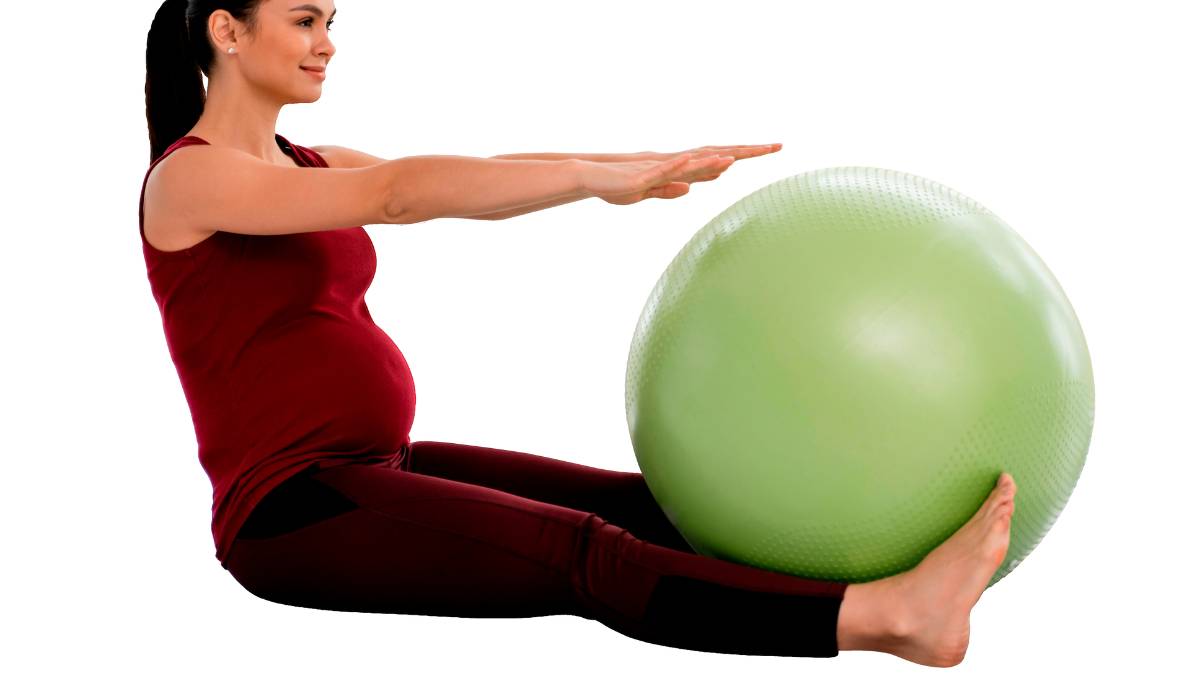
    Pregnancy is a beautiful and transformative journey, but it can come with its own set of challenges. Many expecting mothers experience discomfort as their bodies go through various changes. Staying active during pregnancy is essential, not only to manage these discomforts but also to prepare the body for childbirth. One of the safest and most effective ways to exercise during pregnancy is by using a yoga ball. This simple, yet versatile tool, also known as a stability ball or birthing ball, can provide gentle, effective workouts tailored for expectant mothers.

    In this guide, we’ll explore how yoga ball exercises can benefit women and share tips on using the ball for safe and enjoyable workouts.

    Why Use a Yoga Ball During Pregnancy?

    A yoga ball exercise for pregnancy improves balance, strengthens muscles, and eases back pain. It is a low-impact workout that supports the growing belly. Many prenatal yoga teachers recommend it to help with posture and relaxation.

    According to ancient yogic wisdom, gentle movement keeps energy flowing. Modern pregnancy fitness experts also support the use of stability balls for their ability to reduce stress and improve flexibility.

    Yoga Ball Exercise for Pregnancy

    Benefits of Yoga Ball Exercises for Pregnancy

    1. Improves Posture – Helps align the spine and reduce lower back pain.
    2. Strengthens Core Muscles – Supports the belly and prevents excessive strain.
    3. Enhances Balance and Stability – Prepares the body for labor.
    4. Reduces Stress and Anxiety – Encourages relaxation through gentle movement.
    5. Aids in Labor Preparation – Certain poses help open the pelvis for easier delivery.

    Safe and Easy Yoga Ball Exercises for Pregnancy

    1. Seated Pelvic Tilts

    Sit on the birthing ball with feet flat on the floor. Slowly tilt your pelvis forward and backward. This movement strengthens the lower back and relieves tension.

    1. Hip Circles

    Stay seated and gently move your hips in a circular motion. This exercise improves flexibility and prepares the body for childbirth.

    1. Gentle Bouncing

    Light bouncing on a pregnancy yoga ball increases blood flow and provides relief from back pain. Keep movements slow and controlled.

    1. Wall Squats with Yoga Ball

    Place the stability ball between your lower back and a wall. Lower into a squat, keeping knees aligned. This strengthens leg muscles and improves endurance.

    1. Child’s Pose with Yoga Ball

    Kneel on the floor and rest your arms on the birthing ball. Roll it forward to stretch your back and shoulders. This is great for relaxation.

    How Yoga Ball Exercises Help During Each Trimester

    First Trimester

    Light exercises like seated tilts and hip circles keep the body active without stress. Avoid lying flat on the back.

    Second Trimester

    Introduce gentle squats and stretching to improve flexibility. The pregnancy-friendly yoga ball exercises help with circulation and prevent swelling.

    Third Trimester

    Movements like bouncing and pelvic tilts prepare the body for labor. Many women find comfort in using a balance ball exercise for pregnancy during contractions.

    Labor Preparation with a Yoga Ball

    Many midwives recommend a birthing ball to ease labor pains. Sitting on it helps open the pelvis, reducing discomfort. Gently rocking side to side can provide relief during contractions.

    Breathing Techniques for Pregnancy

    Combining deep breathing with yoga ball exercises helps calm the mind. Focus on slow inhales and exhales while balancing on the ball.

    Postnatal Recovery with a Yoga Ball

    After childbirth, the body needs gentle movement to heal. The yoga ball for postpartum recovery helps strengthen core muscles and relieve tension.

    Safe Postnatal Exercises

    1. Seated Pelvic Tilts – Realigns the spine.
    2. Gentle Bouncing – Improves circulation.
    3. Wall Squats – Builds strength gradually.

    Precautions While Using a Yoga Ball During Pregnancy

    • Always choose the right stability ball size.
    • Perform exercises in a safe space.
    • Avoid sudden or jerky movements.
    • Consult a doctor before starting any new workout.

    Final Thoughts on Yoga Ball Exercise for Pregnancy

    Using a yoga ball during pregnancy keeps the body strong and flexible. It supports a healthy pregnancy, easier labor, and smoother recovery. Whether you are in the first, second, or third trimester, gentle movement can make a big difference.

    Stay active, listen to your body, and enjoy the journey to motherhood!

    Upcoming Traditional Multi-Style 200 Hour Yoga Teacher Training 2025

    Date
    Shared Room
    Book
    Private Room
    Book

  • Hard Yoga Poses for 2 People: Advanced Partner Yoga Safely

    Hard Yoga Poses for 2 People: Advanced Partner Yoga Safely

    Hard yoga poses for two people require shared balance, clear communication and a safe exit. Elevated AcroYoga poses are not beginner exercises. Begin with floor-based partner movements and work with an experienced teacher and spotter before attempting lifts or inversions.

    Most advanced partner balances shown here belong to modern partner yoga or AcroYoga. They should not be described as classical poses from ancient yoga texts. In this guide, we’ll explore challenging yoga poses for two people, their benefits, and expert tips to master them safely.

    What Skills Do Hard Partner Yoga Poses Require?

    Practicing advanced partner yoga goes beyond flexibility. It improves strength, balance, and trust. Here’s why it’s worth trying:

    ✅ Enhances Strength – Holding difficult poses requires full-body engagement.
    ✅ Builds Deep Trust – Partner yoga fosters connection and teamwork.
    ✅ Boosts Balance & Coordination – You learn to stabilize each other.
    ✅ Encourages Mindfulness – Every movement demands focus and awareness.
    ✅ Expands Flexibility – It stretches muscles deeper than solo practice.

    Modern yoga teachers emphasize that practicing with a partner can accelerate progress. However, it’s crucial to choose the right poses and follow safety tips.

    Hard Yoga Poses for Two People

    These advanced partner yoga poses require effort, patience, and strength. Start slow and progress safely.

    1. Double Downward Dog

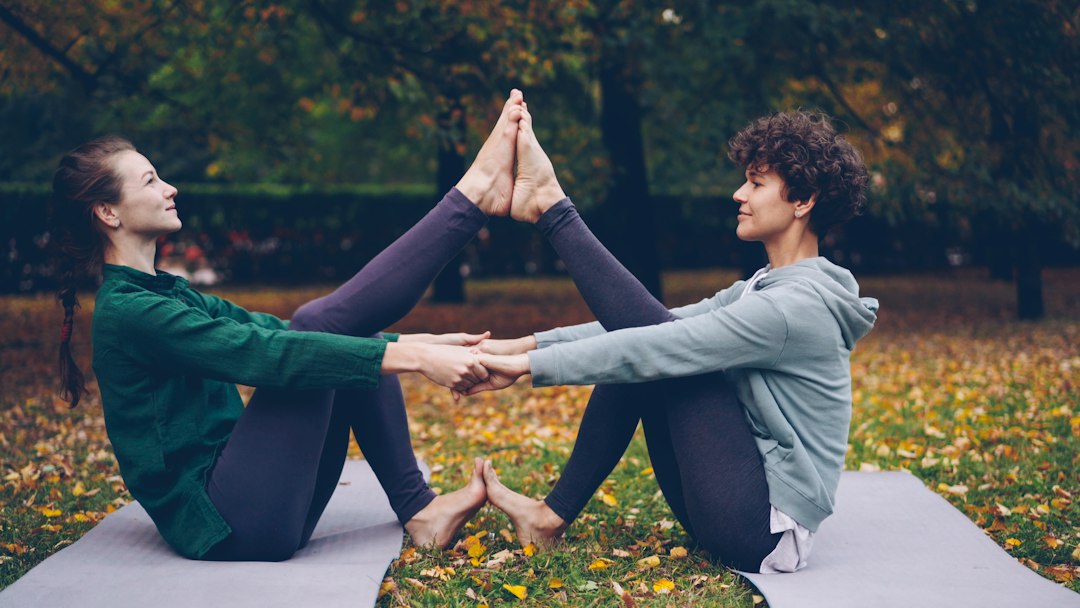
    Seated partner yoga balance

    🔹 Level: Intermediate-Advanced
    🔹 Targets: Shoulders, Core, Hamstrings

    How to Do It:

    1. One partner gets into a Downward Dog.
    2. The second partner places hands on the floor and rests their feet on the first partner’s back.
    3. Both maintain a straight spine and engage the core.
    4. Hold for 5-8 breaths.

    💡 Tip: Communicate clearly and keep weight balanced.

    1. Flying Bow Pose (AcroYoga Challenge)

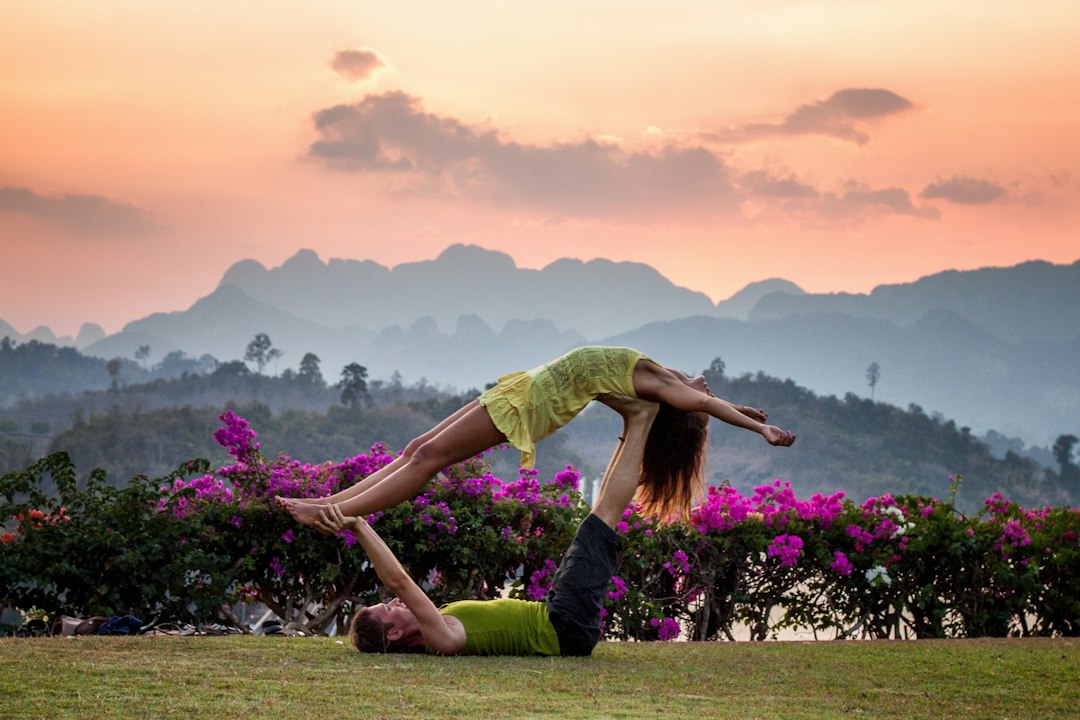
    AcroYoga partner balance example

    🔹 Level: Advanced
    🔹 Targets: Back, Hips, Core

    Steps to Perform:

    1. Base partner lies on the floor and lifts legs to 90 degrees.
    2. Flyer partner places hips on the base’s feet.
    3. Flyer bends knees and grabs ankles, forming a Bow Pose.
    4. Base supports the balance while the flyer extends.
    5. Hold for 5-10 breaths.

    🧘‍♂️ Ancient Wisdom: The bow pose represents energy expansion in Hatha Yoga. This modern partner balance should not be treated as an ancient chakra technique. Ask an experienced instructor to teach the base, flyer and spotter roles before trying it.

    1. Throne Pose (AcroYoga Balance Test)

    Throne Pose (AcroYoga Balance Test)

    🔹 Level: Expert
    🔹 Targets: Legs, Core, Arms

    Steps to Perform:

    1. Base partner lies on their back and lifts legs straight up.
    2. Flyer balances by sitting on the feet, keeping the spine upright.
    3. Flyer engages the core and extends arms forward.
    4. Hold the pose for 10-15 seconds before slowly dismounting.

    📌 Modern Insight: Throne Pose requires full-body strength. Yoga experts recommend gradual progression to avoid injuries.

    1. Double Plank Pose (For Core Strength)

    Two adults practising partner strength exercises

    🔹 Level: Hard
    🔹 Targets: Core, Arms, Stability

    How to Perform:

    1. One partner holds a high plank position.
    2. The second partner places hands on the first partner’s ankles and forms a plank.
    3. Both keep their body straight and core tight.
    4. Hold for 10-20 seconds.

    💡 Safety Note: Avoid arching the back. Engage the core for support.

    1. Partner Handstand (Ultimate Balance Test)

    Adult practising handstand balance

    🔹 Level: Extreme
    🔹 Targets: Shoulders, Core, Arms

    Steps:

    1. One partner supports the other as they attempt a handstand.
    2. The supporting partner holds the flyer’s legs for balance.
    3. Gradually, the flyer stabilizes and maintains control.
    4. Hold for 5-10 breaths.

    🧘 Ancient Insight: Handstands are linked to mental clarity and focus in traditional yoga teachings. Avoid unsupported promises about brain circulation. Inversions involve risks for some students and need appropriate instruction.

    How to Practise Hard Partner Yoga More Safely

    1️⃣ Warm Up First – Avoid injuries by preparing your body.
    2️⃣ Communicate Clearly – Trust and verbal cues are key.
    3️⃣ Engage the Core – Stability comes from inner strength.
    4️⃣ Progress Gradually – Don’t rush into advanced poses.
    5️⃣ Use a Spotter – Extra support prevents falls.

    Work patiently and practise with a teacher who can supervise safe entries and exits. Follow these guidelines to practice safely.

    Common Mistakes to Avoid

    🚫 Skipping Warm-Ups – Leads to stiffness and strain.
    🚫 Overestimating Strength – Push gradually, not forcefully.
    🚫 Ignoring Breath Control – Yoga is about breath-body connection.
    🚫 Lack of Focus – Distractions cause imbalance and falls.

    Modern yoga teachers emphasize awareness and gradual learning. Avoid these mistakes for a safe and enjoyable practice.

    Frequently Asked Questions (FAQs)

    1. Are hard yoga poses for 2 people safe for beginners?

    No, these poses require experience. Beginners should start with easier partner yoga poses before progressing.

    1. How can I improve balance in partner yoga?

    Focus on core strength, maintain steady breathing, and practice trust-building exercises with your partner.

    1. What should I do if I lose balance?

    Slowly exit the pose and reset. Avoid sudden movements that could cause injury.

    1. Can couples practice hard yoga poses together?

    Yes! Couples can practise together, but both people need clear consent, suitable skills and a safe way to stop. Do not attempt lifts solely for photographs. Beginners should choose simple ground-level counterbalances.

    1. How often should I practice these poses?

    Start with 2-3 times a week. Gradually increase as your strength and flexibility improve.

    Conclusion

    Practicing hard yoga poses for 2 people challenges your strength, balance, and coordination. Advanced partner yoga poses require patient preparation and safe teamwork. By progressing safely and maintaining focus, you’ll build both physical power and mental clarity.

    Remember, both ancient and modern yoga teachers believe trust, discipline, and gradual progress is the Proper Phase of Practicing Yoga Asana. Start with stable ground-level partner work and choose challenges you can both exit safely.

  • Beginning Yoga for Seniors: A Safe Starting Guide

    Beginning Yoga for Seniors: A Safe Starting Guide

    Aging brings changes to the body and mind, but movement is key to staying healthy and active. Yoga offers a gentle yet powerful way to maintain flexibility, balance, and mental clarity. Unlike intense workouts, it is low-impact and adaptable for all fitness levels. Whether you’re new to yoga or have limited mobility, starting slowly and mindfully can make a big difference in your overall well-being.

    Yoga for Seniors: A Path to Better Health

    Yoga is more than just physical exercise—it is a practice that nurtures both the body and mind. With age, muscles and joints lose flexibility, making simple movements feel difficult. Gentle yoga stretches can ease stiffness and improve mobility, helping you stay active and independent for longer. As balance naturally declines with age, yoga strengthens the core and legs, reducing the risk of falls. Simple poses, practiced regularly, enhance stability and coordination, giving seniors more confidence in daily movements.

    Beginning Yoga for Seniors

    Beyond the physical benefits, yoga is a natural remedy for stress and anxiety. Breathing exercises calm the nervous system, promoting relaxation and mental clarity. Slow, mindful movements combined with deep breathing lower blood pressure, improve circulation, and support heart health. For those dealing with arthritis or chronic pain, yoga provides relief through gentle poses that ease discomfort and improve joint function.

    Getting Started: A Safe and Enjoyable Practice

    Starting yoga at any age can feel overwhelming, but a few simple steps ensure a smooth beginning. Choose a quiet, clutter-free space with enough room to move comfortably. A yoga mat or soft carpet adds extra support. Comfortable, stretchable clothing allows ease of movement, making practice more enjoyable. Yoga props like blocks, straps, or a chair provide additional stability, making poses more accessible for seniors with limited mobility.

    Before diving into poses, warming up is essential. Gentle movements like shoulder rolls, neck stretches, and wrist circles prepare the body, preventing strain and discomfort. Slow, mindful transitions between poses ensure safety and allow the body to adjust gradually.

    Gentle Yoga Poses for Seniors

    Practicing yoga does not require advanced flexibility or strength. Simple, beginner-friendly poses provide all the benefits without strain.

    • Seated Mountain Pose: Helps improve posture and breathing while building awareness of body alignment.
    • Cat-Cow Stretch: Keeps the spine flexible, easing back pain and stiffness.
    • Chair Forward Bend: Relaxes the back and stretches the hamstrings without putting pressure on the lower back.
    • Tree Pose (with Chair Support): Strengthens the legs and core while improving balance.
    • Legs-Up-The-Wall Pose: Encourages relaxation, reduces swelling in the legs, and promotes better circulation.

    These gentle movements help seniors feel more comfortable in their bodies while improving flexibility and strength over time.

    The Power of Breathwork and Relaxation

    Yoga is not just about movement; breathing plays a crucial role in relaxation and stress relief. Deep belly breathing helps calm the mind, while alternate nostril breathing brings balance and mental focus. Even a few minutes of controlled breathing each day can reduce anxiety and improve overall well-being. Seniors can incorporate these techniques into their routine, whether seated comfortably or lying down in a restful position.

    Practicing with Confidence: Safety and Modifications

    Yoga should always feel comfortable and supportive. Listening to the body is essential—pushing too hard can lead to discomfort or injury. A chair can provide stability for standing poses, ensuring confidence while practicing balance. Staying hydrated, taking breaks, and practicing in a peaceful environment all contribute to a safe and enjoyable yoga experience. Consulting a doctor before starting yoga is always a good idea, especially for seniors with medical conditions.

    Enjoying Yoga for Lifelong Well-Being

    Yoga is not about perfection; it is about movement, breath, and feeling good in your body. With consistent practice, seniors can experience better flexibility, improved balance, and a greater sense of inner peace. By starting with simple poses and gradually building confidence, yoga becomes a lifelong companion in maintaining health and happiness.

    There’s no better time to begin. Find a quiet space, take a deep breath, and start your practice today!

  • Yoga Gifts for Women: Thoughtful and Inspiring Presents for Every Yogi

    Yoga Gifts for Women: Thoughtful and Inspiring Presents for Every Yogi

    Finding the perfect yoga gift for women can be challenging. Whether she is a beginner or an advanced practitioner, choosing a meaningful and practical gift can enhance her yoga journey. The right yoga accessory or wellness item can inspire daily practice, promote relaxation, and bring joy.

    In this guide, we explore the best yoga gifts for her, ranging from essential accessories to unique and mindful presents. These gifts not only support physical well-being but also encourage inner peace and mindfulness. Let’s dive in!

    Why Yoga Gifts Matter

    A thoughtful yoga gift goes beyond material value. It supports a woman’s journey to health, relaxation, and self-awareness. A well-chosen yoga accessory can:

    • Enhance comfort and performance during practice
    • Promote mindfulness and inner peace
    • Encourage consistency in yoga routines
    • Provide relaxation and self-care benefits

    Whether for a birthday, holiday, or just to show appreciation, a yoga-inspired gift is always a great idea.

    Best Yoga Gifts for Women

    1. Yoga Mats for Stability and Comfort

    A high-quality yoga mat is a must-have for every yogi. Look for mats with non-slip surfaces, eco-friendly materials, and good cushioning.

    Top Picks:

    • Manduka PRO Yoga Mat – Long-lasting, high-density cushioning
    • Liforme Yoga Mat – Excellent grip and alignment guides
    • Gaiam Essentials Thick Yoga Mat – Affordable and extra supportive
    1. Yoga Blocks for Better Alignment

    Yoga blocks help improve posture and flexibility, making them ideal for beginners and advanced practitioners alike.

    Recommended Choices:

    • Cork Yoga Blocks – Eco-friendly and firm
    • Foam Yoga Blocks – Lightweight and soft support
    • Manduka Cork Yoga Block – Durable and sturdy
    1. Yoga Bolsters for Relaxation

    A yoga bolster provides extra support for restorative yoga poses and deep relaxation.

    Popular Options:

    • Hugger Mugger Standard Bolster – Firm yet comfortable
    • Gaiam Yoga Bolster – Soft and supportive for meditation
    • Manduka Enlight Yoga Bolster – Premium quality and durability
    1. Yoga Apparel for Style and Comfort

    Comfortable yoga leggings, tops, and sports bras make great gifts. Choose moisture-wicking, flexible fabrics for better performance.

    Best Brands:

    • Lululemon Align Leggings – Ultra-soft and flexible
    • Alo Yoga High-Waist Leggings – Stylish and durable
    • Beyond Yoga Spacedye Bra – Comfortable and supportive
    1. Aromatherapy for Relaxation

    Essential oils and diffusers enhance the yoga experience by creating a calming atmosphere.

    Best Choices:

    • Lavender Essential Oil – Promotes relaxation
    • Eucalyptus Oil – Refreshing and energizing
    • Aromatherapy Diffuser – Spreads calming scents in the yoga space
    1. Meditation Cushions for Comfort

    A comfortable meditation cushion improves posture and relaxation during long meditation sessions.

    Top Picks:

    • Zafu Meditation Cushion – Traditional and supportive
    • Gaiam Meditation Pillow – Soft and ergonomic
    • Brentwood Home Crystal Cove Cushion – Eco-friendly and stylish
    1. Yoga Journals for Mindfulness

    A yoga journal helps practitioners track their progress, set intentions, and reflect on their journey.

    Recommended Options:

    • The Yoga Journal by Insight Editions – Guided reflections and prompts
    • Daily Yoga Planner – Helps set and track yoga goals
    • Gratitude Journal for Yoga Lovers – Encourages mindfulness
    1. Sound Healing Instruments for Inner Peace

    Sound therapy can enhance meditation and relaxation, making singing bowls, tuning forks, and chimes perfect yoga gifts.

    Great Picks:

    • Tibetan Singing Bowls – Calming and therapeutic
    • Koshi Chimes – Gentle, soothing tones
    • Crystal Singing Bowls – Deep sound healing benefits
    1. Herbal Tea for Relaxation

    Sipping herbal tea after yoga practice supports relaxation and hydration.

    Best Teas for Yogis:

    • Chamomile Tea – Soothes the nervous system
    • Turmeric Ginger Tea – Anti-inflammatory benefits
    • Peppermint Tea – Refreshing and digestive-friendly
    1. Personalized Yoga Gifts

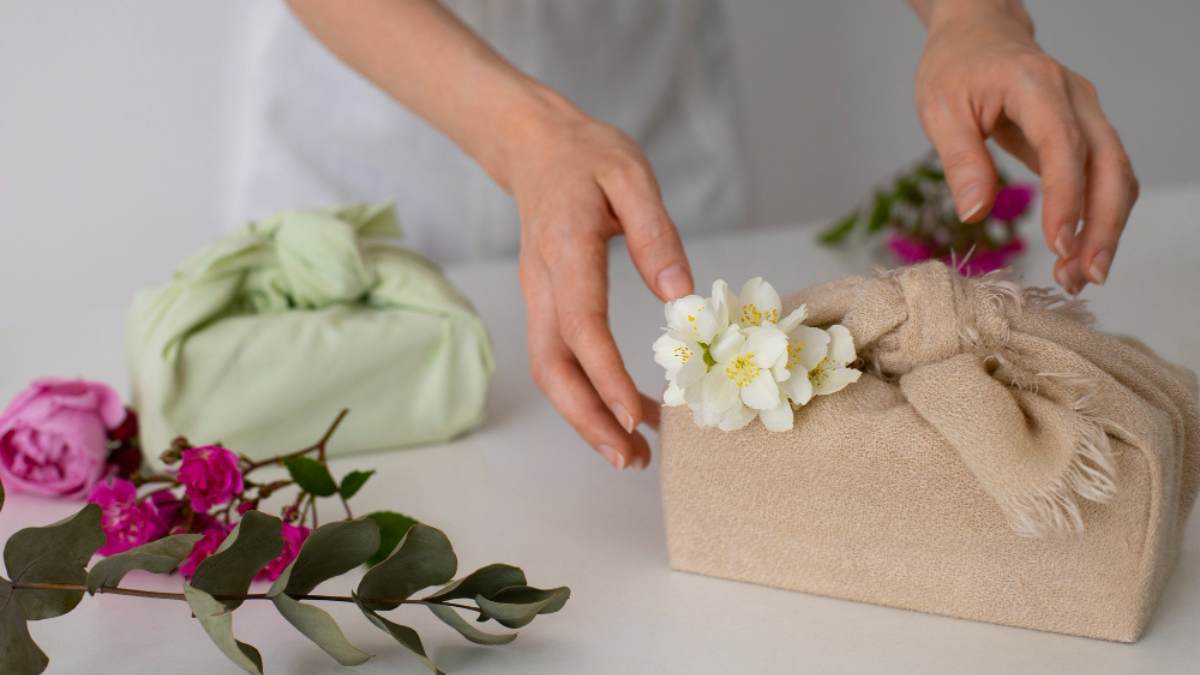
    Customized gifts add a special touch, making them unique and meaningful.

    Popular Choices:

    • Engraved Yoga Bracelets – Motivational and stylish
    • Customized Yoga Mat – Personalized with names or mantras
    • Personalized Yoga Towels – Practical and unique

    How to Choose the Perfect Yoga Gift

    When selecting a yoga gift, consider:

    • Her yoga level – Beginner, intermediate, or advanced
    • Her practice style – Vinyasa, Hatha, Kundalini, etc.
    • Her personal preferences – Colors, materials, and ethical choices
    • Practicality – Ensure the gift will be useful in her daily routine

    Conclusion

    Choosing the best yoga gift for women requires thoughtfulness and understanding of her yoga journey. Whether it’s a premium yoga mat, relaxing aromatherapy, or a mindfulness journal, each gift serves a purpose in enhancing her well-being. Yoga-inspired gifts are perfect for supporting self-care, mindfulness, and a balanced lifestyle.

    Surprise the yogi in your life with a meaningful and inspiring present today!

    Yoga Gifts for Women: Choose by Practice, Not Stereotype

    The best yoga gift is something the person will actually use. Avoid buying by gender alone. A beginner, a travelling teacher and someone who practises restorative yoga may need completely different things.

    BudgetUseful ideasCheck before buying
    Under $25Strap, blocks, mat-cleaning kit, notebookMaterial, size and whether she already owns it
    $25–$75Grip towel, blanket, quality yoga clothing, meditation cushionFit, washing instructions and return policy
    $75+Yoga mat, retreat credit, private class, workshopPractice style, travel needs and schedule

    If you are buying a mat, use our travel yoga mat guide, mat thickness chart, and hot-yoga mat guide.

    What should I avoid?

    Avoid products that promise healing, detoxification, instant spiritual results or one-size-fits-all body changes. Useful equipment and thoughtful books are usually safer gifts.

  • Yoga Poses for Constipation: Natural Relief for Digestive Health

    Yoga Poses for Constipation: Natural Relief for Digestive Health

    Constipation is a common digestive issue that affects people of all ages. It can cause discomfort, bloating, and irregular bowel movements. Many people rely on medications, but yoga offers a natural and effective solution.Yoga for digestive health stimulates the intestines, improves circulation, and reduces stress. Simple yoga poses for constipation can help improve gut health and promote regularity. Practicing daily can lead to a healthier digestive system and overall well-being.This guide tell the best yoga poses for digestion, how they work, and why you should include them in your daily routine.

    Can Yoga Help Constipation?

    Gentle movement may help some people feel less stiff or bloated, but yoga is not a treatment for every cause of constipation. Hydration, fibre, activity, medication and health conditions can all affect bowel habits.

    7 Gentle Yoga Poses People Commonly Use

    1. Wind-Relieving Pose
    2. Cat-Cow
    3. Child’s Pose
    4. Supine Twist
    5. Gentle Seated Twist
    6. Low Lunge
    7. Easy walking followed by relaxed breathing

    When Should You Get Medical Advice?

    Seek medical care for severe abdominal pain, vomiting, blood in stool, fever, unexplained weight loss, or constipation that is persistent or getting worse.

    Related guides: how often to practise yoga, beginner yoga poses, and home meditation.

    How Yoga Helps with Digestion

    Yoga plays a crucial role in maintaining a healthy gut. It stimulates abdominal organs, increases blood flow, and improves digestion naturally. Here’s how yoga for bowel movement supports gut health:
    • Enhances Gut Motility: Certain poses massage the intestines, promoting better movement of waste.
    • Relieves Bloating and Gas: Yoga for bloating helps release trapped air, reducing discomfort.
    • Boosts Circulation: Improved blood flow to the digestive organs helps process food efficiently.
    • Reduces Stress: Stress can slow digestion, and yoga for stomach wellness helps calm the nervous system.
    • Improves Colon Health: Regular practice supports a healthy digestive tract and elimination process.

    Best Yoga Poses for Constipation Relief

    1. Pawanmuktasana (Wind-Relieving Pose)
    PawanmuktasanaThis yoga pose for digestion relieves gas and stimulates the intestines.How to Do It:
    • Lie on your back.
    • Bend your knees and bring them toward your chest.
    • Hold your legs with your hands and press them gently.
    • Hold for 20-30 seconds while breathing deeply.
    • Release and repeat 3-5 times.
    Benefits:
    • Eases bloating and stomach pain.
    • Encourages a smoother bowel movement.
    • Improves gut health by stimulating the intestines.
    1. Malasana (Garland Pose)
    Malasana Garland PoseA deep squat that improves digestion and helps in elimination.How to Do It:
    • Stand with feet hip-width apart.
    • Lower into a deep squat, keeping your heels on the ground.
    • Bring your palms together in front of your chest.
    • Hold the pose for 30 seconds to 1 minute.
    • Stand up slowly and repeat.
    Benefits:
    • Encourages bowel movement naturally.
    • Stretches the digestive organs.
    • Relieves abdominal discomfort and gas.
    1. Ardha Matsyendrasana (Half Spinal Twist)
    Ardha Matsyendrasana Half Spinal TwistThis yoga for gut health pose compresses the abdomen, aiding digestion.How to Do It:
    • Sit with legs extended.
    • Bend your right knee and place your foot outside the left thigh.
    • Place your right hand behind and left elbow on the right knee.
    • Twist your torso to the right, looking over your shoulder.
    • Hold for 20-30 seconds, then switch sides.
    Benefits:
    • Improves digestion and stimulates the liver and pancreas.
    • Helps detoxify the digestive system.
    • Enhances gut motility.
    1. Bhujangasana (Cobra Pose)
    This gentle backbend supports digestion and colon health.How to Do It:
    • Lie on your stomach with palms under your shoulders.
    • Inhale and lift your chest, keeping elbows slightly bent.
    • Hold for 20-30 seconds, then lower down.
    • Repeat 3-5 times.
    Benefits:
    • Improves circulation to the digestive organs.
    • Strengthens abdominal muscles.
    • Helps relieve bloating and stomach cramps.
    1. Supta Matsyendrasana (Supine Spinal Twist)
    A relaxing pose that supports gut health and releases tension.How to Do It:
    • Lie on your back and bend your knees.
    • Drop them to one side while keeping shoulders on the ground.
    • Extend your arms and hold for 30 seconds.
    • Switch sides and repeat.
    Benefits:
    • Stimulates digestion and elimination.
    • Eases bloating and gas.
    • Enhances stomach wellness.
    1. Dhanurasana (Bow Pose)
    A powerful pose for digestive balance and colon health.How to Do It:
    • Lie on your stomach and bend your knees.
    • Hold your ankles and lift your chest.
    • Hold for 20-30 seconds, then relax.
    Benefits:
    • Improves gut motility.
    • Reduces stomach discomfort.
    • Stimulates abdominal organs.

    Additional Tips for Digestive Wellness

    • Stay Hydrated: Drink plenty of water to support digestion.
    • Eat Fiber-Rich Foods: Include fruits, vegetables, and whole grains.
    • Practice Mindful Eating: Chew slowly to improve digestion.
    • Reduce Stress: Try meditation along with yoga for relaxation.
    • Maintain a Routine: Consistency in yoga practice promotes better digestion.
    ConclusionYoga for constipation is a natural way to improve digestion, reduce bloating, and support gut health. Regular practice of yoga poses for stomach wellness helps maintain a healthy digestive system.Including these yoga poses into your daily routine for lasting relief. Yoga for digestive health is simple, effective, and brings balance to your body and overall health. Start today for a healthy gut! Incorporating yoga ball exercise for pregnancy into your routine can improve flexibility and help prepare your body for childbirth.