Author: Fitfortunes yogaways

  • Online Yoga Class Fees: A Simple Guide to Global Yoga Pricing

    Online Yoga Class Fees: A Simple Guide to Global Yoga Pricing

    Online yoga has become popular around the world. It’s flexible, personal, and fits into anyone’s routine. But one common question remains what are the online yoga class fees? If you’re looking to practice yoga from home or teach it internationally, understanding pricing trends and what affects them is important.

    What Do Online Yoga Classes Usually Cost?

    The cost of online yoga classes can vary depending on the type of class, platform, and teacher experience. Here’s a basic global overview:

    • Group Zoom Classes: $5 to $25 per session
    • One-on-One Private Sessions: $30 to $100 per class
    • Subscription Platforms (like apps): $10 to $30 monthly
    • Specialty Yoga (therapy, prenatal): $15 to $50 per session

    Many teachers and platforms also offer package deals or monthly memberships for better value.

    Factors That Affect Online Yoga Fees

    Several things can affect the pricing of a class:

    1. Teacher Experience: Senior teachers or certified yoga therapists usually charge more.
    2. Class Type: General hatha or vinyasa is usually cheaper than therapy or prenatal yoga.
    3. Live vs Recorded: Live sessions often cost more than recorded ones.
    4. Group Size: Private sessions cost more than group classes.
    5. Platform Used: Some platforms take a fee, which may raise the cost slightly.

    Types of Online Yoga Pricing Models

    1. Pay-Per-Class: You pay for each class you attend.
    2. Monthly Memberships: Fixed fee for unlimited or limited sessions per month.
    3. Course Bundles: Pay once for a set of recorded or live sessions.
    4. Sliding Scale or Donation-Based: Some teachers offer flexible pricing.

    Each method suits different needs casual students might prefer pay-per-class, while regulars save with subscriptions.

    Comparing Different Online Yoga Platforms

    Here’s how pricing typically looks across various online yoga providers globally:

    Platform Type

    Average Monthly Cost

    Features

    App-Based Platforms

    $10–$30

    Recorded, themed classes

    Independent Teachers

    $5–$20 per group class

    Personalized guidance

    Private 1-on-1 Sessions

    $30–$100 per session

    Custom, targeted instruction

    Donation-Based Classes

    $0–$15 suggested donation

    Flexible, beginner-friendly

    Hidden Costs to Watch Out For

    1. Currency Conversion: Fees may vary if you’re booking international teachers.
    2. Transaction Fees: Some platforms add service or gateway charges.
    3. Equipment Needs: Some classes may require props like blocks or straps.

    How to Choose a Fair-Priced Class

    • Try free trial classes when possible.
    • Check if the instructor is certified or has reviews.
    • Look for recorded options if you want lower fees.
    • Join shorter courses if you’re not ready for full-time memberships.

    Is Free Always Better?

    Not necessarily. Free YouTube classes or donation-based sessions are a good start, but may lack personal feedback, structure, or progression. Paid classes usually offer accountability, community, and better guidance especially for beginners or people with health conditions.

    Online Yoga Teacher Training Fees

    Another growing trend is Online Yoga TTC (Teacher Training Courses). These vary widely in price:

    • Short Introductory Courses: $50–$150
    • Certified 200-Hour TTC: $300–$1500 (depending on recognition, content, and support)
    • Specialized Modules (Prenatal, Kids): $100–$500

    Look for registered schools, experienced teachers, and clarity on what’s included (manuals, live calls, assessments).

    Trends in Online Yoga Pricing

    • Post-2020 Boom: The pandemic made online yoga more affordable and widespread.
    • Hybrid Models: Some teachers offer both online and in-person at discounted rates.
    • Global Reach: Students now join classes across time zones and pay in global currencies.
    • Flexible Pricing: Growing demand for sliding scale and donation-based yoga.

    Online yoga class fees are diverse, and you can always find something that suits your budget. Whether you’re new to yoga or looking for personal guidance, options are available for everyone.

    Rather than focusing only on the cost, think about the value the teacher’s experience, the structure of the class, and the flexibility it brings.

    Remember, yoga isn’t about paying more it’s about showing up with regularity, peace, and sincerity.

    Frequently Asked Questions (FAQ)

    Q: What is the average cost of online yoga classes?
    A: Group sessions cost around $10–$20; private classes are $30–$100 depending on the teacher.

    Q: Are online yoga classes cheaper than in-person?
    A: Usually yes. Online classes save travel time and venue costs.

    Q: Is it okay to start yoga with free classes?
    A: Yes, many beginners try free videos or donation-based sessions before committing to paid ones.

    Q: Do I need special apps or tools?
    A: Not always. Zoom, YouTube, or basic video platforms often work fine. Some apps offer added features.

    Q: Can I get certified through online yoga training?
    A: Yes. Many certified schools now offer full online 200-hour yoga teacher training programs.

    Q: Why do private yoga classes cost more online?
    A: They offer one-on-one attention, custom plans, and flexible timing.

    Still unsure where to begin? Start with a trial class. Test the flow. See if the teacher and pricing fit your comfort.

    Online Yoga Class Fees: What You Should Know in 2025

    Online yoga has become a part of everyday life for people across the world. In 2025, it’s not just a trend it’s a routine. With apps, Zoom classes, YouTube sessions, and private online coaching, yoga is more accessible than ever. But how much does it actually cost? That’s what many are still unsure about.

    The term online yoga class fees is searched by thousands every month. People want to know the actual cost, what they’re paying for, and if it’s worth it. So, this blog lays down the facts. No fluff. Just real-world insight.

    The Range of Online Yoga Fees in 2025

    Online yoga class fees in 2025 vary depending on several factors. Public group sessions, private coaching, or subscription-based apps all charge differently.

    • Pre-recorded classes on platforms usually start at $5 to $15 per month.
    • Live group classes average between $8 to $20 per session.
    • Private online yoga sessions can go up to $40 to $100 per hour.

    Some global yoga platforms offer bundled pricing. These packages allow unlimited access, charging around $30 to $70 monthly.

    Why Are Online Yoga Fees So Different?

    The fees depend on a few key things:

    • Type of class (live vs recorded)
    • Teacher’s experience
    • Duration and class size
    • Platform used (Zoom, app, or academy site)

    In 2025, more teachers are running classes independently. Some charge less than big brands but deliver the same quality. This is because they save on studio costs and share yoga from home.

    Popular Online Yoga Class Models

    1. Pay-per-class: Best for people who prefer occasional sessions. 2. Monthly memberships: Great for regular practitioners. Offers flexibility and savings. 3. Private coaching online: Tailored for therapy, specific issues, or advanced practice.

    A common trend in 2025 is hybrid pricing where students combine free content (YouTube) with paid Zoom classes.

    Comparing Online Yoga Platforms

    Here’s what’s happening on top yoga platforms around the world in 2025:

    • Wellness streaming apps like Alo Moves or Glo: $20–$30/month for hundreds of on-demand classes.
    • Live Zoom classes by teachers: $10–$15 for group, $50–$80 for private.
    • Yoga schools with virtual classrooms: Structured courses starting at $200 for short-term programs.

    Some websites now offer tier-based pricing. For example:

    • Tier 1: Access to recordings only.
    • Tier 2: Live classes + recordings.
    • Tier 3: Private mentoring + access to all features.

    What You’re Paying For

    People often ask why online yoga isn’t always cheap. Here’s what fees usually cover:

    • Teacher’s time, knowledge, and setup
    • Video/audio quality and tech support
    • Custom class planning for private sessions
    • Administrative support (bookings, replays, materials)

    As 2025 sees more digital yoga professionals, the value of their service is now clearly understood.

    Current Fee Trends in 2025

    • There is a rise in regional pricing. Platforms are adjusting fees based on country and currency.
    • Many teachers offer discounted trial packs like 3 sessions for $25.
    • Subscription fatigue is real. People now prefer no-lock-in pricing.
    • Free yoga still exists but more users are shifting to guided sessions for safety and consistency.

    Hidden Costs to Watch Out For

    • Some platforms charge extra for recordings.
    • There may be tech fees for app access.
    • Missed sessions sometimes go unrefunded.

    Always check refund policies and terms before signing up. It saves time and stress.

    Tips for Finding the Right Class for Your Budget

    1. Use trial sessions– many offer the first class free.
    2. Read reviews from actual students. They might help if they are real. But many good teacher don’t really force people to give reviews. They are just marketing tactics.
    3. Compare packages– some charge per class, others offer big discounts for bulk sessions.
    4. Look for sliding scale options– especially in yoga therapy or niche offerings.
    5. Ask if recordings are included. That adds more value.

    What to Expect in the Future

    By late 2025, expect more AI-based yoga platforms, personalized scheduling, and virtual assistant-led practice. However, live teachers are still the preferred option for many especially for alignment, corrections, and accountability.

    Online yoga class fees may adjust again depending on demand, economic shifts, and the tools used for delivery.

    Final Words

    Online yoga class fees are now part of every yoga seeker’s decision-making process. Whether you join a $10 class or a $100 mentorship, the goal remains the same consistent, meaningful practice.

    Choose what suits your budget and lifestyle. In the end, it’s not about how much you pay. It’s about how often you show up on the mat.

    FAQ – Online Yoga Class Fees

    Q: How much does an average online yoga class cost in 2025?
    Between $8 and $20 per group session, depending on the platform and teacher.

    Q: Are there still free online yoga classes available?
    Yes. Platforms like YouTube and Instagram offer many. But guided classes give more structure and correction.

    Q: Why do private online sessions cost more?
    Because they’re customized, involve direct interaction, and often include post-class support or recordings.

    Q: Do monthly yoga subscriptions offer better value?
    If you practice often, yes. They typically give access to more sessions at a lower per-class rate.

    Q: Are yoga apps cheaper than live Zoom classes?
    Generally, yes. But apps don’t provide personal guidance, so live sessions offer more support.

    Q: What factors affect online yoga pricing?
    Teacher experience, class type, duration, region, platform, and add-ons like recordings or worksheets.

    Q: Can I request a refund for missed online sessions?
    Policies vary. Always check before you book. Some classes offer replays, others don’t refund missed attendance.

    More yoga, less confusion that’s what matters most.
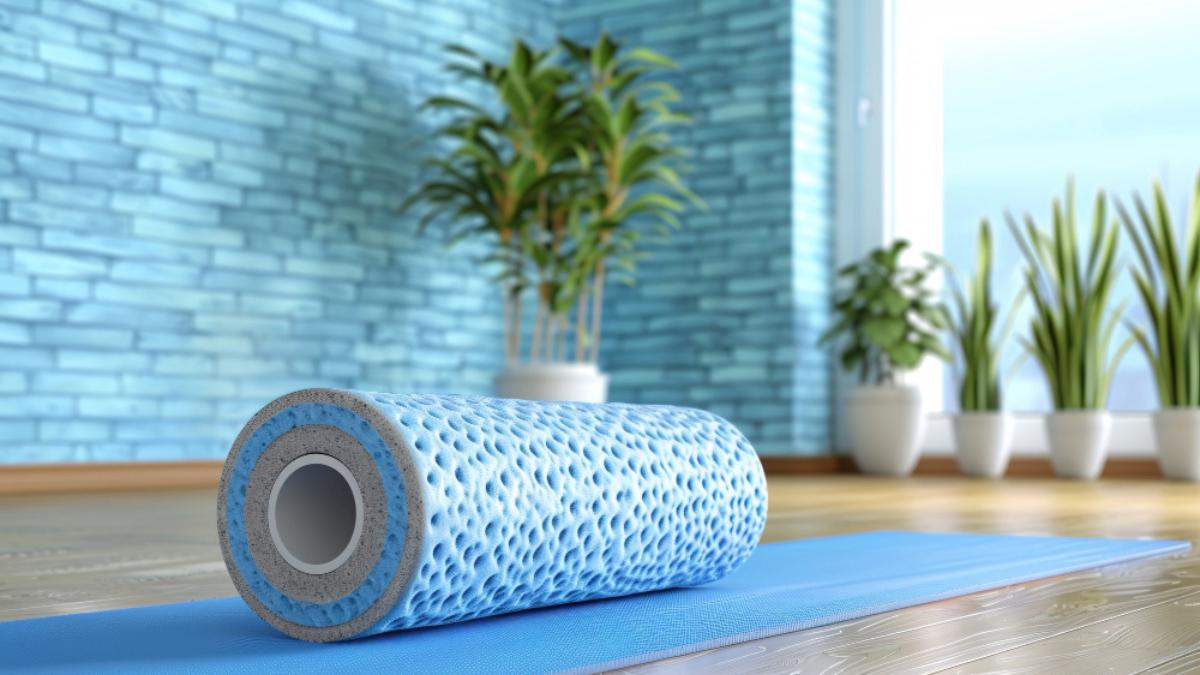
  • 3mm vs 5mm Yoga Mat: Which Yoga Mat Should You Choose?

    3mm vs 5mm Yoga Mat: Which Yoga Mat Should You Choose?

    When buying a yoga mat, thickness often becomes the deciding factor. The question many ask is: 3mm vs 5mm yoga mat, which one is better?

    In this blog, we’ll compare both options using plain logic, practical experience, and everyday needs. From joint support to travel use, every angle is covered to help you choose the right mat.

    Why Does Yoga Mat Thickness Matter?

    Thickness determines how much support, comfort, and stability you’ll get. It directly affects balance, joint safety, and how grounded you feel. A yoga mat isn’t just a piece of gear it’s the foundation of your daily practice.

    The Basics: What Is a 3mm Yoga Mat?

    A 3mm mat is considered a standard or thin yoga mat. It offers a close connection to the floor, which helps with balance poses.

    Key features:

    • Lightweight and easy to carry
    • Great for travel and outdoor use
    • Suitable for people with strong joints and balance
    • Popular in studios and by instructors

    However, it may not provide enough cushioning for people with sensitive knees or wrists.

    The Basics: What Is a 5mm Yoga Mat?

    A 5mm mat offers more padding and comfort. It’s often chosen by beginners or anyone who needs extra joint protection.

    Key features:

    • Softer and gentler on joints
    • Heavier and slightly bulkier to carry
    • Ideal for restorative and floor-based practices
    • Suitable for hardwood floors or cold surfaces

    But it can slightly reduce your stability during balancing postures.

    Which One Is Better for Balance Poses?

    In standing and one-leg postures, a firm base helps. The 3mm mat wins here. It’s stable and keeps you closer to the ground.

    However, if comfort matters more than precision, the 5mm mat is still usable. You may just need a bit more focus to stay steady.

    Which Is Better for Joint Support?

    If you have knee pain or sensitive wrists, go with the 5mm yoga mat. It cushions impact and reduces strain.

    This is important in poses like:

    • Cat-Cow
    • Tabletop
    • Low lunges
    • Bridge pose

    A thin mat won’t absorb pressure as well in these asanas.

    Travel-Friendly Option: 3mm or 5mm?

    If you’re on the go, a 3mm yoga mat is the better choice. It’s lightweight, folds easily, and fits into smaller bags.

    For people who attend retreats, outdoor classes, or travel frequently, portability is key. Most travel yoga mats fall in the 2mm–3mm range.

    For Home Practice: Which One Feels Better?

    At home, you can choose based on floor type. If your floor is hard, cold, or tiled, a 5mm mat offers comfort. On carpet or wood, a 3mm mat might feel just right.

    Think about:

    • Room temperature
    • Floor hardness
    • Duration of your sessions

    Comfort directly impacts your willingness to show up daily.

    Yoga Style Matters: Match Your Mat to Your Practice

    Not all yoga styles are the same. Your mat should reflect how you move.

    3mm mats are better for:

    • Vinyasa Yoga
    • Ashtanga Yoga
    • Iyengar Yoga (for firm grounding)

    5mm mats are ideal for:

    • Yin Yoga
    • Restorative Yoga
    • Prenatal Yoga

    The thickness can support the intention behind your practice.

    Weight, Storage, and Portability

    3mm mats weigh less. They’re easier to roll, carry, and store. You’ll thank yourself when moving it around daily.

    5mm mats are bulkier. You might need a strap or bag. Not ideal for walking long distances.

    Durability and Wear Over Time

    Thicker mats tend to last longer in heavy-use home environments. But thinner mats made with good materials (like TPE or rubber) can be equally durable.

    Always check:

    • Material type (avoid cheap foam)
    • Surface texture (grip matters)
    • Brand reputation

    Environmental Factors: Sweat and Stability

    During hot yoga, thinner mats with better grip perform well. A 3mm mat with a textured surface is preferred to avoid slipping.

    In humid or sweaty conditions, choose mats that:

    • Absorb less moisture
    • Are easy to clean
    • Provide dry grip under pressure

    Price Difference: Is Thicker Always Costlier?

    Not always. Some high-quality 3mm mats cost more than thicker ones made with low-grade materials.

    You’re paying for:

    • Durability
    • Eco-friendliness
    • Brand design and finish

    Conclusion: 3mm vs 5mm Yoga Mat – Choose a Mat What Feels Right

    Choosing between a 3mm vs 5mm yoga mat isn’t about right or wrong. It’s about matching the mat to your needs.

    If you want:

    • Portability, balance, or travel ease go for 3mm
    • Comfort, joint support, or long home sessions pick 5mm

    Try before you decide. Borrow a mat. Stand on it. Move. Feel.

    Because your yoga mat isn’t just a tool. It’s your space to return, breathe, and connect.

    Frequently Asked Questions

    Q: Is 5mm yoga mat too thick for yoga?
    Not at all. It suits those who need comfort or practice on hard floors.

    Q: Does mat thickness affect balance?
    Yes. Thinner mats give better balance and control during standing poses.

    Q: Can I travel with a 5mm yoga mat?
    You can, but it’s bulkier. For travel, a 3mm mat is lighter and easier.

    Q: What is the most popular mat thickness?
    3mm to 5mm range is most used worldwide, depending on personal comfort and style.

    Q: Which mat is better for bad knees?
    A 5mm mat offers more cushion and is better for joint issues.

    Q: Can I use a thick mat for all yoga styles?
    Yes, but for dynamic styles like Ashtanga, a thinner mat helps with grounding.

    Q: Is there a big price difference?
    Not really. Material, brand, and durability affect price more than just thickness.

    Comfort meets clarity. Choose the yoga mat that feels right under your feet — every single day.

  • When Is the Best Time to Do Yoga? A Simple Guide for Everyday Life

    When Is the Best Time to Do Yoga? A Simple Guide for Everyday Life

    Yoga can be done anytime, but when is the best time to do yoga for real benefits? For help building a routine, read how to keep a consistent yoga practice. This is a question many students ask during yoga teacher training. While yoga itself is flexible, the timing can influence your energy, focus, and long-term results. Let’s explore the different timings, what ancient yogic texts say, and what modern schedules allow.

    The Early Morning Advantage: Yoga During Brahma Muhurta

    Ancient yogis practiced during Brahma Muhurta roughly 1.5 hours before sunrise. This time is considered sacred.

    • The mind is calm.
    • The world is silent.
    • The body is rested and receptive.

    Morning yoga during this window helps in deep meditation, fresh breathing, and peaceful awareness. It sets the tone for the day. According to Ayurveda, this time supports Vata energy, which governs movement and clarity.

    Ideal practices:

    • Gentle asanas
    • Pranayama
    • Meditation

    Morning Hours (Around 6–8 AM): Great for Beginners and Routine Builders

    If Brahma Muhurta is too early, early morning after waking up is also effective. The stomach is empty, and distractions are minimal.

    This time is best for:

    • Building a daily habit
    • Doing Surya Namaskar (Sun Salutations)
    • Stretching stiff muscles

    Morning practice also improves digestion, balances hormones, and supports mental clarity.

    Key benefit: Builds long-term consistency.

    Mid-Morning Yoga (9 AM to 11 AM): Gentle, If Your Schedule Permits

    Many people work from home or have flexible hours. For them, mid-morning yoga works well.

    It’s suitable if:

    • You have already eaten a light breakfast
    • You want a low-intensity session
    • You prefer slow, mindful movement

    Avoid strong twists or deep backbends during this time. The body is digesting.

    Good options: Yin yoga, gentle flow, chakra balancing

    Afternoon Yoga (12 PM to 4 PM): Least Ideal, But Possible

    This time is often overlooked. The body’s energy dips. The mind is either busy or sluggish.

    However, light yoga may still help:

    • Short stretching sessions
    • Breathing practices
    • Shoulder openers and spinal movements

    Use this time if you sit long hours at a desk or feel sleepy post-lunch.

    Tip: Keep it under 20 minutes to avoid laziness.

    Evening Yoga (5 PM to 7 PM): Relax and Release

    Many people prefer evening yoga after work. It helps release tension and stress.

    Best for:

    • Hatha yoga
    • Restorative sessions
    • Slow vinyasa or breath-focused flow

    Avoid intense power yoga. The body is tired, and force may cause injury. Focus on mindfulness and awareness.

    Evening yoga improves sleep quality and calms the mind.

    Night Yoga (8 PM to 9:30 PM): Gentle Practices for Deep Sleep

    Yes, yoga at night is fine but keep it light. Avoid poses that heat the body or overstimulate the mind.

    Helpful practices:

    • Forward bends
    • Gentle twists
    • Legs-up-the-wall pose
    • Long exhalations in pranayama

    Meditation at night reduces overthinking and prepares you for better sleep.

    Avoid: High-energy poses, breath retention, and inversions.

    Timing Yoga by Body Type (Dosha-Based Timing)

    According to Ayurveda:

    • Vata types do well early morning
    • Pitta types benefit from evening sessions
    • Kapha types should aim for morning movement to energize

    Listen to your body’s natural rhythm.

    Yoga and Daily Routine (Dinacharya)

    Yogic tradition speaks about syncing yoga with nature’s flow. This includes:

    • Waking before sunrise
    • Practicing on an empty stomach
    • Bathing before yoga for freshness

    Following these simple habits increases the impact of your practice.

    What If You Can’t Stick to One Time?

    That’s okay. It’s better to do yoga at any time than skip it.

    Tips:

    • Be flexible with timing
    • Choose a slot that fits your life
    • Avoid long breaks or irregularity

    Consistency is more important than perfection.

    Summary Table: Best Time for Yoga

    Time of Day

    Best For

    Avoid

    Brahma Muhurta

    Deep practice, meditation, breathwork

    High intensity poses

    Morning

    Consistency, full routine

    None

    Mid-Morning

    Gentle movement

    Deep twists or backbends

    Afternoon

    Quick desk relief, light stretch

    Full sessions, intense yoga

    Evening

    Stress relief, balance, sleep prep

    Power yoga, overheating

    Night

    Sleep support, relaxation

    Strong pranayama, core work

    Final Thoughts

    When is the best time to do yoga? It depends on your body, lifestyle, and intention. Traditional texts recommend early mornings. But if your schedule doesn’t allow it, anytime that you can show up calmly and regularly is the best time.

    Yoga is meant to support you, not stress you. Make it a part of your day with ease, not pressure.

    Frequently Asked Questions (FAQ)

    Q: What is the best time to do yoga for weight loss?
    Morning, on an empty stomach. Surya Namaskar and flow sequences work best.

    Q: Can I do yoga in the evening after work?
    Yes. It helps release stress and improve sleep.

    Q: Is it okay to do yoga at night before bed?
    Yes, but keep it gentle. Try forward bends and breathing.

    Q: Should yoga be done before or after food?
    Always before meals, ideally with a gap of 2–3 hours.

    Q: What if I miss my usual yoga time?
    Do it whenever you can. Regularity is more important than time.

    Q: Is there a spiritual time for yoga?
    Yes. Brahma Muhurta is considered the most spiritually beneficial time.

    Q: Can beginners choose any time?
    Yes. Morning is easier for habit formation, but any calm time is good.

    Q: Should I meditate before or after yoga?
    Either is fine. Some prefer before to calm the mind; others after to settle the energy.

    Yoga fits into your life. Let it flow naturally, and you’ll feel its real magic.

  • Kundalini Yoga and Tantra: What the Traditions Actually Say

    Kundalini Yoga and Tantra: What the Traditions Actually Say

    Kundalini and Tantra are related in some Indian traditions, but they should not be collapsed into one system. “Tantra” refers to a very large family of Hindu and Buddhist texts, rituals, philosophies and methods. Kundalini is one important subtle-body concept found in some later yoga and tantric sources.

    What Is the Link Between Kundalini Yoga and Tantra?

    Kundalini ideas appear in several Tantric and later Hatha Yoga traditions. Tantra is much broader than Kundalini. It includes many schools, texts, rituals, meditation systems and philosophical ideas.

    TermSimple meaning
    TantraA broad family of Indian religious and yogic traditions
    KundaliniA subtle-body idea described in some traditions
    ChakrasSymbolic centres described differently across texts
    Hatha YogaLater yoga traditions that also discuss breath, mudra and subtle-body practice

    These are traditional frameworks, not modern anatomy. For safer context, read what Kundalini Yoga is, seven chakras, and Kundalini Yoga safety.

    Later Hatha and tantric yoga traditions describe subtle anatomy using ideas such as nadi, chakra, prana and kundalini. Texts such as the Hatha Yoga Pradipika discuss kundalini in connection with mudra, bandha and the opening of the central channel, Sushumna.

    That does not mean “Tantra” simply means a technique for moving kundalini. Tantra is much broader, and different tantric traditions can differ greatly in theology, ritual and practice.

    Foundations in Classical Yogic Texts

    The Hatha Yoga Pradipika and Gheranda Samhita offer systematic steps for working with prana (life force). These include:

    • Shatkarmas (cleansing techniques)
    • Asana (postures to stabilize the body)
    • Pranayama (breath control to balance energy)
    • Mudras and Bandhas (to redirect pranic flow)
    • Dhyana (meditation for absorption and stillness)

    The Shiva Samhita and Yoga Kundalini Upanishad go further, detailing the mechanics of subtle energy movement, the nature of the chakras, and how to approach these practices with reverence and discipline.

    The Subtle Body and Chakra System

    Kundalini Yoga and Tantra

    In yogic anatomy, energy flows through nadis, with Ida, Pingala, and Sushumna being the main channels. Kundalini energy lies dormant at the Mooladhara Chakra. Through disciplined practice, it rises through the chakras:

    • Swadhisthana (creative energy and desire)
    • Manipura (willpower and vitality)
    • Anahata (love and compassion)
    • Vishuddhi (communication and expression)
    • Ajna (intuition and awareness)
    • Sahasrara (pure consciousness)

    Each energy center represents a plane of consciousness and requires purification through classical Hatha Yoga methods.

    Why Tantra is often misunderstood

    Modern popular culture sometimes reduces Tantra to sexuality. That is incomplete. At the same time, saying that “real Tantra” is only pranayama, mudra and meditation is also too narrow. Historical tantric traditions include mantra, ritual, deity practice, initiation, subtle-body methods and many different philosophical positions.

    For a yoga student, the useful lesson is to identify the specific text or lineage being discussed rather than treating Tantra as one uniform practice.

    How Hatha Yoga Prepares for Kundalini Awakening

    Hatha Yoga is not merely physical exercise. It is the groundwork for inner alchemy. Without cleansing the nadis, balancing the breath, and stabilizing the nervous system, Kundalini practices can lead to imbalance. The masters insisted on daily routines, moderation in diet, emotional steadiness, and purity of thought before attempting higher techniques.

    Techniques such as:

    • Nadi Shodhana (alternate nostril breathing)
    • Bhastrika (bellows breath)
    • Ujjayi (victorious breath)
    • Moola Bandha, Uddiyana Bandha, Jalandhara Bandha
    • Khechari Mudra, Shambhavi Mudra

    are all prescribed in sequence and must be approached gradually.

    Advanced Techniques from Tantric Hatha Yoga

    Some of the powerful yet lesser-known practices include:

    • Nauli Kriya: Abdominal churning for energetic purification
    • Trataka: Fixed gazing to develop inner vision
    • Brahmari: Humming to calm the nervous system
    • Ajapa Japa: Silent repetition of mantra (like So-Ham)
    • Shitali/Sitkari: Cooling pranayamas to balance heat generated during practice

    These are not to be mixed or experimented with loosely. They form an integrated system, not isolated tools.

    The Teacher-Student Relationship

    Traditional yoga was passed through parampara an unbroken lineage of transmission. Teachers assessed a student’s readiness over time. There was no rush. No public display. Advanced techniques were given only after years of consistent, simple practice. Trust, humility, and patience were considered more important than ambition.

    Cautions around advanced practice

    Classical Hatha sources repeatedly stress preparation, moderation and guidance for demanding pranayama, mudra and bandha practices. Modern claims about dramatic “Kundalini awakening symptoms” should be treated cautiously: unusual physical or psychological symptoms need appropriate professional assessment rather than being automatically interpreted as spiritual progress.

    Relevance in Modern Times

    In a world hungry for quick fixes and spiritual entertainment, these traditional teachings offer something rare: a grounded, clear, and honest path. The message is simple awaken with awareness, not ambition. Return to the original purpose of yoga self-knowledge and freedom from inner noise.

    Textual References

    1. Hatha Yoga Pradipika – Swatmarama’s guide to asana, pranayama, and bandhas.
    2. Shiva Samhita – On nadis, chakras, and pranic movement.
    3. Gheranda Samhita – On shatkarmas and spiritual preparation.
    4. Yoga Kundalini Upanishad – Describes the coiled energy and necessary lifestyle for awakening it.

    Conclusion: Rooted in Real Yoga

    Kundalini Yoga and Tantra are not mystical, unreachable practices. They are grounded sciences, preserved in sacred texts and time-tested methods. They call for daily effort, ethical conduct, inner quiet, and above all guidance. Through the teachings of Hatha Yoga, one can understand these practices clearly, practice them safely, and walk a steady path toward inner awakening.

    Frequently Asked Questions (FAQ)

    Q: Is it safe to practice Kundalini Yoga at home?
    Only basic pranayama and asana can be practiced alone. For deeper methods, guidance is necessary.

    Q: What is the purpose of Tantra in yoga traditions?
    There is no single purpose shared by every tantric tradition. Depending on the text or lineage, Tantra may include mantra, ritual, deity practice, meditation, subtle-body methods, initiation and liberation-oriented disciplines.

    Q: Do I need to believe in chakras for Kundalini to rise?
    No. Experience will teach more than belief. Practice reveals reality over time.

    Q: What’s the difference between modern Tantra and historical tantric traditions?
    Modern uses of the word Tantra vary widely. Historical Hindu and Buddhist tantric traditions include much more than sexuality, with practices and doctrines that differ across texts, schools and lineages.

    Q: How do I know if Kundalini is awakening?
    Subtle shifts occur clarity, stillness, heightened awareness. But avoid chasing signs. Stay steady.

    Q: Can Hatha Yoga help with spiritual growth?
    Yes. It builds the body-mind foundation for deeper practices. Without it, energy work can become harmful.

    The deeper you go, the quieter it becomes. In that quiet, everything begins.

  • Sahaja Yoga and the Mahabharata: Modern Interpretations of Krishna and Arjuna

    Sahaja Yoga and the Mahabharata: Modern Interpretations of Krishna and Arjuna

    When people talk about yoga in ancient scriptures, the focus often falls on discipline, meditation, or physical austerity. But there’s a deeper current beneath it all something natural, effortless, and spontaneous. That’s where Sahaja Yoga in Mahabharat finds its place. Long before modern movements defined the term, the essence of Sahaja meaning “born with” or “natural” was quietly embedded in the teachings of Shri Krishna and the journey of Arjuna.

    What Is Sahaja Yoga?

    Sahaja Yoga refers to a state of spontaneous union with the divine. The word “Sahaja” in Sanskrit implies something that is innate, effortless, and natural. Yoga, as always, means union. So Sahaja Yoga is the natural state of being in union with truth without strain, rituals, or forced effort.

    This idea is not recent. It has its echoes in ancient Indian texts, especially in the dialogues between Krishna and Arjuna in the Mahabharat.

    Sahaja Yoga and the Gita: The Unseen Thread

    In the Bhagavad Gita, Krishna guides Arjuna through doubt, fear, and confusion. But he doesn’t ask Arjuna to withdraw or escape. Instead, he urges action with awareness.

    This guidance is the core of Sahaja Yoga. It’s not about renouncing life. It’s about living in complete connection with the self while fulfilling duties.

    Key verses that reflect Sahaja principles include:

    • “Be steadfast in yoga, O Arjuna. Perform your duty and abandon all attachment to success or failure.” (Gita 2.48)
    • “Samatvam yoga uchyate” Yoga is equanimity. (Gita 2.48)

    The stress is not on struggle. It’s on balance, surrender, and effortless action.

    Krishna as the First Sahaja Yogi

    Shri Krishna, in his complete awareness and joyful nature, mirrors the qualities of a Sahaja Yogi. He is:

    • Detached but involved
    • Playful yet wise
    • Powerful but humble

    He acts without ego and guides without demand. He represents spontaneous union not by retreating into caves, but by living fully among people.

    His flute, often seen as a symbol, is hollow. It plays divine music only when the ego is absent. This symbol carries deep meaning for Sahaja Yoga practitioners.

    Arjuna’s Awakening: Inner Yoga on the Battlefield

    At the start of the war, Arjuna is overwhelmed. His mind is in turmoil. But through Krishna’s guidance, something shifts.

    He doesn’t go into deep tapas or retreat. Instead, in the midst of chaos, he becomes still.

    This shift from confusion to clarity, from fear to awareness is Sahaja in action. It is effortless realization. It is awakening through surrender.

    Arjuna listens. He accepts. And he acts without pride or personal agenda.

    Mahabharat’s Layers: More Than a War Story

    Many people read Mahabharat as a tale of battles. But at its heart, it’s a story of dharma, self-realization, and inner awakening.

    Characters represent qualities within us. The war is symbolic of the inner fight between right and wrong.

    Sahaja Yoga fits in as the method that allows the true self to rise naturally, silently, without drama. It’s not about creating something new. It’s about uncovering what is already there.

    Sahaja Yoga’s Subtle Symbols in Mahabharat

    1. The Chariot: Arjuna’s body. Krishna as the charioteer represents the divine guiding the seeker.
    2. Five Horses: The five senses. Mastery over them leads to clarity.
    3. Kurukshetra: Not just land, but the field of inner conflict.
    4. Sudden Realization: Arjuna’s moment of surrender mirrors Sahaja awakening calmness arising without external force.

    What Makes Sahaja Yoga Different?

    Unlike systems that ask for years of penance or difficult physical training, Sahaja Yoga begins with simplicity. It focuses on:

    • Inner silence
    • Kundalini awakening
    • Balance of chakras
    • Daily meditation effortless and pure

    This approach aligns with what Krishna offered not complicated rituals, but a clear path through connection, duty, and surrender.

    Sahaja and the Subtle Body in Mahabharat

    While the term “chakra” isn’t used openly in Mahabharat, the energy centers are reflected in characters and stories.

    • Mooladhara: Bhishma- unwavering support
    • Swadhisthana: Nakul and Sahadev- creativity and wisdom
    • Manipura: Karna – strength with inner conflict
    • Anahata: Yudhishthir – calm, balanced heart
    • Vishuddhi: Krishna – communicator, truth bearer
    • Agnya: Arjuna – decision, insight, surrender
    • Sahasrara: Collective state – Krishna’s divine form (Vishwaroopa)

    Shri Mataji and the Reinterpretation

    The founder of modern Sahaja Yoga, Shri Mataji Nirmala Devi, often referred to Mahabharat and Krishna’s teachings. She emphasized the importance of Sahaja that realization is our birthright.

    She said the Mahabharat isn’t just a historical tale. It’s a map of our subtle system, and Krishna is the guide within.

    Modern Relevance: Why It Still Matters

    Today, many feel lost like Arjuna before the war. Decisions are hard. Noise is everywhere.

    Sahaja Yoga, as reflected in Mahabharat, offers tools to:

    • Find silence inside
    • Act without ego
    • Connect with inner joy

    No cost. No rituals. Just natural connection.

    Sahaja Yoga in Mahabharat is not a modern invention. Its core ideas were already alive in the battlefield, in Krishna’s flute, and in Arjuna’s surrender.

    It reminds us that yoga doesn’t always need effort. Sometimes, it simply needs trust. When the seeker listens, the truth reveals itself quietly, spontaneously.

    Sahaja is not something to chase. It is something to notice already within.

    Frequently Asked Questions

    Q: Is Sahaja Yoga mentioned by name in Mahabharat?
    No. The term isn’t used, but the idea of spontaneous realization is present in Krishna’s teachings.

    Q: Was Krishna a Sahaja Yogi?
    Yes, in essence. His nature reflects effortless union, joy, and divine awareness.

    Q: How is Arjuna’s journey similar to Sahaja Yoga?
    He moves from doubt to clarity, not by effort, but through surrender and listening key Sahaja principles.

    Q: What does Sahaja mean in Sanskrit?
    It means “born with,” “innate,” or “natural.” It implies something effortless.

    Q: What is the connection between the Gita and Sahaja Yoga?
    The Gita’s focus on duty, balance, and self-realization reflects the foundation of Sahaja Yoga.

    Q: How does Sahaja Yoga relate to the subtle system?
    The Mahabharat’s characters and events reflect chakras and inner qualities a subtle map of human evolution.

    Q: Is Sahaja Yoga only for Hindus?
    No. Like Mahabharat’s universal messages, Sahaja Yoga is open to all, regardless of belief.

    Q: Does Sahaja Yoga require rituals?
    No. It focuses on inner silence, self-realization, and daily meditation all natural and free.

    In the noise of war, Arjuna found silence. In that silence, yoga happened.

  • Interesting Facts About Yoga: More Than Just Poses and Breathing

    Interesting Facts About Yoga: More Than Just Poses and Breathing

    When people hear the word “yoga,” many picture a person doing complicated poses or sitting quietly in meditation. But there’s much more to it. In fact, some of the most interesting facts about yoga go beyond the mat. They take us back thousands of years, into the lives of sages, scriptures, and traditions that shaped this sacred practice.

    Let’s explore some rarely mentioned truths that make yoga not just a workout, but a way of life.

    Yoga Is Older Than Many Religions

    Yoga began long before organized religion as we know it today. Some ancient records place its roots at least 5,000 years ago. The earliest references to yoga appear in the Vedas ancient Indian texts filled with chants and rituals. These references weren’t about headstands or poses. They spoke of inner stillness, control of senses, and self-discipline.

    This shows yoga was originally a spiritual pursuit, not a physical one.

    Yoga Means Union – Not Stretching

    The word “yoga” comes from the Sanskrit root “yuj,” which means “to join” or “to unite.” What does it unite? The mind, body, and spirit. In deeper practice, yoga joins the individual soul (jivatma) with the universal truth (paramatma).

    So when we say yoga, we’re really talking about a method for inner connection, not just fitness.

    The Yoga We Practice Today Is Just a Small Part

    Most people know yoga through poses, called asanas. But asanas are only one limb of the eight-fold path described in the Yoga Sutras of Patanjali.

    The full path includes:

    • Yama (ethical rules)
    • Niyama (personal discipline)
    • Asana (posture)
    • Pranayama (breath control)
    • Pratyahara (sense withdrawal)
    • Dharana (focus)
    • Dhyana (meditation)
    • Samadhi (absorption)

    Interesting fact? Asanas were originally meant to prepare the body for long periods of stillness during meditation.

    Yogic Texts Are Full of Daily Life Guidance

    Books like the Bhagavad Gita, Hatha Yoga Pradipika, and Upanishads go into great detail on how a yogi should live.

    Some tips include:

    • Wake up before sunrise
    • Eat simple, sattvic food (pure, clean diet)
    • Speak only when needed
    • Avoid gossip, greed, and excess sleep

    Yoga, then, is also about choices we make each day, not just time spent in a studio.

    Yoga Supports Vegetarian Living

    A lesser-known fact is that many traditional yoga texts encourage a vegetarian diet. Why? Because yogis are expected to follow ahimsa non-violence. This means avoiding harm to animals as part of daily practice.

    Many modern yogis adopt plant-based eating not for trends, but for inner peace.

    Breathing in Yoga Is Science, Not Magic

    Pranayama, or breath control, is often misunderstood. It’s not just slow breathing. It’s the controlled use of breath to manage life force (prana).

    Yogic texts explain how different breathing patterns affect mood, digestion, clarity, and even longevity. For example:

    • Nadi Shodhana calms the mind
    • Bhastrika energizes the system
    • Kapalabhati supports detox

    Modern science now confirms many of these ancient findings.

    Yoga Was Taught One-on-One for Centuries

    Before yoga studios and YouTube, yoga was passed from teacher to student personally and quietly. The guru-shishya (teacher-student) model meant that yoga was tailored to the student’s stage of life and inner need.

    Each student learned at a different pace. There were no group sessions, mats, or loud playlists.

    Yoga Doesn’t Need a Mat

    Here’s one of the most interesting facts about yoga: the mat is a recent invention. Traditionally, yogis used deer skin, grass mats, or even bare earth.

    What mattered was focus, not foam or fabric.

    Yoga Is Not a Religion, But It’s Deeply Spiritual

    Though yoga comes from Hindu tradition, it doesn’t belong to any one religion. Anyone of any belief can practice yoga.

    Yoga invites reflection, awareness, and surrender. But it doesn’t ask you to pray to a certain god or join a temple. It is open to all.

    Yoga Encourages Silence and Simplicity

    Yogis often live quietly. They avoid clutter, speak less, and focus on inner clarity.

    This yogic way of living teaches us:

    • To reduce wants
    • To slow down thinking
    • To observe rather than react

    Even a few minutes of silence each day aligns with yogic wisdom.

    The First Yoga Pose Described Was a Seated One

    In most ancient texts, the only mentioned pose is Padmasana (lotus pose) or Siddhasana. These are meditative seats meant for long stillness.

    The rise of dynamic yoga poses (like headstands or warriors) is more recent and tied to modern yoga schools.

    Yoga Is Different from Exercise

    Unlike workouts that focus on burning calories, yoga focuses on calming the mind. Yoga does strengthen the body, but its goal is peace not six-pack abs.

    Even slow movements, when done with full breath and awareness, count as deep yoga.

    Yoga Is for All Ages

    In olden times, children learned simple breathing and chanting. Adults followed daily duties as karma yoga. Elders practiced silence and reflection.

    Yoga is flexible across life stages it adapts, rather than demands.

    Modern Yoga Often Misses the Point

    Many yoga trends focus on performance. Poses become a display, and silence is replaced with selfies.

    But real yoga, as taught by sages, is inward. It is about:

    • Awareness
    • Service
    • Humility

    Returning to this spirit makes yoga richer.

    The most interesting facts about yoga show that it is more than a physical routine. It is a path. A guide. A way to live with calm, kindness, and clarity.

    From food to breath, from silence to service yoga enters all parts of life. Whether you’re new to yoga or deep in study, the journey always starts within.

    FAQ: Interesting Facts About Yoga

    Q: What is the most surprising fact about yoga?
    A: It started over 5,000 years ago and had no focus on poses initially.

    Q: Is yoga only physical?
    A: No. Yoga includes ethics, breathing, focus, meditation, and lifestyle.

    Q: Does yoga require being religious?
    A: Not at all. Yoga is spiritual but not tied to one religion.

    Q: Why do yogis follow a vegetarian diet?
    A: To practice non-violence (ahimsa), as taught in yogic philosophy.

    Q: Are yoga mats necessary?
    A: No. Traditional yogis practiced on earth, grass, or animal skin.

    Q: Is modern yoga different from ancient yoga?
    A: Yes. Ancient yoga focused on mind and spirit, not physical display.

    Q: Can kids and older people do yoga?
    A: Yes. Yoga adapts to all stages of life.

    Q: How many types of yoga exist?
    A: Many — including karma yoga, bhakti yoga, jnana yoga, and raja yoga.

    Yoga is not something we do. It is how we live. Atha Yoga Anushashanam.

  • Definition of Yoga According to the Bhagavad Gita

    Definition of Yoga According to the Bhagavad Gita

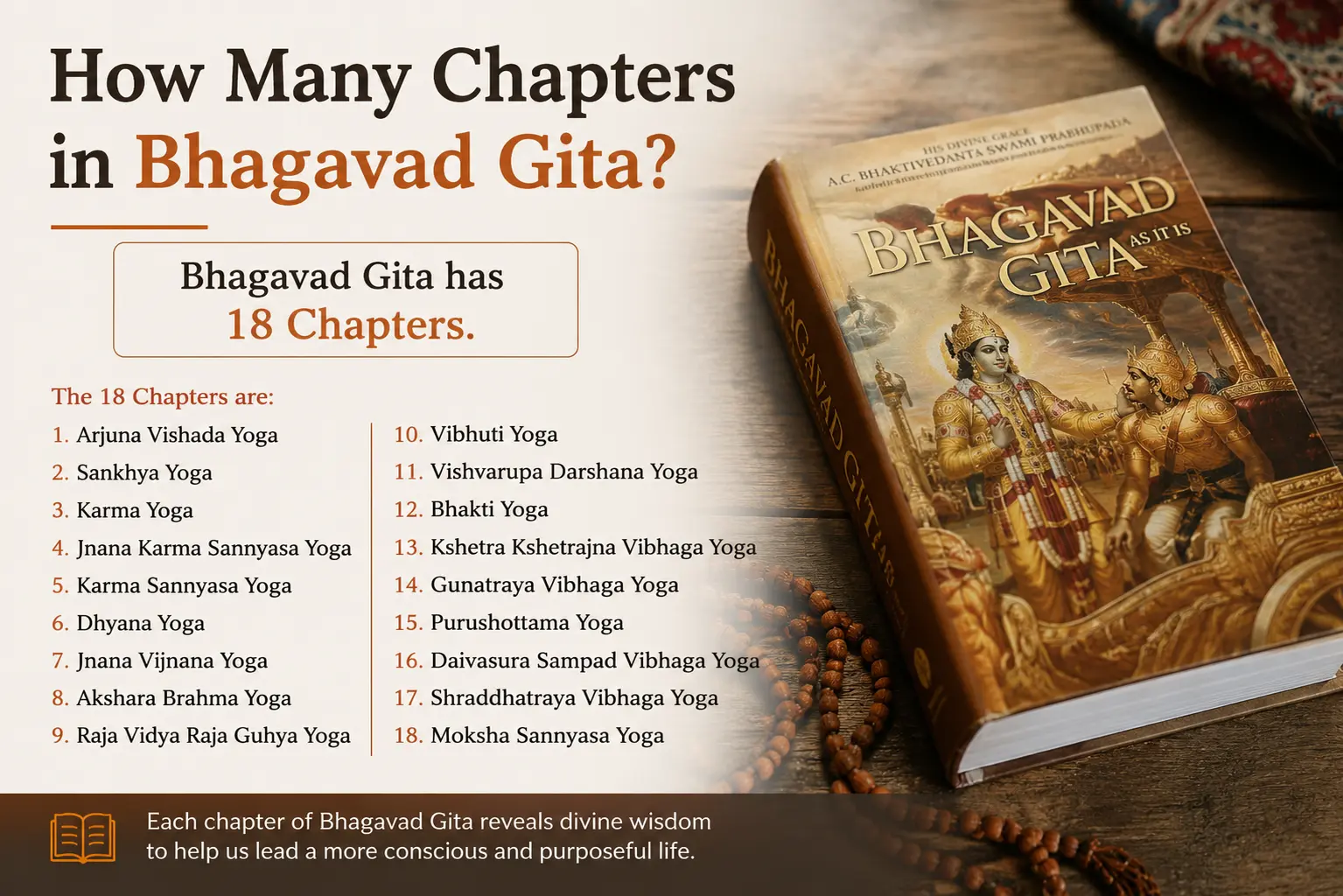
    The Bhagwat Geeta offers one of the earliest and most profound definitions of yoga. Unlike modern ideas that often reduce yoga to stretching or breathing exercises, the Geeta presents yoga as a complete approach to living. The phrase “definition of yoga according to Bhagwat Geeta” leads us straight into a deeper exploration of how Lord Krishna explained yoga to Arjuna on the battlefield of Kurukshetra.

    What Is Yoga in the Bhagwat Geeta?

    In Chapter 2, Verse 48, Krishna says: “Samatvam yoga uchyate” Yoga is balance of mind in success and failure. This line is not about postures. It speaks of evenness, equanimity, and detachment from the fruits of action.

    Yoga, in the Geeta, is about how one performs duties. It’s about keeping the mind steady, even when outcomes are uncertain. It focuses on awareness, not reward.

    Krishna’s Core Teachings on Yoga

    Lord Krishna defines yoga in several ways. Each highlights a different path:

    • Karma Yoga: Yoga through selfless action
    • Jnana Yoga: Yoga through wisdom and knowledge
    • Bhakti Yoga: Yoga through devotion
    • Dhyana Yoga: Yoga through meditation and concentration

    Though the paths differ, the core remains the same: inner discipline, mental clarity, and detachment from the result.

    Karma Yoga: Action Without Attachment

    The Geeta emphasizes Karma Yoga. This is the yoga of action. Krishna tells Arjuna: “You have the right to work, but not to the fruit of the work.”

    This teaching reminds us to act with dedication but without expecting anything in return. It’s not about giving up action, but about giving up the worry about results.

    When work is done as a duty, with full attention, and no craving for reward that is yoga.

    Samatvam Yoga Uchyate: The Yoga of Balance

    Balance is the center of Geeta’s definition of yoga. Whether success or failure comes, the yogi remains calm.

    In modern terms, this can mean:

    • Not getting too excited about praise
    • Not becoming low during criticism
    • Doing your best and accepting the outcome with grace

    Such balance brings inner peace. It also frees the mind from unnecessary stress.

    Yoga as Skill in Action

    Another famous verse (2.50) says: “Yogaḥ karmasu kauśalam” Yoga is skill in action. Here, yoga is not about renouncing the world but mastering the art of living in it.

    Skill in this context means:

    • Acting with full awareness
    • Using discretion and clarity
    • Knowing when to act and when to pause
    • Staying grounded amid distractions

    When action is done wisely, without ego, that is yoga.

    Detachment: A Core Pillar of Gita’s Yoga

    Yoga in the Bhagavad Gita teaches Vairagya detachment. This does not mean carelessness. It means staying involved without becoming attached.

    Krishna’s advice to Arjuna was not to escape the battlefield, but to act without emotional burden.

    This detachment is what allows a practitioner to serve, act, and lead while remaining peaceful inside.

    Comparison with Patanjali’s Yoga

    While Patanjali defines yoga as the cessation of mental fluctuations (yoga chitta vritti nirodhah), the Geeta defines it through practical life.

    Both agree on mental stability, but the Geeta emphasizes how one lives, acts, and thinks in daily life. It is not a path of retreat but a guide for action.

    Spiritual Growth Through Responsibility

    The Bhagavad Gita’s version of yoga supports personal growth through dharma, or righteous duty. It does not suggest withdrawal from family or work.

    Instead, it encourages individuals to act with integrity and serve without ego. This makes it ideal for those living regular lives, not just monks or hermits.

    Yoga for the Householder

    Krishna never told Arjuna to give up his life. He asked him to live it rightly. That’s the beauty of the Gita’s teaching.

    It applies to:

    • Teachers and students
    • Parents and children
    • Workers and leaders

    Anyone can practice yoga by doing their duties well and staying centered.

    Definition of Yoga Beyond the Mat

    In the Geeta, yoga is not about postures or breathing techniques. It’s about:

    • How you wake up and greet the day
    • How you treat others
    • How you handle joy and sorrow
    • How you stay focused without clinging

    This makes it a lifelong practice that fits into every part of your routine.

    How to Practice Gita’s Yoga Today

    1. Do your duty without craving for praise or fear of failure.
    2. Be mindful during actions whether cooking or leading a team.
    3. Keep the mind stable in success and setbacks.
    4. Practice silence and reflection daily.
    5. Remember: Yoga is not escape it is presence.

    Definition of Yoga According to Bhagwat Geeta in Simple Words

    To summarize: Yoga in the Gita means working sincerely, thinking clearly, acting wisely, and staying calm.

    It is not a set of poses. It is a way to live with balance, purpose, and detachment.

    Whether one follows the path of action, devotion, or meditation—the goal is the same: inner stillness.

    The definition of yoga according to Bhagwat Geeta is deeply rooted in real life. It is spiritual, yet grounded. It asks us to live fully and wisely.

    Yoga, as Krishna taught, is not to run away from life but to engage with it meaningfully. This is timeless wisdom for students, teachers, and seekers alike.

    FAQ: Definition of Yoga According to Bhagwat Geeta

    Q: What is the meaning of yoga in Bhagavad Gita?
    A: Yoga means mental balance, selfless action, and freedom from attachment.

    Q: How did Lord Krishna define yoga?
    A: He defined yoga as balance in mind and skill in action.

    Q: What is karma yoga?
    A: Karma yoga is doing one’s duty without attachment to results.

    Q: Does yoga in Gita include asanas or breathing?
    A: No. The Gita focuses on mental, ethical, and spiritual aspects of yoga.

    Q: Can householders follow Gita’s yoga?
    A: Yes. It’s designed for everyday living and responsibilities.

    Q: What is Samatvam Yoga?
    A: It is the yoga of equanimity—staying calm in success and failure.

    Q: How is yoga in Gita different from Patanjali’s yoga?
    A: Gita’s yoga focuses on action and balance, while Patanjali focuses on mind control.

    Q: Is Bhakti Yoga also in the Gita?
    A: Yes. Devotion to the divine is also a path of yoga in the text.v

  • Atha Yoga Anushashanam: Meaning of Yoga Sutra 1.1

    Atha Yoga Anushashanam: Meaning of Yoga Sutra 1.1

    Yoga does not start with a pose. It starts with a decision. The phrase Atha Yoga Anushashanam marks the beginning of that journey. This is the very first sutra in the Patanjali Yoga Sutras, one of the most respected texts in yoga philosophy.

    To see how this relates to daily life, read about discipline in yoga practice. Understanding the meaning of Atha Yoga Anushashanam helps us see yoga not just as exercise, but as a way of living with clarity, structure, and awareness.

    What Does “Atha Yoga Anushashanam” Mean?

    The phrase is made of three Sanskrit words:

    • Atha: now, thus, here begins
    • Yoga: union, discipline, a state of connection
    • Anushashanam: instruction, guidance, a structured teaching

    Together, it means “Now begins the instruction of yoga.” But there’s more to it than a simple beginning. It’s a signal of readiness. It suggests that the student is now prepared mentally and morally to walk the path of yoga.

    Why Does Patanjali Start With “Atha”?

    Patanjali could have started with a definition. Instead, he began with “Atha.” This word holds deep meaning in Sanskrit. It is not just a filler.

    “Atha” implies a sacred beginning. It also signals that the seeker has done prior work like study, reflection, or ethical living and is now ready to learn.

    In the Indian spiritual tradition, “Atha” is often used before the start of a serious practice. It’s not about time. It’s about inner readiness.

    “Anushashanam” – Instruction, Not Advice

    The word “Anushashanam” is often translated as instruction or discipline. It is not a loose suggestion. It carries the authority of a structured path.

    In this context, yoga is not casual. It is a guided system. The teacher shares, and the student receives with respect and commitment.

    This respect for discipline forms the heart of yogic life.

    Yoga Begins with Discipline

    Before poses, breath, or meditation, yoga begins with order. The Yoga Sutras do not start with benefits. They start with rules, because the path needs structure.

    The foundation of yoga is Yama and Niyama ethical rules and personal discipline. Without these, practice remains shallow.

    This is why Atha Yoga Anushashanam is more than a line. It’s a call to organize your inner and outer life before seeking depth in yoga.

    A Call to the Serious Student

    When Patanjali says, “Now begins the instruction of yoga,” it’s not an invitation to casual learning. It’s for the committed seeker.

    The seriousness of this first sutra shows that yoga is not a hobby. It is a lifelong path. And that path begins with readiness.

    Modern practitioners can reflect on their own life: Have I prepared? Am I ready to receive yogic instruction?

    Atha Yoga Anushashanam and Yogic Readiness

    Yogic readiness doesn’t mean physical flexibility. It means the mind is quiet enough to listen. The heart is humble enough to learn.

    This readiness is built over time through daily habits, through self-inquiry, and through the willingness to let go of ego.

    When that readiness arrives, atha becomes real. And the instruction can begin.

    Connection to the Eight Limbs of Yoga

    This sutra sets the tone for what follows the Ashtanga Yoga or Eight Limbs of Yoga. These are:

    1. Yama (ethical restraints)
    2. Niyama (inner discipline)
    3. Asana (posture)
    4. Pranayama (breath regulation)
    5. Pratyahara (withdrawal of senses)
    6. Dharana (concentration)
    7. Dhyana (meditation)
    8. Samadhi (absorption)

    Each of these limbs builds upon the previous. But none of them begin unless you begin with Atha the commitment to follow a disciplined path.

    Symbolism Behind the Opening Sutra

    The first sutra is like a door. Atha Yoga Anushashanam is the threshold you must cross.

    It tells you: leave behind distraction, leave behind pride. Step into a space where you can listen, learn, and apply.

    This is why many traditional teachers begin every serious teaching with this sutra. It marks the shift from theory to direct experience.

    Modern Reflections on an Ancient Teaching

    Even in today’s fast world, Atha Yoga Anushashanam stays relevant. It reminds us that yoga is not a quick fix.

    If you are truly ready to learn not just stretch, but grow then yoga can begin. But the beginning depends on you.

    Are you still scattered in thought? Then wait. When the mind settles and discipline sets in, then the path opens.

    How to Apply Atha Yoga Anushashanam in Daily Life

    1. Start your day with intent. Let each morning be your “atha.”
    2. Respect routine. Follow a basic rhythm for practice, meals, and sleep.
    3. Practice ethics. Without yama and niyama, physical yoga loses depth.
    4. Pause before you act. Let the mind settle before speaking or reacting.
    5. Reflect often. Are you approaching yoga as a student or a consumer?

    These small steps bring the sutra to life.

    The Difference Between Learning and Receiving

    In modern times, learning is often about gathering information. But yogic instruction is different.

    Anushashanam is not just knowledge it is guidance passed on with trust. It’s more about being shaped than being informed.

    To receive yoga fully, the seeker must be quiet, present, and willing to be guided.

    Atha Yoga Anushashanam in Yoga Teacher Training

    This sutra holds special value for teacher training programs. It is the foundation on which all other teachings rest.

    Many teachers begin the first session of YTT by reciting or explaining this verse. It helps set a serious tone. It also reminds trainees that teaching yoga starts with living yoga.

    If trainees enter the course with inner readiness, the knowledge received becomes lasting.

    Final Thoughts on Atha Yoga Anushashanam

    Yoga begins now but only if you are truly ready. Atha Yoga Anushashanam is not a passive phrase. It’s a signal. A vow. A doorway.

    It reminds every student, from beginner to teacher, that discipline and sincerity are the first steps. It also brings the weight and beauty of tradition into every class, every breath, every moment.

    Now begins yoga if you are listening.

    FAQ: Atha Yoga Anushashanam

    Q: What is the meaning of Atha Yoga Anushashanam?
    A: It means “Now begins the instruction of yoga.” It marks readiness for disciplined yogic learning.

    Q: Why is “atha” important in yoga?
    A: “Atha” signals a sacred beginning. It implies the student is now prepared to receive spiritual instruction.

    Q: What does “anushashanam” mean?
    A: It means instruction or discipline. It shows that yoga must be taught with structure and authority.

    Q: Is this sutra only for advanced students?
    A: No. It’s for any sincere seeker ready to follow the yogic path with discipline.

    Q: How is this relevant in daily life?
    A: It reminds us to start our day and practice with intention, structure, and sincerity.

    Q: Should yoga teacher training begin with this sutra?
    A: Yes. It sets the tone for disciplined learning and respect for yogic tradition.

    Q: Is this phrase used in chanting or rituals?
    A: Often, yes. Many teachers recite this before formal teaching begins.

  • Yoga for Creativity: Focus, Movement and Creative Blocks

    Yoga for Creativity: Focus, Movement and Creative Blocks

    Creativity and yoga may seem unrelated at first. But when practiced with attention, yoga naturally supports creative thinking and mental clarity. This connection has been observed by artists, writers, musicians, and thinkers for generations.

    For a steady practice, see our yoga and discipline guide. Yoga quiets the noise. Creativity rises in silence. That’s why yoga helps many people unlock new ideas without trying too hard.

    How Yoga Helps Creative Thinking

    Yoga clears the mind. The breath slows down. The body becomes calm. This calmness allows space for new thoughts to appear.

    Many creative blocks come from stress. Yoga works against that. It reduces anxiety and helps the brain focus. When you feel safe, your ideas begin to flow.

    Creative people often have too many thoughts. Yoga slows that flow, so the best ideas rise to the surface.

    Yoga for Creative Professionals

    Writers, artists, designers, and musicians use yoga to stay centered. Sitting too long or thinking too much can cause mental fatigue.

    Yoga breaks that pattern. A short flow or a breathing session resets the brain. It brings focus without pressure.

    Many studios now offer yoga for writers and yoga for artists. These sessions often include breathwork, meditation, and gentle movement.

    Best Yoga Poses to Support Creativity

    Not all yoga poses are the same. Some are better for rest. Others are great for focus. Here are a few simple poses that support creative energy:

    • Child’s Pose (Balasana): Calms the nervous system and soothes the mind.
    • Seated Forward Fold (Paschimottanasana): Encourages inner quiet and reflection.
    • Tree Pose (Vrikshasana): Improves balance and concentration.
    • Legs-Up-the-Wall (Viparita Karani): Relieves fatigue and refreshes mental space.
    • Cat-Cow Stretch (Marjaryasana-Bitilasana): Loosens the spine and refreshes thinking.

    These poses aren’t hard. What matters is doing them slowly and mindfully.

    Using Breathwork to Support Imagination

    Breath and creativity are deeply linked. Quick breath signals stress. Slow breath signals peace. Creative work needs peace.

    Try this practice:

    • Sit still. Close your eyes.
    • Inhale for four counts.
    • Exhale for six counts.
    • Repeat for five minutes.

    This helps reset the nervous system. Over time, it becomes easier to focus and imagine new ideas.

    Meditation for Creative Clarity

    Meditation is not about emptying the mind. It’s about watching the mind without chasing every thought.

    For creative people, this helps clear out noise. It also helps see which ideas are worth keeping.

    Start with five minutes. Sit quietly. Focus on the breath. Let ideas come and go.

    Some people use a notebook after meditation to write down ideas. That’s often when the clearest ones appear.

    Yoga for Overcoming Creative Blocks

    Creative blocks are common. They come from fear, doubt, or burnout. Yoga helps break them gently.

    Movement returns you to the body. Breath calms the mind. Together, they create space for new thinking.

    Instead of fighting the block, yoga teaches you to pause. In that pause, fresh ideas often appear on their own.

    Why Yoga Improves Focus

    Creativity without focus can feel messy. Yoga brings order. A clear body and calm breath make it easier to work with ideas.

    Even a short daily yoga session helps with focus. It teaches you to stay present, one breath at a time.

    This focus transfers to writing, painting, designing, or any other creative work.

    Yoga Nidra for Creative Visualization

    Yoga Nidra is a deep rest practice. It involves lying still and listening to guided words. The body sleeps, but the mind stays aware.

    This state is useful for creative insight. Many use Yoga Nidra to solve problems or imagine new projects.

    Try it before sleep or during a break. Ten to twenty minutes is enough.

    Creativity and the Yogic Mind

    The yogic mind is not just about silence. It’s about clear seeing. A quiet mind does not mean a blank mind. It means fewer distractions.

    In yogic philosophy, sattva is the quality of clarity and harmony. Sattva supports creativity. Yoga builds sattva.

    When the mind is clear, your inner voice becomes stronger. That’s the voice most creative people try to hear.

    Yoga Retreats for Artists and Writers

    Some retreats now combine yoga with creative workshops. They include journaling, drawing, or movement improvisation.

    The mix works well. A morning yoga session prepares the mind. Afternoon sessions allow ideas to flow freely.

    These retreats are not about performance. They are about reconnecting with the creative self.

    Daily Yoga Routine for Creative Balance

    Here’s a simple routine that supports daily creativity:

    1. Wake up and stretch slowly.
    2. Do 5 minutes of breathwork.
    3. Move through 3–5 calming poses.
    4. Sit for short meditation.
    5. Write or create right after.

    Even if done in 20 minutes, this routine builds steady creative energy over time.

    Movement and Imagination: The Body-Mind Link

    Sitting still too long can dull the brain. Moving the body wakes it up. Movement helps free stuck thoughts.

    Creative people often feel better after walking, stretching, or dancing. Yoga offers structured movement that also calms.

    This is why so many ideas come after a class, not before.

    Yoga for Creative Teams and Workspaces

    Some workplaces use yoga to support innovation. Group sessions before brainstorming help teams stay grounded and open.

    Simple breathing or stretching exercises can be done at desks. The goal is not exercise—it’s better thinking.

    Creativity often improves when the group feels relaxed and alert.

    Final Thoughts on Creativity and Yoga

    Creativity and yoga are closely linked. Yoga offers calm, space, and focus. These are the seeds of all creative work.

    Whether you’re writing, painting, coding, or solving problems, yoga helps clear the way. It’s not about forcing ideas. It’s about making space for them to arrive.

    In this space, the mind works naturally. Ideas come not from effort, but from presence.

    FAQ: Creativity and Yoga

    Q: How does yoga help creativity?
    A: It calms the mind, supports focus, and creates space for new thoughts to rise naturally.

    Q: What yoga poses are best for creativity?
    A: Child’s pose, tree pose, seated forward fold, and legs-up-the-wall are helpful.

    Q: Can yoga help with writer’s block?
    A: Yes. Yoga reduces stress and helps ideas flow again without pressure.

    Q: What kind of yoga helps creative work?
    A: Gentle hatha, breathwork, and yoga nidra all support imagination and clarity.

    Q: How long should I practice to feel creative benefits?
    A: Even 15–20 minutes daily can improve focus and help spark ideas.

    Q: Is there science behind yoga and creativity?
    A: Yes. Studies show yoga improves brain function, reduces stress, and supports mental clarity.

    Q: Can I combine yoga and journaling?
    A: Absolutely. Many find their best ideas appear after a short practice.

  • Three Person Yoga: Safe Trio Yoga for Friends and Family

    Three Person Yoga: Safe Trio Yoga for Friends and Family

    Yoga is often thought of as a solo practice. But it can also bring people together. Three person yoga is a shared practice where three individuals move, balance, and stretch in unison. It encourages teamwork, trust, and laughter.
    Whether it’s friends, family, or fellow students, practicing yoga in a trio offers a unique way to connect. It’s more than just posing together. It’s about breathing together and staying present with each other.

    What Is Three Person Yoga?

    This is a group yoga that involves three people working together to hold poses. Some poses build strength. Others develop balance. A few just feel fun.

    This practice is a part of the larger partner yoga tradition. It’s sometimes linked with AcroYoga, where groups perform more dynamic, balanced movements. But not all trio yoga is acrobatic. Many poses are safe, grounded, and accessible.

    This type of yoga is perfect for retreats, workshops, or even at home with friends. It creates shared joy and teaches group coordination.

    Benefits of Practicing Yoga with kids and Family

    One benefit of yoga together is increased body awareness. Each person must stay aware of their partners. Movement becomes more mindful.

    It also builds communication skills. Holding a trio yoga pose requires verbal cues, eye contact, and sometimes laughter.

    It fosters trust. Balancing with others demands letting go of fear. Over time, this builds confidence and a deeper bond among participants.

    Popular Poses to Practice with 3 people

    Yoga Poses for Three People

    Here are a few commonly practiced trio yoga poses:

    • Triple Downward Dog: One person stands, other places feet on their back, and the third stacks above. This builds balance and support.
    • Three-Way Boat Pose: All three sit in a circle and hold each other’s wrists. They lift legs to form a triangle.
    • Group Tree Pose: Everyone stands in a circle, lifts one leg, and joins hands for stability.
    • Pyramid Stack Pose: One person kneels, other climbs on their back, and the third forms the top level.

    Safety is key. Always warm up first and begin with simple partner yoga poses.

    How to Start Practice with 3 people

    Begin with trust. Choose people who feel comfortable with each other. Communication matters. Talk about limits and preferences beforehand.

    Start slowly. Begin with group stretches or basic yoga positions. Focus on stability before moving to more playful poses.

    Use a mat or soft surface. A park, studio, or open living room all work well. Make sure there’s enough space around.

    Practice patience. Trio yoga is not about perfect shape. It’s about staying present and moving together.

    Is Trio Safe for Beginners?

    Yes. Beginners can safely enjoy trio yoga when done with care. Avoid complicated lifts or stacked balances at first.

    Choose poses that support all three people evenly. For example, sitting poses or shared standing poses are ideal.

    Beginners should always warm up, use a padded surface, and stop if they feel discomfort. Listening to each other is key.

    A qualified yoga teacher can guide a safe session. But for casual practice, simple poses with clear communication work fine.

    Family Yoga for Kids and Families

    Kids love yoga with parents. It feels like a game. It builds body awareness, focus, and teamwork without pressure.

    Families can use trio yoga to bond and spend quality time together. It adds a playful element to routines.

    Choose simple shapes. Avoid lifts. Try sitting in a triangle and reaching forward together. Make poses light-hearted.

    Even a few minutes of group yoga can bring joy and calm to a busy day.

    AcroYoga and Trio Yoga: What’s the Difference?

    AcroYoga often includes flying poses, where one person lifts another off the ground. Trio AcroYoga uses three people to add creativity and safety.

    Group Yoga, however, doesn’t need to be acrobatic. Many groups pose focus on balance, breath, and connection.

    Not every trio yoga pose is flashy. Some of the most meaningful ones involve stillness and quiet cooperation.

    Practicing Trio Yoga in Retreats and Workshops

    Yoga retreats and group classes are ideal for trio yoga. It builds group energy and helps strangers become friends.

    Instructors may use games, circle formations, or mirrored poses to increase participation. It becomes a shared memory.

    Partner yoga workshops often include three person yoga segments. They promote interaction and help break the ice.

    Tips to Practice Trio Yoga Smoothly

    • Use names: Call out names during poses to stay coordinated.
    • Communicate: Talk before, during, and after poses. Clarity prevents confusion.
    • Adjust slowly: Move into poses step by step. Never rush.
    • Stay relaxed: Keep the mood light. Laughter is part of the practice.
    • Respect limits: Each body is different. Avoid forcing any pose.

    Yoga Games and Icebreakers for Three People

    Adding games to your yoga session keeps it fun and relaxed. These activities help build confidence and group flow:

    • Pose Relay: One person holds a pose while others mimic it one by one.
    • Mirror Movement: One person leads, the others follow every motion.
    • Balance Challenge: Use shared props to test stability in trio poses.

    These light games improve focus, memory, and coordination.

    Family and Group Yoga in Yoga Teacher Training

    Many yoga teacher training courses include partner or group yoga workshops. Understanding group yoga adds variety to teaching tools.

    Instructors can introduce it as a way to build community in group settings. It also supports creative sequencing.

    Knowledge of trio yoga improves a teacher’s ability to engage students in workshops or family yoga sessions.

    Upcoming Traditional Multi-Style 200 Hour Yoga Teacher Training

    Upcoming Traditional Multi-Style 200 Hour Yoga Teacher Training

    Date Shared Room Book Private Room Book

    Group Yoga for Wellness and Team-Building

    Outside of yoga studios, trio yoga works well for workplace wellness programs and team-building events. It supports stress relief and positive interaction.

    It is especially helpful in programs that focus on communication and mindfulness. The group must stay in sync to succeed.

    Adding it to retreats or corporate events brings a refreshing and interactive element to the schedule.

    Final Thoughts

    Three-person yoga is a creative and joyful way to practice. It teaches patience, trust, and connection. It’s more than exercise it’s about being present with others.

    From trio poses to partner games, this form of yoga opens space for cooperation and shared calm. It’s suited for friends, families, students, and yoga teachers alike.

    With safety, communication, and a playful spirit, three person yoga becomes an enjoyable and enriching practice.

    FAQ: Three People Yoga

    Q: What is three person yoga?
    A: It’s a group yoga practice involving three people holding poses together with coordination and balance.

    Q: Can beginners do yoga together?
    A: Yes. Start with simple poses, communicate clearly, and avoid lifts until confident.

    Q: Is three people yoga the same as AcroYoga?
    A: Not always. AcroYoga includes lifts and flying. Three person yoga can be simple and grounded.

    Q: What are some good poses for three people?
    A: Try triple downward dog, boat pose triangle, or circle tree pose.

    Q: Is trio yoga safe for kids?
    A: Yes, when done with gentle, seated or standing poses. Avoid advanced movements.

    Q: Do yoga teacher trainings include partner yoga?
    A: Many do. Partner and group yoga helps build classroom connection.

    Q: Where can I practice three person yoga?
    A: At home, in retreats, parks, studios, or family gatherings. A soft surface and open space are key.