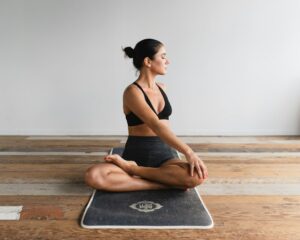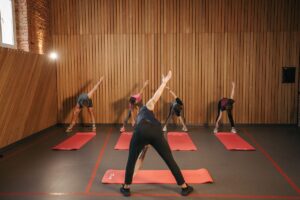

If you cannot sleep at night, gentle yoga may help you slow down before bed. Soft movement, a comfortable resting position, and quiet breathing can make your evening less demanding. Yoga may improve sleep quality for some people, but it is not a cure for chronic insomnia. Try this simple ten-minute routine, and learn when persistent sleep problems need professional support.
Can gentle yoga improve your sleep?
Gentle yoga gives you a simple way to move from a busy evening toward rest. You can use comfortable positions, slow movement, and quiet awareness without trying to tire yourself out. Research suggests some sleep-quality benefits, although results differ between groups and methods. One particular yoga pose has not been proven to treat chronic insomnia.
The US National Center for Complementary and Integrative Health discusses evidence on yoga and sleep. A calm evening practice may be a useful habit, but stronger evidence supports cognitive behavioral therapy for insomnia, called CBT-I, for persistent insomnia. Use yoga as a supportive choice rather than a substitute for care.
Why might you feel tired but unable to fall asleep?
Worry, changes in routine, discomfort, late caffeine, and bright light may affect how ready you feel for sleep. When you start worrying about not sleeping, bedtime can become frustrating. A simple routine gives you something gentle to do, but it cannot explain every cause of insomnia. Notice whether you struggle with falling asleep, waking often, or waking too early.
A short sleep diary can help you see patterns without trying to measure every minute. If you snore loudly, wake gasping, or feel unusually sleepy during the day, ask a clinician about possible sleep conditions. These symptoms need more than a longer yoga routine.
A gentle ten-minute bedtime yoga routine
Start with one minute of quiet sitting. Spend two minutes moving through easy seated Cat-Cow, then rest for two minutes in a supported position. Follow with two minutes of unforced breathing and three minutes of Savasana or another comfortable rest. You can practise on a mat or use a chair for the whole sequence. Keep each movement pain-free.
This routine is a starting point, not a strict prescription. If kneeling makes your knees uncomfortable, skip Child’s Pose. If lying flat causes reflux, raise your upper body or remain seated. The most helpful practice may be a shorter one you can repeat without effort.
Seated Cat-Cow to ease into rest
Sit on a stable chair with both feet supported. Breathe in gently as you lift your chest a little and allow a small arch through the upper back. Breathe out while rounding the back slightly. Move within a comfortable range for several breaths. Do not strain your neck or try to produce a large stretch.
Some people find this small movement pleasant after hours of sitting. Others prefer quiet shoulder rolls or no movement at all. The pose does not directly make your brain fall asleep. It gives you a simple transition between daily activity and settling down.
Supported Child’s Pose or a chair alternative
Kneel only if your knees and hips feel comfortable. Place a pillow beneath the chest and rest forward without pushing your hips downward. Keep your breathing easy. If kneeling does not suit you, sit in a chair and lean your forearms onto a table with a folded blanket for support. Stay for about two minutes or less.
Neither position should cause joint pain, pressure, or breathing difficulty. People with reflux may feel better upright. You can replace this stage with supported sitting and still have a complete evening practice. Comfort matters more than copying a photograph or holding a named posture.
Savasana and gentle breathing before bedtime
Lie on your back with a pillow beneath the knees, or settle onto your side if you prefer. Allow your arms and shoulders to rest. Notice the natural rise and fall of the chest and ribs without trying to slow everything down. Spend a few minutes following simple sensations. You can close your eyes or keep a soft gaze.
If counting breaths feels soothing, use a short comfortable count. If it makes you more alert, let it go. Some people enjoy a guided relaxation called Yoga Nidra. Our Yoga Nidra beginner guide explains that separate practice in more detail.
What if you wake in the middle of the night?
Brief awakenings are common. Try to keep lights dim and avoid checking the clock repeatedly. If you remain awake and become frustrated, leave the bed for a quiet activity until you feel sleepy again. Return when you feel ready. Do not start an intense yoga workout in the middle of the night.
A few comfortable breaths may help, but you do not have to repeat an entire sequence each time you wake. If waking often becomes a pattern, consider discussing it with a clinician. Persistent insomnia may respond better to structured treatment than to adding more relaxation exercises.
Everyday habits that matter alongside yoga
A fairly regular wake time can help support a stable routine. Get daylight during the day, move your body when possible, and consider whether caffeine late in the afternoon affects your sleep. Keep the bedroom comfortable, dark, and quiet. Avoid making bedtime another task with a long list of rules.
Choose one or two changes you can actually maintain. A ten-minute yoga routine works best when it fits naturally into your evening. Our guide to practising yoga at night offers additional practical advice about timing and intensity.
When should you seek help for poor sleep?
Talk to a qualified clinician when poor sleep continues, affects your concentration, or makes daily life difficult. Mention snoring with breathing pauses, pain, medications, or emotional distress. These clues may help identify problems yoga cannot address. Chronic insomnia often needs targeted treatment, with CBT-I recommended as first-line care.
Gentle yoga can remain part of an evening wind-down routine while you pursue treatment. Do not stop prescribed medicine without clinical guidance. If daytime sleepiness makes driving unsafe, take the risk seriously. Your aim is safe, adequate sleep rather than proving a relaxation method works every night.
Read more at this public health reference, including safety considerations and the limits of current evidence.
Common questions
Can I practise bedtime yoga on my bed?
Simple rest and gentle breathing may work on a comfortable bed. Use a stable floor or chair for movements that need support or balance. Avoid standing on a soft mattress. If lying flat causes reflux or pain, choose a supported seated position. Your routine does not need to match a photograph to be useful. The safest position is the one you can hold comfortably.
How many minutes should I do yoga before bed?
Five to ten easy minutes can be a reasonable starting point. There is no proven magic duration that guarantees sleep. You can try a minute of sitting, a few simple movements, and some supported rest. Stop if the practice increases discomfort or makes you more alert. A short routine that fits your evening is easier to repeat than a long, demanding class.
Can yoga cure chronic insomnia?
No. Some studies suggest yoga may improve sleep quality, but that does not establish it as a cure for chronic insomnia. CBT-I is recommended as first-line treatment for persistent insomnia. Seek professional assessment if you struggle to sleep regularly or your daytime life suffers. You may still use gentle yoga for comfort alongside appropriate medical care.
Is Yoga Nidra the same as sleep?
No. Yoga Nidra is a guided awareness and deep-rest practice. Some people stay awake throughout it, while others become drowsy or fall asleep. It does not replace the body’s need for ordinary sleep. You can use a short recording as part of winding down, but avoid claims that a few minutes equal many hours of sleep. Our dedicated article explains the steps and evidence.
What if yoga makes me feel more awake?
Move the practice earlier, reduce the intensity, or choose quiet rest rather than active poses. People respond differently to evening exercise, and you do not need to follow a routine that feels unhelpful. Avoid strong breathing or complicated counts before bed if they keep you alert. Persistent sleep problems may have other causes and deserve suitable medical assessment.
Final thoughts
Start with a short, comfortable practice and notice whether it suits you. Do not force an exercise or expect it to replace professional care. For another FitFortunes guide on this topic, visit this related article. Keep the next step realistic for your needs and your day.