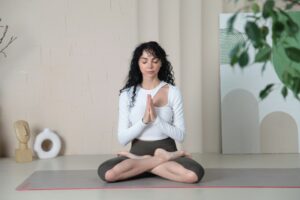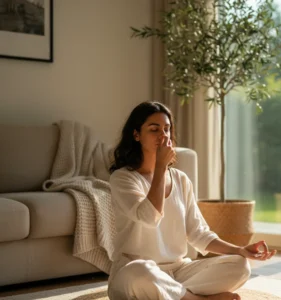
Yoga for mind-body harmony combines comfortable movement, ordinary breathing and steady attention. Begin with a few familiar poses and quiet rest. The aim is to notice how you move and respond, rather than produce perfect calm or cure a condition. This guide explains ten common postures, simple modifications and a short routine you can adapt to your day.
Table of Contents
What is Yoga?
Yoga for Inner Peace and Physical Fitness is a mind-body practice that started in ancient India. The word “yoga” comes from the Sanskrit word “yuj,” meaning to unite or join. Yoga aims to connect the mind, body, and spirit, making it a practice that promotes both physical and mental wellness. Practice needs adaptation to the person, their mobility and health. A class label alone does not establish suitability.
How Can Yoga Support Mind-Body Balance?
Yoga can combine movement, breathing and attention in one routine. The goal is not perfect calm. It is learning how to move, breathe and focus with less unnecessary effort.
A Simple 10-Minute Mind-Body Practice
- Easy breathing — 2 minutes
- Cat-Cow — 2 minutes
- Standing balance — 2 minutes
- Gentle forward fold — 2 minutes
- Quiet rest — 2 minutes
See our yoga life balance guide, yoga vs meditation, and Yoga for a 9–5 job.
- Improved Flexibility and Strength: Yoga poses (asanas) target various muscle groups, enhancing flexibility and strength.
- Enhanced Mental Focus and Reduced Stress: Yoga encourages mindfulness and self-awareness, helping to reduce stress and improve mental clarity.
- Mind-Body Connection: Yoga promotes a sense of tranquility and balance, allowing you to connect with your inner self.Learn more about Yoga & Meditation
Who Can Practice Yoga?
One of the greatest aspects of yoga is its inclusivity. Whether you’re a beginner or experienced, young or old, fit or just starting out, yoga can be adapted to suit your needs. Yoga poses can be modified to accommodate individual capabilities, but no posture or class is appropriate for everyone. Health conditions and previous injuries may require individual modifications.
Popular Yoga Poses
Here are some common yoga poses to get you started:
Starting your yoga journey can be both exciting and a bit overwhelming. Here are 10 simple yoga poses perfect for beginners. These Yoga Poses are easy to learn and provide a great foundation for your practice.
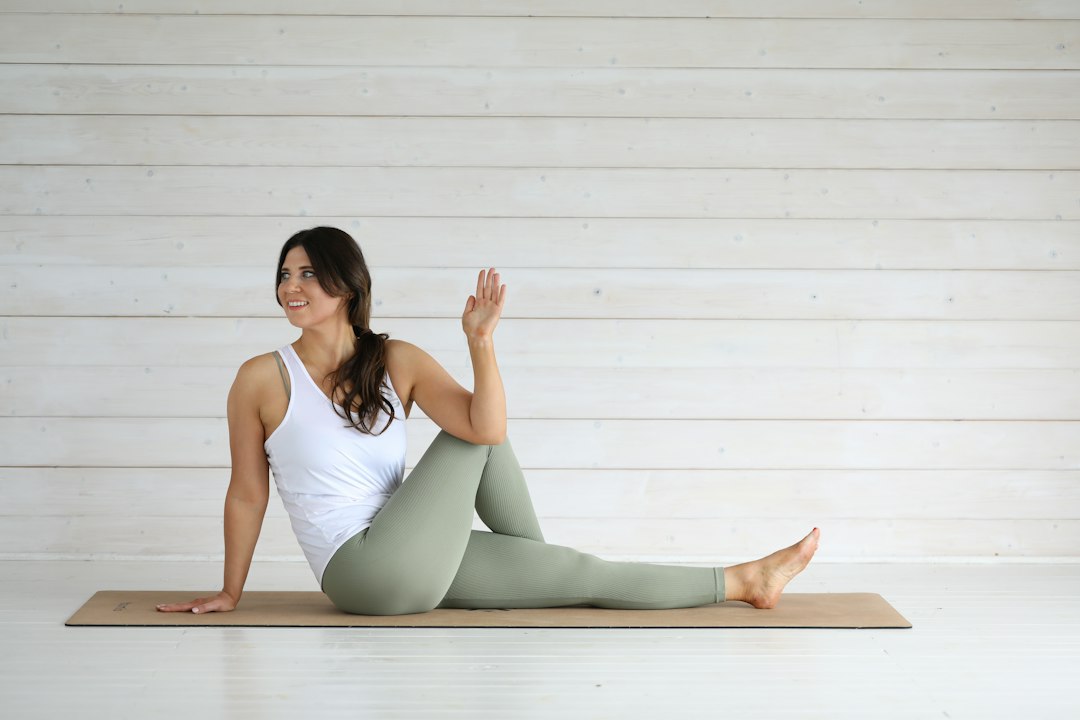
1. Mountain Pose (Tadasana)
How to do it:
- Stand tall with your feet together.
- Arms by your sides, shoulders relaxed.
- Distribute your weight evenly across both feet.
- Breathe naturally and notice contact with the floor. Use a chair for support if balance feels uncertain.
Benefits:
- Improves posture.
- Increases awareness and balance.
2. Downward-Facing Dog (Adho Mukha Svanasana)
How to do it:
- Start on your hands and knees.
- Lift your hips up towards the ceiling, forming an inverted V-shape.
- Keep your hands shoulder-width apart and feet hip-width apart.
- Relax your head and neck.
Benefits:
- Stretches the entire body.
- Strengthens arms and legs.
3. Child’s Pose (Balasana)
How to do it:
- Kneel on the floor, sit back on your heels.
- Lower your chest to your thighs and stretch your arms forward.
- Rest your forehead on the ground.
Benefits:
- Relieves stress and tension.
- Gently stretches the back and hips.
4. Cat-Cow Pose (Marjaryasana-Bitilasana)
How to do it:
- Start on your hands and knees.
- Inhale, arch your back (Cow Pose), lifting your head and tailbone.
- Exhale, round your back (Cat Pose), tucking your chin and tailbone.
Benefits:
- Increases flexibility in the spine.
- Offers gentle spinal movement.
5. Cobra Pose (Bhujangasana)
How to do it:
- Lie on your stomach, hands under your shoulders.
- Inhale, lift your chest off the ground, keeping elbows close to your body.
- Press your legs and pelvis into the floor.
Benefits:
- Strengthens the spine.
- Moves the upper trunk gently.
6. Tree Pose (Vrikshasana)
How to do it:
- Stand tall, shift your weight onto one foot.
- Place the sole of your other foot on your inner thigh or calf (avoid the knee).
- Bring your hands together at your chest or raise them overhead.
Benefits:
- Improves balance.
- Strengthens legs and core.
7. Seated Forward Bend (Paschimottanasana)
How to do it:
- Sit with your legs extended in front of you.
- Inhale, lengthen your spine.
- Exhale, bend forward from your hips, reaching for your feet or shins.
Benefits:
- Stretches the spine and hamstrings.
- Calms the mind.
8. Bridge Pose (Setu Bandhasana)
How to do it:
- Lie on your back, knees bent, feet flat on the floor.
- Place your arms by your sides.
- Inhale, lift your hips towards the ceiling, keeping your feet and shoulders grounded.
Benefits:
- Strengthens the back and glutes.
- Opens the chest and hips.
9. Butterfly Pose (Baddha Konasana)
How to do it:
- Sit with your feet together and knees bent, allowing your knees to fall to the sides.
- Hold your feet with your hands.
- Sit comfortably and support the knees if needed. Do not push them down.
Benefits:
- Stretches the inner thighs and hips.
- Improves flexibility.
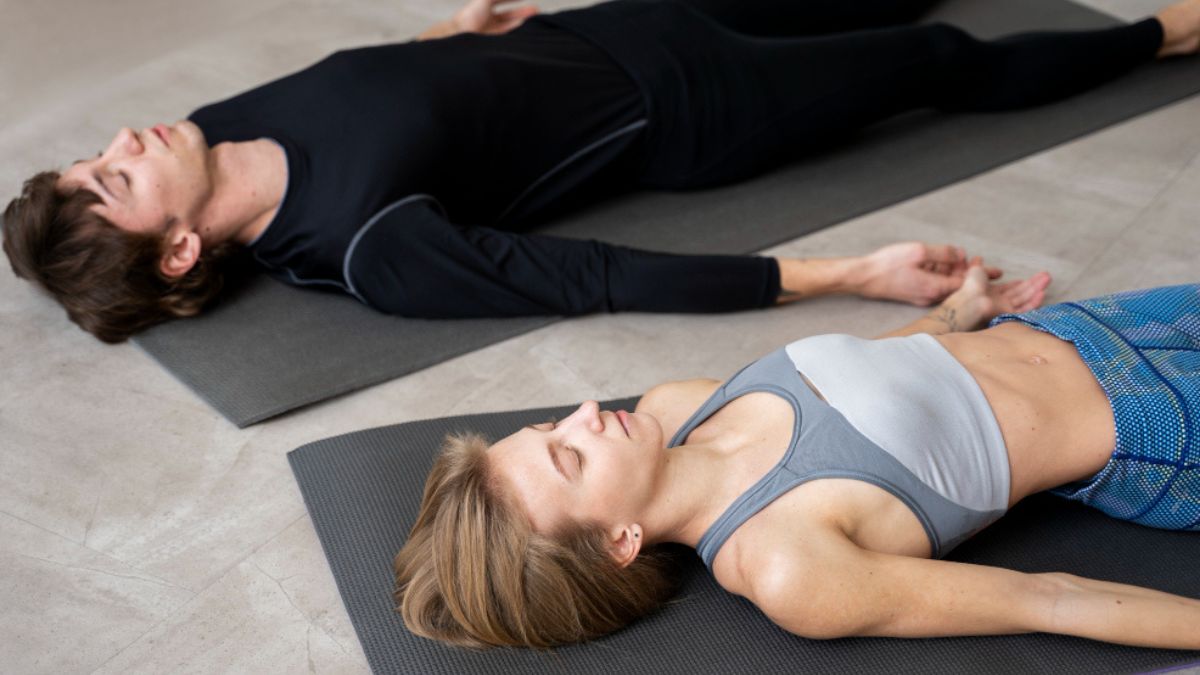
10. Corpse Pose (Savasana)
How to do it:
- Lie flat on your back, arms by your sides, palms facing up.
- Close your eyes and relax your entire body.
- Focus on your breath.
Benefits:
- Promotes relaxation.
- Offers an opportunity for quiet rest.
Consistency is Key
The secret to getting the most out of yoga is doing it regularly, even for a little bit each day. Think of it like watering a plant – a little sprinkle every day keeps it healthy, but if you forget for a long time, it might wilt. Aim for 20-30 minutes of yoga most days, but even if you only have 10 minutes, that’s still great! The important thing is to find a routine that fits your life. You can practice at a yoga studio with a teacher, join a free yoga class in your community park, or follow yoga workouts online. There are tons of options to find what works best for you
How can you adapt yoga for mind-body harmony?
Make one change at a time. Use a chair for balance, practise Cat-Cow while seated, keep the knees bent in a fold and choose a small backbend. Quiet sitting can replace a posture that causes discomfort. Comfortable breathing matters more than matching a fixed count. If observing the breath makes you anxious, listen to room sounds or keep your eyes on a familiar point instead.
In classical yoga, steady practice and ethical conduct have a wider purpose than a fitness routine. Modern research on yoga examines particular programmes and health outcomes. Those are different ways of understanding practice. The NCCIH yoga review explains evidence and safety limits; it does not establish a cure or guarantee inner peace from a pose.
How can you begin this week?
- Choose a comfortable time and a stable surface.
- Try the ten-minute sequence, shortening it when needed.
- Record one observation about comfort, breathing or attention.
- Repeat a manageable routine rather than adding harder poses immediately.
- Seek guidance when pain, fear or a health condition changes your practice.
For more detailed movement cues, read our mind-muscle connection guide. If you want guided study of posture, breathing and philosophy, see the FitFortunes 200-hour course. Teacher training is a study programme, not medical treatment.
Frequently asked questions
Do I need to feel calm throughout yoga?
No. Restlessness, ordinary thoughts and effort can still be present during practice. Yoga for mind-body harmony is a way to observe and respond to those experiences, not a requirement to suppress them. Keep the routine manageable and adjust positions or attention when needed. If a practice causes persistent distress, stop and seek appropriate guidance rather than using willpower to force it.
Can I use a chair for this routine?
Yes. A chair can support sitting, small spinal movements, standing balance and quiet rest. Choose one that is stable and place it where it cannot slide. You can practise fewer poses and keep a complete short routine. The chair yoga guide explains options and evidence. Suitability depends on your needs rather than your age alone.
Is yoga enough for every fitness goal?
No. A gentle routine may support movement and attention, but may not provide all the strength or aerobic activity you need. Class intensity and duration vary. Combine practice with appropriate daily activity and recovery. Our yoga and strength-training guide explains the overlap and limitations. Choose activities that match your ability and goals.
What symptoms mean I should stop?
Stop for sharp pain, numbness, dizziness, unusual weakness or breathing difficulty. Reduce effort before you become unable to control a movement. Persistent or unfamiliar symptoms need appropriate assessment. A yoga teacher can adapt a class, but should not diagnose a medical condition. Comfortable variations and a smaller routine are valid choices; advanced poses are not required.