
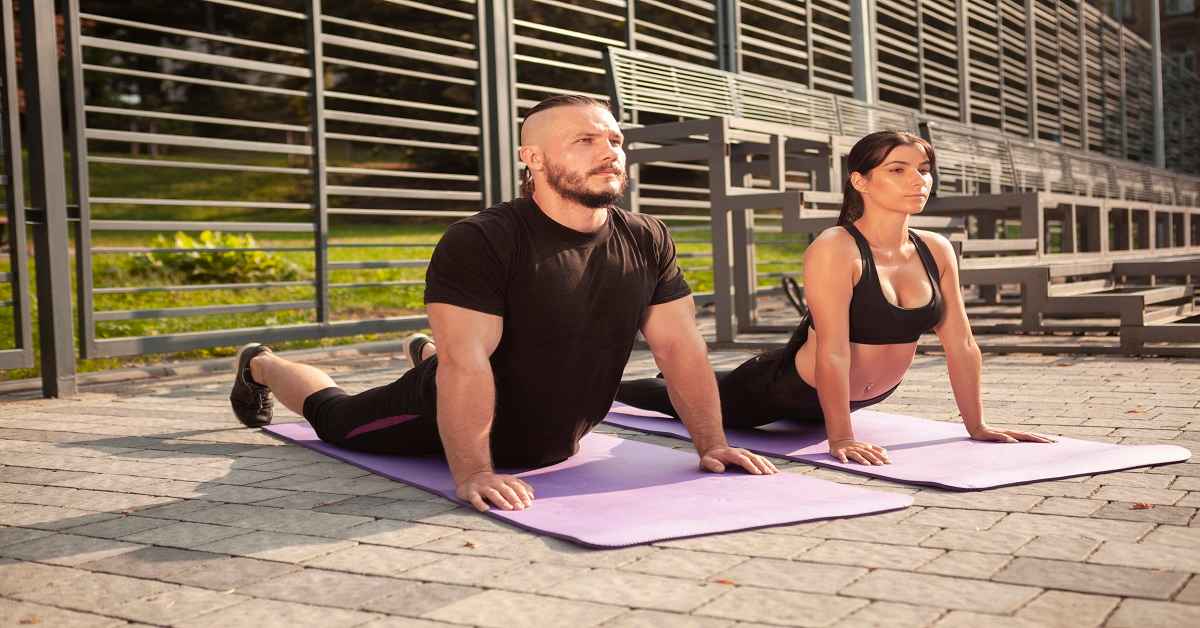
I didn’t come to yoga to get enlightened. I came because my back hurt, my mind was noisy, and life felt stuck.
But slowly, through the breath, through the postures, and through sitting with myself in silence, something deeper started happening.
That’s what this blog is about. Not the kind of enlightenment you read about in books. But the real kind. The one that creeps up on you in between poses, when you least expect it.
Because yoga and enlightenment aren’t separate. One is the path. The other is the unfolding.
What is Enlightenment, Really?
People imagine enlightenment like fireworks a grand event. But the more I practiced, the more I learned it’s not that at all. It’s a slow peeling away. You don’t become someone else. You stop pretending. You stop reacting. You start listening to your breath, your body, your heart.
Enlightenment isn’t about becoming light. It’s about dropping the weight.
And yoga? Yoga gives you the tools to do just that one breath at a time.
The Old Way of Yoga (And Why It Still Works)
Today, people think yoga is mostly about stretching. But the real roots of yoga the Eastern kind go much deeper.
In the East, yoga was never separate from spirituality. It wasn’t just a workout. It was a way to clean the inner mirror.
- Postures were only one part.
- Breathwork (pranayama) was vital.
- Silence (dhyana) was sacred.
- And above all, the goal was union of the self with the self.
That’s why when we talk about yoga and enlightenment, we can’t ignore the spiritual part. Without it, we’re just moving bones and skin.
The Eight Limbs of Yoga: A Real Map to Enlightenment
Patanjali didn’t leave us guessing. The ancient yogis had a roadmap. It’s called the Eight Limbs of Yoga.
Let’s go over them quickly not as a list to memorize, but as a lifestyle to live.
- Yamas (Ethical Living)
Things like truth, non-violence, and non-stealing. These prepare your mind. - Niyamas (Personal Discipline)
Cleanliness, contentment, and study. These help you reflect. - Asana (Postures)
Yes, the physical yoga. But originally, it was to prepare the body for sitting still. - Pranayama (Breath Control)
The breath is the bridge. Control the breath, and you calm the storm inside. - Pratyahara (Withdrawal from Senses)
Learning to unplug. Turn off the noise and go inward. - Dharana (Focus)
One thought. One thing. Not many tabs open in the mind. - Dhyana (Meditation)
Stillness. Silence. Space. - Samadhi (Bliss, Union, Enlightenment)
Not an escape but full presence. A falling away of separation.
See the flow? You don’t “achieve” enlightenment. You just stop standing in its way.
How Breath Helped Me More Than Any Pose
There was a time when I could touch my toes but couldn’t sit still for two minutes.
Then I discovered pranayama.
That’s when things started shifting. Not because my breath got longer, but because my mind got quieter.
The breath is the rope that pulls the monkey mind down from the trees.
If you’re chasing enlightenment, start with your breath. Not with the big questions. Just watch your inhale. Then your exhale. Stay there.
That’s enough.
The Problem with “Instant” Enlightenment
Social media makes enlightenment look like a glow-up.
Like one retreat and you’re healed.
But real yogic enlightenment doesn’t happen on schedule. It comes when you do the boring things consistently. When you show up on the mat even when nothing’s happening.
Some days, you’ll sit in silence and feel bliss.
Other days, you’ll feel your knees ache and your thoughts scream. Both are yoga.
Enlightenment hides in the ordinary. In the dishes. In the discomfort. In the pause between inhaling and exhaling.
Yoga Is a Mirror, Not an Escape
Yoga won’t fix you. But it will show you where you need fixing.
That’s the scary part. It reflects everything your resistance, your ego, your laziness, your craving.
But once you see it clearly, you can choose differently.
That’s real freedom. And maybe that’s what yoga and enlightenment is all about — not becoming better, but becoming more you.
Living the Yogic Way: Beyond the Mat
You don’t need a fancy mat or retreat to walk the yogic path.
Here’s what my daily practice looks like now:
- I wake up and sit quietly before checking my phone.
- I bow to the sun not just physically, but mentally.
- I try not to lie, even to myself.
- I eat when hungry, not when bored.
- I breathe deeply in traffic.
- I apologize when I mess up.
That’s yoga. That’s the practice.
And yes that’s enlightenment in small doses.
Common Misconceptions About Yoga and Enlightenment
Let’s bust a few myths:
- You have to be vegetarian– You don’t. But mindful eating helps.
- You need a guru– Not always. A sincere heart can be your teacher.
- It takes lifetimes – Maybe. Or maybe one deep breath is enough.
- You need to renounce everything – No. You just need to stop clinging to everything.
Don’t let rules scare you away. Just start. Show up. Stay honest.
That’s enough.
Conclusion: You’re Already Closer Than You Think
If you’re reading this, you’re already on the path.
You don’t need to find the light. You just need to stop blocking it.
Yoga and enlightenment aren’t separate goals. They’re one journey messy, beautiful, and deeply human.
Just keep breathing. Keep moving. Keep stillness in your pocket.
And maybe, when you least expect it, that thing you were searching for will show up inside you like it always was.
FAQ: Yoga and Enlightenment (Common Questions)
- What is enlightenment in yoga?
Enlightenment is inner clarity when the ego fades, and truth shines. In yoga, it’s called samadhi. - Do I need to meditate for enlightenment?
Yes, meditation is key. But it starts with discipline, breath, and daily life awareness. - Can beginners experience spiritual awakening through yoga?
Absolutely. Even beginners can taste peace and self-awareness. Enlightenment isn’t a rank. It’s a shift. - What is the link between breath and awareness?
Breath anchors the mind. It helps you stay present — which is the first step toward inner awakening. - Can physical postures alone lead to enlightenment?
Not alone. Asana prepares the body. But without breath and stillness, it’s just exercise. - How long does it take to become enlightened?
There’s no set time. It’s less about time, more about sincerity. Just start walking. - Do I need a guru or teacher?
A guide helps, but true realization comes from within. Your inner voice is your best teacher.