
I didn’t set out looking for the best yoga training in the world.
All I wanted was to go deeper. Not into handstands or perfect posture. Just deeper. Into myself. Into the roots of what yoga really is.
I had been practicing for years, mostly alone, sometimes in small group classes. But something kept tugging at me. As if I was only touching the surface. I wanted more than poses. I needed the why behind them. I wanted to understand what this ancient thing really meant.
So I packed my bags and went searching.
The First Clue
A friend once said, “If you’re serious, go to India.” So I did. Not because it was trendy. Just because it felt right. I chose Rishikesh, not after reading reviews, but because I saw a picture of the Ganga river at sunrise. And it moved me. That was enough.
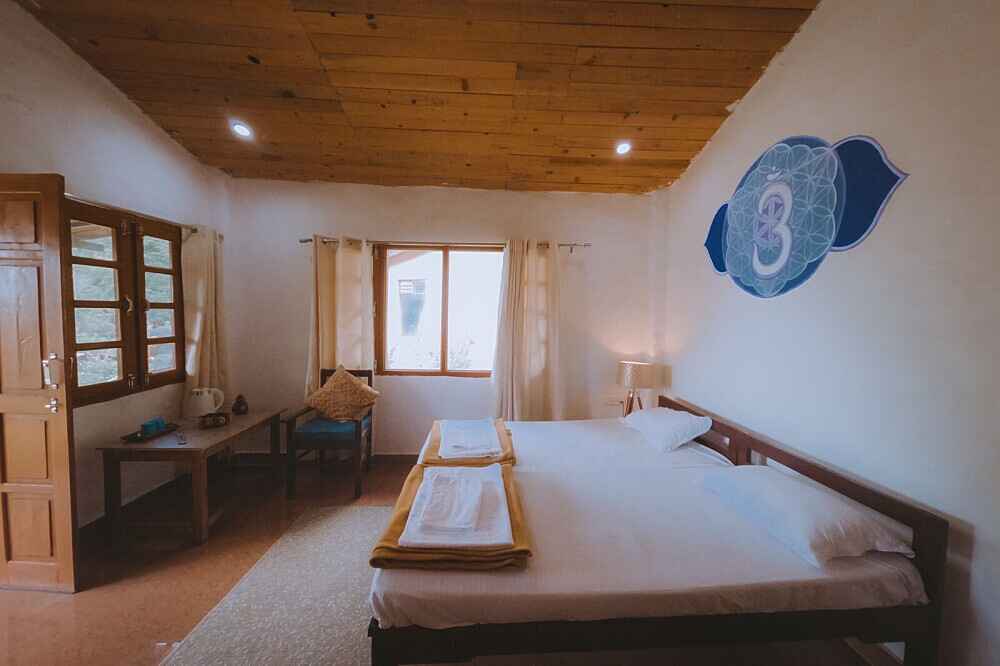
When I arrived, it wasn’t glamorous. The guesthouse was simple. My bed creaked. The food was bland some days. But each morning, as the sun lit the hills, I felt I was exactly where I needed to be.
A Room Full of Strangers in TTC
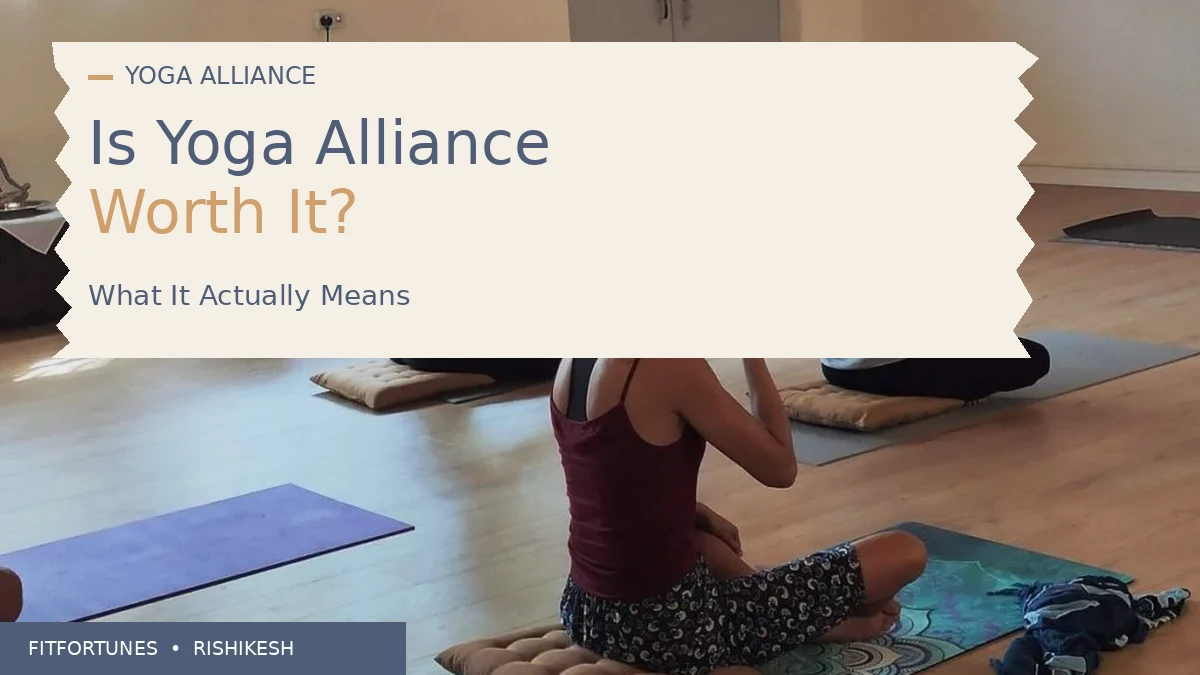
The training started with silence. Not instructions. Just silence. Many of us, sitting cross-legged in a hall, not knowing what would come next. That was the beginning.
Our teacher, a wiry man with a soft voice and stern gaze, welcomed us. He said yoga was a mirror. That whatever we ran from would eventually show up on the mat. I didn’t fully get it. But I wrote it down.
We began every day at 5:30 a.m. with kriyas breathwork I had never done before. Neti pots, kapalabhati, and deep breathing that made my whole body hum. At first, I felt awkward. But over time, I felt awake in a new way.
Not Just Asanas
We did asana practice, yes. Hatha in the morning. Vinyasa in the evening. But the postures were only part of it.
Mid-mornings were for anatomy taught by a cheerful guy from Kerala who could name every bone like it was a poem. Afternoons were for philosophy long sessions sitting on thin mats, reading the Yoga Sutras in Sanskrit, then slowly breaking down their meaning.
Some of it went over my head. But slowly, lines started sticking. Ideas about non-violence. About discipline. About contentment not the Instagram kind, the quiet kind.
The Hard Days
It wasn’t all bliss. Some mornings, my body ached. My back cramped. My mind raced. There were days I wanted to skip class. Days I questioned everything. “Why am I here?” “Who am I to teach anyone?”
But those were also the days something shifted. In savasana, tears would come without warning. Not from pain. Just from release. Grief I didn’t know I carried. Relief I didn’t know I needed.
A teacher told me, “You’re not here to become someone new. You’re here to meet who you already are.” I held onto that.
Meals and Moments
Lunches were simple dal, rice, sabzi. Eaten in silence. I used to rush meals. Now I chewed slowly. Tasted everything.
Evenings we had satsang not sermons, but storytelling. Our teachers told us of their gurus, their doubts, their lives before yoga.
We laughed. We cried. We passed around ginger tea and spoke about fear like it was an old friend.
What Made It “The Best”
It’s funny. No one in that training called it the best. There were no five-star ratings or promises.
But it was the best yoga training in the world for me because it was honest. Because it didn’t try to sell me anything. Because the people there believed in yoga as a way of living, not just something to perform.
We learned mantra chanting. We sat in fire ceremonies. We got mosquito bites during meditation. But every moment felt full. Real. Whole.
And slowly, I changed. Not into a better version of myself. Just into a quieter, more observant one.
After the Certificate
When I got my 200-hour certificate, it didn’t feel like an ending. More like a beginning. I didn’t rush to open a studio or start a brand. I just went home and began teaching small classes.
Sometimes in parks. Sometimes online. Sometimes just for one person who needed it.
I spoke not from authority, but from experience. I taught breathing before bending. Listening before leading. Being before doing.
Things No One Told Me
Yoga training isn’t about mastering the body. It’s about noticing. How you sit. How you speak. How you avoid. How you hold tension.
The best training gives you tools, yes but more than that, it gives you pause.
It makes you look. Not outside. But in.
Final Thoughts From My Mat
It’s been years since that training, and still, each day I return to the mat, I learn something new.
The world is full of yoga schools now. Fancy ones. Affordable ones. Online and offline. And while that’s a beautiful thing, I’ll say this:
The best yoga training in the world is the one that makes you feel less like a student and more like a seeker.
One that humbles you.
One that reminds you that yoga isn’t about perfection but presence.
And if you find a place like that, don’t worry if the bed is hard or the food is bland.
Stay.
You’ll be fed in ways you didn’t know you were hungry.
FAQs – Honest Answers About Yoga Training
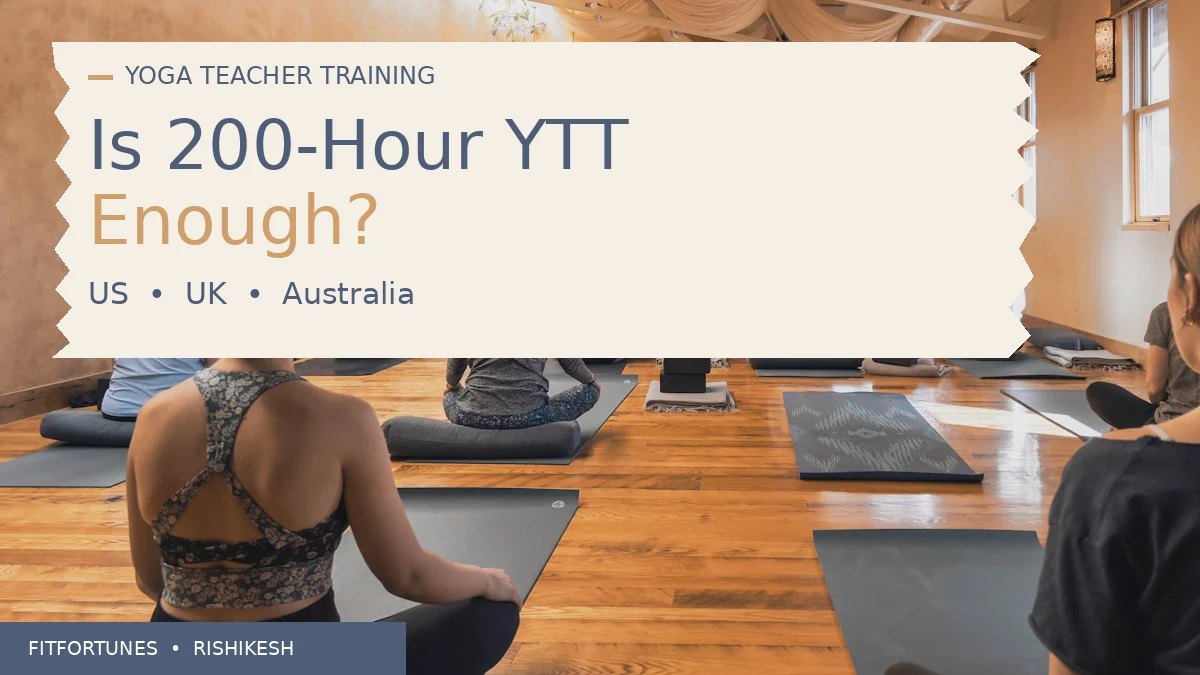
Is a 200-hour training enough to teach?
Yes if you continue learning. It gives a solid base, but the real teaching comes from your own daily practice.
What if I’m not flexible?
Doesn’t matter. Yoga is about the mind and breath, not touching your toes.
Should I go to India for training?
If you’re drawn to it, yes. Not because it’s better but because it connects you to the roots.
Can I do it online?
You can learn online, sure. But the depth, community, and subtle teachings are often stronger in-person.
Will it change me?
Probably. But not overnight. It’s a slow shift. You may just find yourself noticing things you once ignored.
What kind of yoga is best to study?
Start with Hatha or traditional styles. They’re slower, steadier, and give you the foundation.
Is it okay to feel lost during training?
Completely. Feeling lost often means you’re growing. Ask questions. Be kind to yourself.
If you’re thinking about taking a yoga training, just begin. Not to become a teacher. Not to chase anything. Just to remember who you are.