

Christian students considering yoga teacher training sometimes ask whether yoga conflicts with their faith. The question deserves an answer that distinguishes what biblical texts say, the religious roots of yoga and the content of a modern class. Different Christian communities reach different conclusions.
This is not a rare question. Many Christian practitioners hear mixed opinions. Some pastors call yoga “pagan.” Some churches even forbid it. Meanwhile, millions of people around the world practice yoga as simple exercise. Between these voices, sincere students feel confused.
This article will answer question with honesty. We will look at how the Bible is often interpreted on this subject, how yoga is practiced in modern times, and how international students especially Christians can approach yoga respectfully without conflict.
Where the Question Comes From
The Bible itself does not mention the word “yoga.” The Bible does not name yoga. Biblical texts and Indian yoga traditions developed in different historical and religious settings; blanket comparisons of their dates can be misleading. Still, many Christian communities link yoga with “foreign spirituality.” They see words like meditation, mantra, or OM and connect them with idolatry or false gods.

For example, some churches reference the First Commandment: “You shall have no other gods before me.” From this lens, yoga appears suspicious because of its roots in Hindu philosophy. Meanwhile, others see it as a harmless exercise—similar to stretching, breathing, or relaxation techniques.
The truth lies in how yoga is approached. There is a difference between practicing yoga as a spiritual path and practicing yoga as a physical discipline.
Yoga in its Original Sense
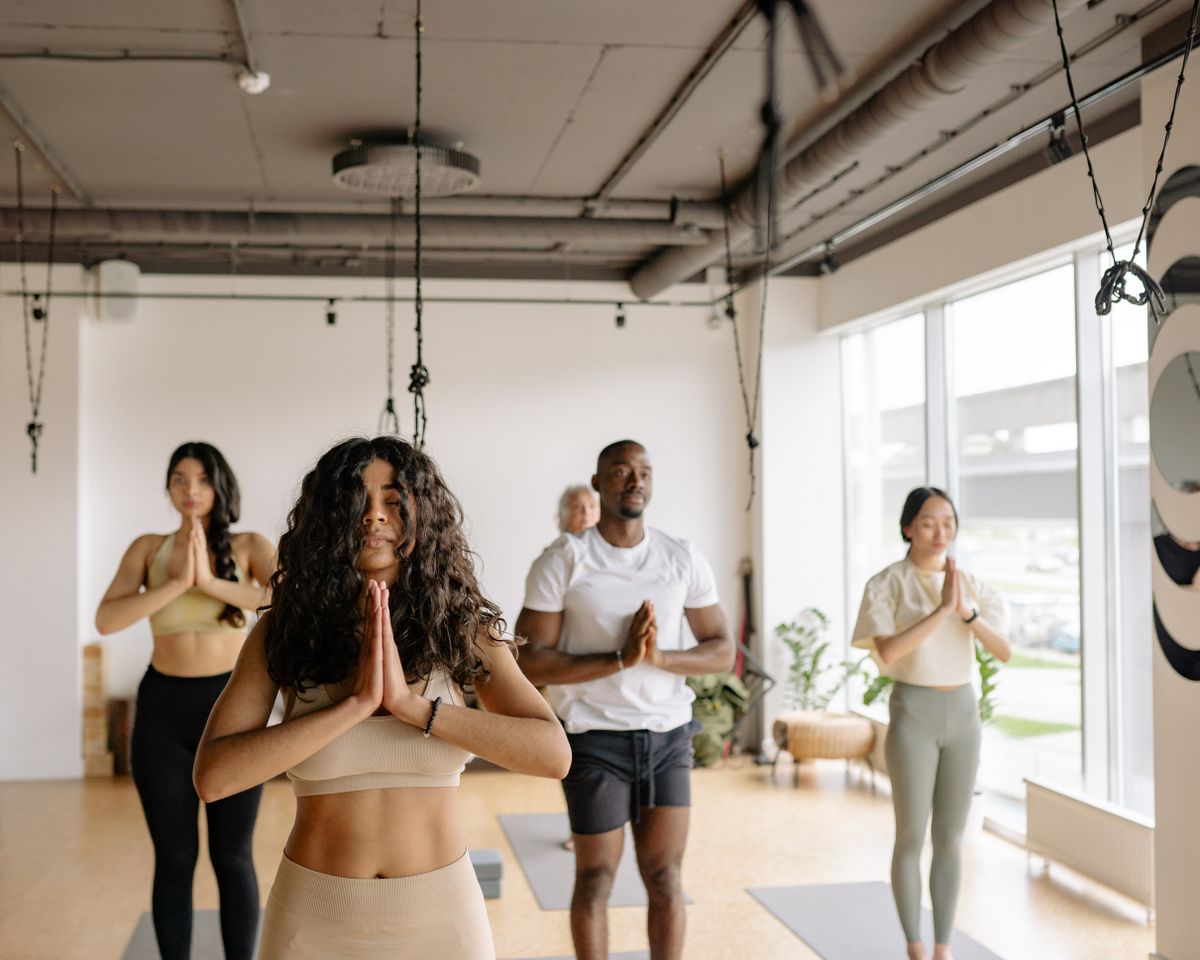
Historically, yoga is more than postures. Ancient texts describe yoga as a way to quiet the mind, control the breath, and connect with a higher reality. The Yoga Sutras of Patanjali, written around 400 CE, speak about discipline, ethics, focus, and meditation.
In India, yoga was a spiritual practice, not a fitness class. When Christian leaders caution against yoga, they often respond to this original context. They fear that joining a yoga session means joining another religion.
However, modern global yoga is very different. In most teacher training programs, including those at FitFortunes in Rishikesh, students study asanas, pranayama, and anatomy. The focus is learning how to guide safe physical practice. Philosophy is taught in an academic way, not as religious conversion.
Why Some Christians Call Yoga “Bad”
The main concerns usually come from three areas:
- Idolatry Concerns
Some Christians believe bowing in yoga poses or chanting mantras is a form of worship outside the Bible. - Spiritual Mistrust
Because yoga originated in Hindu culture, they worry it may open the door to practices against Christianity. - Church Teachings
In certain denominations, church leaders have officially advised members not to join yoga classes, calling it spiritually dangerous.
These views are not universal. Other Christian groups accept yoga as a healthy practice, provided the intention is clear and the focus is physical.
Can Yoga Be Just Exercise?
This is the most common question. Can yoga be separated from its spiritual roots and practiced only as stretching and breathing? Many modern practitioners say yes. When practiced as fitness, yoga looks no different from Pilates or tai chi, which also come from non-Christian traditions.
A student once told me, “I practice yoga for my back pain, not for worship.” This is where intent matters. The Bible speaks about the heart’s intention. If a Christian uses yoga as a way to maintain health, not as a substitute for prayer, it can be seen as exercise.
Meanwhile, if someone feels that certain chants or rituals go against their faith, they can simply skip those parts. Many teacher training courses respect this choice.
How Christian Students Experience Yoga Teacher Training
At FitFortunes, we often welcome Christian students. Some arrive with concerns, but by the end of the course, they usually feel clarity. They realize that yoga postures and breathing can be neutral tools, not religious acts.
For example:
- A student may practice Sun Salutation without connecting it to sun worship, seeing it only as a series of postures.
- A student may meditate by focusing on breath, or even by silently repeating a Christian prayer instead of a Sanskrit mantra.
This adaptation allows yoga to remain a supportive practice without spiritual conflict.
Biblical Meditation vs. Yogic Meditation
Another common worry is meditation. Some Christians fear that sitting in silence with eyes closed is “emptying the mind,” which the Bible warns against.
Yet, Christian tradition also values meditation. The Psalms say, “I meditate on your precepts and consider your ways” (Psalm 119:15). The difference is in the focus.
- Yogic meditation often uses breath or mantra.
- Christian meditation often uses Scripture or prayer.
Both involve concentration, but the object is different. A Christian student can easily adapt yoga meditation by focusing on Christ, a Bible verse, or personal prayer.
Common Misunderstandings
The debate about whether yoga is “bad” in the Bible often grows from misunderstanding.
- Yoga is not a religion. It is a practice that can be spiritual, but also simply physical.
- Using yoga for health does not mean worshipping other gods. Just like eating Indian food does not mean adopting Hinduism.
- Intent matters. A stretch can be a stretch. A prayer can be a prayer.
When teachers explain this, Christian students often feel relieved.
Respectful Approach for Christian Students
If you are Christian and considering Yoga Teacher Training, here are some practical steps:
- Be clear about your intent. If you want to learn yoga as exercise and teaching skill, say so.
- Skip chants or rituals that feel uncomfortable. Teachers usually respect personal boundaries.
- Use meditation time for Christian prayer if that feels right.
- Talk openly with your teacher about your faith background.
This way, yoga supports your health and teaching goals without crossing your spiritual lines.
Why the Debate Still Exists
The reason the question “Why is yoga bad in Bible?” keeps returning is because yoga is both ancient and modern. Its original roots are spiritual, yet its global form is often physical. Different people see different sides.
Some churches continue to warn against it because they wish to protect faith. Meanwhile, millions of Christians practice yoga daily with no spiritual conflict.
The debate will likely remain, but what matters most is personal intention and understanding.
So, why is yoga bad in Bible? The short answer is: the Bible itself never names yoga. The concerns come from interpretation, tradition, and cultural difference. For some Christians, yoga appears dangerous because of its origins. For others, yoga is simply a practice that improves health.
For students joining Yoga Teacher Training in India, clarity is important. Approach yoga with respect, honesty, and personal boundaries. With this balance, it is possible to practice yoga while keeping faith intact.