For most travellers, the best time to visit the Golden Triangle is from about October to March. Delhi, Agra and Jaipur are usually more comfortable for long sightseeing days in the cooler months. April to June can be very hot, while July to September brings the monsoon and more humid weather.
The Golden Triangle is the classic Delhi–Agra–Jaipur route. Government tourism sites for Delhi, Uttar Pradesh and Rajasthan all describe these three cities as one connected travel circuit.
What is the best time to visit the Golden Triangle?
If this is your first trip, aim for the cooler months. The days are easier for walking around forts, markets and open monuments. Early mornings and evenings can still feel cold in December and January, especially in Delhi and Agra.
There is no single perfect month for everyone. Your choice depends on heat, rain, crowds, air quality, festivals and price.
October to March: easiest for most visitors
This period is popular because the heat is lower. Jaipur’s official tourism information shows much lower temperatures in winter than in late spring and early summer. Delhi and Agra also become easier to explore on foot.
December and January can bring cold mornings and fog in parts of North India. Fog can affect road and train travel, so leave some extra time in your plan.
October, November, February and March can be a good middle ground for many visitors. March may also bring Holi, depending on the lunar calendar.
April to June: hot and tiring
Late spring and early summer can be very hot. Jaipur’s official tourism data shows maximum temperatures above 40°C in some months. Delhi and Agra can also become intensely hot.
If you travel then, start sightseeing early. Rest in the hottest part of the afternoon. Carry water and use shade. Do not try to fit every monument into one day.
July to September: rain and humidity
The monsoon can make the landscape greener, but travel can feel slower. Heavy rain may affect roads or outdoor plans. Humidity can also make walking less comfortable.
On the positive side, some places may feel less dry and dusty. Travellers who do not mind rain can still visit, but a flexible schedule helps.
A simple Golden Triangle route
Incredible India describes the route as Delhi, Agra and Jaipur. A simple first trip can take five to seven days.
| Stop | Simple plan |
|---|---|
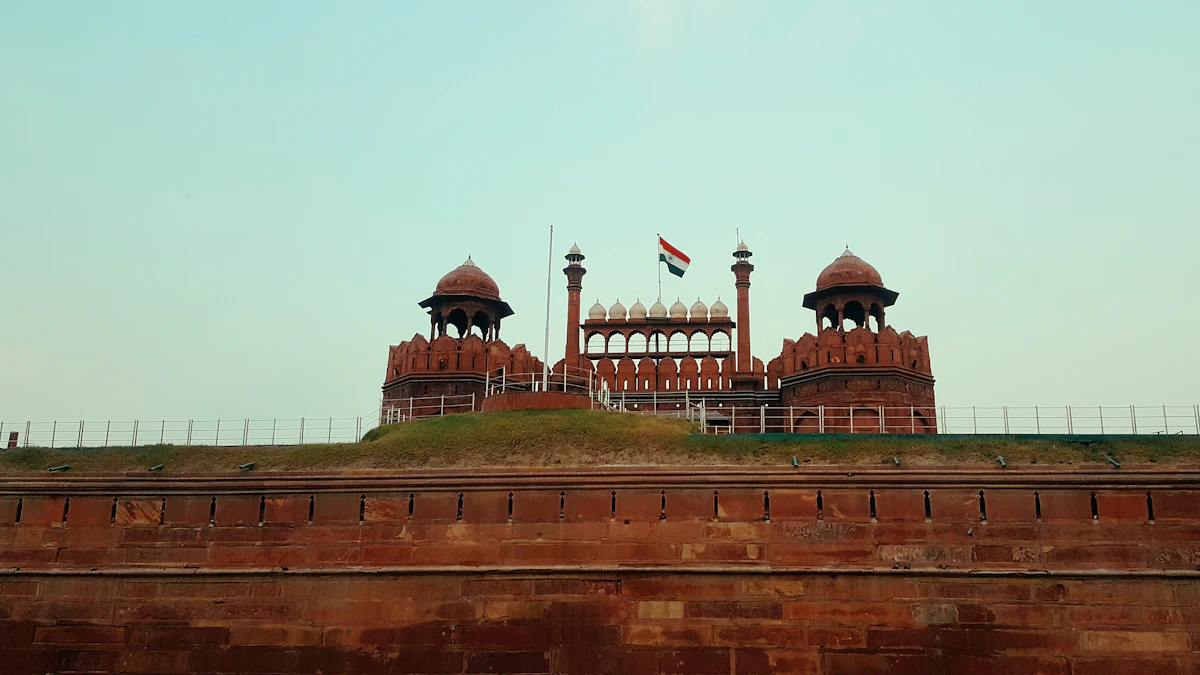
| Delhi | 2 days for Old Delhi and major monuments |
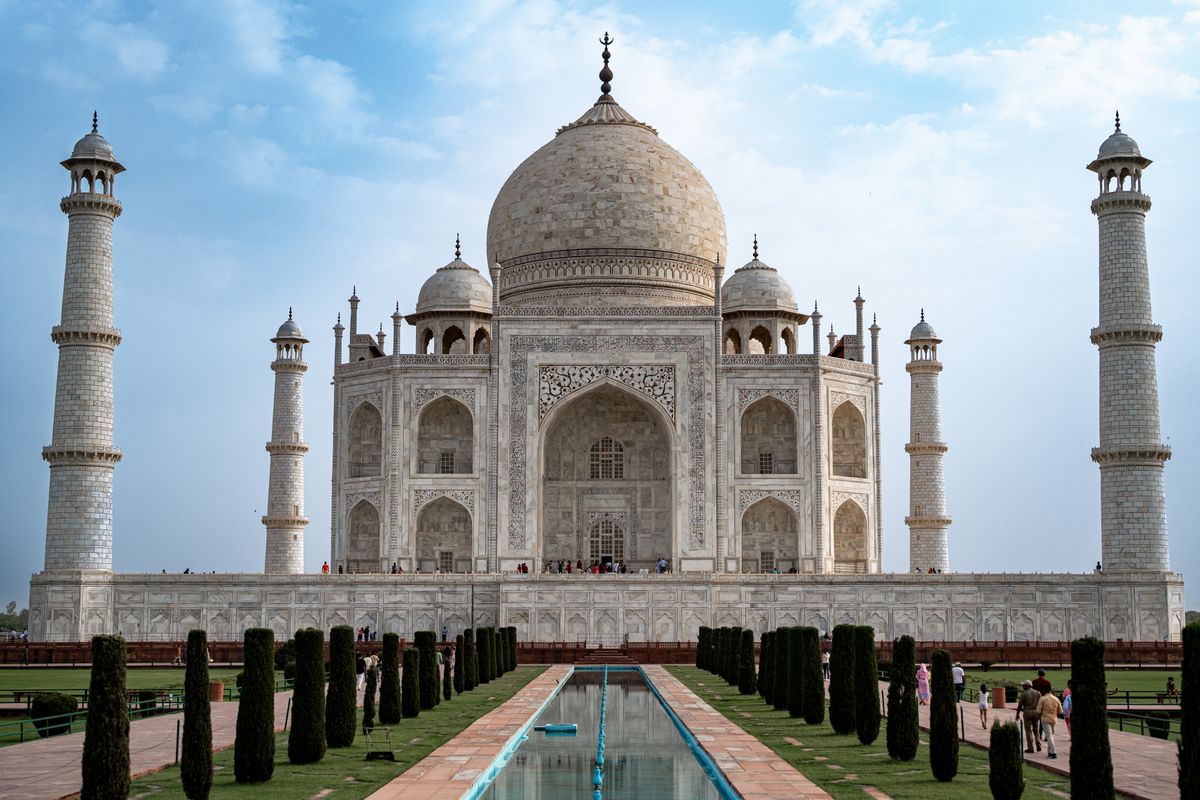
| Agra | 1–2 days for Taj Mahal, Agra Fort and nearby sites |
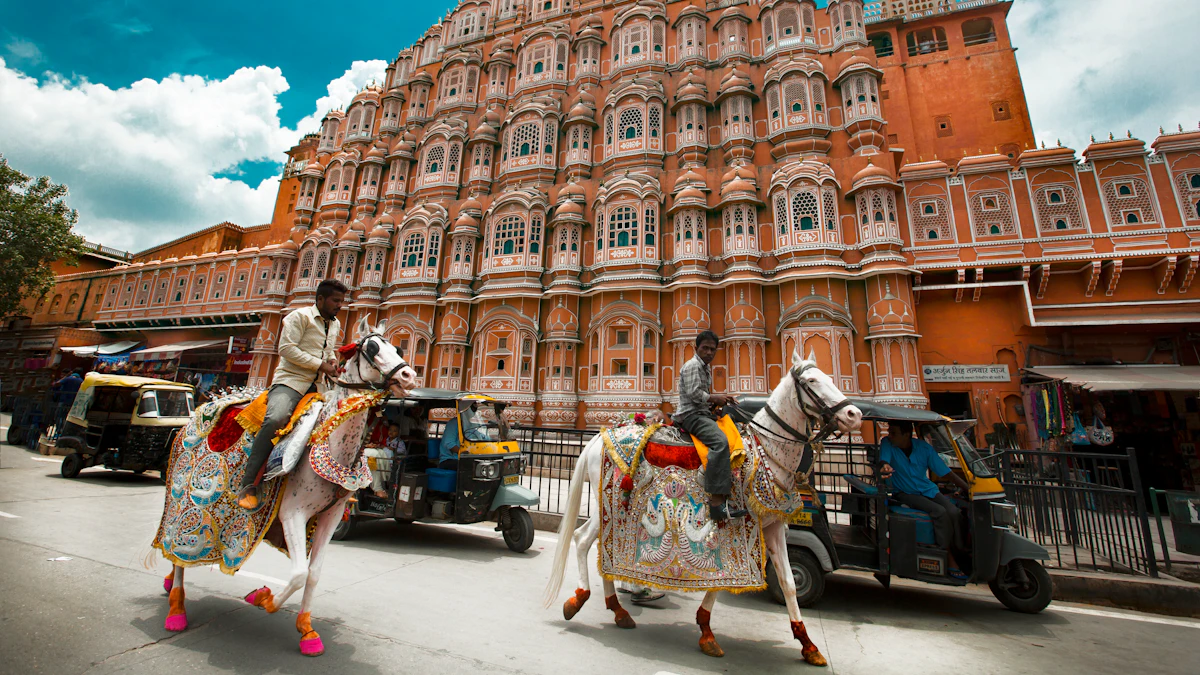
| Jaipur | 2 days for Amber Palace, Hawa Mahal and the old city |
For the details, use our updated guides to Delhi, Agra and Jaipur.
What should you book first?
Choose your dates first. Then book the long-distance travel between the three cities. After that, choose hotels that make local travel simple. A cheaper room far outside the city can cost time every day.
Do not build the trip around exact ticket prices from old blogs. Monument fees and opening rules can change. Check the official site for the monument close to your visit.
Reliable trip sources
Incredible India has an official Golden Triangle itinerary. Delhi Tourism also lists an official Agra–Jaipur Golden Triangle excursion. For Jaipur, the Rajasthan Tourism Jaipur page gives official attraction information.
Frequently asked questions about the best time to visit the Golden Triangle
Which months are a practical first choice?
October, November, February and March can be a useful starting point for planning, with generally cooler conditions than late spring. Actual weather, air quality and crowd levels vary, so check closer to departure. December and January may be cold or foggy in Delhi and Agra. Choose dates around your comfort and travel flexibility rather than assuming one month guarantees perfect sightseeing.
How many days should I allow?
Five days can cover a focused route, while six or seven days usually leave more room for travel and rest. Your arrival and departure times matter as much as the number of nights. Avoid adding too many distant attractions between cities. Use the Delhi, Agra and Jaipur guides above to choose priorities, and keep a buffer before an onward flight or train.
Does a Taj Mahal visit need special scheduling?
Yes. The official Taj Mahal FAQ states that ordinary visiting closes on Fridays. Check current opening, ticket and entry information before choosing your Agra date. Early arrival may help you organise the day, but weather and visibility vary. Do not base a tight itinerary on old blog fees or assumptions about guaranteed sunrise views.
Can I travel during the monsoon?
Yes, with a flexible plan for rain, humidity and possible transport disruption. Keep indoor or sheltered options and avoid making every day depend on a long outdoor walk. The best time to visit the Golden Triangle depends on your tolerance for those conditions as well as budget and available dates. Check weather forecasts and official travel information shortly before your trip.
Can I add Rishikesh to the route?
Yes, but Rishikesh is a separate destination north of Delhi and is not one of the Golden Triangle’s three cities. Add enough days for transport and the purpose of your stay. Our Delhi to Rishikesh guide helps with that leg. Avoid squeezing a yoga course or a restful stay into a route already full of sightseeing.
A practical Golden Triangle booking checklist
- Choose dates after comparing heat, rain, air quality and your available time.
- Check the Taj Mahal’s Friday closure before assigning Agra days.
- Book realistic intercity travel and allow for delays.
- Choose accommodation with suitable local access and verified facilities.
- Plan early sightseeing and rest breaks during hotter weather.
- Check current monument entry and photography rules.
- Leave a buffer before your onward journey.
The cooler season is a sensible starting point for many visitors, while the final choice depends on your circumstances. Keep dates, transport and attraction rules current. Use Rajasthan Tourism’s Jaipur guide and the official Taj Mahal information above for the relevant city details.