
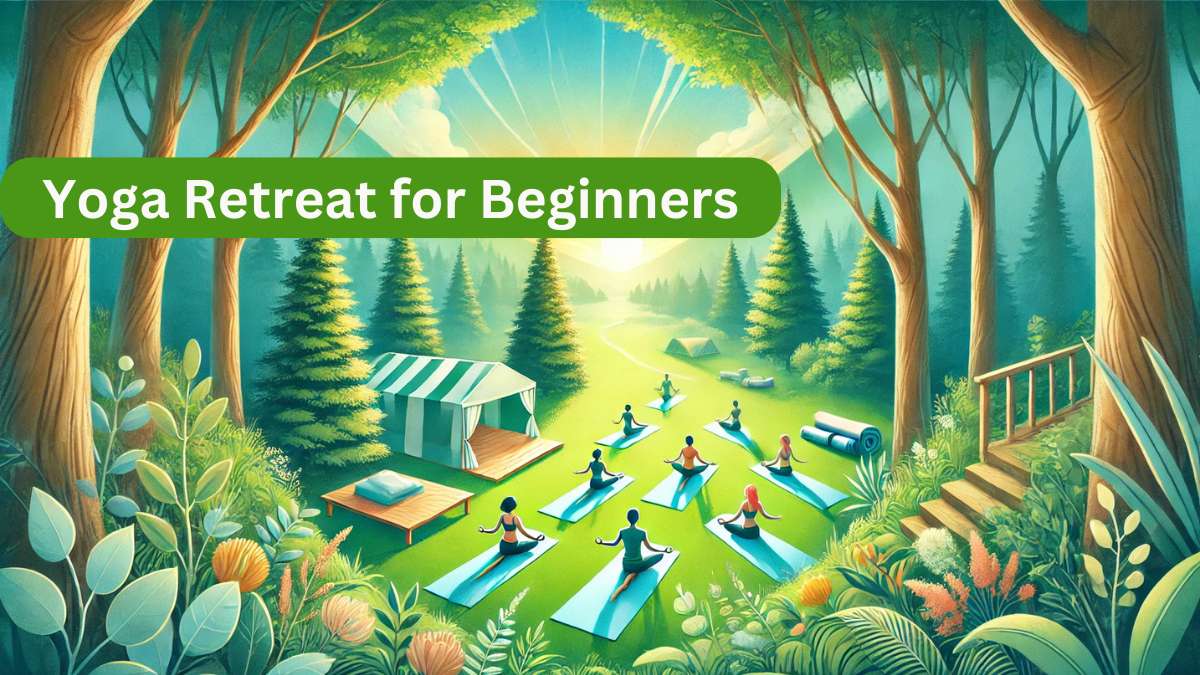
A yoga retreat is more than just a getaway; it’s an opportunity to step away from the chaos of daily life and focus on self-care. For beginners, it provides the perfect environment to start a yoga journey without distractions or pressure. Picture yourself surrounded by nature, in a serene setting, where you can breathe deeply, stretch your body, and quiet your mind.
If you’re new to yoga, the structured, supportive atmosphere of a retreat is ideal. Unlike regular yoga classes, retreats immerse you fully in the practice, allowing you to learn at your own pace. With the guidance of experienced instructors, you can build a strong foundation in yoga while also exploring meditation, breathing techniques, and mindfulness practices.
Yoga retreats also create space for introspection. Away from the hustle of daily life, you have time to reflect, recharge, and reconnect with yourself. The peaceful surroundings amplify this effect, helping you to feel calm and centered. Many beginners find that a retreat not only improves their physical health but also boosts mental clarity and emotional balance.
What Is a Yoga Retreat?
A yoga retreat is a dedicated experience designed to nurture your mind, body, and soul. Set in serene locations such as lush forests, quiet beaches, or scenic mountains, retreats provide a calm space to disconnect from everyday stress. These getaways are curated to blend physical activity, relaxation, and introspection, making them ideal for those seeking balance.
For beginners, a yoga retreat is more than an introduction to yoga—it’s a chance to explore new aspects of wellness. With expert instructors guiding you, you’ll not only learn yoga postures but also understand the deeper philosophies of the practice. From meditation and breathing techniques to healthy meals that nourish your body, retreats create a holistic environment for growth. Each element is thoughtfully planned to help you recharge, find clarity, and connect with your inner self.
Why Choose a Yoga Retreat as a Beginner?
Starting yoga can feel intimidating, especially in crowded studios. A retreat is different. It’s tailored to beginners, offering a supportive and nurturing environment.
Here’s why it’s a great choice:
- Personalized Attention: Small group sizes mean teachers can guide you step by step.
- No Pressure: Everyone starts at their own pace, so there’s no need to compare yourself to others.
- Mind-Body Connection: You’ll learn not just poses but also breathing techniques and mindfulness.
- Escape from Routine: A retreat helps you disconnect from daily stress and focus on yourself.
What Happens at a Yoga Retreat for Beginners?
Every retreat is unique, but here’s a general idea of what to expect:
- Daily Yoga Sessions
You’ll practice yoga twice a day, usually in the morning and evening. Teachers often start with basic poses (asanas) and slowly build your confidence.
- Meditation and Breathing Exercises
Meditation helps calm your mind, while breathing exercises (pranayama) improve focus and energy. These practices are simple yet transformative.
- Workshops
Workshops on topics like yoga philosophy, posture alignment, or nutrition might be included. These sessions deepen your understanding of yoga beyond the physical poses.
- Healthy Meals
Most retreats provide nourishing, vegetarian meals. The diet supports your practice and promotes a healthy lifestyle.
- Relaxation Time
Free time is essential. You can read, explore nature, or simply rest. This balance keeps you refreshed and engaged.
Best Yoga Styles for Beginners at a Retreat
As a beginner, you might feel unsure about which yoga style to try. Here are a few beginner-friendly options often offered at retreats:
- Hatha Yoga
Hatha yoga focuses on basic poses, making it ideal for beginners. The pace is slow, and you’ll learn the fundamentals of alignment and breathing.
- Vinyasa Yoga
This style involves flowing from one pose to another, linked by breath. It’s slightly faster than Hatha but still accessible to beginners.
- Yin Yoga
Yin yoga involves holding poses for a long time, which improves flexibility and calms the mind. It’s gentle and perfect for relaxation.
How to Prepare for a Yoga Retreat
Preparation ensures you make the most of your retreat experience. Here are a few tips:
- Pack Wisely
Bring comfortable clothes, a yoga mat (if not provided), water bottles, and personal essentials. Lightweight and breathable fabrics work best.
- Set Intentions
Think about why you’re attending the retreat. Do you want to relax, learn, or start a healthier lifestyle? Setting intentions helps you stay focused.
- Be Open-Minded
You might try new poses, foods, or routines. Stay open to these experiences—they’re part of the journey.
- Start Practicing
If possible, practice basic yoga poses at home before attending. It’ll make you feel more confident during sessions.
Upcoming Traditional Multi-Style 200 Hour Yoga Teacher Training
Benefits of a Yoga Retreat for Beginners
Yoga retreats offer benefits that go beyond physical health. Here’s why they’re worth considering:
- Stress Relief
Yoga retreats remove you from daily chaos, allowing your mind and body to relax. You’ll feel refreshed and more balanced.
- Build Confidence
With the guidance of skilled teachers, you’ll gain confidence in your abilities. Even as a beginner, you’ll feel progress after just a few days.
- Learn a Holistic Lifestyle
Retreats teach you about yoga, meditation, healthy eating, and mindfulness. These habits can transform your daily life.
- Meet Like-Minded People
You’ll connect with others who share your interests. Many participants form lasting friendships during retreats.
Choosing the Right Yoga Retreat for Beginners
Not all yoga retreats are the same. Here’s how to find one that suits your needs:
- Location
Choose a place that inspires you, whether it’s a serene beach, lush mountains, or a quiet countryside.
- Duration
Beginners often start with shorter retreats, like 3-7 days. This gives you enough time to learn without feeling overwhelmed.
- Teachers
Look for experienced and certified yoga instructors. Reviews and testimonials can help you decide.
- Activities
Check the retreat schedule. Ensure it includes beginner-friendly yoga, meditation, and free time.
Yoga Retreats and Beginners: Common Questions
- Do I Need Experience to Attend a Yoga Retreat?
No. Beginner yoga retreats are designed for those with little or no experience. Teachers provide step-by-step guidance.
- What If I’m Not Flexible?
Flexibility is not a requirement. Yoga helps improve flexibility over time. Start with poses that feel comfortable.
- Can I Attend Alone?
Absolutely! Many people attend yoga retreats solo. It’s a great way to focus on yourself and meet new friends.
Top Destinations for Yoga Retreats in India
India, the birthplace of yoga, offers some of the most serene and authentic yoga retreat experiences in the world. Here are the top destinations where you can immerse yourself in yoga, nature, and spiritual growth:
- Rishikesh: The Yoga Capital of the World
Rishikesh is a hub for yoga enthusiasts, nestled in the foothills of the Himalayas by the holy Ganges River.
- Why Choose Rishikesh?
Known as the “Yoga Capital of the World,” Rishikesh offers authentic yoga teachings, ashrams, and teacher training courses. - Highlights:
- Attend yoga classes in iconic ashrams like Parmarth Niketan and Sivananda Ashram.
- Enjoy the serene surroundings and participate in evening Ganga Aarti (prayer ceremonies).
- Kerala: Yoga and Ayurveda
Kerala, also known as “God’s Own Country,” offers retreats combining yoga, Ayurveda, and nature.
- Why Choose Kerala?
With its lush greenery, backwaters, and peaceful beaches, Kerala is ideal for relaxation and healing. - Highlights:
- Experience yoga in tropical settings like Varkala and Kovalam.
- Combine yoga with Ayurvedic treatments for a holistic experience.
- Goa: Yoga by the Beach
Goa offers a blend of yoga retreats and beachside relaxation, making it perfect for beginners and advanced practitioners alike.
- Why Choose Goa?
Goa’s laid-back vibe, stunning beaches, and vibrant culture make it a top choice for yoga and wellness. - Highlights:
- Attend yoga sessions at beachfront retreats in North and South Goa.
- Enjoy a mix of traditional yoga practices and modern techniques.
- Dharamshala: Yoga in the Himalayas
Dharamshala, home to the Dalai Lama, is a peaceful town in Himachal Pradesh with a strong spiritual energy.
- Why Choose Dharamshala?
Surrounded by the majestic Himalayas, this destination is ideal for those seeking a quiet and meditative retreat. - Highlights:
- Explore yoga schools offering Hatha, Ashtanga, and Kundalini yoga.
- Visit Buddhist monasteries and embrace the peaceful Tibetan culture.
- Mysore: The Birthplace of Ashtanga Yoga
Mysore is a historic city famous for its Ashtanga yoga schools and royal heritage.
- Why Choose Mysore?
It’s the go-to destination for serious yoga practitioners looking to deepen their practice. - Highlights:
- Learn traditional Ashtanga yoga at renowned schools like the Mysore Yoga Shala.
- Explore the city’s rich cultural heritage, including the Mysore Palace.