
Day: February 24, 2025

  • Where Does Namaste Come From? Understanding Its Deep Yogic Roots

    Where Does Namaste Come From? Understanding Its Deep Yogic Roots

    The word Namaste is deeply rooted in ancient Indian tradition. It carries spiritual, cultural, and philosophical significance. Many people associate it with yoga, but its origin goes far beyond modern practice.

    Understanding where Namaste comes from helps us appreciate its true meaning. It is more than a greeting; it is a symbol of respect and unity. Let’s explore its origins, meaning, and relevance in yoga and daily life.

    The Meaning of Namaste

    Namaste is a Sanskrit word. It comes from “Nama,” meaning bow, and “Te,” meaning to you. Together, it translates to “I bow to you.”

    In Hindu tradition, it is used as a greeting and a form of deep respect. It acknowledges the divine presence in another person. When someone says Namaste, they recognize the soul’s connection beyond physical existence.

    Ancient Texts and Namaste

    Namaste appears in Vedic scriptures and Upanishads. The Vedas, dating back over 3,000 years, emphasize respect for all beings. In the Bhagavad Gita, Lord Krishna explains the essence of humility and devotion, closely linked to Namaste.

    The Yoga Sutras of Patanjali also highlight inner peace and surrender, values reflected in Namaste. Ancient texts mention bowing as a way to dissolve the ego and embrace universal energy.

    The Cultural and Spiritual Significance of Namaste

    Namaste is more than just a greeting; it is a gesture of unity. It symbolizes harmony between individuals. The practice of saying Namaste has deep spiritual significance:

    • Expression of Gratitude: Acknowledging the divine in others.
    • Sign of Respect: Showing humility and honoring wisdom.
    • Spiritual Connection: Recognizing that all beings are interconnected.

    In yoga, Namaste is used at the beginning and end of a session. It helps practitioners shift their focus inward and cultivate mindfulness.

    The Hand Gesture of Namaste (Anjali Mudra)

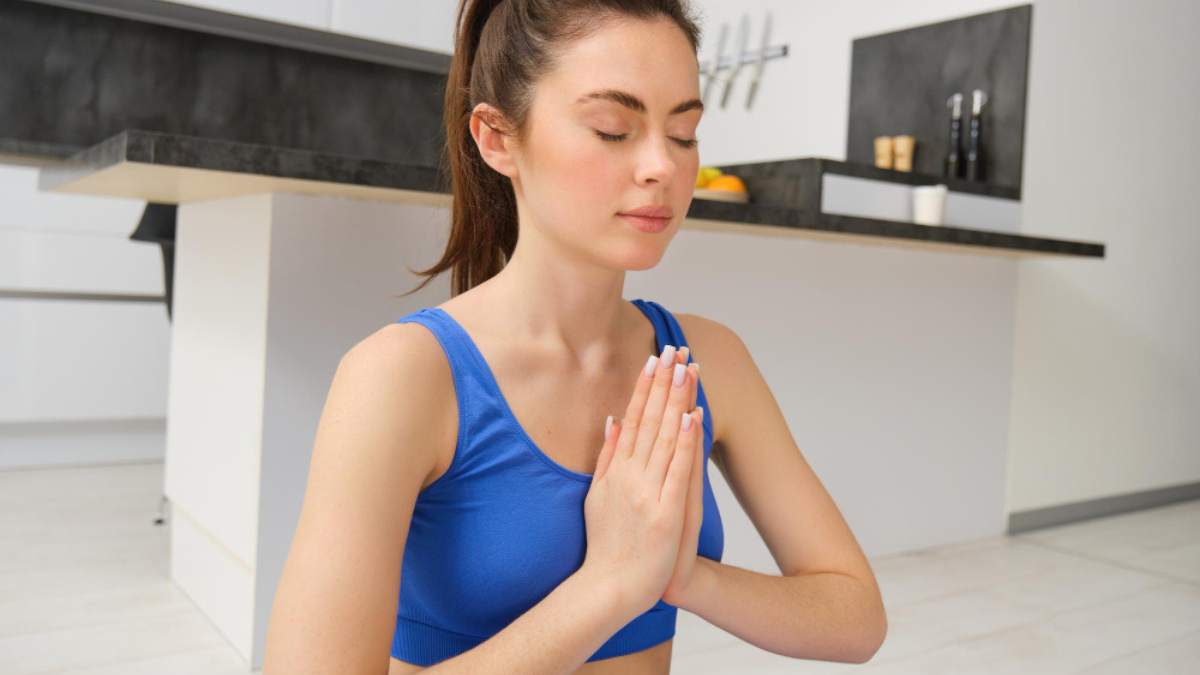
    Namaste is not just spoken; it is also expressed through a hand gesture. This is known as Anjali Mudra, where the palms are pressed together at the heart center.

    • The Right Hand: Represents the higher self, divine consciousness.
    • The Left Hand: Symbolizes the worldly self, human nature.
    • The Union: Bringing both hands together reflects balance and unity.

    In yogic philosophy, this gesture activates the heart chakra (Anahata). It aligns the mind and body, fostering a deep sense of peace.

    Namaste in Yoga and Meditation

    In yoga, Namaste is used as a sacred closing ritual. It signifies respect between teacher and student. Many yoga traditions believe that the energy of practice is sealed with Namaste, creating positive vibrations.

    In meditation, Anjali Mudra and Namaste help in centering the mind. It promotes gratitude and self-awareness. This practice strengthens the connection between breath, mind, and spirit.

    Global Adoption of Namaste

    Namaste is now recognized worldwide. It has become popular in yoga studios, wellness communities, and spiritual gatherings. However, its original meaning should not be lost in translation. It is important to understand its deep cultural and philosophical roots.

    In countries like India and Nepal, Namaste is still used in daily greetings. It is a sign of politeness and warmth. In the West, it has evolved beyond a simple hello and is embraced for its mindfulness and respect.

    Namaste vs. Other Yogic Greetings

    While Namaste is widely used, there are other traditional yogic greetings:

    • Pranam: A deeper bow, showing deep reverence.
    • Om Shanti: Used to wish peace and calmness.
    • Hari Om: A spiritual salutation acknowledging the divine.

    Each of these greetings carries unique energy but shares the same essence of respect and connection.

    So, where does Namaste come from? It originates from ancient Sanskrit texts and has been practiced for thousands of years. It is a symbol of respect, gratitude, and unity. In yoga, it serves as a reminder of our interconnectedness.

    By using Namaste with awareness, we honor its deep yogic roots. Whether in yoga practice, meditation, or daily life, this simple yet profound gesture brings harmony and mindfulness.

  • Yoga Mat Thickness Chart: Choosing the Right Mat for Your Practice

    A yoga mat is more than just an accessory—it directly impacts your practice. The right yoga mat thickness provides stability, comfort, and joint protection. However, choosing the best mat can be confusing. A yoga mat thickness chart simplifies this decision by helping you find the ideal balance.

    Yoga mats come in different thicknesses, materials, and textures. Understanding these factors ensures better support and alignment. This guide explores the best yoga mat thickness for different practices and body needs.

    Why Does Yoga Mat Thickness Matter?

    Mat thickness affects comfort, balance, and durability. A thicker mat provides more cushioning but may reduce stability. A thinner mat offers better grip but less padding. Selecting the right yoga mat thickness depends on factors like practice style, flooring, and joint sensitivity.

    The standard yoga mat thickness in mm ranges from 1mm to 10mm. Choosing the right one enhances performance and prevents injuries. Let’s break down the different thickness levels.

    Yoga Mat Thickness Chart

    Thickness

    Best For

    Pros

    Cons

    1-2mm (Ultra-thin)

    Travel, outdoor yoga

    Lightweight, portable

    Less support for joints

    3-4mm (Standard)

    General yoga, Vinyasa

    Good balance & support

    May feel firm on hard floors

    5-6mm (Thick)

    Gentle yoga, Hatha

    Extra comfort, joint-friendly

    Slightly less stable

    7-10mm (Extra-thick)

    Meditation, restorative yoga

    Maximum cushioning

    Can reduce stability

    Best Yoga Mat Thickness for Different Practices

    1. Yoga Mat Thickness for Beginners

    Beginners need a mat that provides both stability and comfort. A 4mm to 6mm mat is ideal as it offers balance without being too firm.

    1. Best Yoga Mat Thickness for Joint Support

    For knee or back pain, a 6mm to 8mm mat provides better cushioning. These mats help prevent joint strain while maintaining grip.

    1. Thin vs Thick Yoga Mat for Stability

    Stability is crucial for poses like Tree Pose or Warrior II. A 3mm to 4mm mat works best, offering a firm foundation.

    1. Best Yoga Mat Thickness for Travel

    Travel-friendly mats should be lightweight and foldable. A 1mm to 2mm mat is easy to carry but offers minimal cushioning.

    1. Yoga Mat Thickness for Hot Yoga

    Hot yoga requires a 3mm to 5mm non-slip mat. Mats with good sweat absorption prevent slipping during intense sessions.

    Material and Thickness Considerations

    The material of a mat influences its thickness and performance. Here are common options:

    • TPE Yoga Mats: Eco-friendly and lightweight, offering good cushioning.
    • PVC Yoga Mats: Durable and supportive but less sustainable.
    • Rubber Yoga Mats: High grip and joint-friendly, ideal for long sessions.
    • Foam Yoga Mats: Extra soft but may lack stability.

    How to Choose the Right Mat for You

    1. Assess Your Practice: Consider whether you need more stability or cushioning.
    2. Check Your Flooring: Hardwood floors require extra thickness, while carpeted surfaces allow for thinner mats.
    3. Factor in Portability: If you travel often, choose a lightweight mat.
    4. Prioritize Comfort: For sensitive joints, go for a 6mm+ mat.
    5. Look for Durability: High-quality materials ensure long-lasting performance.

    Ancient Wisdom on Comfort in Practice

    Ancient yogic texts emphasize comfort and stability in practice. The Yoga Sutras of Patanjali state, “Sthira Sukham Asanam,” meaning “A yoga pose should be steady and comfortable.” Choosing the right mat aligns with this principle, supporting both posture and relaxation.

    Selecting the best yoga mat thickness enhances comfort, stability, and safety. Whether you need a standard 4mm mat or an extra-thick 8mm option, the choice should match your practice. Use the yoga mat thickness chart as a guide to find your perfect fit.

    A well-chosen yoga mat really useful in your yoga practice. Invest in one that supports your practice and promotes well-being.