
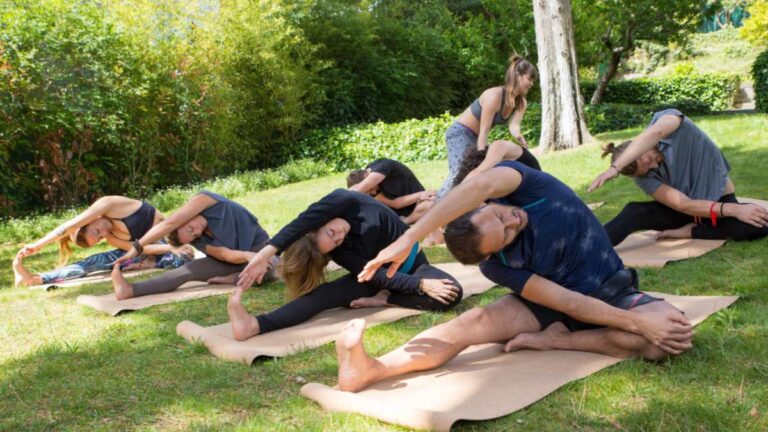
200-hour yoga teacher training in Bali is one option for students who want to study in a residential setting. Before choosing a programme, compare the teachers, syllabus, supervised teaching practice, accommodation, total cost and the eligibility of the school’s credentials. Bali can be appealing, but no location guarantees a particular learning outcome.
Whether you dream of becoming a yoga instructor or want to explore yoga in its purest form, this training immerses you in a holistic journey. From asanas to philosophy, you will gain knowledge and confidence to guide others on their yoga path.
Why Choose Bali for Yoga Teacher Training?
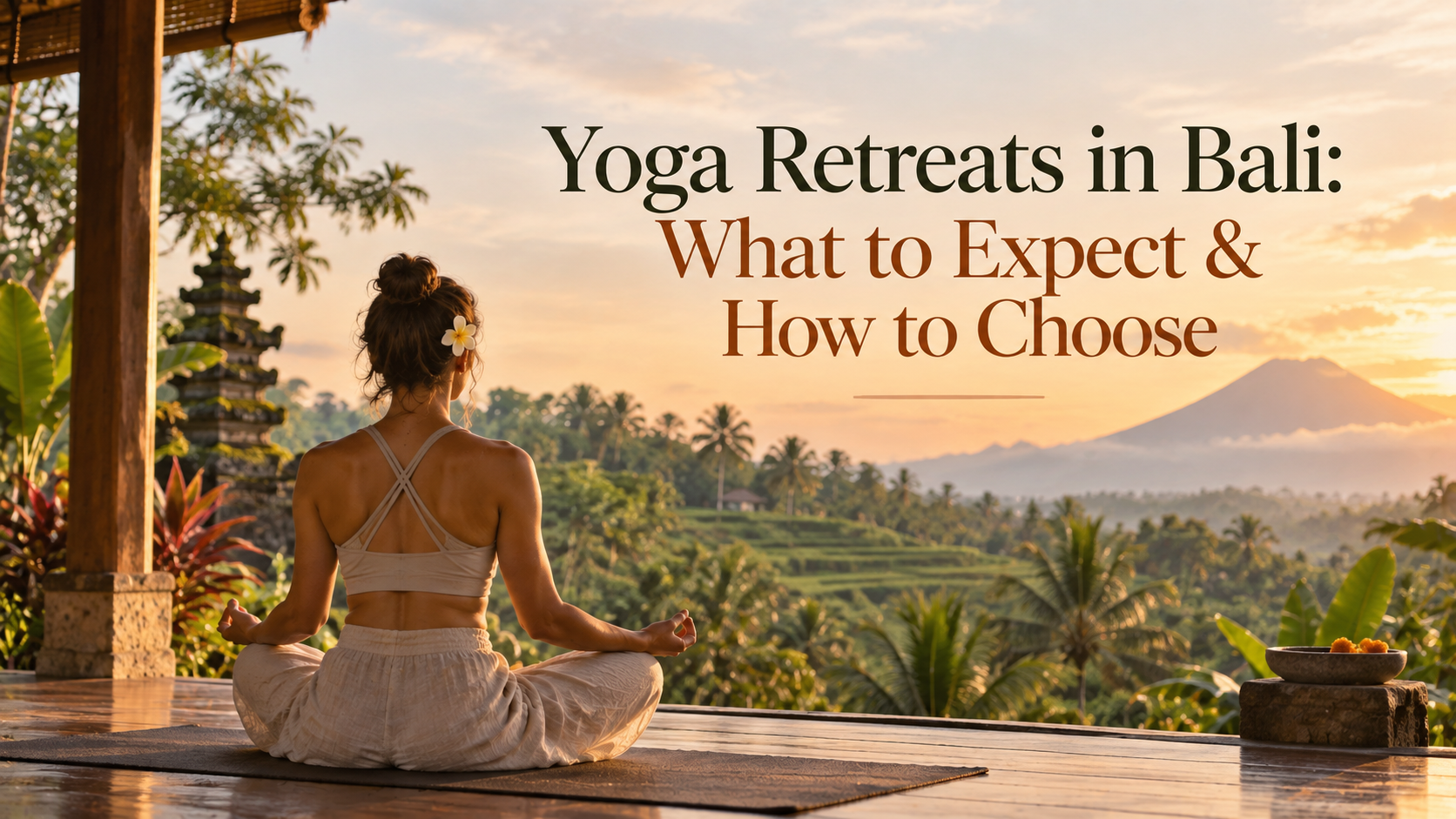
Bali’s natural beauty and spiritual energy make it a yoga paradise. Ancient temples, lush greenery, and the calming ocean create a peaceful environment for practice. Many yogis travel here to connect with themselves and deepen their understanding of yoga.
Additionally, Bali has a strong yoga community. You will meet like-minded individuals, forming lifelong friendships and professional connections. The local culture embraces mindfulness, making it an ideal place to develop a yogic lifestyle.
What is a 200-Hour Yoga Teacher Training?
A 200-hour Yoga Teacher Training in Bali is a foundational course accredited by Yoga Alliance. It covers key aspects of yoga, including:
- Asana Practice: Hatha, Vinyasa, and Yin yoga styles
- Pranayama & Breathwork: Techniques to enhance vitality
- Meditation & Mindfulness: Deepening mental focus
- Yoga Philosophy: Teachings from ancient texts
- Anatomy & Physiology: Understanding the body’s movements
- Teaching Methodology: Building confidence as an instructor
The Ancient Roots of Yoga
Yoga is more than physical postures. Its origins trace back over 5,000 years to the Vedas and Upanishads. The Bhagavad Gita and Patanjali’s Yoga Sutras provide guidance on living a balanced life. These scriptures emphasize the union of mind, body, and spirit.
Bali, deeply influenced by Hindu traditions, resonates with these teachings. Training here allows you to practice in an environment that honors yoga’s spiritual heritage.
Daily Schedule in a Yoga Training Program
A structured routine is essential for immersive learning. A typical daily schedule includes:
- 6:30 AM: Morning meditation and pranayama
- 7:30 AM: Asana practice (Hatha/Vinyasa)
- 9:00 AM: Breakfast with sattvic meals
- 10:30 AM: Philosophy or anatomy class
- 12:30 PM: Lunch and rest
- 2:00 PM: Teaching methodology workshop
- 4:00 PM: Evening yoga session
- 6:00 PM: Dinner and personal time
- 8:00 PM: Group discussions or chanting
This routine balances physical practice with mental and spiritual growth.
Benefits of Yoga Teacher Training in Bali
Enrolling in a 200-hour Yoga Teacher Training in Bali offers multiple benefits:
- Deep Self-Discovery: Develop mindfulness and inner peace.
- Enhanced Physical Strength: Gain flexibility and endurance.
- Improved Mental Clarity: Reduce stress through meditation.
- Professional Certification: Qualify to teach worldwide.
- Cultural Immersion: Experience Bali’s spiritual traditions.
- Healthy Lifestyle: Enjoy organic meals and nature therapy.
Accommodation and Food
Most yoga schools provide comfortable accommodations. Options range from shared dorms to private villas, depending on your budget. The environment is peaceful, surrounded by tropical gardens or near the ocean.
Food is an essential part of the yogic lifestyle. Training centers offer vegetarian and sattvic meals, nourishing both body and mind. Fresh tropical fruits, herbal teas, and organic meals enhance vitality and energy levels.
What to Pack for Your Training?
Bali has a tropical climate, so pack light and breathable clothes. Essentials include:
- Comfortable yoga outfits
- A high-quality yoga mat
- Reusable water bottle
- Sunscreen and natural mosquito repellent
- Notebook and pen for notes
- Spiritual books for inspiration
- Light rain jacket for the rainy season
Challenges and How to Overcome Them
Yoga training is rewarding but also demanding. Some common challenges include:
- Physical Fatigue: Practice self-care and listen to your body.
- Mental Resistance: Meditation helps overcome inner blocks.
- Emotional Release: Let go of past traumas through breathwork.
- Adapting to a New Routine: Stay present and embrace the journey.
Trainers guide you through these challenges with compassion, ensuring a supportive learning experience.
How Should You Compare 200-Hour YTTs in Bali?
| Check | What to ask |
|---|---|
| Teachers | Who teaches each subject and what is their training background? |
| Practicum | How many supervised teaching hours are included? |
| Accommodation | What room type, meals and transport are included? |
| Certification | What certificate is issued and what registration pathway follows? |
| Total cost | Are taxes, transfers, excursions and deposits included? |
Before You Book: Bali YTT Checklist
- Read the daily timetable.
- Check cancellation and refund terms.
- Confirm visa and entry requirements.
- Compare weather and travel time for your dates.
- Do not choose a school only because the location looks attractive.
How to Choose the Best Yoga School in Bali?
With many options available, consider these factors:
- Accreditation: Check whether the school is currently registered as a Yoga Alliance Registered Yoga School (RYS) and whether this specific course meets requirements for graduates to apply for the relevant credential.
- Experienced Teachers: Learn from knowledgeable instructors.
- Curriculum: Check for a balanced syllabus covering all aspects.
- Student Reviews: Read testimonials for honest feedback.
- Location & Facilities: Choose a peaceful and well-equipped center.
The Spiritual Experience of Yoga in Bali
Beyond physical practice, yoga in Bali is deeply spiritual. Many schools incorporate traditional Balinese rituals, sound healing, and temple visits. Silent retreats and full-moon ceremonies enhance the journey of self-awareness.
The cultural setting can enrich the experience, but learning outcomes depend on the teachers, curriculum and your participation. You learn to embrace gratitude, patience, and mindfulness in every moment.
A 200-hour course can introduce important teaching skills and deepen a personal practice, but results depend on the actual curriculum, faculty and student effort. A certificate is a starting point for continued study, not a promise of employment or instant expertise.
Whether you are pursuing teaching or personal study, verify the practicum, assessment and certification arrangements before booking. Embrace the experience, immerse yourself in the practice, and step into a new chapter of your life with confidence.
Frequently asked questions about a Bali 200-hour YTT
Does a 200-hour certificate automatically make me RYT 200?
No. Graduates of a qualifying RYS 200 programme can apply for RYT 200 registration through Yoga Alliance, subject to its current requirements. Check the school’s registration and the particular course before enrolling.
Should I compare Bali and India on course fees alone?
No. Compare the curriculum, supervised teaching, accommodation, travel expenses, cancellation terms and total programme cost.
Is employment guaranteed after graduation?
No. Teaching opportunities also depend on practical ability, hiring policies and relevant local working requirements.
For context, see our guide to whether a 200-hour course is enough to teach.