
Day: April 18, 2025

  • Yoga and Pranayama: How to Combine Them in Practice

    Yoga and Pranayama: How to Combine Them in Practice

    Ever feel like life is moving too fast? Like your thoughts are running in circles and your body is simply trying to keep up? That was me, years ago. I was constantly exhausted, mentally foggy, and emotionally drained. But everything began to shift the moment I discovered the incredible world of yoga and pranayam. These two simple, ancient practices turned into my daily refuge, my therapy, and eventually, my life’s work.

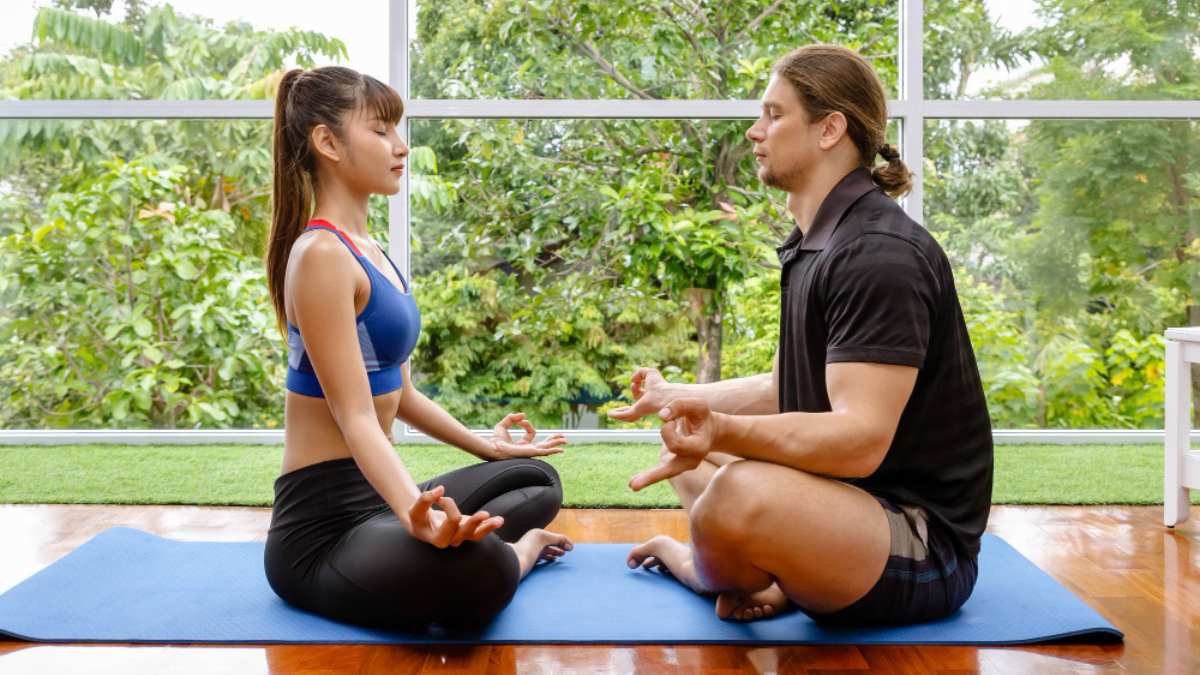
    Today, I want to share not just the science and structure of yoga or pranayam, but the experience. The kind of experience that comes not from reading textbooks, but from sitting cross-legged at dawn, feeling your breath rise and fall as the sun warms your face.

    Understanding Yoga and Pranayam Beyond the Basics

    Let me be clear: yoga is not about being flexible. It’s not about fancy leggings or headstands either. Yoga is a journey inward. It begins on the mat, sure, but it takes you far beyond your physical body.

    Yoga, at its heart, is union. The word itself means “to unite,” and it refers to the integration of mind, body, and spirit. Through movement, breath, and awareness, yoga brings us back home to ourselves. Pranayam (or pranayama), on the other hand, is the doorway to energy mastery. Derived from “prana” (life force) and “ayama” (expansion), pranayam is the art of controlling and expanding your breath—and with it, your vitality.

    When practiced together, yoga and pranayam are like sun and moon. One grounds you in your body, the other lifts you into your breath. And both bring you closer to peace.

    My Story: How I Came to This Path

    I didn’t grow up doing yoga. I came to it out of desperation. Sleepless nights, chronic fatigue, emotional ups and downs—I was barely holding it together. Western medicine helped with the symptoms, but it didn’t address the cause. One day, on a whim, I attended a community yoga class. I fumbled through the poses, awkward and unsure. But when we reached the end, in savasana, something profound happened: I felt still.

    That stillness became addictive. I kept coming back. Within a few weeks, I was breathing better. Sleeping deeper. Smiling more. A teacher noticed my growing interest and introduced me to pranayam. That’s when the real magic began. My anxiety slowly melted. My body started to feel light. The world felt clearer.

    Today, I teach yoga and pranayam to others—not because I mastered them, but because they saved me. I’ve watched them work for busy parents, elderly folks, anxious teens, even corporate professionals. It doesn’t matter who you are. These practices meet you where you are.

    The Healing Power of Practice

    So what really happens when you do yoga and pranayam consistently?

    Your spine lengthens. Your breath deepens. Your nervous system relaxes. But more importantly, your awareness grows. You become conscious of your habits, your thoughts, your reactions. You begin to see clearly.

    With every sun salutation, you’re inviting strength and flexibility. With every breath practice, you’re cleansing your mind. It’s a detox, not just for your body, but for your entire being. Pranayam helps clear stagnant emotions. Yoga helps move stuck energy. Combined, they work like a gentle inner surgeon, removing all the knots you didn’t even know you were carrying.

    One of my older students, a lovely woman in her 60s, came to class barely able to touch her knees. She now does full-length practices with a radiant smile. But more than that, she says she’s more patient with her grandchildren. That, to me, is real yoga.

    Finding a Rhythm: Creating Your Daily Ritual

    People often ask me, “When is the best time to practice?”

    My answer is always the same: when you can show up fully.

    For some, it’s first thing in the morning, as the world is still quiet. For others, it’s in the soft light of evening. The key is consistency. You don’t need two hours. Even twenty mindful minutes can reshape your day.

    Start small. Five minutes of breath awareness. A few gentle stretches. Over time, you’ll crave more. And when you do, deepen the practice. Include pranayam techniques like Anulom Vilom or Bhramari. Pair them with foundational poses like Tadasana, Bhujangasana, or Balasana. Let it be a dance, not a duty.

    Bringing Your Practice to Life

    What makes yoga or pranayam work isn’t the technique alone. It’s the intention.

    Are you breathing with awareness? Are you present in your movement? Are you listening to your body’s signals? That’s the real practice.

    Yoga doesn’t demand perfection. Your poses don’t have to look like Instagram photos. Your breath doesn’t need to be deep on day one. All it asks is for your presence. That, in itself, is the most healing gift you can offer yourself.

    And over time, the rewards unfold: better sleep, stable emotions, clearer focus, improved digestion, stronger immunity, and above all—a quiet mind.

    Mistakes to Gently Avoid

    I’ve seen this often with beginners:

    They rush through asanas. They skip breathwork. They push too hard.

    Yoga is not a race. And pranayam is not just an add-on. If you only have time for one thing, start with the breath. It’s subtle but incredibly powerful. Another mistake is comparing your journey to others. Everyone’s path is different. Respect your pace.

    Practice on an empty stomach. Find a quiet space. Don’t multitask. And most importantly, don’t expect miracles overnight. The magic builds slowly, like sunrise.

    A Gentle Routine to Try

    Here’s a simple daily practice you can follow, even as a beginner:

    • Sit comfortably. Close your eyes. Spend a minute just observing your breath.
    • Stretch gently with 3 to 5 yoga poses. Flow slowly.
    • Practice Anulom Vilom for 5 minutes. Then add Bhramari or Ujjayi.
    • End with silence or a simple chant.

    Even if all you do is breathe deeply for ten minutes each day, that is enough. Enough to reset your nervous system. Enough to remind your heart that it’s safe.

    Wrapping It All Together

    Yoga or pranayam isn’t something you master. It’s something you live.

    It’s in the way you sit, the way you breathe before reacting, the way you soften into life’s chaos. These practices won’t remove all your problems, but they will change the way you meet them.

    And in this ever-busy world, that’s more than enough. So give it a try. Start today. Unroll your mat or just sit on your bed. Close your eyes. Breathe.

    Because healing doesn’t begin in hospitals. It begins with awareness. And your breath is the most powerful medicine you own.

    FAQ: Your Real-Life Questions Answered

    Q: Is yoga or pranayam suitable for everyone?
    Absolutely. Children, elders, beginners—anyone can start, with simple guidance.

    Q: Can I do pranayam if I have a health issue?
    In most cases, yes. Just consult a qualified teacher or health expert before beginning intense breathwork.

    Q: How long should I practice daily?
    Start with 20 minutes. Even 10 minutes done mindfully is valuable.

    Q: I can’t sit cross-legged. Can I still do yoga or pranayam?
    Yes! Sit on a chair, on your bed, or use props. Comfort matters more than tradition.

    Q: Can I eat before practicing?
    Wait at least 2 hours after eating before starting pranayam or yoga.

    Q: Do I need a teacher to start?
    Guidance helps, especially in the beginning. But many resources are available if you’re self-motivated.
  • Yoga or Meditation: Which Should You Practice?

    Yoga or Meditation: Which Should You Practice?

    When it comes to finding peace, improving mental clarity, and achieving inner balance, two powerful practices stand out: yoga and meditation. Both offer remarkable benefits for your body, mind, and spirit, but the question often arises: Which is better, yoga or meditation? In this guide, we’ll dive deep into both practices, exploring their differences, similarities, and how you can incorporate them into your life. So, whether you’re a beginner or an experienced practitioner, read on to discover which practice suits you best.

    Yoga and Meditation: A Comparison

    Before diving into which one is better, it’s essential to understand what yoga and meditation truly are. Let’s start with some basics.

    Yoga is an ancient practice that involves physical postures (asanas), breath control (pranayama), and a focus on the mind. The goal of yoga is to achieve a state of balance and harmony within the body and mind. It’s a holistic practice that encourages physical health, mental clarity, and emotional stability.

    On the other hand, meditation is a mental practice that involves focusing the mind to achieve a heightened sense of awareness and concentration. Meditation helps calm the mind, reduce stress, and promote emotional well-being. Unlike yoga, which includes physical movements, meditation is usually done in a seated or lying position, focusing solely on the breath or a mantra.

    Both practices have their own set of benefits, but the key question remains: which is better?

    The Benefits of Yoga and Meditation

    Let’s break down the benefits of each practice to help you make an informed decision.

    The Benefits of Yoga

    Yoga offers a variety of physical and mental benefits, such as:

    • Improves Flexibility: Regular yoga practice helps increase flexibility, which reduces the risk of injury and enhances overall physical performance.
    • Strengthens Muscles: Yoga poses engage different muscle groups, building strength and endurance.
    • Enhances Balance and Coordination: Through asanas, yoga helps improve balance and coordination, which is vital for maintaining overall body stability.
    • Stress Relief: Yoga can be incredibly effective for reducing stress. Through deep breathing and mindfulness, you release tension from both the body and mind.
    • Increases Mindfulness: Yoga encourages you to focus on your breath and your movements, enhancing mindfulness and presence.

    The Benefits of Meditation

    Meditation, while often seen as a mental practice, also offers incredible physical and emotional benefits:

    • Reduces Stress and Anxiety: Meditation calms the mind, reducing the production of stress hormones, which helps in managing anxiety and stress.
    • Enhances Emotional Well-Being: Regular meditation can improve your emotional state by fostering positive thinking and self-awareness.
    • Improves Focus and Concentration: Through meditation, you train your mind to stay focused, which helps in other aspects of life, including work and relationships.
    • Promotes Mental Clarity: Meditation clears mental fog, helping you make decisions with a calm and focused mind.
    • Supports Self-Reflection: Meditation provides time for introspection, enabling you to better understand your emotions, desires, and thoughts.

    Yoga or Meditation: Which One Should You Choose?

    Now that you know the benefits of both, the real question is: which practice suits you best? Here’s how to decide:

    Consider Your Goals

    If you’re looking for a physical workout that also includes mindfulness, yoga may be the better choice. Yoga helps you connect your body and mind through movement and breath. It’s ideal for those who want to build physical strength, flexibility, and improve overall health.

    However, if your primary goal is mental clarity, relaxation, and emotional healing, then meditation might be more suitable for you. Meditation allows you to calm the mind, reduce stress, and connect with your inner self on a deeper level.

    Physical vs Mental Benefits

    Yoga provides a blend of physical and mental benefits, while meditation focuses primarily on mental well-being. If you’re seeking a practice that strengthens both the body and mind, yoga is an excellent choice. But if you prefer a practice focused solely on mental peace, meditation might be more effective.

    Combining Yoga and Meditation

    What if you didn’t have to choose between the two? Many practitioners find that combining both yoga and meditation creates a powerful holistic practice. In fact, yoga often leads into meditation, as the calming effect of yoga postures helps prepare the mind for deep meditation.

    A typical yoga session might begin with a few poses to warm up the body, followed by pranayama (breathing exercises) and end with a meditation practice. This combination can create a balanced approach that addresses both physical and mental health.

    How to Practice Yoga and Meditation Together

    If you’re interested in blending both practices, here’s a simple guide to get started:

    1. Start with Yoga: Begin with a gentle yoga routine to warm up your body and release any physical tension.
    2. Incorporate Breathwork: Use pranayama techniques like deep belly breathing to enhance your focus and calm your mind.
    3. End with Meditation: After yoga, sit in a comfortable position and focus on your breath or use a guided meditation to center your mind.

    Is One Practice Better Than the Other?

    Ultimately, the answer depends on your personal goals. Yoga and meditation each offer unique benefits, and the best practice for you depends on what you seek to achieve. If you’re looking to improve your physical health while also calming your mind, yoga may be the better choice. However, if you’re more focused on mental clarity and emotional healing, meditation could be a better fit.

    But here’s a pro tip: don’t feel you need to choose one over the other. Combining both yoga and meditation can provide the best of both worlds — physical vitality, mental calmness, and emotional balance.

    Frequently Asked Questions (FAQs)

    1. Is yoga better than meditation for anxiety?
      Yoga can help with anxiety by promoting relaxation through breathing exercises and physical postures. Meditation, however, is specifically designed to calm the mind and reduce anxiety. Many people find combining both practices to be the most effective approach.
    2. Can yoga be a form of meditation?
      Yes! Yoga is often referred to as a moving meditation because it encourages mindfulness and presence. As you move through different poses, you focus on your breath, which can help you achieve a meditative state.
    3. How long should I meditate each day?
      Even just 5–10 minutes of meditation daily can bring noticeable benefits. For deeper practices, many recommend 20–30 minutes, but the key is consistency.
    4. Can I do yoga without meditating?
      Yes, you can practice yoga without meditating. However, many yoga practices include elements of meditation, such as focused breathwork or mindful awareness.
    5. How do I start practicing meditation?
      Start by sitting in a comfortable position, focusing on your breath. When your mind wanders, gently guide it back to your breath. You can also use guided meditations or apps for support.

    Conclusion: Yoga or Meditation — Which Is Better for You?

    In the end, both yoga and meditation offer invaluable benefits for your body, mind, and spirit. The key is to understand your personal goals and needs. Whether you’re looking for physical health, emotional well-being, or mental clarity, you can tailor your practice to suit you. And remember, there’s no need to choose — integrating both practices into your daily routine may provide the perfect balance for a healthy, peaceful life.

    Take your time, explore both practices, and most importantly, enjoy the journey to self-discovery. Your body, mind, and soul will thank you!