
Day: February 15, 2025

  • Best Yoga Center in Rishikesh? How to Choose the Right One

    Best Yoga Center in Rishikesh? How to Choose the Right One

    Rishikesh, known as the Yoga Capital of the World, attracts seekers from across the globe. Finding the best yoga center in Rishikesh ensures an authentic and transformative experience. Traditional teachings, Himalayan energy, and experienced gurus create an ideal environment for deep yogic learning.

    Ancient scriptures like the Yoga Sutras of Patanjali and Bhagavad Gita emphasize the importance of learning yoga in a sacred space. Rishikesh, with its spiritual aura, provides just that.

    Why Choose a Yoga Center in Rishikesh?

    Rishikesh is home to renowned yoga schools and ashrams offering traditional and modern practices. Learning here ensures exposure to authentic yogic philosophy, meditation, and Ayurveda.

    Key Benefits of Practicing Yoga in Rishikesh:

    • Surrounded by the Himalayas and the holy Ganges, a natural place for spiritual awakening.
    • Experienced teachers following traditional yoga scriptures and modern techniques.
    • Immersive programs including 200-hour and 300-hour yoga teacher training.
    • Centers accredited by Yoga Alliance for international certification.
    • Balanced learning of Hatha, Ashtanga, Kundalini, and Vinyasa yoga.

    How to Choose the Best Yoga Center in Rishikesh?

    Selecting the right yoga center depends on authenticity, teaching quality, and environment.

    Factors to Consider:

    • Accreditation: Ensure it is a Yoga Alliance-certified school.
    • Teaching Lineage: Learn from teachers with deep knowledge of yogic traditions.
    • Curriculum: The course should include yoga philosophy, asanas, pranayama, and meditation.
    • Student Reviews: Feedback from past students reflects the quality of training.
    • Accommodation & Food: A supportive environment with Sattvic meals and peaceful living enhances learning.

    Best Yoga Styles to Learn in Rishikesh

    Different yoga centers offer specialized training in various styles. Understanding them helps in making the right choice.

    1. Hatha Yoga

    Hatha Yoga focuses on postures, breath control, and inner balance. It prepares the body and mind for deeper spiritual practices.

    1. Ashtanga Yoga

    This dynamic practice follows a set sequence of postures, promoting strength, flexibility, and discipline. Many advanced practitioners prefer it.

    1. Kundalini Yoga

    A powerful practice that awakens Kundalini energy through breathwork, kriyas, and chanting. It enhances self-awareness and energy flow.

    1. Vinyasa Flow

    A modern style linking breath with movement. It improves endurance, flexibility, and mental clarity.

    1. Iyengar Yoga

    Uses props like blocks and straps to perfect alignment. It suits those who need therapeutic benefits from yoga.

    Top Yoga Centers in Rishikesh

    Several yoga institutes offer excellent training. Here are some renowned ones:

    • Parmarth Niketan – Famous for spiritual retreats and Ganga Aarti.
    • Sivananda Ashram – Offers traditional Hatha Yoga and Vedanta philosophy.
    • Rishikesh Yoga Peeth – Focuses on authentic Hatha and Ashtanga training.
    • Omkarananda Ashram – Known for meditation, chanting, and philosophy classes.

    The Role of a Certified Yoga Teacher

    Graduates of a yoga instructor course in Rishikesh can teach globally. A certified teacher helps students understand philosophy, asanas, breathwork, and mindfulness.

    Skills Gained from a Yoga Teacher Training Course:

    • Ability to guide safe and effective yoga sessions.
    • Deep understanding of yogic texts, Ayurveda, and mindfulness.
    • Confidence in teaching meditation, pranayama, and alignment techniques.

    Life in a Yoga Center in Rishikesh

    A yogic lifestyle includes daily practice, community meals, and philosophical discussions. The peaceful surroundings enhance self-reflection and growth.

    Many students visit sacred caves, temples, and Ayurvedic wellness centers during their stay. Local markets offer organic food, yoga gear, and spiritual books.

    Conclusion

    Choosing the best yoga center in Rishikesh ensures authentic learning and personal growth. Whether for spiritual awakening, teacher training, or self-practice, Rishikesh provides a perfect setting.

    Are you ready to start your yoga journey in the Yoga Capital of the World? Experience the power of traditional yoga and unlock your potential!
  • Yoga for Upper Back and Neck Pain: Best Yoga Poses

    Yoga for Upper Back and Neck Pain: Best Yoga Poses

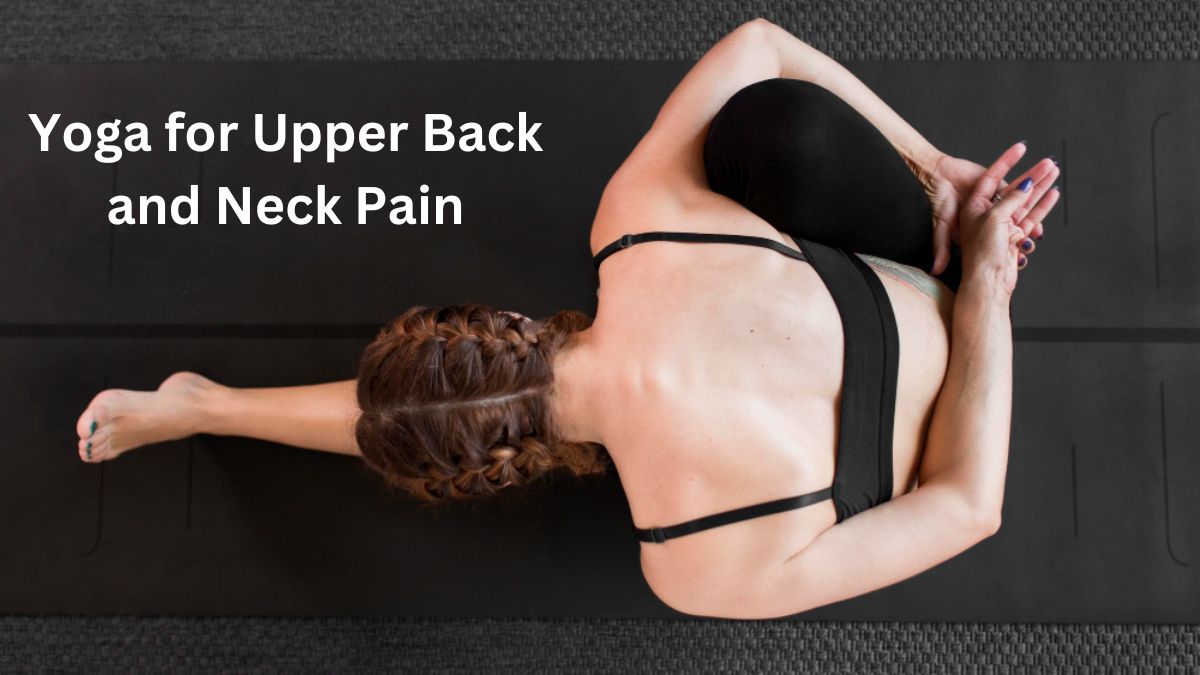
    Upper back and neck pain are common issues today. Long sitting hours, bad posture, and stress cause stiffness. Yoga for upper back and neck pain can help relieve tension naturally. Ancient yogic texts mention how body alignment affects overall health. Simple stretches and mindful movements ease discomfort and restore flexibility.

    Yoga has been practiced for centuries to promote physical and mental well-being. Modern lifestyles, dominated by desk work and technology, contribute to increased complaints of muscle stiffness and pain. This article explores effective yoga poses, breathwork, and Ayurvedic remedies to alleviate pain and restore balance.

    The Root Causes of Neck and Upper Back Pain

    The upper back and neck are sensitive areas. Poor posture, long screen time, and stress trigger tightness. According to yogic philosophy, blocked energy in the thoracic and cervical spine leads to pain. Ayurveda suggests gentle movements to restore balance. Yoga for neck and shoulder pain helps improve mobility and circulation.

    Common Causes of Upper Back and Neck Pain

    • Poor Posture: Slouching and forward head posture put strain on the spine.
    • Stress and Anxiety: Tension builds up in the shoulders and neck.
    • Sedentary Lifestyle: Lack of movement weakens back muscles.
    • Injury or Strain: Sudden jerks or improper movements can cause stiffness.
    • Sleep Position: Incorrect pillow height and mattress quality affect neck alignment.
    • Repetitive Movements: Activities like typing or driving for long hours contribute to discomfort.

    Best Yoga Poses for Upper Back and Neck Relief

    1. Cat-Cow Stretch (Marjaryasana-Bitilasana)

    Cat-Cow Stretch (Marjaryasana-Bitilasana)

    This dynamic stretch warms up the spine. It reduces stiffness and increases flexibility.

    • Start in a tabletop position.
    • Inhale, arch your back, lift your chin (Cow Pose).
    • Exhale, round your spine, tuck your chin (Cat Pose).
    • Repeat 8-10 times.

    Benefits: Encourages spinal mobility, reduces stiffness, and enhances circulation.

    1. Child’s Pose (Balasana)

    Child’s Pose (Balasana)

    This pose relaxes the spine and stretches the shoulders.

    • Kneel with your big toes touching.
    • Extend your arms forward and lower your chest.
    • Breathe deeply and hold for 30 seconds.

    Benefits: Releases tension in the upper back, calms the nervous system, and promotes relaxation.

    1. Cobra Pose (Bhujangasana)

    Cobra Pose (Bhujangasana)

    This pose strengthens the back and improves spinal flexibility.

    • Lie on your stomach.
    • Place your hands under your shoulders.
    • Inhale, lift your chest, and keep elbows soft.
    • Hold for 20-30 seconds.

    Benefits: Strengthens the upper back, counteracts forward head posture, and improves flexibility.

    1. Seated Neck Stretch

    Seated Neck Stretch

    This pose releases neck tension and improves mobility.

    • Sit in a comfortable position.
    • Tilt your head to the right, hold for 15 seconds.
    • Switch to the left and repeat.

    Benefits: Increases neck flexibility, reduces stiffness, and eases discomfort from prolonged screen use.

    1. Shoulder Rolls

    Shoulder Rolls

    This simple movement improves shoulder mobility.

    • Sit or stand tall.
    • Roll your shoulders forward, then backward.
    • Repeat 10 times.

    Benefits: Enhances blood flow, relieves built-up tension, and increases shoulder mobility.

    Yogic Philosophy on Spine and Posture

    Ancient texts like the Yoga Sutras of Patanjali emphasize spinal health. A strong spine supports energy flow. Hatha yoga for spinal alignment helps maintain proper posture. The Bhagavad Gita discusses mind-body balance, which influences physical health. Restorative yoga for tension relief calms the nervous system.

    According to yogic wisdom, energy flows through the spine. When misalignment occurs, prana (life force energy) gets blocked, leading to discomfort. Practicing mindful stretching for neck strain helps release these blockages and restores harmony.

    Breathwork for Tension Release

    Breath control, or Pranayama, is crucial for pain relief.

    • Deep Belly Breathing: Relaxes tight muscles and improves oxygen flow.
    • Alternate Nostril Breathing (Nadi Shodhana): Clears energy blockages and reduces stress.
    • Ujjayi Breathing: Soothes the nervous system and enhances focus.
    • Bhramari (Humming Bee Breath): Reduces anxiety and neck tension.

    Lifestyle Tips to Prevent Upper Back and Neck Pain

    • Maintain Proper Posture: Keep your spine straight while sitting.
    • Take Frequent Breaks: Avoid long hours of screen time.
    • Use Supportive Yoga Mats: Soft mats reduce pressure on the spine.
    • Stretch Regularly: Incorporate therapeutic yoga for neck and spine daily.
    • Practice Mindfulness: Reduce stress to avoid tension buildup.
    • Strengthen Back Muscles: Regular exercises improve posture and spinal support.

    Ayurvedic Remedies for Neck and Shoulder Pain

    Ayurveda recommends natural treatments for pain relief.

    • Warm Oil Massage: Use sesame oil to relax stiff muscles.
    • Turmeric Milk: Reduces inflammation and promotes healing.
    • Herbal Teas: Chamomile and ginger tea ease muscle tension.
    • Epsom Salt Bath: Soothes sore muscles and improves circulation.

    Meditation and Stress Management

    Stress contributes to muscle stiffness. Meditation for pain management helps relax the body. Try guided relaxation techniques before bedtime. Mindful stretching for neck strain improves sleep quality. Daily meditation helps release stress-induced tightness in the upper back and shoulders.

    Additional Yoga Props for Support

    Using yoga props enhances comfort and prevents strain.

    • Yoga Blocks: Support proper alignment in poses.
    • Bolsters: Provide cushioning during restorative yoga.
    • Straps: Assist in deep stretches without overextending muscles.
    • Ergonomic Chairs: Maintain good posture while working.

    Conclusion

    Regular yoga practice can prevent and relieve upper back and neck pain. Yoga for upper back and neck pain improves flexibility and posture. Ancient wisdom and modern science agree on its benefits. Start with gentle poses and listen to your body. Over time, you’ll feel lighter, stronger, and pain-free.

    Stay consistent, breathe deeply, and embrace the healing power of yoga!